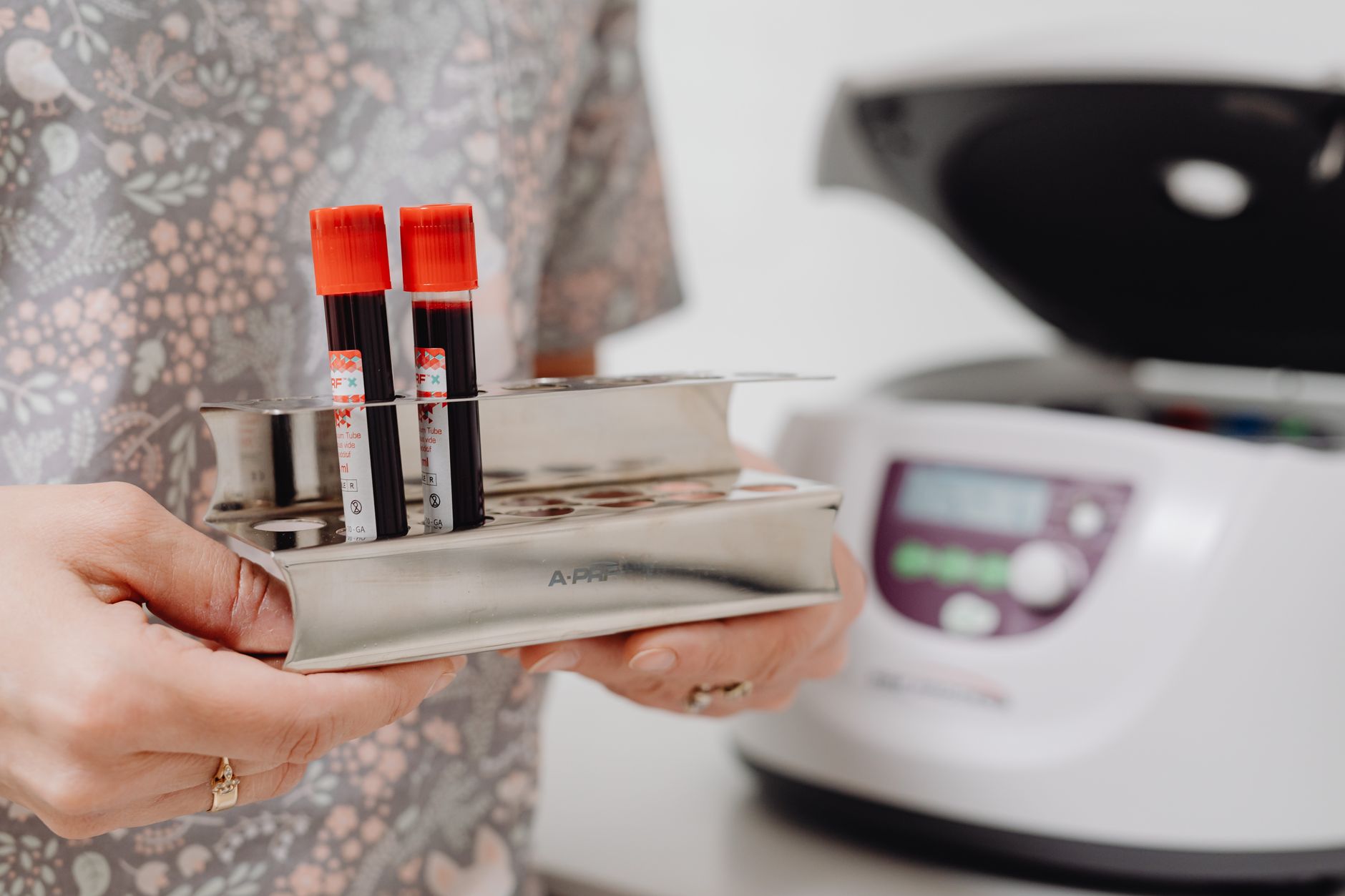
Raised alkaline phosphatase in pregnancy is often linked to liver function changes, learn how it affects you and your baby's health during pregnancy
By Shubhra Mishra — a mom of two who turned her own confusion during pregnancy into BumpBites, a global mission to make food choices clear, safe, and stress-free for every expecting mother. 💛
Check whether any food is safe during pregnancy with the BumpBites Food Safety Checker.
Quick take: Seeing "raised alkaline phosphatase" on your pregnancy lab results can be unsettling, but it's often a completely normal physiological change. During pregnancy, your placenta produces alkaline phosphatase, causing levels to naturally increase, especially in the third trimester. However, significantly elevated levels or those accompanied by concerning symptoms might warrant further investigation by your healthcare provider to rule out underlying conditions affecting the liver or bones.
It's 2 AM, you're scrolling through your patient portal, and a new lab result pops up. "Alkaline Phosphatase" is flagged as "high." Your heart might skip a beat. Is this normal? Is something wrong with your liver? When you're pregnant, every little detail about your health feels amplified, and a confusing lab result can send you down a rabbit hole of worry.
Take a breath. While a raised alkaline phosphatase (ALP) level can sometimes signal an issue, in pregnancy, it's far more commonly a perfectly natural, expected change. Your body is doing incredible things to grow a baby, and some of those processes involve shifts in your blood work. Our goal at BumpBites is to help you understand what this number means, why it changes, and when it’s something to simply note versus something to discuss more deeply with your doctor.
We'll dive into what alkaline phosphatase is, what normal levels look like throughout your pregnancy, the common reasons it rises, and crucially, when you might need to be concerned. You’ll also learn how this enzyme differs from other liver markers and practical steps you can take, always in consultation with your healthcare team, to support your health.
Understanding your lab results can be reassuring when you know what to expect during pregnancy.
What Does High Alkaline Phosphatase Mean During Pregnancy?
Alkaline phosphatase, often shortened to ALP, is an enzyme found throughout your body, playing a crucial role in many biological processes. Enzymes are like tiny workers that help speed up chemical reactions. ALP is particularly active in your liver, bones, kidneys, and intestines. Its main job involves breaking down phosphate-containing compounds, which is important for bone mineralization (building strong bones) and certain metabolic functions.
In a non-pregnant person, a high ALP level can sometimes be a red flag for conditions affecting the liver (like hepatitis or bile duct obstruction) or bones (like Paget's disease or rickets). However, when you're pregnant, the landscape changes significantly. The normal physiological changes of pregnancy introduce an entirely new source of ALP: your placenta.
The placenta, your baby's life-support system, starts producing a specific type of ALP called placental alkaline phosphatase (PLAP) early in pregnancy. As your pregnancy progresses and the placenta grows, the amount of PLAP in your blood naturally increases. This is a normal, healthy adaptation and is the primary reason why your total ALP levels will likely be higher than they were before you were pregnant.
So, a high ALP reading during pregnancy often means your placenta is hard at work. It's a sign of a healthy, growing pregnancy rather than a problem. However, it's important to remember that while placental ALP is the most common reason for elevation, other causes, both physiological and pathological, can also contribute. Your doctor will always consider your overall health, symptoms, and other lab results when interpreting your ALP levels.
What Are Normal Alkaline Phosphatase Levels by Trimester in Pregnancy?
Understanding what's considered "normal" for ALP during pregnancy is key to reducing worry. Unlike in non-pregnant individuals where ALP levels remain relatively stable, pregnancy brings about a dynamic shift. Because the placenta is a significant producer of ALP, your levels will naturally rise as your pregnancy progresses, reflecting the growth and activity of this vital organ.
It's important to note that "normal ranges" can vary slightly between different laboratories, so your results should always be interpreted using the reference ranges provided by the lab that performed your test. However, we can provide general guidelines to give you an idea of what to expect:
Trimester
Typical Non-Pregnant Range (IU/L)
Typical Pregnant Range (IU/L)
Key Changes
First Trimester (Weeks 1-12)
30-120
Slightly elevated or near non-pregnant range (30-150)
Begins to rise as the placenta develops.
Second Trimester (Weeks 13-27)
30-120
Moderately elevated (50-250)
Steady increase as placental mass grows.
Third Trimester (Weeks 28-40)
30-120
Significantly elevated (100-400, sometimes higher)
Peak levels are typically seen due to maximal placental activity.
As you can see, by the third trimester, your ALP levels can be several times higher than what would be considered normal for a non-pregnant person. For example, an ALP level of 300 IU/L in the third trimester might look alarming if you compared it to a non-pregnant range, but it's often perfectly within the expected physiological range for a pregnant individual.
This rise is primarily due to placental alkaline phosphatase (PLAP). PLAP is heat-stable, meaning it doesn't break down easily with heat, a characteristic that helps distinguish it from other forms of ALP if further investigation is needed. The magnitude of the increase can also vary from person to person, influenced by factors like placental size and individual metabolism.
After delivery, ALP levels gradually return to non-pregnant ranges, usually within a few weeks to a few months postpartum. This normalization is a good indicator that the elevated levels were indeed pregnancy-related.
What Are Common Causes of Raised Alkaline Phosphatase in Pregnant Women?
When your ALP levels are elevated during pregnancy, it’s helpful to understand the various reasons why this might happen. Most of the time, the cause is entirely physiological and benign. However, it's also important to be aware of other, less common but more serious, causes that your doctor will consider.
Physiological Causes: The Pregnancy Effect
Placental Production: This is by far the most significant reason. As mentioned, the placenta produces a specific isoform of ALP (placental alkaline phosphatase or PLAP) that enters your bloodstream. The larger and more active your placenta, the more PLAP it produces, leading to higher ALP levels, especially in the second and third trimesters.
Increased Bone Turnover: Pregnancy involves significant changes in your bone metabolism. Your body needs more calcium and other minerals to support your baby's skeletal development. This increased demand can lead to a slight increase in bone turnover, releasing more ALP from your bones into your blood. While less impactful than placental ALP, it can contribute to the overall elevation.
Pathological Causes: When Something Else Is Going On
While less common, certain medical conditions can also cause elevated ALP during pregnancy. Your doctor will look for other symptoms and lab results to differentiate these from the normal physiological rise.
Liver Conditions:
Intrahepatic Cholestasis of Pregnancy (ICP): This is a liver disorder specific to pregnancy, characterized by impaired bile flow. Elevated alkaline phosphatase and cholestasis of pregnancy often go hand-in-hand. Key symptoms include intense itching, especially on the palms and soles, often worse at night, and dark urine. While ALP can be high, the most diagnostic markers for ICP are elevated bile acids.
Pre-eclampsia and HELLP Syndrome: These serious conditions involve high blood pressure and can affect liver function. ALP can be elevated, but usually, other liver enzymes (like ALT and AST) will be much higher, along with elevated blood pressure and protein in the urine.
Viral Hepatitis: Infections like hepatitis A, B, or C can cause liver inflammation, leading to elevated ALP and other liver enzymes.
Acute Fatty Liver of Pregnancy (AFLP): A rare but severe liver disorder that can develop in late pregnancy. It causes widespread liver damage, leading to significantly elevated liver enzymes, including ALP, along with other symptoms like nausea, vomiting, abdominal pain, and jaundice.
Bone Disorders:
While rare, pre-existing bone conditions (e.g., Paget's disease) can cause high ALP. However, these are usually diagnosed before pregnancy. Severe vitamin D deficiency, which impacts bone health, can also contribute to elevated bone ALP.
Other Conditions:
Less commonly, conditions like hyperparathyroidism, certain cancers (though rare in pregnancy), or even some medications can affect ALP levels.
Risk Factors for High Alkaline Phosphatase in Pregnancy
While the physiological rise in ALP is universal, certain factors might influence the degree of elevation or increase the risk of pathological causes:
Multiple Gestations: Carrying twins or more means a larger placental mass, often leading to higher ALP levels.
Ethnicity: Some ethnic groups have naturally higher baseline ALP levels.
Pre-existing Liver or Bone Conditions: If you had a liver or bone disorder before pregnancy, your ALP might already be elevated.
Vitamin D Deficiency: As mentioned, severe vitamin D deficiency can impact bone health and contribute to higher bone-specific ALP, though its contribution to overall high ALP in pregnancy is usually less than placental ALP. Many pregnant women are screened for and supplemented for vitamin D deficiency, which is beneficial for both maternal and fetal health.
Certain Medications: Some drugs can affect liver function and ALP levels. Always discuss your medications with your provider.
One BumpBites reader shared, "When my ALP came back high in my third trimester, I immediately feared the worst. My doctor calmly explained it was likely just my placenta doing its job. We kept an eye on it, along with my other labs, and everything stayed normal. It was a huge relief to understand that not every 'high' result is a problem." This perfectly illustrates why context and comprehensive evaluation are so important.
A balanced diet rich in whole foods supports overall liver health and well-being during pregnancy.
Is Elevated Alkaline Phosphatase in Pregnancy a Sign of Liver Disease?
This is one of the most common anxieties when an elevated ALP result appears. While it's true that high ALP can be a marker for liver disease in the general population, in pregnancy, the answer is usually "not necessarily." The key differentiator is the source of the ALP and how it trends alongside other liver enzymes.
As we've discussed, the placenta is a major producer of ALP during pregnancy. This placental ALP doesn't signify liver damage; it's a normal byproduct of a healthy, functioning placenta. Therefore, an isolated elevation of ALP, especially in the second and third trimesters, with no other symptoms or abnormal liver function tests, is highly likely due to placental activity.
How to Interpret Alkaline Phosphatase Results Alongside Other Liver Enzymes
To determine if an elevated ALP is truly indicative of liver disease, your doctor will almost always look at a broader panel of liver function tests (LFTs). These include:
Alanine Aminotransferase (ALT): Primarily found in the liver, ALT is a more specific indicator of liver cell damage. When liver cells are injured, ALT is released into the bloodstream, causing levels to rise.
Aspartate Aminotransferase (AST): Also found in the liver, heart, and muscles. Elevated AST often indicates liver damage, but it's less specific than ALT.
Gamma-Glutamyl Transferase (GGT): Found in the liver and bile ducts. GGT is particularly useful in confirming whether an elevated ALP is of liver or bone origin. If ALP and GGT are both high, it strongly suggests a liver issue, especially one involving bile ducts. If ALP is high but GGT is normal, it's more likely from bone or placental sources.
Bilirubin: A byproduct of red blood cell breakdown, processed by the liver. Elevated bilirubin causes jaundice (yellowing of the skin and eyes) and indicates impaired liver function or bile flow.
Here's a simplified way your doctor might interpret these markers:
High ALP, Normal ALT, AST, GGT, Bilirubin: This pattern is highly reassuring in pregnancy and strongly suggests that the elevated ALP is due to placental production. No liver disease is typically indicated.
High ALP, High GGT, and potentially High ALT/AST/Bilirubin: This combination is more concerning and points towards a possible liver or bile duct issue, such as cholestasis, hepatitis, or other liver injury.
High ALT and/or AST (even if ALP is normal or only slightly elevated): Elevated ALT and AST are often the first and most specific indicators of liver cell damage. Even if ALP isn't dramatically high, significant elevations in ALT/AST warrant investigation.
Consider this simplified table for quick reference:
Suggests impaired bile flow or liver dysfunction, likely with jaundice.
So, while an elevated alkaline phosphatase level in pregnancy does prompt a review of liver function, it's critical to look at the full picture. Your doctor will use the other liver enzymes as important guides to differentiate between a healthy placental rise and a potentially concerning liver condition. The question, "alkaline phosphatase vs alt levels in pregnant patients," is particularly relevant here because ALT is a more direct indicator of liver cell injury compared to ALP's broader distribution.
When Should I Be Concerned About Alkaline Phosphatase Levels in Pregnancy?
While we've established that a rise in ALP during pregnancy is usually normal, there are indeed circumstances when it warrants closer attention and potential concern. It's about recognizing the red flags that differentiate a benign physiological change from an underlying medical issue.
What is Considered a High Alkaline Phosphatase Level in Pregnancy?
As discussed, levels can reach 100-400 IU/L or even higher in the third trimester and still be considered normal. However, if your ALP levels are extraordinarily high – for example, consistently above 500 IU/L, or showing a rapid, dramatic increase beyond expected pregnancy ranges – your doctor will likely investigate further. The absolute number is less important than the context, accompanying symptoms, and trends over time.
Key Indicators for Concern
Accompanying Symptoms: If your elevated ALP comes with any of the following symptoms, it's a stronger signal for concern:
Intense Itching (pruritus): Especially on the palms of your hands and soles of your feet, often worse at night, without a rash. This is a hallmark symptom of Intrahepatic Cholestasis of Pregnancy (ICP).
Jaundice: Yellowing of your skin or the whites of your eyes. This indicates elevated bilirubin and impaired liver function.
Dark Urine or Pale Stools: These are signs of issues with bile flow or liver processing.
Nausea, Vomiting, Abdominal Pain: Particularly upper right quadrant pain. These can be symptoms of various liver conditions, including pre-eclampsia, HELLP syndrome, or acute fatty liver of pregnancy.
Fatigue and Malaise: While common in pregnancy, severe, debilitating fatigue, especially combined with other symptoms, can be a concern.
High Blood Pressure: A key symptom of pre-eclampsia.
Swelling (Edema): Especially sudden or severe swelling, another sign of pre-eclampsia.
Abnormalities in Other Liver Enzymes: As explained, if your ALP is high *and* your ALT, AST, or GGT are also significantly elevated, this points more definitively to a liver problem rather than just placental ALP. Your doctor will review the entire liver panel.
Lack of Expected Rise: While less common, if your ALP levels are unusually low or don't rise as expected in the later stages of pregnancy, it could sometimes indicate a problem with placental function, though this is rare.
Rapid or Unexplained Rise: If your ALP levels suddenly spike or continue to climb far beyond typical pregnancy ranges without a clear explanation, your provider will want to investigate.
Many moms-to-be tell us they feel a sense of unease when they see an "abnormal" lab result. It's natural to worry. That's why open communication with your healthcare provider is so vital. They are equipped to interpret your lab results in the full context of your health, medical history, and current pregnancy. Always bring any new or worsening symptoms to their attention.
How Can I Safely Lower Alkaline Phosphatase During Pregnancy?
When an elevated alkaline phosphatase (ALP) level is identified, the first and most important step is for your healthcare provider to determine the underlying cause. If the elevation is due to normal placental production, there's generally no need to "lower" it, as it's a healthy physiological response to pregnancy. In these cases, the focus is on maintaining overall well-being.
However, if a pathological cause for high ALP is identified, such as Intrahepatic Cholestasis of Pregnancy (ICP) or another liver condition, your doctor will develop a specific management plan. This plan aims to treat the underlying condition, which in turn may help normalize ALP levels. For example, in cases of ICP, medications like ursodeoxycholic acid (UDCA) may be prescribed to improve bile flow and reduce symptoms, which can also lead to a decrease in liver enzymes, including ALP.
It's crucial to emphasize that you should never attempt to self-treat or try to "lower" your ALP without medical guidance. Any dietary changes, supplements, or lifestyle modifications should always be discussed with your doctor or a registered dietitian specializing in prenatal care.
General Supportive Measures (for normal physiological rise or as part of a broader plan)
While these won't directly "lower" placental ALP, they support overall liver health and well-being, which is beneficial for any pregnant person:
Balanced Nutrition: Focus on a diet rich in whole, unprocessed foods.
Lean Proteins: Support liver cell repair.
Fiber-Rich Foods: Whole grains, fruits, and vegetables aid digestion and detoxification.
Antioxidants: Berries, leafy greens, and colorful vegetables protect liver cells from damage.
Healthy Fats: Avocados, nuts, seeds, and olive oil provide essential nutrients and support cell membrane health.
Nutrient-Dense Foods: Specific nutrients like magnesium, zinc, and B vitamins (especially B6 and B12) are cofactors for many enzyme reactions, including those in the liver. Ensure you're getting these through a balanced diet and your prenatal vitamin.
Hydration: Drinking plenty of water helps your body's natural detoxification processes, including those involving the liver and kidneys. Aim for 8-12 glasses of water per day, or as recommended by your provider.
Limit Processed Foods, Sugars, and Unhealthy Fats: These can place an additional burden on your liver. Reducing their intake supports overall liver health.
Regular, Moderate Exercise: Staying active (as approved by your doctor) improves circulation, aids digestion, and supports metabolic health, all of which indirectly benefit liver function.
Adequate Sleep: Rest allows your body to repair and regenerate, supporting optimal organ function.
Avoid Alcohol and Harmful Substances: This is a given during pregnancy, as these substances are directly toxic to the liver.
Manage Stress: Chronic stress can impact various bodily systems, including digestive and metabolic functions. Incorporate stress-reduction techniques like prenatal yoga, meditation, or spending time in nature.
Vitamin D Intake: If you have a vitamin D deficiency, addressing it through supplements (as prescribed by your doctor) can support bone health and may indirectly influence bone-derived ALP.
Remember, the goal is always to address the root cause, if one is found. For the vast majority of pregnant people, an elevated ALP is a harmless sign of a healthy, progressing pregnancy, and no specific intervention to "lower" it is needed beyond general healthy living.
What's the Difference Between Alkaline Phosphatase and Other Liver Enzymes in Pregnancy?
When your doctor orders a "liver panel" or "liver function tests" (LFTs) during pregnancy, they're looking at a group of enzymes and proteins that provide different insights into your liver's health. Understanding the distinction between alkaline phosphatase (ALP) and other liver enzymes is crucial for accurate diagnosis, especially during pregnancy where ALP often rises physiologically.
Think of your liver as a complex factory, and each enzyme as a different type of worker. ALP is a versatile worker found in many departments, while others are more specialized.
Alkaline Phosphatase (ALP):
Location: Found in liver, bones, kidneys, intestines, and importantly, the **placenta** during pregnancy.
Role: Involved in bone mineralization and breaking down phosphate compounds. In pregnancy, placental ALP is a major contributor to elevated levels.
Significance in Pregnancy: A high ALP alone is *most often* due to placental production. If it's the only elevated enzyme, it's usually not a concern.
Alanine Aminotransferase (ALT):
Location: Primarily found in the liver.
Role: An enzyme involved in amino acid metabolism within liver cells.
Significance in Pregnancy: Often considered the most specific indicator of liver cell damage. When liver cells are injured (e.g., due to hepatitis, pre-eclampsia, or cholestasis), ALT leaks into the bloodstream, causing levels to rise. A significant increase in ALT (alkaline phosphatase vs alt levels in pregnant patients) is a stronger indicator of liver pathology than ALP alone.
Aspartate Aminotransferase (AST):
Location: Found in the liver, heart, muscles, kidneys, and brain.
Role: Also involved in amino acid metabolism.
Significance in Pregnancy: Like ALT, elevated AST can indicate liver damage. However, because it's found in other organs, it's less specific to the liver than ALT. High AST alongside high ALT strongly suggests liver injury.
Gamma-Glutamyl Transferase (GGT):
Location: Found in the liver, bile ducts, and kidneys.
Role: Involved in glutathione metabolism, a key antioxidant process.
Significance in Pregnancy: GGT is particularly helpful in determining the origin of an elevated ALP. If both ALP and GGT are high, it strongly points to a liver or bile duct problem (cholestasis). If ALP is high but GGT is normal, it suggests the ALP is coming from bone or placental sources, not the liver.
Bilirubin (Total and Direct):
Location: A pigment produced when red blood cells break down, processed by the liver.
Role: The liver converts unconjugated (indirect) bilirubin into conjugated (direct) bilirubin, which is then excreted in bile.
Significance in Pregnancy: Elevated bilirubin (especially direct) indicates that the liver isn't processing bile properly or that bile flow is obstructed. It causes jaundice and is a significant marker of liver dysfunction.
In summary, while ALP is included in a liver panel, its elevation in pregnancy is often due to the placenta. It's the patterns of elevation across *all* these enzymes that give your doctor the clearest picture of your liver health. For instance, a high ALP with normal ALT, AST, and GGT is usually reassuring. But if ALT, AST, and/or GGT are also significantly elevated, or if bilirubin is high, it flags a more serious concern requiring further investigation.
Does Prenatal Screening Include Alkaline Phosphatase Testing?
The question of whether alkaline phosphatase (ALP) testing is part of routine prenatal screening often arises when expecting parents see it on their lab results. The answer is nuanced: while ALP isn't typically a standalone "screening test" like, say, blood type or rubella immunity, it is very commonly included as part of broader prenatal blood work, particularly within a comprehensive metabolic panel or a liver function test (LFT) panel.
Many healthcare providers will order a liver panel at various points in pregnancy, especially if there are any symptoms or risk factors that might suggest a liver issue. This could be in the first trimester as part of baseline blood work, or later in the second or third trimester if concerns like pre-eclampsia or cholestasis of pregnancy arise. So, while you might not specifically see "ALP test" listed, it's often covered under a larger panel.
Lab Test Interpretation Alkaline Phosphatase Pregnancy
When your ALP results come back, your healthcare provider will interpret them within the context of your pregnancy stage and other lab values. They'll know that a rising ALP is expected as you progress through pregnancy, especially into the third trimester. If your ALP is elevated but all other liver enzymes (ALT, AST, GGT) are within normal limits, and you have no concerning symptoms, it's highly likely that the elevation is due to placental ALP and is considered normal.
However, if your ALP is significantly elevated or if other liver enzymes are also high, your provider will likely recommend further tests. This could include:
Repeat Liver Panel: To see if levels are trending up or down.
Bile Acids Test: Crucial for diagnosing Intrahepatic Cholestasis of Pregnancy (ICP) if itching is a symptom.
Viral Hepatitis Panel: To check for hepatitis infections.
Ultrasound of the Liver and Gallbladder: To check for structural abnormalities or blockages.
Postpartum Alkaline Phosphatase Normal Range
Once your baby is born, the placenta is delivered, and the primary source of the elevated ALP is removed. Consequently, your ALP levels will gradually return to the normal non-pregnant range. This process usually takes a few weeks to a few months postpartum. Your doctor might recommend a follow-up blood test a few weeks after delivery to confirm that your ALP levels have normalized. This postpartum check is a reassuring way to confirm that the elevated levels during pregnancy were indeed physiological and not indicative of a persistent underlying condition.
If ALP levels remain elevated several months postpartum, then further investigation may be warranted to explore non-pregnancy- related causes, but this is uncommon if the elevation was initially attributed to pregnancy.
From our medical team: "It's common for patients to feel anxious about any 'abnormal' lab result during pregnancy. With alkaline phosphatase, it's particularly important to remember that pregnancy is a unique physiological state. A high ALP reading is often a reassuring sign of a healthy placenta. We look at the full clinical picture—your symptoms, other lab results, and how levels trend over time—to differentiate between normal pregnancy changes and a genuine concern. Never hesitate to ask your provider to explain your results in detail; that's what we're here for."
Myth vs. Fact
Navigating health information during pregnancy can be tricky, especially with lab results. Let's clear up some common misconceptions about elevated alkaline phosphatase in pregnancy.
Myth: Any high alkaline phosphatase reading in pregnancy means I have liver damage.
Fact: False. While high ALP can indicate liver damage in non-pregnant individuals, in pregnancy, the most common reason for elevated ALP is production by the placenta. This placental alkaline phosphatase (PLAP) is a normal, healthy part of pregnancy and does not mean your liver is damaged. Your doctor will look at other specific liver enzymes (like ALT and AST) to assess liver health.
Myth: I need to drastically change my diet to lower my ALP levels if they are high.
Fact: Not necessarily. If your elevated ALP is due to normal placental activity, there's no specific diet to "lower" it, nor is it needed. Focusing on a generally healthy, balanced pregnancy diet is always recommended. If a liver condition is diagnosed, dietary advice might be part of the management plan, but this would be tailored and provided by your healthcare provider or a dietitian.
Myth: High alkaline phosphatase will harm my baby.
Fact: False, in most cases. If the elevated ALP is due to normal placental function, it poses no risk to your baby. If the high ALP is a symptom of a serious underlying condition like severe cholestasis or pre-eclampsia, it's the underlying condition itself, not the ALP level, that could potentially impact maternal and fetal health. In such cases, your medical team will closely monitor and manage the condition to protect both you and your baby.
Key Takeaways
Elevated alkaline phosphatase (ALP) is a common and usually normal finding in pregnancy, primarily due to placental production.
ALP levels naturally rise as pregnancy progresses, peaking in the third trimester.
Always interpret your ALP results in context with your trimester, other liver enzymes (ALT, AST, GGT), and any symptoms you might be experiencing.
An isolated high ALP with normal ALT, AST, and GGT is generally reassuring and points to a healthy placenta.
Be concerned and discuss with your doctor if high ALP is accompanied by intense itching, jaundice, dark urine, severe fatigue, abdominal pain, or significantly elevated ALT/AST/GGT.
Do not try to self-treat high ALP. If a pathological cause is found, your doctor will provide a specific management plan.
After delivery, ALP levels typically return to normal non-pregnant ranges within a few weeks to months.
Frequently Asked Questions
What is considered a high alkaline phosphatase level in pregnancy?
During pregnancy, especially in the second and third trimesters, ALP levels are naturally higher than in non-pregnant individuals. Levels up to 3-4 times the non-pregnant upper limit (e.g., 300-400 IU/L or even higher) can be considered normal due to placental production. Your doctor will use specific pregnancy-adjusted reference ranges from the lab that performed your test to determine if your level is truly "high" or within expected limits.
How does pregnancy affect alkaline phosphatase levels?
Pregnancy significantly affects ALP levels primarily due to the placenta, which produces a specific type of ALP called placental alkaline phosphatase (PLAP). As the placenta grows and becomes more active, especially from the second trimester onwards, it releases more PLAP into your bloodstream, causing your overall ALP levels to rise. This is a normal physiological change and usually indicates a healthy, progressing pregnancy.
Can high alkaline phosphatase cause complications for the baby?
If the high alkaline phosphatase is due to normal placental production, it does not cause complications for the baby. However, if elevated ALP is a marker for an underlying maternal condition such as severe Intrahepatic Cholestasis of Pregnancy (ICP) or pre-eclampsia, it is the underlying condition itself, not the ALP, that carries potential risks to the baby. Your doctor will monitor and manage these conditions to ensure the best outcomes.
Is alkaline phosphatase tested in routine prenatal labs?
Alkaline phosphatase is not always a standalone routine screening test, but it is very commonly included as part of a broader liver function panel (LFT) or comprehensive metabolic panel that many healthcare providers order during pregnancy. It might be checked at various stages, particularly if there are any symptoms or risk factors for liver conditions, or as part of a general health assessment.
What conditions can cause elevated alkaline phosphatase during pregnancy?
While normal placental production is the most common cause, other conditions can also elevate ALP in pregnancy. These include liver disorders like Intrahepatic Cholestasis of Pregnancy (ICP), pre-eclampsia, HELLP syndrome, acute fatty liver of pregnancy, or viral hepatitis. Less commonly, severe vitamin D deficiency or pre-existing bone disorders can also contribute. Your doctor will assess your full clinical picture to identify the cause.
When should I talk to my doctor about high alkaline phosphatase?
You should talk to your doctor if your high ALP is accompanied by symptoms such as intense itching (especially on palms/soles), jaundice (yellow skin/eyes), dark urine, pale stools, severe fatigue, persistent nausea/vomiting, or upper right abdominal pain. Also, if other liver enzymes (ALT, AST, GGT) are also significantly elevated, or if your blood pressure is high, these are important reasons to consult your doctor immediately.
When to Call Your Doctor
While an elevated alkaline phosphatase level in pregnancy is often normal, it's important to know when to seek medical advice. Call your doctor or midwife immediately if you experience any of the following symptoms, especially if you have been told your ALP is high:
Intense, persistent itching, particularly on the palms of your hands and soles of your feet, often worse at night.
Yellowing of your skin or the whites of your eyes (jaundice).
Dark urine or unusually pale stools.
Severe or persistent nausea, vomiting, or abdominal pain, especially in the upper right side.
Sudden or severe swelling in your hands, face, or feet.
A new or worsening headache, vision changes, or confusion.
Any concerns about your baby's movements.
This article is for informational purposes only and is not a substitute for professional medical advice, diagnosis, or treatment. Always seek the advice of your physician or other qualified health provider with any questions you may have regarding a medical condition.
References
American College of Obstetricians and Gynecologists (ACOG). (2020). Practice Bulletin No. 222: Intrahepatic Cholestasis of Pregnancy.
National Institute for Health and Care Excellence (NICE). (2019). Clinical guideline [CG201]: Hypertension in pregnancy: diagnosis and management.
Mayo Clinic. (2023). Alkaline phosphatase (ALP) test.
Royal College of Obstetricians and Gynaecologists (RCOG). (2017). Green-top Guideline No. 43: Obstetric Cholestasis.
Centers for Disease Control and Prevention (CDC). (2023). Hepatitis B & Pregnancy.
UpToDate. (2023). Liver disease in pregnancy: Approach to the patient.
World Health Organization (WHO). (2023). Guidelines for the diagnosis and management of pre-eclampsia and eclampsia.
Not sure about the label on Raised Alkaline Phosphatase In Pregnancy Liver Function products?
Snap the ingredients list and SafeFilter checks every ingredient for your stage — only 3 free scans this month, then you're locked until reset. Unlimited from $7/mo or $50/yr.
When Shubhra Mishra was expecting her first child in 2016, she was overwhelmed by conflicting food advice — one site said yes, another said never. By the time her second baby arrived in 2019, she realized millions of mothers face the same confusion.
That sparked a five-year journey through clinical nutrition papers, cultural diets, and expert conversations — all leading to BumpBites: a calm, compassionate space where science meets everyday motherhood.
Her long-term vision is to build a global community ensuring safe, supported, and free deliveriesfor every mother — because no woman should face pregnancy alone or uninformed. 🌿
🌍 Stand with mothers, shape safer guidance
Join a small circle of experts who review BumpBites articles so expecting parents everywhere can decide with confidence.