Discover why you might be pregnant and still get a negative test result and when to retest for accurate results
By Shubhra Mishra — a mom of two who turned her own confusion during pregnancy into BumpBites, a global mission to make food choices clear, safe, and stress-free for every expecting mother. 💛
Check whether any food is safe during pregnancy with the BumpBites Food Safety Checker.
Quick take: A negative home pregnancy test while you’re sure you’re pregnant is usually a timing issue, a diluted sample, or a faulty test—not a sign that you’re not pregnant. Retest in a few days with a fresh, first‑morning urine sample, and if symptoms persist, see your provider for a blood hCG test.
It’s 2 a.m., you’ve just felt that familiar flutter, and you’re scrolling through articles that all say “you’re probably pregnant.” You grab the nearest home pregnancy test, follow the instructions, and stare at the blank line. The result reads “negative.” Your heart sinks. You’re not alone—many people experience this exact moment of doubt.
In most cases, a negative result when you think you’re pregnant isn’t a medical emergency. It often means the test was taken before your body produced enough human chorionic gonadotropin (hCG) to be detected, or the urine was too diluted. This article walks you through how pregnancy tests work, why they can miss early pregnancies, when it’s safe to retest, and when you should seek professional care.
We’ll cover everything from the science of hCG detection to the impact of stress, medications, and underlying health conditions. By the end, you’ll know exactly how to interpret a negative result, the best way to retest, and the next steps if you’re still feeling pregnant.
Testing first thing in the morning can give the most reliable result.
Why is my pregnancy test negative when I think I'm pregnant?
Home pregnancy tests detect the hormone human chorionic gonadotropin (hCG), which the placenta begins to secrete after implantation. Most tests have a detection threshold of about 20–25 mIU/mL. If your hCG level is below that, the test will show a negative result—even if implantation has already occurred.
Implantation typically happens 6‑12 days after fertilization, and hCG production ramps up slowly. In many women, hCG doesn’t reach the detectable threshold until 8‑11 days after a missed period. Testing before this window often yields a false‑negative.
Other common reasons for a negative result include:
Urine that is too diluted (e.g., after drinking a lot of water).
Using a test that is past its expiration date or has been stored in extreme temperatures.
Not following the test’s timing instructions precisely—reading the result too early or too late.
Understanding these factors helps you decide whether to retest or seek a blood test for confirmation.
Early pregnancy symptoms despite a negative home test
S
ymptoms such as breast tenderness, mild cramping, nausea, or a heightened sense of smell can appear before hCG is detectable. These early signs are driven by the body’s natural response to rising estrogen and progesterone, which start increasing even before hCG spikes.
Because symptoms are not exclusive to pregnancy, they can also be caused by hormonal fluctuations, stress, or even a urinary tract infection. However, if you’re experiencing several classic signs—especially if they align with a missed period—it’s reasonable to suspect pregnancy and retest in a few days.
One common story we hear from readers is a woman who felt “pregnant vibes” for a week, only to get a negative test on day 3 after her missed period. She retested on day 6, and the second test turned positive. This pattern illustrates how timing, not a faulty body, often explains the discrepancy.
How soon can I retake a pregnancy test after a negative result?
Most experts, including the American College of Obstetricians and Gynecologists (ACOG), recommend waiting 48‑72 hours before retesting. This window allows hCG levels to rise enough to cross the detection threshold.
Here’s a step‑by‑step guide to retesting:
Mark your calendar. Note the day you first tested and plan to retest in 2‑3 days.
Use first‑morning urine. Overnight, urine becomes more concentrated, increasing the chance of detecting hCG.
Avoid excess fluids. Limit large drinks for at least an hour before testing.
Check the test’s expiration date. A fresh, unexpired test is crucial for accuracy.
Follow the manufacturer’s instructions exactly. This includes timing the read window and not shaking the test.
If the second test is still negative but you continue to have pregnancy symptoms, schedule a blood hCG test with your provider. Blood tests can detect hCG as low as 1 mIU/mL, weeks earlier than urine tests.
Can a faulty pregnancy test give a false negative?
Yes, a defective or expired test can produce a false‑negative result. Most over‑the‑counter tests have a built‑in control line that indicates the test is working properly. If the control line fails to appear, the test is invalid, and you should discard it.
Manufacturers like the FDA require that home tests meet a minimum sensitivity of 25 mIU/mL. However, small batch variations or storage in hot, humid environments can degrade the reagents, reducing sensitivity.
To guard against faulty tests:
Buy from reputable retailers and check the packaging for any damage.
Store the test in a cool, dry place, away from direct sunlight.
Always use a test from a new box if you’re retesting multiple days in a row.
What medical conditions cause false negative pregnancy tests?
Several health issues can interfere with hCG detection:
Hormonal imbalances. Conditions like polycystic ovary syndrome (PCOS) can cause irregular hCG patterns.
Ectopic pregnancy. Because the embryo implants outside the uterus, hCG may rise more slowly, sometimes staying below the detection threshold of urine tests.
Hyperthyroidism. Elevated thyroid hormones can mimic hCG’s structure, occasionally leading to assay interference.
Kidney disease. Impaired kidney function can alter urine concentration, affecting test accuracy.
Medications that contain hCG (e.g., certain fertility drugs) can cause a positive result even if you’re not pregnant, but they rarely cause false negatives. However, some antihistamines, diuretics, and corticosteroids can dilute urine or affect hormone metabolism, potentially leading to a negative reading when pregnancy is present.
When should I see a doctor if my test is negative but I have symptoms?
If you experience any of the following, schedule a medical appointment promptly:
Persistent abdominal pain or cramping that’s severe or worsening.
Vaginal bleeding that is heavy, clots, or accompanied by dizziness.
Fever, chills, or foul‑smelling discharge—signs of infection.
Sudden swelling of the legs or shortness of breath, which could indicate a serious complication.
Even in the absence of red‑flag symptoms, if you’ve had a negative home test for two consecutive cycles but still suspect pregnancy, a blood hCG test can provide clarity. Your provider may also order an ultrasound to confirm implantation.
How accurate are home pregnancy tests in the first weeks of pregnancy?
Most home tests claim >99% sensitivity after a missed period, but accuracy drops sharply when used earlier. Studies compiled by the CDC show that in the first 5 days after a missed period, urine tests detect pregnancy about 70‑80% of the time, rising to 95% by day 7.
Below is a comparison of the key performance metrics for urine home tests versus clinical blood tests:
Test type
Detection threshold (mIU/mL)
Typical detection timing
Reported sensitivity
Typical cost (US)
Over‑the‑counter urine test
20–25
8–11 days after missed period
≈95% after day 7 of missed period
$10‑$20
Clinical quantitative blood hCG
1–2
4–5 days after conception (≈3 days before missed period)
≈99%+ in early weeks
$50‑$150
The blood test not only detects lower hCG levels but also provides a numeric value, allowing doctors to track the rise over time—a crucial factor in diagnosing ectopic pregnancies or early miscarriages.
Best time of day to take a pregnancy test, and other practical tips
First‑morning urine is generally the most concentrated, offering the highest chance of detecting low hCG levels. If you can’t test in the morning, aim for a time when you haven’t consumed large amounts of fluid for at least an hour.
Other practical considerations:
Avoid caffeine and alcohol. Both can increase urine output and dilute hCG.
Stay upright. Sitting or lying down for long periods can affect bladder emptying.
Read the result within the recommended window. Many tests become unreliable after 10 minutes.
Difference between urine and blood pregnancy tests
Urine tests are convenient, inexpensive, and can be done at home. They rely on a visual line or digital readout that indicates whether hCG is above the test’s threshold. Blood tests, performed in a clinic, measure the exact concentration of hCG (quantitative) or simply whether it’s present (qualitative).
Key differences:
Sensitivity. Blood tests detect much lower hCG levels, making them useful as early as 4 days after conception.
Timing. Urine tests become reliable about a week after a missed period; blood tests can confirm pregnancy earlier.
Result interpretation. Blood tests give a numeric value, allowing doctors to monitor the rate of rise (approximately doubling every 48‑72 hours in a healthy early pregnancy).
Cost and accessibility. Urine tests are over‑the‑counter and cheap; blood tests require a lab visit and are more expensive.
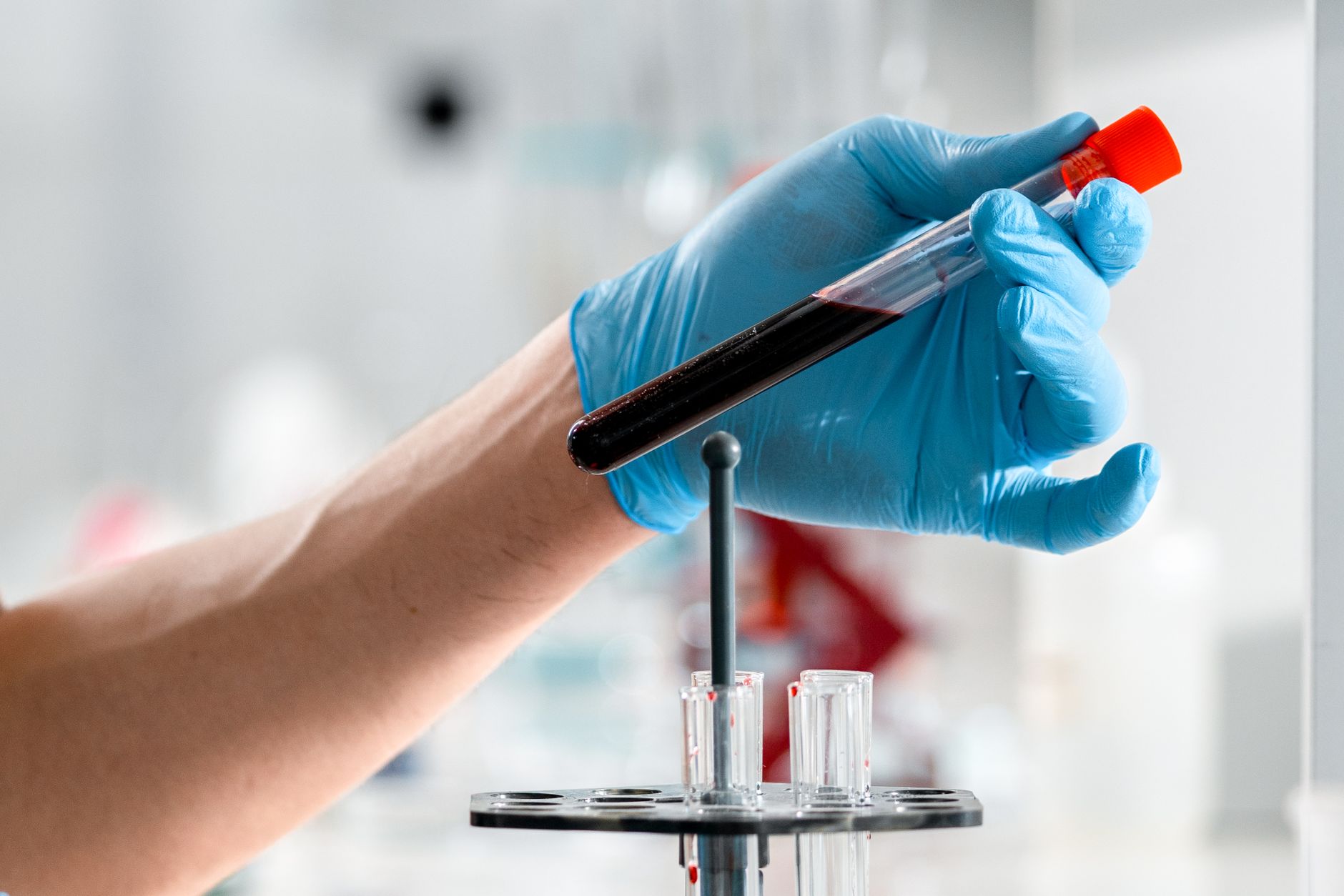
Blood hCG testing can confirm pregnancy weeks earlier than home urine tests.
Can stress affect pregnancy test results?
Stress itself does not change hCG levels, but high cortisol can influence the timing of ovulation and implantation, potentially delaying the rise of hCG. Moreover, stress often leads to increased fluid intake or frequent bathroom trips, which can dilute urine and affect test sensitivity.
To minimize stress‑related variables, try to stay hydrated but avoid excessive water intake right before testing, and give yourself a calm environment when you read the result.
Can certain medications cause false negative pregnancy tests?
Most prescription drugs do not directly suppress hCG detection, but a few can interfere indirectly:
Diuretics. By increasing urine output, they can dilute hCG concentration.
Anti‑epileptic medications. Some, like phenobarbital, can affect hormone metabolism.
Hormonal contraceptives. While they do not cause false negatives, they may mask early pregnancy symptoms, leading to delayed testing.
If you’re taking any of these medications and suspect pregnancy, consider a blood test for the most reliable confirmation.
What is the detection threshold of over‑the‑counter pregnancy tests?
Most brands advertise a threshold of 20–25 mIU/mL, which aligns with the point at which the majority of women will see a positive line after a missed period. Some high‑sensitivity tests claim to detect as low as 10 mIU/mL, but their reliability can vary, and they are more prone to false positives from residual hCG after a recent miscarriage or fertility treatment.
When choosing a test, look for the FDA‑cleared label that specifies the exact detection level. This information is usually printed on the back of the packaging.
From our medical team: If you’ve had a negative home test but still feel pregnant, give your body a couple of days, then test again with a fresh, first‑morning sample. If the result remains negative and symptoms continue, a simple blood test can rule out pregnancy and uncover any underlying health issues. You don’t need to panic—most false‑negatives are timing‑related, not a sign of a problem.
Myth vs. fact
Myth: A negative home test means you’re definitely not pregnant.
Fact: A negative result can occur if you test too early, use diluted urine, or have a faulty test. Retesting after a few days often clarifies the picture.
Myth: Stress can make a pregnancy test show negative.
Fact: Stress doesn’t lower hCG levels, but it can lead to behaviors (like excessive water intake) that dilute urine and affect test sensitivity.
Myth: All pregnancy tests work the same way.
Fact: Different brands have varying detection thresholds, and some are designed for early testing (10 mIU/mL) while others require higher hCG concentrations. Check the packaging for specifics.
Key takeaways
Negative home tests early in pregnancy are usually due to timing—hCG may not yet be high enough.
Wait 48‑72 hours before retesting, using first‑morning urine for best accuracy.
Check the test’s expiration date and store it in a cool, dry place to avoid faulty results.
Medical conditions such as PCOS, ectopic pregnancy, or kidney disease can affect hCG detection.
If symptoms persist or you experience pain, bleeding, or fever, see your provider promptly.
Blood hCG tests are more sensitive and can confirm pregnancy weeks earlier than urine tests.
Frequently asked questions
Can you be pregnant and get a negative test?
Yes. A negative result often means you tested before hCG reached the test’s detection threshold, or that urine was too diluted. Retesting a few days later usually provides a clearer answer.
How many days after conception can a pregnancy test detect hCG?
Most home urine tests can detect hCG about 8‑12 days after conception, which corresponds to roughly 4‑6 days after a missed period. Blood tests can pick up hCG as early as 4‑5 days after conception.
What causes a false negative pregnancy test?
Testing too early, diluted urine, expired or improperly stored tests, certain medications, and underlying medical conditions can all lead to a false‑negative result.
Should I retest my pregnancy test after a missed period?
Yes. If your first test is negative but you still haven’t gotten your period, wait 48‑72 hours and test again with a fresh, first‑morning urine sample.
When should I see a doctor for a negative pregnancy test?
Seek medical care if you have persistent symptoms, heavy bleeding, severe cramping, fever, or if two consecutive home tests are negative despite strong pregnancy signs.
Do home pregnancy tests work in early pregnancy?
They can, but their reliability improves after a missed period. Early‑detection tests exist, but they have higher rates of false negatives and are less accurate than standard tests taken later.
When to call your doctor
If you experience any of the following, call your healthcare provider right away: heavy vaginal bleeding, severe abdominal pain, fever or chills, dizziness, or sudden swelling of the legs. For all other concerns, remember that this article is for information only and does not replace personalized medical advice.
References
American College of Obstetricians and Gynecologists (ACOG). “Early Pregnancy Testing.” 2023 Clinical Guidance.
U.S. Food and Drug Administration (FDA). “Pregnancy Test Device Guidance.” 2022.
Centers for Disease Control and Prevention (CDC). “Pregnancy Testing in the United States.” 2023 Surveillance Report.
National Health Service (NHS). “How to take a pregnancy test.” Updated 2023.
World Health Organization (WHO). “Guidelines on Antenatal Care.” 2022.
American Society for Reproductive Medicine (ASRM). “Impact of Medications on Pregnancy Test Accuracy.” 2021.
Royal College of Obstetricians and Gynaecologists (RCOG). “Ectopic Pregnancy and hCG Levels.” 2022.
National Institute for Health and Care Excellence (NICE). “Early Pregnancy Assessment.” 2023.
Not sure about the label on Pregnant But Negative Test Why It Happens When To Retest products?
Snap the ingredients list and SafeFilter checks every ingredient for your stage — only 3 free scans this month, then you're locked until reset. Unlimited from $7/mo or $50/yr.
When Shubhra Mishra was expecting her first child in 2016, she was overwhelmed by conflicting food advice — one site said yes, another said never. By the time her second baby arrived in 2019, she realized millions of mothers face the same confusion.
That sparked a five-year journey through clinical nutrition papers, cultural diets, and expert conversations — all leading to BumpBites: a calm, compassionate space where science meets everyday motherhood.
Her long-term vision is to build a global community ensuring safe, supported, and free deliveriesfor every mother — because no woman should face pregnancy alone or uninformed. 🌿
🌍 Stand with mothers, shape safer guidance
Join a small circle of experts who review BumpBites articles so expecting parents everywhere can decide with confidence.