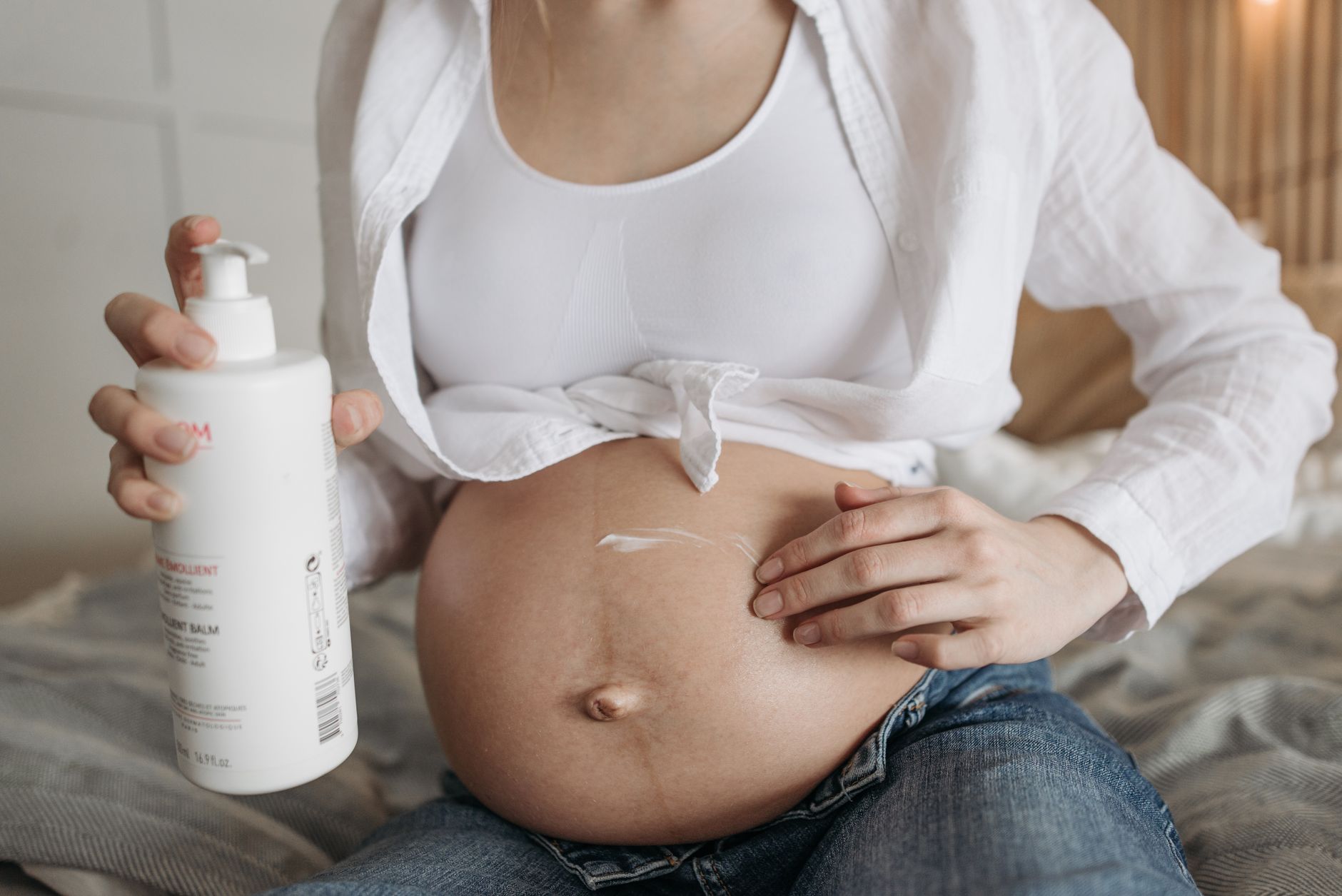
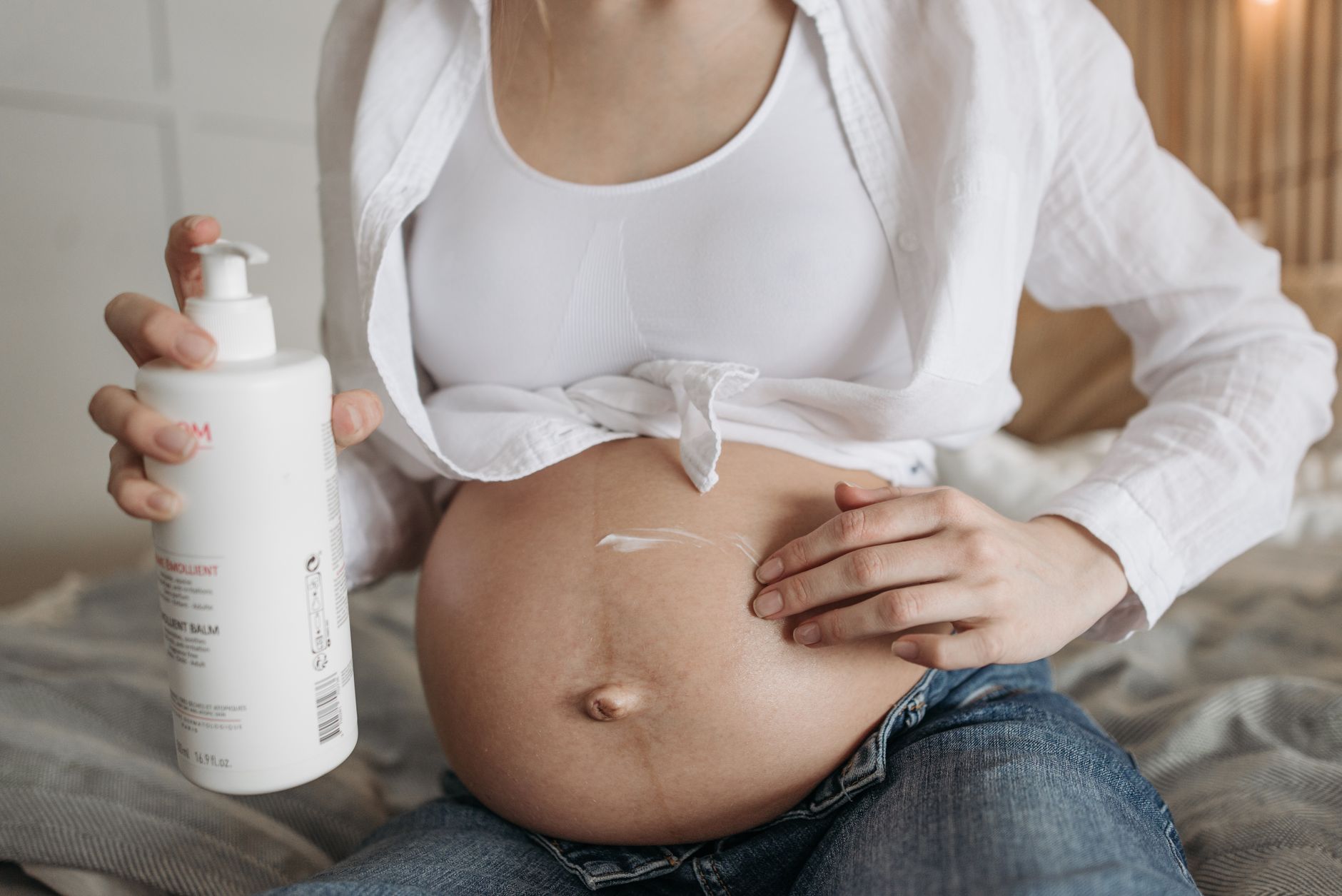
Prevent and treat pregnancy stretch marks: keep skin hydrated, eat a balanced diet, do safe exercises, and apply topicals like cocoa butter or silicone gel.
By Shubhra Mishra — a mom of two who turned her own confusion during pregnancy into BumpBites, a global mission to make food choices clear, safe, and stress-free for every expecting mother. 💛
Check whether any food is safe during pregnancy with the BumpBites Food Safety Checker.
Quick take: Most pregnant people develop some stretch marks, but you can lower the risk with steady weight gain, good hydration, and skin‑friendly nutrients. Topical oils may soothe skin, yet no cream guarantees prevention, and medical procedures are best reserved for fresh, reddish marks. Talk to your provider if you’re concerned about severe or lingering scars.
It’s 2 a.m., you’re curled on the couch, feeling the familiar stretch in your belly, and you wonder if the pink lines that have started to appear are something you could have avoided. You’ve probably read a dozen articles, watched quick videos, and maybe even bought a bottle of oil that promised “scar‑free skin.” The reality is a mix of genetics, hormones, and how fast your body changes.
We’ll walk through what causes stretch marks, which strategies really help, what the science says about creams and natural remedies, and which medical options are available if you want faster results. By the end you’ll know how to protect your skin, what to expect after pregnancy, and when a dermatologist’s expertise is worth the visit.
What causes pregnancy stretch marks and who is at risk?
Stretch marks—known in medical terms as striae gravidarum—are linear scars that form when the dermis (the deep layer of skin) is stretched beyond its capacity. The rapid expansion of the abdomen, breasts, hips, and thighs during pregnancy can tear the collagen and elastin fibers that keep skin smooth. When these fibers tear, the body repairs the area with a different type of collagen, producing the characteristic reddish‑purple (early) or white‑silver (mature) lines.
This tearing isn't just about physical stretching. Pregnancy hormones play a significant role by affecting the skin's structural proteins. Cortisol, which is elevated during pregnancy, can weaken collagen and elastin fibers, making them more prone to breakage. Relaxin, another hormone, helps soften ligaments and connective tissues throughout the body to prepare for birth, but it can also contribute to the skin's increased vulnerability to stretching. This combination of mechanical stress and hormonal influence creates the perfect storm for stretch mark formation.
Three main factors drive this process:
Genetic predisposition: If your mother, sister, or close relatives had noticeable stretch marks, you’re more likely to develop them. Studies from the American College of Obstetricians and Gynecologists (ACOG) note a 30–70 % familial link. This genetic component affects the inherent elasticity and strength of your skin’s collagen and elastin. Some people naturally have more resilient skin, while others are simply predisposed to developing striae regardless of external factors.
Hormonal changes: Pregnancy spikes cortisol, estrogen, and relaxin, which soften the skin’s connective tissue to accommodate the growing fetus. This hormonal “softening” makes the dermis more vulnerable to tearing. These hormonal shifts also influence fibroblast activity, which are the cells responsible for producing collagen and elastin, potentially hindering their repair capabilities during rapid stretching.
Rate and amount of weight gain: Gaining 1–2 pounds per week, especially in the second trimester, stretches skin quickly, increasing the chance of striae. Rapid weight gain doesn't give the skin enough time to adapt gradually, leading to more abrupt tearing of the dermal layers. The total amount of weight gained during pregnancy also correlates with stretch mark severity, with higher gains often leading to more extensive marks.
Other contributors include age (younger skin is generally more elastic, but younger pregnant individuals may also have less mature skin structures that are more susceptible), multiple pregnancies (the skin has already been stretched), and certain medical conditions like Cushing’s syndrome or conditions requiring prolonged corticosteroid use, which can thin the skin. While anyone can get stretch marks, those with a family history, higher pre‑pregnancy BMI, or rapid weight gain are at the highest risk. Additionally, carrying a larger baby or having multiple babies can put extra strain on the skin, increasing the likelihood of developing marks.
Effective strategies to prevent stretch marks during pregnancy
Prevention starts long before the belly starts to bulge. The most reliable approach combines gradual weight gain, proper hydration, and a nutrient‑rich diet that supports collagen production.
While complete prevention isn't guaranteed due to genetic and hormonal factors, adopting these strategies can significantly reduce the severity and extent of stretch marks. Think of it as giving your skin the best possible chance to adapt and maintain its integrity as your body undergoes incredible changes. Consistency is key, so try to integrate these habits into your daily routine from early in your pregnancy.
1. Aim for steady, guideline‑based weight gain. The Institute of Medicine recommends a total gain of 25–35 pounds for a woman with a normal pre‑pregnancy BMI (18.5–24.9). Spread this over the 40‑week pregnancy: roughly 0.5 pound per week in the second and third trimesters. Tracking weight on a weekly basis helps you avoid sudden spikes that stretch skin. This gradual increase allows your skin’s collagen and elastin fibers to stretch and adapt over time, rather than being pulled abruptly beyond their limits. Discuss your personalized weight gain targets with your healthcare provider, especially if you have a higher or lower pre-pregnancy BMI, or are carrying multiples.
2. Hydrate consistently. Skin cells need water to stay supple. The CDC suggests at least 8‑10 cups of fluid daily for pregnant people, with a focus on water, herbal teas (caffeine‑free), and milk. Adding a pinch of sea salt to water can improve electrolyte balance, but avoid sugary drinks that can contribute to excess weight gain. Well-hydrated skin is more elastic and resilient, making it better equipped to stretch without tearing. Think of your skin like a sponge: a dry sponge is brittle and tears easily, while a moist one is pliable. Aim to sip water consistently throughout the day, rather than drinking large amounts all at once.
3. Eat skin‑supporting nutrients. Collagen synthesis relies on vitamin C, zinc, and copper. Include citrus fruits, berries, bell peppers, nuts, and seeds. Omega‑3 fatty acids from fatty fish, flaxseed, or chia help maintain skin elasticity. A balanced diet also prevents rapid fat accumulation that can overstretch the skin. Vitamin C is vital for collagen production, while zinc and copper are cofactors in collagen and elastin formation. Omega-3s help maintain the skin's lipid barrier, locking in moisture and promoting overall skin health. Focus on a colorful diet rich in whole foods to provide these essential building blocks for healthy skin.
4. Gentle skin‑care routine. Use a mild, fragrance‑free cleanser and moisturize while the skin is still damp. This locks in moisture and reduces friction from clothing. Applying moisturizer immediately after a shower or bath, when your skin is still slightly damp, helps to trap water in the skin’s surface, enhancing its suppleness. Choose products free from harsh chemicals or strong perfumes that could irritate sensitive pregnant skin. Gently massaging the moisturizer into your skin can also improve circulation and help the product absorb better.
5. Supportive clothing. Soft, breathable fabrics such as cotton or bamboo reduce irritation. Avoid tight waistbands that constantly compress the abdomen. Maternity wear that gently supports your growing belly can also help distribute weight more evenly, potentially reducing direct strain on the skin. Choose clothing that allows your skin to breathe and move freely, minimizing any additional stress on already stretching areas.
6. Incorporate gentle exercise. Regular, moderate exercise, as approved by your healthcare provider, can improve circulation and overall skin health. Increased blood flow delivers vital nutrients and oxygen to skin cells, supporting their repair and regeneration processes. Activities like walking, swimming, or prenatal yoga can also help manage weight gain within healthy limits, further contributing to skin resilience. Always listen to your body and consult your doctor before starting or continuing any exercise routine during pregnancy.
While no single tactic guarantees a scar‑free belly, combining these habits creates a resilient skin environment that can better adapt to the baby's growth.
Gentle daily moisturizing helps keep skin supple as it stretches.
Do stretch mark creams and oils really work for prevention?
The market is flooded with “stretch‑mark‑prevention” products, ranging from cocoa butter to specialty oils. The key question is whether they alter the underlying biology or simply improve skin hydration.
Most clinical trials—reviewed by the National Institute for Health and Care Excellence (NICE) and the FDA—show that topical moisturizers can increase skin hydration but do not significantly reduce the incidence of new striae. A 2022 randomized controlled trial of 200 pregnant participants compared a hyaluronic‑acid cream to a placebo; the cream group reported slightly softer skin, yet the number of women who developed stretch marks was statistically identical. This suggests that while these products can make your skin *feel* better and perhaps reduce itchiness, they often don't penetrate deeply enough to influence the dermal tearing that causes stretch marks.
Ingredients that have the most evidence for supporting skin elasticity include:
Vitamin E (antioxidant, modest collagen support)
Centella asiatica (also known as gotu kola, may stimulate fibroblast activity)
Hyaluronic acid (excellent humectant for water retention)
Shea butter (provides occlusive barrier)
Popular products such as Bio-Oil, Palmer’s Cocoa Butter, and Earth Mama Belly Butter contain some of these ingredients, but none are FDA‑approved for stretch‑mark prevention. Consumer reviews often highlight a pleasant scent and smooth feel, yet the scientific consensus remains: creams are a comfort measure, not a guaranteed preventive. The psychological benefit of feeling proactive and caring for your skin can be significant, even if the physical prevention is minimal. Many women find the ritual of applying these products soothing, which can be an important part of self-care during pregnancy.
Below is a quick comparison of top‑rated products based on ingredient profile, cost, and user satisfaction (average rating from major retail sites).
Product
Key Active Ingredients
Average Rating (out of 5)
Typical Price (USD)
Bio‑Oil
Vitamin E, Purcellian™ (plant oils), oil blend
3.9
$12 for 200 ml
Palmer’s Cocoa Butter
Shea butter, Vitamin E, cocoa seed oil
4.2
$8 for 250 ml
Earth Mama Belly Butter
Shea butter, cocoa butter, almond oil, vitamin E
4.5
$18 for 200 ml
Hyaluronic Acid + Vitamin C Serum
Hyaluronic acid, Vitamin C, green tea extract
4.0
$25 for 30 ml
Bottom line: moisturizers can make skin feel softer and may reduce itchiness, but they should be viewed as part of a broader prevention plan rather than a stand‑alone solution. While they can't prevent the deep dermal tears, they can certainly improve the overall health and comfort of your skin as it stretches, which is valuable in itself.
Natural remedies and home treatments for pregnancy stretch marks
Many expectant parents turn to kitchen‑based remedies, hoping that “natural” equals “effective.” While these approaches are generally safe, the evidence for their efficacy is limited.
1. Coconut and almond oil blends. Both oils are rich in vitamin E and fatty acids that moisturize the skin. Applying a thin layer twice daily after a shower can keep the epidermis hydrated, but studies have not shown a reduction in new striae formation. While these oils are excellent emollients that can improve skin barrier function and reduce trans-epidermal water loss, their molecular structure is generally too large to penetrate the dermis where stretch marks originate. They can, however, make the outer layer of skin feel smoother and more pliable.
2. Aloe vera gel. Aloe contains polysaccharides that may aid wound healing. A small pilot study (n = 30) reported modest improvement in skin elasticity when participants used pure aloe gel twice a day, yet the sample size was too small for definitive conclusions. Aloe vera is known for its soothing and anti-inflammatory properties, which can be comforting for itchy, stretching skin. However, its role in actively preventing or significantly treating stretch marks is not strongly supported by large-scale clinical evidence.
3. Sugar scrubs. Exfoliating with a gentle sugar‑olive‑oil mixture can remove dead skin cells, allowing moisturizers to penetrate better. However, vigorous scrubbing should be avoided because it can irritate already fragile skin. While exfoliation can improve skin texture and circulation, it primarily affects the outermost layer of the skin (epidermis) and doesn't reach the dermis where stretch marks form. Over-exfoliation can actually damage the skin barrier, making it more vulnerable to irritation and further stress.
Other popular but unproven remedies include potato juice (thought to contain vitamins and minerals), lemon juice (for its purported bleaching effect, but can cause photosensitivity), and olive oil. For these, scientific evidence is largely absent. When using any home remedy, remember to test a small patch first to rule out allergic reactions, and keep the application gentle—massaging aggressively can cause micro‑tears. Always prioritize comfort and safety, and if you have any concerns, consult your healthcare provider.
Specific ingredients to avoid in stretch mark products during pregnancy
While many products claim to prevent or treat stretch marks, it’s crucial to be aware that certain ingredients can be harmful during pregnancy or breastfeeding. Always check labels and consult your doctor before using any new skincare product.
1. Retinoids (Vitamin A derivatives). This includes prescription-strength tretinoin (Retin-A), isotretinoin, and even over-the-counter retinol or retinaldehyde. Retinoids are highly effective for skin cell turnover and collagen production, but they are known teratogens, meaning they can cause birth defects. They should be strictly avoided during pregnancy and breastfeeding. Even topical application can lead to some systemic absorption, so it's not worth the risk.
2. High concentrations of Salicylic Acid. While low concentrations (less than 2%) in washes or spot treatments are generally considered safe by ACOG, higher concentrations found in peels or some body lotions should be avoided. Salicylic acid is a beta-hydroxy acid that can be absorbed through the skin, and high doses are linked to potential risks in pregnancy.
3. Certain Essential Oils. Many essential oils are touted for their skin benefits, but some are not safe for use during pregnancy, especially in undiluted forms. Examples include rosemary, clary sage, jasmine, and peppermint, which can have uterine-stimulating effects or other adverse reactions. Always check with a qualified aromatherapist or your doctor before using essential oils, and ensure they are properly diluted if deemed safe. The European Medicines Agency (EMA) provides guidance on the safety of various herbal ingredients.
4. Hydroquinone. Used for skin lightening, hydroquinone has a relatively high absorption rate through the skin. Due to limited data on its safety during pregnancy and potential for systemic effects, it's generally recommended to avoid hydroquinone until after delivery and breastfeeding. Focus on safe, hydrating ingredients instead.
When in doubt, opt for products with simple, well-researched ingredients like shea butter, cocoa butter, hyaluronic acid, and vitamin E, and always choose fragrance-free options to minimize irritation. Your safety and your baby's are paramount.
The emotional impact of stretch marks during pregnancy and postpartum
Beyond the physical changes, stretch marks can have a significant emotional impact on expecting and new parents. For many, the appearance of these lines can trigger feelings of self-consciousness, anxiety about body image, or even a sense of disappointment. It's easy to feel pressure from societal ideals of a "perfect" pregnancy and a quick "bounce back" postpartum, which often don't account for the natural, beautiful changes a body undergoes to create and sustain life.
It's important to remember that these feelings are valid and common. Many moms tell us the same thing: they struggled with accepting their stretch marks initially, comparing themselves to others or to their pre-pregnancy bodies. One reader described feeling "like my skin was failing me." However, over time, many women find a way to reframe their perspective, viewing stretch marks as "tiger stripes" or badges of honor that tell a unique story of motherhood. This shift in mindset doesn't always come easily, but embracing self-compassion and connecting with other parents who share similar experiences can be incredibly empowering. Remember, your body is doing something amazing, and these marks are a testament to that incredible journey.
Best treatments for new (red/purple) pregnancy stretch marks
Fresh stretch marks appear pink or purple because the underlying blood vessels are still visible. This stage offers the greatest opportunity for clinical intervention, as the skin is still actively healing and remodeling.
Laser therapy. Fractional non‑ablative lasers (e.g., 1550 nm erbium‑glass) stimulate collagen remodeling. A 2021 review by the American Society for Dermatologic Surgery (ASDS) found a 40–60 % reduction in redness after 3–5 sessions. These lasers create microscopic injury zones in the dermis without damaging the surface, prompting the body to produce new, healthier collagen and elastin. This process helps to smooth the skin's texture and reduce the noticeable color difference. Costs in the U.S. range from $300 to $800 per session, while the UK National Health Service may cover treatment if deemed medically necessary, particularly if the marks cause significant distress or functional impairment.
Microneedling. Tiny needles create controlled micro‑injuries that trigger wound‑healing pathways. Combined with topical growth factors, microneedling can improve texture and color. A 2020 randomized trial reported a 35 % improvement in striae severity after four monthly sessions. The micro-channels created by the needles allow for better penetration of active ingredients and stimulate the natural production of collagen and elastin. This treatment is often well-tolerated with minimal downtime, making it a popular option for improving both the texture and color of new stretch marks.
Radiofrequency (RF) devices. RF energy heats the dermis, prompting new collagen formation. Devices like Thermage have shown modest gains in skin firmness, though data specific to pregnancy‑related striae are still emerging. RF treatments use controlled heat to tighten existing collagen and stimulate the growth of new collagen, leading to improved skin elasticity and a smoother appearance. While promising, more research is needed to fully understand their long-term efficacy specifically for stretch marks. Potential side effects for these treatments can include temporary redness, swelling, or mild bruising.
All of these treatments should be performed after delivery, once hormone levels have stabilized (typically 6‑12 weeks postpartum). Attempting laser or RF during pregnancy is contraindicated due to unknown fetal risk. Your dermatologist will assess your individual situation and recommend a treatment plan that aligns with your postpartum recovery and any breastfeeding considerations.
How to minimize the appearance of old (white/silver) pregnancy stretch marks
Mature stretch marks have faded to a silvery‑white hue because the blood supply has diminished. While they’re less likely to respond to aggressive resurfacing, several options can soften their look.
Topical retinoids. Prescription retinoids (e.g., tretinoin) boost collagen synthesis, but they are unsafe during pregnancy and breastfeeding. Postpartum, a dermatologist may prescribe a low‑strength formulation for women not nursing. Retinoids work by increasing cell turnover and stimulating collagen production, which can help to remodel the scar tissue and improve its texture and appearance. It's crucial to use these only under medical supervision due to their potency and potential side effects like dryness and irritation.
Silicone gels or sheets. Silicone creates a semi‑occlusive barrier that hydrates the scar tissue, flattening its surface over time. A 2018 meta‑analysis indicated a 20–30 % improvement in scar height after 12 weeks of daily use. Silicone products work by increasing hydration in the stratum corneum (outermost skin layer) and regulating fibroblast activity, which can lead to a softer, flatter, and less noticeable scar. They are a non-invasive, safe option for long-term use.
Chemical peels. Light glycolic or lactic acid peels can improve texture but must be applied cautiously to avoid irritation. They are most effective when combined with moisturizers containing niacinamide. Chemical peels work by exfoliating the top layers of skin, promoting cell renewal and improving skin texture. For mature stretch marks, superficial peels might offer a modest improvement in surface smoothness, but deeper peels carry higher risks and should only be performed by a qualified professional. Niacinamide (Vitamin B3) can help support the skin barrier and reduce inflammation, complementing the effects of peels.
For most women, the goal shifts from “removing” marks to “blending” them with surrounding skin. Consistent use of sunscreen (SPF 30+) is crucial, as UV exposure can darken old striae, making them more noticeable against untanned skin. Self-tanning lotions can also be used to blend the lighter stretch marks with the surrounding skin tone, offering a temporary cosmetic solution without harmful UV exposure.
Lifestyle adjustments beyond diet and hydration for skin health
While nutrition and hydration are critical, other lifestyle factors significantly impact your skin's ability to cope with the demands of pregnancy. Holistic well-being contributes to overall skin health and resilience.
1. Prioritize adequate sleep. Sleep is when your body, including your skin, repairs and regenerates. During deep sleep, blood flow to the skin increases, and collagen production is boosted. Aim for 7-9 hours of quality sleep per night. We know this can be a challenge during pregnancy and with a newborn, but even short naps can help support your skin's regenerative processes.
2. Manage stress effectively. Chronic stress can elevate cortisol levels, and as we know, cortisol can weaken collagen and elastin fibers. Finding healthy ways to manage stress—through mindfulness, gentle exercise, spending time in nature, or connecting with loved ones—can indirectly support skin health. Stress reduction techniques not only benefit your mental well-being but also your physical resilience.
3. Gentle, regular exercise. As mentioned earlier, moderate physical activity improves circulation, delivering oxygen and nutrients more efficiently to your skin cells. It also helps with healthy weight management, preventing rapid, excessive stretching of the skin. Consult your healthcare provider for safe exercise recommendations during pregnancy and postpartum, such as walking, swimming, or prenatal yoga.
4. Avoid harsh soaps and hot water. Hot showers and harsh soaps can strip your skin of its natural oils, leading to dryness and reduced elasticity. Opt for lukewarm water and mild, pH-balanced cleansers. Pat your skin dry gently rather than rubbing, and apply moisturizer immediately to lock in hydration.
These lifestyle adjustments create a supportive internal and external environment for your skin, complementing your efforts with diet, hydration, and topical care. They acknowledge that skin health is often a reflection of overall health and well-being.
When to see a dermatologist for stubborn stretch marks
If you notice that marks remain prominently red, raised, or painful several months after delivery, a dermatologist can evaluate whether medical treatment is appropriate. Seek specialist care when:
Stretch marks cover more than 20 % of the abdomen and cause significant self‑consciousness. This level of coverage often makes over-the-counter solutions ineffective and can lead to emotional distress.
There’s persistent itching, burning, or pain despite moisturizers. While mild itching is common, persistent discomfort could indicate inflammation or another underlying skin issue that requires professional assessment.
Marks have become hypertrophic (thickened) or keloidal (excess scar tissue). These types of scars are more challenging to treat and typically require specialized medical interventions that cannot be achieved with home remedies.
You’re interested in laser or microneedling and want a personalized plan. A dermatologist can assess your skin type, the age and color of your stretch marks, and your overall health to recommend the most suitable and safest treatment options, along with realistic expectations.
During the appointment, the dermatologist will assess skin type, scar age, and overall health to recommend the safest, most effective modality. Many insurance plans cover laser treatment only if the scars are classified as “medical” rather than purely cosmetic, so discuss coverage early. Be prepared to discuss your medical history, any products you've tried, and your expectations for treatment outcomes.
Realistic expectations: Can stretch marks be completely removed?
The short answer is no—most treatments can reduce visibility, not erase them entirely. Even the most advanced fractional laser can achieve a 70 % improvement, leaving faint lines that may still be noticeable under bright light. It's crucial to approach treatments with a clear understanding that while significant improvement is often possible, a complete return to pre-stretch mark skin is unlikely. The goal of most interventions is to make the marks less noticeable, blending them more seamlessly with the surrounding skin.
Understanding this helps set a healthier mindset. Most women find that after the first year postpartum, stretch marks naturally become less conspicuous, especially with regular moisturization and sun protection. Accepting that a few lines are a reminder of the life you created can be empowering, while still giving you the option to pursue treatments that make the marks less prominent. Your body’s journey through pregnancy is unique and powerful, and these marks are a part of that story. Embracing this perspective can be incredibly liberating and foster a more positive body image, regardless of treatment outcomes.
Early (red/purple) stretch marks respond best to professional skin treatments.
From our medical team: Most stretch marks are a normal response to the rapid changes of pregnancy. Consistent hydration, a balanced diet rich in collagen‑supporting nutrients, and gentle skin care can lessen their severity. If you’re concerned about the appearance of fresh marks after delivery, schedule a postpartum skin check—early intervention often yields the best cosmetic results. Remember, your body is incredible for carrying and nurturing life, and these marks are often a testament to that powerful journey.
Myth vs. fact
Myth: If you moisturize twice daily, you’ll never get stretch marks.
Fact: Moisturizing improves skin comfort but does not guarantee prevention; genetics and hormone levels play a larger role.
Myth: Bio‑Oil is the only product proven to stop stretch marks.
Fact: Scientific reviews find no product, including Bio‑Oil, that definitively prevents striae; it may help with scar appearance after they form.
Myth: Stretch marks disappear completely on their own.
Fact: Most marks fade to a lighter color within a year, but they rarely vanish without intervention.
Myth: Gaining too much weight is the only cause of stretch marks.
Fact: While rapid weight gain is a significant factor, genetics and hormonal changes are often more influential, meaning even those who gain weight within guidelines can develop them.
Key takeaways
Gradual, guideline‑based weight gain and staying well‑hydrated are the strongest preventive measures.
Topical creams and oils can keep skin supple but don’t stop new stretch marks from forming.
Rich sources of vitamin C, zinc, and omega‑3 fatty acids support collagen health.
Avoid certain ingredients like retinoids and high-dose salicylic acid during pregnancy and breastfeeding.
Professional laser or microneedling works best on fresh, reddish marks after delivery.
Silicone gels, sunscreen, and patience are key for managing older, white scars.
Prioritizing sleep, managing stress, and gentle exercise also contribute to skin resilience.
Consult a dermatologist if marks are extensive, painful, or you want medical treatment.
Frequently asked questions
Can you prevent stretch marks during pregnancy?
Yes, you can lower the risk by gaining weight steadily, staying hydrated, and eating a diet rich in collagen‑supporting nutrients; however, you cannot guarantee they won’t appear due to factors like genetics and hormones.
What is the best cream for stretch marks during pregnancy?
There is no single “best” cream—products with hyaluronic acid, vitamin E, and shea butter score highest in user reviews, but they mainly improve skin moisture rather than prevent new marks from forming in the dermis.
Do stretch marks go away after pregnancy?
They typically fade from pink/purple to a lighter white or silver tone within 6–12 months, but they seldom disappear completely without treatment; most women will have faint lines that remain.
When do stretch marks appear in pregnancy?
Most women notice them in the second trimester (around weeks 20–28) when abdominal growth accelerates, though they can also emerge later in the third trimester as the skin continues to stretch.
Is it too late to prevent stretch marks?
It’s never too late to support skin health—applying moisturizers and maintaining nutrition can still reduce the severity of marks that are forming, even in the third trimester, by keeping skin supple and resilient.
How much does laser treatment for stretch marks cost after pregnancy?
In the United States, a single laser session ranges from $300 to $800; multiple sessions are often needed, while the UK NHS may cover it if deemed medically necessary for significant distress.
Do men get stretch marks?
Yes, men can get stretch marks, often due to rapid weight gain or loss, muscle growth (like bodybuilding), or hormonal changes during puberty. The underlying mechanism of skin stretching and tearing is the same.
Can sun exposure worsen stretch marks?
Yes, sun exposure can make stretch marks more noticeable. UV rays can cause the lighter, scarred tissue to become darker (hyperpigmented) or, conversely, prevent it from tanning, making the contrast with surrounding skin more prominent. Always use SPF 30+.
When to call your doctor
If you experience severe itching, pain, or a sudden change in the color or texture of your stretch marks, or if you develop a rash or open wound, contact your obstetrician or dermatologist promptly. These could signal infection or an underlying skin condition that needs medical attention. This article is for informational purposes only and is not a substitute for professional medical advice, diagnosis, or treatment.
References
American College of Obstetricians and Gynecologists (ACOG). “Skin Changes During Pregnancy.” 2022 clinical guidance.
National Institute for Health and Care Excellence (NICE). “Pregnancy: Managing Skin Changes.” 2021 guideline.
American Society for Dermatologic Surgery (ASDS). “Laser Treatment of Striae Gravidarum.” 2021 review.
Centers for Disease Control and Prevention (CDC). “Nutrition During Pregnancy.” 2023 recommendations.
World Health Organization (WHO). “Maternal Nutrition and Pregnancy Outcomes.” 2022 report.
National Center for Biotechnology Information (NCBI). “Efficacy of Topical Moisturizers for Stretch Mark Prevention.” 2022 systematic review.
British Association of Dermatologists (BAD). “Silicone Gel for Scar Management.” 2020 clinical update.
U.S. Food and Drug Administration (FDA). “Guidance on Cosmetic Ingredients for Pregnancy.” 2023 safety assessment.
International Society of Aesthetic Plastic Surgery (ISAPS). “Microneedling for Striae Gravidarum.” 2020 clinical data.
European Medicines Agency (EMA). “Safety of Vitamin E in Pregnancy.” 2021 evaluation.
Institute of Medicine (IOM). “Weight Gain During Pregnancy: Reexamining the Guidelines.” 2009 recommendations.
Dermatologic Surgery. "Topical Retinoids in the Treatment of Striae Distensae: A Systematic Review." 2020.
Not sure about the label on Pregnancy Stretch Marks Prevention And Treatment products?
Snap the ingredients list and SafeFilter checks every ingredient for your stage — only 3 free scans this month, then you're locked until reset. Unlimited from $7/mo or $50/yr.
When Shubhra Mishra was expecting her first child in 2016, she was overwhelmed by conflicting food advice — one site said yes, another said never. By the time her second baby arrived in 2019, she realized millions of mothers face the same confusion.
That sparked a five-year journey through clinical nutrition papers, cultural diets, and expert conversations — all leading to BumpBites: a calm, compassionate space where science meets everyday motherhood.
Her long-term vision is to build a global community ensuring safe, supported, and free deliveriesfor every mother — because no woman should face pregnancy alone or uninformed. 🌿
🌍 Stand with mothers, shape safer guidance
Join a small circle of experts who review BumpBites articles so expecting parents everywhere can decide with confidence.