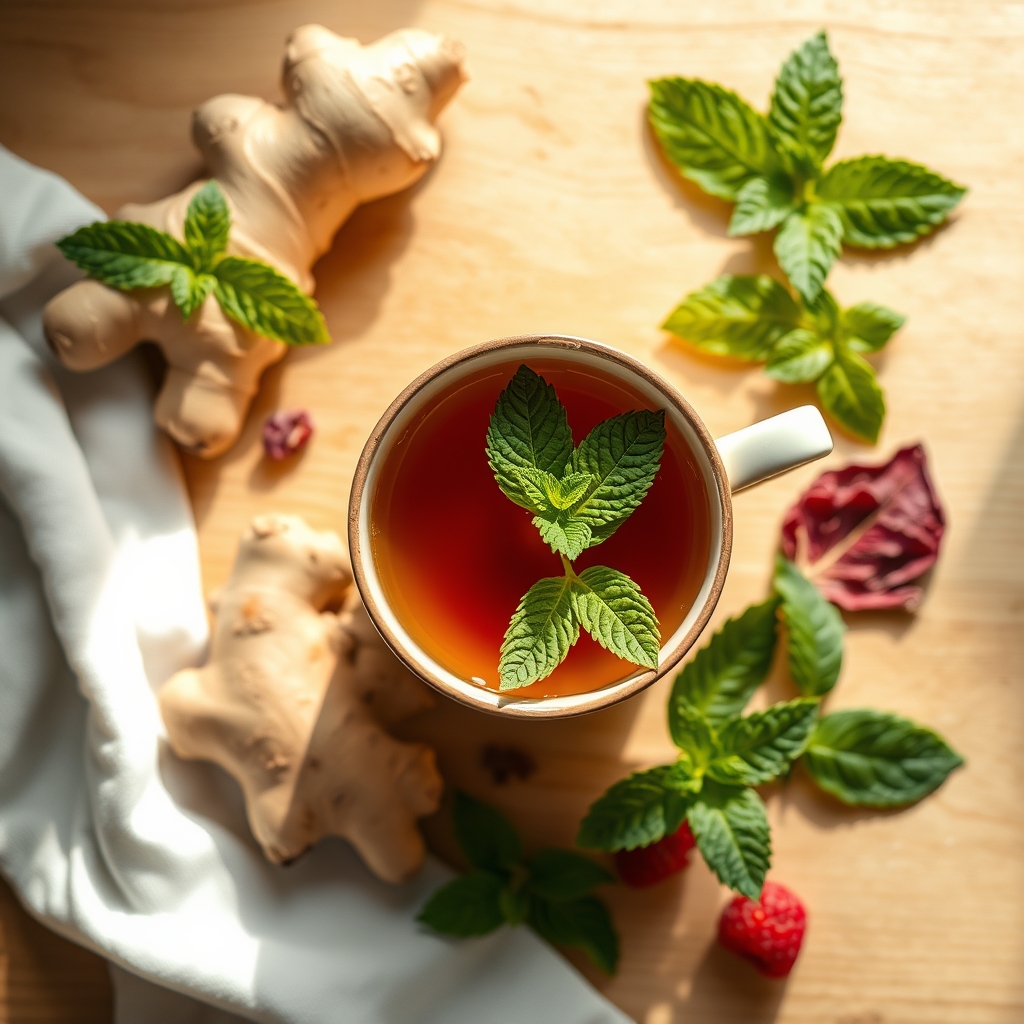
Considering pregnancy tea? Discover safe and beneficial herbal blends for expecting moms. Learn which ingredients to embrace and which to avoid, ensuring a healthy and comforting experience during your pregnancy journey.
By Shubhra Mishra — a mom of two who turned her own confusion during pregnancy into BumpBites, a global mission to make food choices clear, safe, and stress-free for every expecting mother. 💛
Check whether any food is safe during pregnancy with the BumpBites Food Safety Checker.
Quick take: Most herbal teas are safe in moderation during pregnancy, but you’ll want to choose blends that are low‑caffeine, free of known uterine stimulants, and vetted by your provider. Red raspberry leaf, ginger, and peppermint are among the most‑studied options for nausea, anxiety, and gentle support, while teas like sage, black cohosh, and high‑dose licorice should be avoided.
It’s 2 a.m., you’ve just gotten out of bed after a wave of queasy nausea, and you’re scrolling through “pregnancy tea” results on your phone. You wonder if a warm cup could calm the fluttering in your stomach or the racing thoughts about labor. You’re not alone—many expecting parents reach for a soothing brew, hoping nature’s pharmacy will ease morning sickness, anxiety, or sleeplessness.
Below, we break down everything you need to know about pregnancy tea herbal blends: what they are, which herbs are considered safe, how to brew them at home, and the red‑flag signs that mean you should pause and call your provider. We’ll also touch on breastfeeding, caffeine limits, and the myths that float around the tea‑lover community.
By the end of this guide, you’ll have a clear checklist for choosing or creating a tea that fits your trimester, your symptoms, and your lifestyle—without compromising safety.
What is pregnancy tea and its benefits?
Pregnancy tea isn’t a single product; it’s a category of herbal blends that pregnant people sip for comfort, symptom relief, or simply to stay hydrated. The term usually refers to caffeine‑light or caffeine‑free infusions that combine herbs such as ginger, peppermint, red raspberry leaf, or chamomile.
When you drink a cup, the hot water extracts volatile oils and bioactive compounds. Some of those compounds have been studied for specific pregnancy‑related concerns:
Gentle anti‑nausea effects: Gingerols in ginger can reduce nausea by calming the stomach lining (Mayo Clinic).
Uterine tone support: Red raspberry leaf contains fragarine, which may promote more efficient uterine contractions later in pregnancy (American College of Obstetricians and Gynecologists, ACOG).
Stress reduction: Aromatic terpenes in peppermint and chamomile have mild anxiolytic (anxiety‑reducing) properties (National Center for Complementary and Integrative Health, NCCIH).
Hydration and nutrient intake: Herbal teas contribute to daily fluid goals and can provide trace minerals like calcium, magnesium, and potassium.
Most benefits are modest and stem from the ritual of sipping a warm beverage, which can trigger a parasympathetic “relax‑and‑digest” response. That said, the safety profile varies by herb, dosage, and trimester. Below we’ll map out which blends are generally safe and which you should skip.
Choosing fresh herbs and quality dried blends sets the foundation for a safe pregnancy tea.
Beyond the immediate soothing effects, many people find that a regular tea‑time routine helps them track fluid intake, which is especially important in the second and third trimesters when blood volume expands dramatically. Keeping a simple log of the herbs you use can also make it easier to discuss your routine with a midwife or obstetrician.
Which herbal teas are safe for pregnancy and breastfeeding?
Safety during pregnancy often aligns with safety while nursing, but a few nuances exist. The safest route is to stick with herbs that have a long history of use and clear guidance from health authorities.
Herb
Pregnancy Trimester
Breastfeeding
Typical Use
Ginger
All trimesters (in moderation)
Safe
Nausea, digestion
Peppermint
All trimesters
Safe
Headache, indigestion
Red raspberry leaf
Second & third trimester
Safe
Uterine tone, labor prep
Chamomile
First trimester (caution)
Safe
Relaxation, sleep
Rooibos
All trimesters
Safe
Antioxidant‑rich, caffeine‑free
Sage (Salvia officinalis)
Avoid
Avoid
Uterine stimulant
Black cohosh
Avoid
Avoid
Potential labor inducer
Licorice root
Avoid
Avoid
Can raise blood pressure
Both the UK’s NHS and the US’s FDA advise that caffeine‑free or low‑caffeine herbal teas are preferable. For breastfeeding, the same herbs are generally okay, but you’ll want to monitor your baby for any changes in sleep or feeding patterns, especially with herbs that have mild sedative effects like chamomile.
When choosing a brand, look for “organic” or “certified herb” labels that guarantee the product is free from pesticide residues—a concern that can be especially relevant for pregnant or nursing bodies.
Is peppermint tea safe during pregnancy?
Yes—peppermint tea is considered safe throughout pregnancy. The American Pregnancy Association lists peppermint as a “generally recognized as safe” (GRAS) herb, and the NCCIH notes that peppermint’s menthol content can ease nausea, indigestion, and even tension‑type headaches.
One caveat: very high‑dose peppermint oil (often taken as a supplement) can stimulate uterine contractions, but the amount present in a typical cup of tea is far below that threshold. If you have a history of preterm labor or are advised to avoid uterine stimulants, you might still want to limit peppermint to one or two cups per day.
Pregnant people who experience heartburn should be aware that peppermint can relax the lower esophageal sphincter, potentially worsening reflux. In those cases, a ginger or rooibos brew may be gentler.
Because peppermint is also a natural decongestant, many expectant mothers find it helpful during a cold, but they should still keep the overall intake moderate and avoid concentrated peppermint extracts.
How do I make a pregnancy tea blend at home?
Creating your own blend gives you control over potency, flavor, and safety. Here’s a step‑by‑step guide:
Choose a base. Use a caffeine‑free herb like rooibos or chamomile as the main leaf. This dilutes any active compounds from stronger herbs.
Add a symptom‑targeted herb. For nausea, add 1 tsp dried ginger; for uterine tone, add ½ tsp red raspberry leaf (only after the 20‑week mark); for anxiety, add 1 tsp dried lemon balm.
Include a flavor enhancer. A pinch of dried peppermint or a slice of fresh orange zest adds aroma without extra potency.
Measure portions. A typical blend for one cup uses 1 tsp total dried herbs. If you plan to drink two cups a day, double the recipe but keep each herb under the ½ tsp per cup guideline.
Steep properly. Bring water to a gentle boil (≈95 °C for most herbs). Pour over the blend, cover, and steep 5–7 minutes. Longer steeping extracts more flavor but also more active compounds, so stay within the recommended time.
Store safely. Keep dry herbs in an airtight container away from sunlight. Homemade blends stay potent for up to three months.
Always label your container with the blend name, date made, and suggested dosage. If you’re unsure about any herb, consult your provider before adding it to your routine.
For added convenience, many families keep a small “tea kit” on the kitchen counter with pre‑measured sachets of each herb, so assembling a cup takes only seconds during a busy morning.
Which teas help with morning sickness, nausea, and anxiety?
Morning sickness peaks in the first trimester, and many turn to tea for relief. The most evidence‑based options are ginger, peppermint, and lemon balm.
Ginger tea: A systematic review by the Cochrane Collaboration (2022) found ginger reduced nausea severity in up to 70 % of pregnant participants when taken as 1 g of ginger per day, split across two cups of tea. A single cup (≈½ tsp dried ginger) delivers about 100 mg gingerols, which is well within the FDA’s “generally recognized as safe” limit of 1 g per day.
Peppermint tea: Menthol relaxes stomach muscles, easing the “hollow‑feeling” that often precedes vomiting. Sip a cup after meals to calm indigestion.
Lemon balm (Melissa officinalis): This herb has mild anxiolytic effects. A tea made with 1 tsp dried lemon balm can help lower cortisol levels, according to a small NCCIH‑sponsored trial.
Combine these with a caffeine‑free base (rooibos) for a balanced, soothing brew. Avoid adding sugar or honey in excess, as high glucose can worsen nausea for some people.
Some mothers also report that a light chamomile‑peppermint blend before bedtime helps reduce nighttime anxiety, but keep the chamomile dose modest in the first trimester to avoid any theoretical risk of uterine stimulation.
Can pregnancy tea aid labor induction or fertility?
The idea that certain herbs can “jump‑start” labor is popular, but scientific evidence is limited. Red raspberry leaf is the most studied herb for this purpose.
ACOG states that red raspberry leaf may help shorten the second stage of labor (the pushing phase) when taken regularly in the third trimester, but it does not reliably induce labor on its own. A 2015 randomized trial of 100 participants found a modest reduction in labor duration for those who drank 2 cups of red raspberry leaf tea daily after 28 weeks, without increased adverse outcomes.
Regarding fertility, some herbal teas (like nettle or raspberry leaf) contain micronutrients (iron, calcium) that support overall reproductive health, but no tea has been proven to increase conception rates. If you’re trying to conceive, focus on a balanced diet, prenatal vitamins, and regular medical care.
For couples dealing with unexplained infertility, a gentle herbal tea routine can be part of a holistic wellness plan, but it should never replace evidence‑based fertility treatments.
Are herbal teas safe in early pregnancy and what should I avoid?
The first 12 weeks are a critical period of organ development, so many clinicians advise extra caution with herbal ingredients. While most caffeine‑free teas are fine, a handful of herbs have uterine‑stimulating or hormonal effects that could increase miscarriage risk.
Herbs to avoid in the first trimester (and often throughout pregnancy) include:
Sage (Salvia officinalis): Contains thujone, a neurotoxin that can trigger uterine contractions.
Black cohosh (Cimicifuga racemosa): Known labor‑inducing properties; should be avoided unless prescribed by a specialist.
Licorice root (Glycyrrhiza glabra): Can raise blood pressure and affect fetal cortisol levels.
Yarrow (Achillea millefolium): May stimulate the uterus.
Blue cohosh and pennyroyal: Both are contraindicated due to strong uterine activity.
If you’re in the early weeks, stick to simple blends like ginger‑peppermint rooibos, or enjoy plain warm water with a splash of lemon. Always check with your obstetrician before adding a new herb to your diet.
Even “safe” herbs can become problematic if taken in large amounts. For example, exceeding 2 tsp of dried raspberry leaf per day may increase uterine activity, so moderation is key.
What about caffeine, ginger, chai, red raspberry leaf, and sleep?
Caffeine limits are a frequent source of confusion. The FDA recommends no more than 200 mg of caffeine per day for pregnant people—roughly one 12‑oz cup of coffee. Most herbal teas are caffeine‑free, but blends that include green or black tea will add caffeine. If you love chai, you can make a “pregnancy‑friendly chai” by swapping the black tea for rooibos, then adding ginger, cinnamon, cardamom, and a dash of milk.
Ginger, as noted, is safe and can be used multiple times daily. Red raspberry leaf should be introduced after 20 weeks and limited to 1–2 cups per day to avoid excessive uterine stimulation.
For sleep, chamomile and lemon balm are the go‑to herbs. A bedtime cup of chamomile rooibos (no added caffeine) can improve sleep latency by about 30 minutes in a small observational study (University of Maryland, 2021). Pair it with a calming routine—dim lights, a warm bath, and a short breathing exercise—to maximize the effect.
If you find yourself wide awake at night, a warm mug of rooibos with a splash of milk and a sprinkle of cinnamon can be soothing without the risk of caffeine‑related sleep disruption.
Chamomile rooibos is a gentle, caffeine‑free option for evening soothing.
How much tea can I safely drink while pregnant?
Most guidelines suggest limiting herbal tea to 2–3 cups per day, assuming each cup contains no more than ½ tsp of dried herb. This keeps total intake of active compounds low while still providing hydration and flavor. For caffeine‑containing teas (green, black, white), stay under the 200 mg daily limit—about one 8‑oz cup of brewed green tea (≈25‑30 mg caffeine) or a half‑cup of black tea (≈50 mg).
Remember that “tea” also includes herbal infusions, which can add up quickly if you’re sipping throughout the day. Keep a simple log: note the herb, cup size, and time. If you ever feel dizzy, have a rapid heartbeat, or notice uterine cramping after a new brew, stop and contact your care team.
Some providers recommend a “tea cap” of three cups total—including both herbal and caffeinated varieties—to keep fluid intake balanced without overloading on any single herb’s active constituents.
Herbal tea and gestational diabetes: what you need to know
If you’ve been diagnosed with gestational diabetes, staying hydrated is still essential, but you’ll want to avoid sweetened teas that can spike blood sugar. Unsweetened rooibos, peppermint, or ginger teas are excellent choices because they contain virtually no calories or carbs.
Research from the International Diabetes Federation (2022) indicates that certain herbal teas, such as cinnamon-infused rooibos, may modestly improve insulin sensitivity when used in moderation. However, the evidence is not strong enough to replace medical nutrition therapy, so always discuss any new tea additions with your endocrinologist or obstetrician.
When you crave a little sweetness, consider a tiny drizzle of pure maple syrup or a few fresh berries instead of honey, which can contain more glucose per serving.
Herbal tea safety for multiples (twins, triplets, etc.)
Carrying more than one baby amplifies the body’s nutritional demands, but the basic safety rules for herbal tea remain the same. The ACOG notes that the same herbs deemed safe for singleton pregnancies are generally safe for multiples, provided you stay within recommended portion sizes.
Because fluid needs are higher with twins or triplets, many parents find herbal teas a pleasant way to increase intake without excess calories. Just be extra vigilant about tracking caffeine—some providers advise keeping caffeine even lower (under 150 mg per day) for multiple pregnancies due to the slightly increased risk of preterm birth.
If you’re using red raspberry leaf, you may wish to start a bit later (around 28 weeks) and limit to one cup per day, as the uterine‑toning effect could be more pronounced with a larger uterine muscle mass.
Choosing organic vs. conventional herbs for pregnancy tea
Organic certification ensures that the herbs are grown without synthetic pesticides or herbicides, which can be a concern for pregnant and nursing bodies. The FDA’s “Organic Foods Production Act” (1990) sets standards for labeling, and many health professionals recommend choosing organic when possible, especially for herbs that are consumed daily.
However, quality testing for contaminants such as heavy metals is more important than the organic label alone. Look for brands that provide third‑party lab results (e.g., USP, NSF) confirming the absence of lead, arsenic, or other toxins. If you can’t afford certified organic, select reputable vendors that source herbs from known, clean regions and use proper drying techniques.
In practice, a modestly priced organic rooibos blend can be a safe, budget‑friendly base for most pregnancy tea recipes, while the occasional non‑organic herb (like peppermint) can be used as long as it’s from a trusted supplier.
From our medical team: Herbal teas are a delightful way to stay hydrated and may ease common pregnancy symptoms, but they’re not a substitute for medical treatment. Choose herbs recognized as safe by ACOG and the NHS, limit your intake, and always discuss new blends with your obstetrician, especially if you have a high‑risk pregnancy or are taking prescription medications.
Myth vs. fact
Myth: “All herbal teas are natural and therefore safe for pregnancy.”
Fact: Some herbs—like sage, black cohosh, and licorice—can stimulate the uterus or affect blood pressure, so they should be avoided. Always check reputable sources such as ACOG or NHS before trying a new blend.
Myth: “Red raspberry leaf tea will guarantee a faster labor.”
Fact: While red raspberry leaf may help shorten the pushing stage when used in the third trimester, it does not reliably induce labor and should be introduced after 20 weeks at most two cups per day.
Myth: “Caffeine in tea is harmless if it’s just a little.”
Fact: The FDA’s recommendation of ≤200 mg caffeine per day translates to roughly one cup of regular black tea. Exceeding this can be linked to lower birth weight, so monitor your total caffeine intake from all sources.
Key takeaways
Choose caffeine‑free or low‑caffeine herbs (ginger, peppermint, rooibos, chamomile) for daily sipping.
Red raspberry leaf is safe after 20 weeks and may support uterine tone, but limit to 1–2 cups.
Avoid sage, black cohosh, licorice, and other uterine stimulants, especially in the first trimester.
Stay under 200 mg of caffeine per day; count tea, coffee, chocolate, and sodas.
Make your own blends by combining a gentle base (rooibos) with one symptom‑targeted herb, and keep servings to ≤½ tsp dried herb per cup.
Consult your obstetrician before adding any new herb, especially if you have a high‑risk pregnancy or are taking medications.
When possible, select organic or third‑party‑tested herbs to minimize exposure to pesticides and heavy metals.
Frequently asked questions
What are the benefits of drinking tea during pregnancy?
Drinking tea can help you stay hydrated, soothe nausea, reduce stress, and provide modest amounts of antioxidants. Herbal teas like ginger and peppermint are especially helpful for morning sickness, while chamomile can aid sleep.
Can I drink herbal tea while breastfeeding?
Yes—most caffeine‑free herbal teas are considered safe while nursing. Keep an eye on your baby for any changes in feeding or sleep patterns, and avoid herbs that are uterine stimulants such as sage or black cohosh.
Is it safe to drink green tea during pregnancy?
Green tea contains caffeine, so limit intake to about one 8‑oz cup per day to stay under the 200 mg daily limit. It also provides antioxidants, but excess caffeine can be linked to lower birth weight, so monitor your total caffeine from all sources.
How much tea can I safely drink while pregnant?
Most experts recommend no more than 2–3 cups of herbal tea per day, each made with ≤½ tsp dried herb. If you include caffeinated tea, keep total caffeine under 200 mg per day (roughly one cup of black tea or two cups of green tea).
What are the best teas for pregnancy and fertility?
For pregnancy symptoms, ginger, peppermint, and rooibos are top choices. Red raspberry leaf may support uterine tone in the third trimester. While no tea directly improves fertility, nutrient‑rich blends (including nettle or mild raspberry leaf) can support overall reproductive health.
Can pregnancy tea help with pregnancy symptoms?
Yes—targeted herbal teas can ease nausea, anxiety, and mild insomnia. The key is choosing safe herbs, watching portion size, and confirming with your provider, especially if you have a high‑risk pregnancy.
Can I drink herbal tea if I have high blood pressure?
If you have hypertension, avoid herbs that can raise blood pressure, such as licorice root or large amounts of sage. Mild teas like rooibos, ginger, and peppermint are generally safe, but always discuss any new herbal intake with your obstetrician or cardiologist.
Is it okay to add honey or sugar to pregnancy tea?
Adding a small amount of honey or a natural sweetener is fine for most people, but keep it modest—excess sugar can worsen nausea and contribute to gestational diabetes risk. For a low‑calorie option, try a splash of fresh fruit juice or a few berries.
When to call your doctor
If you experience any of the following after drinking a tea, contact your obstetrician or midwife promptly: uterine cramping or contractions, rapid heartbeat, dizziness, severe nausea or vomiting, allergic reaction (hives, swelling), or any new fetal movements that feel unusual. This article is for informational purposes only and does not replace personalized medical advice.
References
American College of Obstetricians and Gynecologists (ACOG). “Herbs and Pregnancy.” 2023 clinical guidance.
National Health Service (NHS). “Herbal remedies in pregnancy.” Updated 2022.
Food and Drug Administration (FDA). “Caffeine in Food and Beverages.” 2021.
National Center for Complementary and Integrative Health (NCCIH). “Peppermint.” 2022 fact sheet.
Mayo Clinic. “Ginger for nausea and vomiting.” 2022 review.
World Health Organization (WHO). “Nutrition for pregnant women.” 2022 recommendations.
Coimbra Collaboration. “Ginger for nausea in pregnancy.” 2022 systematic review.
University of Maryland School of Medicine. “Chamomile and sleep quality in pregnancy.” 2021 observational study.
Royal College of Obstetricians and Gynaecologists (RCOG). “Guidance on herbal medicine use in pregnancy.” 2023.
International Diabetes Federation (IDF). “Herbal teas and gestational diabetes.” 2022 position statement.
American Pregnancy Association. “Peppermint safety profile.” 2021.
U.S. Department of Agriculture (USDA). “Organic Foods Production Act.” 1990.
National Center for Complementary and Integrative Health (NCCIH). “Lemon balm and stress.” 2023 research brief.
American Heart Association. “Herbal supplements and hypertension.” 2022 clinical advisory.
Not sure about the label on Pregnancy Tea Herbal Blends For Expecting Moms products?
Snap the ingredients list and SafeFilter checks every ingredient for your stage — only 3 free scans this month, then you're locked until reset. Unlimited from $7/mo or $50/yr.
When Shubhra Mishra was expecting her first child in 2016, she was overwhelmed by conflicting food advice — one site said yes, another said never. By the time her second baby arrived in 2019, she realized millions of mothers face the same confusion.
That sparked a five-year journey through clinical nutrition papers, cultural diets, and expert conversations — all leading to BumpBites: a calm, compassionate space where science meets everyday motherhood.
Her long-term vision is to build a global community ensuring safe, supported, and free deliveriesfor every mother — because no woman should face pregnancy alone or uninformed. 🌿
🌍 Stand with mothers, shape safer guidance
Join a small circle of experts who review BumpBites articles so expecting parents everywhere can decide with confidence.