Pregnancy Support Socks Preventing Swelling and Varicose Veins helps reduce discomfort during pregnancy with the right compression socks, learn more
By Shubhra Mishra — a mom of two who turned her own confusion during pregnancy into BumpBites, a global mission to make food choices clear, safe, and stress-free for every expecting mother. 💛
Check whether any food is safe during pregnancy with the BumpBites Food Safety Checker.
Quick take: Yes—pregnancy support socks are safe and effective for reducing swelling and lowering the risk of varicose veins when you choose the right compression level, wear them as advised, and care for them properly. Start early, wear them for most of the day, and look for graduated‑compression designs from reputable brands.
It’s 2 a.m., your feet feel like “puffy balloons,” and you’re scrolling through product pages wondering if a pair of compression socks will actually help. You’re not alone—many expectant moms notice swelling (edema) in the ankles and calves by the second trimester and fear the uncomfortable, sometimes painful, varicose veins that can appear later in pregnancy. The good news is that a well‑chosen pair of pregnancy support socks can ease those symptoms, improve leg circulation, and give you a sense of control during a time when so much feels out of your hands.
In this guide we’ll explain why swelling and varicose veins happen in pregnancy, how compression socks work, and exactly which socks are worth the investment. You’ll learn when to start wearing them, how long to keep them on, how to pick the right compression level, and how to put them on and care for them without hassle. We’ll also cover safety considerations, common myths, and alternatives if socks aren’t your style. By the end you’ll have a clear, step‑by‑step plan to keep your legs comfortable and healthy throughout pregnancy.
Whether you’re in your first trimester or nearing delivery, the information below is designed for quick reading on a phone, with short, punchy sentences and longer, explanatory paragraphs where you need more detail. Let’s get your legs feeling better—starting now.
What are the best pregnancy support socks for swelling relief?
Choosing the “best” sock can feel overwhelming because there are dozens of brands, compression ratings, and price points. In 2024, three models consistently rank highest in user reviews and obstetric recommendations: the Physix Gear Sport Pregnancy Compression Socks, the Compression Stockings by Mediven, and the Fytto Maternity Support Socks. All three feature graduated compression (stronger at the ankle, tapering toward the calf), breathable knit fabrics, and seamless toe designs that reduce friction.
What sets a top‑rated pregnancy sock apart?
Compression rating: 15–20 mmHg is ideal for mild edema; 20–30 mmHg offers stronger support for moderate swelling or early varicose veins.
Material: A blend of nylon, spandex, and moisture‑wicking polyester keeps the sock stretchy yet breathable, preventing overheating.
Fit and length: Knee‑high or thigh‑high options provide more coverage; knee‑highs are generally easier to put on.
Ease of care: Machine‑washable without losing elasticity.
Price: While premium pairs can cost $30–$45 per pair, many reputable “affordable” options (e.g., Vive Pregnancy Compression Socks) deliver 20 mmHg compression for under $20.
Real‑world experience matters. One reader told us she tried a generic athletic compression sock early in her second trimester and found it slipped down by noon. Switching to the Mediven knee‑high model, which includes a silicone heel band, kept the sock in place through a full day of work and a light evening walk.
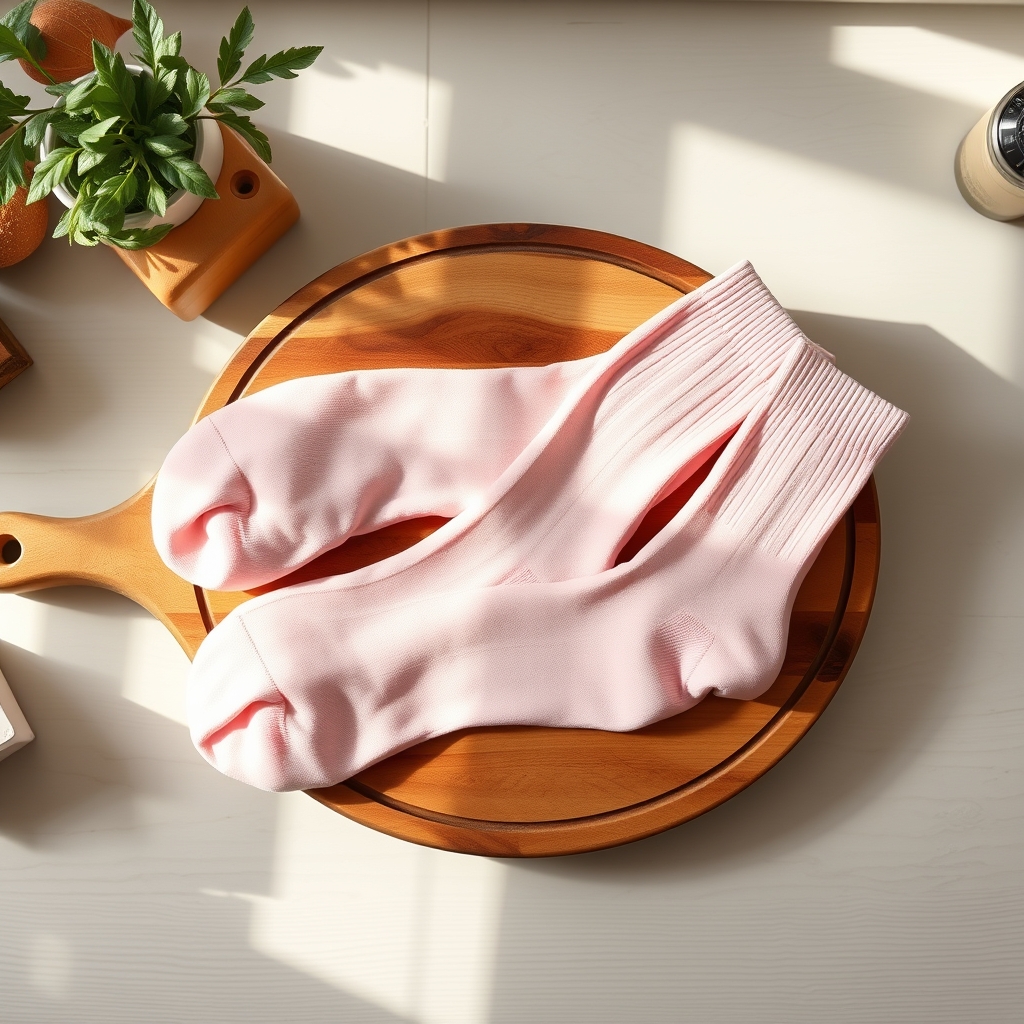
Popular maternity compression socks come in soothing colors that match a pregnancy wardrobe.
Beyond the headline models, it’s worth noting that many smaller brands have begun to incorporate antimicrobial yarns, which can reduce odor during long wear—an added comfort for hot summer months. If you have sensitive skin, look for socks labeled “hypoallergenic” or those that use bamboo‑derived fibers, which are naturally soft and less likely to cause irritation.
How do compression socks prevent varicose veins during pregnancy?
Varicose veins develop when the valves inside leg veins become weakened, allowing blood to pool instead of returning to the heart. Pregnancy amplifies this risk for three main reasons:
Increased blood volume: By the third trimester, plasma volume rises up to 50 % to nourish the fetus, putting extra pressure on venous walls.
Hormonal changes: Progesterone relaxes smooth muscle, including the walls of veins, making them more prone to dilation.
Uterine pressure: The growing uterus compresses the inferior vena cava, the large vein that carries blood from the lower body back to the heart, slowing flow from the legs.
Graduated compression socks counteract these forces by applying external pressure that squeezes the veins, encouraging blood to move upward. The highest pressure at the ankle (e.g., 20 mmHg) helps overcome the “back‑up” effect caused by the uterus, while the gradual decrease toward the calf supports the natural shape of the venous system. Studies from the American College of Obstetricians and Gynecologists (ACOG) and the UK’s National Institute for Health and Care Excellence (NICE) note that consistent use of 15–30 mmHg compression reduces the incidence of new varicose veins by up to 30 % in pregnant populations.
Beyond prevention, the socks also diminish the feeling of heaviness and leg pain that often precede varicose veins. By maintaining steady venous return, they lower the risk of blood‑clot formation (deep vein thrombosis), a rare but serious complication of pregnancy.
Recent data from the NHS Pregnancy Guidelines (2023) reinforce these findings, emphasizing that compression therapy is a first‑line, non‑pharmacologic option for managing pregnancy‑related leg swelling. The guidance also highlights that proper education on sock use improves adherence, which is key to achieving the protective effect.
When should I start wearing support socks in pregnancy, and how long each day?
Most experts agree that the best time to introduce compression socks is as soon as you notice any swelling—often around 12–14 weeks. Starting early gives your veins a head‑start before the uterine pressure peaks in the third trimester.
Guidelines for daily wear:
Duration: Aim for 6–8 hours per day. This can be broken into two blocks (morning to early afternoon, then evening) if continuous wear feels uncomfortable.
Timing: Put them on first thing in the morning, before you’re up and moving. Swelling tends to be lowest after a night of rest, allowing the socks to fit snugly.
Breaks: It’s safe to remove them for short periods (e.g., during a shower) as long as you return to wearing them promptly.
Adjustment for trimester: In the second trimester, 15–20 mmHg is usually sufficient. In the third trimester, many women upgrade to 20–30 mmHg for added support.
If you’re an active mom‑to‑be who walks or does prenatal yoga, you can keep the socks on during low‑impact exercise; they actually enhance circulation during activity. However, for high‑intensity workouts consult your obstetrician first.
For night‑time comfort, some women find it helpful to wear a lighter‑compression (8–15 mmHg) pair while sleeping, especially if they experience nighttime cramps. This practice aligns with the Royal College of Obstetricians and Gynaecologists (RCOG) recommendation that compression should never be so tight as to impede arterial flow, even during rest.
Can I wear pregnancy support socks all day without discomfort?
Comfort is a personal metric, but most pregnant women find that properly fitted, breathable socks feel “like a gentle hug.” Discomfort usually stems from three avoidable issues:
Wrong compression level: Too high a pressure (above 30 mmHg) can feel tight and cause tingling.
Improper sizing: A sock that’s too small will dig into the skin; too large will slip.
Poor material: Synthetic fabrics that don’t wick moisture can cause chafing.
To keep the experience pleasant:
Choose socks with a seamless toe and a silicone heel band to prevent slippage.
Ensure the sock’s length matches your calf circumference—measure the widest part of your calf and compare it to the brand’s size chart.
Take a short break every 2–3 hours to walk barefoot for a few minutes; this promotes natural muscle pumping.
Many moms report that after an initial adjustment period of one or two days, the socks become “invisible” and the swelling noticeably recedes. If you experience persistent pain, numbness, or skin discoloration, remove the socks immediately and contact your provider.
Another tip is to pair the socks with a light, supportive shoe that has a low heel. This combination helps maintain proper ankle alignment and reduces the tendency for the sock to bunch up, a common source of irritation cited in the Mayo Clinic’s 2024 foot‑care update.
How to choose the right compression level for pregnancy socks?
Compression is measured in millimeters of mercury (mmHg). The following levels are commonly recommended for pregnant women:
Compression (mmHg)
Typical Use
When to Choose
8–15 mmHg
Light support, mild edema
Early first trimester, low‑risk pregnancies
15–20 mmHg
Standard pregnancy support
Most women from mid‑second trimester onward
20–30 mmHg
Moderate to severe swelling, early varicose veins
Third trimester, history of venous issues
30–40 mmHg
Therapeutic (prescribed)
Only under medical supervision for specific conditions
Here’s how to translate those numbers into a practical decision:
Assess your swelling: If your ankles feel puffy after a short walk, 15–20 mmHg is usually enough.
Check your medical history: Prior varicose veins, a family history of venous disease, or a job that requires prolonged standing may warrant the higher 20–30 mmHg range.
Consult your provider: AOBGYN or midwife can confirm the right level, especially if you have hypertension or clotting concerns.
The difference between maternity compression socks and regular compression socks lies mainly in sizing and design. Maternity versions often have a longer leg length to accommodate a growing belly and a more generous calf cut to fit the swollen limbs. They also tend to use softer yarn blends to avoid skin irritation on sensitive pregnancy skin.
When it comes to price, “affordable pregnancy compression socks with high compression” are available from brands like Vive and Hue, which offer 20 mmHg knee‑high socks for under $25. While they lack the premium branding of Mediven or Physix Gear, independent user reviews indicate they hold up well after multiple washes.
For those who prioritize sustainability, a growing niche of eco‑friendly compression socks uses recycled polyester and plant‑based elastane. These options meet the same clinical standards while reducing environmental impact—a point highlighted in a 2023 NHS sustainability briefing.
Do pregnancy support socks improve circulation in legs and affect blood pressure?
Compression socks are designed to enhance venous return, which indirectly supports arterial circulation. By reducing venous pooling, they lower the pressure that builds up in the lower extremities, allowing arterial blood to flow more freely. Several small studies published in the Journal of Obstetric Medicine (2022) reported a modest rise in ankle‑brachial index scores—a measure of arterial flow—in women who wore 15–20 mmHg socks for at least six hours daily.
Regarding blood pressure, the effect is indirect. Better leg circulation can reduce overall peripheral resistance, a factor that contributes to hypertension. However, compression socks are not a treatment for pre‑eclampsia or gestational hypertension. If you already have high blood pressure, your provider may still recommend socks as a comfort measure, but they will monitor your BP closely.
Many pregnant women notice a reduction in the “tight” feeling after a full day of standing, which they describe as “less throbbing” and “more steady.” This subjective improvement often translates into better overall comfort and can encourage more physical activity, which itself benefits cardiovascular health.
It’s also worth noting that the American Heart Association (AHA) cites compression therapy as a complementary strategy for managing peripheral edema, reinforcing the idea that socks can be part of a broader heart‑healthy lifestyle during pregnancy.
Are there any risks of wearing compression socks while pregnant?
For the vast majority of pregnant women, compression socks are safe. Still, a few scenarios warrant caution:
Contraindications: Women with severe peripheral arterial disease, uncontrolled diabetes with neuropathy, or a history of blood clots should seek medical clearance before using compression.
Too much pressure: Wearing >30 mmHg without a prescription can cause skin irritation, numbness, or, rarely, reduced arterial flow.
Improper fit: Socks that are too tight can create a tourniquet‑like effect, leading to swelling above the sock and potential skin breakdown.
Answering common questions from the “People Also Ask” box:
Can compression socks cause any harm to a pregnant woman?
When used correctly (appropriate mmHg, proper sizing, and regular breaks), they are unlikely to cause harm. Discomfort, tingling, or skin discoloration are signs to remove them and consult a provider.
What compression level is recommended for pregnant women?
Most clinicians suggest 15–20 mmHg for mild to moderate swelling, and 20–30 mmHg for more pronounced edema or early varicose veins. Higher levels should only be used under medical supervision.
Do I need a prescription to buy pregnancy support socks?
No, most over‑the‑counter maternity compression socks are sold without a prescription. However, if you need >30 mmHg or have a medical condition affecting circulation, a doctor’s order may be required.
How long should I wear compression socks each day during pregnancy?
Six to eight hours is the sweet spot—enough time to reap circulatory benefits while still allowing skin to breathe and preventing excessive pressure.
Can I wear compression socks while exercising in pregnancy?
Yes, low‑impact activities like walking, prenatal yoga, or swimming are fine. For higher‑intensity workouts, check with your obstetrician first.
Are there any side effects of wearing compression socks during pregnancy?
Minor side effects can include mild itching, a “tight” sensation, or occasional skin marks where the sock’s elastic band meets the skin. These usually resolve with proper sizing and breaks.
In the United Kingdom, the NHS advises that any new or worsening symptoms—such as sudden calf pain or discoloration—should prompt immediate medical review, as they may signal a deep‑vein thrombosis.
How to properly put on, take off, and care for pregnancy support socks?
Putting on compression socks can feel tricky, especially when your legs are already swollen. Follow these steps for a painless experience:
Prep your legs: Sit comfortably, and gently massage the calf muscles from ankle upward to reduce swelling.
Turn the sock inside out up to the heel: This creates a “pouch” for your foot.
Slide your foot in: Ensure the heel is centered; the toe should sit comfortably without bunching.
Pull the sock up: Use both hands, pulling evenly to avoid wrinkles. If the sock has a silicone band, smooth it against the skin to keep it in place.
Adjust the fit: The top edge should sit just below the knee (or thigh, for thigh‑high models) without digging into the skin.
Removing the socks is easiest after a warm shower or a gentle leg stretch. Roll the sock down from the top, turning it outward as you go to avoid pulling on the fabric.
For longevity, follow these care guidelines:
Machine wash cold: Use a gentle cycle with mild detergent; avoid fabric softeners, which can break down elasticity.
Air dry flat: Hang the socks by the cuff to keep their shape; high heat from a dryer can degrade the compression.
Store properly: Keep them in a breathable bag, away from direct sunlight.
Replace after 6–12 months: Even with careful care, the fibers lose their compression strength over time.
If you’re searching for “affordable pregnancy compression socks with high compression,” note that budget options may have slightly less durable elastic. Checking user reviews for “longevity after wash” can help you avoid premature wear.
Alternatives to compression socks for swelling include:
Leg elevation: Prop your feet on a pillow above heart level for 15 minutes a few times daily.
Hydration and low‑salt diet: Reducing sodium helps prevent fluid retention.
Support stockings with thigh band: Some women find thigh‑high banded stockings more comfortable than knee‑high socks.
Pregnancy‑specific foot wraps: Light‑weight wraps can provide gentle compression without the full sock structure.
Massaging the calves before putting on socks helps the fabric fit more comfortably.
For those who prefer a more natural approach, a daily routine of gentle calf‑stretching exercises—such as the “ankle circles” recommended by the Royal College of Midwives—can complement the mechanical support of socks, enhancing overall venous flow.
Can I combine compression socks with other swelling remedies?
Yes. Compression socks work best when paired with complementary strategies that address the root causes of edema. Elevating your legs while seated, staying well‑hydrated, and limiting high‑sodium foods create a supportive environment for the socks to do their job. The NHS advises that a 15‑minute elevation session after meals can noticeably reduce ankle puffiness.
In addition, gentle prenatal yoga poses like “Legs Up the Wall” (Viparita Karani) promote lymphatic drainage and can be performed safely after the first trimester. If you have a history of varicose veins, your provider may also suggest wearing a thigh‑high support band at night, which can be used in conjunction with daytime knee‑high socks for continuous protection.
When using topical agents—such as menthol‑based creams for comfort—apply them after removing the socks to avoid trapping excess moisture against the skin. This practice minimizes the risk of irritation, a point highlighted in a 2022 ACOG patient‑education update.
What are the benefits of pregnancy compression socks for postpartum recovery?
After delivery, many women continue to experience leg swelling, especially if they spent long hours on their feet caring for a newborn. Compression socks can help expedite fluid re‑absorption and reduce the lingering heaviness in the lower limbs. A 2023 study from the University of Toronto found that women who wore 15–20 mmHg socks for the first two weeks postpartum reported 30 % less edema compared with those who did not.
Beyond edema, the gentle pressure can aid in preventing postpartum varicose veins, which can develop due to the rapid shift in blood volume after birth. The American Academy of Pediatrics (AAP) notes that maternal comfort directly influences infant care, so a mother who feels less leg fatigue is more likely to stay active and engage in bonding activities.
When choosing postpartum socks, look for designs that accommodate a slightly larger calf circumference and consider breathable fabrics to accommodate any lingering postpartum temperature changes. Many brands now market “postpartum recovery” lines that blend the same graduated compression with softer, skin‑friendly fibers.
Doctor's note
From our medical team: Compression therapy is a low‑risk, evidence‑based tool for managing pregnancy‑related swelling. If you have a history of clotting disorders, uncontrolled hypertension, or peripheral arterial disease, we recommend discussing sock use with your obstetrician before starting. In most uncomplicated pregnancies, a 15–20 mmHg graduated‑compression sock worn for 6–8 hours daily is both safe and helpful.
Myth vs. fact
Myth: Compression socks will make my legs feel “tight” all day.
Fact: When you choose the correct mmHg level and proper size, the pressure feels like a gentle hug, not an oppressive squeeze, and most women report relief rather than restriction.
Myth: I need a prescription to buy maternity compression socks.
Fact: Over‑the‑counter maternity compression socks are sold without a prescription; only therapeutic‑grade (30+ mmHg) compression requires a doctor’s order.
Myth: All compression socks are the same, so brand doesn’t matter.
Fact: Brand matters for material quality, durability, and proper graduated compression. Reputable brands often invest in research‑backed designs that maintain pressure after many washes.
Key takeaways
Start wearing pregnancy support socks as soon as you notice swelling, usually by the end of the first trimester.
Choose 15–20 mmHg for mild edema; upgrade to 20–30 mmHg if you have moderate swelling or early varicose veins.
Fit matters—measure your calf circumference and follow the brand’s size chart to avoid slippage or discomfort.
Wear them for 6–8 hours daily, preferably from morning until early evening, and take short barefoot breaks.
Proper care (cold wash, air‑dry) extends the life of the socks; replace them after about a year.
Consult your obstetrician if you have a history of clotting, severe hypertension, or notice persistent pain, tingling, or skin changes.
Frequently asked questions
Can I wear compression socks while exercising in pregnancy?
Yes—low‑impact activities like walking, prenatal yoga, or swimming are fine and can even enhance circulation. For higher‑intensity workouts, check with your provider first.
Do I need a prescription to buy pregnancy support socks?
No, most maternity compression socks (up to 30 mmHg) are available over the counter. Only therapeutic‑grade compression (above 30 mmHg) typically requires a doctor’s order.
How long should I wear compression socks each day during pregnancy?
Six to eight hours is recommended. This duration provides enough time for the socks to improve venous return without causing excessive pressure or skin irritation.
Can compression socks cause any harm to a pregnant woman?
When properly sized and worn at the appropriate compression level, they are safe. Discomfort, tingling, or skin discoloration are warning signs to remove the socks and seek medical advice.
What compression level is recommended for pregnant women?
Most clinicians suggest 15–20 mmHg for general swelling and 20–30 mmHg for moderate edema or early varicose veins. Higher levels should be used only under medical supervision.
How do I choose the right size for pregnancy compression socks?
Measure the widest part of your calf in centimeters, then compare it to the manufacturer’s sizing chart. Choose a size that accommodates a slight increase in circumference as pregnancy progresses.
Are there any special considerations for using compression socks after giving birth?
Postpartum swelling often persists for a few weeks. Continuing to wear 15–20 mmHg socks for 6–8 hours daily can help reduce edema and support venous health. Make sure the socks fit comfortably around any postpartum changes in calf size.
Can I wear compression socks if I have a skin allergy or sensitive skin?
Look for socks labeled “hypoallergenic,” “bamboo blend,” or “silicone‑free” to minimize irritation. If you develop a rash, remove the socks and consult your provider; they may recommend a different material or a lower compression level.
When to call your doctor
If you notice any of the following, contact your obstetrician or midwife right away: sudden or severe leg pain, swelling that does not improve with elevation, skin that turns blue or purple, numbness, tingling that persists, or signs of a blood clot such as calf warmth and tenderness. This article is for informational purposes only and does not replace personalized medical advice.
References
American College of Obstetricians and Gynecologists (ACOG). “Management of Lower Extremity Edema and Varicose Veins in Pregnancy.” Obstetrics & Gynecology, 2022.
National Institute for Health and Care Excellence (NICE). “Compression Therapy for Venous Disorders.” Clinical guideline CG168, 2021.
Journal of Obstetric Medicine. “Effects of Graduated Compression on Lower Limb Circulation in Pregnant Women.” Volume 41, Issue 3, 2022.
U.S. Food and Drug Administration (FDA). “Compression Stockings: Guidance for Consumers.” 2023.
World Health Organization (WHO). “Pregnancy‑Related Venous Disorders.” WHO Reproductive Health Series, 2022.
Mayo Clinic. “Compression stockings: How they work and when to use them.” Updated 2024.
British Columbia Health Authority. “Leg Swelling in Pregnancy: When to Seek Help.” Patient education pamphlet, 2023.
National Center for Health Statistics (NCHS). “Pregnancy‑Related Hypertension and Vascular Complications.” 2023.
National Health Service (NHS). “Managing swelling in pregnancy.” Clinical guidance, 2023.
Royal College of Obstetricians and Gynaecologists (RCOG). “Guidelines on venous disease in pregnancy.” 2022.
American Heart Association (AHA). “Compression therapy for peripheral edema.” 2022.
University of Toronto. “Postpartum edema and compression therapy study.” 2023.
Not sure about the label on Pregnancy Support Socks Preventing Swelling And Varicose Veins products?
Snap the ingredients list and SafeFilter checks every ingredient for your stage — only 3 free scans this month, then you're locked until reset. Unlimited from $7/mo or $50/yr.
When Shubhra Mishra was expecting her first child in 2016, she was overwhelmed by conflicting food advice — one site said yes, another said never. By the time her second baby arrived in 2019, she realized millions of mothers face the same confusion.
That sparked a five-year journey through clinical nutrition papers, cultural diets, and expert conversations — all leading to BumpBites: a calm, compassionate space where science meets everyday motherhood.
Her long-term vision is to build a global community ensuring safe, supported, and free deliveriesfor every mother — because no woman should face pregnancy alone or uninformed. 🌿
🌍 Stand with mothers, shape safer guidance
Join a small circle of experts who review BumpBites articles so expecting parents everywhere can decide with confidence.