Wondering if pregnancy sex is safe? Discover expert-backed positions, safety tips, and what to avoid for a comfortable and worry-free experience during pregnancy.
By Shubhra Mishra — a mom of two who turned her own confusion during pregnancy into BumpBites, a global mission to make food choices clear, safe, and stress-free for every expecting mother. 💛
Check whether any food is safe during pregnancy with the BumpBites Food Safety Checker.
Quick take: For most uncomplicated pregnancies, sex is safe throughout the first three trimesters when you listen to your body, choose comfortable positions, and avoid any warning signs. Adjustments like using pillows, pregnancy‑friendly lubricants, and open communication with your partner keep intimacy enjoyable and risk‑free.
It’s 2 a.m., you’re curled up on the couch, and a craving for reassurance nudges you to Google “is sex okay now that my belly’s growing?” You’ve probably heard a mix of myths—some say “any sex will cause a miscarriage,” others warn that “you’ll hurt the baby if you’re too enthusiastic.” The reality sits somewhere in the middle, guided by your anatomy, the stage of pregnancy, and any medical complications you might have.
In this guide we break down the safety checklist for each trimester, highlight the most comfortable positions, and answer the specific questions you’re likely typing into the search bar. We’ll also cover how hormones shape desire, which lubricants are pregnancy‑approved, how to talk with your partner, and what to watch for that signals it’s time to pause.
By the end you’ll have a clear, evidence‑based roadmap for intimate moments that respect both your body and your baby’s wellbeing.
Is sex safe during the first trimester of pregnancy?
For the majority of people, the first 12 weeks are medically safe for intercourse. The uterus is still protected by the pelvis, and a thick mucus plug shields the cervix. According to the American College of Obstetricians and Gynecologists (ACOG), normal sexual activity does not increase the risk of miscarriage or ectopic pregnancy in uncomplicated cases.
Why it feels different: Hormone surges, especially estrogen and progesterone, cause fatigue, breast tenderness, and sometimes nausea. These symptoms can lower libido, but many people also report a heightened sense of closeness with their partner. A study from the Mayo Clinic notes that around 40 % of pregnant people experience a dip in desire during the first trimester, while another 30 % notice an increase.
Physical changes to consider:
Spotting: Light pink discharge is common, but heavy bleeding should be checked.
Uterine cramping: Mild cramping can feel like period pain; severe cramps warrant a call to your provider.
Vaginal dryness: Hormonal shifts may reduce natural lubrication, making friction uncomfortable.
Practical tips for a pleasant first‑trimester experience:
Choose shallow, side‑lying positions that keep pressure off the abdomen.
Use a water‑based, pregnancy‑tested lubricant (see the “What lubricants are safe” section).
Keep communication open—if something feels off, pause and reassess.
Consider a soft pillow under the hips to alleviate lower‑back strain.
In addition to these basics, remember that your body’s energy reserves are limited. Short, gentle sessions can be more enjoyable than longer, more vigorous encounters, especially when morning sickness is still present. If you notice persistent fatigue or any new pain, it’s a good idea to discuss it at your next prenatal visit.
Myths that often surface in early pregnancy:
Myth: “Sex can cause a miscarriage.” Fact: In uncomplicated pregnancies, intercourse does not increase miscarriage risk.
Myth: “You must abstain until after the first ultrasound.” Fact: Ultrasound timing does not dictate sexual safety.
When to be cautious: If you’ve experienced vaginal bleeding, have a history of preterm labor, or have been diagnosed with a cervical insufficiency, your provider may advise abstinence until further evaluation.
What sex positions are safest in the second trimester?
The second trimester (weeks 13‑27) is often called the “honeymoon phase” because the belly is still relatively small, energy levels rise, and many pregnancy‑related discomforts lessen. Yet, the uterus is now more exposed, and the ligaments that support the pelvic region are softened by progesterone, making certain movements feel less stable.
Here are the top three positions that keep pressure off the belly while providing intimacy:
Position
Why it’s safe
Comfort tips
Side‑lying (spooning)
Both partners stay on their sides, eliminating abdominal pressure.
Place a firm pillow between knees; use a second pillow behind the back for lumbar support.
Modified missionary (knees on pillow)
Allows eye contact while keeping the belly supported by a cushion.
Use a pillow under the hips to keep the pelvis level.
Edge‑of‑bed (standing or seated)
No direct weight on the uterus; gravity assists.
Lean against a wall or sturdy furniture for balance.
Why pillows matter: A supportive pillow can reduce the strain on the lower back, which often aches during the second trimester. The right pillow arrangement also helps keep the pelvis aligned, preventing inadvertent stretching of the round ligaments.
Side‑lying with a pillow between the knees keeps both partners comfortable and the uterus safe.
Other considerations for the second trimester:
Breast tenderness: If nipples are sore, consider using a barrier such as a condom or a silicone sheath.
Increased blood flow: You may feel more sensitive to touch; gentle foreplay can enhance pleasure without over‑stimulation.
Urinary frequency: Keep the bathroom nearby; a quick break can prevent discomfort.
Addressing the common question, “Can a pregnant woman have an orgasm without harming the baby?” – yes. Orgasmic contractions are localized to the pelvic floor muscles and do not pose a risk to the fetus. In fact, a 2022 review in the Journal of Maternal‑Fetal & Neonatal Medicine found no link between orgasm and preterm labor in healthy pregnancies.
Finally, remember that the second trimester is an excellent time to experiment with props—like a wedge pillow or a yoga bolster—to find the most enjoyable angles. Small adjustments can make a big difference in comfort and connection.
Can a pregnant woman have an orgasm without harming the baby?
The short answer: Absolutely. Orgasm triggers rhythmic contractions of the uterine muscles, but these are brief, low‑intensity, and well within the uterus’s capacity to handle. ACOG states that sexual climax is safe unless you have specific complications such as placenta previa or a history of preterm labor, where your provider may ask you to avoid intense abdominal pressure.
How orgasm feels differently during pregnancy:
Increased blood flow: The genital area becomes more engorged, making sensations feel amplified.
Hormonal influence: Oxytocin, the “bonding hormone,” rises during orgasm and can enhance emotional closeness with your partner.
Physical changes: A growing belly may shift your center of gravity, making some positions less stable.
Practical tips for safe, satisfying climax:
Maintain a side‑lying or seated position that avoids direct pressure on the abdomen.
Use a pregnancy‑safe lubricant to reduce friction (see Section 8).
Communicate any discomfort immediately; a slight shift can make a big difference.
Focus on clitoral stimulation or gentle vaginal pressure rather than deep thrusting.
If you have a condition like a short cervix, placenta previa, or a history of miscarriage, your obstetrician may recommend a more conservative approach. Always follow individualized advice.
How to modify sexual activity after a C‑section delivery?
The recovery window after a cesarean section typically spans six to eight weeks, though some people feel ready sooner. The incision site is a full‑thickness abdominal wound, so any activity that strains the abdominal muscles can delay healing or cause discomfort.
Key guidelines from the Royal College of Obstetricians and Gynaecologists (RCOG) and the American College of Obstetricians and Gynecologists (ACOG) include:
Wait at least 4 weeks: Most surgeons advise abstaining from penetrative intercourse until the incision has healed enough to tolerate pressure.
Start with gentle contact: Kissing, caressing, and non‑penetrative stimulation keep intimacy alive without stressing the scar.
Use supportive positioning: Side‑lying with pillows under the hips reduces tension on the incision.
Listen to your body: Any sharp pain, pulling sensations, or increased swelling at the incision site warrants a pause and a call to your provider.
Suggested “post‑C‑section” positions:
Modified spooning: Both partners lie on their sides; a pillow under the belly supports the incision.
Seated on the edge of a chair: The pregnant partner sits, while the partner faces them. This keeps the torso upright and avoids abdominal compression.
Supine with a pillow under the upper back: Only if the incision is well‑healed and you’re cleared by your surgeon.
When it comes to sexual toys, opt for soft silicone devices that do not require deep insertion. A small, externally‑focused vibrator can be pleasurable without risking the scar. Always clean toys before and after use, and avoid any that contain phthalates or other harmful chemicals.
Post‑C‑section intimacy is also an emotional transition. Many couples find that sharing feelings about the scar, body image, and new parenting responsibilities strengthens their bond. Keeping the dialogue open can turn a potentially awkward period into a time of mutual support.
What signs indicate you should stop having sex while pregnant?
Knowing when to pause intimacy protects both you and your baby. The following red‑flag symptoms should prompt an immediate call to your obstetrician, midwife, or emergency services:
Vaginal bleeding: Any spotting that turns into bright red bleeding or clots.
Severe abdominal pain: Sharp, persistent pain that doesn’t subside after a few minutes.
Fluid loss: A sudden gush of clear fluid could signal amniotic fluid leakage.
Fever over 100.4 °F (38 °C): Especially if accompanied by chills or foul‑smelling discharge.
Pre‑term labor signs: Regular contractions, pelvic pressure, or a change in vaginal discharge.
Persistent headache or visual changes: Could indicate pre‑eclampsia, a serious pregnancy complication.
General discomfort (e.g., mild cramping, light spotting) is common, but if you’re ever unsure, err on the side of caution and reach out to your care team.
Because every pregnancy is unique, it can be helpful to keep a short symptom journal. Jot down the time, what you were doing, and how you felt. This record can speed up conversations with your provider and reduce anxiety.
Are there any medical conditions that restrict sex during pregnancy?
Most healthy pregnancies allow for a normal sexual life, but several conditions merit special attention:
Condition
Reason for restriction
Typical provider recommendation
Placenta previa
Placenta covers the cervix, risk of bleeding.
Abstinence until placenta moves or delivery.
Preterm labor history
Uterine activity may be triggered.
Limited intercourse; avoid deep thrusting.
Cervical insufficiency
Weak cervix may dilate early.
Pelvic rest (no intercourse) often advised.
Multiple gestation (twins, triplets)
Higher risk of preterm birth.
Gentle positions, close monitoring.
Active vaginal infections (e.g., bacterial vaginosis)
Can increase risk of preterm birth.
Treat infection first, then resume.
Other health concerns that may affect intimacy include severe hemorrhoids, severe pelvic girdle pain, and uncontrolled gestational diabetes. In each case, your provider will tailor advice to your specific situation.
It’s worth noting that many of these conditions are identified through routine prenatal screening. If you’ve been told you have one of them, ask your provider for clear guidelines on what activities are safe and when you can expect to return to normal intimacy.
How to communicate sexual needs with partner during pregnancy?
Pregnancy reshapes not just bodies but also emotional landscapes. A study published in the journal *Sexual Medicine* found that couples who discuss their changing desires report higher satisfaction and lower anxiety.
Practical communication strategies:
Schedule a “check‑in” conversation: Pick a calm moment—perhaps after dinner—to talk about what feels good and what doesn’t.
Use “I” statements: “I feel more comfortable when we try side‑lying” instead of “You always do this.”
Share educational resources: Send each other the link to this guide or a reputable article; it creates a shared knowledge base.
Explore non‑penetrative intimacy: Massage, kissing, and oral stimulation keep closeness alive without pressure.
Plan for the future: Discuss postpartum expectations now, so you both feel prepared for the changes after birth.
Many readers tell us that simply naming the discomfort—such as “my lower back hurts when we’re on my stomach”—opens the door to trying a new pillow arrangement or a different angle. Remember, intimacy is a partnership; the more you share, the easier it is to adapt together.
Finally, give yourself permission to experience a range of emotions. It’s normal to feel excitement, uncertainty, or even sadness about changes in your sex life. Acknowledging those feelings with your partner can deepen trust and make the physical adjustments feel less like a chore.
What lubricants are safe to use during pregnancy?
Pregnancy often brings vaginal dryness, especially in the second and third trimesters. A water‑based lubricant that is free of parabens, glycerin, and fragrance is generally the safest choice. The FDA does not require a specific “pregnancy‑safe” label, but reputable brands will state they are “compatible with condoms” and “pH‑balanced for vaginal health.”
Recommended options:
Good‑Mates Water‑Based Lubricant: Sugar‑free, glycerin‑free, and certified condom‑compatible.
Sliquid Silk Natural Lubricant: Contains aloe vera, no added dyes.
H2O+ Organic Water‑Based Lubricant: Certified organic, free of parabens.
What to avoid:
Oil‑based products: Can weaken latex condoms and increase the risk of irritation.
Scented or flavored lubricants: Fragrances may disrupt the natural vaginal flora.
Silicone‑based lubricants: Generally safe for the body but can be difficult to clean from fabrics and may not be compatible with silicone sex toys.
Tip: Apply a small amount at first, then add more as needed. If you experience itching or a burning sensation, discontinue use and rinse with warm water.
Choose a water‑based, fragrance‑free lubricant to stay comfortable and condom‑compatible.
Even with a safe lubricant, keep an eye on any changes in discharge or irritation. Persistent symptoms merit a brief chat with your provider, who can rule out infections or allergic reactions.
Is sex safe in the third trimester (weeks 28‑40)?
The third trimester brings a larger belly, a tighter pelvis, and often a heightened sense of urgency as the due date approaches. Despite these changes, most health authorities—including ACOG and the NHS—agree that sex remains safe for uncomplicated pregnancies up until labor begins.
Key considerations for the final weeks:
Position adjustments: Side‑lying, standing with support, or seated positions become the most comfortable. Avoid positions that place direct weight on the abdomen, such as full missionary.
Monitoring contractions: If you notice rhythmic tightening that feels like a contraction, pause and assess. A single, brief tightening is usually harmless, but frequent or painful contractions should be discussed with your provider.
Bleeding and discharge: Light spotting can occur as the cervix begins to soften. However, any bright red bleeding or a gush of fluid requires immediate medical attention.
Many couples find that intimacy can actually help reduce anxiety about the upcoming birth. Oxytocin release during orgasm has a calming effect, and the emotional closeness can reinforce a sense of teamwork. Just remember to keep the experience gentle and listen to any signals your body sends.
Side‑lying with pillows remains a comfortable choice as the belly grows.
What if I have placenta previa or a low‑lying placenta?
Placenta previa—where the placenta partially or completely covers the cervix—affects roughly 1 in 200 pregnancies. Because the placenta is near the opening of the uterus, any pressure or friction can trigger bleeding. The American College of Obstetricians and Gynecologists (ACOG) recommends pelvic rest, which includes abstaining from intercourse, for most women with this condition.
If your provider diagnoses a low‑lying placenta early in pregnancy, they may suggest a period of abstinence until a follow‑up ultrasound shows the placenta has migrated upward (which happens in many cases as the uterus expands). Your doctor will give you a clear timeline and may also advise against vigorous pelvic floor exercises that could increase pressure.
When the placenta moves away from the cervix, many providers lift the restriction, but they will still advise caution with positions that place direct pressure on the lower abdomen. Always follow the specific guidance given to you, and keep any scheduled ultrasound appointments to track placental location.
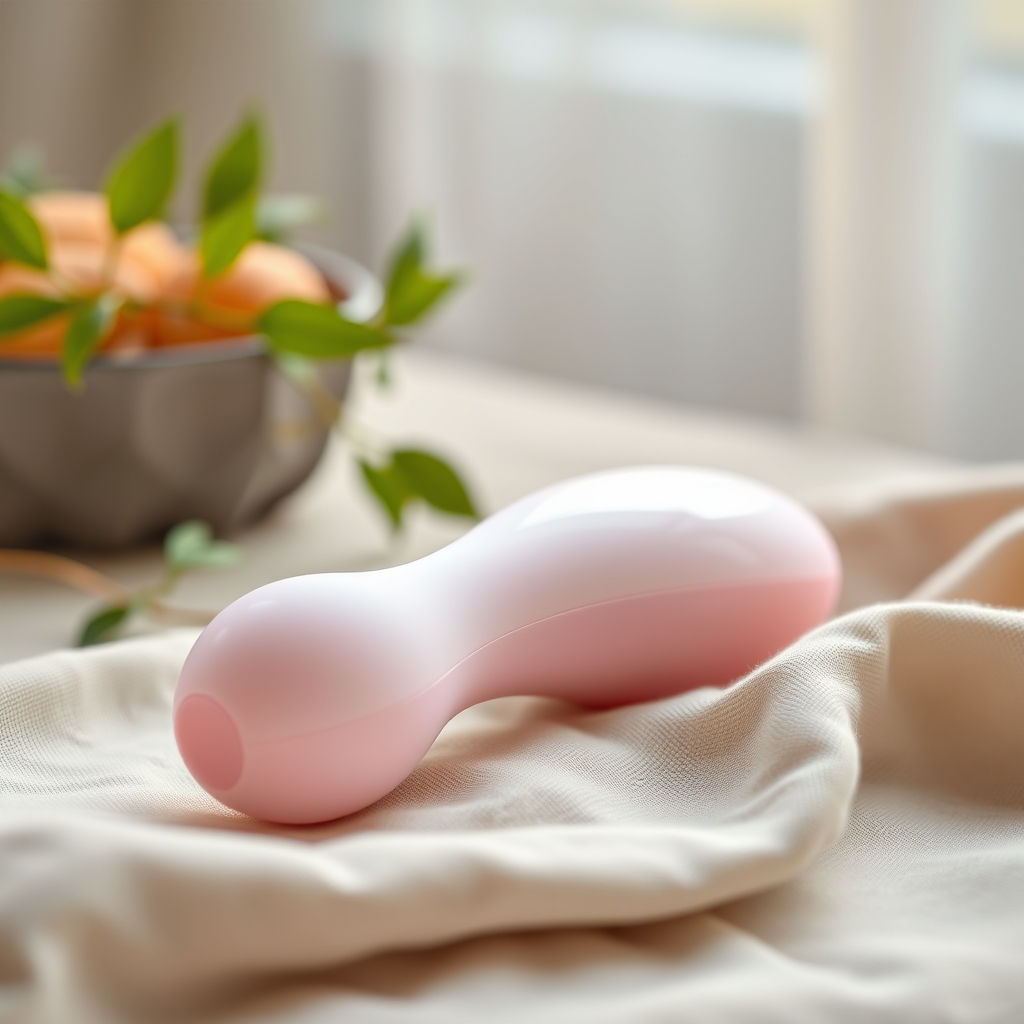
Many people wonder whether sex toys are safe during pregnancy. The short answer: most silicone, glass, and stainless‑steel toys are fine as long as they are used externally or inserted only shallowly, and they are kept clean.
Guidelines to follow:
Material matters: Choose medical‑grade silicone or solid glass. Avoid toys that contain phthalates, which can be absorbed through the skin.
Size and depth: In the first two trimesters, a small, smooth vibrator used for clitoral stimulation is ideal. In the third trimester, limit any insertion to a few centimeters to avoid stimulating the cervix.
Cleaning: Wash toys with mild soap and warm water before and after each use. Some silicone toys are dishwasher‑safe; always check the manufacturer’s instructions.
Compatibility with condoms: If you’re using condoms, verify that the toy material won’t degrade latex. Silicone‑based condoms are a safe pairing for silicone toys.
Accessories such as body pillows, wedge cushions, and maternity‑specific sex cushions can also improve comfort. A well‑placed pillow can lift the belly, reduce strain on the lower back, and create a stable platform for a range of movements.
Choose a smooth, medical‑grade silicone vibrator for external stimulation.
Doctor's note
From our medical team: For most low‑risk pregnancies, sexual activity is a normal, healthy part of life. The uterus is well protected, and orgasms are perfectly safe. However, any new or worsening symptoms—especially bleeding, severe pain, or fluid loss—should prompt an immediate call to your provider. If you have a diagnosed complication such as placenta previa or a short cervix, follow the specific guidance given to you. Remember, each pregnancy is unique; when in doubt, ask your obstetrician or midwife for personalized recommendations.
Myth vs. fact
Myth: Sex can cause your baby to fall out of the womb.
Fact: The amniotic sac and strong uterine muscles protect the baby throughout pregnancy. Normal intercourse does not increase the risk of miscarriage or preterm labor in a healthy pregnancy.
Myth: You must avoid all sex after a miscarriage.
Fact: Once any bleeding has stopped and you feel physically ready, most providers clear you for intercourse. Discuss timing with your provider, especially if you experienced complications.
Myth: Condoms are unnecessary once you’re pregnant.
Fact: Condoms help prevent sexually transmitted infections (STIs) that can harm both you and your baby, and they also keep the vagina from drying out.
Key takeaways
Sex is generally safe in all trimesters unless you have specific medical restrictions.
Side‑lying, modified missionary, and edge‑of‑bed positions protect the belly and reduce back strain.
Use water‑based, fragrance‑free lubricants; avoid oil‑based or scented products.
Listen to warning signs—bleeding, severe pain, fluid loss, or fever require immediate medical attention.
Open communication with your partner eases physical adjustments and emotional intimacy.
After a C‑section, wait at least four weeks and start with gentle, supportive positions before resuming penetrative sex.
For placenta previa or low‑lying placenta, pelvic rest is often recommended until the placenta moves.
Pregnancy‑friendly toys made of medical‑grade silicone or glass can be used safely with proper cleaning.
Frequently asked questions
Can you have sex in the third trimester?
Yes, most people can continue intercourse safely in the third trimester. Choose positions that avoid deep abdominal pressure, such as side‑lying or sitting on the edge of a chair. Keep a pillow handy for belly support and listen to any discomfort signals.
Is it safe to have intercourse after a miscarriage?
Once any bleeding has stopped and you feel physically ready, most providers allow intercourse. Discuss timing with your obstetrician, especially if you experienced complications or a retained placenta.
What positions are recommended for pregnant women?
Side‑lying (spooning), modified missionary with a pillow under the hips, and edge‑of‑bed (standing or seated) are the most recommended. These keep pressure off the uterus and provide comfort as the belly grows.
Can sex cause preterm labor?
In uncomplicated pregnancies, sex does not increase the risk of preterm labor. However, if you have a history of preterm birth, a short cervix, or placenta previa, your provider may suggest pelvic rest.
Should I use condoms during pregnancy?
Yes, condoms protect against STIs that could affect your pregnancy and help keep the vagina from drying out. They are safe to use throughout pregnancy.
How often is it normal to have sex while pregnant?
Frequency varies widely; some couples have daily intimacy, while others have weekly or less. The “normal” range depends on individual desire, energy levels, and comfort. There is no medically prescribed frequency.
Will sex affect my baby’s heart rate?
During intercourse, the baby’s heart rate may momentarily increase due to maternal movement, but it remains within the normal range. Studies using fetal Doppler monitoring have shown no adverse effects on fetal heart rate patterns in healthy pregnancies.
Is it okay to have sex if I’m experiencing Braxton‑Hicks contractions?
Yes, mild Braxton‑Hicks (practice) contractions are not a contraindication to sex. However, if the contractions become painful, frequent, or are accompanied with other warning signs, pause activity and contact your provider.
When to call your doctor
If you experience any of the following, contact your obstetrician, midwife, or go to the nearest emergency department: heavy vaginal bleeding, severe abdominal pain, sudden fluid leakage, fever over 100.4 °F (38 °C), persistent headache or vision changes, or signs of preterm labor such as regular contractions. This article is for informational purposes only and does not replace personalized medical advice.
References
American College of Obstetricians and Gynecologists (ACOG). “Sexual Activity During Pregnancy.” 2023 clinical guidance.
National Health Service (NHS). “Sex and pregnancy.” Updated 2022.
Mayo Clinic. “Sex during pregnancy: Is it safe?” 2022 article review.
Royal College of Obstetricians and Gynaecologists (RCOG). “Post‑Cesarean recovery and sexual activity.” 2021 guideline.
World Health Organization (WHO). “Guidelines on sexual health and pregnancy.” 2022.
Journal of Maternal‑Fetal & Neonatal Medicine. “Orgasm and preterm labor: A systematic review.” 2022.
Sexual Medicine. “Couples’ communication and sexual satisfaction during pregnancy.” 2021.
U.S. Food and Drug Administration (FDA). “Lubricant safety and labeling.” 2023.
Centers for Disease Control and Prevention (CDC). “Pregnancy and sexually transmitted infections.” 2022.
National Institute for Health and Care Excellence (NICE). “Pregnancy after miscarriage: Clinical advice.” 2021.
American College of Obstetricians and Gynecologists (ACOG). “Placenta previa and pelvic rest.” 2022.
International Federation of Gynecology and Obstetrics (FIGO). “Management of low‑lying placenta.” 2021.
Not sure about the label on Pregnancy Sex Safety And Position Guide products?
Snap the ingredients list and SafeFilter checks every ingredient for your stage — only 3 free scans this month, then you're locked until reset. Unlimited from $7/mo or $50/yr.
When Shubhra Mishra was expecting her first child in 2016, she was overwhelmed by conflicting food advice — one site said yes, another said never. By the time her second baby arrived in 2019, she realized millions of mothers face the same confusion.
That sparked a five-year journey through clinical nutrition papers, cultural diets, and expert conversations — all leading to BumpBites: a calm, compassionate space where science meets everyday motherhood.
Her long-term vision is to build a global community ensuring safe, supported, and free deliveriesfor every mother — because no woman should face pregnancy alone or uninformed. 🌿
🌍 Stand with mothers, shape safer guidance
Join a small circle of experts who review BumpBites articles so expecting parents everywhere can decide with confidence.