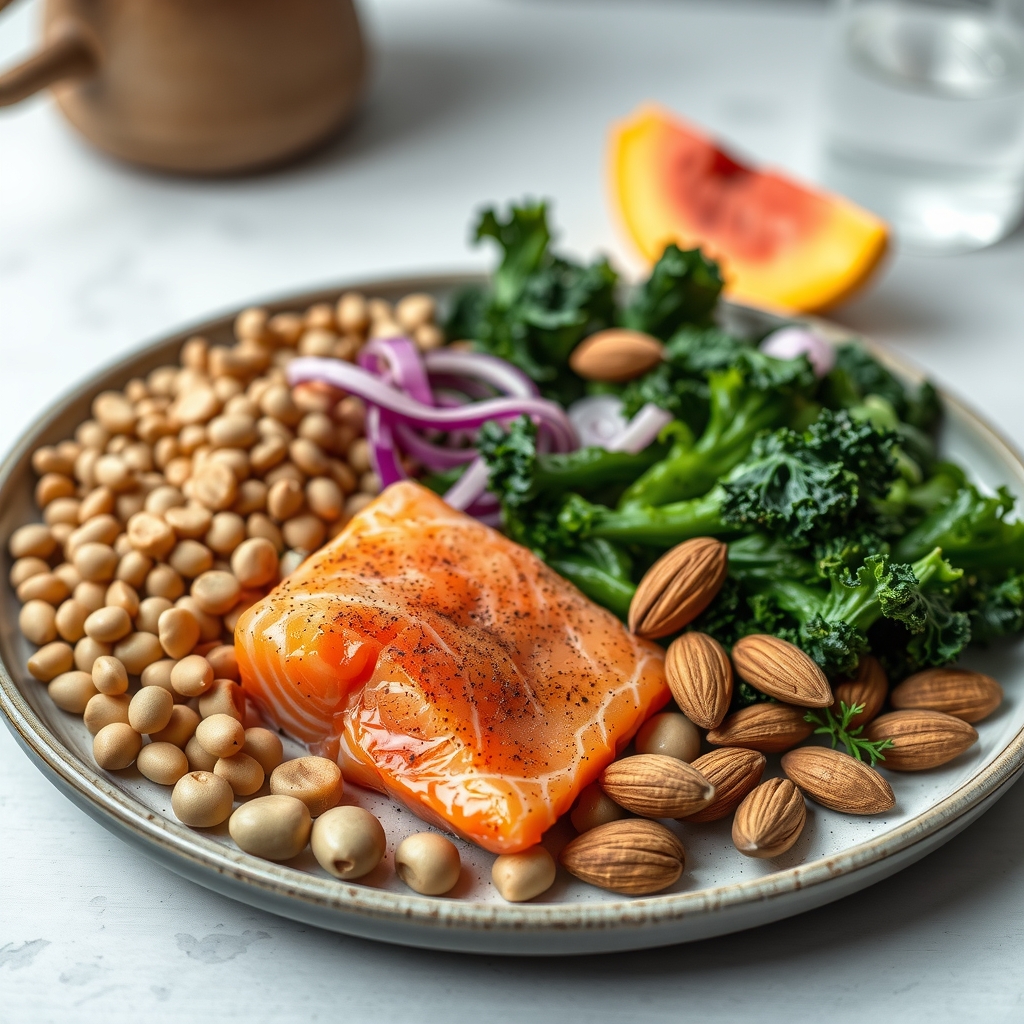
Let’s be real: perimenopause isn’t just about hormones. It’s the sneaky side effects—weight gain around the middle, digestive slowdowns, skin that suddenly feels like parchment, and mood swings that make you question your entire life choices. The good news? Diet can be a powerful tool to ease these symptoms. But it’s not about deprivation; it’s about fueling your body in a way that works *with* its new normal.
One reader described it perfectly: "I used to think I just needed to ‘eat clean’ to lose weight, but perimenopause made me realize my body was asking for different things. I swapped my daily coffee for herbal tea, and my mood swings softened. It wasn’t magic—it was listening."
Dietary strategies for common perimenopause symptoms
Here’s how to target specific issues:
What to avoid (and why)
Some foods can worsen symptoms. The Mayo Clinic recommends limiting:
- Processed sugars: Can spike insulin and worsen hot flashes and fatigue.
- Alcohol: Disrupts sleep and may increase hot flash frequency.
- Caffeine: Can trigger hot flashes and contribute to anxiety.
- Trans fats: Found in fried foods and baked goods; linked to increased inflammation.
You don’t have to eliminate these entirely, but being mindful of portions and frequency can help. For example, if alcohol triggers your hot flashes, try swapping a glass of wine for sparkling water with a splash of pomegranate juice.
---
Best protein sources for perimenopause
Protein is often the unsung hero of perimenopause diets. As muscle mass naturally declines with age (especially in women), prioritizing protein helps maintain strength, supports metabolism, and keeps you fuller longer—critical when cravings feel out of control. But not all protein is created equal. Some sources can cause bloating or digestive discomfort, while others provide additional benefits like bone support or heart health.
One woman we spoke with shared: "I used to think protein meant chicken and steak, but after perimenopause, I realized I needed more variety. Now, I rotate between lentils, tofu, and salmon to keep my energy steady and my digestion happy."
Protein sources ranked by perimenopause benefits
Here’s how to choose based on your needs:
Protein myths debunked
Myth: High-protein diets cause kidney damage.
Fact: For healthy individuals, a high-protein diet (as long as it’s from whole foods) does not harm kidneys. The National Kidney Foundation notes that only those with pre-existing kidney disease need to monitor protein intake closely. Focus on lean sources like fish, beans, and tofu.
Myth: Animal protein is the only way to get enough.
Fact: Plant-based proteins like lentils, tempeh, and quinoa are just as effective for muscle maintenance and can provide additional benefits like fiber and phytoestrogens. Many women find plant proteins easier to digest during perimenopause.
---
Calcium intake for perimenopause bone health
It’s the one word that sends a chill down your spine: osteoporosis. As estrogen levels drop during perimenopause, bone density can decline rapidly—sometimes without symptoms until a fracture occurs. But the good news? Diet can be a powerful shield. Calcium and vitamin D are non-negotiable, but other nutrients like magnesium and vitamin K also play a role in keeping your bones strong.
One of our editors recalled her mother’s perimenopause: "She swore by adding a glass of fortified orange juice to her breakfast and snacking on almonds every afternoon. By the time she hit menopause, her bone density scan was still in the normal range—something her doctor called ‘miraculous.’"
How much calcium do you need?
The Office of Dietary Supplements (ODS) recommends:
- Women 51–70: 1,200 mg/day
- Women over 70: 1,200 mg/day
Most women fall short—only about 20% meet this target daily. The trick? Spread your intake throughout the day to improve absorption.
Top calcium-rich foods (and how to eat them)
You don’t need to rely on supplements if you plan your meals right:
- Leafy greens (kale, collard greens): 1 cup cooked = ~200 mg. Blend into smoothies or sauté as a side.
- Fortified plant milks (almond, soy, oat): 1 cup = ~300 mg. Use in coffee, oatmeal, or baking.
- Canned fish (sardines, salmon): 3 oz = ~180 mg. Mix into pasta or eat with crackers.
- Dairy (Greek yogurt, cheese): 1 cup yogurt = ~200 mg. Pair with berries for a snack.
- Tofu (calcium-set): ½ cup = ~200 mg. Grill or stir-fry as a protein.
Vitamin D: the unsung partner to calcium
Calcium needs vitamin D to be absorbed. Many women are deficient—especially in winter or if they have limited sun exposure. Aim for:
- 600–800 IU/day (from food or supplements).
- Food sources: Fatty fish (salmon, mackerel), egg yolks, fortified cereals.
If you’re struggling to get enough through diet, a supplement may help—but get your vitamin D levels tested first.
---
How to manage hot flashes through diet
Hot flashes are the poster child of perimenopause—sudden, sweaty, and often socially awkward. They’re caused by hormonal fluctuations that disrupt your body’s thermoregulation. While HRT (hormone replacement therapy) is the most effective treatment, diet can be a game-changer for reducing frequency and intensity. The key? Cooling foods, hydration, and avoiding triggers.
One reader, Sarah, shared: "I used to think hot flashes were just part of aging, but after cutting back on my daily latte and adding more cucumber to my water, my flashes dropped by 60%. It’s not a cure, but it’s a lifesaver."
Foods that may reduce hot flashes
Research from a 2019 study in Menopause highlights these evidence-backed picks:
- Soy isoflavones: Found in tofu, tempeh, and edamame. Aim for 50 mg/day.
- Flaxseeds: 1 tbsp ground flaxseeds daily may reduce hot flash frequency.
- Green tea: Contains L-theanine, which may lower cortisol and ease flashes.
- Cucumber and watermelon: High water content helps cool you from within.
- Spices like ginger and turmeric: Anti-inflammatory properties may help regulate temperature.
Dietary triggers to watch for
Some foods can worsen hot flashes. Keep a food diary to identify your personal triggers:
- Caffeine: Found in coffee, tea, and chocolate. Try decaf or herbal tea.
- Alcohol: Can dilate blood vessels and trigger flashes. Opt for water or sparkling water.
- Spicy foods: Capsaicin may raise body temperature. Reduce chili peppers and hot sauces.
- Processed sugars: Can spike insulin and worsen flashes. Choose whole fruits instead.
Hydration hacks for hot flashes
Dehydration worsens hot flashes. Try these tips:
- Carry a reusable water bottle and sip throughout the day.
- Add electrolytes with coconut water or a pinch of sea salt to your water.
- Infuse water with cucumber, mint, or lemon for flavor.
- Avoid sugary sports drinks—they can spike blood sugar and trigger flashes.
---
Perimenopause diet for weight management
Perimenopause is the sneaky weight-gain decade. Even if you’ve maintained your weight for years, metabolism shifts—often due to declining estrogen and muscle mass—can make shedding pounds feel impossible. The good news? Diet (paired with strength training) can help you navigate this phase without resorting to extreme measures. The goal isn’t weight loss for weight loss’s sake; it’s preserving muscle, stabilizing blood sugar, and supporting hormonal balance.
One mom we interviewed put it this way: "I used to think I just needed to ‘eat less.’ But after perimenopause, I realized my body needed more protein and fewer refined carbs. I lost 10 pounds in 3 months without feeling deprived—just by swapping my daily bagel for eggs and adding more veggies to my plate."
Why weight management gets harder during perimenopause
Three key factors:
- Estrogen decline: Lowers metabolism and increases fat storage around the abdomen.
- Muscle loss: Natural age-related muscle decline slows metabolism further.
- Insulin resistance: Hormonal shifts make it harder to regulate blood sugar, leading to cravings.
Diet strategies for sustainable weight management
Focus on these evidence-backed approaches:
Common mistakes (and how to fix them)
Mistake: Skipping meals to "save calories."
Fix: Eat every 3–4 hours to stabilize blood sugar and prevent overeating. Try a balanced snack like hummus and veggies.
Mistake: Relying on low-fat foods.
Fix: Fat is satiating and supports hormone health. Opt for whole-fat dairy or avocado instead.
Mistake: Ignoring strength training.
Fix: Muscle burns more calories at rest. Pair your diet with 2–3 strength sessions per week.
---
Vegan perimenopause diet benefits and side effects
A plant-based diet can be a powerhouse for perimenopause—rich in fiber, phytoestrogens, and antioxidants—but it also requires careful planning to avoid nutrient gaps. Many women turn to veganism during this phase for ethical, environmental, or health reasons, and with the right approach, it can support hormonal balance, heart health, and even weight management. But without attention to key nutrients like B12, iron, and calcium, side effects like fatigue or bone density loss can creep in.
One vegan reader, Priya, shared: "I was terrified of going vegan during perimenopause, but with the right supplements and meal prep, I’ve never felt better. My hot flashes decreased, and my energy stabilized—no animal products in sight!"
Benefits of a vegan diet for perimenopause
Research from a 2019 study in Nutrients highlights these perks:
- Phytoestrogens: Soy, flaxseeds, and lentils may help balance hormonal fluctuations.
- High fiber: Supports digestion and blood sugar stability.
- Lower saturated fat: Reduces cardiovascular risk, which rises during perimenopause.
- Antioxidants: Found in berries and leafy greens, they combat oxidative stress.
Potential side effects (and how to fix them)
Without planning, a vegan diet can lead to:
- Iron deficiency: Causes fatigue. Fix with fortified cereals, lentils, and spinach.
- Calcium deficiency: Risks bone loss. Fix with fortified plant milks, tofu, and tahini.
- Vitamin B12 deficiency: Linked to neurological issues. Fix with supplements or fortified foods.
- Zinc deficiency: Supports immunity and skin health. Fix with pumpkin seeds and chickpeas.
Vegan meal planning for perimenopause
Here’s a sample day of meals to cover your bases:
Supplements to consider
If your diet lacks these, supplements may help:
- Vitamin B12: 1,000 mcg/day (or as prescribed).
- Vitamin D: 600–800 IU/day (or as tested).
- Iron: Only if deficient (test first).
- Calcium: 1,200 mg/day (from food + supplement if needed).
---
Perimenopause diet and hormone balance
Hormones are the silent conductors of perimenopause—fluctuating estrogen, progesterone, and cortisol can turn your mood, energy, and even your skin into a rollercoaster. Diet can’t replace medical interventions like HRT, but it can support your body’s natural balance by reducing inflammation, stabilizing blood sugar, and providing nutrients that help regulate hormone production. The goal? Create an internal environment where your hormones don’t have to work as hard to keep you stable.
One woman described it like this: "I used to think my mood swings were just ‘PMS.’ But after tracking my food and hormones, I realized my blood sugar crashes were making my cortisol spiral. Cutting out sugary snacks and adding more protein changed everything."
How diet affects hormone production
Your diet influences hormones in three key ways:
- Blood sugar stability: Spikes and crashes trigger cortisol (stress hormone) and worsen mood swings.
- Inflammation: Processed foods and sugar promote chronic inflammation, which disrupts hormone signaling.
- Nutrient cofactors: Hormones need vitamins and minerals (like magnesium, zinc, and B vitamins) to function properly.
Dietary strategies for hormonal balance
Try these evidence-backed approaches:
Foods that may disrupt hormones
Some foods can interfere with hormone production or metabolism:
- Soy (in excess): While beneficial for many, some women report worsened symptoms. Listen to your body.
- Processed meats: Linked to increased inflammation and estrogen-like compounds.
- Alcohol: Disrupts liver detoxification of hormones.
- Artificial sweeteners: May alter gut bacteria, which affects hormone production.
---
Myth vs. fact: perimenopause diet
Myth: "You need to go on a low-fat diet to balance hormones."
Fact: Healthy fats are essential for hormone production. Focus on unsaturated fats (avocado, nuts, olive oil) rather than eliminating fat entirely. The American Heart Association emphasizes that dietary fats support heart health, which is critical during perimenopause.
Myth: "Detox diets cleanse your hormones."
Fact: Your liver and kidneys handle hormone detoxification naturally. Extreme detox diets can deplete nutrients and worsen symptoms. Instead, focus on hydration, fiber, and whole foods.
Myth: "You should avoid all dairy if you have hot flashes."
Fact: While some women find dairy triggers hot flashes, others tolerate it well. Calcium is important for bone health, so if you enjoy dairy, opt for low-fat or fortified plant-based alternatives.
Myth: "Intermittent fasting is the best way to manage perimenopause weight."
Fact: Intermittent fasting can be helpful, but it’s not one-size-fits-all. Some women thrive with it, while others experience increased stress or blood sugar crashes. Listen to your body and adjust as needed.
---
Key takeaways
- Focus on whole, nutrient-dense foods like leafy greens, fatty fish, nuts, seeds, and legumes to support hormone balance, bone health, and energy.
- Phytoestrogens (soy, flaxseeds) may help ease hormonal fluctuations, but individual responses vary.
- Prioritize calcium and vitamin D to protect bone density, and consider supplements if your diet falls short.
- Avoid triggers like caffeine, alcohol, and processed sugars, which can worsen hot flashes, mood swings, and sleep disturbances.
- Protein is your ally—it keeps you full, supports muscle, and stabilizes blood sugar. Aim for 20–30g per meal.
- If you’re vegan, pay special attention to B12, iron, calcium, and zinc to avoid deficiencies that can mimic perimenopause symptoms.
- Small, sustainable changes work better than extreme diets. Experiment to find what feels good for your body.
---
Frequently asked questions
What are the best foods for perimenopause?
The best foods are those rich in phytoestrogens, calcium, magnesium, and omega-3s. Top picks include:
- Soy products (tofu, tempeh, edamame)
- Leafy greens (kale, collard greens, spinach)
- Fatty fish (salmon, mackerel, sardines)
- Nuts and seeds (almonds, walnuts, flaxseeds)
- Berries (blueberries, raspberries, strawberries)
- Whole grains (quinoa, brown rice, farro)
These foods support hormone balance, bone health, and energy levels. Pair them with a variety of vegetables, lean proteins, and healthy fats for a balanced diet.
Can diet reduce hot flashes?
While diet can’t replace HRT for hot flashes, certain foods may help reduce frequency and intensity. Research from Menopause suggests that phytoestrogens (like those in soy), flaxseeds, and green tea may be particularly effective. Hydration and avoiding triggers (caffeine, alcohol, spicy foods) also play a role. Keep a food diary to identify your personal triggers.
How much calcium should I take during perimenopause?
The Office of Dietary Supplements recommends 1,200 mg of calcium daily for women 51 and older. Most women don’t meet this through diet alone, so supplements may be necessary. Focus on food sources first (leafy greens, fortified plant milks, canned fish) and supplement if needed. Always consult your provider before starting a new supplement.
Is a low-carb diet good for perimenopause?
A low-carb diet can help manage blood sugar and reduce cravings, which may ease perimenopause symptoms like mood swings and fatigue. However, it’s not suitable for everyone. Some women thrive on low-carb, while others experience energy crashes or hormonal imbalances