

Quick take: PCOS dinner recipes should focus on balancing blood sugar, reducing inflammation, and supporting hormonal health with nutrient-dense meals. Prioritize lean proteins, healthy fats, low-glycemic carbs, and fiber-rich vegetables. This guide includes 7 easy dinner recipes, meal prep tips, and a grocery list to simplify your weeknight cooking—because you deserve meals that feel as good as they work for your body.PCOS Diet Dinner Recipes Easy: The Complete 2026 Guide
It’s 9:30 PM, the kids are finally asleep, and you’re staring at your phone—again—scrolling through another round of "PCOS diet dinner recipes" because last night’s meal left you sluggish and bloated. You know you *should* eat for your hormones, but when your energy is already stretched thin, the last thing you want is another complicated recipe that takes longer to prep than it does to cook. Sound familiar?
Many women with PCOS tell us they feel like they’re constantly juggling two things: their health goals and the practical reality of feeding themselves and their families. The good news? You don’t need to sacrifice flavor or ease to support your body. This guide is designed for the woman who wants simple, effective, and satisfying dinner recipes that actually fit into a busy life—without requiring a culinary degree or a grocery cart full of specialty ingredients.
PCOS (polycystic ovary syndrome) is a hormonal disorder that affects how your body processes insulin and produces reproductive hormones. The right foods can help manage insulin resistance, reduce inflammation, and support hormonal balance—without feeling like a chore. Below, you’ll find easy dinner recipes that prioritize whole foods, balanced macros, and minimal prep time. We’ve included options for low-carb, gluten-free, high-protein, and anti-inflammatory meals, so you can pick what works best for your body and schedule.
Let’s get started—because you deserve dinners that nourish you as much as they satisfy.
--- ### **Why Diet Matters for PCOS**If you’ve been told to "just eat less sugar" or "cut out carbs," you might be feeling overwhelmed. The truth is, PCOS diets aren’t about restriction—they’re about supporting your body’s natural rhythms. Insulin resistance, a hallmark of PCOS, can make it harder to manage blood sugar, which in turn affects your hormones, energy, and even your skin. The right foods can help:
- Stabilize blood sugar to reduce insulin spikes (think: lean proteins, healthy fats, and low-glycemic carbs).
- Reduce inflammation with omega-3s, antioxidants, and fiber-rich foods.
- Support hormonal balance by including foods rich in magnesium, zinc, and vitamin D.
- Promote satiety to avoid the crash-and-binge cycle that can worsen PCOS symptoms.
The key is consistency, not perfection. Even on busy nights, small changes add up. For example, swapping white rice for quinoa or adding a side of avocado to your chicken dinner can make a noticeable difference in how you feel the next day.
Many women with PCOS find that meal prepping a few simple recipes on Sundays gives them the confidence to eat well without stressing about what’s for dinner. If that sounds like you, we’ll cover meal prep tips later in this guide.
--- ### **Easy PCOS Dinner Recipes Low Carb**If you’re watching your carb intake—or just want to keep things simple—low-carb dinners are a game-changer. The goal is to focus on protein, healthy fats, and non-starchy vegetables to keep blood sugar stable and cravings at bay.
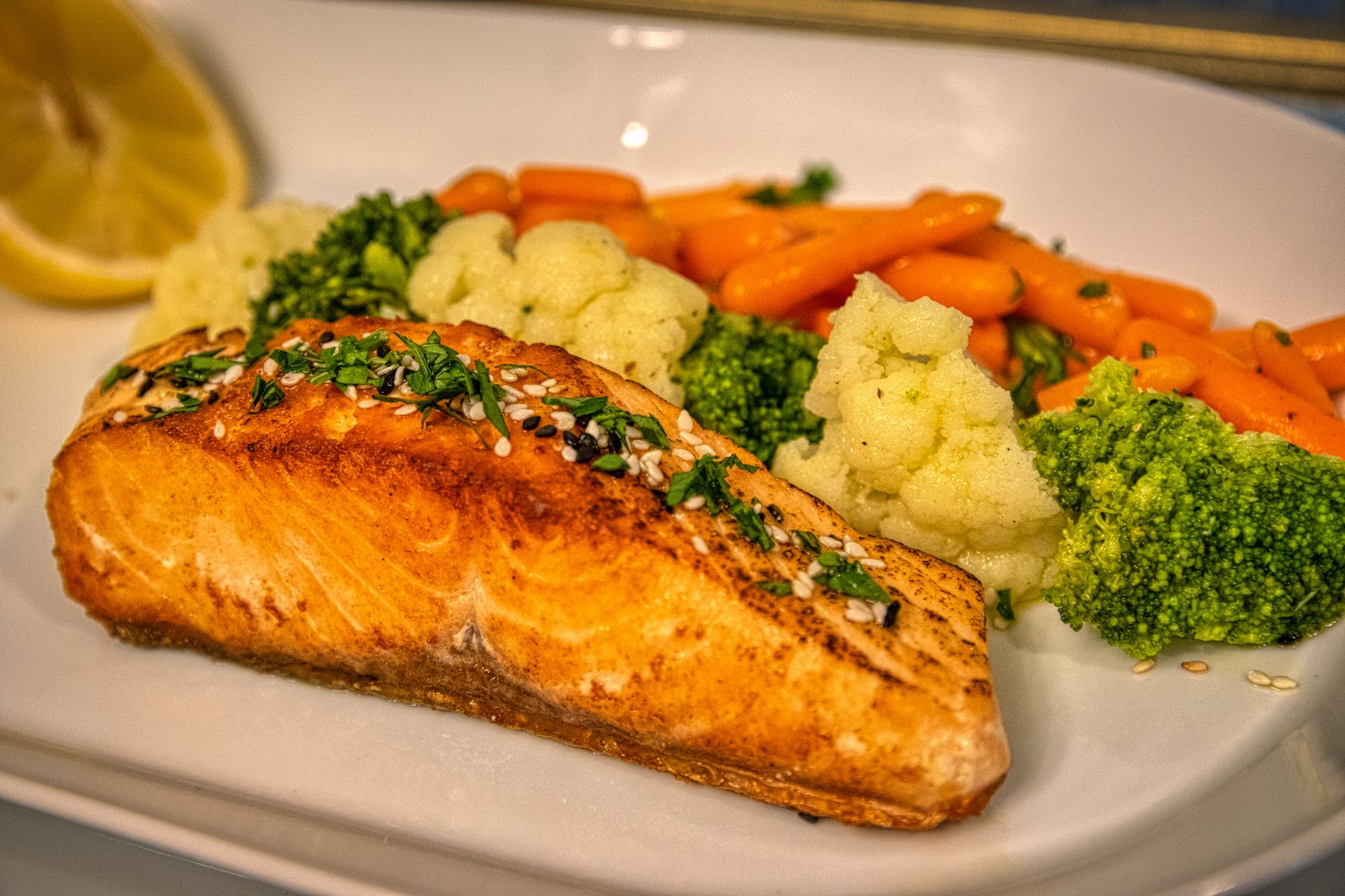
Recipe: Garlic Butter Salmon with Roasted Brussels Sprouts
Ingredients:
- 4 salmon fillets (6 oz each)
- 2 tbsp butter
- 2 cloves garlic, minced
- 1 tbsp lemon juice
- 1 lb Brussels sprouts, halved
- 1 tbsp olive oil
- Salt and pepper to taste
- Fresh parsley, chopped (optional)
Instructions:
- Preheat your oven to 400°F (200°C). Toss Brussels sprouts with olive oil, salt, and pepper. Spread on a baking sheet and roast for 20 minutes.
- While the Brussels sprouts cook, heat butter in a skillet over medium heat. Add garlic and cook for 30 seconds until fragrant. Add salmon and cook for 4–5 minutes per side until flaky.
- Squeeze lemon juice over the salmon and top with fresh parsley. Serve with the roasted Brussels sprouts.
Why it works: Salmon is rich in omega-3s, which help reduce inflammation, while Brussels sprouts provide fiber to slow digestion and stabilize blood sugar.
Meal prep tip: Cook a batch of salmon and Brussels sprouts on Sunday, and store them separately in the fridge. Reheat in the oven or air fryer for a quick dinner.
Quinoa is a PCOS superfood because it’s a complete protein (all nine essential amino acids), high in fiber, and has a low glycemic index. It’s also versatile—pair it with roasted veggies, grilled chicken, or even a simple salad for a balanced meal.
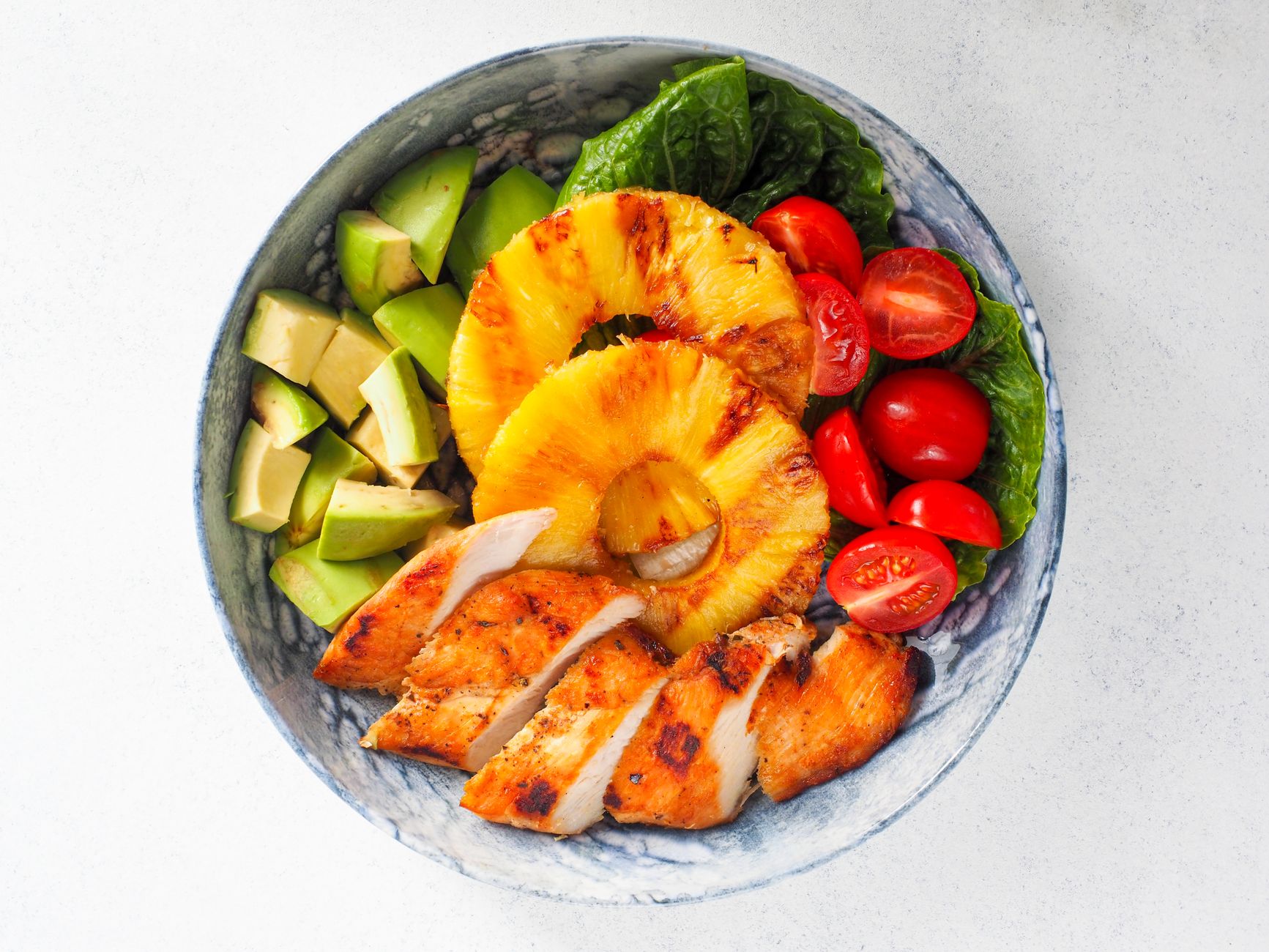
Recipe: Lemon Garlic Quinoa Bowl with Grilled Chicken
Ingredients:
- 1 cup quinoa, rinsed
- 2 cups water or low-sodium broth
- 2 boneless, skinless chicken breasts, sliced
- 2 tbsp olive oil
- 1 tbsp lemon juice
- 2 cloves garlic, minced
- 1 tsp dried oregano
- 1 cup cherry tomatoes, halved
- 1 avocado, sliced
- Handful of baby spinach
- Salt and pepper to taste
Instructions:
- Cook quinoa according to package instructions (usually 15 minutes). Fluff with a fork and stir in lemon juice, garlic, and oregano.
- Season chicken with salt and pepper. Heat olive oil in a skillet over medium-high heat. Cook chicken for 5–6 minutes per side until fully cooked. Let rest for 5 minutes, then slice.
- Assemble bowls with quinoa, sliced chicken, cherry tomatoes, avocado, and spinach. Drizzle with any leftover pan juices.
Why it works: Quinoa provides slow-digesting carbs, while chicken offers lean protein to keep you full. Avocado adds healthy fats, and spinach delivers magnesium—all key for PCOS management.
Meal prep tip: Cook quinoa in bulk and store in the fridge for up to 5 days. Assemble bowls as needed, adding fresh toppings like avocado or herbs when you’re ready to eat.
If your goal is weight loss, focus on high-protein, high-fiber meals that keep you full and energized. These recipes are designed to be ready in 30 minutes or less—because who has time for slow-cooker meals when you’re already stretched thin?
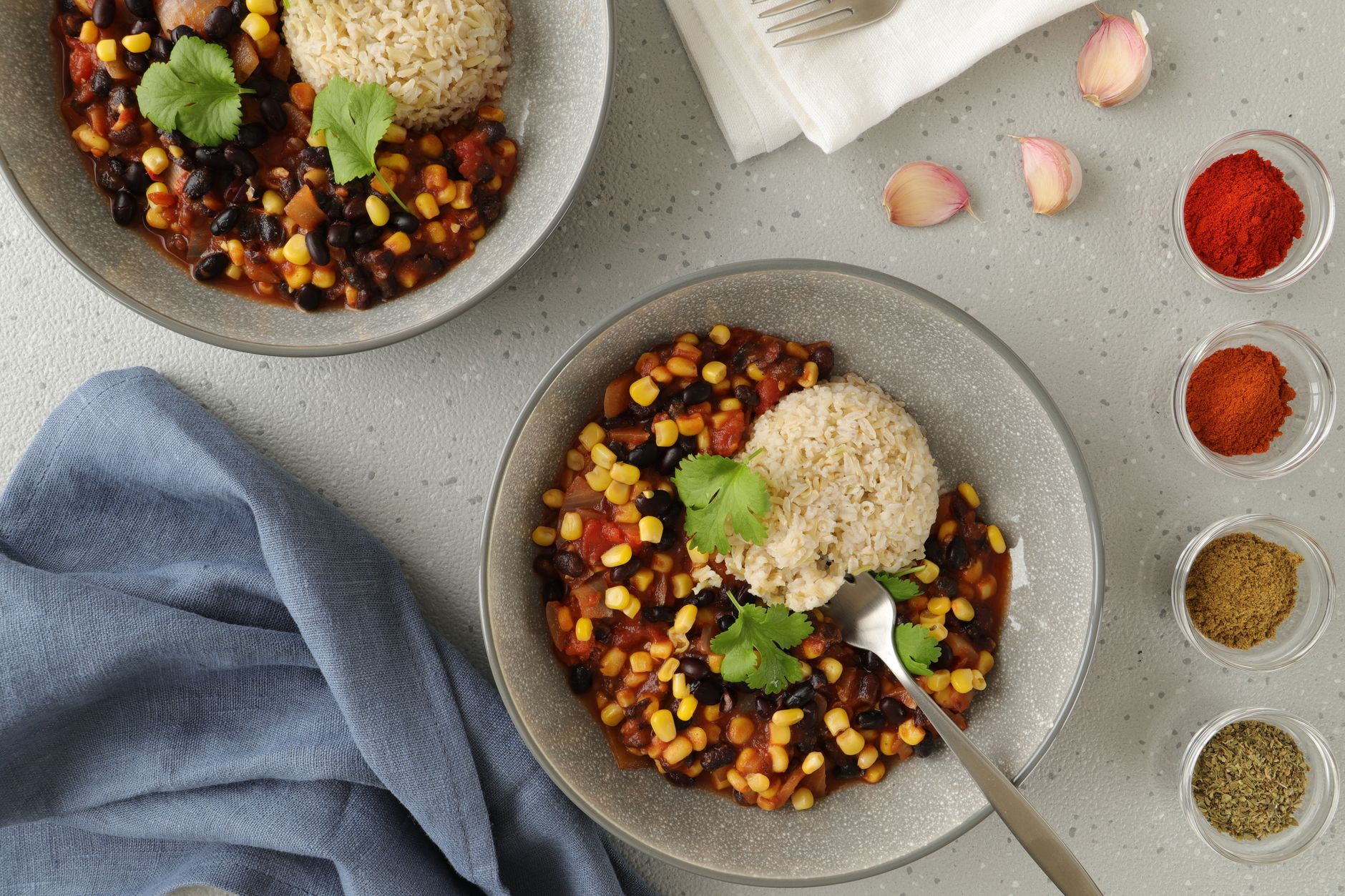
Recipe: Turkey and Black Bean Chili
Ingredients:
- 1 lb ground turkey
- 1 can (15 oz) black beans, drained and rinsed
- 1 can (15 oz) diced tomatoes
- 1 bell pepper, diced
- 1 onion, diced
- 2 cloves garlic, minced
- 1 tsp ground cumin
- 1 tsp chili powder
- 1 tsp smoked paprika
- 1 cup low-sodium chicken broth
- 1 tbsp olive oil
- Fresh cilantro, chopped (optional)
Instructions:
- Heat olive oil in a large pot over medium heat. Add onion and bell pepper, cooking until softened (about 5 minutes).
- Add garlic, cumin, chili powder, and smoked paprika, stirring for 1 minute until fragrant.
- Add ground turkey and cook until browned. Stir in black beans, diced tomatoes, and chicken broth. Bring to a simmer.
- Reduce heat and let cook for 20 minutes, stirring occasionally. Top with fresh cilantro before serving.
Why it works: Turkey is lean protein, black beans add fiber, and the spices help reduce inflammation. This chili freezes well, so double the batch for easy leftovers.
Meal prep tip: Make a big pot on Sunday and portion into containers. Reheat in the microwave or on the stovetop. Add a side salad or a slice of avocado for extra healthy fats.
Chicken is a PCOS-friendly staple because it’s versatile, lean, and packed with protein to support muscle and hormone health. These recipes are simple but packed with flavor—no bland meals here!
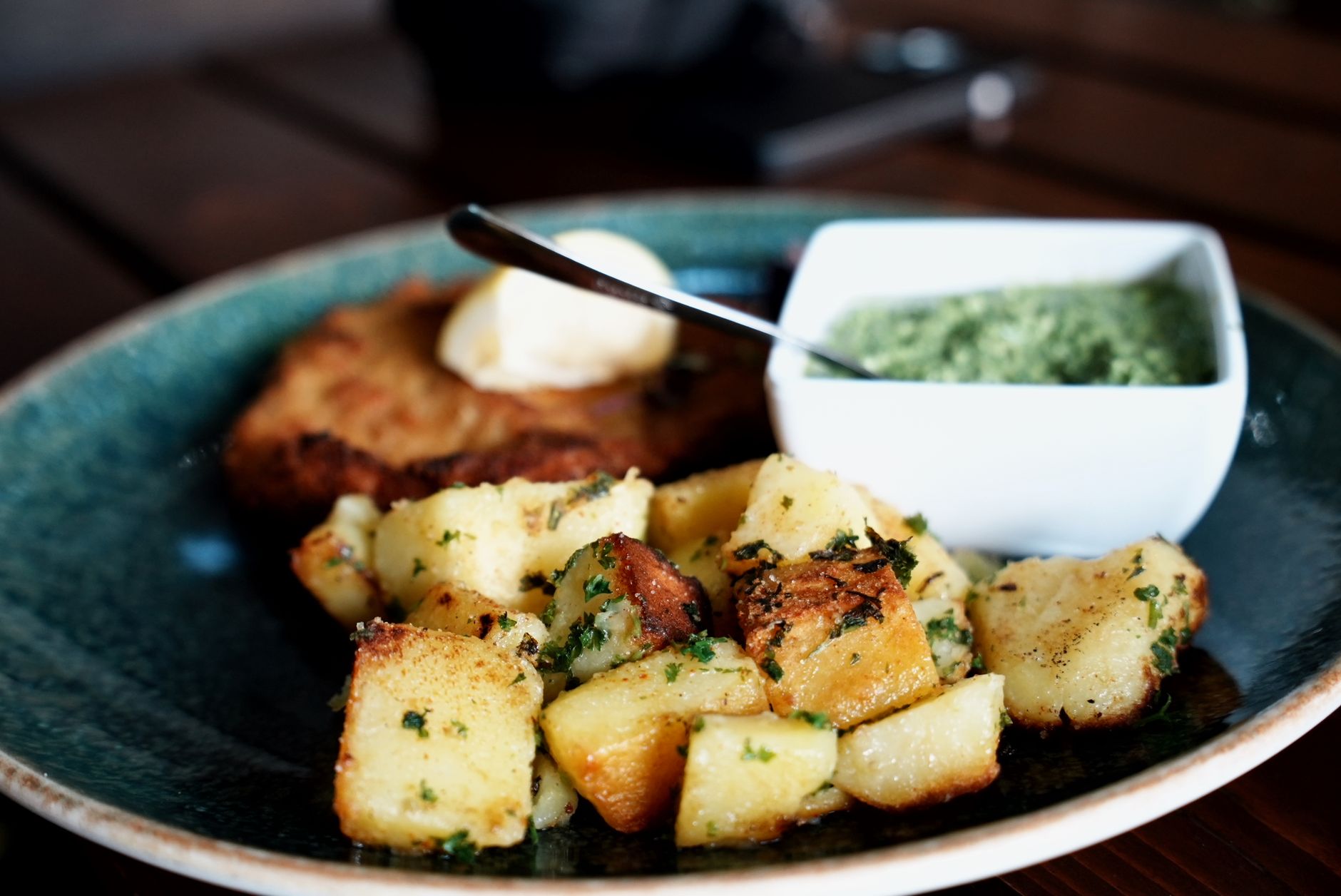
Recipe: Honey Mustard Chicken with Roasted Sweet Potatoes
Ingredients:
- 4 boneless, skinless chicken breasts
- 3 tbsp honey
- 2 tbsp Dijon mustard
- 1 tbsp olive oil
- 1 tsp garlic powder
- 1 tsp paprika
- 2 medium sweet potatoes, cubed
- 1 tbsp coconut oil
- Salt and pepper to taste
Instructions:
- Preheat oven to 400°F (200°C). Toss sweet potatoes with coconut oil, salt, and pepper. Spread on a baking sheet and roast for 20 minutes.
- In a bowl, whisk together honey, Dijon mustard, olive oil, garlic powder, and paprika. Coat chicken in the mixture and let marinate for 10 minutes.
- Place chicken on the same baking sheet as the sweet potatoes. Roast for 20–25 minutes, or until chicken reaches 165°F (74°C).
Why it works: Sweet potatoes provide complex carbs and vitamin A, while honey mustard adds a touch of sweetness without spiking blood sugar too much. The combination of protein and fiber keeps you full for hours.
Meal prep tip: Marinate the chicken ahead of time and store it in the fridge. Roast it straight from the fridge for even cooking.
If you’re new to cooking for PCOS, start with simple, foolproof recipes that require minimal ingredients and prep. The goal is to build confidence without overwhelming you. These meals are designed to be adaptable—swap in whatever you have on hand.
Recipe: Sheet Pan Sausage and Veggies
Ingredients:
- 1 lb turkey or chicken sausage, sliced
- 1 bell pepper, sliced
- 1 zucchini, sliced
- 1 cup broccoli florets
- 1 small onion, sliced
- 2 tbsp olive oil
- 1 tsp dried thyme
- Salt and pepper to taste
Instructions:
- Preheat oven to 400°F (200°C). Toss all vegetables with olive oil, thyme, salt, and pepper. Spread on a sheet pan.
- Arrange sausage slices around the vegetables. Bake for 20–25 minutes, stirring halfway through, until sausage is cooked through and vegetables are tender.
Why it works: This one-pan meal is packed with protein and fiber, and it’s hard to mess up. The vegetables absorb the flavors of the sausage, making it a satisfying, balanced dinner.
Meal prep tip: Double the recipe and freeze half for a quick dinner another night. Reheat on the stovetop or in the oven.
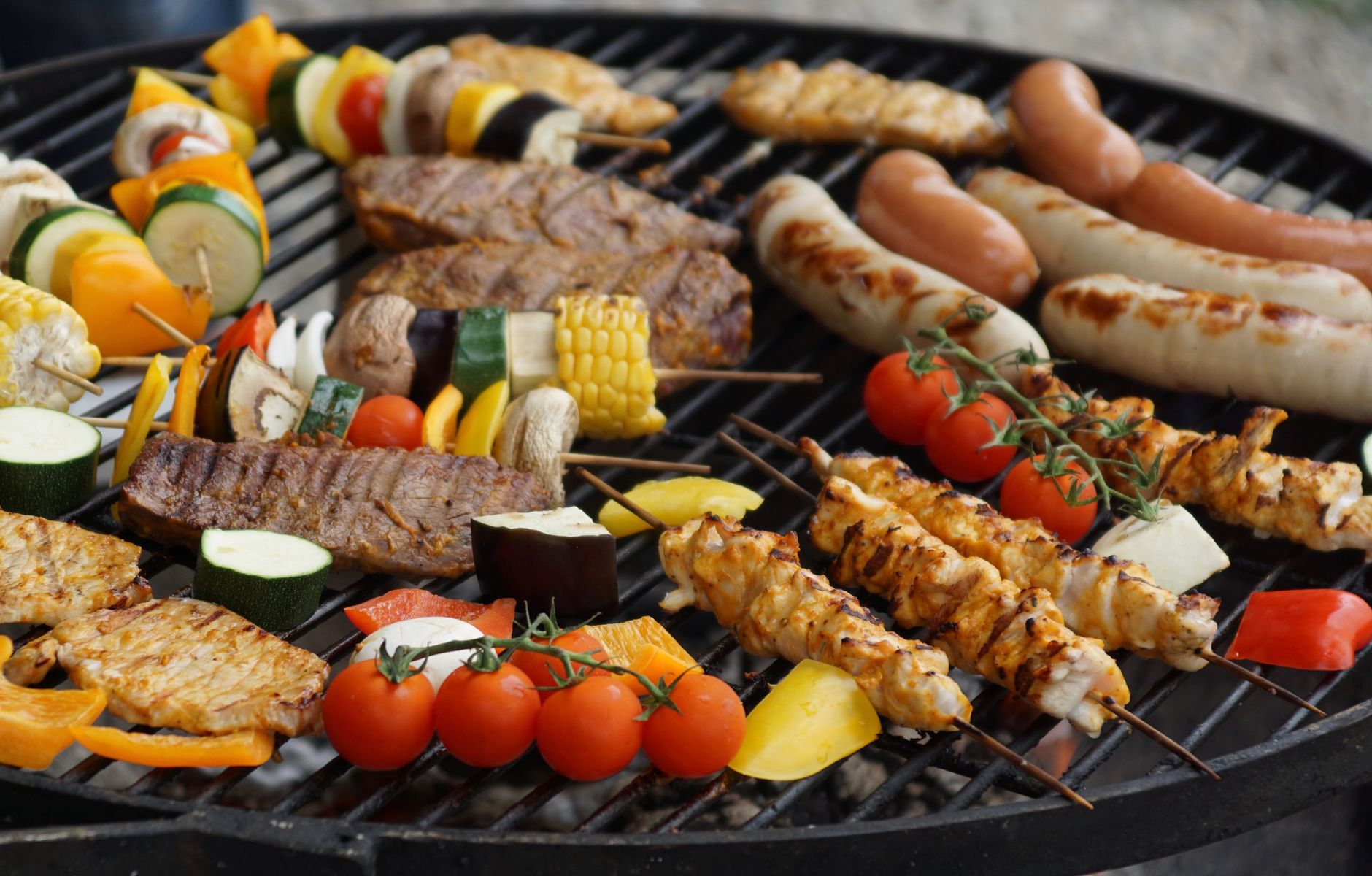
If you’re avoiding gluten—whether due to PCOS, celiac disease, or personal preference—these gluten-free recipes are designed to be just as satisfying as their gluten-containing counterparts. The key is to focus on naturally gluten-free grains like quinoa, rice, or buckwheat, and plenty of vegetables and protein.
Recipe: Lemon Herb Chicken with Wild Rice and Steamed Greens
Ingredients:
- 4 boneless, skinless chicken thighs
- 1 cup wild rice blend
- 2 cups water or low-sodium broth
- 2 tbsp olive oil
- Zest and juice of 1 lemon
- 2 cloves garlic, minced
- 1 tsp dried rosemary
- 1 tsp dried thyme
- 2 cups mixed greens (spinach, kale, or Swiss chard)
- Salt and pepper to taste
Instructions:
- Cook wild rice according to package instructions (usually 40 minutes). Fluff with a fork.
- In a bowl, whisk together olive oil, lemon zest, lemon juice, garlic, rosemary, and thyme. Coat chicken in the mixture and let marinate for 15 minutes.
- Heat a skillet over medium-high heat. Cook chicken for 6–7 minutes per side until fully cooked. Remove from skillet and set aside.
- In the same skillet, steam greens for 3–4 minutes until tender. Serve chicken over rice with steamed greens on the side.
Why it works: Wild rice is nutrient-dense and gluten-free, while the lemon-herb marinade adds brightness without added sugar. Greens provide magnesium and fiber, both important for PCOS.
Meal prep tip: Cook wild rice in advance and store in the fridge for up to 5 days. Reheat gently in a pot with a splash of water or broth.
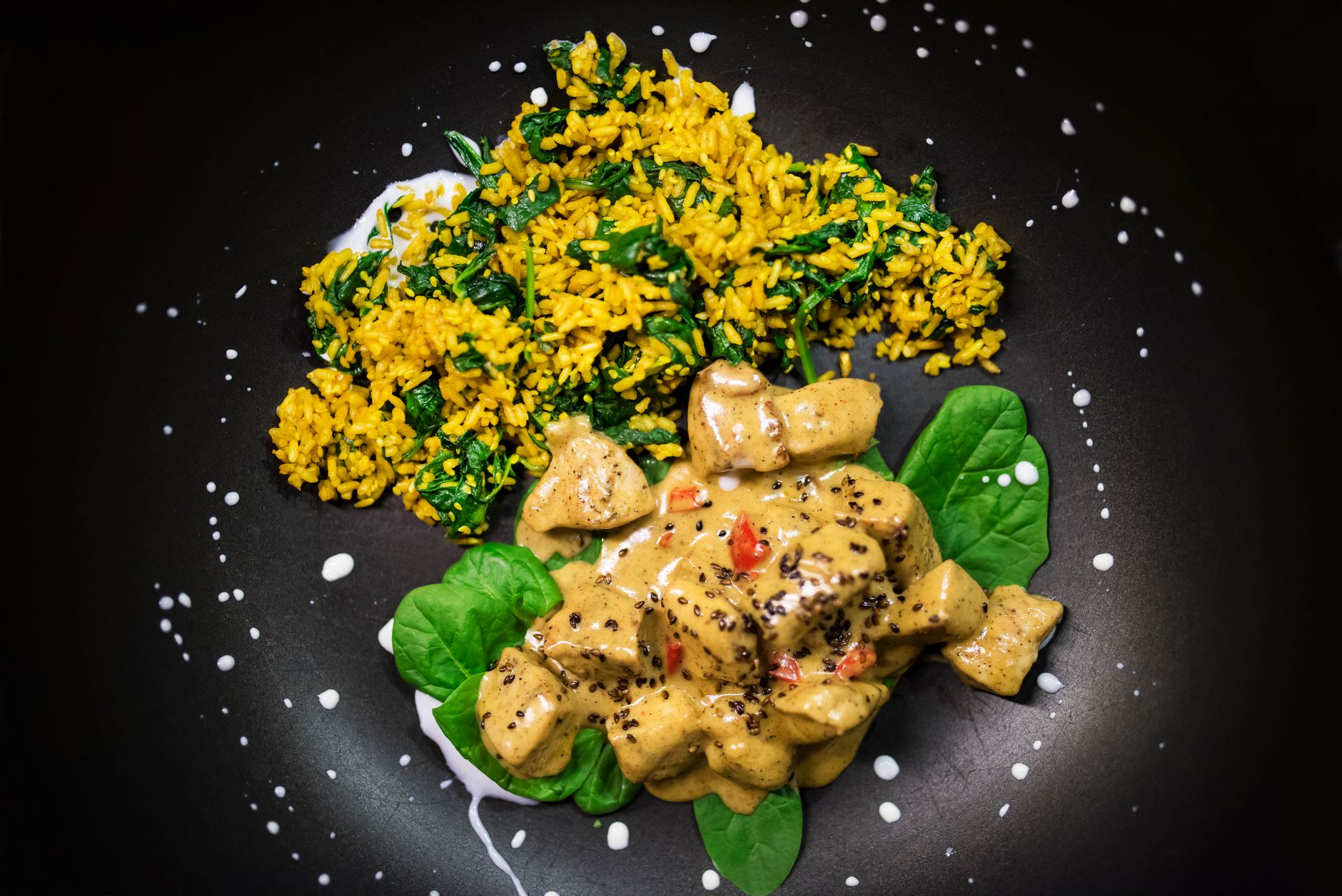
Insulin resistance is a core issue for many women with PCOS, so meals should focus on low-glycemic foods, healthy fats, and high-fiber ingredients to keep blood sugar stable. These recipes are designed to minimize insulin spikes while keeping you full and satisfied.
Recipe: Baked Salmon with Asparagus and Tahini Dressing
Ingredients:
- 4 salmon fillets
- 1 bunch asparagus, trimmed
- 2 tbsp olive oil
- 1 tbsp tahini
- 1 tbsp lemon juice
- 1 clove garlic, minced
- 1 tsp ground cumin
- Salt and pepper to taste
Instructions:
- Preheat oven to 375°F (190°C). Place salmon and asparagus on a baking sheet. Drizzle with olive oil, salt, and pepper. Bake for 12–15 minutes.
- While salmon cooks, whisk together tahini, lemon juice, garlic, and cumin. Drizzle over salmon before serving.
Why it works: Salmon is rich in omega-3s, which help reduce insulin resistance. Asparagus is low-glycemic and high in fiber, while tahini adds healthy fats to slow digestion.
Meal prep tip: Store salmon and asparagus separately in the fridge. Reheat salmon in the oven or air fryer, and steam asparagus for a quick side.
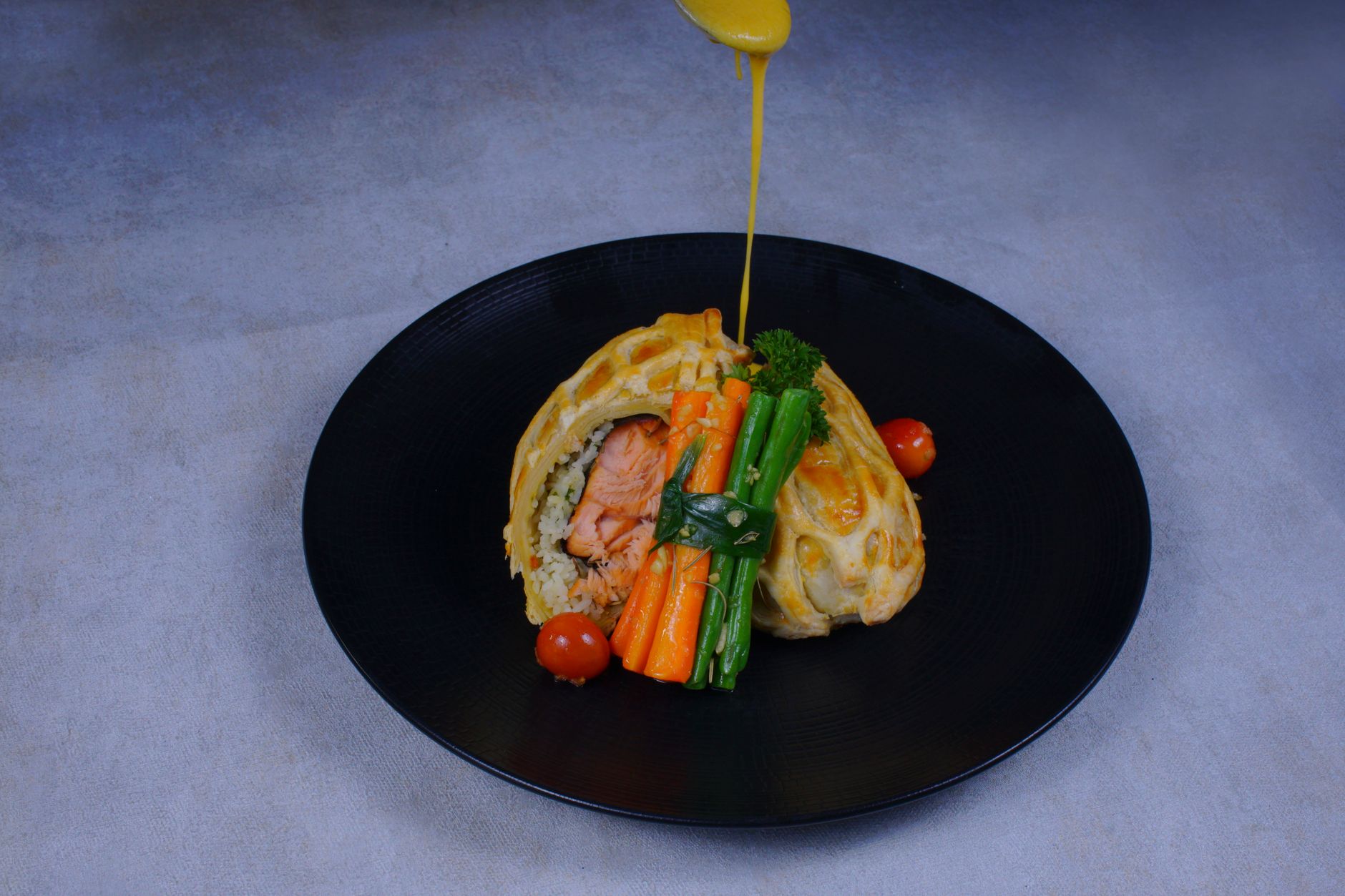
High-protein dinners help stabilize blood sugar, support muscle health, and keep cravings at bay. These recipes are designed to be filling and satisfying, so you won’t feel deprived.
Recipe: Greek Yogurt Chicken Salad with Whole Grain Crackers
Ingredients:
- 2 cooked chicken breasts, shredded
- 1 cup plain Greek yogurt
- 1/4 cup diced celery
- 1/4 cup diced red onion
- 2 tbsp Dijon mustard
- 1 tbsp lemon juice
- 1 tsp dried dill
- Salt and pepper to taste
- 1 cup whole grain crackers
- Handful of spinach or mixed greens
Instructions:
- In a bowl, combine shredded chicken, Greek yogurt, celery, red onion, Dijon mustard, lemon juice, and dill. Season with salt and pepper.
- Serve chicken salad on a bed of spinach or mixed greens with whole grain crackers on the side.
Why it works: Greek yogurt adds protein and probiotics, while whole grains provide fiber. The combination of protein and fiber keeps you full for hours.
Meal prep tip: Make the chicken salad ahead of time and store in the fridge for up to 4 days. Pack it in a container with crackers for a quick lunch or dinner.
--- ### **PCOS Dinner Recipes Low Glycemic Index**Low-glycemic meals help prevent blood sugar spikes and crashes, which is especially important for managing PCOS. These recipes focus on whole foods, lean proteins, and complex carbs that digest slowly.
Recipe: Stuffed Bell Peppers with Turkey and Cauliflower Rice
Ingredients:
- 4 bell peppers, tops cut off and seeds removed
- 1 lb ground turkey
- 2 cups cauliflower rice
- 1 small onion, diced
- 2 cloves garlic, minced
- 1 tsp ground cumin
- 1 tsp smoked paprika
- 1 cup diced tomatoes
- 1 tbsp olive oil
- Salt and pepper to taste
Instructions:
- Preheat oven to 375°F (190°C). Cook cauliflower rice in a skillet over medium heat for 5 minutes until tender.
- In the same skillet, sauté onion and garlic until softened. Add ground turkey and cook until browned. Stir in cumin, smoked paprika, and diced tomatoes.
- Mix turkey mixture with cauliflower rice. Stuff bell peppers and place in a baking dish. Bake for 25–30 minutes until peppers are tender.
Why it works: Cauliflower rice is a low-carb, high-fiber alternative to traditional rice, while turkey provides lean protein. Bell peppers add vitamin C and fiber.
Meal prep tip: Assemble stuffed peppers ahead of time and refrigerate. Bake straight from the fridge for even cooking.
--- ### **PCOS Dinner Recipes for Inflammation**Inflammation is a common issue for women with PCOS, so meals should include anti-inflammatory foods like fatty fish, leafy greens, berries, and spices. These recipes are designed to reduce inflammation while keeping meals delicious and easy.
Recipe: Turmeric Salmon with Spinach and Quinoa
Ingredients:
- 4 salmon fillets
- 1 cup quinoa, rinsed
- 2 cups water or low-sodium broth
- 2 tbsp olive oil
- 1 tbsp turmeric
- 1 tsp ground ginger
- 2 cloves garlic, minced
- 4 cups baby spinach
- 1 tbsp lemon juice
- Salt and pepper to taste
Instructions:
- Cook quinoa according to package instructions. Fluff with a fork.
- In a bowl, whisk together olive oil, turmeric, ginger, and garlic. Coat salmon in the mixture and let marinate for 10 minutes.
- Heat a skillet over medium heat. Cook salmon for 4–5 minutes per side until flaky. Remove from skillet and set aside.
- In the same skillet, sauté spinach for 2–3 minutes until wilted. Stir in lemon juice. Serve salmon over quinoa with spinach on the side.
Why it works: Turmeric is a powerful anti-inflammatory spice, while salmon provides omega-3s. Spinach adds magnesium and antioxidants.
--- ### **PCOS Dinner Recipes for Hormonal Balance**Hormonal balance is key for managing PCOS, so meals should include foods rich in magnesium, zinc, vitamin D, and healthy fats. These recipes are designed to support your body’s natural rhythms.
Recipe: Zucchini Noodles with Shrimp and Pesto
Ingredients:
- 4 medium zucchinis, spiralized
- 1 lb shrimp, peeled and deveined
- 2 tbsp olive oil
- 2 cloves garlic, minced
- 1/4 cup basil pesto
- 1/4 cup pine nuts or walnuts (optional)
- 1/4 cup grated Parmesan (optional)
- Salt and pepper to taste
Instructions:
- Heat olive oil in a skillet over medium heat. Add garlic and cook for 30 seconds. Add shrimp and cook for 2–3 minutes per side until pink.
- In a separate pan, sauté zucchini noodles for 2–3 minutes until tender but still slightly crisp. Stir in pesto and Parmesan.
- Serve zucchini noodles with shrimp on top.
Why it works: Zucchini noodles are low-carb and high in water content, while shrimp provides lean protein and iodine. Pesto adds healthy fats and antioxidants.
--- ### **Key Nutrients for PCOS Dinner**When planning your PCOS dinners, focus on these nutrient powerhouses:
- Protein: Supports muscle health and keeps you full. Sources: chicken, turkey, fish, eggs, tofu, lentils.
- Healthy Fats: Help regulate hormones and reduce inflammation. Sources: avocado, nuts, seeds, olive oil, fatty fish.
- Fiber: Slows digestion to prevent blood sugar spikes. Sources: vegetables, berries, quinoa, chia seeds, flaxseeds.
- Magnesium: Supports insulin sensitivity and muscle function. Sources: spinach, almonds, pumpkin seeds, dark chocolate.
- Omega-3s: Reduce inflammation and support brain health. Sources: salmon, sardines, walnuts, flaxseeds.
- Vitamin D: Important for hormone regulation. Sources: fatty fish, egg yolks, fortified dairy, sunlight.
Pro tip: If you’re struggling to get enough nutrients from food alone, consider a supplement like magnesium glycinate or omega-3s, but always check with your healthcare provider first.
--- ### **Sample Easy PCOS Dinner Plan for the Week**To make things even easier, here’s a 7-day dinner plan using the recipes above (or similar PCOS-friendly meals). Adjust portions based on your calorie needs and activity level.
| Day | Meal | Key Ingredients | Prep Time |
|---|---|---|---|
| Monday | Garlic Butter Salmon with Roasted Brussels Sprouts | Salmon, Brussels sprouts, garlic, lemon | 10 minutes |
| Tuesday | Lemon Garlic Quinoa Bowl with Grilled Chicken | Quinoa, chicken, cherry tomatoes, avocado | 15 minutes |
| Wednesday | Turkey and Black Bean Chili | Turkey, black beans, tomatoes, bell pepper | 20 minutes |
| Thursday | Honey Mustard Chicken with Roasted Sweet Potatoes | Chicken, sweet potatoes, honey, mustard | 25 minutes |
| Friday | Sheet Pan Sausage and Veggies | Turkey sausage, bell pepper, zucchini, broccoli | 10 minutes |
| Saturday | Lemon Herb Chicken with Wild Rice and Steamed Greens | Chicken, wild rice, spinach, lemon | 40 minutes (mostly hands-off) |
| Sunday | Baked Salmon with Asparagus and Tahini Dressing | Salmon, asparagus, tahini, lemon | 15 minutes |
Meal prepping is your secret weapon for eating well with PCOS without spending hours in the kitchen. Here’s how to do it right:
- Cook proteins in bulk: Grill or bake chicken, turkey, or fish for the week. Store in airtight containers in the fridge for up to 4 days or freeze for longer storage.
- Roast vegetables ahead: Chop and roast a big batch of veggies (like Brussels sprouts, sweet potatoes, or zucchini) on Sunday. Reheat in the oven or air fryer when needed.
- Use versatile grains: Cook quinoa, wild rice, or cauliflower rice in advance. These can be used in multiple meals throughout the week.
- Prep dressings and sauces: Make small batches of dressings like tahini-lemon or pesto and store in the fridge. Add fresh ingredients when you’re ready to eat.
- Keep healthy snacks on hand: Pre-cut veggies, nuts, and Greek yogurt make it easier to avoid last-minute takeout.
- Label and organize: Use clear containers and labels to keep track of what’s inside. This saves time and reduces food waste.
Pro tip: If you’re short on time, consider investing in a slow cooker or Instant Pot for hands-off cooking. Many PCOS-friendly meals can be made in these appliances with minimal effort.
--- ### **Common Pitfalls and How to Avoid Them**Even with the best intentions, it’s easy to fall into PCOS diet traps. Here’s how to avoid them:
- Skipping meals: This can lead to blood sugar crashes and overeating later. Aim for balanced meals every 3–4 hours.
- Over-restricting carbs: Not all carbs are bad—focus on low-glycemic options like sweet potatoes, quinoa, and berries.
- Ignoring healthy fats: Fat is essential for hormone production. Don’t


