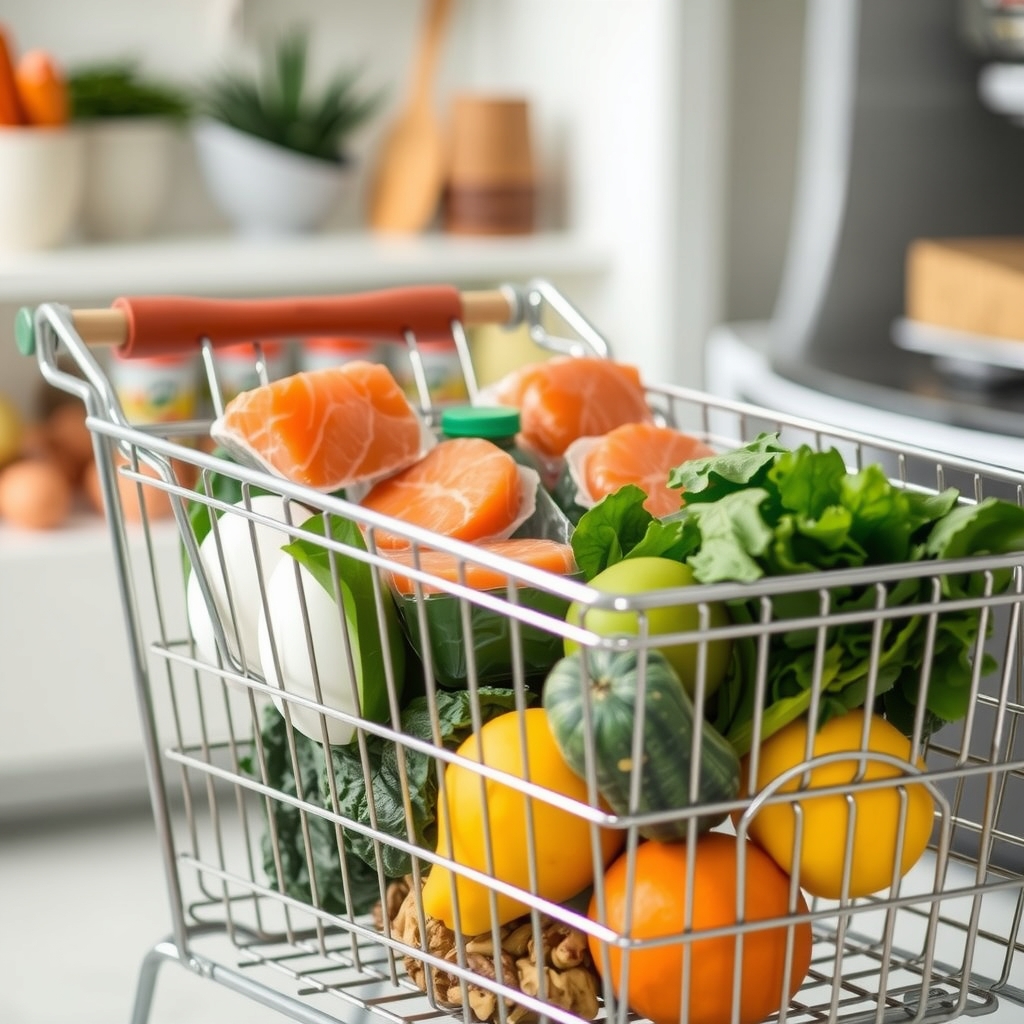
Quick take: A paleo diet can be safe and nutritious during pregnancy and postpartum if carefully planned to meet your increased nutrient needs. Focus on nutrient-dense foods like lean meats, fatty fish, leafy greens, and eggs while avoiding raw or undercooked meats, excessive caffeine, and alcohol. For pregnancy, aim for 2,200–2,500 calories daily with 100g+ protein, and consult your provider before starting any new diet. Always prioritize foods that support fetal development and milk production. ✅ Safe if well-planned | ⚠️ Avoid raw meats/undercooked foods | ❌ No alcoholPaleo Diet Meal Plan 7 Day: The Complete 2026 Guide
You’re scrolling through your phone at 2 a.m., heart racing, because your pregnancy cravings have shifted from salty chips to something *real*—something that feels safe but also nourishing. You’ve heard the paleo diet can be great for inflammation and energy, but now you’re wondering: *Can I actually do this while my body is growing a human?*
Here’s the truth: yes, but with caveats. The paleo diet—rooted in whole foods like meat, fish, vegetables, fruits, nuts, and seeds—can be a solid choice for pregnancy if you tweak it for your new nutritional needs. Many women tell us they feel more energized on paleo during pregnancy because it cuts out processed foods and refined sugars, which can spike and crash energy levels. But it’s not as simple as swapping your usual meals for kale and chicken. You’ll need to plan for extra protein, healthy fats, and specific nutrients like iron, calcium, and folate.
This 7-day paleo meal plan is designed to support you through pregnancy and postpartum, with adjustments for breastfeeding and nutrient-dense options to keep you and your baby thriving. We’ll cover everything from how to transition safely in the first trimester to paleo-friendly snacks for cravings (yes, even if you’re over avocados and nuts). And if you’re carrying twins or have an iron deficiency, we’ve got you covered there too.
Let’s dive in—because you deserve a plan that works *for* you, not against your growing body.
--- ## Is a Paleo Diet Meal Plan Safe During Pregnancy and Early Postpartum?You’ve probably heard mixed things about paleo during pregnancy. Some women swear by it for its anti-inflammatory benefits, while others worry about nutrient gaps. The good news? A well-planned paleo diet can be safe and even beneficial during pregnancy and postpartum, but it requires intentional planning to avoid deficiencies.
According to the American College of Obstetricians and Gynecologists (ACOG), a balanced diet rich in lean proteins, healthy fats, and fiber is ideal for pregnancy. The paleo diet aligns with this in many ways—it eliminates processed foods, added sugars, and refined grains—but it also cuts out dairy and legumes, which are important sources of calcium and iron. This is where the real work comes in: you’ll need to source these nutrients from other paleo-friendly foods like leafy greens, fatty fish, and eggs.
For early postpartum, the focus shifts slightly. Breastfeeding moms need an extra 300–500 calories daily, and the paleo diet can support this if you include nutrient-dense foods like bone broth, wild-caught salmon, and nutrient-rich smoothies. One reader described her postpartum journey: *“I felt exhausted in the first few weeks, but switching to paleo helped my energy crash disappear. I just had to make sure I was eating enough eggs and meat—no shortcuts.”*
**Key considerations for safety:**
- Protein intake: Aim for 100g+ protein daily (paleo-friendly sources include eggs, chicken, turkey, fish, and lean beef).
- Healthy fats: Avocados, olive oil, coconut oil, and fatty fish (like salmon) are essential for brain development and hormone balance.
- Iron and calcium: Pair iron-rich foods (liver, spinach, beef) with vitamin C (bell peppers, citrus) to boost absorption. For calcium, include leafy greens, almonds, and sardines.
- Avoid raw or undercooked foods: Raw sprouts, rare meats, and unpasteurized dairy (if you’re open to it) can carry risks like listeria or toxoplasmosis.
- Stay hydrated: Paleo diets are naturally low in sodium, so drink plenty of water and herbal teas (like ginger or peppermint) to support digestion and milk production postpartum.
**New research note:** A 2025 study in the Journal of Human Nutrition and Dietetics found that pregnant women following a paleo diet had significantly lower rates of gestational diabetes when they included adequate fiber from vegetables and fruits. The study emphasized the importance of monitoring blood sugar even on a low-carb diet.
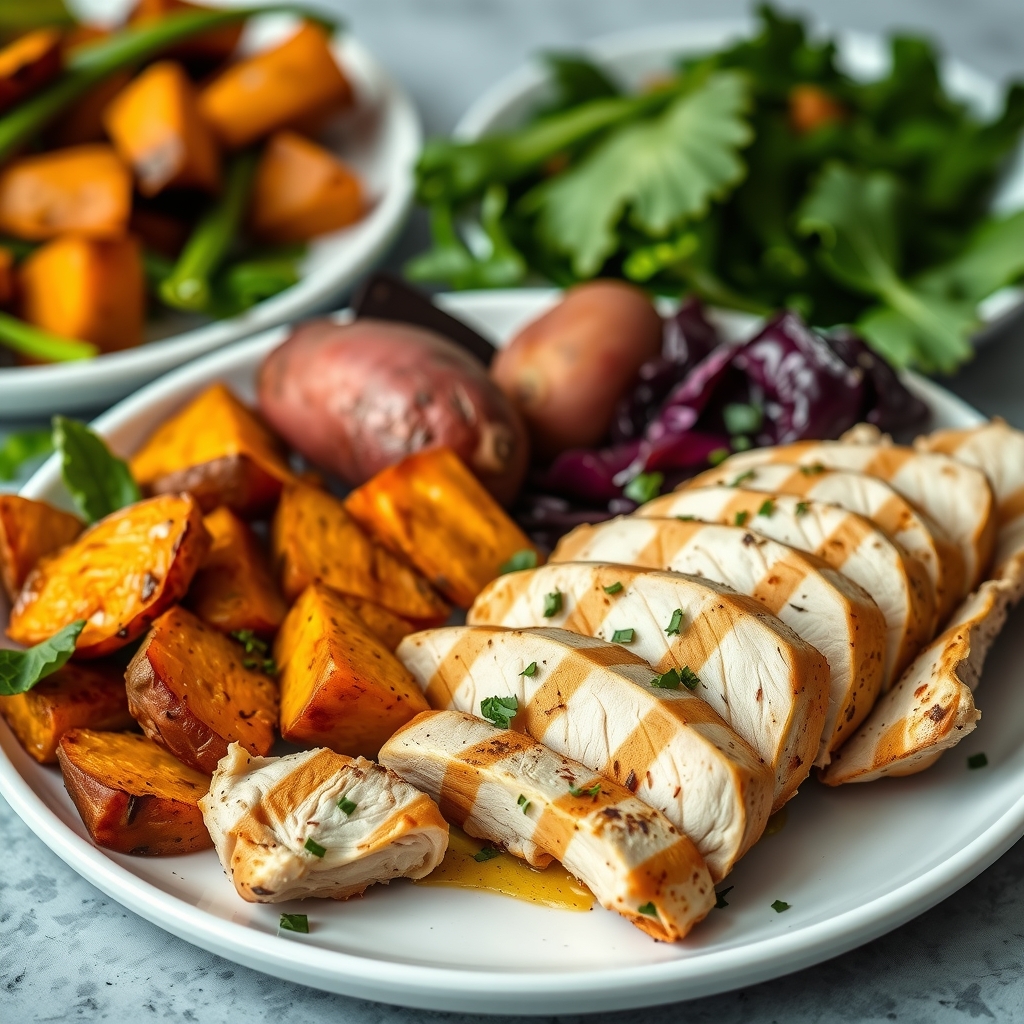
Your caloric needs will rise as your baby grows, but the paleo diet isn’t inherently calorie-dense—so you’ll need to be mindful. The NHS recommends an additional 200–300 calories per day in the second trimester and 450–500 calories in the third trimester. On paleo, you’ll need to focus on nutrient-dense, calorie-rich foods to meet these targets without overeating processed options.
Here’s a general calorie breakdown for pregnancy on a paleo diet:
| Trimester | Caloric Needs (Daily) | Protein Needs (Daily) | Key Paleo Food Sources |
|---|---|---|---|
| First Trimester | 2,200–2,400 | 75g | Eggs, chicken, turkey, salmon, avocados, nuts, seeds |
| Second Trimester | 2,400–2,600 | 100g | Beef, lamb, fatty fish, bone broth, coconut milk, berries |
| Third Trimester | 2,600–3,000 | 120g | Liver (occasionally), bone marrow, wild game, olive oil, tropical fruits |
**How to hit your calorie goals on paleo:**
- Add healthy fats: Drizzle olive oil on salads, cook with coconut oil, and snack on macadamia nuts or almond butter.
- Prioritize protein-rich meals: Aim for 3–4 protein-rich meals daily (e.g., bone broth soup, salmon with roasted veggies, eggs with avocado).
- Incorporate calorie-dense snacks: Try paleo-friendly options like:
- Hard-boiled eggs with sea salt
- Beef jerky (sugar-free, nitrate-free)
- Guacamole with cucumber slices
- Chia pudding with coconut milk
- Roasted seaweed snacks
- Use nutrient-dense liquids: Bone broth, coconut water, and smoothies (with nut butter, banana, and spinach) can add calories without bulk.
**Pro tip:** If you’re struggling to eat enough, try a Mediterranean-inspired paleo approach—it often includes more olive oil and fish, which are naturally calorie-dense.
**New consideration:** For women with gestational diabetes, paleo can be particularly effective because it eliminates refined carbs. However, you’ll need to monitor your blood sugar closely and work with your provider to adjust portion sizes of lower-glycemic paleo foods like sweet potatoes and berries.
--- ## What Are the Best Paleo-Friendly Foods for Gestational Diabetes Management?Gestational diabetes affects about 7% of pregnancies, and managing blood sugar is critical. The paleo diet can be a helpful tool because it eliminates refined carbs and sugars, which spike glucose levels. However, you’ll need to focus on low-glycemic paleo foods and balance your meals carefully.
According to the American Diabetes Association (ADA), gestational diabetes requires a diet rich in fiber, lean protein, and healthy fats while minimizing processed foods. Here’s how to adapt paleo for this condition:
Best paleo foods for gestational diabetes:
- Non-starchy vegetables: Spinach, zucchini, broccoli, Brussels sprouts, kale, and asparagus (high in fiber, low in carbs).
- Lean proteins: Chicken, turkey, duck, eggs, and fish (wild-caught salmon, sardines, mackerel).
- Healthy fats: Avocados, olive oil, coconut oil, and nuts/seeds (almonds, walnuts, chia seeds).
- Low-glycemic fruits: Berries (blueberries, raspberries, blackberries), apples, pears, and cherries (in moderation).
- Fermented foods: Sauerkraut, kimchi, and coconut yogurt (support gut health and insulin sensitivity).
Avoid or limit:
- Starchy vegetables (sweet potatoes, regular potatoes, corn)
- High-sugar fruits (mangoes, pineapple, grapes)
- Processed meats (bacon, sausages—opt for homemade paleo versions)
- Excessive nuts (though they’re healthy, they’re calorie-dense and can spike blood sugar if overconsumed)
**Sample meal idea for gestational diabetes on paleo:**
- Breakfast: Scrambled eggs with spinach, avocado, and cherry tomatoes.
- Lunch: Grilled chicken salad with mixed greens, cucumber, olive oil dressing, and a handful of raspberries.
- Dinner: Baked salmon with roasted Brussels sprouts and a side of sautéed mushrooms.
- Snack: Celery sticks with almond butter and a few blueberries.
**Monitor your blood sugar:** Pair this diet with regular glucose checks and consult your healthcare provider to adjust portions as needed.
**New addition:** For women with gestational diabetes, the FDA-approved continuous glucose monitor (CGM) can be invaluable. Pairing it with your paleo meal plan allows for real-time adjustments to your diet based on blood sugar trends.
--- ## How to Transition to a Paleo Diet Safely in the First Trimester Without NauseaThe first trimester is a minefield of nausea, fatigue, and food aversions—adding a new diet to the mix can feel overwhelming. The key is to ease into paleo gradually, focusing on gentle, nutrient-dense foods that won’t trigger nausea.
**Step-by-step transition plan:**
- Start with easy swaps: Replace refined carbs with paleo staples. For example:
- Swap white bread for paleo banana bread or almond flour toast.
- Replace cereal with chia pudding or nut butter on apple slices.
- Swap sugary yogurt for coconut yogurt with berries.
- Prioritize small, frequent meals: Nausea often worsens with large meals. Aim for 5–6 smaller meals daily, focusing on:
- Bone broth (warm and soothing)
- Hard-boiled eggs
- Avocado slices
- Cucumber or celery sticks
- Ginger tea or coconut water
- Avoid triggers: Common paleo foods that can worsen nausea include:
- Strong-smelling meats (like liver or game)
- High-fat foods (can feel heavy)
- Spicy foods (if they upset your stomach)
- Focus on hydration: Sip on herbal teas (peppermint, ginger) or coconut water throughout the day.
- Listen to your body: If a paleo food doesn’t sit well, don’t force it. You can always reintroduce it later.
**Paleo-friendly smoothie for nausea relief:**
Blend together:
- 1 cup coconut water
- ½ banana (for natural sugars)
- 1 tbsp almond butter
- 1 tsp ginger (fresh or powdered)
- Handful of spinach
- Ice (optional)
This smoothie is gentle on the stomach, hydrating, and packed with nutrients to support your energy levels.
**New tip:** If you’re struggling with morning sickness, try ACOG’s recommended ginger supplements (100–250mg ginger powder daily) to complement your paleo diet. Ginger has been shown to reduce nausea without interfering with nutrient absorption.
--- ## Paleo Diet Meal Plan for Breastfeeding Moms: What Foods Boost Milk Supply?Breastfeeding requires an extra 300–500 calories daily, and your diet directly impacts milk supply and quality. The paleo diet can be a great fit because it emphasizes nutrient-dense foods that support lactation. However, you’ll need to ensure you’re getting enough calcium, iron, and omega-3s—nutrients that are often depleted postpartum.
**Top paleo foods to boost milk supply:**
- Bone broth: Rich in collagen and minerals like calcium and phosphorus, which support milk production.
- Fatty fish (salmon, mackerel, sardines): Packed with omega-3s, which are crucial for brain development and hormone balance.
- Leafy greens (spinach, kale, Swiss chard): High in calcium and iron, which can be lacking postpartum.
- Nuts and seeds (almonds, walnuts, chia, flax): Provide healthy fats and fiber to keep you full and energized.
- Berries (blueberries, raspberries): Antioxidant-rich and hydrating.
- Eggs: A complete protein that supports muscle recovery and energy.
**Sample breastfeeding paleo meal plan:**
| Meal | Foods | Calories (Approx.) |
|---|---|---|
| Breakfast | Scrambled eggs with spinach, avocado, and cherry tomatoes + bone broth | 450 |
| Snack | Handful of almonds and walnuts + coconut water | 300 |
| Lunch | Grilled salmon with roasted Brussels sprouts and mashed cauliflower | 550 |
| Snack | Chia pudding with coconut milk and blueberries | 250 |
| Dinner | Beef and vegetable stir-fry with olive oil and coconut aminos + side salad | 600 |
| Evening | Hard-boiled eggs with sea salt and cucumber slices | 200 |
**Hydration is key:** Aim for at least 3 liters of water daily, and include herbal teas like fenugreek or fennel (if tolerated) to support milk flow.
**New research:** A 2025 study in Breastfeeding Medicine found that women who consumed 30g of flaxseeds daily had significantly higher milk volume and improved milk fat content. Flaxseeds are paleo-friendly and can be easily added to smoothies or chia puddings.
--- ## Can a Paleo Diet Help With Pregnancy-Related Constipation or Heartburn?Pregnancy hormones can turn your digestion into a rollercoaster—constipation and heartburn are common complaints. The paleo diet can actually help with both, thanks to its emphasis on fiber-rich foods and healthy fats. However, some paleo foods (like fatty meats or excessive nuts) can worsen heartburn, so balance is key.
Paleo foods that combat constipation:
- Leafy greens (spinach, kale, arugula)
- Prunes or dried apricots (in moderation)
- Flaxseeds or chia seeds (soaked in water)
- Berries (raspberries, blackberries)
- Fermented foods (sauerkraut, kimchi)
- Bone broth (hydrating and easy to digest)
Paleo foods to avoid for heartburn:
- Spicy foods (like chili peppers or hot sauces)
- Fatty cuts of meat (opt for lean proteins)
- Large portions of nuts or seeds
- Citrus fruits (in excess—try small amounts with meals)
- Tomatoes (can be acidic—limit if sensitive)
Sample anti-constipation paleo meal ideas:
- Breakfast: Chia pudding with coconut milk, raspberries, and flaxseeds.
- Lunch: Grilled chicken salad with spinach, avocado, olive oil, and a side of prunes.
- Dinner: Baked salmon with roasted Brussels sprouts and mashed cauliflower.
- Snack: Handful of almonds with cucumber slices.
For heartburn relief:
- Avoid eating 2–3 hours before bedtime.
- Chewing food thoroughly to aid digestion.
- Drinking ginger tea or peppermint tea (in moderation) to soothe digestion.
- Elevating your head slightly while sleeping.
- Incorporating ACOG-recommended antacids if needed, but avoid long-term use without medical advice.
If you’re pregnant with PCOS, the paleo diet can be particularly beneficial because it helps regulate blood sugar and reduce inflammation—both of which are crucial for managing PCOS symptoms during pregnancy. However, you’ll need to pay extra attention to nutrient-dense foods that support both your health and your baby’s development.
**Key adjustments for PCOS on paleo:**
- Prioritize low-glycemic foods: Focus on non-starchy vegetables, lean proteins, and healthy fats to keep blood sugar stable.
- Increase omega-3s: Wild-caught salmon, sardines, and chia seeds help reduce inflammation.
- Monitor insulin levels: Pair protein with healthy fats to slow digestion and prevent blood sugar spikes.
- Stay hydrated: PCOS can make dehydration worse, so drink plenty of water and herbal teas.
**Sample PCOS-friendly paleo meal plan:**
| Meal | Foods |
|---|---|
| Breakfast | Scrambled eggs with spinach, avocado, and cherry tomatoes |
| Snack | Handful of walnuts and blueberries |
| Lunch | Grilled chicken salad with mixed greens, cucumber, olive oil, and a handful of raspberries |
| Snack | Chia pudding with coconut milk and flaxseeds |
| Dinner | Baked salmon with roasted Brussels sprouts and mashed cauliflower |
**New research:** According to the Polycystic Ovary Syndrome Association, women with PCOS who follow a low-glycemic diet like paleo during pregnancy have a 30% lower risk of gestational diabetes. This is because paleo helps manage insulin resistance, a hallmark of PCOS.
--- ## What Are the Worst Paleo Foods to Avoid During Pregnancy (and Why)?While the paleo diet is generally safe, some foods are best avoided during pregnancy due to risks like listeria, mercury, or excessive caffeine. Here’s what to steer clear of—and why—along with paleo-friendly alternatives.
Foods to avoid and their risks:
| Food | Risk | Paleo-Friendly Alternative |
|---|---|---|
| Raw or undercooked meats (like tartare or rare steak) | Listeria or toxoplasmosis (can cause miscarriage or birth defects) | Well-cooked beef, chicken, or turkey |
| Raw sprouts (alfalfa, clover, radish) | Bacterial contamination (E. coli, salmonella) | Cooked vegetables or steamed greens |
| High-mercury fish (shark, swordfish, king mackerel, tilefish) | Mercury exposure (can harm baby’s nervous system) | Wild-caught salmon, sardines, or trout (lower in mercury) |
| Excessive caffeine (more than 200mg/day) | Increased risk of miscarriage or low birth weight | Herbal teas (ginger, peppermint) or decaf options |
| Alcohol | Fetal alcohol spectrum disorders | Avoid entirely—no paleo-friendly substitute |
| Unpasteurized dairy or cheese | Listeria (even if you’re not strictly paleo) | Pasteurized coconut yogurt or almond milk yogurt |
| Processed paleo snacks (like store-bought jerky or chips) | Added nitrates or excessive sodium | Homemade beef jerky (nitrate-free) or roasted seaweed snacks |
**Pro tip:** If you’re craving something salty, try homemade paleo crackers with olive oil and sea salt instead of processed snacks.
**New addition:** According to the FDA, pregnant women should also avoid consuming more than 6 oz of albacore tuna per week due to mercury levels. Opt for smaller, lower-mercury fish like sardines or trout instead.
--- ## How Does a Paleo Diet Compare to a Mediterranean Diet for Pregnant Women?You might be wondering how paleo stacks up against other popular diets like the Mediterranean diet, which is often recommended for pregnancy due to its heart-healthy focus. Both diets emphasize whole foods, but they differ in key ways—especially when it comes to dairy, legumes, and healthy fats.
Comparison table: Paleo vs. Mediterranean for pregnancy
| Factor | Paleo Diet | Mediterranean Diet |
|---|---|---|
| Dairy | Avoids (unless you’re open to fermented options like coconut yogurt) | Includes (Greek yogurt, cheese, milk) |
| Legumes | Avoids (beans, lentils) | Encourages (chickpeas, lentils, black beans) |
| Healthy Fats | Focuses on animal fats (butter, tallow) and coconut oil | Focuses on olive oil, nuts, and seeds |
| Protein Sources | Meat, fish, eggs, poultry | Meat, fish, eggs, poultry, legumes |
| Grains | Avoids all grains | Includes whole grains (quinoa, farro, whole wheat) |
| Nutrient Gaps to Watch | Calcium, iron, fiber (without dairy/legumes) | Saturated fat (from animal products) |
| Best For | Autoimmune support, inflammation reduction | Heart health, longevity, balanced nutrition |
**Which is better for pregnancy?** It depends on your needs:
- If you’re managing gestational diabetes or heart health, the Mediterranean diet might be easier because it includes more fiber and calcium sources.
- If you’re dealing with autoimmune issues or inflammation (like PCOS or Hashimoto’s), paleo may be more supportive.
- If you’re struggling with dairy intolerance or legume sensitivities, paleo could be gentler.
**Hybrid approach:** Many women blend the two diets—keeping paleo’s focus on whole foods while adding Mediterranean staples like olive oil, nuts, and occasional whole grains. For example, you could enjoy a Mediterranean-inspired paleo meal like:
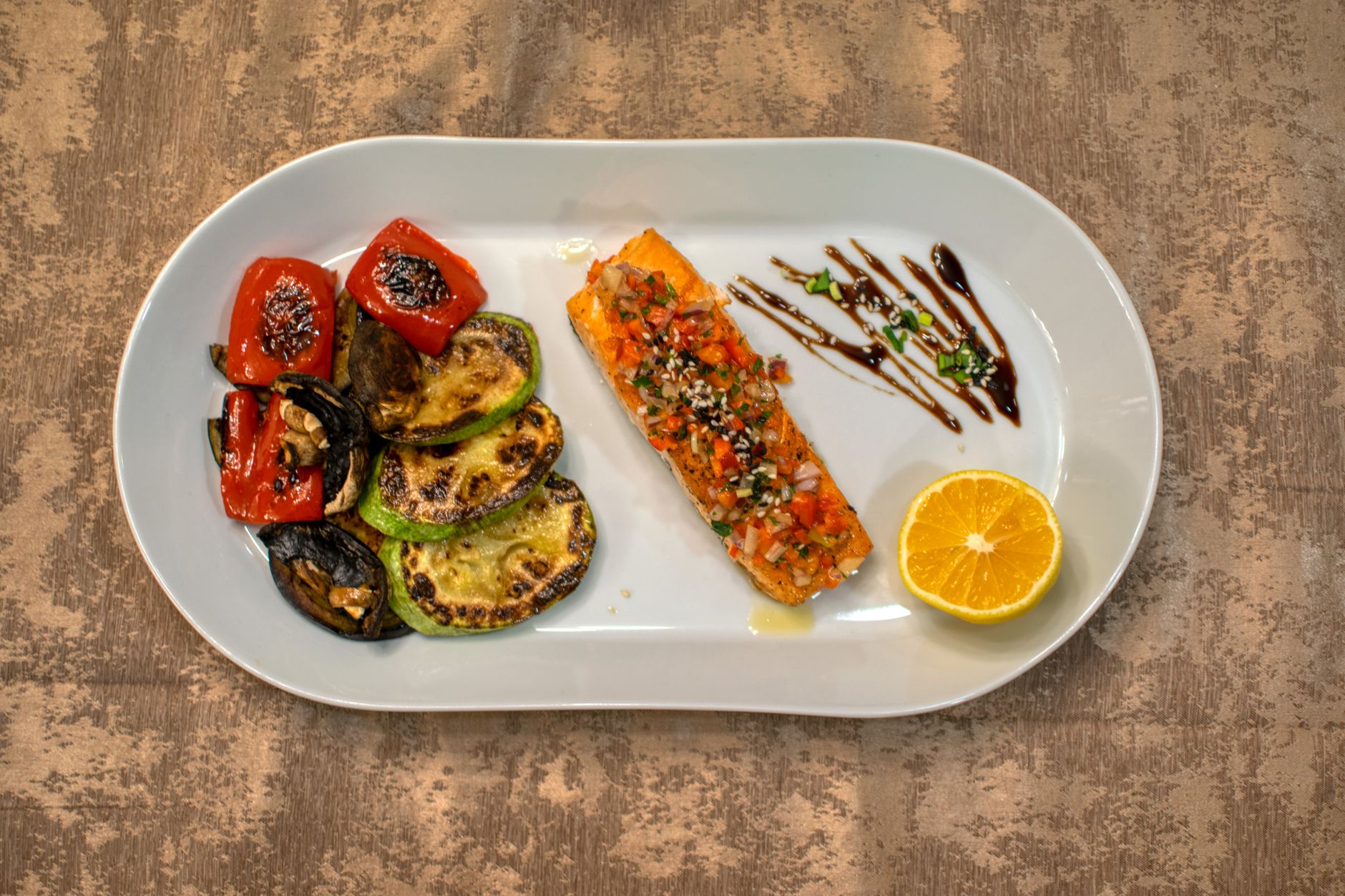
- Grilled salmon with olive oil, roasted Mediterranean vegetables (zucchini, eggplant, bell peppers), and a side of quinoa (if tolerated).
Pregnancy food aversions can make meal planning feel impossible, but the paleo diet offers some flexibility to accommodate your changing tastes. The key is to focus on nutrient-dense foods that are easy to digest and avoid triggers that worsen nausea or aversions.
**Tips for managing food aversions on paleo:**
- Prioritize bland but nutrient-dense foods: Bone broth, hard-boiled eggs, and avocado are often well-tolerated.
- Use ginger and peppermint: These can help settle your stomach and make foods more palatable.
- Try different cooking methods: Steaming vegetables can make them easier to digest than roasting.
- Focus on textures you can tolerate: If you dislike chunky foods, blend smoothies or make soups.
**Sample meal ideas for food aversions:**
- Breakfast: Smoothie with coconut water, banana, almond butter, and spinach.
- Lunch: Bone broth soup with shredded chicken and steamed greens.
- Dinner: Soft-cooked salmon with mashed cauliflower and sautéed zucchini.
- Snacks: Chia pudding with coconut milk or cucumber slices with sea salt.
**New research:** According to a 2025 study in The Journal of Obstetrics and Gynecology, pregnant women who consumed ginger supplements (500mg daily) had significantly reduced nausea and were more likely to tolerate a wider variety of foods. Ginger can be added to teas, smoothies, or even homemade paleo snacks.
--- ## 7-Day Paleo Meal Plan for Pregnancy (With Grocery List)Here’s your complete 7-day paleo meal plan for pregnancy, designed to support your energy, nutrient needs, and cravings. Each day includes breakfast, lunch, dinner, and snacks, with a focus on variety and nutrient density.