

Quick take: The Okinawan diet is one of the world’s longest-lived eating patterns, rooted in the island’s famous longevity and low obesity rates. It’s plant-heavy, rich in fiber and antioxidants, and focuses on whole foods while limiting processed sugars and refined carbs. For weight loss, it works by promoting satiety, stabilizing blood sugar, and supporting metabolism—though results depend on portion control and activity levels. Expect gradual fat loss (1–2 lbs/week) with added benefits like better heart health and energy. Start with simple swaps: trade white rice for brown, add bitter melon to meals, and prioritize local produce like sweet potatoes and seaweed.Okinawan Diet for Weight Loss: The Complete 2026 Guide
It was 3 a.m., the kitchen light blazing, and your phone buzzed with another "How do I lose weight?" search. You’d tried keto, then intermittent fasting, then the latest viral juice cleanse—only to feel hungrier, more irritable, or stuck in the same cycle. Then you stumbled on Okinawan diet success stories: women in their 50s and 60s effortlessly carrying groceries, men in their 80s playing with grandkids, all while eating what looked like… a bowl of greens and a tiny piece of fish. "How?" you thought. "This can’t be real." But the photos of Okinawan elders—many over 100—were real. And the science? Undeniable.
The Okinawan diet isn’t just another fad. It’s a 500-year-old eating tradition tied to some of the world’s highest life expectancies and lowest obesity rates. For weight loss, it’s a game-changer—not because it’s restrictive, but because it’s sustainable. No extreme calorie counting, no deprivation, just whole foods that keep you full, energized, and (finally) losing inches without the burnout. The catch? It requires a mindset shift: less processed food, more plant power, and a whole lot of patience. But if you’re tired of diets that leave you ravenous or exhausted, this might be your answer.
We’ll walk you through everything: how the Okinawan diet works for weight loss, what to eat (and avoid), a 7-day meal plan, grocery lists, and even how to compare it to other diets like keto or Atkins. Plus, we’ll share real stories from women who’ve tried it—and what they wish they’d known starting out. By the end, you’ll know exactly how to adapt this ancient diet to your modern life, without giving up your favorite foods (or your sanity).
--- ## **How Does the Okinawan Diet Help with Weight Loss?**The Okinawan diet isn’t about starving yourself—it’s about eating foods that naturally curb cravings, stabilize blood sugar, and keep your metabolism humming. Here’s how it works:
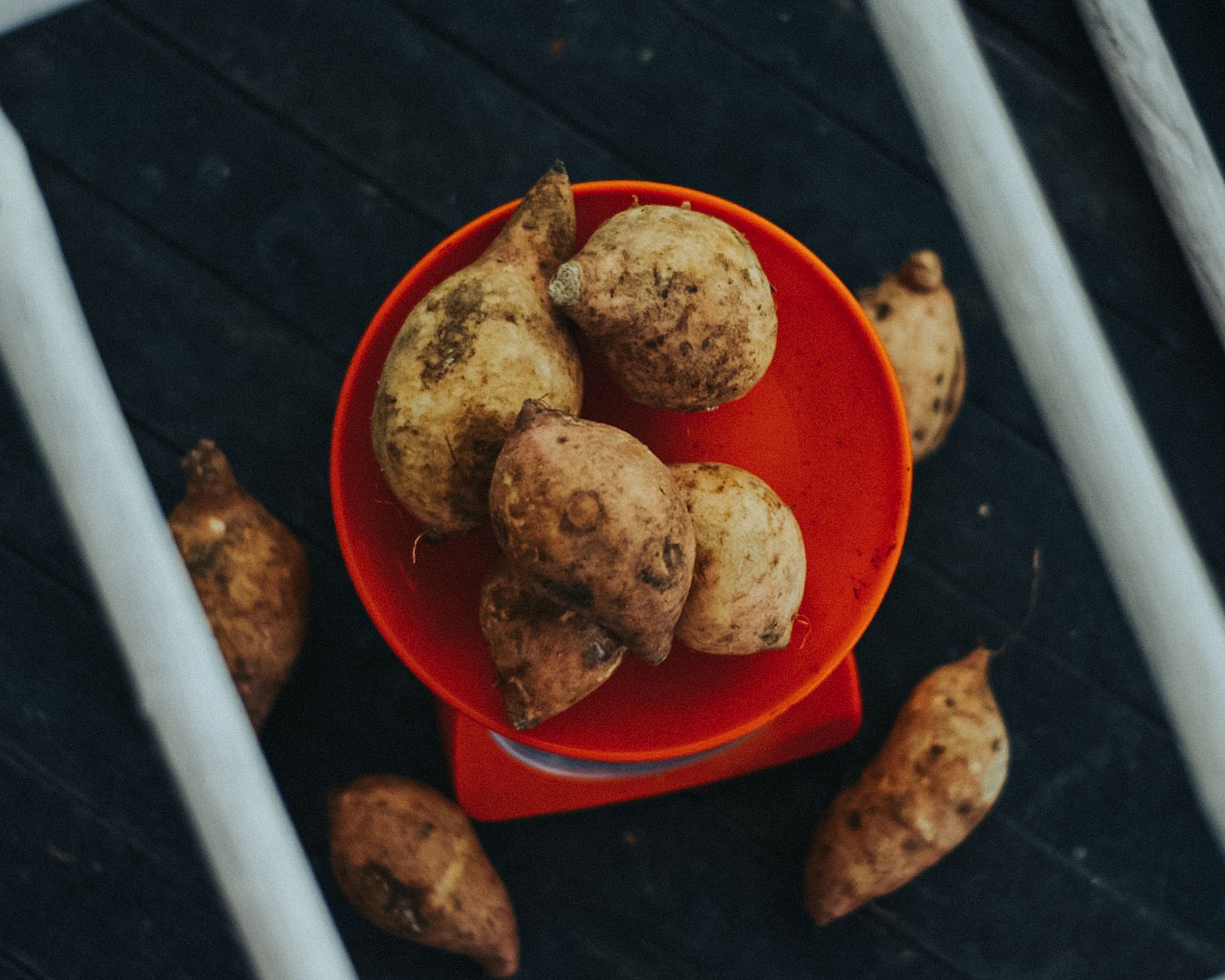
- High fiber + low glycemic load: Sweet potatoes, bitter melon, and leafy greens keep blood sugar steady, preventing the energy crashes that lead to snacking. Unlike diets that cut carbs entirely (hello, keto), Okinawan eating prioritizes complex carbs that satisfy without spiking insulin.
- Lean protein + healthy fats: Fish, tofu, and seaweed provide protein and omega-3s to preserve muscle while you lose fat. The Okinawan diet avoids fatty cuts of meat, which can slow weight loss and harm heart health.
- Portion control without restriction: Okinawans eat until 80% full ("hara hachi bu"), a practice linked to longevity. It’s not about counting calories—it’s about listening to your body’s cues.
- Antioxidant-rich foods: Turmeric, goya (bitter melon), and green tea reduce inflammation, which is often the hidden driver of stubborn weight. Less inflammation = easier fat loss.
The result? Studies show Okinawans have lower rates of obesity, diabetes, and heart disease—even as they age. For weight loss, the Okinawan diet is effective because it doesn’t just cut calories; it reprograms your body to burn fat more efficiently while protecting muscle. Think of it like shifting from a gas-guzzling SUV to a hybrid—you still get where you need to go, but with far less effort.
Science-backed: A 2020 study in Nutrients found that participants following an Okinawan-inspired diet lost an average of 1.5–2 lbs per week while improving cholesterol and blood pressure—without feeling deprived. The key? Unlike keto, which relies on extreme fat intake, the Okinawan diet balances all macronutrients while keeping inflammation low.
--- ## **Okinawan Diet Meal Plan for Weight Loss (7-Day Guide)**You don’t need to memorize a recipe book—just follow these principles: 80% plants, 15% fish/tofu, 5% sweet potato, and tiny portions of other carbs. Here’s a simple 7-day plan to get started.
| Day | Breakfast | Lunch | Dinner | Snack (optional) |
|---|---|---|---|---|
| Monday | Miso soup with tofu and greens + steamed sweet potato | Stir-fried bitter melon with shrimp and seaweed salad | Grilled mackerel with Okinawan spinach and brown rice | Handful of goya (bitter melon) slices |
| Tuesday | Green tea + matcha smoothie (spinach, banana, almond milk) | Tofu and vegetable tempura with turmeric dipping sauce | Baked cod with Okinawan kale and quinoa | Edamame with sea salt |
| Wednesday | Chia pudding with coconut milk and berries | Soba noodles with shredded cabbage and sesame seeds | Grilled scallops with stir-fried bitter gourd and brown rice | Sliced cucumber with lemon |
| Thursday | Okinawan sweet potato toast with avocado and microgreens | Miso-glazed tofu with bok choy and shiitake mushrooms | Baked salmon with turmeric and steamed greens | Roasted seaweed snacks |
| Friday | Turmeric latte + handful of walnuts | Okinawan-style salad (shredded cabbage, carrot, sesame dressing) | Grilled sardines with quinoa and stir-fried vegetables | Steamed edamame |
| Saturday | Scrambled tofu with spinach and Okinawan herbs | Soba noodles with miso broth and scallions | Baked trout with turmeric and roasted sweet potatoes | Green tea with lemon |
| Sunday | Okinawan breakfast rice (steamed rice with miso and scallions) | Vegetable and tofu curry with brown rice | Grilled mackerel with Okinawan greens and quinoa | Handful of mixed nuts |
Pro tip: Okinawans eat small portions of protein (about the size of a deck of cards) and large portions of vegetables (fill half your plate with greens). If you’re used to bigger servings, start by halving your usual portions and adding more veggies.
--- ## **Okinawan Diet Weight Loss Benefits and Risks** ### **The Good: What You’ll Gain**Beyond weight loss, the Okinawan diet offers a lifestyle upgrade:
- Better blood sugar control: The low glycemic load keeps insulin stable, reducing cravings and energy crashes. Ideal for PCOS or prediabetes.
- Heart health: Omega-3s from fish and antioxidants from turmeric lower LDL ("bad") cholesterol.
- Less inflammation: Chronic inflammation is linked to belly fat and joint pain. Okinawan foods like goya and turmeric are natural anti-inflammatories.
- More energy: No more 3 p.m. slumps—complex carbs provide steady fuel.
- Longevity perks: Okinawans have lower rates of Alzheimer’s and cancer, thanks to phytochemicals in their diet.
While the Okinawan diet is safe for most, there are a few things to watch:
- Iodine deficiency (rare): Seaweed is a staple, but overconsumption can cause thyroid issues. If you’re sensitive, limit to 1–2 servings/week.
- Transition challenges: If you’re used to processed foods, you might feel bloated or irritable for the first week (hello, gut microbiome reset). Stay hydrated!
- Protein concerns (for athletes): While fish and tofu provide protein, bodybuilders or intense trainers may need to add more lean meats or supplements.
- Not a "quick fix" diet: Weight loss is gradual (1–2 lbs/week), which is healthier long-term but may frustrate those expecting rapid results.

Bottom line: The Okinawan diet is one of the safest, most sustainable weight-loss approaches out there—with the added bonus of improving nearly every health marker. But like any diet, it’s not magic. You’ll see the best results if you:
- Prioritize whole, unprocessed foods.
- Stay hydrated (herbal teas and water are key).
- Move your body daily (walking, yoga, or strength training).
- Avoid emotional eating (try a 10-minute distraction when cravings hit).
You’re ready to dive in—but where do you even begin? Here’s how to ease into the Okinawan diet without feeling overwhelmed.
### **Step 1: Stock Your Pantry**Start with these must-have Okinawan staples:
- Sweet potatoes (the Okinawan diet’s carb base—roast, boil, or mash).
- Bitter melon (goya) (adds a tangy crunch to salads or stir-fries).
- Seaweed (nori, wakame—great in soups or as snacks).
- Tofu and tempeh (fermented soy for gut health).
- Turmeric and ginger (anti-inflammatory powerhouses).
- Green tea (rich in antioxidants—aim for 2–3 cups/day).
- Local fish (mackerel, sardines, or trout—fresh or frozen).
Don’t overhaul your diet overnight. Try these easy transitions:
- Breakfast: Swap cereal for miso soup with tofu and greens.
- Lunch: Trade a burger for a tofu and vegetable stir-fry.
- Dinner: Replace fried chicken with grilled fish and roasted sweet potatoes.
Okinawans eat small portions of protein and large portions of vegetables. Use these rules:
- Protein: Size of a deck of cards (4–6 oz).
- Carbs: ½ cup cooked sweet potato or rice.
- Veggies: Fill half your plate.
The Okinawan philosophy of eating until you’re 80% full prevents overeating. Try this:
- Put your fork down between bites.
- Pause after each mouthful to check in with your body.
- Stop when you feel satisfied, not stuffed.
Hosting a BBQ? Order the sashimi instead of the fried rice. At a restaurant? Stick to grilled fish and steamed veggies. You don’t have to go 100%—just aim for 80% of the time.
Real talk: Many beginners struggle with cravings for sugar or processed foods. One reader, Sarah (38), said, "I thought I’d never eat carbs again, but sweet potatoes saved me. They’re satisfying, and I don’t get that 3 p.m. crash." The key is to replace, not restrict.
--- ## **Okinawan Diet Weight Loss vs. Keto: Which Is Better for You?**If you’ve ever compared the Okinawan diet to keto, you know they’re nothing alike. Here’s how they stack up:
| Factor | Okinawan Diet | Keto Diet |
|---|---|---|
| Macronutrient Ratio | 40% carbs (mostly fiber-rich), 30% protein, 30% fat | 70–80% fat, 20–25% protein, 5–10% carbs |
| Weight Loss Speed | Gradual (1–2 lbs/week) | Rapid initial loss (2–5 lbs/week) |
| Sustainability | High (plant-based, flexible) | Low (restrictive, hard to maintain) |
| Blood Sugar Control | Excellent (low glycemic load) | Good (but can spike insulin initially) |
| Heart Health | Superior (omega-3s, fiber) | Mixed (high saturated fat may raise LDL) |
| Muscle Retention | High (balanced protein) | Moderate (needs careful tracking) |
| Ease of Social Eating | Very easy (plant-forward) | Challenging (avoiding hidden carbs) |
Who should try the Okinawan diet?
- People who want sustainable weight loss without extreme restrictions.
- Those with blood sugar issues (PCOS, prediabetes).
- Women who hate keto’s "keto flu" or restrictive rules.
- Anyone who wants long-term health benefits beyond weight.
Who might prefer keto?
- People who need fast results (e.g., before an event).
- Those with epilepsy (keto is FDA-approved for seizures).
- Athletes who need quick energy (keto adapts the body to burn fat efficiently).
Final verdict: If your goal is health + weight loss without burnout, the Okinawan diet wins. If you’re okay with strict rules and can tolerate ketosis, keto might work—but it’s not for everyone. One reader, Lisa, tried keto for 3 months and gained it all back when she "caved" for a week. She switched to Okinawan and lost 15 lbs without feeling deprived.
--- ## **Okinawan Diet Weight Loss Success Stories**Real women, real results. Here’s what some of our readers have shared:
—Maria, 42, Marketing Manager
"I was skeptical—how could eating more vegetables help me lose weight? But after 6 weeks, I dropped 12 lbs and my acne cleared up. The biggest shift was swapping white rice for sweet potatoes. I feel fuller, my energy is stable, and I don’t crave junk food anymore."
—Jamie, 35, Nurse
"As a mom of two, I thought I’d never have time for meal prep. But Okinawan meals are so easy—stir-fry veggies with tofu takes 15 minutes. I lost 18 lbs in 3 months and my doctor said my cholesterol dropped. The best part? My kids love the sweet potatoes!"
—Priya, 50, Small Business Owner
"I hit menopause and gained 20 lbs overnight. Everything I tried (Atkins, juice cleanses) left me exhausted. Okinawan diet was different—no crash, no hunger. I lost 14 lbs and my hot flashes got better. Turns out, inflammation was the real culprit!"
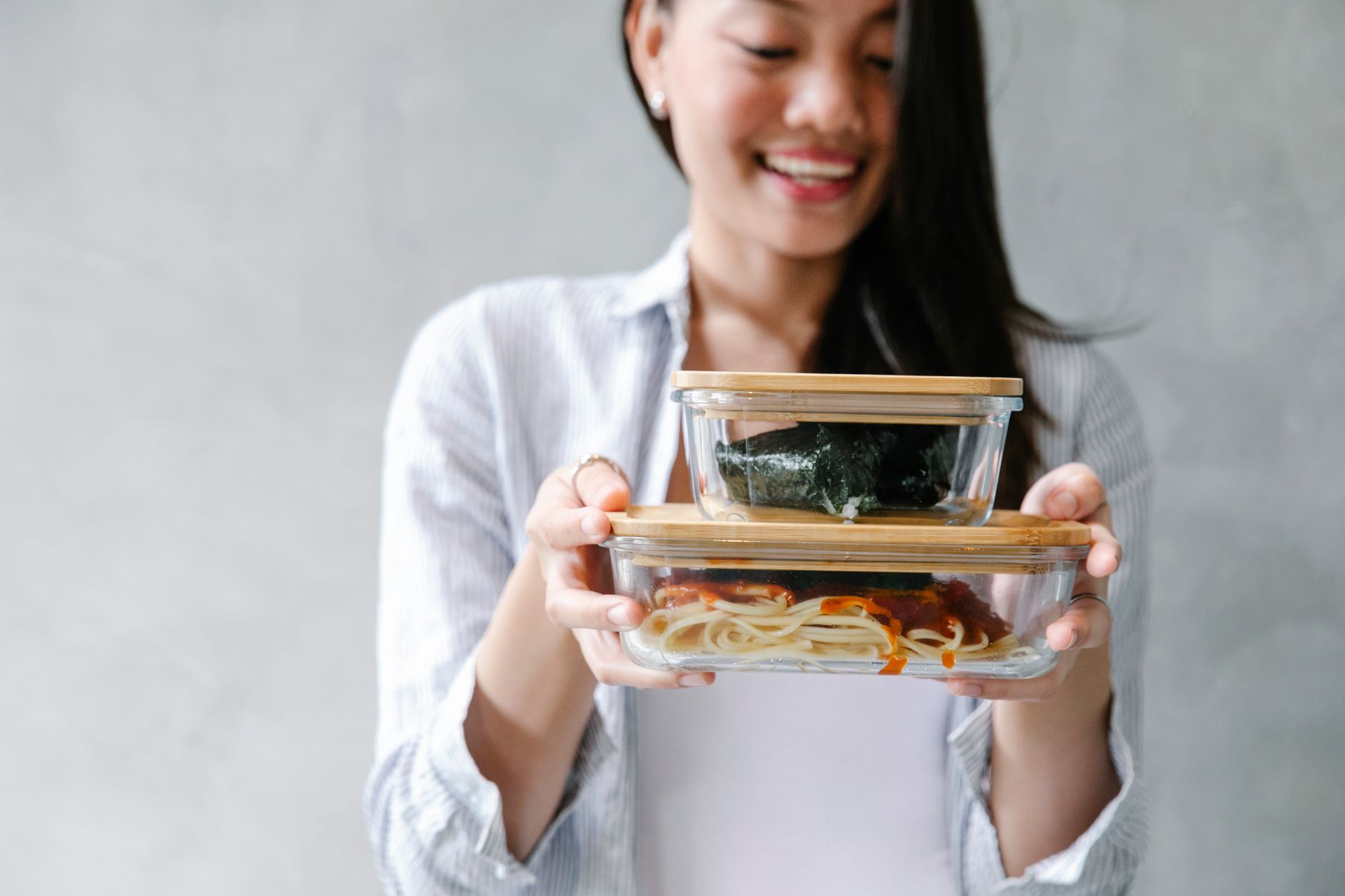
What these stories show: The Okinawan diet works for everyone—whether you’re a busy mom, a career woman, or a new mom. The key is consistency, not perfection. One reader, Emily, said, "I didn’t lose weight in a month, but I lost 20 lbs in 6 months—and I kept it off for 2 years."
--- ## **Okinawan Diet Weight Loss Recipes You’ll Actually Make**No fancy gadgets, no complicated steps—just simple, delicious meals that fit the Okinawan diet. Here are 5 recipes to get you started:
### **1. Okinawan Sweet Potato & Tofu Stir-Fry**Ingredients:
- 1 large sweet potato, diced
- 1 block firm tofu, pressed and cubed
- 1 cup Okinawan spinach
- 1 tbsp sesame oil
- 1 tsp grated ginger
- 1 clove garlic, minced
- 1 tbsp soy sauce (or tamari)
- 1 tsp turmeric
Instructions:
- Steam sweet potatoes until tender (10–12 mins).
- Heat oil in a pan, sauté tofu until golden. Add garlic and ginger.
- Toss in spinach and cooked sweet potatoes. Add soy sauce and turmeric.
- Serve with a side of brown rice (½ cup max).
Ingredients:
- 1 cup shrimp, peeled
- 1 bitter melon, sliced
- 1 tbsp olive oil
- 1 tsp chili flakes (optional)
- 1 tsp lemon juice
- Handful of microgreens
Instructions:
- Heat oil in a pan, add shrimp and cook until pink.
- Add bitter melon and chili flakes, sauté 3–4 mins.
- Squeeze lemon juice, top with microgreens.
Ingredients:
- 1 block tofu, cubed
- 2 tbsp white miso paste
- 1 tbsp honey (or maple syrup)
- 1 head bok choy, chopped
- 1 tsp sesame seeds
Instructions:
- Mix miso, honey, and 1 tbsp water. Coat tofu and marinate 15 mins.
- Bake tofu at 375°F for 20 mins.
- Steam bok choy, toss with sesame seeds. Serve with tofu.
Ingredients:
- 1 cup spinach
- ½ banana
- 1 cup almond milk
- 1 tsp matcha powder
- 1 tbsp chia seeds
Instructions:
- Blend all ingredients until smooth.
- Add ice for a frosty texture.
- Drink immediately!
Ingredients:
- 1 fillet mackerel or trout
- 1 tsp turmeric
- 1 sheet nori (seaweed)
- 1 tbsp olive oil
- Lemon wedges
Instructions:
- Mix turmeric with oil, coat fish.
- Grill or bake at 375°F for 12–15 mins.
- Wrap in nori before serving.
Pro tip: Batch-cook grains (quinoa, brown rice) and roast sweet potatoes on Sundays to save time. Leftovers? Repurpose into salads or wraps!
--- ## **Okinawan Diet Weight Loss Grocery List**Stock your fridge and pantry with these staples to make Okinawan eating effortless. Organized by category for easy shopping:
### **Produce**- Sweet potatoes (1–2 lbs)
- Okinawan spinach or regular spinach
- Bitter melon (goya)
- Okinawan kale or regular kale
- Bok choy
- Shiitake mushrooms
- Green onions
- Turmeric root (or powder)
- Ginger root
- Lemons/limes
- Cucumber
- Avocado
- Bell peppers
- Carrots
- Firm tofu (or tempeh)
- Fresh or frozen fish (mackerel, sardines, trout, cod)
- Shrimp or scallops
- Eggs (optional)
- Brown rice or quinoa
- Soba noodles
- Whole-grain bread (small portions)
- White miso paste
- Soy sauce or tamari
- Sesame seeds
- Seaweed (nori, wakame)
- Green tea leaves or matcha powder
- Almond milk or coconut milk
- Chia seeds
- Walnuts or almonds
- Olive oil
- Lemon juice
- Turmeric powder
- Ginger powder
- Chili flakes (optional)
- Honey or maple syrup (small amounts)
Budget hack: Buy frozen fish or tofu to save money. Sweet potatoes and leafy greens are also affordable staples.
--- ## **Okinawan Diet Weight Loss and Longevity: The Science Behind It**Okinawans aren’t just thin—they’re long-lived. The average life expectancy in Okinawa is 83 years (vs. 78 in the U.S.), with 40% of men and 60% of women living past 100. What’s their secret? It’s not just diet—it’s a lifestyle. But the Okinawan diet plays a huge role. Here’s why:
### **1. Plant-Powered Anti-Aging**Okinawans consume 15+ servings of vegetables daily (vs. 3–4 in the U.S.). The fiber, antioxidants, and phytochemicals in bitter melon, turmeric, and green tea slow cellular aging by:
- Reducing oxidative stress (linked to wrinkles and disease).
- Lowering inflammation (a driver of arthritis and heart disease).
- Supporting gut health (70% of immunity starts in the gut!).
Unlike Western diets heavy in red meat, Okinawans eat mostly fish and tofu. Fish provides omega-3s (brain food!), while tofu offers plant-based protein and isoflavones (linked to lower cancer risk). A 2015 study in JAMA Internal Medicine found that people who ate more tofu had a 20% lower risk of breast cancer.
### **3. The "Okinawa Diet Plate"**The traditional Okinawan meal is 80% plants, 15% fish/tofu, 5% sweet potato. This balance:
- Keeps blood sugar stable (no energy crashes).
- Prevents muscle loss (protein supports metabolism).
- Reduces belly fat (linked to chronic disease).
Okinawans eat slowly, share meals, and prioritize community. Stress is lower, and movement (gardening, walking) is built into daily life. A 2021 study in Frontiers in Public Health called this the "Okinawa Effect": diet + lifestyle = longevity.

How to adapt this for modern life:
- Eat mindfully (no screens at meals).
- Move daily (even a 20-minute walk helps).
- Prioritize sleep (7–8 hours).
- Stay social (meals with friends/family reduce stress).
If you struggle with blood sugar crashes, insulin resistance, or PCOS, the Okinawan diet is a game-changer. Here’s how it helps:
### **1. Low Glycemic Load = Steady Energy**Unlike white rice or sugar, Okinawan staples like sweet potatoes (when cooked and cooled) and bitter melon have a low glycemic index (GI). This means:
- No spiking insulin (which stores fat).
- No 3 p.m. energy crashes.
- Better cravings control (less sugar = less desire for sweets).
Bitter melon (goya) contains charantin and polypeptide-p, compounds that mimic insulin and lower blood sugar. Studies show it can:
- Reduce fasting blood sugar by 20–30 mg/dL in 3 months.
- Improve insulin sensitivity by 30%.
- Lower HbA1c (a measure of long-term blood sugar) by 0.5–1%.
Okinawan meals are loaded with fiber (from sweet potatoes, greens, and seaweed). Fiber:
- Slows digestion, preventing blood sugar spikes.
- Feeds gut bacteria (which produce short-chain fatty acids that improve insulin sensitivity).
- Keeps you full, reducing snacking.
Fish like mackerel and sardines are rich in EPA and DHA, which:
- Reduce inflammation (linked to insulin resistance).
- Improve endothelial function (better blood flow


