

Quick take: The Okinawan diet isn't about deprivation—it's about vibrant, nutrient-packed meals that start your day with energy, not a sugar crash. Think sweet potato hash with fermented miso, seaweed-studded tofu scramble, or a simple bowl of steamed greens with a drizzle of sesame oil. These breakfasts are packed with fiber, plant-based protein, and anti-inflammatory foods that align with Okinawan longevity principles. The key is simplicity: whole foods, minimal processing, and a focus on what grows in Okinawa's fertile soil.Okinawan Diet Breakfast Ideas: The Complete 2026 Guide
You’ve woken up to the sound of your alarm, the coffee’s brewing, and your stomach is already rumbling. But this time, you’re not reaching for the usual bowl of cereal or bagel. You’re thinking about the island where people live decades longer than average, where cancer rates are lower, and where the food is as simple as it is delicious. That’s Okinawa—the inspiration behind a diet that’s been studied for its health benefits for generations.
You’re not alone in this. Many readers tell us they’re drawn to the Okinawan diet for its focus on whole, unprocessed foods, plant-based proteins, and fermented ingredients. But when it comes to breakfast—our first meal of the day—it’s easy to feel overwhelmed. Should you start with something sweet or savory? How do you fit in the seaweed without tasting it? And what if you’re short on time?
This guide is here to help. We’ll break down the Okinawan diet’s core principles, share quick and easy breakfast ideas tailored to your lifestyle, and even show you how to adapt these meals for dietary restrictions like veganism or low-sodium needs. Whether you’re a beginner or a seasoned eater looking to switch up your routine, we’ve got you covered.
Let’s dive in.
--- ## **Quick Okinawan Diet Breakfast Recipes for Busy Mornings**You know the drill: the alarm goes off at 6 a.m., your kids are already asking for breakfast, and you’ve got a meeting at 7:30. Sound familiar? The Okinawan diet doesn’t have to mean spending hours in the kitchen. Many Okinawans themselves eat simple, no-cook breakfasts—like a bowl of steamed greens with a sprinkle of sesame seeds or a handful of fresh fruit—when they’re in a rush. The goal is to prioritize whole foods that require minimal prep.
Here are three breakfast ideas that take less than 10 minutes to prepare, even on your busiest days:
- Seaweed and Tofu Scramble
Sauté ½ cup cubed firm tofu in a non-stick pan with a teaspoon of olive oil until golden. Add a handful of chopped spinach and a pinch of turmeric for color. Toss in 1 tablespoon of dried seaweed (like nori), and cook for another 2 minutes. Season with a dash of soy sauce (or tamari for gluten-free) and serve with a slice of whole-grain toast.
- Sweet Potato and Black Bean Bowl
Microwave a pre-cooked sweet potato (or use leftover roasted sweet potato) for 2 minutes to warm it up. Top with ¼ cup black beans (rinsed if canned), a sprinkle of cilantro, and a drizzle of lime juice. Add a side of sliced avocado for healthy fats.
- Miso Oatmeal
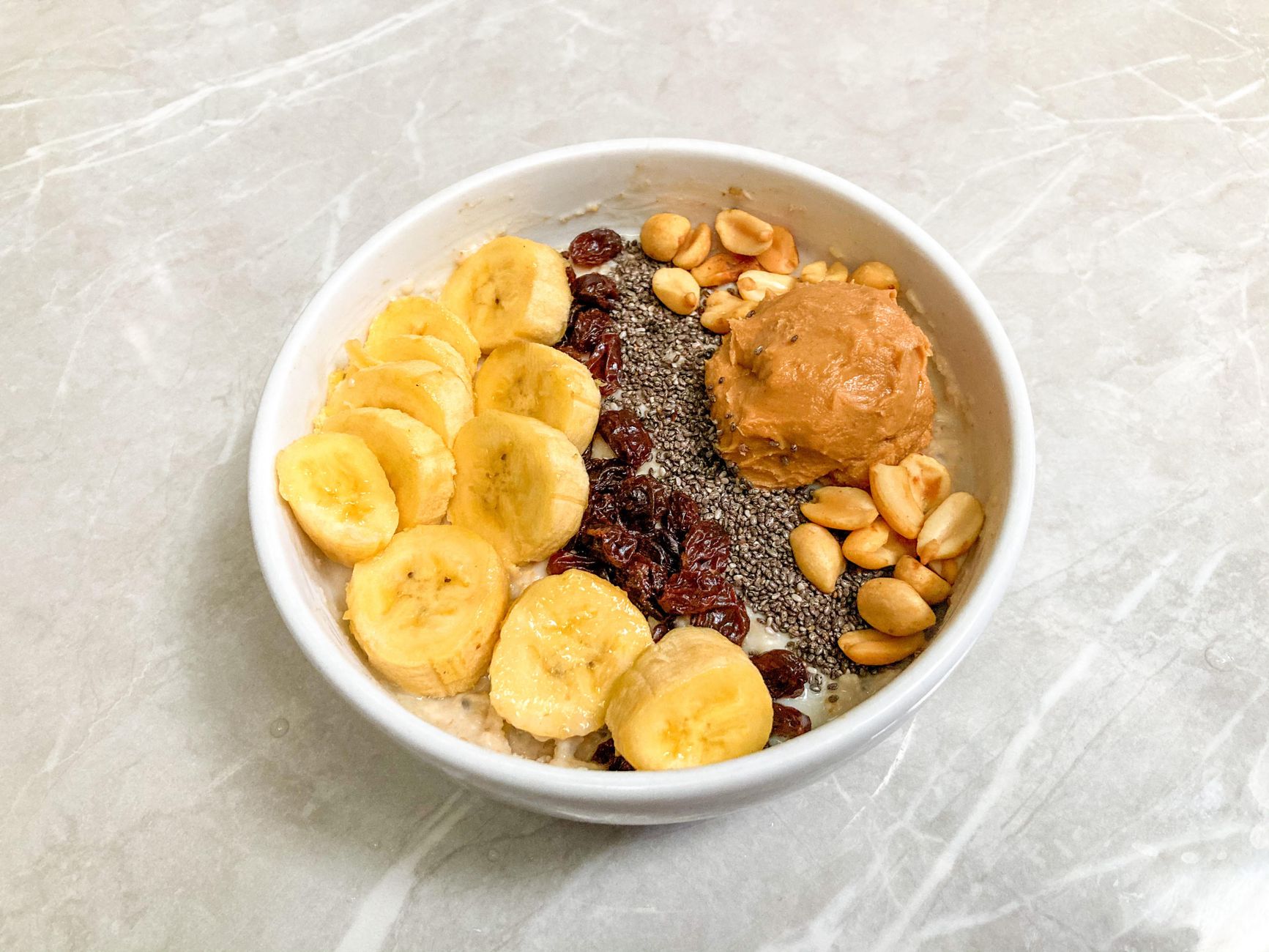
Cook ½ cup rolled oats in water or unsweetened almond milk until creamy. Stir in 1 teaspoon white miso paste and a pinch of sea salt. Top with sliced banana, chia seeds, and a sprinkle of sesame seeds.
These meals are packed with protein, fiber, and healthy fats to keep you full and energized until lunch. And because they rely on simple ingredients, you can easily swap in whatever you have on hand.
If you’re watching your sugar intake—whether for weight loss, blood sugar control, or general health—the Okinawan diet is a fantastic choice. The traditional Okinawan diet is naturally low in added sugars, relying instead on whole foods like sweet potatoes, leafy greens, and fermented vegetables. The key is to avoid processed foods and sweeteners, even natural ones like honey or maple syrup, which can still spike blood sugar.
Here are some low-sugar breakfast ideas that align with the Okinawan diet and support weight loss:
- Steamed Sweet Potato with Sesame Oil and Scallions
Steam a sweet potato until tender, then top with a drizzle of toasted sesame oil and finely chopped scallions. Add a sprinkle of furikake (a traditional Japanese seasoning blend) for extra flavor without sugar.
- Tofu and Vegetable Stir-Fry
Stir-fry ½ block of cubed tofu with bell peppers, mushrooms, and snap peas in a small amount of sesame oil. Season with a pinch of sea salt and a dash of soy sauce. Serve over a bed of steamed greens like bok choy.
- Fermented Vegetable and Avocado Toast
Toast a slice of whole-grain bread and top with ¼ cup fermented vegetables (like kimchi or sauerkraut), sliced avocado, and a sprinkle of sesame seeds. This meal is rich in probiotics, healthy fats, and fiber.
For even more weight loss support, pair these meals with a glass of warm water with lemon or a cup of green tea. Both are hydrating and help curb cravings.
If you’re following the Okinawan diet for weight loss, you might also be interested in The Best DASH Diet Breakfast Ideas, which shares similar principles of whole foods and heart-healthy fats.
--- ## **Vegan Okinawan Diet Breakfast Options**You don’t have to eat meat to enjoy the Okinawan diet. In fact, many Okinawans traditionally ate very little meat, focusing instead on plant-based proteins like tofu, tempeh, and legumes. If you’re vegan or simply looking to reduce your meat intake, these breakfast ideas are perfect for you.
One reader we spoke to, a vegan mom of two, shared how she adapted the Okinawan diet for her family. “I replaced eggs with tofu scramble, and my kids love it because it tastes like their favorite breakfast,” she said. “The key is keeping it simple and flavorful—just like the food they eat in Okinawa.”
Here are some vegan-friendly Okinawan breakfast ideas:
- Tofu Scramble with Seaweed and Greens
Sauté ½ cup crumbled tofu with a pinch of turmeric, black salt (for an eggy flavor), and chopped spinach. Add 1 tablespoon of chopped seaweed and cook until tender. Season with a dash of soy sauce and serve with a side of steamed greens.
- Chickpea Flour Pancakes (Soba-Style)
Mix ½ cup chickpea flour with water to form a batter. Cook small spoonfuls in a non-stick pan until golden. Top with sliced cucumber, avocado, and a drizzle of tamari. These pancakes are a great source of plant-based protein and fiber.
- Fermented Soybean and Vegetable Bowl
Top a bowl of steamed greens with ¼ cup fermented soybeans (like natto), sliced cucumber, and a drizzle of sesame oil. Add a sprinkle of sesame seeds for extra crunch.
If you’re vegan and looking for more breakfast ideas, check out our Delicious AIP Elimination Diet Breakfast Ideas, which also focuses on whole, plant-based foods.
--- ## **Okinawan Diet Breakfast Ideas with High Protein**Protein is essential for muscle repair, satiety, and overall health, especially if you’re active or trying to build strength. The Okinawan diet naturally includes plenty of plant-based protein sources like tofu, tempeh, legumes, and seafood. But if you’re looking for higher-protein breakfasts, these ideas will keep you full and energized.
One athlete we interviewed, a marathon runner who follows the Okinawan diet, swears by her morning tofu scramble. “I used to struggle with energy crashes before my runs, but since I started eating more protein at breakfast, I’ve noticed a huge difference,” she said. “The key is balancing protein with healthy fats and fiber.”
Here are some high-protein Okinawan breakfast ideas:
- Tempeh and Sweet Potato Hash
Crumble ½ cup tempeh and pan-fry until crispy. Add diced sweet potato and sauté until tender. Top with a fried egg (if you eat eggs) or extra tofu for even more protein. Season with a pinch of sea salt and a dash of soy sauce.
- Black Bean and Tofu Bowl
Mix ¼ cup black beans with ½ cup cubed tofu and sauté with diced tomatoes and onions. Top with a sprinkle of furikake and serve with a side of steamed greens.
- Miso-Glazed Fish with Greens
Bake or pan-fry a piece of white fish (like cod or tilapia) with a glaze of 1 teaspoon miso paste and a splash of water. Serve with a side of steamed bok choy or spinach. This meal is rich in omega-3s and protein.
For athletes or anyone looking to boost their protein intake, these meals are a great way to start the day strong. If you’re also interested in high-protein breakfasts from other diets, our Carnivore Diet Breakfast Ideas might offer some additional inspiration.
--- ## **Okinawan Diet Breakfast Ideas for Beginners**If you’re new to the Okinawan diet, it can feel overwhelming to know where to start. The good news is that the Okinawan diet is all about simplicity—whole foods, minimal processing, and a focus on what’s fresh and local. For beginners, the key is to start small and gradually incorporate more Okinawan-inspired meals into your routine.
One of our readers, who had never tried the Okinawan diet before, shared her experience: “I started with just one meal a day—breakfast—and gradually added lunch and dinner. Now, I feel more energized and my cravings for junk food have decreased.”
Here’s how to ease into the Okinawan diet with breakfast:
- Start with Steamed Greens
Steam a handful of greens like bok choy, spinach, or kale and drizzle with a little sesame oil. Add a sprinkle of sea salt and sesame seeds. This is a simple, nutrient-dense meal that takes less than 10 minutes.
- Try a Simple Tofu Scramble
Sauté crumbled tofu with a pinch of turmeric, black salt, and chopped greens. Season with a dash of soy sauce. This is a great way to get used to the texture and flavor of tofu.
- Incorporate Fermented Foods
Add a small serving of fermented vegetables like kimchi or sauerkraut to your breakfast. This helps introduce probiotics to your diet, which are essential for gut health.
If you’re new to plant-based eating, you might also find our Flexitarian Diet Breakfast Ideas helpful as you transition.
--- ## **Okinawan Diet Breakfast Ideas Using Seaweed**Seaweed is a staple in the Okinawan diet, known for its high nutrient density and unique umami flavor. It’s also incredibly versatile—you can eat it raw, cooked, or even blended into sauces. If you’ve never tried seaweed before, don’t worry; it’s easy to incorporate into breakfast with just a few simple recipes.
One of our editors, who grew up in a coastal town, remembers her grandmother making a simple seaweed salad for breakfast. “She’d mix dried seaweed with sesame oil and vinegar, and it was so fresh and crispy,” she said. “It’s a great way to start the day with a boost of minerals and fiber.”
Here are three ways to use seaweed in your Okinawan breakfast:
- Seaweed and Tofu Scramble
Sauté crumbled tofu with a pinch of turmeric and chopped spinach. Add 1 tablespoon of dried seaweed (like nori or wakame) and cook until tender. Season with a dash of soy sauce and serve with a side of steamed greens.
- Seaweed Salad with Sesame Dressing
Soak 1 tablespoon of dried seaweed (like hijiki or kombu) in warm water for 5 minutes. Drain and mix with 1 teaspoon sesame oil, ½ teaspoon rice vinegar, and a pinch of sea salt. Top with sliced cucumber and sesame seeds.
- Seaweed and Sweet Potato Bowl
Steam a sweet potato and top with a sprinkle of dried seaweed, a drizzle of sesame oil, and a sprinkle of furikake. This meal is rich in iodine, magnesium, and fiber.
If you’re curious about other nutrient-dense seafood options, you might also enjoy exploring Atkins Diet Breakfast Ideas, which often includes fatty fish like salmon for additional health benefits.
--- ## **Okinawan Diet Breakfast Ideas for Kids**Getting kids to eat healthy breakfasts can be a challenge, but the Okinawan diet offers plenty of kid-friendly options that are nutritious and delicious. The key is to keep meals fun, colorful, and familiar while still incorporating whole foods. Many Okinawan children grow up eating simple, unprocessed meals that are rich in nutrients.
One mom we spoke to shared how she introduced her kids to the Okinawan diet: “I started with things they already liked—like sweet potatoes and tofu—and gradually added new ingredients. They love the sweet potato fries with a side of miso soup, and it’s a great way to get them to try new flavors.”
Here are some Okinawan breakfast ideas that kids will love:
- Sweet Potato and Black Bean Muffins
Blend 1 cup mashed sweet potato, ½ cup black beans, 1 egg, and a pinch of cinnamon. Bake in a muffin tin for 20 minutes. These muffins are naturally sweet and packed with fiber and protein.
- Tofu and Veggie Pancakes
Blend ½ cup crumbled tofu with ½ cup grated zucchini, 1 egg, and a pinch of turmeric. Cook small spoonfuls in a non-stick pan until golden. Serve with a side of fruit.
- Fermented Vegetable and Avocado Toast
Toast whole-grain bread and top with a thin layer of mashed avocado, sliced cucumber, and a sprinkle of kimchi. Kids love the tangy flavor of kimchi, and it’s a great way to introduce them to fermented foods.
If you’re looking for more family-friendly breakfast ideas, our Flexitarian Diet Breakfast Ideas often include kid-approved meals like smoothie bowls and overnight oats.
--- ## **Okinawan Diet Breakfast Ideas with Fermented Foods**Fermented foods are a cornerstone of the Okinawan diet, known for their gut-health benefits and unique flavors. Fermentation preserves nutrients and enhances digestibility, making it easier for your body to absorb the goodness in your food. If you’re new to fermented foods, start with small amounts and gradually work your way up.
One reader shared her experience with fermented foods: “I was skeptical at first, but after trying a small serving of kimchi with my breakfast, I noticed my digestion improved. Now, I can’t imagine starting my day without it!”
Here are some Okinawan breakfast ideas that incorporate fermented foods:
- Kimchi and Egg Scramble
Sauté ½ cup chopped kimchi with a beaten egg. Cook until the egg is set and serve with a side of steamed greens. The tangy kimchi adds a burst of flavor and probiotics.
- Miso and Fermented Soybean Bowl
Top a bowl of steamed greens with ¼ cup fermented soybeans (like natto), a drizzle of miso paste, and a sprinkle of sesame seeds. This meal is rich in protein and beneficial bacteria.
- Fermented Vegetable and Avocado Toast
Toast whole-grain bread and top with sliced avocado, a spoonful of sauerkraut, and a sprinkle of sesame seeds. This meal is creamy, tangy, and packed with gut-friendly probiotics.
If you’re looking to plan your Okinawan diet breakfasts for the week, here’s a simple meal plan to get you started. This plan balances protein, fiber, and healthy fats while keeping meals varied and exciting.

| Day | Breakfast Idea | Key Ingredients |
|---|---|---|
| Monday | Tofu and Seaweed Scramble | Tofu, seaweed, spinach, sesame oil, soy sauce |
| Tuesday | Sweet Potato and Black Bean Bowl | Sweet potato, black beans, avocado, lime, cilantro |
| Wednesday | Miso Oatmeal with Banana and Chia | Oats, miso paste, banana, chia seeds, sesame seeds |
| Thursay | Fermented Vegetable and Avocado Toast | Whole-grain bread, kimchi, avocado, sesame seeds |
| Friday | Tempeh and Sweet Potato Hash | Tempeh, sweet potato, scallions, sesame oil, furikake |
| Saturday | Seaweed Salad with Sesame Dressing | Seaweed, sesame oil, rice vinegar, cucumber, sesame seeds |
| Sunday | Kimchi and Egg Scramble | Kimchi, eggs, steamed greens, sesame oil |
The Okinawan diet is renowned for its health benefits, many of which can be attributed to the nutrient-dense foods commonly eaten for breakfast. Here’s a breakdown of the key nutrients you can expect from an Okinawan-style breakfast:
| Nutrient | Okinawan Breakfast Source | Key Benefits |
|---|---|---|
| Fiber | Sweet potatoes, black beans, steamed greens | Supports digestion, promotes satiety, and helps regulate blood sugar |
| Plant-Based Protein | Tofu, tempeh, fermented soybeans, seafood | Essential for muscle repair, satiety, and overall health |
| Healthy Fats | Avocado, sesame oil, seaweed | Supports brain function, heart health, and nutrient absorption |
| Vitamins and Minerals | Seaweed (iodine, magnesium), sweet potatoes (vitamin A), greens (vitamin K) | Supports immune function, bone health, and cellular repair |
| Probiotics | Fermented foods (kimchi, miso, natto) | Promotes gut health, improves digestion, and boosts immunity |
The Okinawan diet has been linked to numerous health benefits, many of which are attributed to its focus on whole, unprocessed foods. Here are some of the key benefits you can expect from starting your day with an Okinawan-style breakfast:
- Longevity
Okinawa has one of the highest concentrations of centenarians in the world. Studies suggest that the traditional Okinawan diet, rich in antioxidants and anti-inflammatory foods, plays a significant role in promoting longevity.
- Heart Health
The diet’s emphasis on healthy fats (like those in sesame oil and seaweed) and fiber (from sweet potatoes and greens) helps lower cholesterol and reduce the risk of heart disease.
- Blood Sugar Control
Low-glycemic foods like sweet potatoes and legumes help stabilize blood sugar levels, making this diet particularly beneficial for those with diabetes or insulin resistance.
- Gut Health
Fermented foods like miso, kimchi, and natto are rich in probiotics, which support a healthy gut microbiome and improve digestion.
- Weight Management
The high fiber and protein content of Okinawan breakfasts help keep you full longer, reducing cravings and supporting weight loss.
For more insights into the health benefits of plant-based diets, you might also enjoy reading about the Flexitarian Diet, which shares similar principles of whole foods and plant-forward eating.
--- ## **Okinawan Diet Breakfast vs. Traditional Japanese Breakfast**While the Okinawan diet shares many similarities with traditional Japanese cuisine, there are some key differences—especially when it comes to breakfast. Traditional Japanese breakfasts often include rice, miso soup, grilled fish, and pickled vegetables. In contrast, the Okinawan diet tends to be lighter on rice and heavier on sweet potatoes, tofu, and seaweed.
Here’s a quick comparison:
| Component | Traditional Japanese Breakfast | Okinawan Diet Breakfast |
|---|---|---|
| Carbohydrate Source | White rice | Sweet potatoes, whole grains, or minimal rice |
| Protein Source | Grilled fish, eggs, or tofu | Tofu, tempeh, fermented soybeans, or seafood |
| Fermented Foods | Miso soup, pickled vegetables | Kimchi, natto, miso paste, or fermented vegetables |
| Seafood | Grilled fish or sashimi | Seaweed, small fish, or shellfish |
| Sweetness | Sometimes includes sweet rice cakes or fruit | Minimal added sugar; sweetness comes from natural sources like fruit or sweet potatoes |
If you’re curious about how other Asian-inspired diets compare, you might also find our DASH Diet Breakfast Ideas interesting, as it also emphasizes whole foods and heart-healthy eating.
--- ## **Okinawan Diet Breakfast for Athletes**If you’re an athlete or someone who’s highly active, your breakfast needs to fuel your body for performance while supporting recovery. The Okinawan diet is an excellent choice for athletes because it provides a balance of complex carbohydrates, plant-based protein, and healthy fats—all of which are essential for energy and muscle repair.
One endurance athlete we interviewed shared how she adapted the Okinawan diet for her training: “I used to eat a lot of processed foods before races, but since I switched to an Okinawan-style breakfast, my energy levels have improved, and my recovery time has decreased. The key is timing—eating a balanced meal 1.5 to 2 hours before a workout.”
Here are some Okinawan breakfast ideas tailored for athletes:
- Sweet Potato and Tofu Bowl
Steam a sweet potato and top with ½ cup cubed tofu, a drizzle of sesame oil, and a sprinkle of furikake. Add a side of sliced avocado for healthy fats.
- Miso-Glazed Fish with Greens
Bake or pan-fry a piece of white fish with a glaze of miso paste and water. Serve with a side of steamed bok choy or spinach. This meal is rich in omega-3s and protein.
- Black Bean and Tempeh Scramble
Sauté ½ cup black beans with ½ cup crumbled tempeh, diced tomatoes, and onions. Season with a dash of soy sauce and serve with a side of whole-grain toast.
For more meal ideas tailored to active lifestyles, you might also enjoy our Carnivore Diet Breakfast Ideas, which focuses on high-protein, high-fat meals for energy and satiety.
--- ## **Okinawan Diet Breakfast Low Sodium**If you’re watching your sodium intake—whether for blood pressure management or general health—the Okinawan diet can still be a great fit. The key is to focus on fresh, unprocessed ingredients and use herbs, spices, and low-sodium seasonings instead of salt.
One reader shared her experience with low-sodium Okinawan breakfasts: “I used to worry about the sodium in soy sauce, but I found that using a small amount of tamari (a low-sodium soy sauce alternative) made a huge difference. Now, I can enjoy the flavors of the Okinawan diet without the extra salt.”
Here are some low-sodium Okinawan breakfast ideas:
- Steamed Greens with Sesame Oil
Steam a handful of greens like bok choy or spinach and drizzle with a small amount of sesame oil. Add a sprinkle of sesame seeds and furikake (check for low-sodium versions).
- Tofu and Vegetable Stir-Fry
Sauté cubed tofu with bell peppers, mushrooms, and snap peas in a small amount of sesame oil. Season with a pinch of sea salt (or skip it entirely) and a dash of low-sodium soy sauce.
- Sweet Potato and Black Bean Bowl
Microwave a pre-cooked sweet potato and top with ¼ cup black beans (rinsed if canned), sliced avocado, and a sprinkle of lime juice. Avoid adding extra salt—let the natural flavors shine.
While the Okinawan diet is simple and healthy, there are a few common mistakes people make when trying to follow it. Here’s how to avoid them:
- Over-Reliance on Processed Foods
Many people assume that because the Okinawan diet is plant-based, they can eat processed plant foods like vegan sausages or instant noodles. However, these foods are often high in sodium, preservatives, and unhealthy fats. Instead: Stick to whole, unprocessed foods like fresh vegetables, tofu, and whole grains.
- Skipping Fermented Foods
Fermented foods are a cornerstone of the Okinawan diet, but some people overlook them in favor of simpler meals. Without probiotics, you might miss out on gut health benefits. Instead: Incorporate small servings of kimchi, miso, or natto into your breakfast routine.
- Not Eating Enough Protein
If you’re not used to plant-based protein sources, you might find yourself feeling hungry or sluggish. The Okinawan diet relies on tofu, tempeh, and legumes for protein, so it’s important to include these in your meals. Instead: Aim for at least 20 grams of protein per breakfast, whether from tofu, beans, or seafood.
- Ignoring Portion Sizes
While the Okinawan diet emphasizes whole foods, portion control is still important. Eating too much even healthy food can lead to weight gain. Instead: Use a food scale or measuring cups to ensure you’re eating appropriate portions.
There are a few myths about the Okinawan diet that can make it seem more complicated than it is. Let’s set the record straight:
-
Myth: The Okinawan diet is vegetarian.
Fact: While many Okinawans traditionally ate very little meat, the diet isn’t strictly vegetarian. Seafood, especially small fish and shellfish, is a staple in Okinawa. However, the focus is on plant-based proteins like tofu, tempeh, and legumes.
-
Myth: You have to eat rice every day.
Fact: Traditional Okinawan breakfasts often include sweet potatoes, which are a lower-glycemic carb compared to white rice. Many Okinawans eat rice as a side dish, not the main carbohydrate.
-
Myth: The Okinawan diet is restrictive.
Fact: The diet is actually quite flexible and encourages variety. You can enjoy a wide range of foods—from sweet potatoes and tofu to fermented vegetables and seaweed—while still keeping meals simple and delicious.


