Quick take: The Nutritarian diet prioritizes nutrient density over calorie restriction, making it ideal for pregnancy and postpartum recovery. Focus on colorful vegetables, lean proteins, and healthy fats while avoiding processed foods and excess sugar. Start with simple swaps—like swapping white rice for quinoa or white bread for whole-grain—and gradually build your meals around nutrient-rich staples. Always consult your provider before making major dietary changes during pregnancy.Nutritarian Diet Food List for Beginners: The Complete 2026 Guide
You’re scrolling through your phone at 2 AM, heart racing, because your pregnancy test is positive—and now you’re staring at the fridge, wondering if you’re eating the right things. Not just for you, but for the tiny life growing inside you. You’ve heard "eat for two," but what does that *really* mean? And why does every diet trend seem to vanish the moment you step into the pregnancy zone?
Meet the Nutritarian diet—the approach Dr. Joel Fuhrman developed to maximize nutrient density while minimizing empty calories. It’s the kind of diet that makes sense when you’re trying to nourish a growing baby *and* recover from the physical demands of pregnancy. But where do you even start? What are the foods that pack the most punch for your health *and* your baby’s brain development? And how do you do this without feeling like you’re missing out on the comforts of pregnancy?
We’ve got you covered. This guide is your roadmap to the Nutritarian diet during pregnancy—from the foods that should be on your plate every day to the swaps that can make a world of difference. We’ll break down meal plans, budget-friendly tips, and even address your biggest concerns, like whether this diet can help with morning sickness or postpartum recovery. Let’s dive in.
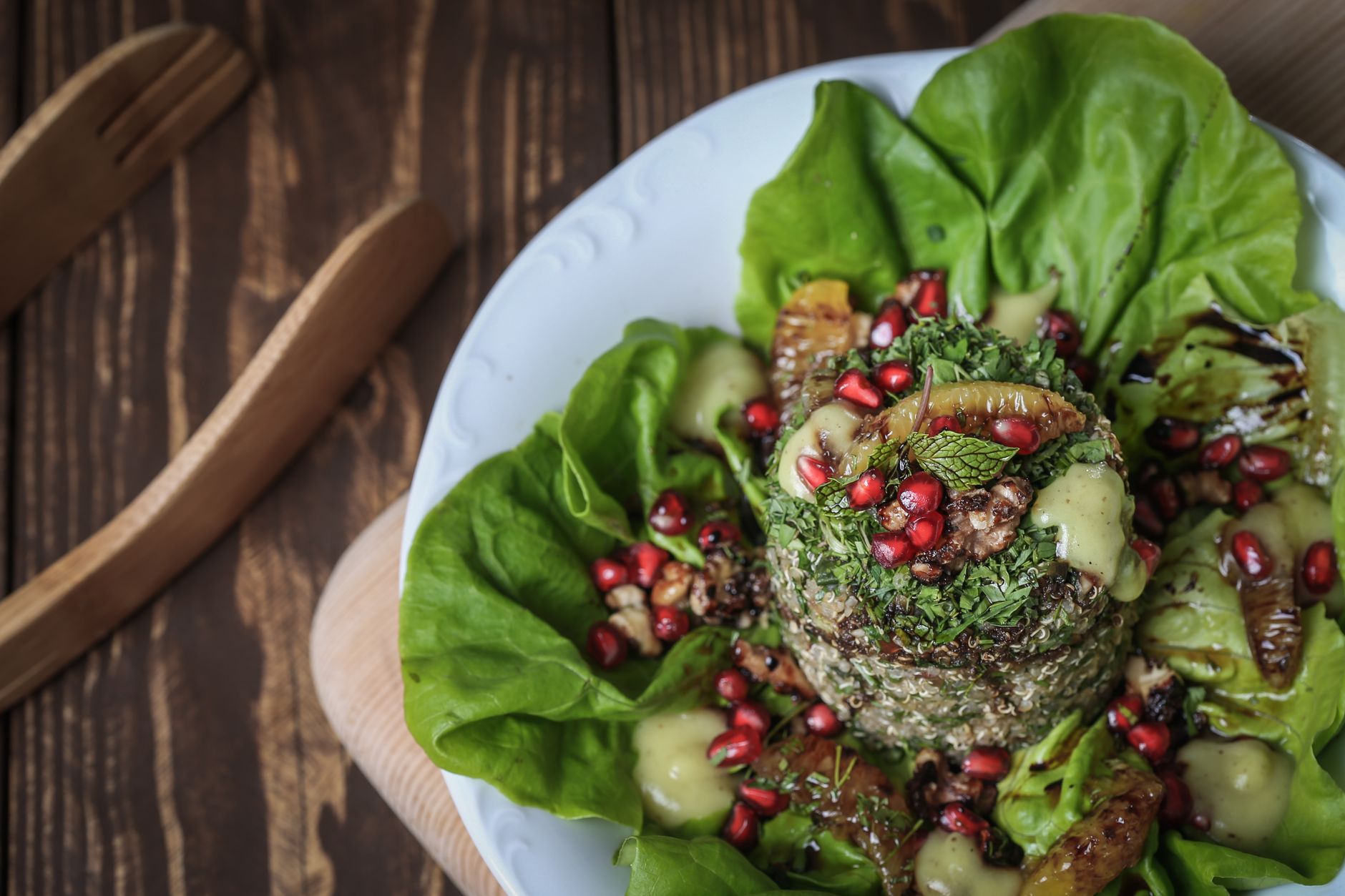
--- ## **What Are the Best Nutritarian Foods for Pregnant Women to Boost Baby’s Brain Development?**Imagine this: You’re sitting at your kitchen table, staring at a plate of food that looks like a rainbow exploded across your dinner plate. That’s the Nutritarian diet in a nutshell—colorful, vibrant, and packed with nutrients that support fetal brain development. But what *exactly* should you be eating?
According to Dr. Joel Fuhrman, the Nutritarian diet emphasizes foods that are high in phytonutrients, fiber, and essential vitamins and minerals—all critical for your baby’s cognitive development. Here’s what research and experts say makes the cut:
### **The Top Nutrient-Dense Foods for Pregnancy** - **Leafy greens**: Spinach, kale, and Swiss chard are loaded with folate, iron, and vitamins A and C. These nutrients support neural tube development and help prevent birth defects. - **Cruciferous vegetables**: Broccoli, cauliflower, Brussels sprouts, and bok choy contain sulforaphane, a compound linked to reduced risk of neural tube defects. - **Berries**: Blueberries, strawberries, and raspberries are rich in antioxidants like flavonoids, which may improve cognitive function in children. - **Fatty fish**: Salmon, sardines, and mackerel provide omega-3 fatty acids (DHA and EPA), which are vital for your baby’s brain and eye development. Aim for wild-caught, sustainably sourced fish to avoid mercury concerns. - **Nuts and seeds**: Almonds, chia seeds, flaxseeds, and walnuts are packed with healthy fats, magnesium, and vitamin E, all of which support brain health. - **Legumes**: Lentils, chickpeas, and black beans are excellent sources of plant-based protein, fiber, and folate. They also help stabilize blood sugar, which is crucial during pregnancy. - **Whole grains**: Quinoa, brown rice, and farro provide B vitamins and fiber, which support energy levels and digestive health. - **Colorful vegetables**: Carrots, sweet potatoes, and bell peppers are rich in beta-carotene, which converts to vitamin A—a nutrient essential for fetal growth and immune function.**Pro tip**: Pair your meals with healthy fats like olive oil, avocado, or nuts to enhance nutrient absorption. For example, tossing spinach with avocado creates a meal that’s not only delicious but also maximizes the absorption of fat-soluble vitamins like A and D.
**Representative story**: "I was terrified I’d have to give up my love of pasta, but I discovered whole-grain pasta with a side of sautéed spinach and cherry tomatoes. It’s satisfying, filling, and my provider actually praised my nutrient choices at my last appointment!" —Amanda, 28 weeks pregnant
--- ## **How to Transition to a Nutritarian Diet Safely During Early Pregnancy Without Feeling Deprived**Let’s be honest: the first trimester is a rollercoaster. Morning sickness, fatigue, and cravings can make even the healthiest of eaters question their food choices. So how do you start a Nutritarian diet without feeling like you’re in a deprivation zone?
The key is to focus on *substitutions* rather than restrictions. Here’s how to ease into it:
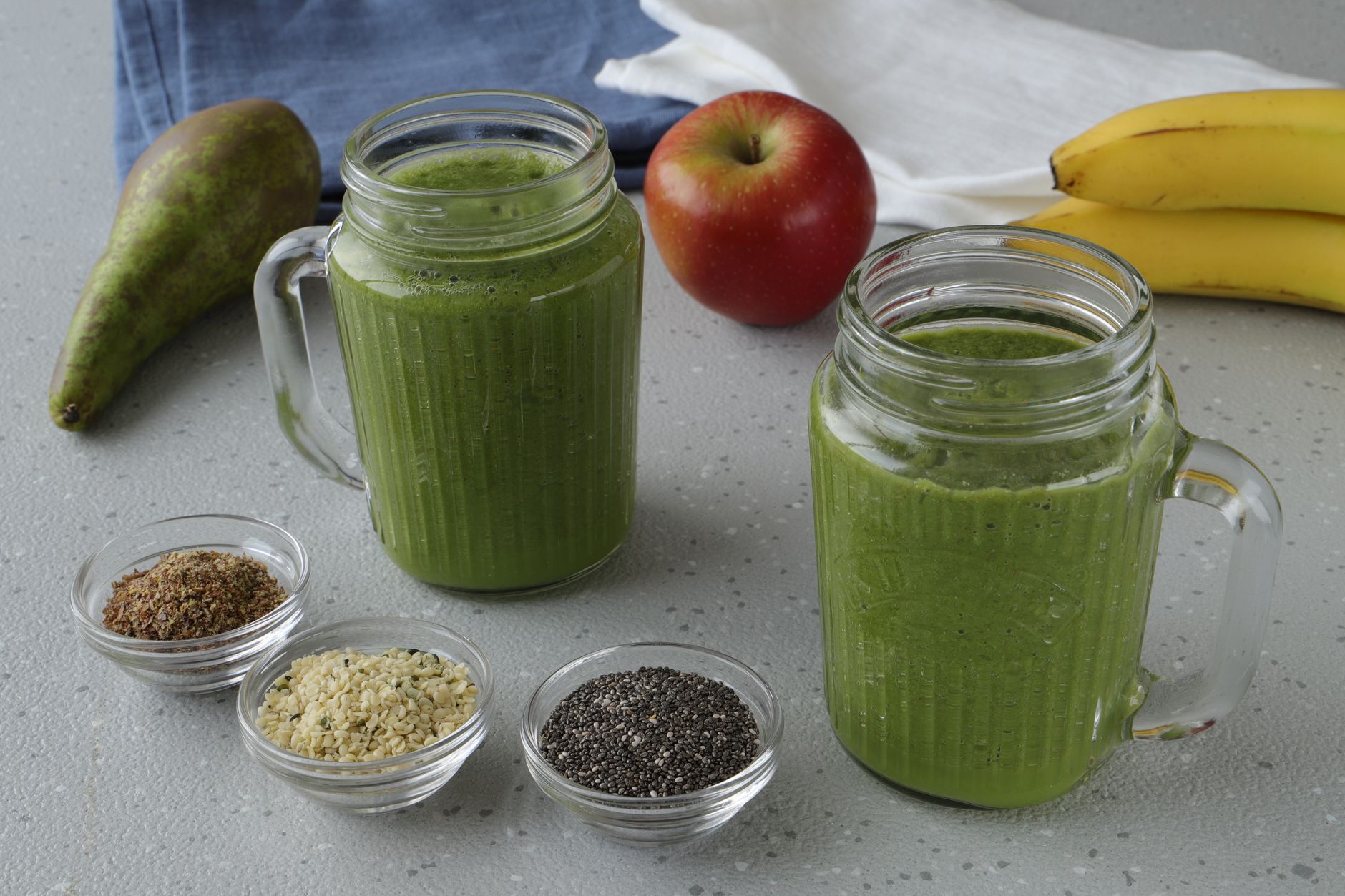
### **Step 1: Start with One Meal a Day** Pick your favorite meal—breakfast, lunch, or dinner—and make it Nutritarian-friendly. For example: - Swap white toast for whole-grain toast with almond butter and banana slices. - Replace a standard salad with a kale and quinoa salad topped with chickpeas and avocado. - Trade in your usual pasta for whole-grain pasta with a tomato-based sauce and plenty of veggies. ### **Step 2: Listen to Your Cravings (But Upgrade Them)** Cravings aren’t always about sugar or processed foods—they’re your body’s way of telling you it needs certain nutrients. Instead of reaching for a chocolate bar, try: - Dark chocolate (at least 70% cocoa) for magnesium and antioxidants. - Frozen grapes for a sweet, hydrating snack. - A smoothie with spinach, banana, almond milk, and flaxseeds for a creamy, nutrient-packed treat. ### **Step 3: Meal Prep for the Week** Preparing meals in advance takes the guesswork out of eating well. Batch-cook grains like quinoa and brown rice, roast a big tray of vegetables, and portion out snacks like nuts and seeds. This way, you’re less likely to reach for convenience foods when you’re exhausted. ### **Step 4: Hydrate Smartly** Herbal teas like ginger or peppermint can help with nausea, while coconut water provides electrolytes without added sugar. Avoid sugary drinks, which can spike your blood sugar and leave you feeling sluggish.**Representative story**: "I thought I’d have to give up my morning coffee, but I discovered that adding a splash of almond milk and a spoonful of nut butter made it feel like a treat. Plus, the extra protein helped me stay full until lunch!" —Priya, 12 weeks pregnant
--- ## **Nutritarian Diet Meal Plan for Beginners: Sample 7-Day Meals for Pregnancy and Postpartum Recovery**You’re busy. We get it. That’s why we’ve created a simple, nutrient-packed 7-day meal plan to help you fuel your body during pregnancy and beyond. Each meal is designed to be easy to prepare, delicious, and packed with the nutrients you and your baby need.
### **Day 1** - **Breakfast**: Spinach and feta omelet with whole-grain toast and a side of sliced cucumber. - **Lunch**: Quinoa salad with chickpeas, cherry tomatoes, cucumber, red onion, and olive oil. - **Dinner**: Baked salmon with roasted Brussels sprouts and sweet potato mash. - **Snack**: Handful of almonds and a small apple. ### **Day 2** - **Breakfast**: Smoothie with spinach, banana, almond milk, chia seeds, and flaxseeds. - **Lunch**: Lentil soup with a side of whole-grain bread and mixed greens. - **Dinner**: Turkey and vegetable stir-fry with brown rice. - **Snack**: Carrot sticks with hummus. ### **Day 3** - **Breakfast**: Oatmeal topped with blueberries, walnuts, and a drizzle of honey. - **Lunch**: Kale and white bean salad with lemon vinaigrette. - **Dinner**: Grilled chicken with roasted asparagus and quinoa. - **Snack**: Greek yogurt (if tolerated) with a sprinkle of pumpkin seeds. ### **Day 4** - **Breakfast**: Avocado toast on whole-grain bread with cherry tomatoes and a poached egg. - **Lunch**: Chickpea and vegetable curry with brown rice. - **Dinner**: Baked cod with a side of steamed broccoli and mashed cauliflower. - **Snack**: Sliced bell peppers with guacamole. ### **Day 5** - **Breakfast**: Chia pudding with almond milk, topped with berries and walnuts. - **Lunch**: Spinach and feta stuffed whole-grain pita with a side of roasted carrots. - **Dinner**: Lean beef stir-fry with mixed vegetables and brown rice. - **Snack**: A small handful of mixed nuts. ### **Day 6** - **Breakfast**: Whole-grain toast with almond butter and sliced banana. - **Lunch**: Quinoa and black bean bowl with avocado, corn, and lime dressing. - **Dinner**: Baked chicken with roasted zucchini and sweet potato. - **Snack**: Sliced apple with peanut butter. ### **Day 7** - **Breakfast**: Smoothie bowl with frozen berries, spinach, almond milk, and a sprinkle of granola. - **Lunch**: Lentil and vegetable soup with a side of whole-grain crackers. - **Dinner**: Grilled salmon with a side of roasted asparagus and quinoa. - **Snack**: Dark chocolate-covered almonds.**Pro tip**: Use leftovers creatively! For example, extra quinoa from dinner can be repurposed into a salad the next day. And don’t forget to freeze portions of soups or stews for those days when cooking feels like too much.
--- ## **Can a Nutritarian Diet Help Reduce Gestational Diabetes Risk? Expert-Backed Food Swaps Explained**Gestational diabetes affects about 7-10% of pregnancies in the U.S., and diet plays a huge role in managing blood sugar levels. The Nutritarian diet, with its focus on low-glycemic, nutrient-dense foods, can be a game-changer. Here’s how:
### **Food Swaps to Lower Blood Sugar Risk** | **Avoid** | **Swap For** | **Why It Works** | |-------------------------|---------------------------------------|----------------------------------------------------------------------------------| | White bread | Whole-grain bread | Whole grains have a lower glycemic index and provide more fiber, slowing sugar absorption. | | Sugary cereals | Oatmeal or chia pudding | Oats and chia seeds are high in fiber and help stabilize blood sugar. | | Processed snacks | Nuts and seeds | Healthy fats and fiber keep you full and prevent blood sugar spikes. | | Sweetened yogurts | Plain Greek yogurt with berries | Berries add fiber and antioxidants without spiking blood sugar. | | White rice | Quinoa or brown rice | Quinoa has a lower glycemic index and provides complete protein. | | Fruit juices | Whole fruits | Whole fruits contain fiber, which slows sugar absorption. | | Refined sugars | Stevia or monk fruit sweetener | These natural sweeteners don’t spike blood sugar like refined sugar. | ### **Additional Tips for Managing Blood Sugar** - **Pair carbs with protein and healthy fats**: For example, eat an apple with a handful of almonds or a slice of whole-grain toast with avocado. - **Eat regularly**: Skip large meals and opt for smaller, frequent meals to keep blood sugar stable. - **Stay hydrated**: Sometimes thirst is mistaken for hunger, and drinking water can help manage cravings.**Representative story**: "I was diagnosed with gestational diabetes at 24 weeks, and my provider recommended the Nutritarian approach. Swapping white rice for quinoa and adding more veggies to my meals made a huge difference in my blood sugar levels. I even felt more energized!" —Sophia, 32 weeks pregnant
--- ## **What Are the Top 10 Most Nutrient-Dense Foods for Lactating Mothers Following a Nutritarian Approach?**Breastfeeding is one of the most nutrient-demanding phases of a woman’s life. Your body needs extra calories, protein, and key vitamins and minerals to produce milk and recover from childbirth. Here are the top 10 nutrient-dense foods to prioritize:
### **The Top 10 Foods for Lactating Moms** 1. **Leafy greens**: Spinach, kale, and Swiss chard are rich in calcium, iron, and vitamins A and C, which support milk production and your own recovery. 2. **Oats**: A classic galactagogue (milk-boosting food), oats are high in fiber and B vitamins, which help with energy and milk supply. 3. **Almonds**: Packed with vitamin E, healthy fats, and calcium, almonds support hormone balance and milk production. 4. **Salmon**: Rich in omega-3s, salmon supports brain health for both you and your baby. 5. **Chia seeds**: High in omega-3s and fiber, chia seeds help with hydration and energy levels. 6. **Sweet potatoes**: Loaded with beta-carotene, which converts to vitamin A—a nutrient essential for immune function and vision. 7. **Lentils**: A great source of plant-based protein and iron, lentils help with energy and recovery. 8. **Blueberries**: Rich in antioxidants, blueberries support immune function and reduce inflammation. 9. **Eggs**: Eggs provide high-quality protein, choline (important for brain development), and vitamin D. 10. **Turmeric**: Known for its anti-inflammatory properties, turmeric can help with postpartum recovery and milk supply.**Pro tip**: Pair these foods with healthy fats like olive oil or avocado to enhance nutrient absorption. For example, a salad with spinach, avocado, and almonds is a powerhouse for lactating moms.
--- ## **How Does a Nutritarian Diet Compare to the Mediterranean Diet for Maternal Health? Pros and Cons**Both the Nutritarian and Mediterranean diets are nutrient-dense and focus on whole foods, but they have some key differences—especially when it comes to maternal health. Here’s a comparison:
### **Nutritarian Diet vs. Mediterranean Diet for Pregnancy and Postpartum** | **Factor** | **Nutritarian Diet** | **Mediterranean Diet** | |--------------------------|------------------------------------------------------------------------------------|--------------------------------------------------------------------------------------| | **Focus** | Maximizing nutrient density and minimizing calories from processed foods. | Emphasizing whole foods, healthy fats, and moderate alcohol consumption. | | **Protein Sources** | Primarily plant-based (legumes, nuts, seeds) with lean animal proteins as needed. | Includes fish, poultry, dairy, and lean meats, with plant-based proteins as well. | | **Healthy Fats** | Focuses on monounsaturated fats (avocado, olive oil) and omega-3s (flaxseeds, walnuts). | Emphasizes olive oil, nuts, seeds, and fatty fish (salmon, sardines). | | **Carbohydrates** | Low-glycemic, high-fiber carbs (quinoa, brown rice, vegetables). | Includes whole grains, fruits, and vegetables, with a balance of complex carbs. | | **Pros for Pregnancy** | - Extremely high in phytonutrients and antioxidants. | - Rich in omega-3s and monounsaturated fats, which support brain development. | | | - Helps manage gestational diabetes risk due to low-glycemic focus. | - Easier to sustain long-term due to flexibility with animal proteins. | | **Cons for Pregnancy** | - May be challenging to sustain if you’re not used to plant-based eating. | - Higher in saturated fats from dairy and meat, which some prefer to limit. | | | - Requires careful planning to ensure adequate protein intake. | - Less structured, which can make it harder to track nutrient density. | | **Best For** | Women who want to maximize nutrient intake and minimize processed foods. | Women who enjoy a balanced diet with flexibility and a focus on healthy fats. |**Representative story**: "I tried both diets during my pregnancy, and while I loved the Mediterranean approach, I found the Nutritarian diet gave me more energy and helped me manage my blood sugar better. It was a little harder to stick with at first, but it felt so rewarding!" —Lena, postpartum mom
--- ## **What Supplements Are Essential When Following a Nutritarian Diet During Pregnancy? (Vitamin K2, Omega-3s, etc.)**Even with the most nutrient-dense diet, some supplements are worth considering during pregnancy. Here’s what experts recommend:
### **Key Supplements for Pregnancy on a Nutritarian Diet** 1. **Prenatal Vitamin**: Always take a high-quality prenatal vitamin with folic acid, iron, and other essential vitamins and minerals. This ensures you’re covered for any gaps in your diet. 2. **Omega-3s (DHA/EPA)**: While fatty fish is a great source of omega-3s, a supplement can help ensure you’re getting enough DHA for your baby’s brain development. Look for a supplement with at least 200–300 mg of DHA per day. 3. **Vitamin D**: Many women are deficient in vitamin D, which is crucial for bone health and immune function. A supplement of 600–2000 IU per day (as recommended by your provider) is typically safe. 4. **Vitamin K2**: Found in fermented foods like natto, vitamin K2 helps with calcium metabolism and bone health. If you’re not eating natto regularly, a supplement may be beneficial. 5. **Magnesium**: Magnesium supports muscle and nerve function, and it can help with pregnancy-related cramps and insomnia. Foods like pumpkin seeds and almonds are good sources, but a supplement can help if you’re not getting enough. 6. **Probiotics**: A healthy gut microbiome is essential for both maternal and fetal health. Look for a supplement with multiple strains of lactobacillus and bifidobacterium.**Pro tip**: Always consult your provider before starting any new supplement. They can help you determine the right dosage and ensure there are no interactions with other medications or health conditions.
--- ## **How to Shop for and Prepare Nutritarian Foods on a Budget: Affordable Grocery Lists and Tips**Budget-friendly eating doesn’t have to mean sacrificing nutrients. With a little planning, you can stock your pantry with Nutritarian staples without breaking the bank. Here’s how:
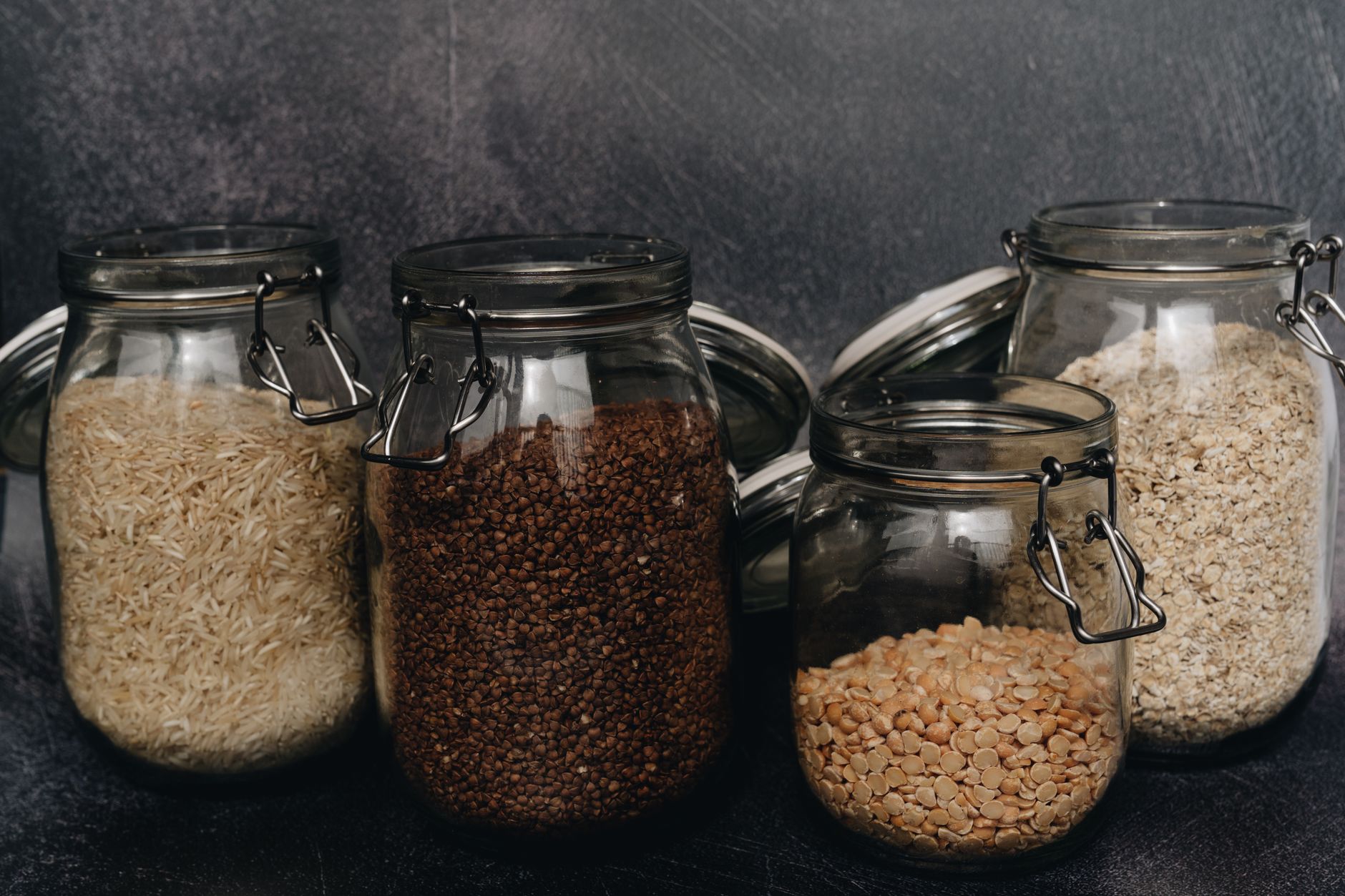
### **Budget Grocery List for Nutritarian Eating** #### **Pantry Staples** - **Grains**: Brown rice, quinoa, oats, whole-grain pasta. - **Legumes**: Lentils, chickpeas, black beans (canned or dried). - **Nuts and Seeds**: Almonds, chia seeds, flaxseeds, sunflower seeds. - **Healthy Fats**: Olive oil, coconut oil, avocados. - **Spices**: Turmeric, cinnamon, garlic powder, cumin. #### **Fresh Produce** - **Leafy Greens**: Spinach, kale, collard greens. - **Cruciferous Vegetables**: Broccoli, cauliflower, Brussels sprouts. - **Root Vegetables**: Carrots, sweet potatoes, beets. - **Berries**: Frozen blueberries or strawberries (often cheaper than fresh). - **Citrus Fruits**: Oranges, lemons, limes (for dressings and flavor). #### **Protein** - **Plant-Based**: Eggs, tofu, tempeh, canned tuna (if you eat fish). - **Animal-Based**: Chicken thighs (cheaper than breasts), ground turkey, salmon (buy frozen if fresh is too expensive). ### **Tips for Saving Money** - **Buy in Bulk**: Grains, nuts, and seeds are often cheaper when purchased in bulk. - **Choose Frozen Vegetables**: Frozen veggies are just as nutritious as fresh and often more affordable. - **Opt for Store Brands**: Generic brands of grains, legumes, and canned goods are usually just as good as name brands. - **Meal Prep**: Cook large batches of grains and legumes to use in multiple meals throughout the week. - **Use Leftovers Creatively**: Turn roasted vegetables into salads or soups, and repurpose proteins into new meals.**Representative story**: "I was worried about the cost of eating this way, but buying dried beans, frozen veggies, and bulk grains made it so much more affordable. I even started cooking big batches of soups and freezing them for busy days!" —Maria, postpartum mom
--- ## **Myth vs. Fact: Nutritarian Diet During Pregnancy** ### **Myth: The Nutritarian diet is too restrictive for pregnancy.** **Fact**: While the Nutritarian diet focuses on nutrient density, it’s not restrictive if you plan meals thoughtfully. The key is to prioritize whole foods and make smart swaps—like choosing whole-grain bread over white bread or nuts over chips. Many women find it easier to sustain than other diets because it doesn’t require calorie counting or extreme restrictions. ### **Myth: You’ll have to give up all your favorite foods.** **Fact**: You don’t have to eliminate foods you love—just upgrade them. For example, instead of a candy bar, try dark chocolate. Instead of white rice, try quinoa. Small changes make a big difference without feeling like deprivation. ### **Myth: The Nutritarian diet is only for vegans or vegetarians.** **Fact**: The Nutritarian diet is plant-focused but doesn’t require you to avoid animal products. Lean proteins like chicken, turkey, and fish are welcome as long as they’re part of a balanced, nutrient-dense meal plan. --- ## **Key Takeaways: Nutritarian Diet for Pregnancy and Postpartum** - **Focus on nutrient density**: Prioritize colorful vegetables, lean proteins, and healthy fats to maximize nutrients for you and your baby. - **Start with small swaps**: Gradually transition to the Nutritarian diet by making one or two changes at a time. - **Meal prep for convenience**: Cooking in bulk saves time and ensures you’re eating well, even on busy days. - **Supplements can help**: While food should be your primary source of nutrients, supplements like prenatal vitamins, omega-3s, and vitamin D can fill any gaps. - **Listen to your body**: Cravings aren’t always about sugar—they’re your body’s way of telling you it needs certain nutrients. Upgrade your cravings with healthier alternatives. - **Consult your provider**: Always check with your healthcare team before making major dietary changes, especially during pregnancy. --- ## **Frequently Asked Questions** ### **Is a Nutritarian diet safe during pregnancy?** Yes, the Nutritarian diet is considered safe during pregnancy when followed correctly. Its focus on whole, nutrient-dense foods supports fetal development and maternal health. However, it’s important to ensure you’re getting enough calories and protein, as your body’s needs increase during pregnancy. Always consult your provider to tailor the diet to your specific needs. ### **What are the most nutrient-dense foods for a pregnant woman following a Nutritarian diet?** The most nutrient-dense foods include leafy greens (spinach, kale), cruciferous vegetables (broccoli, Brussels sprouts), berries, fatty fish (salmon, sardines), nuts and seeds (almonds, chia seeds), legumes (lentils, chickpeas), and whole grains (quinoa, brown rice). These foods provide essential vitamins, minerals, and antioxidants to support both you and your baby. ### **How can I start a Nutritarian diet if I’m pregnant and don’t know where to begin?** Start by focusing on one meal a day and making simple swaps, like choosing whole-grain bread over white bread or swapping white rice for quinoa. Gradually introduce more nutrient-dense foods into your meals. Meal prepping and planning can also help you stay on track. If you’re unsure, work with a registered dietitian who specializes in pregnancy nutrition. ### **Are there any risks of following a Nutritarian diet while breastfeeding?** Generally, the Nutritarian diet is safe and beneficial for breastfeeding mothers due to its focus on nutrient-dense foods. However, it’s important to ensure you’re consuming enough calories and protein to support milk production. Some women may need to adjust their intake based on their energy levels and appetite. Always consult your provider to ensure you’re meeting your nutritional needs. ### **What’s the difference between a Nutritarian diet and a regular healthy diet for pregnancy?** A regular healthy diet for pregnancy typically includes a balance of fruits, vegetables, whole grains, lean proteins, and healthy fats, but it may not emphasize nutrient density as strongly as the Nutritarian diet. The Nutritarian diet focuses on maximizing nutrients per calorie, which can help ensure you’re getting the most out of every bite—especially important during pregnancy when nutrient needs are higher. ### **How do I ensure I’m getting enough protein on a Nutritarian diet during pregnancy?** Protein is essential during pregnancy, and the Nutritarian diet provides plenty of plant-based and animal-based protein sources. Include foods like lentils, chickpeas, tofu, tempeh, eggs, chicken, turkey, and fish in your meals. Aim for at least 75 grams of protein per day (more if you’re larger or have a higher activity level). If you’re unsure, a registered dietitian can help you create a balanced plan. ### **Can a Nutritarian diet help with pregnancy-related fatigue or energy levels?** Yes! The Nutritarian diet’s focus on whole, nutrient-dense foods can help stabilize blood sugar levels, which is key for maintaining energy throughout the day. Foods like oats, nuts, seeds, and lean proteins provide sustained energy without the crashes associated with processed foods. Staying hydrated and getting enough rest also play a crucial role in managing fatigue. ### **What are some quick and easy Nutritarian meals for busy pregnant women?** - **Smoothies**: Blend spinach, banana, almond milk, chia seeds, and flaxseeds for a quick breakfast or snack. - **Quinoa bowls**: Mix cooked quinoa with chickpeas, cherry tomatoes, cucumber, and olive oil for a no-cook lunch. - **Avocado toast**: Whole-grain toast topped with mashed avocado, cherry tomatoes, and a sprinkle of sea salt. - **Lentil soup**: A hearty, nutrient-packed meal that’s easy to make in large batches and freeze. - **Nut butter wraps**: Whole-grain tortillas with almond butter, banana slices, and a drizzle of honey. --- ## **When to See a Doctor or Specialist** While the Nutritarian diet is generally safe and beneficial during pregnancy, there are times when you should consult your healthcare provider: - If you experience persistent nausea, vomiting, or weight loss that interferes with your ability to eat. - If you’re diagnosed with gestational diabetes or preeclampsia and need personalized dietary guidance. - If you have concerns about nutrient deficiencies or are struggling to gain weight. - If you’re unsure about supplement use or have specific health conditions (like thyroid disorders or food allergies). For most women, a Nutritarian diet is a fantastic way to nourish yourself and your baby, but it’s always best to work closely with your provider to ensure it’s the right fit for your unique needs. --- ## **References** 1. Fuhrman, J. (2023). *Eat to Live: The Original Life-Extending Diet*. HarperOne. 2. American College of Obstetricians and Gynecologists (ACOG). (2022). *Nutrition During Pregnancy*. 3. Harvard T.H. Chan School of Public Health. (2023). *Nutrition During Pregnancy*. 4. Mayo Clinic. (2023). *Gestational Diabetes: Diet and Nutrition*. 5. National Institutes of Health (NIH). (2023). *Dietary Guidelines for Americans*. 6. The Menopause Society (NAMS). (2023). *Nutrition for Pregnant and Breastfeeding Women*. 7. Academy of Nutrition and Dietetics. (2023). *Prenatal Nutrition: What to Eat During Pregnancy*. 8. Cleveland Clinic. (2023). *Nutrition During Pregnancy: Foods to Eat and Avoid*. 9. World Health Organization (WHO). (2023). *Diet, Nutrition and the Prevention of Chronic Diseases*. 10. American Diabetes Association (ADA). (2023). *Gestational Diabetes: Diet and Lifestyle*. ---