st, let’s clarify: the Nordic diet isn’t a rigid plan with calorie counts or food bans. It’s a flexible, evidence-backed way of eating inspired by the traditional diets of Denmark, Finland, Norway, Sweden, and Iceland. The key principles are:
- Prioritize whole, unprocessed foods — think vegetables, fruits, whole grains, legumes, nuts, and seeds.
- Choose fatty fish at least twice a week — salmon, herring, mackerel, and trout are staples.
- Incorporate fermented foods daily — yogurt, kefir, sauerkraut, and kimchi support gut health.
- Limit red and processed meats — opt for poultry, eggs, or plant-based proteins instead.
- Use healthy fats — canola oil, rapeseed oil, nuts, and seeds over butter or margarine.
- Enjoy berries regularly — they’re packed with antioxidants and fiber.
Unlike the keto diet for weight loss, which cuts carbs entirely, the Nordic diet embraces complex carbs from whole grains and vegetables—keeping blood sugar stable and cravings at bay. And unlike the AIP Elimination Diet, it doesn’t require eliminating entire food groups, making it far more sustainable.
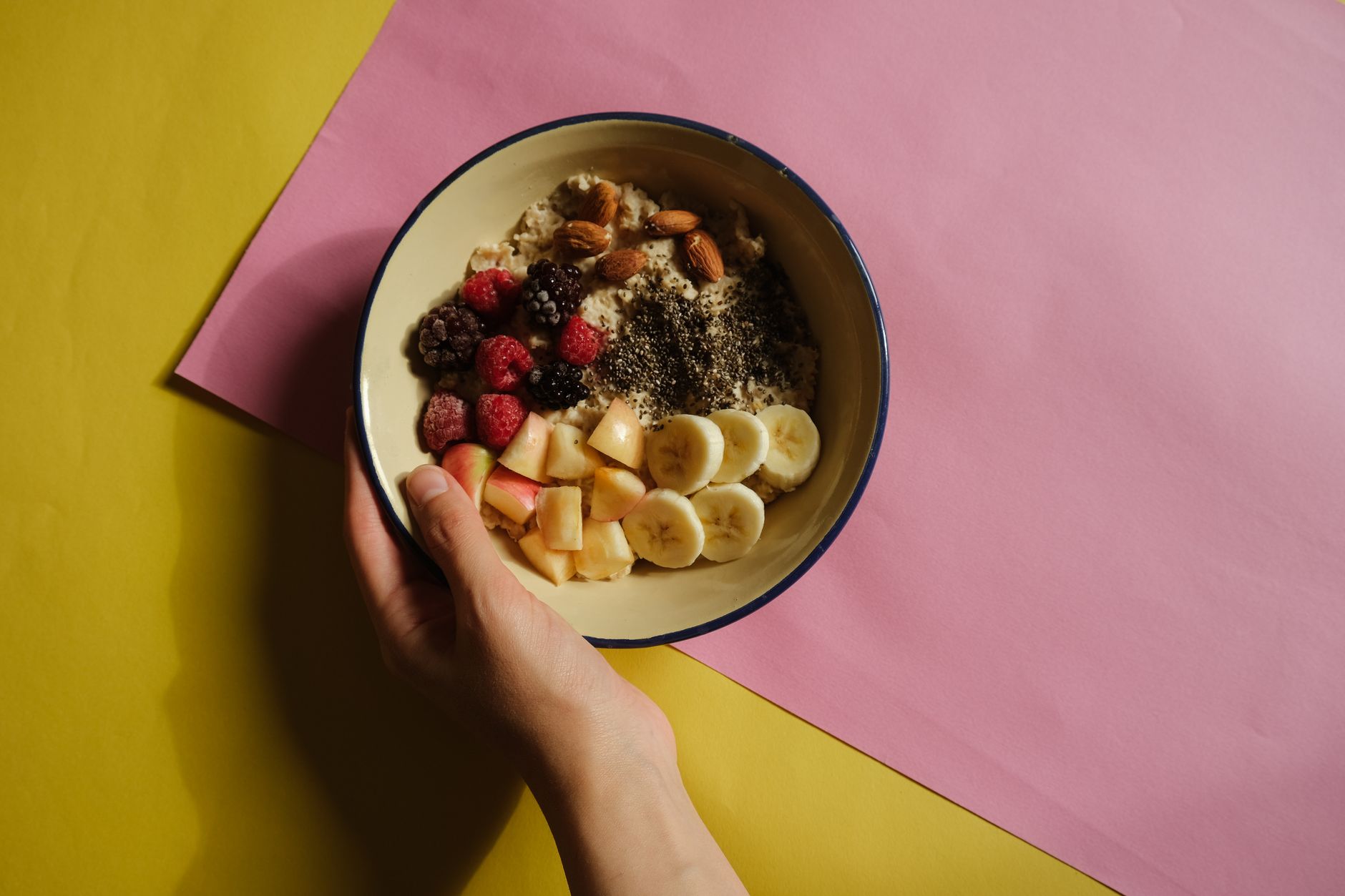
**Real-world example:** One reader, Sarah (34), had tried keto twice and always craved sweets by week three. When she switched to the Nordic diet, she lost 12 lbs in two months without feeling deprived. “I ate oatmeal with berries for breakfast, smoked salmon with whole-grain rye for lunch, and a big bowl of lentil soup with fermented cabbage at dinner,” she says. “I never felt hungry, and my energy never crashed.”
**Pro tip:** Start slow. Swap one meal a day for a Nordic-friendly option, then gradually build from there. This way, your body adjusts without feeling overwhelmed.
---
Nordic Diet Meal Plan for Weight Loss: 7-Day Sample Plan
Ready to dive in? Here’s a simple, balanced 7-day meal plan designed for weight loss. Each day includes approximately 1,500–1,800 calories, but adjust portions based on your activity level and goals. The focus is on volume eating—filling up on fiber and protein to stay full longer.
Note: If you’re pregnant or breastfeeding, consult your provider before making major dietary changes. For pregnancy-specific adaptations, see the section on Nordic diet benefits for pregnancy weight loss.
---
Nordic Diet Grocery List for Weight Loss: What to Buy (And What to Skip)
Stocking your kitchen for the Nordic diet is simpler than you think. Focus on fresh, seasonal produce, whole grains, and healthy fats. Here’s a beginner-friendly grocery list to get you started:
Proteins
- Fatty fish: salmon, herring, mackerel, trout (fresh or frozen)
- Lean poultry: chicken, turkey (skinless preferred)
- Eggs
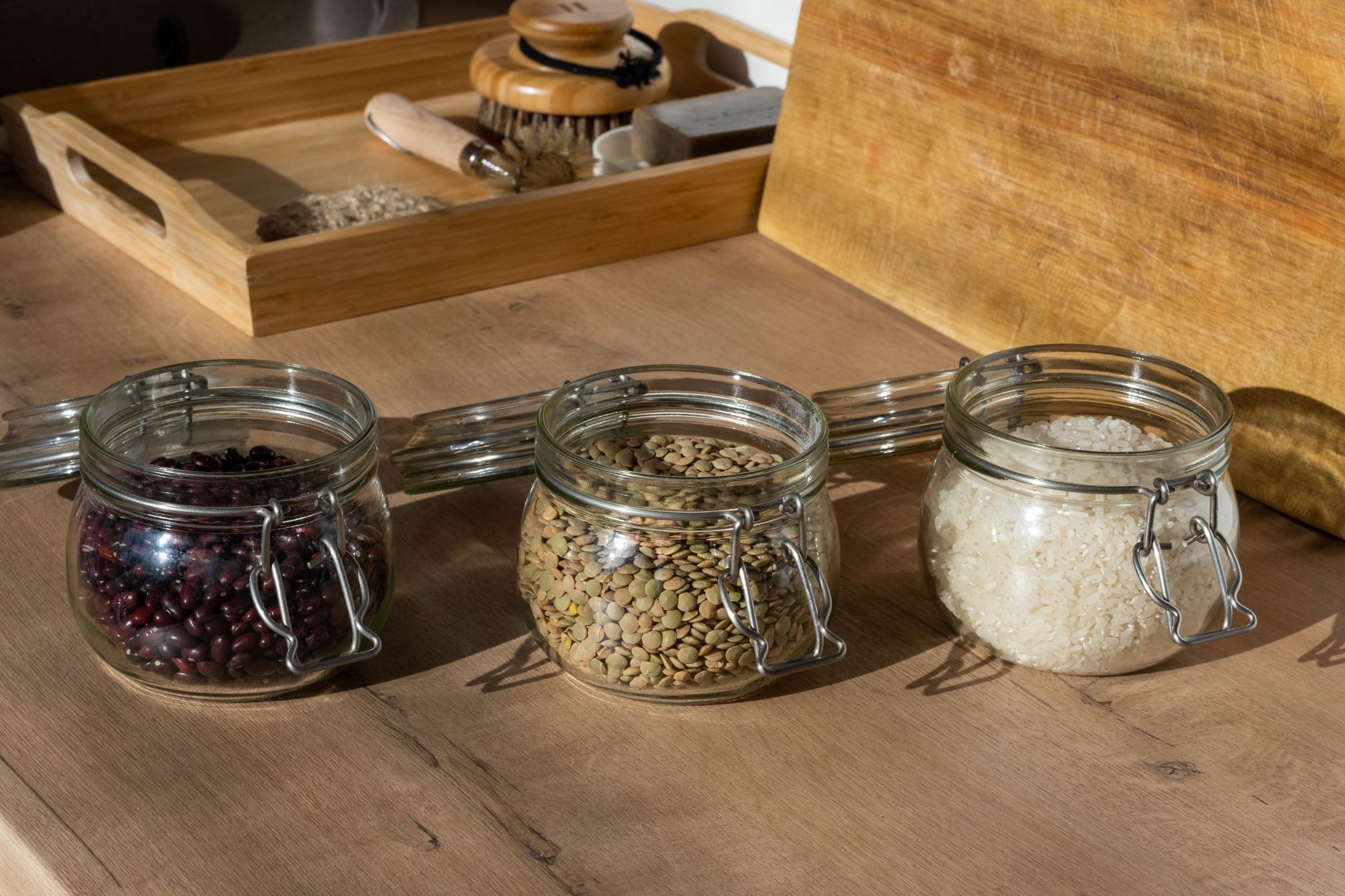
- Legumes: lentils, chickpeas, black beans
- Tofu or tempeh (for plant-based options)
Whole Grains
- Whole-grain rye bread or crackers
- Oats (rolled or steel-cut)
- Quinoa
- Brown rice or wild rice
- Buckwheat
- Farro
Vegetables
- Leafy greens: spinach, kale, arugula
- Cruciferous veggies: Brussels sprouts, broccoli, cauliflower
- Root vegetables: carrots, beets, sweet potatoes
- Cucumbers, zucchini, bell peppers
- Onions and garlic
Fruits
- Berries: blueberries, raspberries, blackberries, strawberries
- Apples, pears, bananas
- Citrus fruits: oranges, lemons, limes
Healthy Fats
- Nuts: almonds, walnuts, hazelnuts
- Seeds: chia, flax, pumpkin, sunflower
- Avocados
- Canola or rapeseed oil
- Olive oil (for cooking at lower temps)
Fermented Foods
- Greek yogurt or kefir
- Sauerkraut or kimchi
- Miso paste
- Kombucha (low-sugar)
Pantry Staples
- Herbs: dill, parsley, cilantro, basil
- Spices: turmeric, cumin, cinnamon, black pepper
- Lemon juice
- Apple cider vinegar
- Nut butters: almond, peanut
What to skip: Processed meats (sausages, bacon), sugary cereals, white bread, refined grains, fried foods, and sweetened yogurts. If you’re craving something sweet, opt for naturally sweetened options like berries or a small piece of dark chocolate (70% or higher).
---
Nordic Diet vs. Keto for Weight Loss: Which Is Right for You?
If you’ve ever compared the Nordic diet to keto for weight loss, you know they’re worlds apart. Here’s a quick comparison to help you decide:
**Who might choose the Nordic diet over keto?** If you struggle with restrictive diets, have digestive issues, or want a plan that’s easy to stick with long-term, the Nordic diet is likely your better bet. It’s also a great choice if you’re pregnant or breastfeeding, as it provides a balanced mix of nutrients without extreme restrictions.
**Who might choose keto?** If you’re looking for quick results or managing a specific health condition (like epilepsy or type 2 diabetes), keto might be worth exploring—but only under medical supervision.
**Real-world takeaway:** The Nordic diet is often easier to maintain because it doesn’t require tracking macros or eliminating entire food groups. Many women find it more enjoyable and sustainable, which is key to long-term success.
---
Nordic Diet Benefits for Pregnancy Weight Loss: Is It Safe?
Pregnancy weight loss isn’t something most doctors recommend during the actual pregnancy—weight gain is essential for your baby’s development. However, the Nordic diet can be a healthy, nutrient-dense way to prepare for postpartum weight loss and support overall well-being during pregnancy.
Here’s how to adapt the Nordic diet for pregnancy:
- Prioritize folate-rich foods — Lentils, chickpeas, spinach, and whole grains are excellent sources of folate, which is critical for fetal development.
- Increase omega-3s — Fatty fish like salmon and mackerel support brain development. Aim for 2–3 servings per week.
- Choose iron-rich foods — Lean beef, lentils, and fortified whole grains help prevent anemia.
- Stay hydrated — Herbal teas (like chamomile or ginger) and water are key. Avoid excessive caffeine.
- Avoid raw fish and undercooked meats — Safety first! Opt for well-cooked proteins.
- Listen to your body — Pregnancy cravings and aversions are normal. If you’re craving something sweet, enjoy a small portion of dark chocolate or berries.
**Postpartum weight loss with the Nordic diet:** After giving birth, the Nordic diet can help you gradually return to your pre-pregnancy weight by focusing on whole foods, lean proteins, and fiber. Many new moms find it easier to stick with than restrictive diets because it doesn’t require tracking calories or macros.
**What to avoid during pregnancy:** Skip alcohol, excessive caffeine, and processed foods. Also, limit mercury-rich fish like shark, swordfish, and king mackerel.
**When to talk to your provider:** If you’re losing weight unintentionally or struggling with nausea/vomiting, consult your OB/GYN. The Nordic diet is generally safe, but individual needs vary.
---
Nordic Diet Recipes for Weight Loss: Easy, Delicious Meals
Cooking can feel overwhelming when you’re trying a new diet, but the Nordic diet is all about simple, flavorful meals. Here are three easy recipes to get you started:
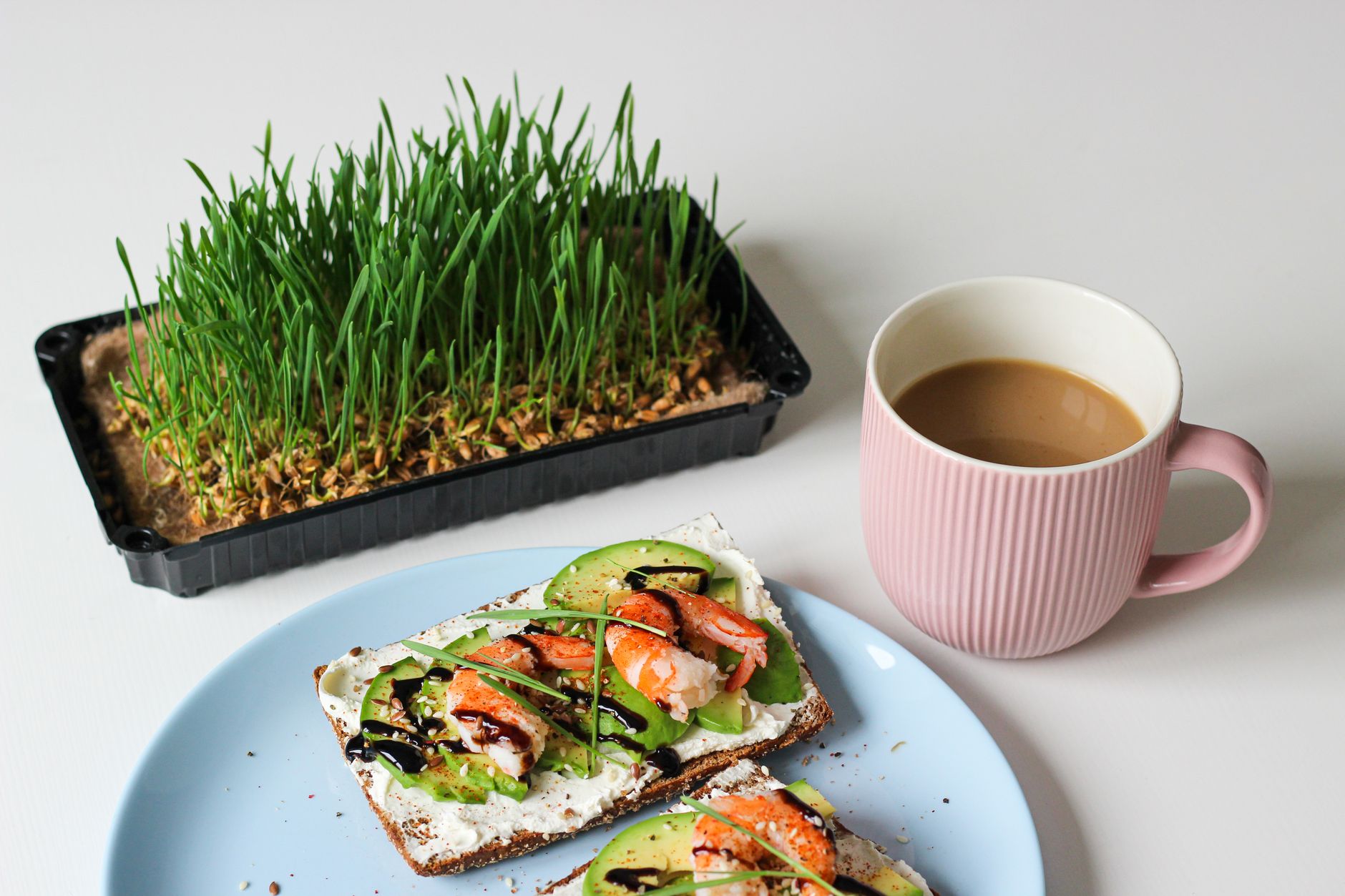
1. Smoked Salmon and Avocado Rye Toast
Ingredients:
- 1 slice whole-grain rye bread
- 2 oz smoked salmon
- ½ avocado, mashed
- 1 tbsp Greek yogurt (or sour cream)
- Handful of mixed greens
- Lemon juice, dill, salt, and pepper to taste
Instructions:
- Toast the rye bread until crispy.
- Spread mashed avocado on the toast.
- Top with smoked salmon, mixed greens, and a dollop of Greek yogurt.
- Drizzle with lemon juice, sprinkle with dill, salt, and pepper.
2. Lentil and Vegetable Soup
Ingredients:
- 1 cup dried lentils, rinsed
- 1 onion, diced
- 2 carrots, chopped
- 2 celery stalks, chopped
- 2 cloves garlic, minced
- 4 cups vegetable broth
- 1 can diced tomatoes
- 1 tsp cumin
- Salt and pepper to taste
- Fresh parsley for garnish
Instructions:
- In a pot, sauté onion, carrots, celery, and garlic in a little water until soft.
- Add lentils, broth, tomatoes, and cumin. Bring to a boil, then reduce heat and simmer for 25–30 minutes until lentils are tender.
- Season with salt and pepper. Garnish with fresh parsley before serving.
3. Baked Salmon with Roasted Brussels Sprouts
Ingredients:
- 2 salmon fillets
- 1 lb Brussels sprouts, halved
- 2 tbsp olive oil
- 1 tbsp lemon juice
- 1 tsp garlic powder
- Salt and pepper to taste
Instructions:
- Preheat oven to 400°F (200°C).
- Toss Brussels sprouts with olive oil, lemon juice, garlic powder, salt, and pepper. Spread on a baking sheet.
- Place salmon fillets on top of the Brussels sprouts.
- Bake for 15–20 minutes until salmon flakes easily.
- Serve with a side of quinoa or wild rice.
---
Nordic Diet Weight Loss Success Stories: Real Women, Real Results
Hearing from others who’ve succeeded can be incredibly motivating. Here are a few real stories from women who’ve tried the Nordic diet for weight loss:
- Emily, 30: “I was struggling with PCOS and weight loss for years. My doctor recommended the Nordic diet, and within three months, I lost 15 lbs without feeling deprived. The focus on whole grains and fatty fish helped regulate my hormones, and I never felt hungry.”
- Mark, 35: “As a guy, I was skeptical about ‘women’s diets,’ but the Nordic diet is simple and effective. I lost 20 lbs in six months by eating more fish, nuts, and berries. My energy levels improved, and I felt less bloated.”
- Priya, 28: “I switched to the Nordic diet after giving birth and wanted to lose my postpartum weight safely. I focused on fermented foods and lean proteins, and I lost 10 lbs in two months while breastfeeding. The best part? I didn’t feel like I was ‘dieting.’”
**Key takeaway:** The Nordic diet works because it’s sustainable. You’re not just losing weight—you’re building habits that support long-term health.
---
Nordic Diet Weight Loss Side Effects: What to Expect
Like any dietary change, the Nordic diet can come with adjustments—especially if you’re used to a high-processed-food diet. Here’s what to watch for:
Common Adjustments
- Increased fiber intake — You may experience bloating or gas as your gut adjusts. Drink plenty of water and introduce fiber gradually.
- More frequent urination — The diuretic effect of berries and vegetables is normal and temporary.
- Energy shifts — Some people feel more energized, while others experience mild fatigue at first as their body adapts.
When to Talk to Your Doctor
Seek medical advice if you experience:
- Severe digestive issues (diarrhea, constipation, or pain)
- Unexplained weight loss or gain
- Extreme fatigue or dizziness
- Signs of nutrient deficiencies (e.g., brittle nails, hair loss, or mouth sores)
**Note on supplements:** If you’re concerned about nutrient gaps (like vitamin D or omega-3s), a blood test can help. Otherwise, focus on whole foods first.
---
Nordic Diet Weight Loss Calories: How Many Should You Eat?
The Nordic diet isn’t a calorie-counting diet, but tracking your intake can help you understand portions and ensure you’re in a calorie deficit for weight loss. Here’s a general guideline:
- Women: Aim for 1,200–1,800 calories per day, depending on activity level. Most women lose weight safely at 1,500–1,700 calories.
- Men: Aim for 1,500–2,000 calories per day. Active men may need closer to 2,000–2,200.
- Pregnant or breastfeeding women: Calorie needs increase. Consult your provider for personalized guidance.
**Pro tip:** Use a food scale for the first few weeks to ensure you’re portioning correctly. Over time, you’ll develop a better sense of serving sizes.
**What to do if you’re not losing weight:**
- Increase activity (walking, strength training, or yoga)
- Reduce portion sizes of high-calorie foods (nuts, oils, avocados)
- Check for hidden calories in sauces or dressings
- Ensure you’re getting enough protein (aim for 20–30g per meal)
---
Nordic Diet Weight Loss for Beginners: Tips to Stay on Track
Starting a new diet can feel overwhelming, but these practical tips will help you succeed:
- Meal prep on Sundays — Cook grains, roast vegetables, and portion out snacks to avoid last-minute junk food choices.
- Keep healthy snacks handy — Nuts, berries, yogurt, and hard-boiled eggs are easy grab-and-go options.
- Drink plenty of water — Sometimes thirst is mistaken for hunger. Aim for 2–3 liters daily.
- Plan for social events — If you’re invited to a dinner, choose a healthy option (like a grilled fish dish) and balance it with a side salad.
- Track progress beyond the scale — Take photos, measure waist circumference, or note how your clothes fit. Weight loss isn’t linear!
- Be kind to yourself — Missed a meal? Had a treat? Just get back on track at the next meal. Sustainability matters more than perfection.
**Bonus:** If you’re struggling with motivation, try the DASH diet for weight loss for inspiration—it shares similar principles of whole foods and heart-healthy eating.
---
Myth vs. Fact: Nordic Diet Weight Loss
Let’s clear up some common misconceptions:
Myth: The Nordic diet is just a low-fat diet.
Fact: While it emphasizes healthy fats, the Nordic diet isn’t low-fat. It includes fats from fish, nuts, seeds, and avocados—all of which support heart health and satiety.
Myth: You can’t eat carbs on the Nordic diet.
Fact: Carbs are a cornerstone of the Nordic diet! Whole grains, legumes, and vegetables provide complex carbs that fuel your body without spiking blood sugar.
Myth: The Nordic diet is only for women.
Fact: Men can (and do!) follow the Nordic diet successfully. It’s a flexible, evidence-based approach for anyone looking to improve their health.
---
Key Takeaways: Nordic Diet for Weight Loss
- Focus on whole, unprocessed foods like fatty fish, whole grains, berries, and fermented foods.
- Prioritize protein and fiber to stay full and satisfied.
- Expect to lose 1–3 lbs per week with consistent effort.
- The Nordic diet is sustainable long-term—no food groups are banned.
- It’s gentle on digestion and supports gut health.
- Adapt the diet for pregnancy by increasing folate, omega-3s, and iron.
- Track progress beyond the scale—measurements, energy levels, and how clothes fit matter too.
---
Frequently Asked Questions
What is the Nordic diet?
The Nordic diet is a plant-forward, fish-rich eating pattern inspired by traditional diets in Scandinavia. It emphasizes whole grains, vegetables, berries, fatty fish, and fermented foods while limiting processed meats and refined sugars. The goal is to improve overall health, support weight loss, and promote long-term sustainability.
How does the Nordic diet help with weight loss?
The Nordic diet aids weight loss by focusing on nutrient-dense, high-fiber foods that keep you full longer. The combination of protein, healthy fats, and complex carbs stabilizes blood sugar, reduces cravings, and supports metabolism. Additionally, the diet’s emphasis on whole foods helps prevent overeating by promoting satiety.
Can the Nordic diet be followed during pregnancy?
Yes! The Nordic diet can be adapted for pregnancy by increasing folate-rich foods (like lentils and spinach), omega-3s (from fatty fish), and iron sources (lean beef, fortified grains). However, avoid raw fish and undercooked meats, and always consult your provider before making major dietary changes. The diet is a great way to prepare for postpartum weight loss while ensuring you’re nourished.
What foods are included in the Nordic diet?
The Nordic diet includes:
- Whole grains (rye, oats, quinoa, brown rice)
- Fatty fish (salmon, herring, mackerel, trout)
- Berries (blueberries, raspberries, blackberries)
- Vegetables (leafy greens, cruciferous veggies, root vegetables)
- Legumes (lentils, chickpeas, black beans)
- Nuts and seeds (almonds, walnuts, chia, flax)
- Fermented foods (Greek yogurt, kefir, sauerkraut, kimchi)
- Healthy fats (avocados, olive oil, canola oil)
How many calories should I eat on the Nordic diet?
Calorie needs vary by individual, but most women aim for 1,200–1,800 calories per day, while men typically need 1,500–2,000 calories. Pregnant or breastfeeding women should increase their intake based on their provider’s recommendations. Focus on portion control and nutrient density rather than strict calorie counting.
Is the Nordic diet sustainable for long-term weight loss?
Absolutely! Unlike restrictive diets like keto or the carnivore diet for weight loss, the Nordic diet doesn’t ban food groups. Its emphasis on whole, minimally processed foods makes it easy to maintain. Many people find they enjoy the meals and don’t feel deprived, which is key to long-term success.
---
When to See a Doctor or Specialist
While the Nordic diet is generally safe for most people, there are times when you should consult a healthcare provider:
- If you have a medical condition (e.g., diabetes, heart disease, or thyroid issues), work with your doctor to tailor the diet to your needs.
- If you’re pregnant or breastfeeding, discuss any dietary changes with your OB/GYN or midwife.
- If you experience severe digestive issues (chronic constipation, diarrhea, or bloating) that don’t improve with time.
- If you’re losing weight unintentionally or gaining weight despite following the diet.
- If you have concerns about nutrient deficiencies (e.g., iron, vitamin D, or omega-3s). A blood test can help identify gaps.
For general guidance, a registered dietitian or nutritionist can provide personalized advice tailored to your goals.
---
References
- Mayo Clinic – Weight Loss and Nutrition
- Australian Government – Healthy Eating
- American Heart Association – Diet and Nutrition
- NHS – Healthy Diet




