odium isn’t the villain—it’s the balance that counts. Your body needs about 500mg of sodium daily to function (think nerve signals, muscle contractions), but most Americans consume 3,400mg or more—nearly seven times that amount. The problem? Excess sodium retains water, strains your heart, and can spike blood pressure over time. For women with pregnancy-induced hypertension, heart disease risk, or kidney issues, cutting sodium early in the day can make a real difference.
Here’s the catch: Breakfast is where sodium sneaks in. A single cup of instant oatmeal can have 300mg of sodium. A bagel with cream cheese? 600mg. Even “healthy” smoothies with salted nuts or soy milk can add up. The fix? Start fresh—whole foods, minimal processing, and smart seasoning.
Did you know? Women over 50 need to be especially cautious: after menopause, blood pressure tends to rise, and sodium sensitivity increases. A low sodium breakfast can help offset that.
But what if you’re not sure where to begin? Let’s tackle the most common pitfalls first.
---
Low sodium breakfast recipes for pregnancy: Safe, healthy, and gentle on your growing baby
If you’re pregnant, your body’s already working overtime—so why add unnecessary sodium? High intake during pregnancy has been linked to higher blood pressure risk and pre-eclampsia in some women. The American College of Obstetricians and Gynecologists (ACOG) recommends keeping sodium under 1,500–2,000mg daily, which means breakfast is your first chance to stay on track.
Here are three safe, nutrient-packed ideas:
- Scrambled eggs with spinach and avocado
- 2 eggs + 1 cup fresh spinach (cooked in 1 tsp olive oil)
- ½ avocado, sliced
- Freshly ground black pepper and red pepper flakes (for heat)
- Sodium: ~100mg (mostly from eggs)
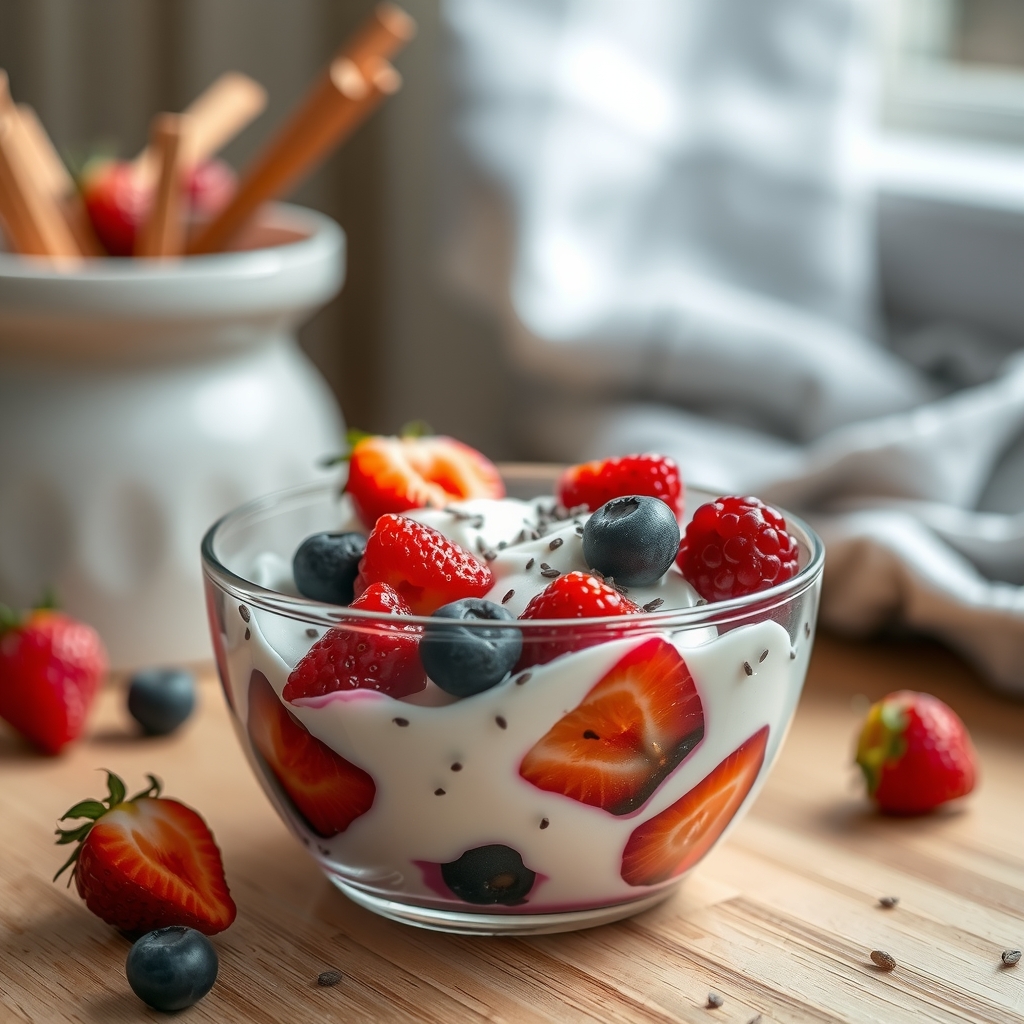
- Greek yogurt parfait with berries and chia seeds
- ¾ cup plain Greek yogurt (unsweetened, <100mg sodium)
- ½ cup mixed berries
- 1 tbsp chia seeds
- Drizzle of honey (optional)
- Sodium: ~50mg
- Oatmeal with cinnamon and apple slices
- ½ cup rolled oats (cooked in water + ½ tsp cinnamon)
- 1 small apple, sliced
- 1 tsp almond butter (no salt added)
- Sodium: ~20mg
Pro tip: If you’re craving saltiness, try lemon juice or apple cider vinegar on your eggs—they add brightness without sodium.
Many women tell us they worry about morning sickness making low sodium breakfasts harder. If that’s you, try ginger tea with a small banana (sodium-free) or toasted whole-grain toast with almond butter—both gentle on the stomach and low in sodium.
---
Low sodium breakfast ideas with no added salt: How to make flavor work for you
You don’t need salt to make breakfast taste amazing—you just need to think outside the shaker. The key is umami, acidity, and herbs. Here’s how:
- Umami boosters (savory depth without salt):
- Miso paste (diluted in water for oatmeal)
- Nutritional yeast (sprinkle on eggs or toast)
- Tomato paste (a little goes a long way)
- Acidic zing (brightens flavors):
- Lemon juice or vinegar
- Fresh herbs (cilantro, basil, parsley)
- Citrus zest
- Spices and heat (wakes up taste buds):
- Cayenne or chili flakes
- Turmeric + black pepper (anti-inflammatory duo)
- Smoked paprika
Example: For scrambled eggs, sauté onions in olive oil until caramelized, then add a splash of balsamic vinegar before cooking. The result? Rich, tangy, and salt-free.
Many readers ask: “Can I use salt substitutes like potassium chloride?” While these can help, they’re not ideal for everyone—especially those with kidney issues or on blood pressure meds. Stick to natural flavors unless your doctor approves.
---
Low sodium breakfast meal prep for the week: Save time *and* sodium
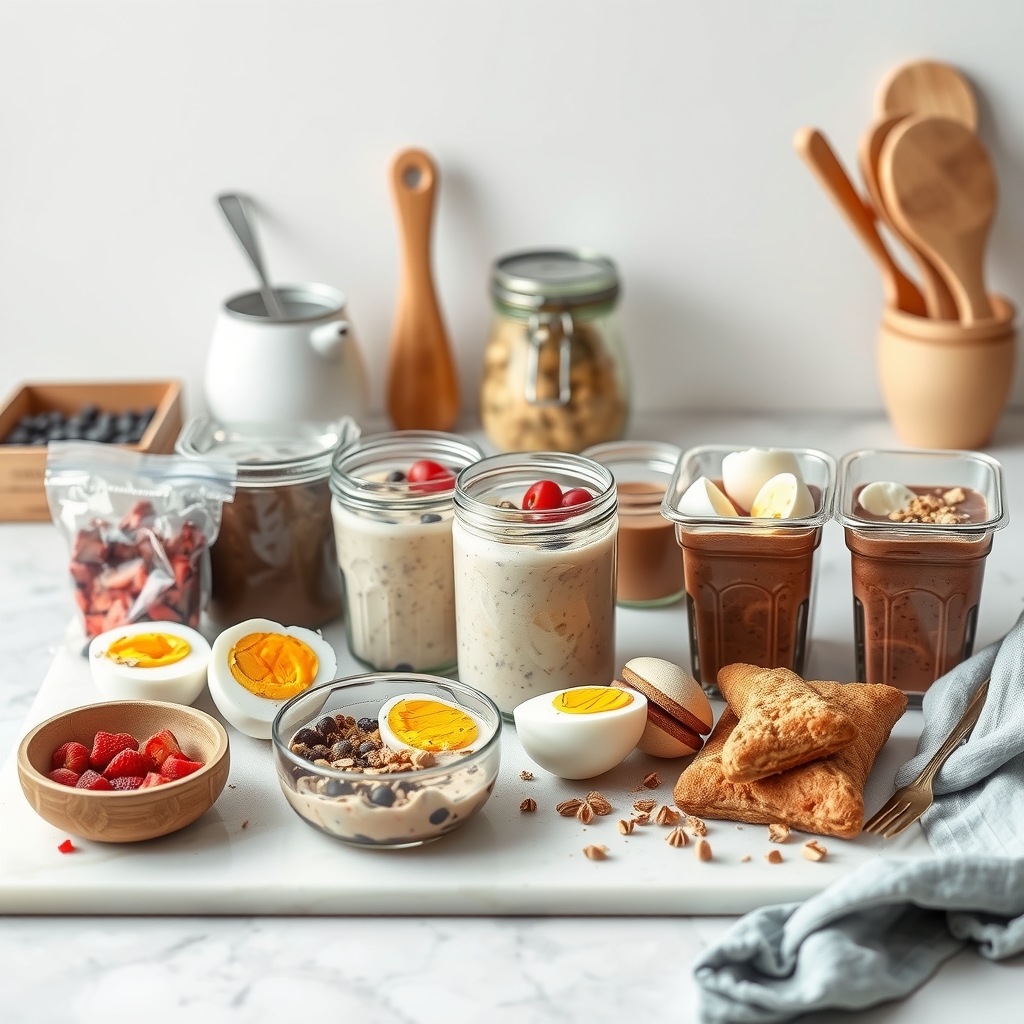
Mornings get chaotic. That’s why meal prep is your secret weapon. The goal? Batch-cook low sodium staples on Sunday so you’re not staring at a salty cereal box at 7 a.m. Here’s how to do it:
- Hard-boil eggs (6–8 eggs at a time). Store in the fridge for up to a week. Use in:
- Avocado egg salad (no mayo—use Greek yogurt)
- Chopped into salads or wraps
- Microwave-reheated with a sprinkle of paprika
- Overnight oats (make 4 jars):
- ½ cup rolled oats + ½ cup unsweetened almond milk
- 1 tbsp chia seeds + ½ tsp cinnamon
- Top with fresh berries in the morning
- Sodium: ~30mg per serving
- Portioned smoothie packs (freeze in bags):
- 1 cup frozen spinach + ½ banana + ½ cup unsalted almond butter
- Blend with water or coconut water in the morning
- Sodium: ~50mg
- Baked sweet potatoes (4 at once). Store in the fridge and reheat. Top with:
- Coconut yogurt + cinnamon
- Avocado + salsa (no salt added)
- Greek yogurt + hemp seeds
Pro tip: Use glass containers for meal prep—they’re safer for reheating than plastic. Label everything with dates to avoid mystery leftovers.
---
Low sodium breakfast options for high blood pressure: What your cardiologist wants you to know
If you’ve been diagnosed with hypertension, your breakfast choices can lower your blood pressure by up to 10 points in a day—if you choose wisely. The American Heart Association (AHA) recommends no more than 1,500mg of sodium daily, with most coming from breakfast and lunch. Here’s what to prioritize:
- Breakfast foods to love:
- Fresh fruit (bananas, berries, apples)
- Plain Greek yogurt (unsweetened)
- Eggs cooked in olive oil or avocado oil
- Whole grains (quinoa, steel-cut oats)
- Nuts/seeds (almonds, walnuts, pumpkin seeds)
- Breakfast foods to avoid:
- Processed cereals (even “low-fat” ones)
- Canned soups or broths (even for cooking oatmeal)
- Deli meats or ham (even in sandwiches)
- Frozen waffles or pancakes (often loaded with salt)
- Salted nuts or roasted chickpeas (check labels!)
Recipe idea: Avocado toast with smoked salmon (low sodium version):
- 1 slice whole-grain toast (toasted in olive oil)
- ½ avocado, mashed
- 2 oz smoked salmon (low-sodium brand)
- Fresh dill + lemon juice
- Sodium: ~150mg (mostly from salmon)
Many women with hypertension also struggle with fatigue. If that’s you, pair your breakfast with protein + healthy fats (like eggs + avocado) to keep energy steady. A study in the Journal of the American Heart Association found that women who ate a high-protein breakfast had better blood pressure control throughout the day.
---
Low sodium breakfast ideas for a toddler: Safe, simple, and delicious
Teaching kids healthy habits starts at breakfast. For toddlers, the goal is minimal sodium but maximum nutrition. The CDC recommends no more than 1,200mg of sodium daily for children under 4, which means keeping breakfast under 100mg. Here’s how:
- Scrambled eggs with steamed veggies
- 1 egg + ¼ cup steamed carrots or zucchini
- Cook in olive oil + a pinch of turmeric
- Sodium: ~30mg
- Banana-oat pancakes
- ½ cup oats + ½ banana (mashed)
- 1 egg + ¼ tsp cinnamon
- Cook in a nonstick pan with no butter
- Sodium: ~20mg
- Yogurt with berries and flaxseed
- ¼ cup plain Greek yogurt
- 2–3 blueberries
- ½ tsp ground flaxseed
- Sodium: ~10mg
Watch out for: Toddler-friendly “fruit pouches” (often loaded with sugar and salt) or flavored yogurts (some have 200mg+ per serving). Stick to whole foods whenever possible.
Many parents worry about picky eaters. If your toddler refuses plain foods, try dipping—offer hummus (no salt added) or nut butter for dipping veggies or toast strips.
---
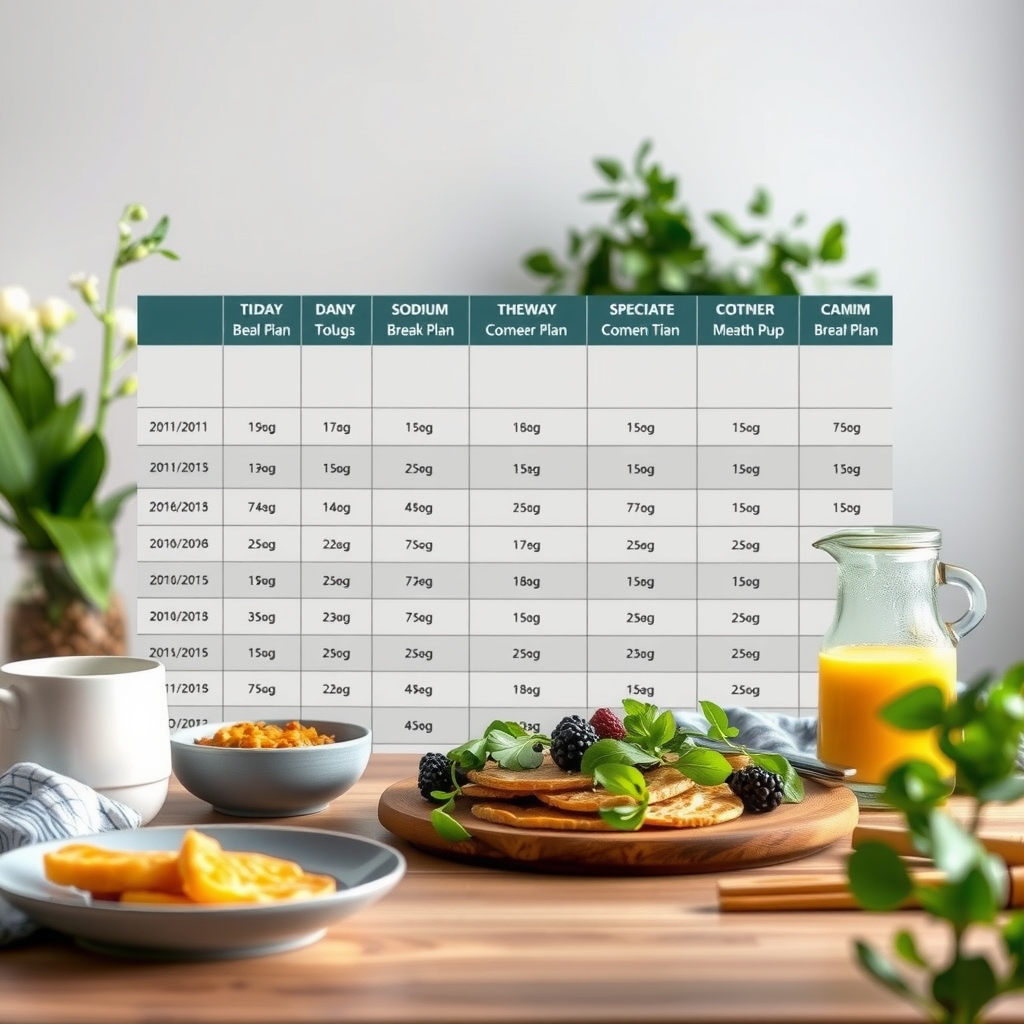
Low sodium breakfast recipes with no salt: 7-day meal plan table
Ready for a full week? Below is a 7-day low sodium breakfast plan with sodium counts per serving. Print this out and stick it on your fridge!
Grocery list essentials:
- Eggs (pasture-raised if possible)
- Plain Greek yogurt (unsweetened)
- Fresh berries and bananas
- Nuts/seeds (almonds, walnuts, chia, flax)
- Whole grains (oats, quinoa, whole-grain bread)
- Healthy fats (avocado, olive oil, almond butter)
- Herbs/spices (cinnamon, turmeric, basil, paprika)
- Low-sodium smoked salmon or canned tuna
---
Best low sodium breakfast foods: A quick reference guide
Not sure what to grab? Here’s a sodium cheat sheet for common breakfast foods:
Pro tip: If you’re watching carbs too, swap grains for low-sodium options like eggs, avocado, or berries.
---
How to read nutrition labels for sodium: The 5-second trick
Labels are your secret weapon. Here’s how to decode them in under 10 seconds:
- Look for “% Daily Value”: Aim for 5% or less per serving (that’s 120mg or less for a 2,000mg diet).
- Check serving size: A “single serving” might be ½ cup—but if you eat the whole bag, multiply!
- Watch for hidden sodium in these ingredients:
- Sodium alginate
- Monosodium glutamate (MSG)
- Baking soda (can add sodium)
- Salted everything (nuts, seeds, even some spices)
- Compare brands: Store-brand oatmeal often has half the sodium of name brands.
Example: A low-sodium soy milk (like Silk Unsweetened) has ~100mg per cup, while regular soy milk can have 300mg. Small differences add up!
---
Monitoring sodium intake and tracking: Apps and habits that work
Tracking isn’t about restriction—it’s about awareness. Here’s how to do it:
- Use a tracking app:
- MyFitnessPal or Cronometer (filter for “low sodium” recipes)
- Lifesum (great for meal prep planning)
- Keep a sodium journal for 3 days. Write down:
- Every food/drink you consume
- Approximate sodium (use labels or the chart above)
- How it made you feel (bloated? energized?)
- Set a daily limit:
- General population: 1,500–2,300mg
- High blood pressure: 1,200–1,500mg
- Pregnancy: 1,500–2,000mg
Pro tip: If you’re following Atkins or keto, sodium can be tricky—fat adaptation often increases thirst. Drink electrolyte-rich water (add a pinch of Himalayan salt to your water once daily if approved by your doctor).
---
Myth vs. fact: Low sodium breakfast truths you need to know
Let’s clear up the confusion:
- Myth: “I can’t eat anything fun on a low sodium diet.”
Fact: Flavor is all about technique. Try smoked paprika on eggs, lemon zest on oatmeal, or herb-infused olive oil. Even kids love dipping veggies in hummus.
- Myth: “All processed foods are high in sodium.”
Fact: Some are lower-sodium options—just check labels! For example, low-sodium deli turkey or unsalted nuts can fit into a balanced plan.
- Myth: “I need to avoid all salt.”
Fact: Your body does need some sodium—just not the excess. The goal is whole foods + smart seasoning.
- Myth: “Low sodium means boring food.”
Fact: Herbs, spices, and citrus make food more exciting than salt ever could. Think turmeric-golden milk or chili-lime scrambled eggs.
---
Key takeaways: Your low sodium breakfast checklist
- Start fresh: Whole foods (eggs, fruit, nuts, yogurt) are your best friends.
- Avoid the salt shaker: Use herbs, spices, citrus, and umami boosters instead.
- Meal prep Sundays: Hard-boil eggs, portion oats, and freeze smoothie packs.
- Check labels: Even “healthy” foods can hide sodium—always read the fine print.
- Flavor is freedom: Experiment with smoked paprika, cinnamon, and lemon for bold taste.
- Track without stress: Use apps or a journal to stay mindful, not rigid.
---
Frequently asked questions
What are some low sodium breakfast ideas?
Start with eggs cooked in olive oil, Greek yogurt with berries, oatmeal with cinnamon, or avocado toast with smoked salmon (low-sodium). Avoid processed cereals, canned soups, and deli meats. For carnivore diets, stick to eggs, bacon (no salt added), and cheese—just watch portion sizes.
How can I make a low sodium breakfast?
Skip the salt shaker and flavor with herbs, spices, and citrus. Cook eggs in olive oil instead of butter, use fresh fruit instead of sweetened yogurt, and always check labels. For example, swap instant oatmeal for plain oats + cinnamon—it’s a 200mg sodium savings right there.
What foods are low in sodium for breakfast?
The safest bets are:
- Fresh fruit (bananas, berries, apples)
- Plain Greek yogurt (unsweetened)
- Eggs (cooked in olive oil)
- Whole grains (oats, quinoa, whole-grain toast)
- Nuts/seeds (almonds, walnuts, chia)
- Herbs/spices (cinnamon, turmeric, basil)
Avoid anything with added salt, soy sauce, or processed ingredients.
Is a low sodium breakfast good for pregnancy?
Absolutely. High sodium intake during pregnancy is linked to higher blood pressure risk and pre-eclampsia. Stick to fresh foods, lean proteins, and whole grains, and avoid processed snacks. A Greek yogurt parfait with berries or scrambled eggs with spinach are perfect choices.
Can I eat salt on a low sodium diet?
Yes—but in moderation. The goal is whole foods + smart seasoning, not elimination. If you crave salt, try lemon juice, herbs, or a tiny pinch of Himalayan salt (once daily) if approved by your doctor. Avoid adding salt to meals—flavor first, salt second.
What are the health benefits of a low sodium breakfast?
A low sodium breakfast can:
- Help manage blood pressure (critical for hypertension)
- Reduce bloating and water retention (especially for PMS or pregnancy)
- Support heart health by lowering long-term sodium intake
- Boost energy levels (no sodium crashes!)
- Improve digestion (fewer processed foods = gentler on your gut)
---
When to see a doctor or specialist
While a low sodium breakfast is generally safe, see your doctor if you experience:
- Dizziness or lightheadedness (could indicate electrolyte imbalance)
- Persistent fatigue or muscle cramps (low sodium + low potassium can cause this)
- Swelling in your hands, feet, or face (possible kidney issue)
- High blood pressure that doesn’t improve with dietary changes
- Symptoms of pre-eclampsia during pregnancy (swelling, headaches, vision changes—seek immediate OB/GYN care)
Who to see:
- For general sodium concerns: Your primary care doctor
- For hypertension or heart health: A cardiologist
- For pregnancy-related sodium questions: Your OB/GYN
- For kidney or electrolyte issues: A nephrologist
---
References
- American Heart Association (AHA) – Sodium and Blood Pressure Guidelines
- American College of Obstetricians and Gynecologists (ACOG) – Sodium Intake During Pregnancy
- Centers for Disease Control and Prevention (CDC) – Sodium Recommendations for Children
- National Heart, Lung, and Blood Institute (NHLBI) – Dietary Approaches to Stop Hypertension (DASH)
- Healthline – Low Sodium Diet Guide (Reviewed by registered dietitians)
- Mayo Clinic – Sodium and Your Health




