A low potassium diet restricts foods high in potassium (typically above 200 mg per serving) to keep your blood potassium levels within a safe range. Potassium is an essential mineral that helps regulate heart rhythm, muscle contractions, and nerve signals. But if your levels are too high (hyperkalemia), it can cause dangerous side effects like irregular heartbeat or even heart failure. A low potassium diet is often recommended for people with:
- Chronic kidney disease (CKD) or kidney failure
- Heart failure or heart disease
- Hypertension (high blood pressure)
- Certain medications that affect potassium levels (like ACE inhibitors or ARBs)
- Metabolic syndrome or diabetes
Your doctor or dietitian will determine your specific potassium limit—typically between 2,000 and 3,000 mg per day for most adults on a low potassium diet. For severe cases (like advanced kidney disease), it may drop to as low as 1,000–1,500 mg/day. Always check with your healthcare provider before making changes to your diet.
**Representative story:** "I was diagnosed with stage 3 CKD last year, and my nephrologist said I needed to cut back on potassium. I thought it meant no bananas or oranges—until I realized I could still eat eggs, rice, and even some leafy greens in moderation. The hardest part was learning to cook without salt, but herbs and spices saved me!" — Sarah, 52
---
Sample low potassium diet meal plan for one day: Your 2026 guide
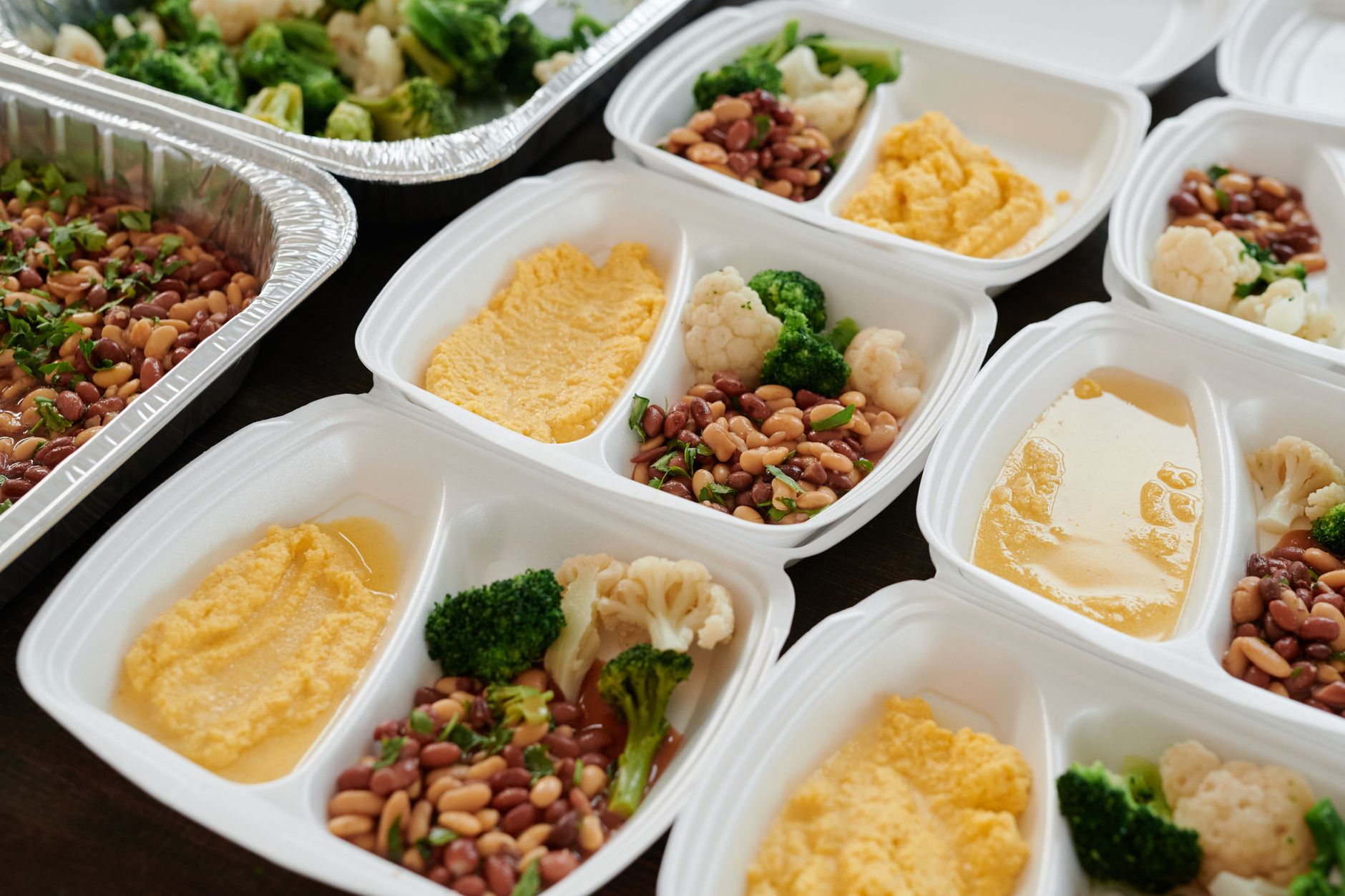
Here’s a balanced, flavorful one-day meal plan that stays under 2,000 mg of potassium while keeping meals satisfying. We’ll include recipes, portion sizes, and tips to avoid common pitfalls.
---
Breakfast: Scrambled eggs with sautéed mushrooms and spinach (low potassium)
**Potassium:** ~250 mg per serving (2 eggs + ½ cup mushrooms + 1 cup spinach)
**Why it works:** Eggs are a potassium-friendly protein, and mushrooms (cooked) are lower in potassium than raw. Spinach is higher in potassium, so we use a smaller portion. Add black pepper and garlic powder for flavor without salt.
**Recipe:**
- Whisk 2 eggs with 1 tbsp water in a bowl.
- Sauté ½ cup sliced mushrooms in 1 tsp olive oil until soft.
- Add 1 cup fresh spinach and cook until wilted.
- Pour eggs over mushrooms/spinach, cook gently on low heat.
- Season with black pepper, garlic powder, and a pinch of paprika.
---
Mid-morning snack: Cucumber slices with hummus (low potassium)
**Potassium:** ~120 mg per ½ cup cucumber + 2 tbsp hummus
**Why it works:** Cucumbers are low in potassium, and store-bought hummus (check labels for low-potassium ingredients) adds protein without spiking levels.
---
Lunch: Grilled chicken with quinoa and steamed green beans
**Potassium:** ~300 mg per serving (4 oz chicken + ½ cup cooked quinoa + 1 cup green beans)
**Why it works:** Chicken breast is naturally low in potassium, and quinoa (cooked) is a safer grain option than brown rice. Green beans are lower than potatoes or sweet potatoes.
**Recipe:**
- Marinate 4 oz chicken breast in 1 tsp olive oil, lemon juice, and dried oregano for 15 mins.
- Grill or bake at 375°F (190°C) for 15–20 mins.
- Cook ½ cup quinoa in 1 cup water (or low-potassium broth) for 15 mins.
- Steam 1 cup green beans for 5 mins; toss with 1 tsp butter and lemon zest.
- Serve chicken over quinoa with green beans on the side.
---
Afternoon snack: Hard-boiled eggs with celery sticks
**Potassium:** ~150 mg per 2 eggs + 2 celery stalks
**Why it works:** Eggs are one of the safest protein sources, and celery is low in potassium. Skip the salt shaker—use lemon juice for flavor.
---
Dinner: Baked salmon with roasted zucchini and cauliflower rice
**Potassium:** ~350 mg per serving (4 oz salmon + 1 cup zucchini + ½ cup cauliflower rice)
**Why it works:** Salmon is rich in omega-3s but moderate in potassium. Zucchini and cauliflower rice are both low-potassium veggies that add volume without spiking levels.
**Recipe:**
- Preheat oven to 400°F (200°C). Place 4 oz salmon on a parchment-lined tray.
- Drizzle with 1 tsp olive oil, lemon juice, and dried dill. Bake for 12–15 mins.
- Slice 1 zucchini into half-moons; toss with 1 tsp olive oil and ½ tsp garlic powder. Roast for 15 mins.
- Rice ½ cup cauliflower in a food processor; sauté with 1 tsp butter for 3 mins.
- Serve salmon with zucchini and cauliflower rice.
---
Evening snack: Herbal tea with a small piece of cheese
**Potassium:** ~50 mg per 1 oz cheddar cheese
**Why it works:** Cheese is surprisingly low in potassium (especially aged varieties like cheddar or gouda). Herbal tea (like chamomile) adds hydration without added potassium.
---
Low potassium diet breakfast ideas: Quick, safe options
Breakfast is often the hardest meal to balance on a low potassium diet because many traditional options (like oatmeal, yogurt, or smoothies) are high in potassium. Here are 5 safe, satisfying ideas:
- Omelet with Swiss cheese and bell peppers (potassium: ~200 mg). Use low-potassium veggies like bell peppers (cooked) and Swiss cheese.
- Cottage cheese with pineapple (in moderation) (potassium: ~150 mg for ½ cup cottage cheese + ¼ cup pineapple). Pineapple is lower than bananas or oranges.
- Rice cakes with almond butter and raspberries (potassium: ~180 mg). Almond butter is lower than peanut butter, and raspberries are a safer berry choice.
- Greek yogurt (low-potassium brand) with chia seeds (potassium: ~250 mg for ¾ cup plain Greek yogurt + 1 tbsp chia seeds). Choose brands labeled "low potassium" or "kidney-friendly."
- Scrambled tofu with turmeric and cilantro (potassium: ~220 mg for ½ cup firm tofu). Tofu is lower in potassium than beans or lentils.
**Pro tip:** If you crave sweetness, try cinnamon or vanilla extract instead of fruit. Even small amounts of fruit can add up quickly!
---
Low potassium diet lunch recipes: Flavorful and balanced
Lunch is where many people struggle to stay low-potassium because sandwiches, wraps, and salads often rely on high-potassium ingredients like tomatoes, avocado, or potatoes. Here are 3 recipes that keep meals exciting:
---
Turkey and cheese lettuce wraps with cucumber
**Potassium:** ~280 mg per wrap
**Ingredients:**
- 4 large lettuce leaves (romaine or butter lettuce)
- 4 oz sliced turkey breast
- 1 oz low-potassium cheese (Swiss or cheddar)
- ½ cup diced cucumber
- 1 tbsp mayonnaise (low potassium)
- 1 tsp Dijon mustard
**Assembly:** Mix mayo and mustard, spread on turkey, add cheese and cucumber, then wrap in lettuce.
---
Zucchini noodles with shrimp and pesto (low potassium)
**Potassium:** ~300 mg per serving
**Ingredients:**
- 1 medium zucchini, spiralized
- 4 oz shrimp, peeled
- 2 tbsp low-potassium pesto (check for no basil or tomatoes)
- 1 tbsp olive oil
- ½ tsp garlic powder
**Recipe:**
- Sauté shrimp in olive oil for 2–3 mins until pink.
- Toss zucchini noodles with pesto and garlic powder; sauté for 2 mins.
- Combine shrimp and zucchini; serve with grated Parmesan (low potassium).
---
Chicken and rice soup (low potassium)
**Potassium:** ~350 mg per bowl
**Ingredients:**
- 4 oz chicken breast, diced
- ½ cup cooked white rice
- 1 cup low-potassium broth
- ½ cup diced carrots (cooked)
- 1 tsp olive oil
- Dried thyme and parsley
**Recipe:**
- Sauté chicken in olive oil until cooked; remove.
- In the same pan, cook carrots in broth for 5 mins.
- Add rice and chicken back; simmer for 10 mins. Season with herbs.
---
Low potassium diet dinner recipes: Heart-healthy and satisfying
Dinner is your chance to enjoy richer flavors while staying low-potassium. Focus on lean proteins, low-potassium veggies, and herbs instead of salt. Here are 3 dinner ideas:
---
Beef and cauliflower stir-fry
**Potassium:** ~400 mg per serving
**Ingredients:**
- 4 oz lean beef (sirloin or tenderloin)
- 1 cup cauliflower florets
- 1 tbsp soy sauce (low potassium)
- 1 tsp sesame oil
- 1 tsp ginger, grated
- 1 clove garlic, minced
**Recipe:**
- Slice beef into thin strips; marinate with soy sauce, sesame oil, ginger, and garlic for 10 mins.
- Stir-fry beef in a hot pan for 3–4 mins until browned.
- Add cauliflower; cook for 5 mins until tender-crisp.
- Serve over ½ cup cooked white rice.
---
Baked cod with asparagus and potatoes (low potassium)
**Potassium:** ~380 mg per serving (use small portions of potatoes)
**Note:** If you have kidney disease, limit potatoes to ¼ cup cooked. For others, this is a balanced meal.
---
Vegetable and tofu curry (low potassium)
**Potassium:** ~320 mg per serving
**Ingredients:**
- ½ cup firm tofu, cubed
- ½ cup cauliflower florets
- ½ cup zucchini, diced
- 1 tbsp low-potassium coconut milk
- 1 tsp curry powder
- ½ tsp turmeric
**Recipe:**
- Sauté tofu in coconut milk for 5 mins.
- Add cauliflower and zucchini; cook for 5 mins.
- Stir in curry powder and turmeric; simmer for 3 mins.
- Serve with ½ cup cooked white rice.
---
Low potassium diet snacks: Safe and satisfying
Snacking on a low potassium diet requires planning, but these 5 options keep cravings at bay without spiking potassium:
**Avoid these high-potassium snacks:**
- Bananas, oranges, or other tropical fruits
- Potatoes or sweet potatoes (even baked)
- Beets or beet juice
- Avocados
- Processed meats with added potassium (like some deli meats)
---
Low potassium diet grocery list: What to buy and what to avoid
Grocery shopping on a low potassium diet means reading labels carefully and avoiding the "potassium pitfalls." Below is a shopping list divided by category, with safe swaps for high-potassium foods.

---
Proteins (low potassium)
- Eggs
- Chicken breast or turkey
- Lean beef (sirloin, tenderloin)
- Fish (salmon, cod, shrimp)
- Tofu (firm or extra-firm)
- Low-potassium cheese (Swiss, cheddar, Parmesan)
---
Grains and starches (low potassium)
- White rice (cooked: ~20 mg per ½ cup)
- Quinoa (cooked: ~50 mg per ½ cup)
- White bread or tortillas (check labels)
- Rice cakes or low-potassium crackers
- Avoid: Brown rice, whole grains, potatoes
---
Vegetables (low potassium)
- Cauliflower
- Zucchini
- Green beans
- Cabbage
- Lettuce (romaine, butter)
- Cucumber
- Avoid: Spinach, Swiss chard, tomatoes, mushrooms (raw), potatoes
---
Fruits (very limited, in small portions)
- Raspberries (¼ cup: ~100 mg)
- Strawberries (¼ cup: ~120 mg)
- Pineapple (¼ cup: ~150 mg)
- Avoid: Bananas, oranges, apples, apricots, avocados
---
Fats and oils
- Olive oil
- Avocado oil
- Butter (in moderation)
- Almond butter (check for no added salt)
---
Herbs and spices (safe and flavorful)
- Black pepper
- Garlic powder
- Dried oregano
- Paprika
- Turmeric
- Cinnamon
- Avoid: Salt substitutes (often contain potassium)
---
Low-potassium condiments and sauces
- Mayonnaise (check for no added potassium)
- Low-sodium soy sauce
- Low-potassium broth
- Mustard (Dijon or yellow)
- Avoid: Tomato sauce, BBQ sauce, most salad dressings
---
Low potassium diet meal prep tips: Save time and stay on track
Meal prepping on a low potassium diet requires a few extra steps, but it’s worth it for consistency. Here’s how to prep ahead without hidden potassium:
---
1. Batch-cook proteins and grains
Cook a large batch of chicken breast, ground turkey, or white rice at the start of the week. Store in airtight containers for up to 4 days. Pro tip: Use low-potassium broth for cooking grains instead of water.
---
2. Pre-cut veggies for quick meals
Wash and chop zucchini, cauliflower, and green beans. Store in the fridge for easy stir-fries or roasting. Avoid pre-cut mixes with added salt or sauces.
---
3. Freeze portions of low-potassium meals
Make a big batch of chicken and rice soup or beef and cauliflower stir-fry, then freeze in individual portions. Reheat carefully to avoid overcooking.
---
4. Keep low-potassium snacks handy
Stock your fridge with pre-portioned snacks like:
- Hard-boiled eggs (peeled and stored in the fridge)
- Rice cakes with almond butter packets
- Cheese slices (low potassium) in the freezer
- Popcorn (air-popped and stored in a jar)
--- 5. Label everything
Write the potassium content on containers (e.g., "250 mg per serving") so you can track intake easily. Use a food diary app like MyFitnessPal to log meals.
---
6. Avoid cross-contamination with high-potassium foods
Use separate cutting boards and utensils for low-potassium meals to avoid accidentally mixing in high-potassium ingredients.
---
How to avoid potassium in foods: Hidden sources to watch for
Potassium hides in unexpected places, especially in processed foods. Here’s how to spot and avoid it:
---
1. Check labels for "potassium citrate" or "potassium chloride"
These are added to many processed foods to replace salt. Look for them in:
- Bread and rolls
- Canned soups
- Frozen meals
- Margarine or spreads
- Salt substitutes (like NoSalt)
---
2. Avoid high-potassium fruits and veggies in smoothies
Even a small banana or orange in a smoothie can add 200+ mg of potassium. Stick to:
- Raspberries or strawberries (in tiny amounts)
- Coconut water (low potassium, but check labels)
---
3. Watch out for "low-sodium" labels
Some low-sodium foods add potassium to replace salt. Always check the nutrition label for potassium content.
---
4. Be cautious with herbs and spices blends
Store-bought spice mixes (like taco seasoning or Italian herbs) often contain garlic powder or onion powder, which can add potassium. Make your own blends with fresh or dried herbs.
---
What foods are high in potassium to avoid?
Here’s a quick reference table of foods to limit or avoid on a low potassium diet:
---
Low potassium diet for kidney disease: Special considerations
If you have kidney disease, your diet may require even stricter potassium limits (often under 2,000 mg/day). Here’s what to focus on:
- Monitor blood tests: Your doctor will track your potassium levels (normal range: 3.5–5.0 mEq/L). Levels above 5.5 mEq/L require medical attention.
- Limit all high-potassium foods: Even small portions of bananas or potatoes can cause spikes. Stick to the lowest-potassium foods on the list above.
- Avoid potassium-rich supplements: Many multivitamins contain potassium. Ask your doctor for a potassium-free vitamin.
- Cook with herbs and spices: Instead of salt, use garlic powder, onion powder (in moderation), and herbs to flavor food.
- Work with a dietitian: A renal dietitian can create a personalized plan based on your lab results.
---
Low potassium diet for pregnancy: Is it safe?
Most pregnant women do not need a low potassium diet unless they have a pre-existing condition like kidney disease or heart failure. In fact, potassium is essential for pregnancy—it helps with muscle function, nerve signals, and even fetal development. The recommended intake during pregnancy is 4,700 mg/day.
However, if you’re pregnant and have a condition that requires potassium restriction (like heart failure), your doctor will monitor you closely. In that case:
- Focus on moderate potassium foods like white rice, eggs, and low-potassium fruits (raspberries, strawberries).
- Avoid sudden potassium cuts—your body needs it for the baby’s growth.
- Check with your OB/GYN before making changes.
**For most pregnant women, a balanced diet with potassium-rich foods is ideal.** If you’re worried about your intake, ask your provider about prenatal vitamins with potassium.
---
Low potassium diet for heart failure: Key adjustments
People with heart failure often need to limit potassium to reduce fluid retention and protect heart function. Here’s how to adapt:
- Prioritize low-sodium, low-potassium foods: Pair your low potassium diet with a low sodium intake (<2,000 mg/day) to avoid fluid buildup.
- Choose lean proteins: Skinless chicken, fish, and tofu are safer than processed meats.
- Limit dairy: While cheese is low potassium, milk and yogurt are higher. Opt for small portions of low-potassium dairy.
- Monitor symptoms: Swelling in your legs or feet, sudden weight gain, or shortness of breath could mean your potassium is too high.
- Work with a cardiologist or dietitian: They may recommend medications like diuretics to help balance potassium levels.
---
Low potassium diet for hypertension: Does it help?
A low potassium diet is often recommended alongside a DASH diet for hypertension because potassium helps counteract the effects of sodium. However, the focus should be on:
- Balancing sodium and potassium: For every 1,000 mg of sodium you eat, aim for at least 1,000 mg of potassium to help regulate blood pressure.
- Avoiding processed foods: Many packaged foods are high in both sodium and potassium.
- Eating potassium-rich foods in moderation: If you don’t have kidney disease, you can include small amounts of bananas, sweet potatoes, or beans (in moderation).
**Bottom line:** If you have hypertension but no kidney issues, your doctor may encourage a balanced potassium intake rather than a strict restriction.
---
Low potassium diet for CKD (chronic kidney disease): Strict guidelines
For people with advanced CKD or kidney failure, a low potassium diet is critical to prevent dangerous spikes. Key rules:
- Limit to 2,000–3,000 mg/day (or lower with doctor’s approval).
- Avoid all high-potassium foods: Bananas, oranges, potatoes, spinach, tomatoes, and avocados are off-limits.
- Use low-potassium substitutes: Replace high-potassium grains (like brown rice) with white rice or quinoa.
- Cook with herbs and spices: Garlic powder, onion powder (in moderation), and dried herbs add flavor without potassium.
- Check labels for hidden potassium: Many canned soups, breads, and frozen meals contain added potassium.
**Example daily limit for CKD:**
- Breakfast: 2 eggs + ½ cup white rice + 1 cup lettuce
- Lunch: 4 oz chicken + ½ cup quinoa + 1 cup zucchini
- Dinner: 4 oz salmon + ½ cup cauliflower rice + 1 cup green beans
- Snacks: 1 oz cheddar cheese + cucumber slices
- Total potassium: ~1,800 mg
---
Myth vs. fact: Common misconceptions about low potassium diets
---
Myth: "You can’t eat any fruit on a low potassium diet."
Fact: You can eat very small amounts of low-potassium fruits like raspberries, strawberries, or pineapple. Even ¼ cup can add 100–150 mg of potassium. Stick to these in tiny portions and avoid high-potassium fruits like bananas or oranges.
---
Myth: "All dairy is high in potassium, so you should avoid it."
Fact: Some dairy is lower in potassium than others. Cheese (especially aged varieties like cheddar or Parmesan) is safer than milk or yogurt. Stick to 1 oz of cheese per day if you have kidney disease.
---
Myth: "You have to eat bland food on a low potassium diet."
Fact: Herbs, spices, and citrus juices (in moderation) add flavor without potassium. Experiment with garlic powder, onion powder, paprika, and lemon zest to keep meals exciting.
---
Myth: "A low potassium diet is only for people with kidney disease."
Fact: While kidney disease is the most common reason for a low potassium diet, it can also be recommended for heart failure, hypertension, or certain medications. Always work with your doctor to determine if it’s right for you.
---
Key takeaways: Your low potassium diet checklist
- Prioritize low-potassium foods: Eggs, chicken, white rice, cauliflower, zucchini, and leafy greens (in moderation).
- Avoid high-potassium foods: Bananas, potatoes, spinach, tomatoes, avocados, and coconut water.
- Check labels:




