

Quick take: A low potassium diet can be essential for managing kidney disease or pregnancy-related conditions like preeclampsia, but it requires careful planning to avoid deficiencies. Our 7-day meal plan keeps daily potassium under 2000mg while ensuring balanced nutrition. Always check with your healthcare provider before starting, especially if you're pregnant, breastfeeding, or have kidney issues.
You’re staring at a grocery list, heart pounding, because your doctor just said "low potassium diet." Now what?
Imagine it’s 2am, and you’re scrolling through your phone for the third time that week, trying to make sense of what you *can’t* eat anymore. Maybe your kidneys aren’t filtering potassium well, or your pregnancy doctor just flagged high blood pressure and said, "We’ll need to adjust your diet." Suddenly, bananas, oranges, and even spinach feel like forbidden fruits—literally. The panic sets in: *How do I eat without feeling deprived? How do I keep my baby or my kidneys safe? And what the heck is a "low potassium" meal anyway?*
We’ve been there. One reader, a mom of two with early-stage kidney disease, texted us after her nephrologist’s appointment: *"I feel like I’m starting over. I love my avocado toast, but now it’s a no-go. What do I eat?"* Another pregnant friend, who’d just been diagnosed with gestational hypertension, confessed she’d been Googling "low potassium foods" for hours, only to find conflicting lists that left her more confused than before.
Here’s the truth: a low potassium diet isn’t about starvation—it’s about smart swaps. You *can* enjoy meals that are delicious, satisfying, and safe. This guide breaks down exactly what to eat (and what to avoid), a **7-day meal plan with potassium levels under 2000mg per day**, and how to balance electrolytes without feeling like you’re living in a nutrition lab. We’ll also address the elephant in the room: *Can you really do this long-term without feeling like you’re missing out?*
Let’s start with the basics—because knowing what you’re up against makes the journey so much easier.
---What foods to avoid on a low potassium diet for pregnancy and kidney disease?
**For pregnancy and kidney disease, the goal is typically to keep potassium under 2000mg per day.** That might sound restrictive, but remember: most people consume way more than that in a typical Western diet. The average American eats about 3400mg of potassium daily—so you’re not just cutting back; you’re recalibrating.
Here’s a quick visual reference for foods to avoid or limit:
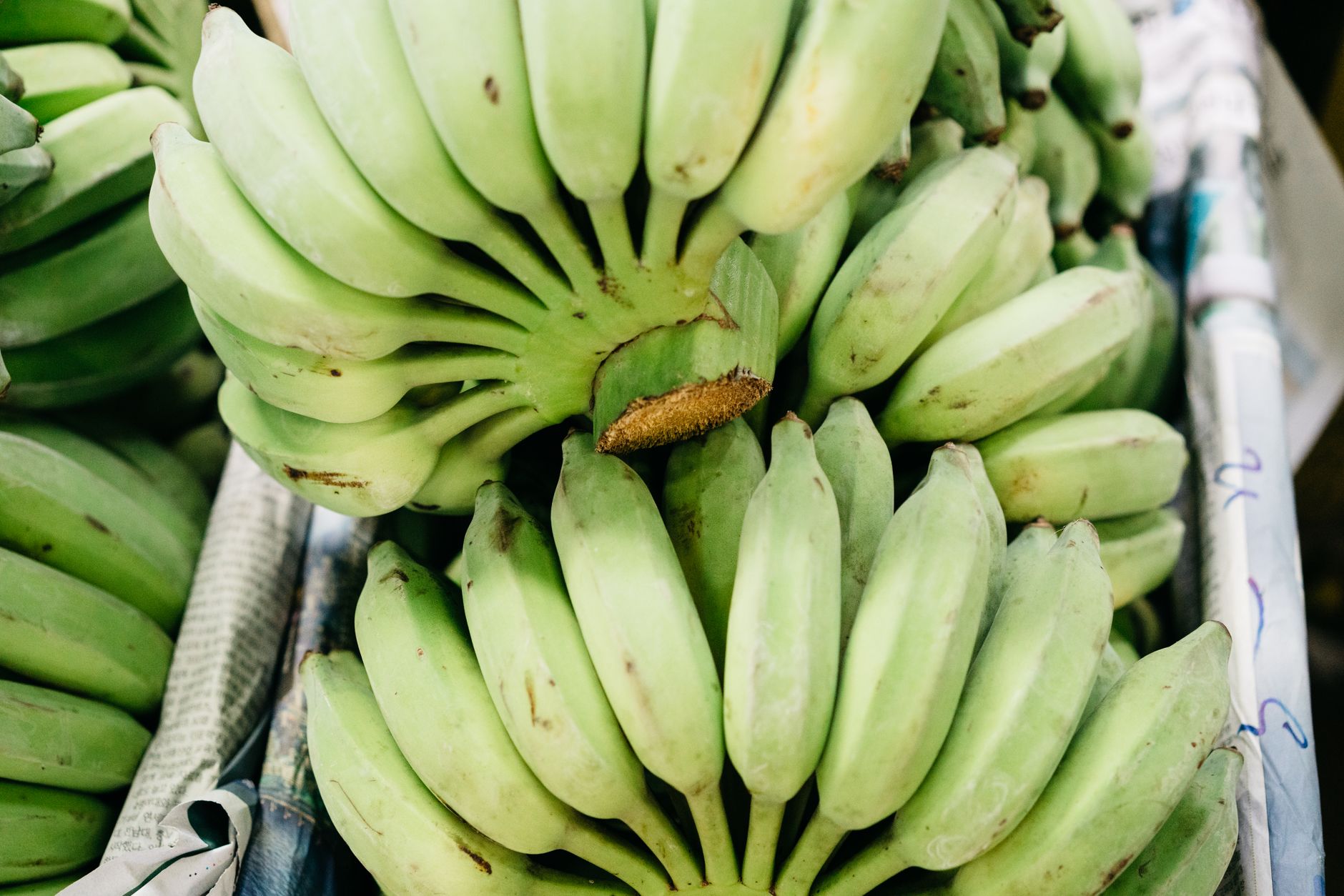
**Foods to avoid or limit (high potassium):**
- Fruits: Bananas (422mg), oranges (181mg), cantaloupe (340mg), avocados (485mg), dried fruits (raisins, apricots), and most citrus fruits.
- Vegetables: Spinach (558mg), sweet potatoes (496mg), white potatoes (421mg), tomatoes (238mg), mushrooms (340mg), and beets (319mg).
- Meats: Beef liver (360mg), salmon (490mg), and most processed meats (like bacon or sausage) often contain added potassium.
- Dairy: Milk (320mg per cup), yogurt (500mg per cup), and cheese (especially cottage cheese, 200mg per ½ cup).
- Beans and legumes: Black beans (396mg), lentils (358mg), chickpeas (299mg), and soybeans (960mg).
- Nuts and seeds: Almonds (725mg per 100g), cashews (660mg), and pumpkin seeds (700mg).
- Processed foods: Canned soups, tomato sauce, and many frozen meals often contain hidden potassium from additives or broths.
**Foods you can enjoy (low potassium):**
- Eggs, chicken, turkey, and lean cuts of beef.
- Rice (white or brown), quinoa, and oats.
- Apples (107mg), pears (106mg), and strawberries (152mg).
- Cabbage, lettuce, zucchini, and cauliflower.
- Cheese (cheddar, mozzarella), butter, and cream.
- Olive oil, coconut milk, and most oils.
**Pro tip:** Always check labels! Even "low-potassium" products can vary. For example, some brands of tomato sauce have less potassium than others—opt for those labeled "low-potassium" or "no salt added."
Now, you might be thinking: *"But what about my cravings? I love my avocado toast!"* We’ll tackle that in the next section—but first, let’s talk about how to safely reduce potassium intake, especially if you’re pregnant.
---How to safely reduce potassium intake without nutritional deficiencies during pregnancy?
Pregnancy is a time when your body needs more of almost everything—calcium, iron, folate, you name it. So cutting out potassium without a plan can feel like playing nutritional Russian roulette. But here’s the good news: with the right strategy, you can meet your nutritional needs while keeping potassium in check.
**First, work with your healthcare provider.** If you’re pregnant and need a low-potassium diet, your doctor may recommend supplements to fill gaps. For example, many pregnant women take prenatal vitamins with iron and folate, but potassium is often an afterthought. If you’re avoiding high-potassium foods, you might need to supplement with potassium-free multivitamins or ask your provider about a customized prenatal.
**Second, focus on potassium-rich foods that are safe in moderation.** Some fruits and vegetables *do* contain potassium but can be enjoyed in smaller amounts. For example:
- Apples: 107mg per medium apple (safe in moderation).
- Cauliflower: 200mg per cup (roasted or steamed).
- Eggs: 60mg per large egg (a great source of protein and choline).
- Chicken breast: 230mg per 100g (lean and versatile).
**Third, prioritize foods that provide other essential nutrients.** For example, if you’re avoiding spinach (high in potassium), swap it for:
- Kale (cooked):** 260mg per cup (but lower in oxalates, which can be an issue for kidney stones).
- Zucchini:** 170mg per cup (versatile and mild in flavor).
- Cabbage:** 130mg per cup (great for stir-fries or coleslaw).
**Fourth, don’t forget about hydration.** Dehydration can make you feel fatigued and worsen pregnancy symptoms like swelling. Aim for at least 8–10 cups of water daily, and consider herbal teas (like chamomile or peppermint) if you’re avoiding caffeine.
**Finally, listen to your body.** If you’re feeling unusually fatigued, dizzy, or weak, it could be a sign of low potassium (hypokalemia) or other deficiencies. In pregnancy, this is especially important—your baby’s growth depends on your nutrition. If you’re unsure, ask your doctor about blood tests to check your electrolyte levels.
**A word of caution:** Some women worry that a low-potassium diet will harm their baby. The truth is, your baby gets potassium through your placenta, and your body regulates it carefully. However, if you’re already at risk for low potassium (due to morning sickness, kidney issues, or certain medications), your provider may recommend monitoring.
For more on managing cravings and staying compliant, keep reading—we’ve got a 7-day meal plan that’s gentle on your kidneys *and* your taste buds.
---Sample low potassium meal plan for 7 days with potassium levels under 2000mg per day
Here’s the moment you’ve been waiting for: a **7-day meal plan** designed to keep your potassium under 2000mg while still feeling like a real meal—not a sad, bland salad. We’ve included breakfast, lunch, dinner, and snacks, with a focus on flavor, variety, and ease. Each day is under 2000mg, and we’ve noted where you can swap in your favorite low-potassium foods.
**Before you start:** Track your intake for a few days using an app like MyFitnessPal or Cronometer. This will help you get a baseline and adjust as needed. And remember: cooking at home gives you the most control over potassium levels. Canned or frozen foods often have added potassium.
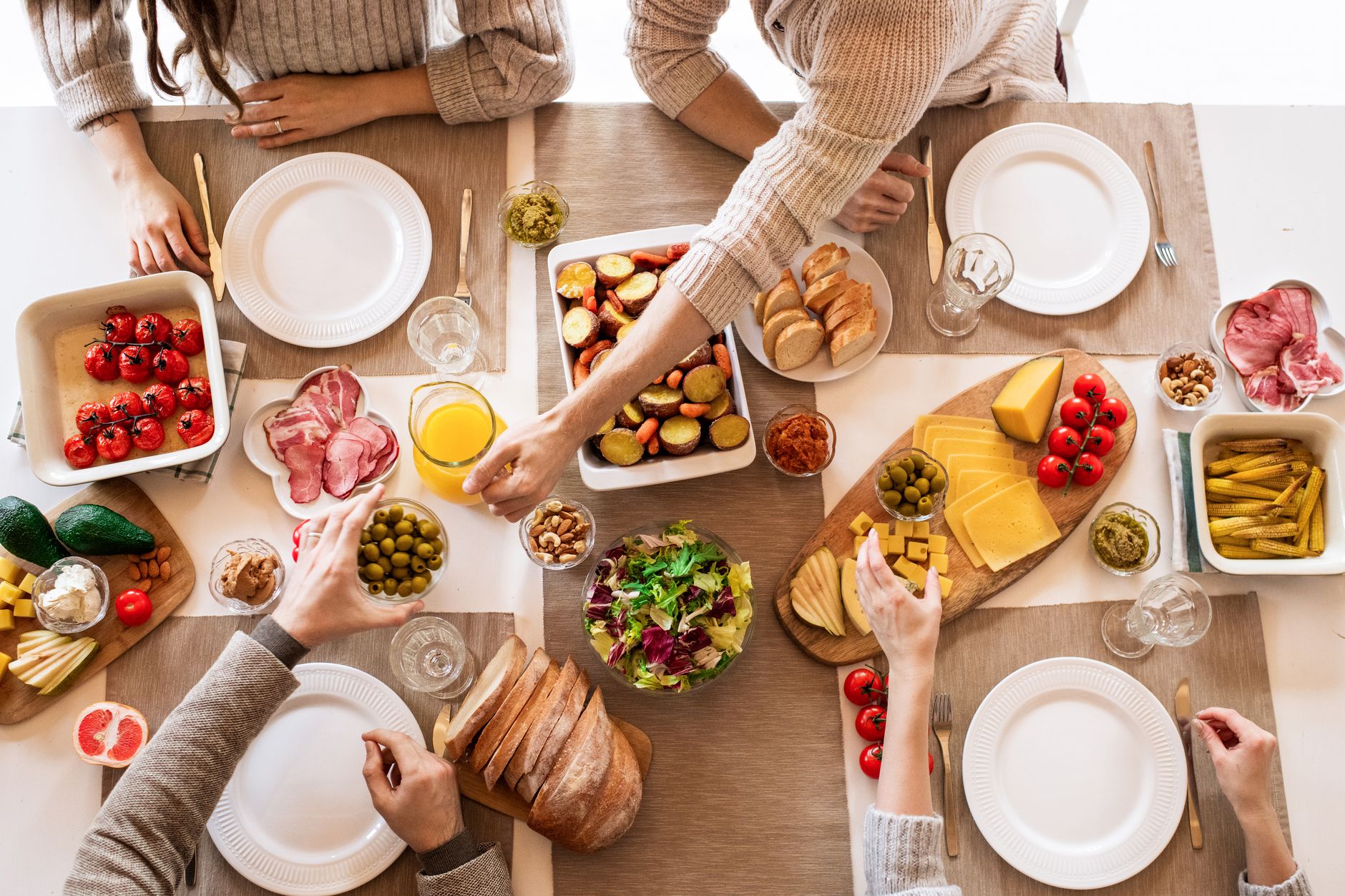
**Pro tip:** Need more variety? Swap in other low-potassium proteins like turkey, cod, or tofu. Or try different veggies like green beans, mushrooms, or eggplant. The key is to keep your meals interesting—boring food is the fastest way to quit a diet!
Now, let’s talk about how to make this diet sustainable long-term—because nobody wants to feel like they’re living in a nutrition lab forever.
---How to transition to a low potassium diet: a 7-day meal plan for beginners?
Starting any new diet can feel overwhelming, but the transition to a low-potassium diet doesn’t have to be drastic. Think of it as a gradual shift—like swapping out one ingredient at a time until it becomes second nature. Here’s how to ease into it without feeling deprived.
**Step 1: Audit your pantry.** Before you start cooking, check your cupboards for high-potassium foods. Toss or swap the following:
- Bananas, oranges, and other citrus fruits (unless you’re okay with small portions).
- Sweet potatoes and white potatoes (opt for cauliflower or turnips instead).
- Tomato-based sauces and soups (look for "low-potassium" versions).
- Processed meats with added potassium (like some deli meats).
**Step 2: Start with one meal a day.** Pick breakfast, lunch, or dinner, and focus on replacing high-potassium ingredients with low-potassium swaps. For example:
- Instead of oatmeal with bananas, try oatmeal with apples and cinnamon.
- Instead of a tomato-based pasta sauce, use a cream-based sauce with chicken.
- Instead of a spinach salad, try a kale or lettuce salad with avocado-free dressings.
**Step 3: Use the 7-day meal plan as a template.** Pick 2–3 meals from the plan above that you actually enjoy, and start there. For example, if you love chicken, start with the grilled chicken Caesar salad or the lemon garlic chicken. Once you’re comfortable, add more meals.
**Step 4: Learn to read labels.** Hidden potassium can lurk in broths, sauces, and even some "healthy" snacks. Always check the nutrition label for potassium content. If you’re unsure, opt for plain or low-sodium versions.
**Step 5: Plan ahead.** Meal prep is your best friend when starting a new diet. Cook large batches of grains (like quinoa or rice) and proteins (like chicken or beef) on Sundays. This way, you can quickly assemble meals throughout the week without stress.
**Step 6: Stay hydrated.** Dehydration can make you crave salty or sugary foods, so keep water on hand. Herbal teas and electrolyte drinks (without added potassium) can also help.
**Step 7: Listen to your body.** If you feel weak, dizzy, or fatigued, it could be a sign of low potassium or other deficiencies. In that case, talk to your healthcare provider about supplements or adjustments.
**A word on cravings:** It’s normal to miss high-potassium foods at first. If you’re craving a banana, try an apple or pear instead. If you’re craving a tomato-based dish, opt for a cream-based sauce or a zucchini-based alternative. Over time, your taste buds will adjust!
For more on managing cravings, check out our 7-Day GAPS Diet Meal Plan, which focuses on anti-inflammatory foods that can complement a low-potassium diet.
---Low potassium diet meal plan for kidney patients: what to eat and what to avoid?
If you or a loved one has kidney disease, a low-potassium diet isn’t just about managing blood pressure—it’s about protecting your kidneys from further damage. Kidneys that aren’t filtering well can’t remove excess potassium, which can build up in your blood and lead to serious complications like heart arrhythmias or even cardiac arrest. That’s why the focus is often on **very strict potassium limits**, sometimes as low as 1000–1500mg per day.
**For kidney patients, the approach is slightly different than for pregnancy.** While pregnancy requires balancing potassium with other nutrients for the baby’s growth, kidney disease often requires a more restrictive diet to prevent complications. Here’s what to focus on:
**Foods to avoid (high potassium):**
- All fruits except apples, pears, and strawberries (in moderation).
- All vegetables except cabbage, lettuce, zucchini, and cauliflower.
- All beans, lentils, and peas.
- All nuts and seeds.
- Processed meats with added potassium (like some deli meats or sausages).
**Foods to enjoy (low potassium):**
- Egg whites (no potassium in the whites!).
- Lean meats like chicken, turkey, and fish (cod, salmon, tilapia).
- White rice, quinoa, and oats.
- Cheese (cheddar, mozzarella, gouda).
- Olive oil, coconut milk, and butter.
**Pro tip for kidney patients:** If you’re on dialysis, your dietitian may recommend even stricter limits. Some dialysis centers provide meal plans tailored to your specific potassium needs. Always work with a renal dietitian to personalize your plan.
**A word on supplements:** Some kidney patients take potassium-binding medications like Kayexalate or sodium polystyrene sulfonate (SPS). These medications work by removing excess potassium from your body. However, they can have side effects like constipation or low sodium levels, so always follow your doctor’s instructions.
For more on managing kidney health, consider exploring our 7-Day Low Carb Diet Meal Plan, which can complement a low-potassium diet by focusing on lean proteins and healthy fats.
---Can a low potassium diet help with high blood pressure during pregnancy?
High blood pressure during pregnancy—whether it’s gestational hypertension or preeclampsia—can be scary, but diet can play a role in managing it. A low-potassium diet isn’t the only solution, but it can be part of a broader approach to keeping your blood pressure in check. Here’s what the research says:
**Potassium and blood pressure:** Potassium helps regulate blood pressure by balancing sodium and supporting healthy blood vessel function. However, if you’re already consuming too much sodium (a common issue during pregnancy), cutting potassium can help rebalance things. The American Heart Association recommends a diet rich in potassium to support heart health, but in cases of preeclampsia or severe hypertension, a low-potassium diet may be recommended temporarily.
**The bottom line:** A low-potassium diet alone won’t cure high blood pressure, but it can be part of a plan that includes:
- Reducing sodium intake (aim for less than 1500mg per day).
- Eating more magnesium-rich foods (like pumpkin seeds—*but wait, those are high in potassium!*—so opt for spinach-free alternatives like almond-free granola).
- Staying hydrated and getting regular exercise (with your doctor’s approval).
- Monitoring your blood pressure at home.
**What to watch for:** If your blood pressure doesn’t improve with diet and lifestyle changes, your doctor may prescribe medications like labetalol or nifedipine. Always follow your healthcare provider’s guidance.
**A note on magnesium:** Many women worry about magnesium deficiency when cutting potassium. Magnesium is important for muscle function and blood pressure regulation. If you’re avoiding high-potassium foods like spinach or nuts, consider magnesium-rich alternatives like:
- Dark chocolate (70% or higher, in moderation).
- Quinoa (cooked: 95mg per cup).
- Avocado-free options like pumpkin seeds (but these are high in potassium—opt for almond-free granola instead).
For more on managing blood pressure during pregnancy, check out our AIP Elimination Diet Meal Plan, which focuses on anti-inflammatory foods that can support overall health.
---Low potassium snacks and desserts that won’t spike potassium levels
Snacks and desserts can be the hardest part of any diet—especially when you’re avoiding fruits, nuts, and beans. But fear not! There are plenty of delicious, low-potassium options that won’t leave you feeling deprived. Here are some of our favorites:
**Savory Snacks:**
- Cheese and crackers: 1 oz cheddar (70mg) + 5 whole-grain crackers (30mg) = **100mg**.
- Deviled eggs: 2 hard-boiled eggs (120mg) + 1 tbsp mayo (0mg) = **120mg**.
- Pepperoni slices: 1 oz pepperoni (200mg) = **200mg**.
- Celery and cream cheese: 1 cup celery (60mg) + 2 tbsp cream cheese (0mg) = **60mg**.
- Popcorn (plain, no salt added): 1 cup (50mg).
**Sweet Treats:**
- Vanilla pudding (no added potassium): 1 cup (50mg).
- Dark chocolate (70% or higher): 1 oz (50mg).
- Coconut milk ice cream (no added potassium): ½ cup (20mg).
- Apple slices with peanut butter (no potassium added): 1 apple (107mg) + 1 tbsp peanut butter (0mg) = **107mg**.
- Rice cakes with almond-free butter: 1 rice cake (20mg) + 1 tbsp butter (0mg) = **20mg**.
**Pro tip:** If you’re craving something crunchy, try homemade rice cakes or crispy baked chicken wings. For a sweet fix, dark chocolate or vanilla pudding can satisfy without the potassium spike.
For more snack ideas, check out our AIP Elimination Diet Sample Day, which offers more low-potassium-friendly options.
---Does a low potassium diet affect breastfeeding mothers and their babies?
Breastfeeding is a time when your body is working hard to provide nutrients for your baby. So it’s completely understandable to wonder: *Will cutting potassium affect my milk supply or my baby’s health?* The good news is that most breastfeeding mothers don’t need to restrict potassium unless their doctor specifically advises it—like in cases of severe kidney disease or uncontrolled hypertension.
**Here’s what the research says:**
- Potassium in breast milk: Breast milk naturally contains potassium, and your body regulates it carefully. Most breastfeeding women don’t need to worry about potassium intake unless they have a medical condition requiring restriction.
- Milk supply and potassium: There’s no evidence that a low-potassium diet reduces milk supply. However, dehydration or severe nutrient deficiencies *can* affect lactation. So stay hydrated and eat a balanced diet.
- Baby’s needs: Babies get potassium through breast milk, but their bodies are efficient at regulating it. Unless you’re avoiding all potassium-rich foods entirely, your baby won’t be at risk of deficiency.
**When might a breastfeeding mom need to restrict potassium?**
- If you have severe kidney disease or uncontrolled hypertension.
- If your doctor has prescribed a low-potassium diet for another reason.
**Safe swaps for breastfeeding moms:**
- Instead of bananas, enjoy apples or pears.
- Instead of spinach, try kale or lettuce.
- Instead of sweet potatoes, opt for cauliflower mash.
- Stay hydrated with water, herbal teas, or coconut water (no added potassium).
**Bottom line:** Unless your doctor has given you specific dietary restrictions, focus on a balanced diet that supports both you and your baby. If you’re concerned, ask your lactation consultant or healthcare provider for personalized advice.
---Best low potassium breakfast ideas for a 7-day meal plan
Breakfast is often the hardest meal to plan on a low-potassium diet—especially when you’re craving something sweet or hearty. But with a little creativity, you can start your day off right without spiking your potassium levels. Here are some of our favorite low-potassium breakfast ideas:
**Savory Breakfasts:**
- Scrambled eggs with cheese: 2 eggs (120mg) + 1 oz cheddar (70mg) + 1 slice whole-grain toast (50mg) = **240mg**.
- Omelet with mushrooms (low-potassium): 2 eggs (120mg) + ½ cup mushrooms (340mg) = **460mg** (*Note: This is higher, so opt for zucchini instead if needed*).
- Greek yogurt (low-potassium) with granola: ½ cup Greek yogurt (50mg) + ¼ cup almond-free granola (50mg) = **100mg**.
- Avocado-free toast: 1 slice whole-grain bread (50mg) + 1 tbsp butter (0mg) + 1 fried egg (60mg) = **110mg**.
**Sweet Breakfasts:**
- Apple cinnamon oatmeal: ½ cup oats (100mg) + ½ cup apples (53mg) + 1 tbsp honey (5mg) = **158mg**.
- Chia pudding with coconut milk: 2 tbsp chia seeds (0mg) + ½ cup coconut milk (20mg) + 1 tbsp maple syrup (5mg) = **25mg**.
- Vanilla pudding with whipped cream: 1 cup pudding (50mg) + 2 tbsp whipped cream (0mg) = **50mg**.
- Rice cakes with peanut butter (no potassium added): 2 rice cakes (40mg) + 1 tbsp peanut butter (0mg) = **40mg**.
**Pro tip:** If you’re craving something creamy, try coconut milk yogurt or pudding. For a protein boost, add a scoop of protein powder (check the label for potassium content).
For more breakfast ideas, check out our <


