

Quick take: If you're starting a low potassium diet—whether for kidney disease, heart failure, or another health condition—focus on fresh vegetables (like bell peppers and zucchini), lean proteins (chicken, fish), and whole grains (white rice, oats). Avoid bananas, potatoes, spinach, and avocados, which are potassium powerhouses. Always check nutrition labels for hidden potassium in processed foods, and work closely with your provider to monitor your levels. This isn't a quick fix; it's a precision tool for managing health.
You're staring at a grocery list, heart racing, because your doctor just said "low potassium diet." Here's what you actually need to know.
Let’s be real: the first time you hear "low potassium diet," it feels like a punch to the gut. You picture a world without bananas—no bananas—and suddenly your mental image of a healthy diet is a sad pile of lettuce. But here’s the thing: you don’t have to live in a potassium-free zone. It’s about swapping smartly, not starving. A few months ago, one of our readers, Sarah—a nurse with early-stage chronic kidney disease—told us she felt like she was "playing nutritional Tetris" when she started cutting potassium. She wasn’t alone. Many women (and their partners) we’ve spoken to describe the same mix of anxiety and relief: relief that they’re taking control, but anxiety about missing out on the foods they love.
This guide is your cheat sheet. We’ll break down exactly what you can eat, how to read labels like a pro, and how to meal-plan without feeling like you’re on a diet prison menu. Whether you’re managing kidney disease, heart failure, or another condition that requires lower potassium, we’ll help you navigate this with confidence—and maybe even a few tasty surprises.
Before we dive in, a quick note: this is informational only. If you’re on a low potassium diet, your provider will monitor your levels regularly (often through blood tests) and adjust your plan as needed. What you’re about to read is a tool—not a substitute for medical advice. And if you’re pregnant or breastfeeding, check with your OB first—potassium needs change during pregnancy.
---Best Low Potassium Foods for Beginners: Your New Grocery Staples
Here’s your starter list of low-potassium foods under 200 mg per serving (most are much lower). We’ve also included magnesium-rich alternatives since low potassium diets often lead to magnesium deficiencies—critical for muscle and nerve function.
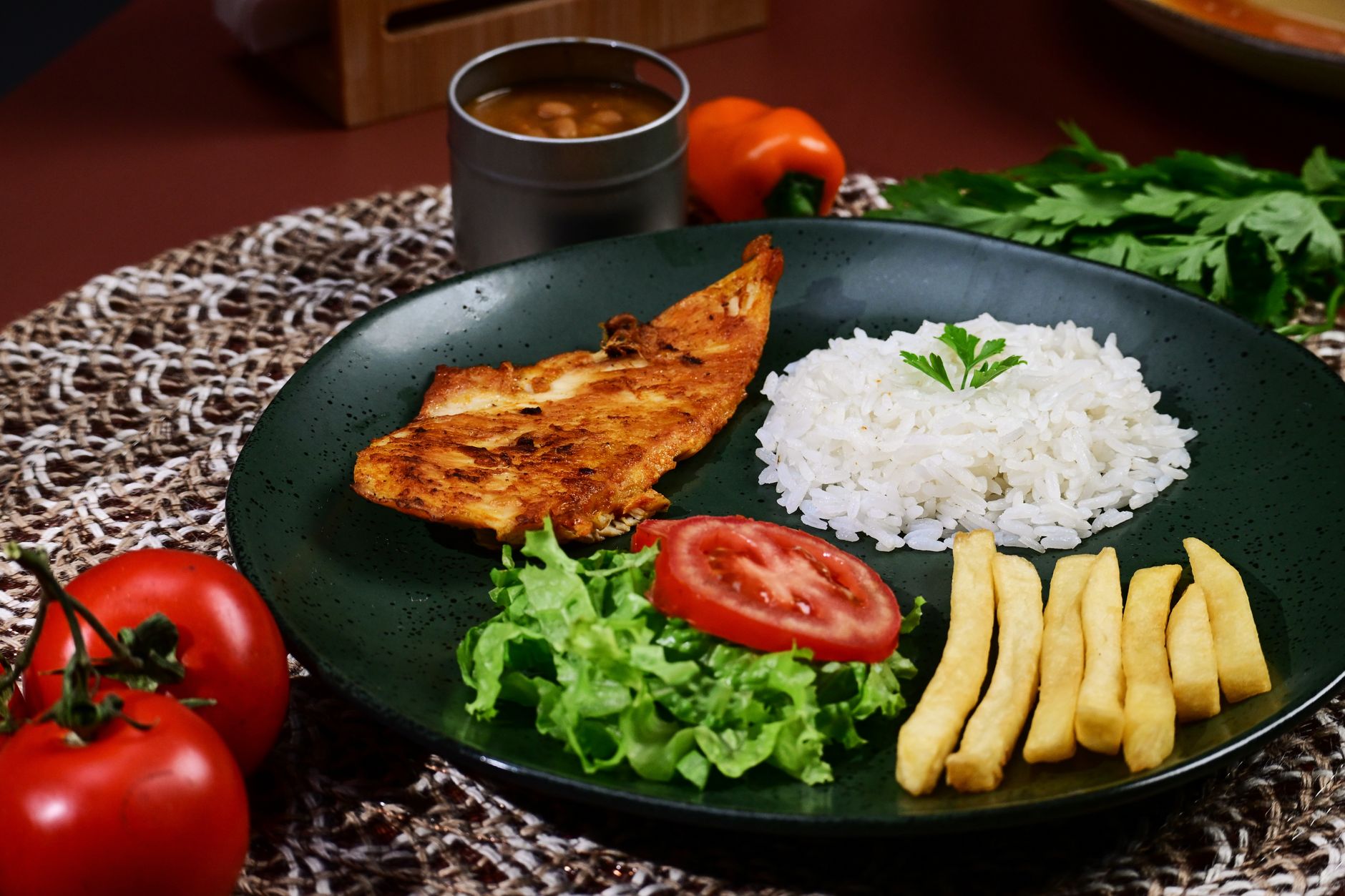
Fresh Vegetables (Pick These First)
Vegetables are where most people cut back first, but you don’t have to skip them entirely. Focus on these low-potassium options, while also considering their magnesium content to support overall health:
- Leafy greens: Lettuce (iceberg, romaine, ~100 mg per cup), cabbage (150 mg per cup), cauliflower (30 mg per cup), and bok choy (50 mg per cup). Skip spinach, kale, and Swiss chard—they’re potassium heavy but also magnesium-rich, so you’ll need to replace their nutrients elsewhere.
- Cruciferous veggies: Broccoli (raw: ~150 mg per cup; cooked: ~200 mg), zucchini (~150 mg per cup cooked), and green beans (~150 mg per cup cooked). Tip: Roast broccoli with olive oil and a sprinkle of nutritional yeast (a magnesium powerhouse) for extra flavor and nutrients.
- Bell peppers: Red, yellow, or green—all under 100 mg per cup. Bonus: They’re also high in vitamin C, which helps with iron absorption.
- Cucumbers and celery: Both are nearly potassium-free (under 20 mg per cup). Try this: Pack cucumber and celery sticks with hummus (check labels—some brands have ~200 mg per ¼ cup).
- Mushrooms (white button): ~100 mg per cup cooked. Pair with: A sprinkle of parsley or thyme, which are low in potassium but rich in antioxidants.
Proteins (Lean and Low)
Protein doesn’t have to be boring. Opt for these, and pair them with magnesium-rich sides like pumpkin seeds or almond butter (check labels for potassium content):
- Chicken: Skinless, white meat (~150 mg per 100g raw). Try this: Marinate in lemon juice and herbs for extra flavor without potassium-heavy sauces.
- Turkey: Ground or sliced (~180 mg per 100g raw). Bonus: Lean turkey is also high in selenium, which supports thyroid health.
- Fish: Cod, tilapia, and haddock (~150–200 mg per 100g cooked). Tip: Opt for wild-caught fish to avoid mercury concerns and pair with lemon or dill for flavor.
- Eggs: Hard-boiled or scrambled (~60 mg per egg). Nutrient boost: Add a pinch of turmeric (anti-inflammatory) or black pepper (enhances absorption) to your scrambled eggs.
- Tofu (firm): ~100 mg per 100g. Pair with: A dash of soy sauce (low-potassium version) and sesame seeds (magnesium-rich).
Grains (Stick to These)
Carbs aren’t off the table—just choose wisely. Here’s how to make grains work for you:
- White rice: ~10 mg per cooked cup. Tip: Use it as a base for stir-fries with low-potassium veggies like zucchini and mushrooms.
- Oats: Plain, not instant (~100 mg per cooked cup). Nutrient boost: Top with pumpkin seeds (magnesium) and a drizzle of honey (low-potassium sweetener).
- Pasta (white, whole wheat): ~150 mg per cooked cup. Try this: Use whole wheat pasta for extra fiber and pair with a light olive oil and garlic dressing.
- Bread (white, whole wheat): ~100 mg per slice. Watch out: Avoid whole grain breads with seeds or nuts, which can be potassium-rich.
Fruits (The Low-Potassium Picks)
Fruit can be tricky, but these are your best bets. We’ve also included magnesium-rich alternatives to help replace nutrients lost from avoiding high-potassium fruits:
- Apples: ~100 mg per medium apple. Pair with: A sprinkle of cinnamon (anti-inflammatory) and a dollop of almond butter (magnesium).
- Peaches: ~150 mg per medium peach. Try this: Grill them with a drizzle of honey for a sweet side dish.
- Pears: ~100 mg per medium pear. Bonus: They’re also high in fiber, which supports digestion.
- Strawberries: ~20 mg per cup. Pair with: Whipped cream (low-potassium) or a sprinkle of coconut flakes (magnesium).
- Cantaloupe: ~250 mg per cup (still lower than bananas!). Tip: Eat in moderation and pair with a handful of pumpkin seeds for extra magnesium.
Dairy and Alternatives
Dairy is often safe in moderation, but watch portions. Here’s how to enjoy it without overdoing potassium:
- Milk (whole, skim): ~380 mg per cup (limit to ~1 cup/day). Tip: Opt for unsweetened almond milk (100 mg per cup) if you’re sensitive to dairy.
- Cheese (cheddar, mozzarella): ~100 mg per ounce. Try this: Pair with cucumber slices and a sprinkle of black pepper for a low-potassium snack.
- Yogurt (plain, nonfat): ~200 mg per cup. Nutrient boost: Add a tablespoon of chia seeds (magnesium) for extra fiber and nutrients.
- Almond milk (unsweetened): ~100 mg per cup. Bonus: Almonds are also magnesium-rich, so this is a great all-around choice.
Fats and Oils
Don’t skip the good fats—just pick the right ones. Here’s how to keep your fats low-potassium:
- Olive oil, avocado oil: ~0 mg per tablespoon. Tip: Use these for cooking and dressings to add healthy fats without potassium.
- Mayonnaise: ~50 mg per tablespoon. Watch out: Some brands add salt or other ingredients that may contain potassium. Choose low-sodium versions.
- Butter: ~10 mg per tablespoon. Pair with: Whole grain bread (white bread is lower in potassium) for a simple sandwich.
How to Replace Nutrients Lost on a Low Potassium Diet
One of the biggest challenges with a low potassium diet is replacing other essential nutrients, especially magnesium, which is often found in the same foods as potassium. Here’s how to ensure you’re still getting what your body needs:
Magnesium-Rich Swaps
Since many high-potassium foods (like spinach, bananas, and beans) are also high in magnesium, you’ll need to find alternatives. Here are some of the best low-potassium, magnesium-rich foods:
- Pumpkin seeds: ~150 mg magnesium per ¼ cup, only ~100 mg potassium. Try this: Sprinkle on salads, yogurt, or oatmeal.
- Almonds (in moderation): ~80 mg magnesium per ounce, but ~200 mg potassium. Tip: Stick to small portions (about 6–8 almonds) to keep potassium in check.
- Dark chocolate (70% or higher): ~60 mg magnesium per ounce, ~200 mg potassium. Watch out: Even dark chocolate can add up, so enjoy in moderation.
- Quinoa: ~118 mg magnesium per cooked cup, ~150 mg potassium. Try this: Use as a rice substitute in meals.
- Chia seeds: ~179 mg magnesium per 2 tablespoons, ~50 mg potassium. Pair with: Almond milk for a magnesium-packed smoothie.
Calcium and Vitamin D
Low potassium diets can also lead to lower calcium intake, which is crucial for bone health. Here’s how to get enough:
- Cheese (cheddar, mozzarella): ~200 mg calcium per ounce, ~100 mg potassium. Tip: Pair with low-potassium veggies like cucumbers for a balanced snack.
- Fortified plant milks: ~300 mg calcium per cup (check labels for potassium content). Try this: Use in smoothies or over cereal.
- Canned sardines or salmon (with bones): ~325 mg calcium per can, ~200 mg potassium. Bonus: Also rich in vitamin D.
- Leafy greens (in moderation): Kale and spinach are high in potassium, but romaine lettuce (~20 mg potassium per cup) is a good low-potassium alternative for calcium.
Low Potassium Diet Meal Plan for Beginners: 7-Day Sample
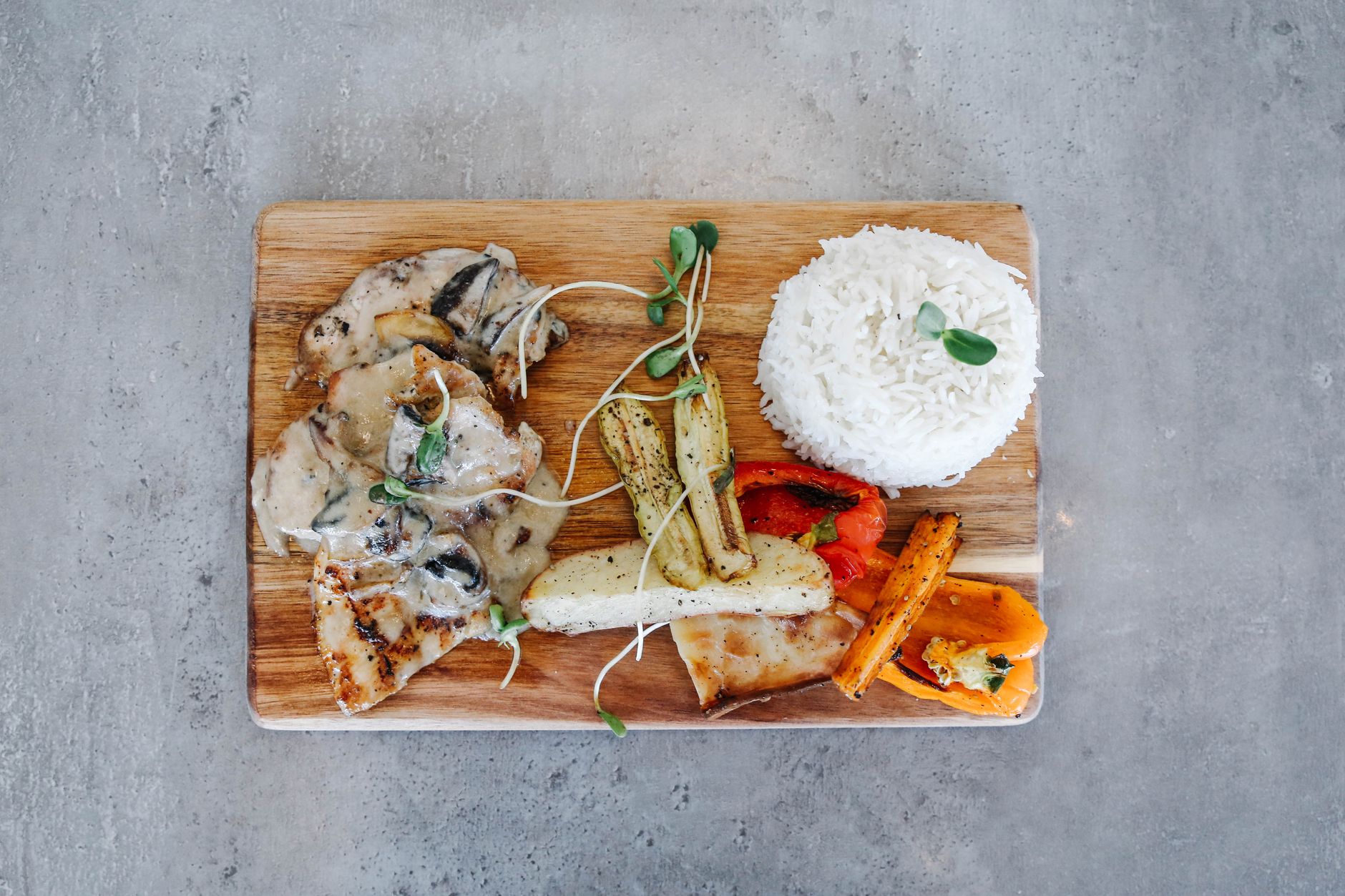
Meal planning on a low potassium diet can feel overwhelming, but it doesn’t have to be. The goal is balance, variety, and simplicity. Below is a **7-day meal plan** with breakfast, lunch, dinner, and snacks—all under **2,000 mg of potassium per day** (a common target for many conditions). Adjust portions based on your provider’s guidance.
Pro tip: Batch-cook grains and proteins on Sundays to save time during the week. For example, cook a big pot of white rice and portion it out for lunches. Roast a tray of chicken and veggies for easy dinners.
| Day | Breakfast | Lunch | Dinner | Snacks |
|---|---|---|---|---|
| Monday | Scrambled eggs with sautéed mushrooms and a sprinkle of nutritional yeast | Grilled chicken salad (romaine, cucumber, olive oil dressing, pumpkin seeds) | Baked cod with white rice and steamed zucchini | Apple slices with almond butter (small portion) |
| Tuesday | Plain oatmeal with strawberries, almond milk, and chia seeds | Turkey lettuce wraps with mayonnaise and shredded carrots | Grilled chicken with white pasta and cauliflower "rice" | Hard-boiled eggs with a sprinkle of black pepper |
| Wednesday | Greek yogurt (plain, nonfat) with peaches and pumpkin seeds | Tuna salad (with mayo) on white bread with cucumber slices | Baked tilapia with roasted bell peppers and white rice | Cucumber slices with hummus (low-potassium) |
| Thursday | Smoothie (almond milk, strawberries, ice, chia seeds) | Chicken Caesar salad (romaine, parmesan, low-potassium dressing, pumpkin seeds) | Grilled turkey with mashed cauliflower and green beans | Cheese cubes and celery sticks |
| Friday | Toast with butter and sliced peaches | Lettuce wraps with ground turkey and shredded cabbage | Baked cod with quinoa and sautéed mushrooms | Olives (in moderation) and a small handful of almonds |
| Saturday | Scrambled eggs with cheddar cheese and a sprinkle of turmeric | Grilled chicken and white rice bowl with cucumber and pumpkin seeds | Turkey meatballs with zucchini noodles and olive oil | Strawberries with whipped cream |
| Sunday | Pancakes (made with white flour and almond milk) with a drizzle of honey | Chicken salad (with mayo) on whole wheat bread with a side of romaine | Baked chicken with roasted cauliflower and white rice | Popcorn (air-popped, no salt) with a sprinkle of nutritional yeast |
Key: All meals are designed to keep potassium under **2,000 mg/day**. Adjust portions if you’re more active or have higher needs. If you’re managing kidney disease, your provider may recommend even lower targets (e.g., **1,500–2,000 mg/day**).
---How to Read Food Labels for Low Potassium: Your Cheat Sheet
Reading nutrition labels can feel like learning a foreign language, especially when potassium isn’t always listed prominently. Here’s how to decode it like a pro:
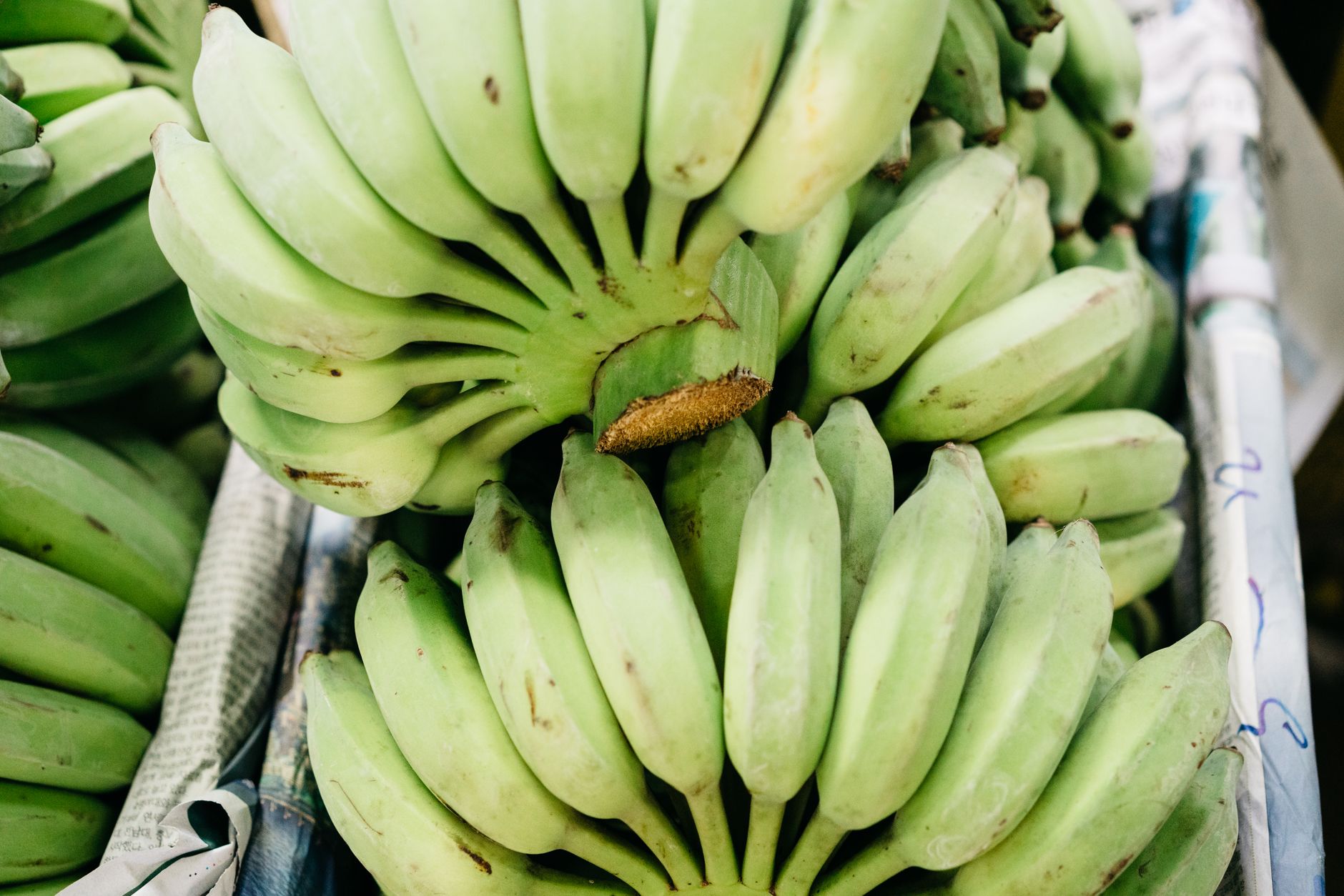
Step 1: Look for Potassium on the Label
Potassium is listed under the "Nutrient Facts" section, usually in milligrams (mg). If it’s not listed, assume it’s under 5 mg per serving (common for fresh, unprocessed foods).
Step 2: Check the % Daily Value (%DV)
The %DV is based on a 4,700 mg daily target for the average adult. For a low potassium diet, aim for:
- Under 5% DV per serving (safe for most meals).
- Under 10% DV per meal (if you’re tracking carefully).
Step 3: Watch for Hidden Potassium in Processed Foods
Some foods you’d never guess are high in potassium:
- Tomato sauce and paste: ~500 mg per ½ cup.
- Beef or chicken broth: ~300–500 mg per cup.
- Salad dressings (ranch, Caesar): ~100–200 mg per tablespoon.
- Nuts and seeds (almonds, cashews): ~200–300 mg per ounce.
- Dark chocolate: ~200 mg per ounce.
- Sports drinks: ~100–200 mg per 8 oz. Tip: Opt for water or coconut water instead.
Step 4: Use Apps to Track Potassium
Apps like MyFoodAdvisor or Cronometer let you scan barcodes and track potassium intake effortlessly. Many hospitals even provide free access to patients on low potassium diets.
---Low Potassium Snack Ideas for Beginners: Quick and Easy
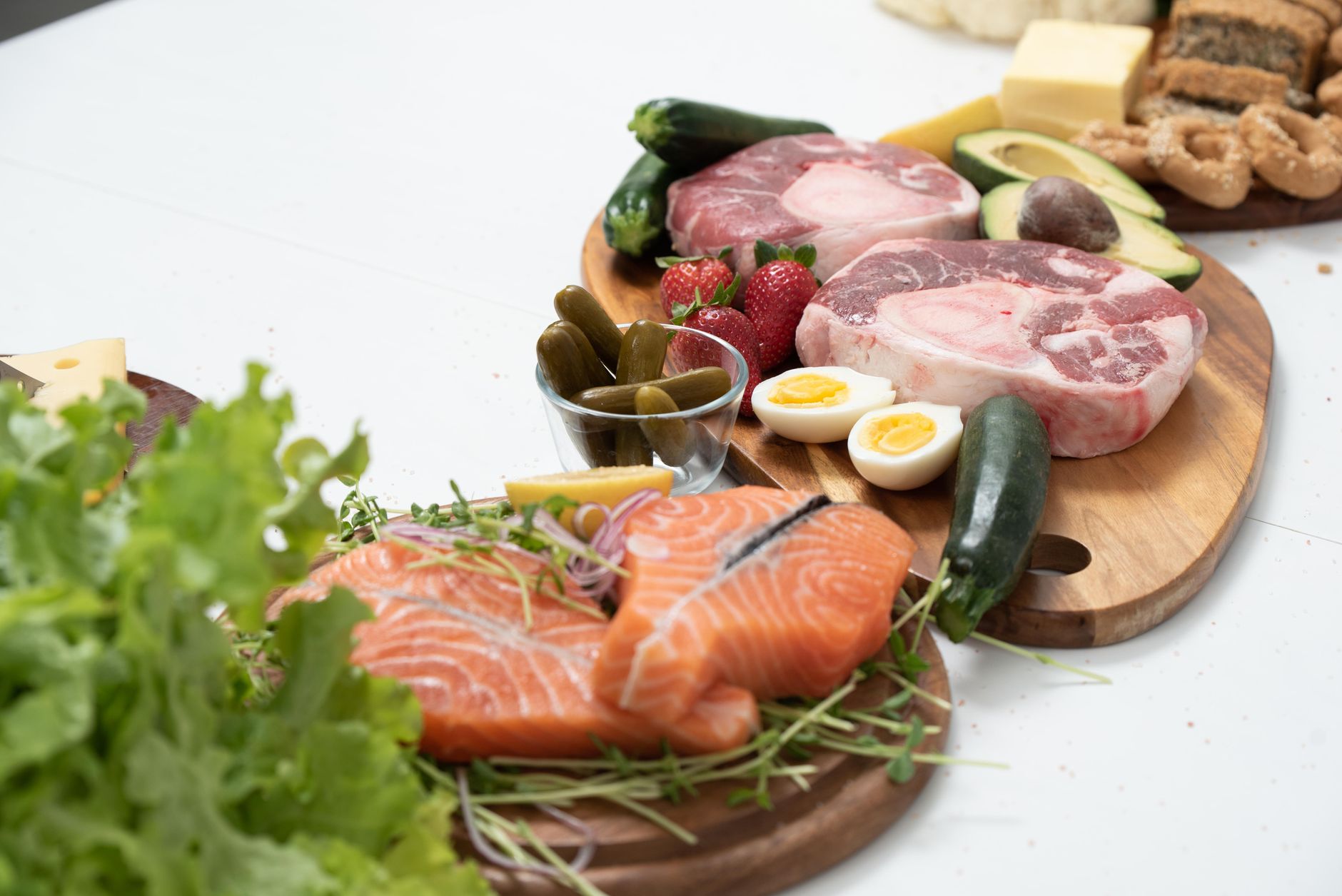
Snacks are where most people trip up—either by reaching for a banana or not planning ahead. Here are **20 low-potassium snack ideas** that are easy to grab and satisfying:
Fresh and Crunchy
- Sliced cucumbers with hummus (check hummus label—some brands have ~200 mg per ¼ cup).
- Celery sticks with butter or cream cheese.
- Bell pepper strips with guacamole (avocado is high in potassium, so use sparingly). Tip: Pair with a sprinkle of feta cheese for extra flavor.
- Cherry tomatoes (only ~15 mg per cup). Try this: Serve with a side of mozzarella balls (low-potassium).
Protein-Packed
- Hard-boiled eggs.
- Cheese cubes (cheddar, mozzarella). Pair with: A few whole-grain crackers (white bread is lower in potassium).
- Turkey or chicken jerky (check labels—some brands have ~200 mg per oz). Tip: Opt for low-sodium versions.
- Canned tuna or salmon (in water, not oil). Try this: Mix with mayo and serve on white bread with cucumber slices.
Sweet Treats
- Apples or pears with butter. Bonus: Add a sprinkle of cinnamon for extra flavor.
- Strawberries with whipped cream. Tip: Use homemade whipped cream to avoid hidden potassium.
- Plain yogurt (nonfat) with a drizzle of honey. Pair with: A handful of pumpkin seeds for magnesium.
- Popcorn (air-popped, no salt). Try this: Sprinkle with nutritional yeast for a cheesy flavor.
Store-Bought Convenience
- Rice cakes with butter.
- Low-potassium crackers (like Health Valley low-sodium crackers). Tip: Pair with cheese or cream cheese for a balanced snack.
- Pre-cut veggie sticks with ranch dressing (check for low-potassium versions). Watch out: Some ranch dressings can be high in potassium.
Low Potassium Diet Grocery List for Beginners: Your Shopping Blueprint
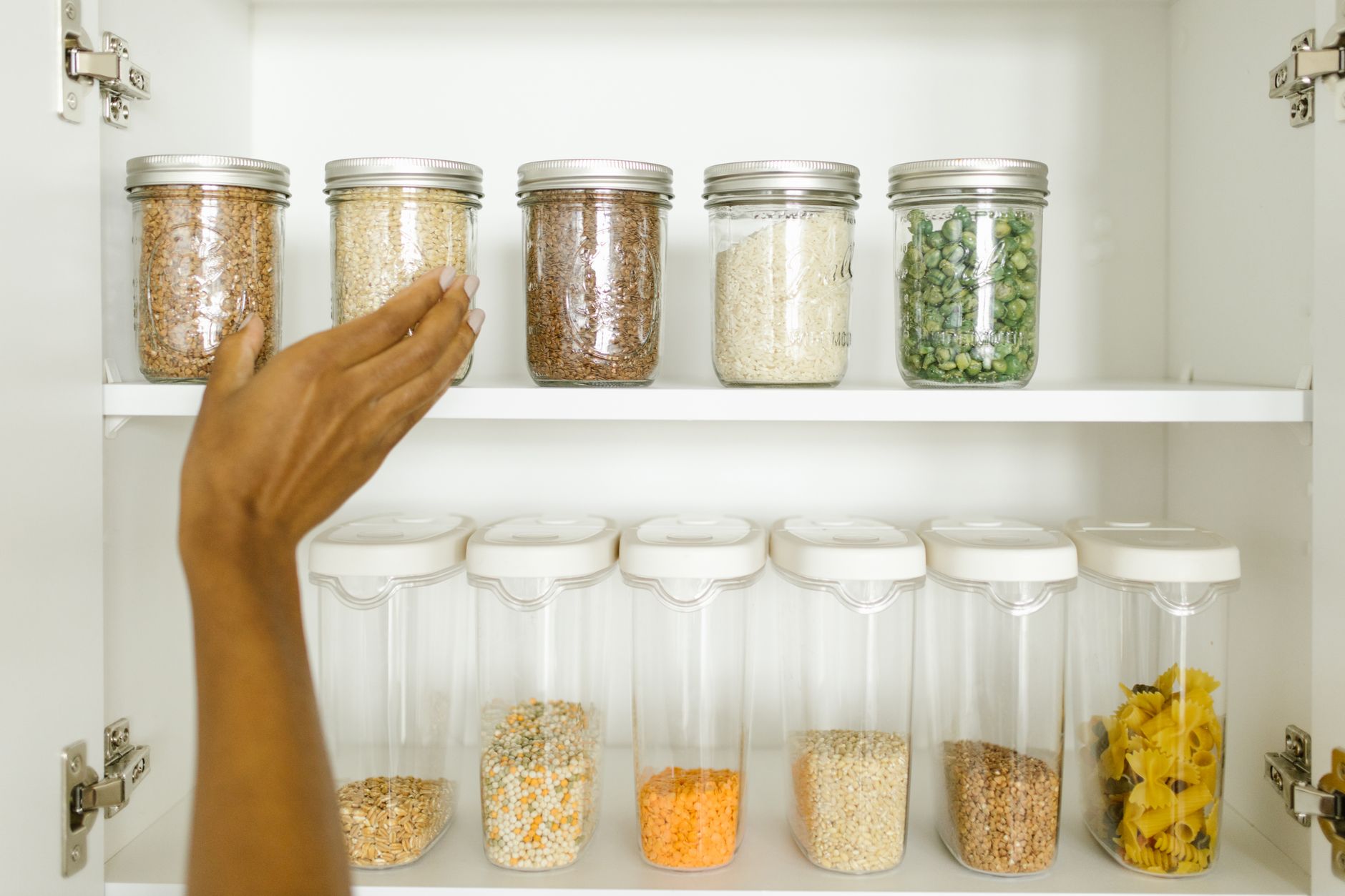
Going grocery shopping on a low potassium diet can feel like a minefield, but with this list, you’ll walk in confident. Prioritize fresh, unprocessed foods and avoid pre-packaged meals (they’re often potassium bombs). Below is a **starter grocery list** for a week’s worth of meals. Adjust quantities based on your household size.
Proteins
- Chicken breast (4–6 pieces)
- Ground turkey (1 lb)
- Cod or tilapia fillets (4)
- Eggs (1 dozen)
- Canned tuna in water (2 cans)
- Cheese (cheddar or mozzarella, 8 oz)
- Plain yogurt (nonfat, 32 oz)
- Almond milk (unsweetened, 1/2 gallon)
- Pumpkin seeds (small bag)
Vegetables
- Romaine lettuce
- Iceberg lettuce
- Cucumbers (3)
- Zucchini (3)
- Bell peppers (3 colors)
- Green beans (1 lb)
- Cauliflower (1 head)
- Mushrooms (white button, 8 oz)
- Celery (1 bunch)
- Carrots (small bag)
- Cherry tomatoes (small bag)
Fruits
- Apples (6)
- Strawberries (1 pint)
- Peaches (4)
- Pears (4)
- Cantaloupe (small)
Grains and Bread
- White rice (2 lbs)
- White pasta (1 lb)
- Oats (plain, 1 canister)
- Whole wheat bread (1 loaf)
- White bread (1 loaf)
- Rice cakes (plain)
Fats and Oils
- Olive oil
- Butter
- Mayonnaise (low-potassium)
- Avocado oil (small bottle)
- Nutritional yeast (small bag)
Avoid These High-Potassium Foods
Skip or limit these common potassium traps:
- Bananas
- Oranges
- Potatoes and sweet potatoes
- Spinach, kale, Swiss chard
- Avocados
- Tomatoes and tomato sauce
- Broccoli (cooked—raw is safer)
- Beets and beet greens
- Nuts and seeds (except pumpkin seeds, which are lower)
- Dark chocolate (limit to 1 oz/day)
Low Potassium Diet for Kidney Disease Beginners: Special Considerations
If you have chronic kidney disease (CKD), a low potassium diet is often part of your treatment plan to prevent dangerous imbalances. The goal is to keep potassium levels stable while still getting enough nutrients. Here’s what you need to know:
One reader with early-stage CKD, Maria, told us she was "terrified of missing out on flavor" when she started cutting potassium. She found that spices and herbs (like garlic, basil, and paprika) made all the difference. "I thought I’d have to eat bland food forever," she said, "but it’s about creativity, not sacrifice."
Key Adjustments for CKD
- Lower target: Many CKD patients aim for **1,500–2,000 mg/day**, depending on their stage. Your provider will guide you.
- Phosphate control: Since CKD also affects phosphate, pair your low potassium diet with low-phosphate foods (e.g., white rice, eggs, chicken). Avoid processed meats and dairy if your phosphate is high.
- Monitor sodium: If you have heart failure or high blood pressure, you may also need to limit sodium. The DASH diet principles can help with both.
- Avoid potassium-sparing diuretics: Some medications (like spironolactone) can raise potassium. Always check with your provider before starting new meds.
- Supplement carefully: If you’re deficient in magnesium or calcium, your provider may recommend supplements. Always check labels for potassium content to avoid hidden potassium.
Sample CKD-Friendly Meal Adjustments
Compare these two versions of the same meal:
| High-Potassium Version | Low-Potassium CKD Version |
|---|---|
| Baked salmon with spinach and sweet potato | Baked salmon with cauliflower "mashed potatoes" and steamed zucchini |
| Chicken stir-fry with broccoli and soy sauce | Chicken stir-fry with cabbage, mushrooms, and low-sodium soy sauce |
| Beef stew with carrots and potatoes | Turkey stew with celery, cauliflower, and white rice |
| Grilled chicken with a side of beans | Grilled chicken with a side of pumpkin seeds and cucumber slices |
Low Potassium Diet for Heart Failure: What You Need to Know
If you have heart failure, managing your potassium levels is critical because both low and high potassium can affect your heart’s ability to function properly. Here’s how to navigate this diet safely:
One of our readers, Linda, who was diagnosed with heart failure, shared that she was "overwhelmed by all the restrictions" at first. She found that focusing on small, consistent changes made the transition easier. "I started by just swapping out my morning banana for an apple," she said. "Then I gradually adjusted my meals, and it became second nature."
Key Considerations for Heart Failure
- Balance is key: Aim for **1,500–2,000 mg of potassium per day**, unless your provider advises otherwise. Too little or too much can be harmful.
- Watch your sodium too: Heart failure often requires a low-sodium diet as well. The DASH diet is a great framework for both.
- Diuretics: Many heart failure patients take diuretics, which can lower potassium levels. Your provider may recommend potassium-sparing diuretics (like amiloride) or potassium supplements if your levels are too low.
- Monitor symptoms: Pay attention to signs of low potassium (muscle cramps, fatigue) or high potassium (weakness, irregular heartbeat). Report any changes to your provider.
Heart-Friendly Meal Swaps
Here are some easy


