

Quick take: A pregnancy-safe low carb grocery list prioritizes nutrient-dense proteins, healthy fats, and fiber-rich vegetables while avoiding added sugars and processed carbs. Focus on leafy greens, fatty fish, eggs, and dairy (if tolerated) to support fetal development and your changing metabolism. Always check with your provider before starting any diet during pregnancy or breastfeeding — especially if you have gestational diabetes or morning sickness. Learn about the science-backed benefits and risks before making changes.
You’re staring at the grocery store shelves at 9pm, your belly rumbling, and the "low carb" section looks like a foreign language. You’re not alone.
Many pregnant or breastfeeding moms turn to low carb diets to manage cravings, stabilize energy, or support gestational diabetes management — but the aisles can feel overwhelming. One reader told us, "I spent an hour in the dairy section trying to figure out which cheeses were low carb and which would make me bloated." The truth? You don’t need a nutrition degree to shop smart. This guide breaks down exactly what to buy, what to avoid, and how to meal prep like a pro — without the stress.
Whether you're in your first trimester battling nausea or breastfeeding and worried about nutrient gaps, we’ll cover:
- Trimester-specific grocery lists (yes, your needs change!)
- Budget-friendly hacks for new moms on tight budgets
- How to read labels like a pro — especially when pregnant
- Safe low carb snacks for morning sickness or aversions
- The worst grocery mistakes that could harm your baby or milk supply
And remember: always consult your provider before making dietary changes during pregnancy or breastfeeding. What works for one mom might not suit yours — especially if you have gestational diabetes or a history of eating disorders. This list is a starting point, not a one-size-fits-all rule.
--- What are the best low carb foods to buy for a healthy pregnancy on a budget?
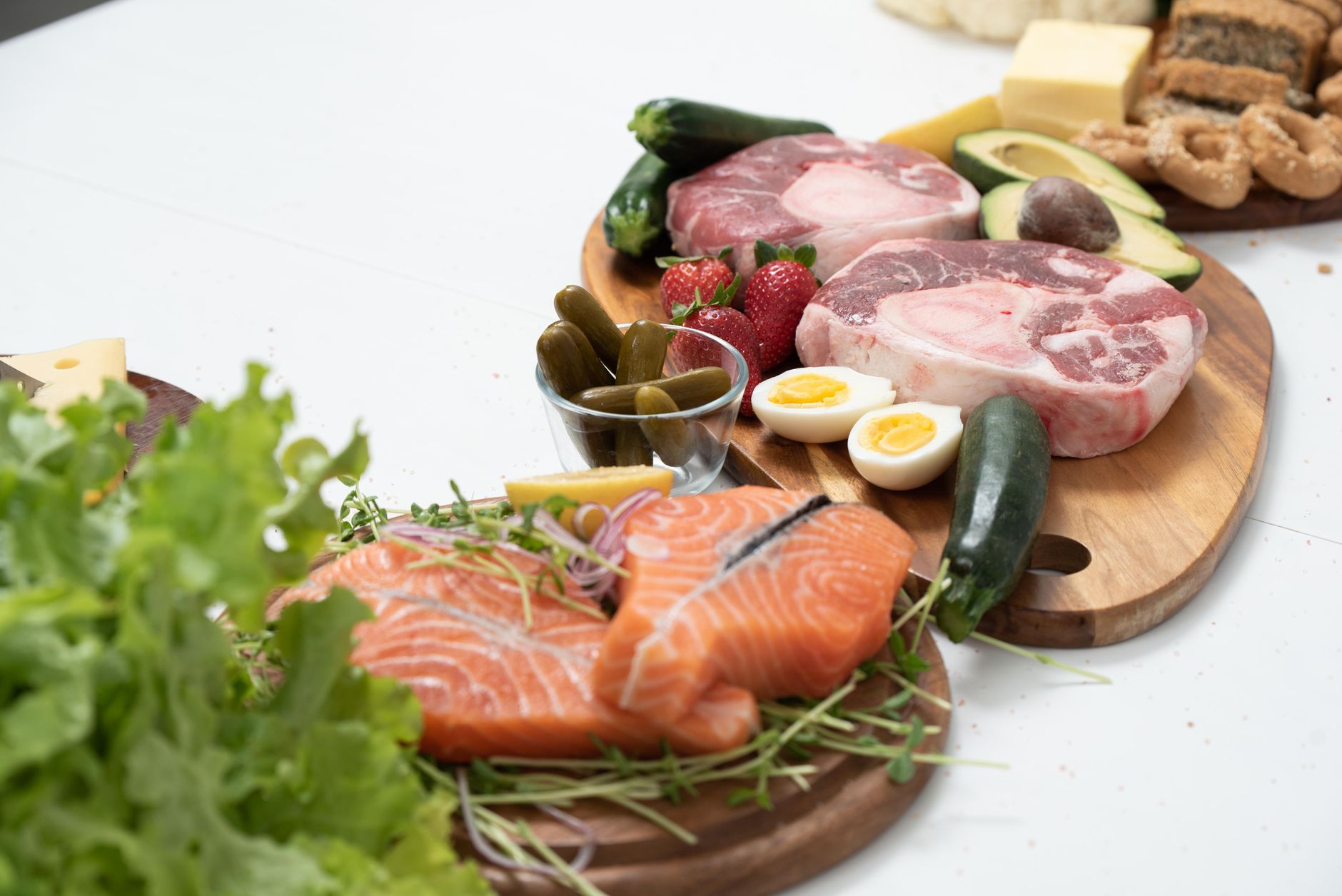
Here’s your budget-friendly foundation:
| Category | Best Budget Picks | Why It Matters |
|---|---|---|
| Proteins | Eggs, canned tuna/salmon, chicken thighs, ground turkey, lentils (small amounts) | Supports fetal protein needs without breaking the bank. Eggs are one of the most nutrient-dense foods on the planet. |
| Healthy Fats | Peanut butter (natural, no sugar added), olive oil, coconut oil, avocados, nuts/seeds (small portions) | Essential for baby’s brain development. Avocados are also rich in folate, which many prenatal vitamins lack. |
| Vegetables | Frozen spinach, zucchini, bell peppers, broccoli, cauliflower, mushrooms | Frozen veggies are cheaper and just as nutritious. Spinach is packed with iron to prevent anemia. |
| Dairy (if tolerated) | Plain Greek yogurt, cheddar cheese, cottage cheese, milk (unsweetened) | Calcium and vitamin D for baby’s bones. Opt for full-fat if you’re avoiding excess sugar. |
Pro tip: Buy store-brand canned fish and frozen veggies — they’re often just as good as name brands but cost 30–50% less. And don’t skip the spices! A little turmeric or garlic powder can turn simple meals into flavor bombs without carbs.
**What to avoid on a budget:**
- Pre-packaged "low carb" snacks (often loaded with artificial sweeteners)
- Fancy "mom-to-be" smoothie mixes (marketed as healthy but full of sugar)
- Overpriced "organic" everything (unless you have specific needs like pesticide concerns)
**Reader story:** "I started with just eggs, spinach, and peanut butter. My provider said it was perfect for my first trimester — no nausea, steady energy, and I saved $150 a month. Now I add frozen berries for fiber."
--- How to meal prep low carbohydrate groceries for busy moms-to-be in 2026
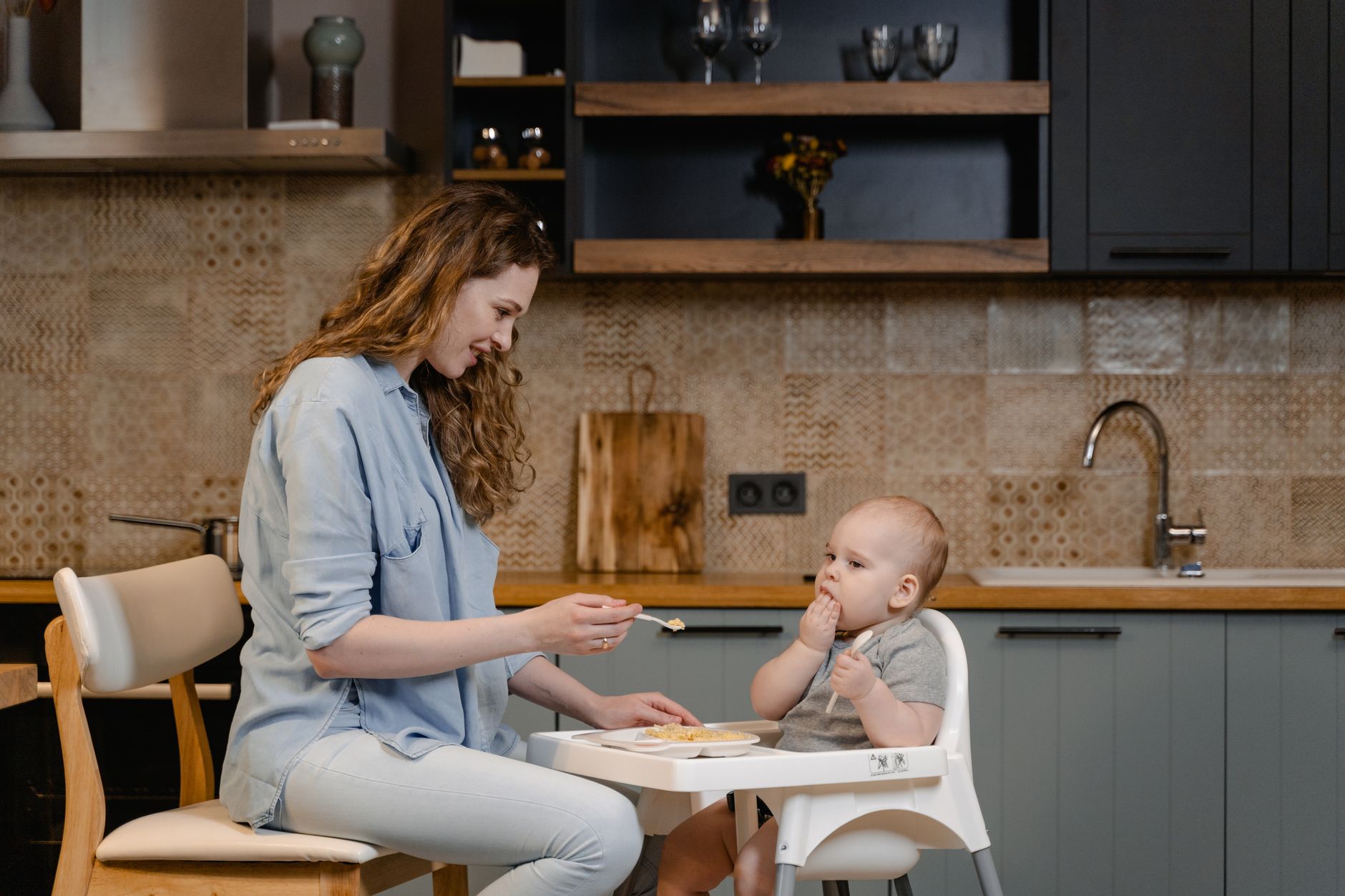
Let’s be real: pregnancy and mom life are chaotic. You need meals that last 3–4 days in the fridge, require 10 minutes or less of prep, and won’t make you feel like you’re eating a science experiment. Here’s how to meal prep like a sleep-deprived superhero.
Step 1: Batch-cook your protein
Pick one or two proteins to cook in bulk. Rotisserie chicken, hard-boiled eggs, and baked salmon are your best friends. Store them in airtight containers for up to 4 days.
- Rotisserie chicken: Shred it and use in salads, wraps (use lettuce!), or stir-fries.
- Hard-boiled eggs: Peel and store in the fridge. Great for quick snacks or topping salads.
- Baked salmon: Flake it into salads or pair with avocado for a nutrient-packed lunch.
Step 2: Prep your veggie staples
Chop all your low carb veggies at once and store them in containers. Focus on:
- Spinach (washed and dried)
- Zucchini (sliced for stir-fries or roasting)
- Bell peppers (sliced for snacks or stir-fries)
- Broccoli (cut into florets for roasting)
Pro tip: Learn how the Mediterranean diet approach to veggie prep can save you time — chop everything in one session and freeze extras.
Step 3: Make grab-and-go snacks
Pre-portion these for when you’re too tired to cook:
- Cheese cubes + olives
- Hard-boiled eggs + pepper strips
- Avocado halves with salt & pepper
- Nuts/seeds (small handfuls)
Step 4: Freeze meals in advance
Double recipes of soups, stews, or casseroles and freeze half. When you’re craving comfort food but short on time, pull it out and reheat. Best freezer-friendly meals:
- Chicken and veggie stir-fry
- Beef and mushroom soup
- Cheesy cauliflower rice bake
- Tuna salad lettuce wraps
Time-saving hack: Use a slow cooker or Instant Pot to cook large batches of soups or stews on weekends. They reheat beautifully and keep for up to 3 months.
**Reader story:** "I prepped all my veggies on Sunday and stored them in clear containers. Now I can just grab what I need and throw it in a pan. My husband even helps — he’s the one who remembers to add the olive oil!"
--- Are there any low carb snacks safe to eat during early pregnancy?
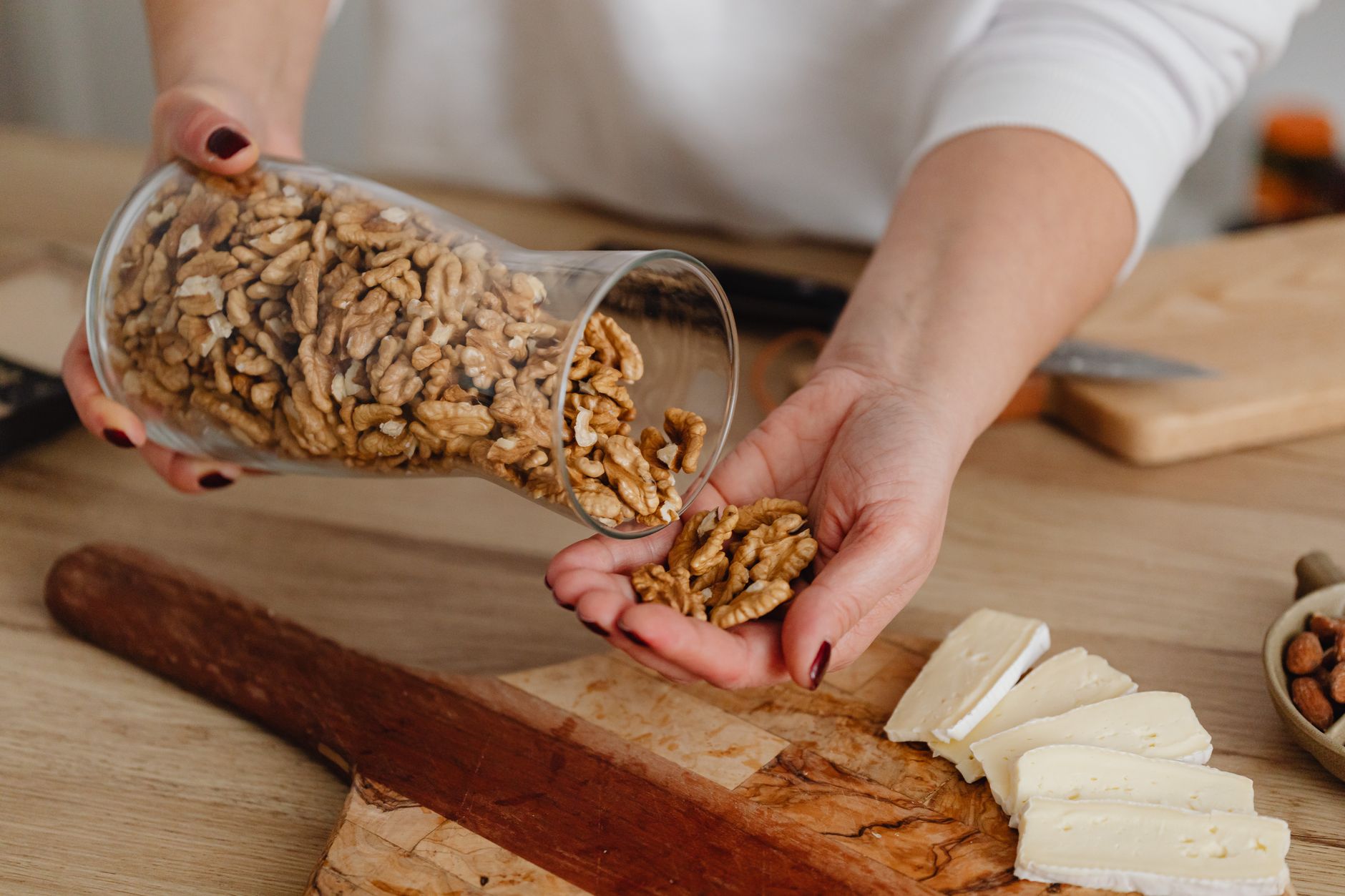
Early pregnancy is a minefield of cravings, aversions, and sudden food aversions. The good news? Many low carb snacks are also gentle on your stomach. The bad news? Some "safe" snacks can actually trigger nausea or bloating. Here’s what to reach for — and what to avoid.
Safe Low Carb Snacks for Early Pregnancy
| Snack | Net Carbs (per serving) | Why It’s Safe | Best Time to Eat |
|---|---|---|---|
| Hard-boiled eggs | 0g | Rich in choline (critical for baby’s brain) and protein to stabilize blood sugar | Morning or afternoon (helps with nausea) |
| Avocado slices with salt | 3g | Healthy fats calm nausea and provide fiber | Whenever you feel queasy |
| Cottage cheese with cinnamon | 4g | Protein + calcium without sugar. Cinnamon helps with digestion | Evening (easy to digest) |
| Olives and cheese cubes | 2g | No sugar, no bloating, and electrolytes help with morning sickness | Whenever you need a quick bite |
| Peanut butter (natural, no sugar added) on celery | 4g | Protein + fiber to keep you full and stable | Mid-morning or pre-bed |
Snacks to Avoid (Even If They’re "Low Carb")
- Artificial sweeteners (sucralose, aspartame): Some studies link them to nausea in pregnancy. Stick to stevia or monk fruit.
- Processed meats (sausages, deli meats): Often contain nitrates that can cause headaches or bloating.
- High-fat fried snacks: Can trigger acid reflux, which is common in early pregnancy.
- Excessive caffeine: Even decaf can sometimes worsen nausea.
**Pro tip for nausea:** If you’re struggling with morning sickness, try cool, bland snacks like cucumber slices or plain yogurt. Sour flavors (like lemon water) can also help.
**Reader story:** "I couldn’t stand the smell of food in the morning, but I could eat hard-boiled eggs. My provider said that was perfect — protein without carbs to keep my energy up."
--- What are the worst low carb grocery items to avoid while breastfeeding?
Breastfeeding moms need extra calories and nutrients to support milk production — but not all "low carb" foods are safe or helpful. Some can actually reduce milk supply, cause digestive issues in baby, or introduce harmful additives. Here’s what to steer clear of — and why.
The Biggest Mistakes
- Low carb protein bars: Often contain artificial sweeteners (like sucralose) that can affect milk taste or baby’s digestion.
- Processed "keto" snacks: Chips, crackers, or "low carb" cookies made with almond flour can be high in oxalates, which may contribute to kidney stones (a risk for breastfeeding moms).
- Excessive caffeine or energy drinks: Can pass into breast milk and affect baby’s sleep patterns.
- Unpasteurized cheese or deli meats: Even if they’re low carb, they can carry listeria, which is dangerous for baby.
- Soy-based "meat" substitutes: Often high in phytoestrogens, which some research links to hormonal imbalances in breastfeeding moms.
What to Buy Instead
Focus on:
- Full-fat dairy (milk, yogurt, cheese) for calcium and healthy fats
- Wild-caught fish (salmon, sardines) for omega-3s (but limit to 2–3x/week)
- Pasture-raised eggs for choline and vitamin D
- Lean meats (chicken, turkey, beef) for iron and protein
- Pumpkin seeds for magnesium (helps with milk supply)
**Reader story:** "I thought I could just eat keto snacks while breastfeeding, but my milk supply dropped and my baby got gassy. My lactation consultant said it was the artificial sweeteners. Now I stick to real food!"
--- How to read nutrition labels for low carb products when pregnant or nursing
Nutrition labels can feel like a foreign language — especially when you’re trying to avoid hidden sugars and carbs. Here’s how to decode them like a pro, so you can make safe choices for you and your baby.
Step 1: Check the Serving Size
Serving sizes have changed in recent years — what looks like "one serving" might actually be two. Always check the total servings per container and multiply the carbs by that number if you’re eating the whole package.
Step 2: Look for These Key Terms
| Term | What It Means | Pregnancy/Nursing Note |
|---|---|---|
| Net Carbs | Total carbs minus fiber and sugar alcohols | Focus on ≤20g net carbs per serving for a low carb diet |
| Sugar Alcohols (erythritol, xylitol) | Low-calorie sweeteners that don’t spike blood sugar | Safe in moderation, but some babies may experience gas if mom eats too much |
| Added Sugars | Any sugars added during processing | Avoid anything with added sugars — even "natural" ones like honey |
| Almond Flour | Ground almonds (often used in "low carb" baking) | High in oxalates — limit if you’re prone to kidney stones |
Step 3: Watch for Hidden Carbs
These sneaky ingredients add up:
- Dried fruit (even small amounts)
- Tomato paste (high in carbs)
- Sauces (soy sauce, teriyaki, BBQ)
- Breadcrumbs (even in "low carb" recipes)
Step 4: Prioritize Whole Foods
If a product has more than 5 ingredients or includes words you can’t pronounce, it’s likely processed. Stick to:
- Fresh or frozen vegetables
- Meat, fish, and eggs
- Full-fat dairy (if tolerated)
- Nuts and seeds in their natural form
**Reader story:** "I thought I was being smart buying 'low carb' granola bars, but they had 12g of sugar per bar! Now I just eat nuts and cheese — way simpler and safer."
--- What’s a sample low carb grocery list for gestational diabetes management?
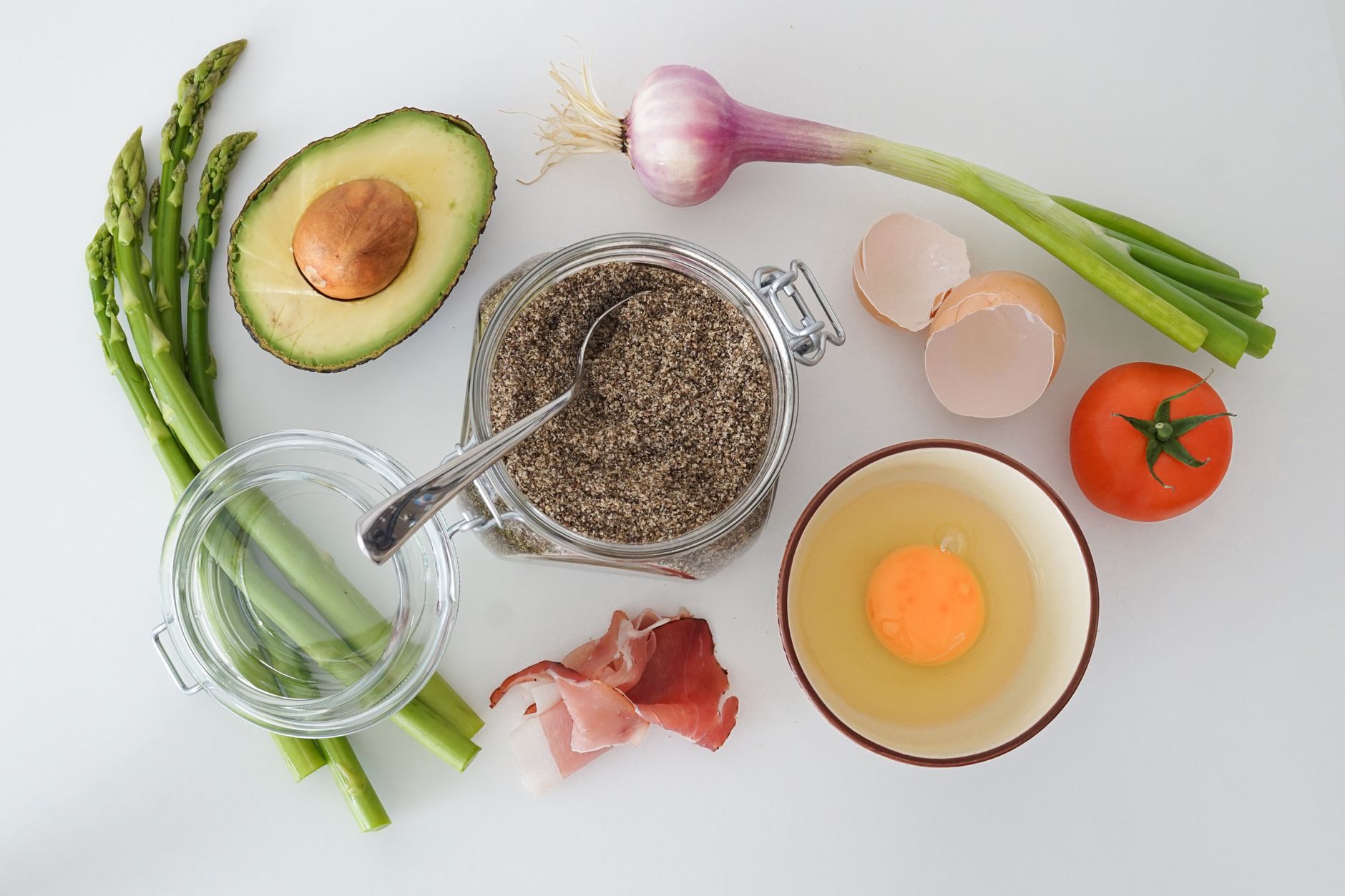
Gestational diabetes (GD) requires careful carb management to keep blood sugar stable. The goal isn’t just "low carb" — it’s consistent carb portions at each meal. Here’s how to shop and eat for GD while keeping meals satisfying and varied.
Trimester-Specific Adjustments
Your carb tolerance changes as your body shifts. Here’s a general guideline:
| Trimester | Carb Target per Meal | Key Adjustments |
|---|---|---|
| 1st Trimester | 30–45g net carbs per meal | Focus on protein and fiber to stabilize blood sugar |
| 2nd Trimester | 30–40g net carbs per meal | Increase healthy fats to support baby’s growth |
| 3rd Trimester | 25–35g net carbs per meal | Prioritize iron-rich foods to prevent anemia |
Sample Grocery List for Gestational Diabetes
**Proteins (prioritize lean, high-quality):
- Chicken breast
- Turkey slices (no sugar added)
- Canned tuna/salmon in water
- Eggs (or liquid egg whites)
- Shrimp or scallops
**Vegetables (focus on leafy greens and non-starchy):
- Spinach
- Kale
- Zucchini
- Cauliflower
- Broccoli
- Bell peppers
**Healthy Fats:
- Avocados
- Olive oil
- Peanut butter (natural, no sugar added)
- Nuts/seeds (small portions)
- Full-fat cheese
**Low-Carb Fruits (small portions):
- Berries (raspberries, blackberries)
- Avocado (technically a fruit!)
- Lemon/lime (for flavor without carbs)
**Grains (limit to 1–2x/week):
- Quinoa (small portions)
- Chia seeds (for fiber)
- Almond flour (for baking)
**Snacks (GD-friendly):
- Cheese cubes + olives
- Hard-boiled eggs
- Celery + peanut butter
- Cottage cheese with cinnamon
**Beverages:
- Water (add lemon or cucumber)
- Herbal tea (unsweetened)
- Black coffee (no sugar)
**Avoid:
- Sweetened yogurts
- Fruit juices
- Processed meats with sugar
- Dried fruit
**Reader story:** "My endocrinologist gave me this list, and my blood sugar finally stabilized. I even lost some pregnancy weight — which shocked me!"
---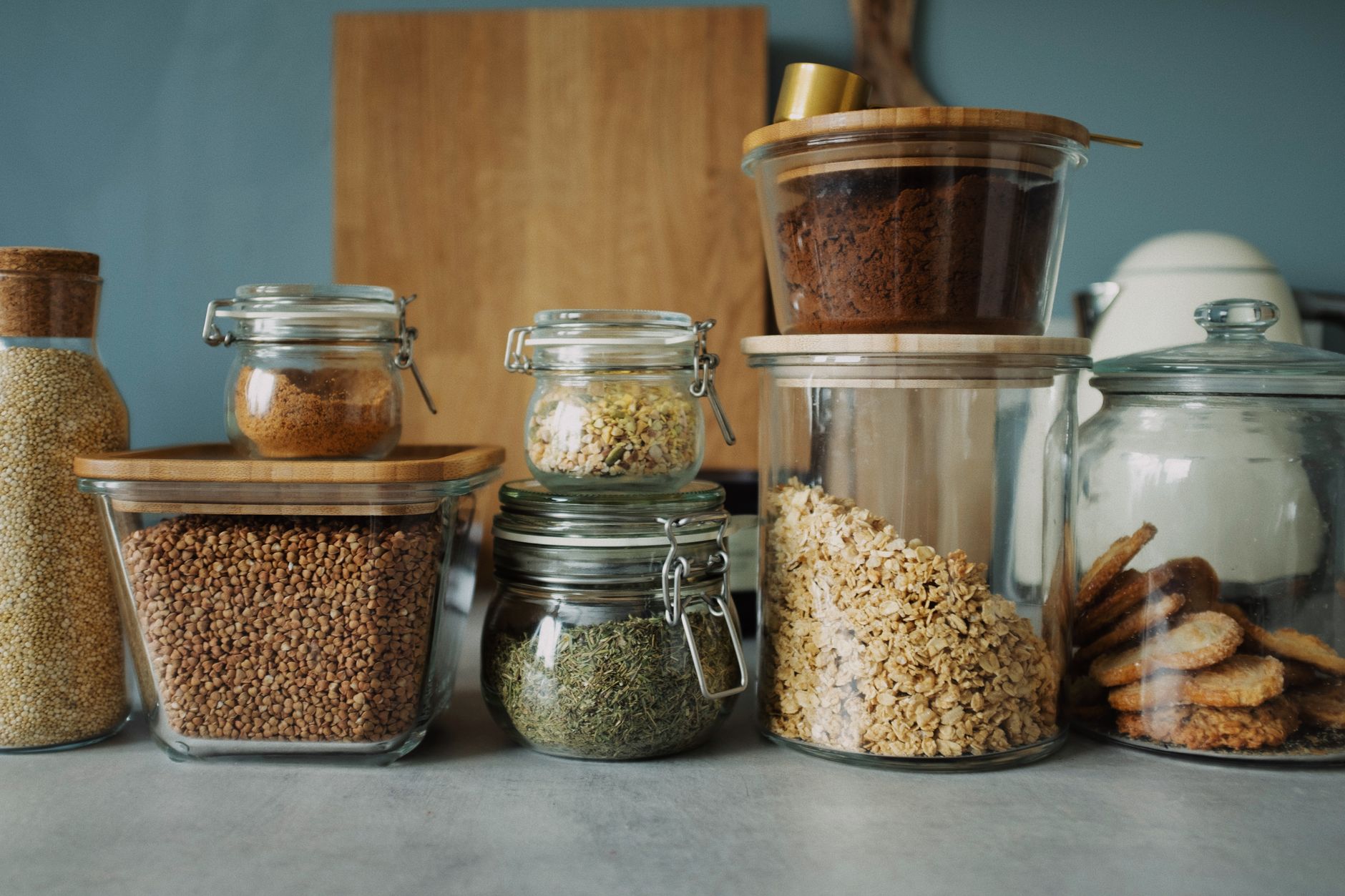 How to stock a low carb pantry for long-term maternal health without waste
Building a low carb pantry is like creating a "maternal survival kit" — you want things that last, nourish you, and don’t go to waste. The key is versatility and storage-friendly ingredients. Here’s how to stock up without clutter or food waste.
Pantry Staples
| Ingredient | Why It’s Useful | Storage Tip |
|---|---|---|
| Olive oil | Cooking fat, salad dressing base | Store in a cool, dark place (or fridge after opening) |
| Peanut butter (natural, no sugar added) | Quick protein source, spreads, sauces | Keep in the fridge after opening to prevent spoilage |
| Canned tuna/salmon | Protein for salads, wraps, or quick meals | Store in a cool, dry pantry (use within 2–3 months) |
| Chia seeds | Fiber, omega-3s, thickening agent for "pudding" | Store in the fridge after opening |
| Almond flour | Baking substitute for bread/crackers | Keep in an airtight container (lasts 6 months) |
Fridge Essentials
- Eggs (buy in bulk and freeze)
- Cheese (cheddar, mozzarella, feta)
- Plain Greek yogurt (unsweetened)
- Avocados (buy slightly green to ripen slowly)
- Lemon/lime (for flavor without carbs)
Freezer Must-Haves
- Rotisserie chicken (shred for salads)
- Ground beef or turkey (cook into burgers or meatballs)
- Berries (for smoothies or topping yogurt)
- Pre-cooked shrimp or scallops
How to Avoid Waste
- Use the "FIFO" method: First In, First Out. Place newer items behind older ones so you use up what you have first.
- Portion snacks: Divide nuts, cheese, or olives into small containers so you don’t over-eat.
- Freeze extras: If you buy too many veggies, blanch and freeze them for soups later.
- Check expiration dates: Pregnancy is a great time to audit your pantry and toss anything old.
**Reader story:** "I stocked my pantry with olive oil, eggs, and canned fish, and I never had to think about meals. Even when I was exhausted, I could just grab a can of tuna and some spinach and be done in 5 minutes."
---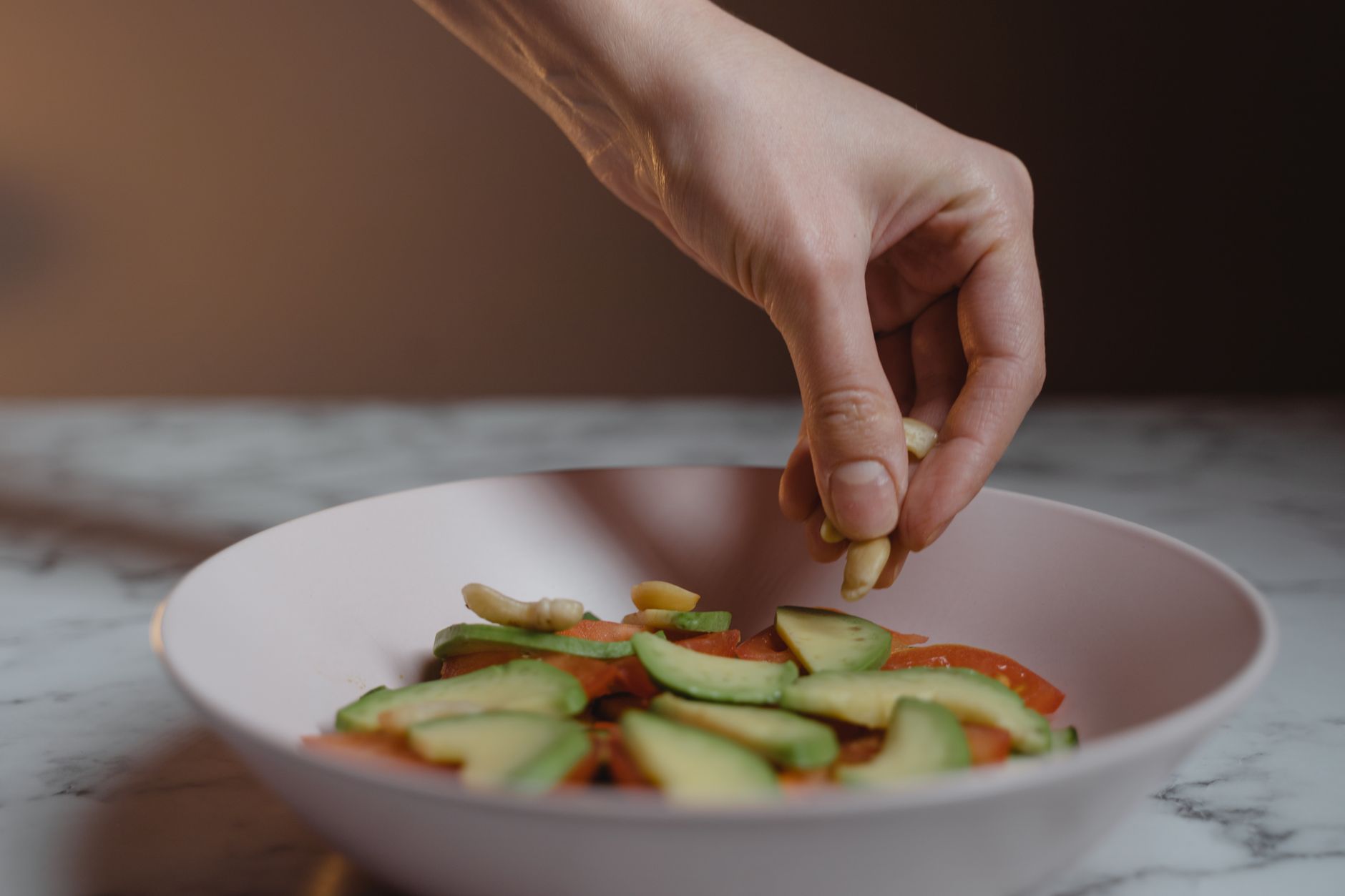 What are the most nutrient-dense low carb vegetables for pregnancy and lactation?
Vegetables are the unsung heroes of pregnancy and breastfeeding — they provide fiber, vitamins, and antioxidants without the carbs. But not all veggies are created equal. Some are nutrient bombs that support fetal development and milk production, while others are just… well, veggies. Here’s your guide to the best low carb options.
Top 10 Nutrient-Dense Low Carb Veggies
| Vegetable | Net Carbs (per 1 cup cooked) | Key Nutrients for Pregnancy | Best Way to Eat |
|---|---|---|---|
| Spinach | 1g | Iron, folate, calcium, vitamin K | Sautéed with garlic, in smoothies, or as a salad base |
| Kale | 2g | Vitamin A, vitamin C, calcium | Massaged with olive oil, blended into soups |
| Zucchini | 3g | Potassium, magnesium, vitamin C | Spaghetti substitute, grilled, or in stir-fries |
| Broccoli | 4g | Fiber, vitamin C, folate, choline | Roasted with olive oil, steamed, or in salads |
| Cauliflower | 3g | Vitamin C, vitamin K, folate | Riced for "rice," mashed like potatoes, or roasted |
| Asparagus | 2g | Folate, prebiotic fiber, vitamin K | Roasted with lemon, grilled, or in omelets |
| Bell Peppers | 3g | Vitamin C, vitamin A, antioxidants | Stuffed with cheese, sliced for snacks, or stir-fried |
| Mushrooms | 2g | B vitamins, selenium, potassium | Sautéed in butter, added to soups, or grilled |
| Arugula | 1g | Calcium, vitamin K, antioxidants | Salad base, blended into pesto, or as a garnish |
| Brussels Sprouts | 5g | Vitamin C, vitamin K, folate | Roasted with bacon, sautéed with garlic |
| Green Beans | 4g | Fiber, vitamin K, manganese | Stir-fried, blanched, or in salads |
How to Maximize Nutrition
- Soak leafy greens: Rinse spinach or kale in cold water to remove nitrates.
- Cook with healthy fats: Sauté veggies in olive oil or butter to boost nutrient absorption.
- Eat raw when possible: Raw veggies (like bell peppers or cucumbers) retain more enzymes.
- Rotate your greens: Mix up spinach, kale, and arugula to get a broader range of nutrients.
**Reader story:** "I started eating spinach every day, and my energy levels skyrocketed. My provider even complimented my iron levels — I was worried about anemia!"
---Myth vs. Fact: Low Carb Diets During Pregnancy
Myth: "A low carb diet will always help with morning sickness."
Fact: While some women find low carb helps nausea, others experience worse symptoms. The key is protein and healthy fats — not just eliminating carbs. If you’re struggling, try hard-boiled eggs, avocado, or cool cucumber slices. Learn more about how low carb affects pregnancy symptoms.
Myth: "You can’t eat enough calories on a low carb diet while pregnant."
Fact: You can — but you need to prioritize healthy fats and protein over volume. Foods like avocados, nuts, olive oil, and fatty fish are calorie-dense and nutrient-packed. Aim for 1,800–2,200 calories/day (more if you’re underweight).
Myth: "All low carb snacks are safe for breastfeeding moms."
Fact: Many processed "low carb" snacks contain artificial sweeteners or additives that can affect milk supply or baby’s digestion. Stick to whole foods like cheese, nuts, and hard-boiled eggs.
---Key Takeaways
- Prioritize protein and healthy fats to support fetal development and keep you full.
- Focus on nutrient-dense veggies like spinach, kale, and broccoli for fiber and vitamins.
- Meal prep in bulk to save time — batch-cook proteins and chop veggies ahead of time.
- Avoid processed low carb foods with artificial sweeteners or hidden sugars.
- Adjust your carb intake by trimester — your needs change as your body changes.
- Always check with your provider before making dietary changes, especially if you have gestational diabetes or morning sickness.
Frequently Asked Questions
Can I eat a low carb diet safely during pregnancy?
Yes, but with caution. A moderate low carb diet (20–50g net carbs/day) can help manage gestational diabetes or cravings, but extreme low carb (keto) is not recommended without close medical supervision. The American College of Obstetricians and Gynecologists (ACOG) advises that any diet during pregnancy should include adequate


