
Quick take: Starting a low carb diet can feel overwhelming, but the right food list makes it simple. Focus on whole foods like eggs, leafy greens, fatty fish, and avocados while avoiding processed carbs. For beginners, aim for 20–50g net carbs daily—adjust based on your goals (weight loss, energy, or pregnancy). Our 7-day meal plan breaks it down further, but this guide covers the essentials: what to eat, what to avoid, and how to transition smoothly—without the crash. Plus, we’re adding **practical tips for meal prep, budget-friendly swaps, and how to handle social situations** so you can thrive long-term.Low Carb Diet Food List for Beginners: The Complete 2026 Guide
It was 3 a.m., and I was staring at my fridge like it had just betrayed me. The leftover pasta I’d planned for dinner sat in the container, staring back. My phone buzzed with a notification: “Net carbs: 42g.” I sighed. The low carb diet wasn’t just a diet; it was a lifestyle shift I’d promised myself I’d try. But how do you even *start*? What’s allowed? What’s not? And—most importantly—what the heck do you eat for breakfast?
If you’ve landed here, you’re not alone. Millions of women—whether navigating pregnancy, managing diabetes, dealing with PCOS, or simply trying to lose weight—are turning to low carb diets for answers. The good news? You don’t need to master culinary science to succeed. This guide is your no-nonsense, science-backed roadmap to low carb eating. We’ll cover what to eat, what to avoid, how to meal plan, and even how to handle those early-weekend cravings. By the end, you’ll know exactly what to put in your cart, your cartons, and your cart—no more guessing.
Let’s start with the basics: what *is* a low carb diet, and why might it be right for you? We’ll also dive into **how to manage low carb eating on a budget** and **how to navigate social situations** without feeling deprived.
---What Is a Low Carb Diet? And Is It Right for You?
A low carb diet limits carbohydrates—primarily sugars and starches—to encourage your body to burn fat for fuel instead. Think of it as training your metabolism to run on a different energy source. For most beginners, this means cutting back on bread, pasta, rice, and sugary snacks while loading up on proteins, healthy fats, and non-starchy vegetables.
But how many carbs *are* low? It depends on your goals:
- Moderate low carb: 50–100g net carbs per day (great for weight loss or managing blood sugar).
- Strict low carb: 20–50g net carbs per day (often called “keto” territory).
- Very low carb: Less than 20g net carbs per day (used for medical conditions like epilepsy).
If you’re exploring keto specifically, you’ll want to dive deeper into that world—but for now, we’re focusing on the broader low carb approach, which is more flexible and easier to sustain long-term.
**Who benefits from low carb?** Many women find low carb helpful for:
- Weight loss (especially around the hips and belly).
- Managing type 2 diabetes or prediabetes.
- Reducing inflammation (great for autoimmune conditions like rheumatoid arthritis).
- Stabilizing energy levels (no more 3 p.m. crashes).
- Pregnancy (with caution—more on this later).
- PCOS management (helping regulate insulin levels).
- Improving skin conditions (like acne or eczema).
**Is it safe for everyone?** Not quite. If you have a history of eating disorders, kidney disease, or type 1 diabetes, consult your doctor before starting. And if you’re pregnant or breastfeeding, low carb can still work—but with adjustments. For example, the American College of Obstetricians and Gynecologists (ACOG) recommends working closely with your healthcare provider to ensure adequate nutrient intake for both you and your baby.
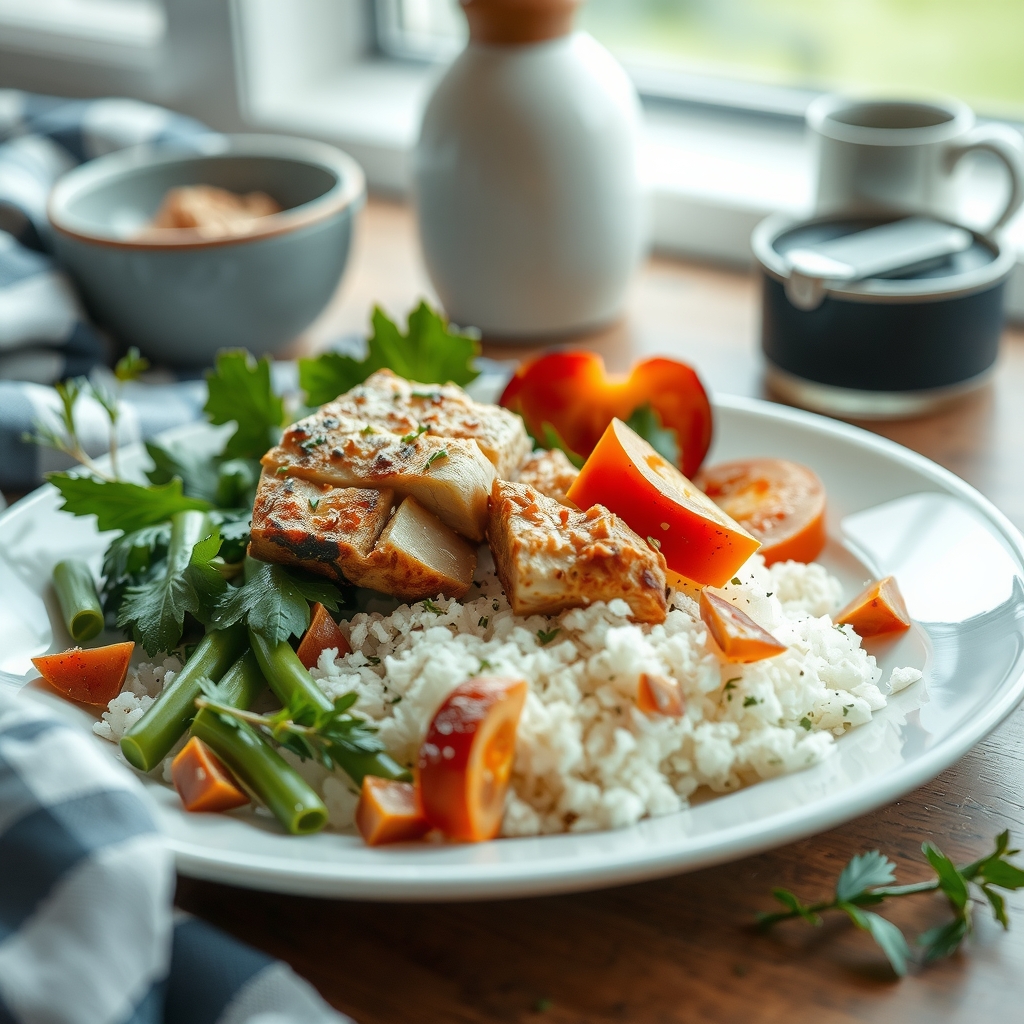
Low Carb Diet Goals: Weight Loss, Energy, or Health?
If your primary goal is **weight loss**, focus on creating a calorie deficit by prioritizing protein and healthy fats while keeping carbs moderate (20–50g net carbs/day). This approach helps reduce cravings and keeps you full longer. For example, swapping a slice of whole-grain toast (20g carbs) for a fried egg (0g carbs) and a side of avocado (6g carbs) can make a big difference in satiety and energy levels.
If you’re managing **chronic conditions like diabetes or PCOS**, the goal is often to stabilize blood sugar and reduce insulin resistance. In this case, tracking net carbs (total carbs minus fiber) is crucial. For instance, a woman with PCOS might aim for 30–50g net carbs/day to help regulate her menstrual cycle and reduce androgen levels. The Endocrine Society notes that low carb diets can improve insulin sensitivity, which is key for PCOS management.
For **energy and mental clarity**, many women find that reducing refined carbs and sugars helps eliminate the energy crashes that come with blood sugar spikes. This can be especially helpful for those with ADHD or brain fog. A study in the Journal of the American Medical Association (JAMA) found that low carb diets can improve cognitive function in some individuals.
**How to choose your carb limit:**
- Start with **30–50g net carbs/day** if you’re new to low carb to avoid side effects.
- If you feel sluggish or irritable, increase your carb intake slightly.
- Use a food tracking app (like Cronometer or MyFitnessPal) to monitor your progress.
Low Carb Breakfast Foods for Beginners: Start Your Day Right
Breakfast is where many people trip up—either by defaulting to toast or skipping it entirely. But low carb breakfasts can be delicious, filling, and quick. Here’s what to reach for:
Protein-packed:
- Eggs (any style—scrambled, poached, or in an omelet).
- Greek yogurt (unsweetened, full-fat).
- Cottage cheese.
- Smoked salmon or turkey bacon.
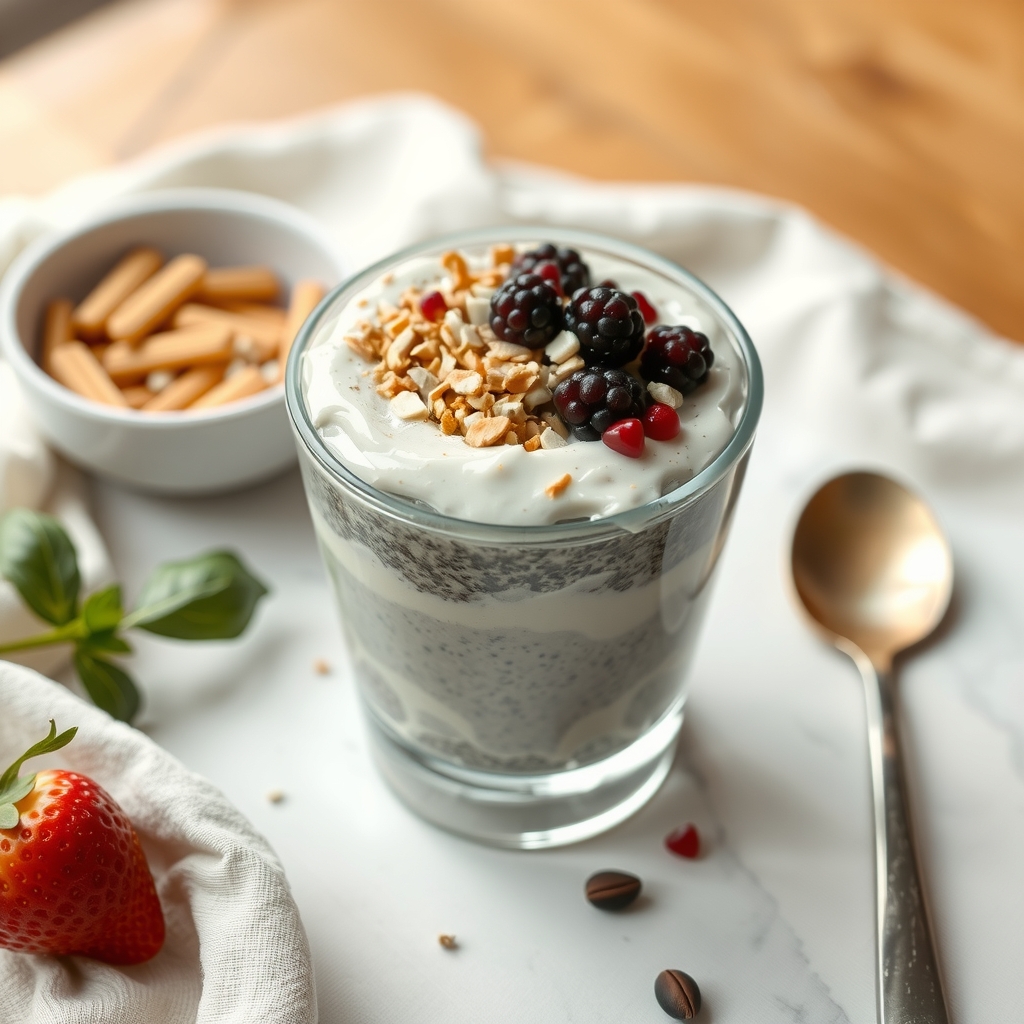
- Chia pudding (unsweetened almond milk + chia seeds + cinnamon).
Healthy fats:
- Avocado (½ cup = 6g net carbs).
- Butter or ghee.
- Nuts and seeds (almonds, chia, flax—watch portions).
- Cheese (cheddar, feta, or goat cheese).
Low-carb swaps for carb cravings:
- Avocado toast on **low-carb bread** (like Ezekiel or almond flour bread).
- Smoothies (spinach, protein powder, almond milk, and a handful of berries).
- Breakfast burritos (eggs, cheese, and sausage wrapped in a low-carb tortilla).
**Pro tip:** If you’re craving carbs but want to stay low carb, try DASH-approved alternatives like zucchini noodles or cauliflower toast. For example, you can make a "toast" by slicing a thick piece of cauliflower, brushing it with olive oil, and baking it until crispy. Top it with a fried egg and avocado for a satisfying breakfast.
**Budget-friendly hack:** Buy eggs in bulk and freeze them. Hard-boiled eggs keep well in the fridge for up to a week, and you can prep a batch for the week ahead.
Low Carb Lunch Ideas for Pregnant Women: Safe and Nutritious Options
Pregnancy is a time when nutrition matters most—and low carb can be a safe option if you’re managing gestational diabetes or simply want to curb cravings. However, it’s critical to ensure you’re getting enough fiber, folate, and iron. Here’s how to make it work:
Safe low carb lunch ideas:
- Salmon with greens: Grilled salmon + spinach salad (olive oil + lemon dressing) + a sprinkle of pumpkin seeds for extra folate.
- Chicken Caesar: Grilled chicken + romaine lettuce + Parmesan + low-carb dressing (olive oil, lemon, garlic, and a touch of Dijon mustard).
- Tuna-stuffed avocado: Canned tuna (in water) + Greek yogurt (instead of mayo) + celery + avocado halves. Add a side of steamed broccoli for extra fiber.
- Egg salad lettuce wraps: Hard-boiled eggs + mayo + mustard + celery in butter lettuce. Packed with protein and healthy fats.
- Turkey and cheese roll-ups: Sliced turkey breast + cheese + cucumber slices, rolled up in lettuce leaves.
**Key adjustments for pregnancy:**
- Add extra leafy greens (spinach, kale) for folate, which is crucial for preventing neural tube defects.
- Include healthy fats (avocado, olive oil, fatty fish) for brain development and to support your baby’s growing nervous system.
- Avoid raw fish or undercooked eggs unless pasteurized. Opt for well-cooked options to reduce the risk of foodborne illnesses.
- Stay hydrated—low carb can increase water loss, so aim for at least 8 cups of water daily. Add electrolytes like sodium and potassium to your diet to prevent cramps.
- Include iron-rich foods like spinach, lentils (if tolerated), or lean meats to support your increased blood volume.
**What to avoid:** Processed meats (bacon, deli slices), excessive caffeine (limit to 200mg/day), and high-mercury fish (like swordfish or king mackerel). For more tailored advice, our 7-day meal plan includes pregnancy-friendly options, including a section on **nutrient-dense snacks** like cottage cheese with flaxseeds or berries.
---Low Carb Snacks for Beginners: Keep the Cravings at Bay
Snacking on low carb doesn’t mean munching on celery sticks forever. Here are easy, satisfying options:
Protein snacks:
- Hard-boiled eggs.
- Cheese cubes (cheddar, gouda, or pepper jack).
- Turkey or ham rolls (sliced deli meat rolled up with cheese).
- Protein bars (check for <20g net carbs, like Quest or RXBAR).
- Cottage cheese with cinnamon or a drizzle of honey (if tolerated).
Fat-based snacks:
- Almonds or macadamia nuts (small handful—about ¼ cup).
- Avocado slices with salt and pepper.
- Olives (green or Kalamata).
- Pepperoni or salami slices.
- Guacamole with cucumber or celery sticks.
Low-carb veggies:
- Celery + almond butter.
- Cucumber slices with feta cheese.
- Bell pepper strips with guacamole or hummus (check for low-carb versions).
- Cherry tomatoes with mozzarella balls (bocconcini).
Sweet cravings:
- Dark chocolate (85%+ cocoa, 1–2 squares).
- Berries (raspberries or blackberries) with whipped cream.
- Sugar-free jelly or jam (check for no added sugar).
**Pro tip:** If you’re struggling with cravings, try Mediterranean-inspired snacks like olives and feta—they’re naturally low carb and packed with flavor. For example, a simple snack of olives, feta cheese, and a sprinkle of oregano can satisfy a salty craving without derailing your low carb goals.
**Meal prep hack:** Pre-cut veggies and store them in the fridge for easy snacking. Pair them with a container of hummus or guacamole for added protein and healthy fats.
---Low Carb Dinner Recipes for Beginners: Easy and Delicious
Dinner is where low carb shines—think hearty, filling meals that leave you satisfied. Here are beginner-friendly recipes:
1. Garlic Butter Steak with Roasted Brussels Sprouts
- Pan-sear ribeye steak in butter + garlic until medium-rare.
- Toss halved Brussels sprouts with olive oil, salt, and balsamic glaze. Roast at 400°F for 20–25 minutes.
- Serve with a side of sautéed mushrooms (cooked in butter and garlic).
2. Baked Chicken Thighs with Cauliflower Mash
- Season chicken thighs with paprika, garlic powder, salt, and pepper. Bake at 400°F for 30–35 minutes.
- Blend steamed cauliflower with butter, cream cheese, and a splash of heavy cream for mash.
- Top with green onions and a drizzle of olive oil.
3. Zucchini Noodles with Pesto and Shrimp
- Spiralize zucchini, sauté in olive oil with a pinch of salt.
- Add shrimp (cooked in a separate pan with garlic and butter).
- Toss with homemade pesto (basil, garlic, olive oil, and nuts like pine nuts or walnuts).
- Finish with grated Parmesan cheese.
4. Sheet-Pan Sausage and Veggies
- Toss sliced smoked sausage, bell peppers, zucchini, and onions with olive oil, salt, and Italian seasoning.
- Roast at 400°F for 20–25 minutes until veggies are tender.
- Serve with a side of sautéed spinach.
**Pro tip:** Use our keto grocery list as a reference for pantry staples like olive oil, spices, and canned fish. Don’t forget to stock up on **frozen veggies** like spinach or broccoli—they’re just as nutritious and last longer.
**Budget-friendly tip:** Buy chicken thighs instead of breasts—they’re often cheaper and more flavorful. They also have a higher fat content, which helps keep you full longer.
---Low Carb Grocery List for Beginners: Stock Your Pantry Right
Walking into the grocery store on a low carb diet can feel like navigating a minefield. Here’s a simple checklist to get you started:
Proteins:
- Eggs (buy in bulk and freeze).
- Chicken thighs/drumsticks (cheaper than breasts).
- Ground beef (80/20 fat ratio).
- Salmon or sardines (canned or fresh).
- Canned tuna (in water).
- Cheese (cheddar, mozzarella, feta, gouda).
- Turkey or ham slices (for snacks or wraps).
- Smoked salmon or lox.
Healthy Fats:
- Avocados (buy a few at a time and store in the fridge).
- Olive oil (extra virgin).
- Butter or ghee (for cooking).
- Nuts (almonds, walnuts, pecans, macadamias).
- Seeds (chia, flax, pumpkin, sunflower).
- Coconut oil (for baking or cooking).
Low-Carb Veggies:
- Leafy greens (spinach, kale, arugula).
- Broccoli, cauliflower, Brussels sprouts.
- Zucchini, bell peppers, mushrooms.
- Asparagus.
- Cucumber.
- Celery.
Pantry Staples:
- Almond milk (unsweetened).
- Coconut aminos (instead of soy sauce).
- Dark chocolate (85%+ cocoa).
- Mustard, mayo, hot sauce.
- Low-carb bread (like Ezekiel or almond flour bread).
- Canned beans (black beans, chickpeas—check labels for low-carb options).
- Spices (garlic powder, paprika, cumin, turmeric).
What to avoid:
- White bread, pasta, rice, and other refined grains.
- Sugary cereals or granola (even if labeled "healthy").
- Sweetened yogurt (opt for unsweetened).
- Fruit juices (opt for sparkling water or herbal tea).
- Processed snacks (chips, crackers, popcorn).
- Condiments with added sugar (check labels on ketchup, BBQ sauce, and dressings).
**Budget tip:** Buy frozen veggies in bulk—they’re often cheaper than fresh and just as nutritious. Also, consider buying store-brand cheese and canned fish to save money.
Low Carb Meal Plan for Beginners: A Sample 7-Day Guide
Need a roadmap? Here’s a simple 7-day plan to get you started. For the full 7-day meal plan, check out our detailed guide—but this is a taste of what’s possible:
| Day | Breakfast | Lunch | Dinner | Snack |
|---|---|---|---|---|
| Monday | Scrambled eggs + avocado + sautéed spinach | Grilled chicken salad (romaine, olive oil, feta, cucumber) | Baked salmon + roasted Brussels sprouts + garlic butter | Cheese cubes + almonds + cucumber slices |
| Tuesday | Chia pudding (unsweetened almond milk + chia seeds + cinnamon) + raspberries | Tuna-stuffed avocado + side of olives | Beef stir-fry (zucchini noodles, ground beef, soy sauce substitute, mushrooms) | Celery + almond butter |
| Wednesday | Omelet with spinach, cheese, and mushrooms | Chicken Caesar wrap (lettuce leaves + grilled chicken + Caesar dressing + Parmesan) | Pork chops + mashed cauliflower + green beans | Olives + pepperoni slices |
| Thursday | Greek yogurt (unsweetened) + walnuts + flaxseeds | Shrimp + zucchini noodles + pesto sauce | Baked chicken thighs + roasted asparagus + side salad | Cheese crisps (baked cheese slices) |
| Friday | Avocado + smoked salmon + everything bagel seasoning | Egg salad lettuce wraps + side of cherry tomatoes | Steak (ribeye) + roasted eggplant + garlic butter | Almond butter + celery sticks |
| Saturday | Cottage cheese + flaxseeds + cinnamon | Chicken + cauliflower rice + stir-fried veggies | Baked cod + sautéed mushrooms + side of arugula | Dark chocolate (85%) + handful of macadamia nuts |
| Sunday | Sausage (sugar-free) + scrambled eggs + sautéed kale | Turkey + avocado roll-ups (lettuce leaves) + side of olives | Lamb chops + roasted eggplant + tzatziki (Greek yogurt-based) | Parmesan crisps + cucumber slices |
Low Carb Foods to Avoid for Beginners: The Don’ts List
Knowing what to eat is half the battle—knowing what to avoid is the other half. Here’s a quick cheat sheet:
| Food Category | High-Carb Foods to Avoid | Low-Carb Swap |
|---|---|---|
| Grains | White bread, pasta, rice, quinoa, oats | Low-carb bread (almond flour or Ezekiel), zucchini noodles, cauliflower rice |
| Fruits | Bananas, apples, grapes, mangoes, pineapple | Berries (raspberries, blackberries, strawberries), avocado |
| Snacks | Chips, crackers, popcorn, pretzels | Cheese crisps, nuts, olives, pork rinds |
| Drinks | Soda, fruit juice, sweetened coffee, energy drinks | Sparkling water, black coffee, unsweetened tea, herbal tea |
| Condiments | Ketchup, BBQ sauce, sweetened dressings, honey | Mustard, olive oil, vinegar-based dressings, sugar-free condiments |
| Dairy | Sweetened yogurt, flavored milk | Unsweetened Greek yogurt, heavy cream, full-fat cheese |
Low Carb Diet Transition Tips for Beginners: Smooth Sailing
Starting low carb can feel like quitting a bad habit—except this habit is actually good for you. But transitioning takes time. Here’s how to make it easier:
1. Start slow. Don’t cut carbs overnight. Gradually reduce portions of bread, pasta, and rice over a week. For example, if you usually eat a slice of bread with dinner, try half a slice for a few days before cutting it out entirely.
2. Hydrate, hydrate, hydrate. Low carb increases water loss, so drink 2–3L of water daily. Add electrolytes (sodium, potassium, magnesium) to avoid headaches or fatigue. A simple way to do this is by adding a pinch of salt to your water or eating foods rich in electrolytes like spinach, avocado, and nuts.
3. Plan your meals. Skipping meals leads to cravings. Use our 7-day meal plan as a template. Meal prepping on Sundays can save you time during the week. Chop veggies, cook proteins in bulk, and store them in the fridge for easy assembly.
4. Manage cravings. If you miss carbs, try:
- Cauliflower rice (sautéed with garlic and butter).
- Zucchini bread (almond flour-based).
- Dark chocolate (85%+ cocoa).
- Cheese crisps (baked cheese slices).
- Celery + peanut butter.
5. Expect the “keto flu” (if going strict). Fatigue, headaches, or irritability may last 1–2 weeks as your body adapts. Stick with it! To ease symptoms, increase your sodium intake and consider taking an electrolyte supplement.
6. Handle social situations. Going out to eat can be tricky, but it’s not impossible. Opt for grilled proteins, salads with dressing on the side, and avoid bread baskets. Many restaurants now offer low-carb or keto menus—don’t hesitate to ask!
---Low Carb Diet Benefits for Pregnancy: What the Research Says
If you’re pregnant and considering low carb, the key is balance. While some women manage gestational diabetes with low carb, others need a more moderate approach. Benefits may include:
- Better blood sugar control.
- Reduced risk of gestational diabetes.
- More stable energy levels (no more 3 p.m. crashes).
- Potential reduction in PCOS symptoms if you’re pregnant with PCOS.
**But be cautious:** Low carb during pregnancy requires extra folate, iron, and fiber. According to the American College of Obstetricians and Gynecologists (ACOG), pregnant women should aim for at least 28g of fiber daily. Focus on nutrient-dense foods like leafy greens, lean proteins, and healthy fats while avoiding processed low carb snacks. Always consult your doctor before making major changes to your diet.
**Pregnancy-friendly low carb tips:**
- Include iron-rich foods like spinach, lentils (if tolerated), or lean meats.
- Add extra leafy greens for folate, which is crucial for preventing neural tube defects.
- Stay hydrated—low carb can increase water loss, so aim for at least 8 cups of water daily.
- Avoid raw fish or undercooked eggs unless pasteurized.
- Limit caffeine to 200mg/day (about one cup of coffee).
Low Carb Diet for PCOS: How to Manage Symptoms Naturally
Polycystic ovary syndrome (PCOS) affects millions of women worldwide, often causing hormonal imbalances, insulin resistance, and weight gain. A low carb diet can be a game-changer for managing PCOS symptoms by stabilizing blood sugar and reducing insulin levels. Here’s how to make it work for you:
**Key benefits of low carb for PCOS:**
- Reduces insulin resistance, which can help regulate menstrual cycles.
- Lowers androgen levels (like testosterone), which can reduce acne and excess hair growth.
- Promotes weight loss, particularly around the abdomen, which is common in PCOS.
- Improves energy levels and reduces fatigue.
**PCOS-friendly low carb foods:**
- Eggs (high in protein and healthy fats).
- Fatty fish (salmon, mackerel, sardines—rich in omega-3s).
- Leafy greens (spinach, kale—high in magnesium, which helps regulate insulin).
- Avocados (healthy fats and fiber).
- Nuts and seeds (almonds, chia, flax—great for healthy fats and fiber).
- Full-fat dairy (cheese, Greek yogurt—provides protein and healthy fats).
- Non-starchy vegetables (broccoli, cauliflower, zucchini).
**PCOS-specific tips:**
- Prioritize magnesium-rich foods (spinach, pumpkin seeds, dark chocolate) to support insulin sensitivity.
- Include omega-3s (found in fatty fish, flaxseeds, and walnuts) to reduce inflammation and improve hormone balance.
- Avoid processed low carb foods, which can still be high in unhealthy fats or additives.
- Consider working with a dietitian or healthcare provider to monitor your hormone levels and adjust your diet as needed.
- Stay hydrated and manage stress, as both can impact insulin levels and PCOS symptoms.
According to the Endocrine Society, a low carb diet can be an effective tool for managing PCOS, but it’s important to work with a healthcare provider to ensure you’re meeting your nutritional needs and monitoring your symptoms.
---Low Carb Diet Side Effects: What to Watch For
Most side effects are temporary, but here’s what to expect—and how to handle it:
| Side Effect | Cause | How to Fix It |
|---|---|---|
| Fatigue | Adapting to fat as fuel | Drink electrolytes (add salt to meals, try bone broth), rest, and stay hydrated. |
| Headaches | Dehydration or electrolyte loss | Add more salt to meals, drink bone broth, and consider an electrolyte supplement. |
| Constipation | Less fiber intake | Eat more low-carb veggies (spinach, broccoli, Brussels sprouts) and drink plenty of water. |
| Bad breath | Ket Editor's pick for this topic Not sure about the label on Low Carb Diet Food List For Beginners products?Snap the ingredients list and SafeFilter checks every ingredient for your stage — only 3 free scans this month, then you're locked until reset. Unlimited from $7/mo or $50/yr. Informational only — not medical advice.  About the AuthorWhen Shubhra Mishra was expecting her first child in 2016, she was overwhelmed by conflicting food advice — one site said yes, another said never. By the time her second baby arrived in 2019, she realized millions of mothers face the same confusion. That sparked a five-year journey through clinical nutrition papers, cultural diets, and expert conversations — all leading to BumpBites: a calm, compassionate space where science meets everyday motherhood. Her long-term vision is to build a global community ensuring safe, supported, and free deliveriesfor every mother — because no woman should face pregnancy alone or uninformed. 🌿 🌍 Stand with mothers, shape safer guidanceJoin a small circle of experts who review BumpBites articles so expecting parents everywhere can decide with confidence. ⚠️ Always consult your doctor for medical advice. This content is informational only. Long-form pregnancy guidesHand-curated deep-dive guides — go beyond the article above. More Nutrition & Supplements guides
Recommended picks  Prenatal pick Ritual — Ritual Essential Prenatal Choline + DHA + folate from methylfolate (not synthetic).  Prenatal pick Nordic Naturals — Nordic Naturals Prenatal DHA (Strawberry Softgels) Premium fish-oil DHA in strawberry softgels — gentle on the stomach. |
