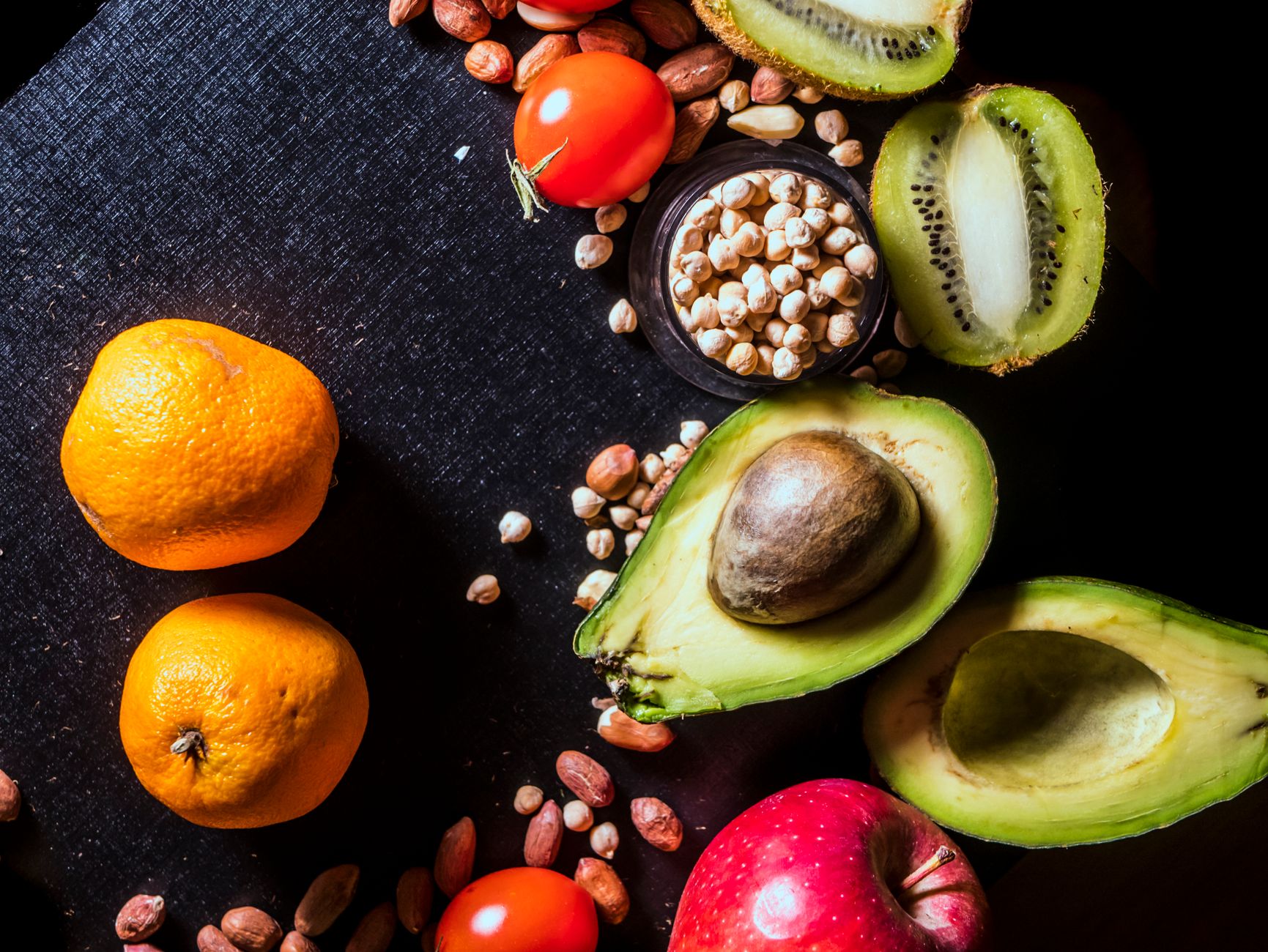
nderstanding what to fill your plate with is key to successfully adopting the Longevity Diet. The focus is on whole, unprocessed foods that are nutrient-dense and primarily plant-based. Here’s a detailed breakdown:
Foods to Enjoy Freely
- Vegetables: Aim for a wide variety, especially leafy greens (spinach, kale, collards), cruciferous vegetables (broccoli, cauliflower, Brussels sprouts), and colorful options (peppers, carrots, tomatoes, sweet potatoes). They are rich in fiber, vitamins, minerals, and antioxidants.
- Legumes: Beans (black, kidney, cannellini), lentils, chickpeas, and peas are excellent sources of plant-based protein and fiber. They help with satiety and provide sustained energy.
- Whole Grains: Opt for complex carbohydrates like oats, quinoa, brown rice, farro, and whole-grain bread or pasta in moderation. These provide sustained energy and fiber.
- Nuts and Seeds: Almonds, walnuts, pecans, chia seeds, flax seeds, hemp seeds, and sunflower seeds are packed with healthy fats, fiber, and micronutrients. They make excellent snacks and additions to meals.
- Healthy Fats: Extra virgin olive oil is preferred for cooking and dressings. Avocados are another great source of monounsaturated fats.
- Fruits: Berries (blueberries, raspberries, strawberries), apples, citrus fruits, and other low-sugar fruits provide vitamins, fiber, and antioxidants. Enjoy in moderation due to natural sugar content.
- Herbs and Spices: Use generously to add flavor and health benefits without extra calories or unhealthy additives. Turmeric, ginger, garlic, oregano, and rosemary are particularly beneficial.
- Plant-Based Milks: Unsweetened almond, soy, or oat milk can be used in moderation.
Foods to Limit or Include Sparingly
- Fish: Small amounts (2-3 times per week) of low-mercury fish like salmon, cod, and sardines are acceptable, providing omega-3 fatty acids. Avoid large, high-mercury fish.
- Eggs: Up to 2-3 eggs per week, mainly from pasture-raised hens, can be included.
Foods to Strictly Avoid
- Red Meat and Processed Meats: Beef, pork, lamb, bacon, sausage, and deli meats are strongly discouraged due to their association with increased risk of chronic diseases and aging pathways.
- Dairy Products: Milk, cheese, and yogurt are generally avoided or severely limited. Dr. Longo suggests that dairy consumption can stimulate growth pathways and may contribute to health issues for some individuals.
- Refined Sugars and Sweeteners: Candy, pastries, sugary drinks, and anything with added sugar should be eliminated.
- Processed Foods: Packaged snacks, fast food, and highly processed meals are typically high in unhealthy fats, sugar, and sodium, and low in nutrients.
- Refined Grains: White bread, white pasta, and white rice offer little nutritional value and can cause blood sugar spikes.
- Excessive Protein: While protein is essential, the Longevity Diet emphasizes keeping overall protein intake low, especially from animal sources, to avoid activating aging pathways.
- Saturated and Trans Fats: Found in many processed foods, fried foods, and some animal products, these fats contribute to inflammation and heart disease.
The macronutrient balance on the Longevity Diet typically looks like this: around 10-14% protein (mostly plant-based), 25-35% healthy fats, and 50-65% complex carbohydrates. This balance is critical for signaling cellular repair and reducing growth factors.
Here’s a quick overview of food categories:
Embarking on a new eating plan can feel like a big shift, especially if you’re used to a more typical Western diet. This 7-day longevity diet meal plan is designed to be a practical starting point, offering plant-forward, nutrient-dense meals that align with Dr. Longo’s principles. Remember, portion sizes are key to maintaining the low protein and moderate calorie intake that supports longevity pathways. Aim for roughly 1 cup of cooked grains, 1.5-2 cups of cooked vegetables, and about 1/2 cup of legumes per meal, adjusting to your body's needs. We also recommend aiming for a 12-hour eating window each day, for example, from 8 AM to 8 PM, to incorporate a daily intermittent fasting schedule.
Here’s a sample menu to guide you:
This menu can be adapted based on your preferences and what’s in season. For more inspiration on healthy eating patterns, you might also find our Anti-Aging Diet Meal Plan: A Sample Day for Longevity useful, as it shares many similar principles of whole-food, plant-forward eating. Remember, the goal is to shift towards a diet that supports cellular health and reduces inflammation, rather than strict adherence to every single meal.
Benefits of the Longevity Diet for Women's Health and Aging
While the Longevity Diet offers broad health benefits for everyone, its specific impact on women's health and the aging process is particularly noteworthy. Many women tell us they’re looking for ways to feel more energetic, manage hormonal shifts, and protect against diseases that become more prevalent with age. This eating pattern can play a significant role.
Here’s how the Longevity Diet can benefit women:
- Hormonal Balance and Menopausal Symptom Management: The diet’s emphasis on whole, unprocessed foods, healthy fats, and fiber can help regulate blood sugar, which in turn supports hormone balance. Stable blood sugar can lessen the intensity of hot flashes, mood swings, and sleep disturbances often experienced during perimenopause and menopause. The anti-inflammatory nature of the diet may also reduce overall discomfort.
- Bone Health: While many associate dairy with bone health, the Longevity Diet shows that ample calcium can be obtained from plant sources like leafy greens, fortified plant milks, sesame seeds, and legumes. Furthermore, the diet's anti-inflammatory properties may help preserve bone density, as chronic inflammation can contribute to bone loss.
- Cardiovascular Health: Heart disease is the leading cause of death for women. The Longevity Diet, rich in fiber, antioxidants, and healthy fats, helps lower "bad" LDL cholesterol, reduce blood pressure, and improve overall heart function. Its emphasis on plant-based proteins and limited saturated fat directly supports a healthy heart.
- Cognitive Function and Brain Health: A diet high in antioxidants and omega-3 fatty acids (from plant sources like flax/chia and limited fish) is crucial for brain health. It can help protect against cognitive decline, support memory, and reduce the risk of neurodegenerative diseases. Many women express concerns about memory as they age, and dietary choices are a powerful modifiable factor.
- Weight Management and Healthy Metabolism: For women seeking to manage their weight, the Longevity Diet can be highly effective. It naturally promotes satiety with fiber-rich foods, helps stabilize blood sugar, and avoids the calorie-dense, nutrient-poor processed foods that often lead to weight gain. The periodic fasting-mimicking diet can also help reset metabolism and encourage fat loss, especially around the midsection, which is a common concern for women over 40.
- Reduced Risk of Chronic Diseases: Beyond heart health, this diet significantly lowers the risk of type 2 diabetes, certain cancers, and autoimmune conditions. Its focus on reducing inflammation and promoting cellular health is a powerful preventative strategy. For more on how diet can support your body's defenses, consider reading our guide on a 7-Day Cancer Prevention Diet Meal Plan.
- Skin Health and Anti-Aging: The abundance of antioxidants in fruits and vegetables helps combat oxidative stress, which contributes to skin aging. Healthy fats support skin elasticity and hydration, contributing to a more radiant complexion.
- Fertility Support: For women trying to conceive, a diet focused on whole, unprocessed foods, healthy fats, and a balanced macronutrient profile can optimize fertility. Reducing inflammation and maintaining a healthy weight are both crucial for reproductive health, and the Longevity Diet excels in these areas. While specific research on the Longevity Diet and fertility is ongoing, its principles align with general recommendations for fertility-friendly eating.
By embracing the Longevity Diet, women can actively take steps to enhance their healthspan, manage age-related changes more gracefully, and reduce their risk of common chronic conditions, fostering a vibrant and healthy life for years to come.
Is the Longevity Diet Safe During Pregnancy or Breastfeeding?
This is a crucial question, and the answer requires careful consideration and, most importantly, consultation with your healthcare provider or a registered dietitian specializing in prenatal/postnatal nutrition. While the core principles of eating whole, plant-rich, unprocessed foods are excellent for health, the *strict* application of the Longevity Diet, particularly its very low protein intake and the periodic fasting-mimicking diet (FMD), is generally **not recommended** during pregnancy or breastfeeding.
Here's why and what considerations are important:
- Increased Nutrient Needs: Pregnancy and breastfeeding are periods of intense growth and development, requiring significantly higher caloric and nutrient intake.
- Protein: You need more protein to support fetal growth and milk production. The Longevity Diet's typical protein intake (around 0.31g/lb body weight) is often too low for these stages. The American College of Obstetricians and Gynecologists (ACOG) generally recommends around 71 grams of protein per day during pregnancy and lactation.
- Calories: Caloric needs increase by about 340-450 calories per day in the second and third trimesters, and by even more during breastfeeding (an additional 330-400 calories in the first six months). Restrictive diets can lead to insufficient caloric intake.
- Micronutrients: Specific micronutrients like iron, folate, calcium, iodine, and choline are vital during pregnancy and breastfeeding. While a plant-rich diet can provide many of these, strict adherence to the Longevity Diet without careful planning could lead to deficiencies.
- Fasting-Mimicking Diet (FMD): The periodic, very low-calorie FMD cycles are absolutely contraindicated during pregnancy and breastfeeding. These periods of caloric restriction and metabolic stress are not safe for a developing fetus or for maintaining milk supply.
- Impact on Fetal Development: Inadequate nutrition during pregnancy can have long-term consequences for fetal development and the child's health. Restrictive eating patterns could impair growth and lead to nutrient deficiencies for both mother and baby.
- Impact on Milk Supply: During breastfeeding, insufficient caloric and nutrient intake can negatively impact milk production, potentially affecting the baby's growth and development.
Modifications and Guidelines for Pregnancy/Breastfeeding
Instead of strictly following the Longevity Diet, you can adopt its *principles* in a modified, nutrient-supportive way:
- Focus on Whole, Unprocessed Foods: Emphasize plenty of vegetables, fruits, whole grains, and healthy fats. This foundation is excellent.
- Increase Protein Intake: Ensure you're getting adequate protein from healthy plant sources (legumes, nuts, seeds, tofu, tempeh) and potentially include more lean animal proteins like fish (low-mercury options) or poultry, if desired and tolerated.
- Prioritize Nutrient Density: Pay extra attention to iron (lentils, spinach, fortified cereals), calcium (fortified plant milks, kale, broccoli, tofu), folate (leafy greens, beans), and omega-3s (chia seeds, flax seeds, walnuts, fatty fish like salmon).
- No Calorie Restriction or Fasting: Avoid any form of caloric restriction or fasting. Eat consistently throughout the day to meet your increased energy demands.
- Stay Hydrated: Drink plenty of water, especially when breastfeeding.
- Consult a Professional: Always discuss your dietary choices with your OB/GYN or a registered dietitian. They can help you create a personalized plan that ensures you and your baby are getting all the necessary nutrients while incorporating healthy eating habits.
The goal during pregnancy and breastfeeding is optimal nourishment, not restriction. While the underlying philosophy of the Longevity Diet is sound, its specific application needs to be adjusted to meet the unique and critical demands of these life stages.
Smart Strategies for Meal Prep and Long-Term Success
Sticking to any diet, especially one that involves a shift towards whole, plant-based foods, requires planning. Many women juggle busy schedules, and meal prep can be the secret weapon for making the Longevity Diet a sustainable lifestyle. One reader described how adopting a Blue Zones-inspired meal plan, which shares many similarities with the Longevity Diet, became manageable only after she started dedicating a few hours on Sunday to prep.
Meal Prep Strategies for a Successful Week
- Plan Your Menu: Before you shop, decide what you’ll eat for the week. Use our 7-day meal plan as a template, but feel free to mix and match. This helps create your "longevity diet shopping list for a week."
- Batch Cook Grains: Cook a large batch of quinoa, brown rice, or farro at the beginning of the week. These can be stored in the fridge for 4-5 days and quickly added to salads, bowls, or as a side for dinner.
- Prep Vegetables: Wash, chop, and store vegetables like bell peppers, carrots, celery, broccoli florets, and leafy greens. They'll be ready for stir-fries, salads, or snacking. Roasting a large tray of mixed vegetables (sweet potatoes, Brussels sprouts, cauliflower) can also provide quick additions to meals.
- Cook Legumes from Scratch: If you prefer to cook dried beans and lentils, make a big batch. They are often more cost-effective and have better texture than canned versions. Store them in portions in the fridge or freezer.
- Make Dressings and Sauces: Prepare a healthy vinaigrette or a lemon-tahini dressing. Having these ready in the fridge makes assembling salads and bowls much faster and tastier.
- Overnight Oats/Chia Pudding: Prepare several jars of overnight oats or chia pudding for quick, grab-and-go breakfasts.
- Pre-Portion Snacks: Divide nuts, seeds, or chopped fruit into small containers or bags for easy longevity diet snacks for energy throughout the week.
- Freeze Portions: Soups, stews, and curries made with legumes and vegetables freeze beautifully. Cook a double batch and freeze half in individual portions for busy days.
Tips for Sustaining the Longevity Diet Long-Term
- Start Gradually: Don't try to overhaul your entire diet overnight. Begin by incorporating more plant-based meals, reducing red meat, and increasing whole grains. Slowly introduce new foods and cooking methods.
- Focus on Flavor: Healthy eating should be enjoyable. Experiment with different herbs, spices, and cooking techniques. Explore international cuisines that naturally emphasize plant-based ingredients, like Mediterranean, Indian, or Mexican.
- Listen to Your Body: Pay attention to hunger and fullness cues. While the diet has guidelines, it’s not about deprivation. If you're genuinely hungry, choose a healthy, compliant snack.
- Stay Hydrated: Drinking plenty of water throughout the day can help manage hunger and boost metabolism.
- Educate Yourself: Continue learning about the science behind the Longevity Diet. Understanding *why* certain foods are beneficial can increase your motivation and commitment.
- Build a Support System: Share your goals with family or friends. Cooking with a partner or having someone to talk to about challenges can make a big difference.
- Be Flexible: Life happens. If you have a meal out or a social event, make the best choices you can without stressing. One "off" meal won't derail your long-term progress. Get back on track with your next meal.
- Incorporate Intermittent Fasting Mindfully: If you choose to incorporate time-restricted eating (like the 12-hour window), ensure it fits comfortably into your lifestyle and doesn't cause undue stress. The periodic FMD should only be attempted under medical supervision.
- Diversify Your Plate: To prevent boredom and ensure a wide range of nutrients, rotate your vegetables, fruits, and grains regularly. Explore new recipes and ingredients.
By integrating smart meal prep and adopting a flexible, informed mindset, the Longevity Diet can become a deeply rewarding and sustainable part of your daily life, leading to long-term health and vitality.
Longevity Diet vs. Mediterranean Diet: Which is Right for You?
When you're exploring diets for long-term health, you'll often hear about both the Longevity Diet and the Mediterranean Diet. Both are celebrated for their health benefits, but they have distinct differences. Understanding these can help you decide which approach aligns best with your health goals and lifestyle.
Similarities
- Emphasis on Whole Foods: Both diets prioritize fresh, unprocessed foods over packaged or refined ones.
- Plant-Rich: Vegetables, fruits, legumes, nuts, seeds, and whole grains form the foundation of both eating patterns.
- Healthy Fats: Extra virgin olive oil is the primary fat source in both, celebrated for its monounsaturated fatty acids and antioxidants.
- Reduced Red Meat: Both diets advocate for limiting red and processed meats due to their association with chronic disease risk.
- Anti-Inflammatory: The nutrient density and focus on whole foods contribute to powerful anti-inflammatory effects in the body, helping to prevent chronic diseases like heart disease and type 2 diabetes.
Key Differences
- Protein Intake:
- Longevity Diet: Emphasizes *low* protein intake (around 0.31g/lb body weight), particularly from animal sources, to reduce activity of growth pathways linked to aging (like mTOR).
- Mediterranean Diet: Allows for moderate protein intake, including regular consumption of fish and seafood (several times a week), poultry, eggs, and some dairy (especially yogurt and cheese), in addition to plant-based proteins.
- Dairy Consumption:
- Longevity Diet: Generally avoids or severely limits dairy products.
- Mediterranean Diet: Includes moderate amounts of dairy, especially fermented products like yogurt and cheese.
- Fasting Component:
- Longevity Diet: Incorporates periodic Fasting-Mimicking Diet (FMD) cycles (5 days, 2-4 times a year), which is a unique and central component designed to activate cellular regeneration. It also encourages daily time-restricted eating.
- Mediterranean Diet: Does not typically include any structured fasting protocols.
- Strictness and Flexibility:
- Longevity Diet: More prescriptive and research-driven, with specific macronutrient targets and the FMD component. It’s a very intentional "longevity intervention."
- Mediterranean Diet: More of a broad cultural eating pattern, offering greater flexibility and less strict guidelines regarding exact macronutrients or fasting. It's often considered a lifestyle rather than a strict diet.
Here’s a comparison at a glance:
Which is Right for You?
- Choose the Longevity Diet if: You are interested in a more structured, scientifically precise approach to activate specific anti-aging pathways and are willing to adhere to lower protein intake and periodic fasting (under medical guidance). You are comfortable with a largely vegan/pescatarian diet.
- Choose the Mediterranean Diet if: You prefer a more flexible, less restrictive approach to healthy eating, enjoy a wider variety of protein sources (including moderate dairy and lean meats), and are looking for a sustainable, culturally rich eating pattern.
Ultimately, both diets offer profound health benefits. The best choice depends on your personal health goals, dietary preferences, and willingness to follow specific guidelines. Always discuss significant dietary changes with your healthcare provider or a registered dietitian.

Easy Longevity Diet Recipes for Breakfast, Lunch, and Dinner
Eating for longevity doesn't mean sacrificing flavor or spending hours in the kitchen. Many delicious, easy recipes fit perfectly within the Longevity Diet guidelines. The key is simplifying ingredients and focusing on whole, plant-based components.
Breakfast Ideas
- Berry & Nut Oatmeal:
- Cook 1/2 cup rolled oats with 1 cup unsweetened almond milk and a pinch of cinnamon.
- Top with 1/2 cup mixed berries (fresh or frozen), 1 tbsp chopped walnuts, and 1 tbsp flax seeds.
- *Quick Tip:* Make a big batch of dry oat mix (oats, seeds, nuts) for faster morning prep.
- Green Smoothie Power Bowl:
- Blend 1 cup spinach, 1/2 banana, 1/2 cup pineapple chunks, 1 tbsp chia seeds, and 1 cup unsweetened plant milk until smooth.
- Pour into a bowl and top with a few extra berries, a sprinkle of hemp seeds, and a few slices of almond.
- *Quick Tip:* Portion out smoothie ingredients into freezer bags for quick blending.
- Avocado Toast with a Twist:
- Toast one slice of whole-grain bread.
- Mash 1/2 avocado with a squeeze of lemon juice, salt, and pepper. Spread on toast.
- Top with sliced radish, a sprinkle of pumpkin seeds, and a drizzle of extra virgin olive oil.
- *Quick Tip:* Always have ripe avocados on hand; they're a versatile healthy fat.
Lunch Ideas
- Mediterranean Chickpea Salad:
- Combine 1 cup cooked chickpeas, 1/2 chopped cucumber, 1/2 chopped bell pepper, 1/4 cup chopped red onion, and 1/4 cup Kalamata olives.
- Dress with a mixture of 2 tbsp extra virgin olive oil, 1 tbsp red wine vinegar, dried oregano, salt, and pepper.
- Serve over a bed of mixed greens or with a small side of whole-grain pita.
- *Quick Tip:* Make a larger batch of the chickpea salad and store it in the fridge for 2-3 days.
- Lentil & Vegetable Soup:
- Sauté 1 chopped onion, 2 carrots, and 2 celery stalks in olive oil.
- Add 1 cup brown or green lentils (rinsed), 4 cups vegetable broth, 1 can (14.5 oz) diced tomatoes, and your favorite herbs (thyme, bay leaf).
- Simmer until lentils are tender (about 25-30 minutes). Season to taste.
- *Quick Tip:* Freeze individual portions for quick, healthy lunches on busy days.
- Quinoa Power Bowl:
- Combine 1 cup cooked quinoa with 1 cup roasted vegetables (e.g., sweet potato, broccoli, zucchini), 1/2 cup black beans, and a handful of fresh cilantro.
- Drizzle with a simple dressing made from tahini, lemon juice, water, and a pinch of cumin.
- *Quick Tip:* Roast a big batch of vegetables at the start of the week for easy assembly.
Dinner Ideas
- Hearty Vegetable & Bean Chili:
- Sauté 1 chopped onion, 2 cloves garlic, and 1 bell pepper in olive oil.
- Add 1 can (28 oz) crushed tomatoes, 1 can (15 oz) kidney beans (rinsed), 1 can (15 oz) black beans (rinsed), 1 cup vegetable broth, and chili powder, cumin, and oregano to taste.
- Simmer for at least 30 minutes. Serve with a dollop of avocado and a sprinkle of fresh cilantro.
- *Quick Tip:* Chili tastes even better the next day and freezes well.
- Whole Wheat Pasta with Pesto & Roasted Veggies:
- Cook 1 cup whole wheat pasta according to package directions.
- Toss with 2-3 tbsp store-bought or homemade vegan pesto (ensure no cheese).
- Add 1 cup roasted cherry tomatoes, zucchini, and mushrooms.
- *Quick Tip:* Roast vegetables while the pasta cooks to save time.
- Baked Sweet Potato with Lentil Topping:
- Bake a medium sweet potato until tender (about 45-60 minutes at 400°F/200°C).
- While baking, prepare a quick lentil topping: Sauté 1/2 chopped onion and 1 clove garlic. Add 1 cup cooked lentils, 1/2 cup vegetable broth, a pinch of smoked paprika, and simmer until heated through.
- Split the sweet potato, fluff the flesh, and top generously with the lentil mixture.
- *Quick Tip:* Sweet potatoes can be baked ahead of time and reheated.
These recipes are designed to be flexible and encourage you to enjoy the process of cooking. Remember to adjust seasonings to your preference and feel free to swap out vegetables based on what you have on hand or what’s in season.
Tips for Sustaining the Longevity Diet Long-Term
Transitioning to a new way of eating is a journey, not a sprint. The real success of the Longevity Diet lies in making it a sustainable part of your life, not just a temporary fix. Here are some practical tips to help you embrace and maintain this lifestyle for the long run:
- Educate Yourself Continuously: The more you understand the "why" behind the Longevity Diet, the more motivated you'll be. Read Dr. Longo's work, explore articles from reputable nutrition sources, and stay informed about new research. Knowledge empowers you to make confident choices.
- Focus on Abundance, Not Deprivation: Instead of dwelling on what you "can't" have, shift your mindset to the incredible variety of delicious, nutrient-dense foods you *can* enjoy. Explore new recipes, spices, and cooking methods to keep meals exciting.
- Find Your Favorite Go-To Meals: Identify 3-5 breakfast, lunch, and dinner recipes that you genuinely enjoy and are easy to prepare. Having these staples in your rotation reduces decision fatigue and makes sticking to the diet effortless.
- Batch Cook and Meal Prep Smartly: As discussed, meal prepping is your best friend. Dedicate a couple of hours each week to chopping vegetables, cooking grains, and preparing sauces. Future-you will be grateful for the convenience.
- Stock a Longevity-Friendly Pantry: Keep your kitchen stocked with staples like dried beans and lentils, whole grains (quinoa, oats, brown rice), nuts, seeds, olive oil, and plenty of frozen fruits and vegetables. This makes healthy meal assembly a breeze.
- Stay Hydrated: Often overlooked, adequate water intake is crucial for overall health, digestion, and can sometimes be mistaken for hunger. Keep a water bottle handy throughout the day.
- Be Mindful of Social Situations: Dining out or attending social gatherings can be challenging. Look at menus ahead of time to identify compliant options. Don't be afraid to ask for modifications (e.g., dressing on the side, extra vegetables, no cheese). If you occasionally deviate, don't beat yourself up; simply return to your plan with your next meal.
- Listen to Your Body: The Longevity Diet is a framework, but your body is unique. Pay attention to how different foods make you feel. Adjust portion sizes and food choices based on your energy levels, digestion, and overall well-being.
- Incorporate Daily Movement: While not strictly part of the diet, regular physical activity complements the Longevity Diet's goals by supporting metabolic health, muscle mass, and mood. Aim for a mix of cardiovascular exercise, strength training, and flexibility.
- Seek Professional Guidance: If you have underlying health conditions, are pregnant or breastfeeding, or simply want personalized guidance, consult a registered dietitian or your healthcare provider. They can help tailor the diet to your specific needs and ensure you're meeting all your nutritional requirements.
- Embrace Intermittent Fasting (if appropriate): If you choose to incorporate time-restricted eating, start slowly. For example, aim for a 12-hour eating window (e.g., eat between 8 AM and 8 PM). The periodic Fasting-Mimicking Diet should always be discussed with a medical professional first.
Sustaining the Longevity Diet is about building healthy habits over time. It's about making conscious choices that align with your desire for a vibrant, healthy future. With patience, planning, and a positive outlook, you can make this powerful way of eating a lasting part of your life.
Myth vs. Fact
- Myth: The Longevity Diet is the same as a purely vegan diet.
Fact: While the Longevity Diet is predominantly plant-based, it's not strictly vegan. It allows for very limited amounts of low-mercury fish (2-3 times per week) and up to 2-3 eggs per week. The emphasis is on drastically reducing, rather than eliminating, animal protein.
- Myth: You have to be constantly fasting to follow the Longevity Diet.
Fact: The Longevity Diet encourages daily time-restricted eating (e.g., an 11-12 hour eating window) and periodic, short (5-day) Fasting-Mimicking Diet (FMD) cycles, typically 2-4 times a year. It's not about constant deprivation, but strategic, intermittent fasting to activate cellular repair, under medical supervision.
- Myth: The Longevity Diet is only for weight loss.
Fact: While weight loss can be a positive side effect due to the emphasis on whole, unprocessed foods and controlled portions, the primary goal of the Longevity Diet is to extend "healthspan" – the period of life spent in good health – by promoting cellular regeneration, reducing inflammation, and lowering the risk of age-related diseases.
Key Takeaways
- The Longevity Diet, based on Dr. Valter Longo's research, is a plant-rich eating pattern designed to promote cellular repair and extend healthy lifespan.
- Its core principles include a mostly plant-based menu, low protein intake (especially animal protein), moderate healthy fats, complex carbohydrates, and periodic Fasting-Mimicking Diet (FMD) cycles.
- Focus on abundant vegetables, fruits, legumes, whole grains, nuts, seeds, and extra virgin olive oil, while limiting red meat, dairy, refined sugars, and processed foods.
- Benefits for women include improved hormonal balance, cardiovascular health, cognitive function, weight management, and reduced risk of chronic diseases.
- The strict Longevity Diet and FMD are generally not recommended during pregnancy or breastfeeding due to increased nutrient needs; consult a healthcare provider for modified guidelines.
- Successful long-term adherence relies on smart meal prep (batch cooking, pre-chopping), finding enjoyable recipes, and a flexible mindset.
Frequently Asked Questions
What is the 7-day longevity diet?
The 7-day longevity diet refers to a week-long meal plan that follows the principles of Dr. Valter Longo's Longevity Diet. It emphasizes plant-based, whole foods, low protein, moderate healthy fats, and complex carbohydrates. The goal is to eat in a way that promotes cellular health and reduces the risk of age-related diseases, rather than simply focusing on weight loss. It provides a practical framework to begin incorporating these principles into your daily life.
What foods are included in the longevity diet?
The Longevity Diet primarily includes a wide variety of vegetables, fruits, legumes (beans, lentils, chickpeas), whole grains (oats, quinoa, brown rice), nuts, seeds, and extra virgin olive oil. Small amounts of low-mercury fish (2-3 times per week) and eggs (2-3 per week) are also permitted. Foods to avoid include red meat, processed meats, most dairy, refined sugars, and highly processed foods.
Can you lose weight on the longevity diet?
Yes, many people experience weight loss on the Longevity Diet. This is largely due to its emphasis on whole, unprocessed, fiber-rich foods that promote satiety and naturally reduce overall calorie intake. The diet also avoids calorie-dense, nutrient-poor foods that often contribute to weight gain. Additionally, the periodic Fasting-Mimicking Diet (FMD) component, when undertaken under medical supervision, can contribute to fat loss and metabolic improvements.
Is the longevity diet good for women over 40?
The Longevity Diet can be particularly beneficial for women over 40. At this age, women often face hormonal shifts (like perimenopause), increased risk of heart disease, bone density concerns, and potential weight gain. The diet’s focus on anti-inflammatory, nutrient-dense foods can help manage menopausal symptoms, support cardiovascular and bone health, and aid in healthy weight management, contributing to a vibrant healthspan.
What is the healthiest diet for longevity?
While various healthy diets exist, the Longevity Diet, developed by Dr. Valter Longo, is specifically designed based on scientific research into aging and cellular health. It's considered one of the leading approaches for promoting longevity and disease prevention through diet. Other diets like the Mediterranean Diet and Blue Zones diets also share many longevity-promoting principles, emphasizing plant-rich, whole-food eating.
How do you start a longevity diet?
To start the Longevity Diet, begin by gradually incorporating more plant-based meals into your routine. Focus on filling your plate with vegetables, fruits, legumes, and whole grains. Reduce your intake of red meat, processed foods, and added sugars. Consider adopting an 11-12 hour daily eating window. Before making significant changes, especially attempting the Fasting-Mimicking Diet (FMD), consult with a healthcare provider or registered dietitian for personalized guidance.
When to See a Doctor or Specialist
While the Longevity Diet is built on sound scientific principles, it's a significant dietary change, and personalized medical advice is always recommended. You should consult your doctor, an OB/GYN, or a registered dietitian before starting the Longevity Diet, especially if:
- You have any pre-existing health conditions, such as diabetes, heart disease, kidney issues, or a history of eating disorders.
- You are pregnant, planning to become pregnant, or breastfeeding. The strict Longevity Diet, particularly its fasting components and low protein, is generally not recommended during these times.
- You are taking any medications, as dietary changes can sometimes affect their efficacy or interact with them.
- You are underweight or have concerns about meeting your nutritional needs.
- You experience any adverse symptoms or concerns while following the diet.
A qualified healthcare professional can help you determine if the Longevity Diet is appropriate for your individual health status, provide guidance on how to safely implement its principles, and ensure you are meeting all your nutritional requirements. This article is for informational purposes only and is not a substitute for professional medical advice, diagnosis, or treatment.
References
- Longo, V. D., & Anderson, R. M. (2022). Nutrition, longevity and disease: from molecular mechanisms to interventions. Cell, 185(9), 1455-1470.
- Longo, V. D., & Mattson, M. P. (2014). Fasting: molecular mechanisms and clinical applications. Cell Metabolism, 19(2), 181-192.
- Brandhorst, S., Choi, I. Y., Michigan, D., et al. (2015). A Periodic Diet that Mimics Fasting Promotes Multi-System Regeneration, Enhanced Cognitive Performance, and Healthspan. Cell Metabolism, 22(1), 86-99.
- American Heart Association. (2021). *Diet and Lifestyle Recommendations*. Retrieved from heart.org
- Academy of Nutrition and Dietetics. (2022). *Position of the Academy of Nutrition and Dietetics: Vegetarian Diets*. Retrieved from eatright.org
- Harvard T.H. Chan School of Public Health. (n.d.). *The Nutrition Source: The Mediterranean Diet*. Retrieved from hsph.harvard.edu
- American College of Obstetricians and Gynecologists (ACOG). (2020). *Nutrition During Pregnancy*. Retrieved from acog.org