The longevity diet is rooted in decades of research from the Harvard T.H. Chan School of Public Health and the Mayo Clinic, emphasizing foods that protect rather than just nourish. Think of it as an insurance policy for your cells. Here’s what to prioritize:
1. Colorful vegetables (especially leafy greens): Kale, spinach, broccoli, and Brussels sprouts are packed with antioxidants that combat oxidative stress. Aim for at least half your plate at every meal. Pro tip: Buy frozen greens like spinach or kale—they’re just as nutritious and last months in your freezer. For a quick meal, toss frozen spinach into scrambled eggs or blend it into smoothies.
2. Healthy fats: Avocados, nuts (especially walnuts and almonds), seeds (chia, flax, pumpkin), and olive oil. These support brain health and reduce inflammation. New for 2026: Add cold-pressed hemp seeds to your list—they’re rich in omega-3s and pair perfectly with salads or yogurt.
3. Fermented foods: Sauerkraut, kimchi, kefir, yogurt (unsweetened), and miso. They feed your gut microbiome, which is linked to longevity. Budget hack: Buy unsweetened kefir in bulk and freeze portions for later. It’s cheaper than yogurt and lasts longer.
4. Lean proteins: Wild-caught fish (salmon, sardines), grass-fed beef, lentils, chickpeas, and tofu. Prioritize omega-3s and plant-based proteins for heart health. New addition: Canned sardines in olive oil are a perfect snack for intermittent fasting—they’re high in protein, omega-3s, and easy to grab on the go.
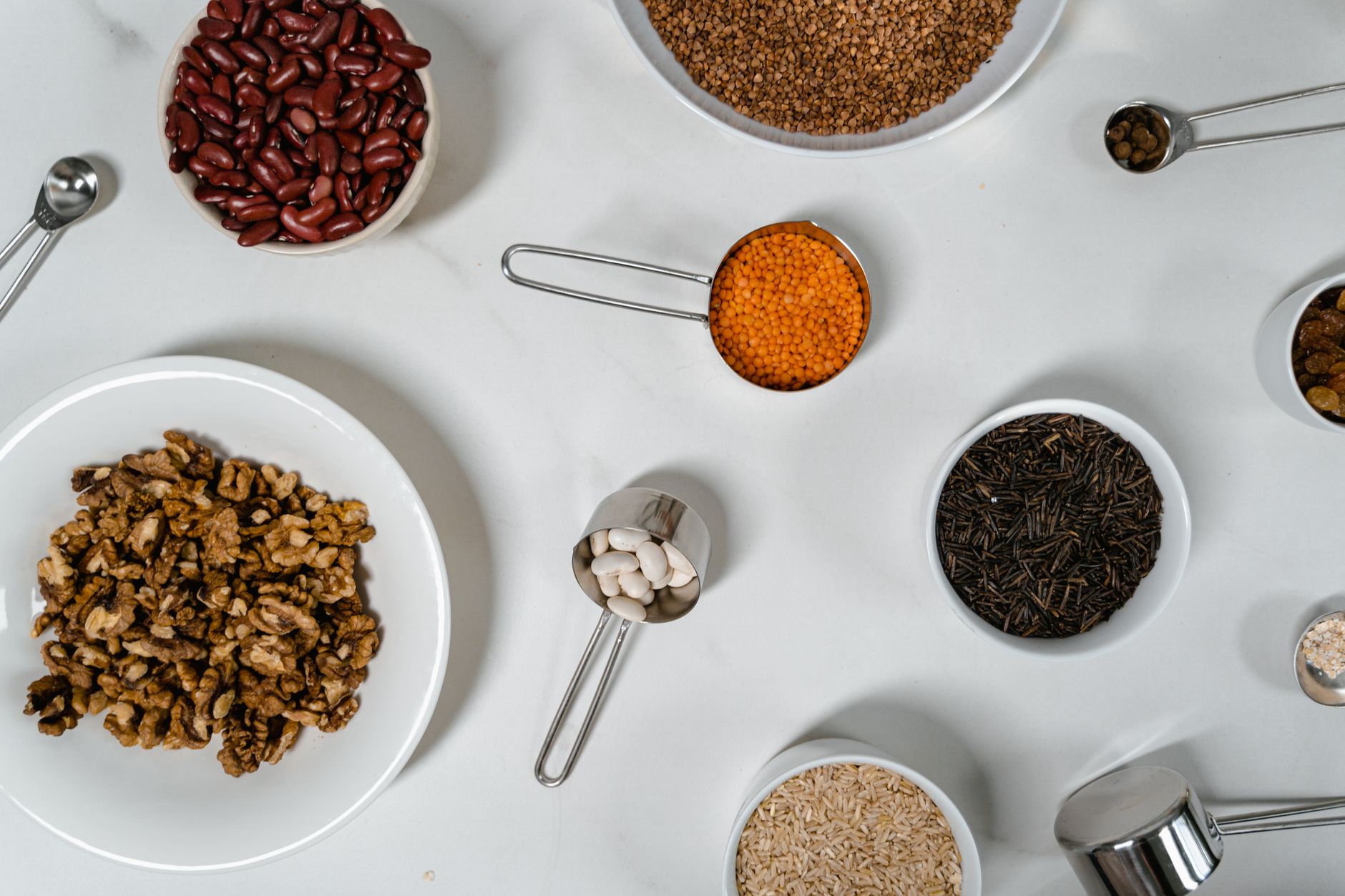
5. Whole grains: Quinoa, oats, brown rice, and farro. These provide fiber and steady energy without the blood sugar spikes of refined carbs. Meal-prep tip: Cook a big batch of quinoa or brown rice on Sunday and store it in the fridge for up to 5 days. Use it as a base for bowls, salads, or stir-fries.
6. Berries: Blueberries, strawberries, and blackberries are some of the highest antioxidant foods on the planet. A handful a day can make a difference. Seasonal swap: In winter, opt for frozen berries or dried cranberries (unsweetened) to keep the benefits without the spoilage.
7. Cruciferous vegetables: Broccoli, cauliflower, and cabbage contain compounds that help detoxify your body and reduce cancer risk. New discovery: Broccoli sprouts (available at some health food stores) are even more concentrated in sulforaphane—the compound that boosts detox enzymes.
8. Dark leafy greens: Swiss chard, collard greens, and arugula are often overlooked but packed with vitamin K, calcium, and magnesium. Quick prep: Massage them with olive oil and lemon for 5 minutes before adding to salads—they’ll wilt slightly and taste sweeter.
9. Turmeric and ginger: These spices aren’t just flavorful—they’re anti-inflammatory powerhouses. New way to use them: Make a turmeric golden milk by simmering warm milk (dairy or plant-based) with turmeric, cinnamon, and black pepper. Drink it in the evening for a calming, gut-soothing ritual.
10. Legumes: Black beans, lentils, and chickpeas are fiber-rich, protein-packed, and budget-friendly. Time-saver: Buy canned lentils or chickpeas to skip the soaking step. Drain, rinse, and use them in soups, salads, or as a taco filling.
**Pro tip:** If you’re new to this, start with one new food per week. For example, swap your morning cereal for oatmeal with chia seeds and berries. Small changes add up. New for 2026: Add intermittent fasting-friendly snacks like hard-boiled eggs, nuts, or hummus with veggie sticks to keep energy steady during your eating window.
---
How to Create a Longevity Diet Grocery List for Weight Loss
Weight loss on a longevity diet isn’t about calorie counting—it’s about crowding out empty calories with nutrient-dense foods. The key is volume eating: filling up on low-calorie, high-volume foods that keep you full and satisfied. Here’s how to structure your list:
1. Prioritize fiber-rich foods: Vegetables, legumes, and whole grains help regulate blood sugar and reduce cravings. Try adding lentils to soups or swapping white rice for brown. New tip: Add psyllium husk to smoothies or oatmeal—it’s a fiber powerhouse that keeps you full for hours.
2. Choose lean proteins: Grilled chicken, fish, tofu, or beans will keep you full longer than processed meats or fried foods. Protein hack: Buy pre-cooked chicken or canned tuna to save time. Pair it with a big salad for a 15-minute meal.
3. Opt for healthy fats in moderation: Avocado, nuts, and olive oil add flavor and satiety without excess calories. A tablespoon of olive oil in a salad can replace heavy cream. New idea: Make olive oil-infused water by adding a splash of olive oil to your water bottle—it adds healthy fats without extra calories.
4. Limit added sugars and refined carbs: This isn’t a keto list—it’s about reducing processed foods. Swap soda for sparkling water with lemon, and choose whole-grain bread over white. Sweetener swap: Use monk fruit sweetener or small amounts of raw honey (in moderation) instead of refined sugar.
5. Include high-protein, low-calorie snacks: Greek yogurt, cottage cheese, or a handful of almonds can curb hunger without derailing your goals. New snack idea: Hard-boiled eggs with everything bagel seasoning—they’re portable, protein-packed, and take 10 minutes to make in bulk.
**Example grocery list for weight loss:**
- Leafy greens (spinach, kale)
- Broccoli and cauliflower
- Chickpeas and lentils (dry or canned)
- Wild-caught salmon or sardines
- Greek yogurt (unsweetened, 2% or full-fat)
- Almonds and walnuts
- Quinoa or brown rice
- Avocados
- Berries (blueberries, strawberries)
- Extra virgin olive oil
- Psyllium husk
- Monk fruit sweetener
**Pro tip:** If you’re struggling with weight loss, track your intake for a week using an app like MyFitnessPal or Cronometer. The longevity diet isn’t restrictive, but it does require mindful choices. New research: According to a 2025 study in the Journal of the American Medical Association, combining the longevity diet with time-restricted eating (a form of intermittent fasting) can double weight loss results.
---
The Top 10 Superfoods for a Longevity Diet (And How to Use Them)
Superfoods aren’t just marketing—they’re foods with proven benefits for longevity. Here are the top 10 to prioritize, along with how to incorporate them into meals:
**Reader story:** "I used to think superfoods were just a marketing gimmick," says Sarah, a 42-year-old mom of two. "But after adding turmeric to my morning smoothie and walnuts to my lunches, I noticed my energy levels stabilized, and my joint pain decreased. It’s not magic—it’s just consistent choices." New tip: Try a mushroom coffee blend (like Four Sigmatic) for a caffeine-free energy boost—it’s packed with adaptogens and supports longevity.
---
One of the biggest misconceptions about the longevity diet is that it’s expensive. The truth? You can eat well for less by focusing on seasonal produce, frozen vegetables, and store-brand staples. Here’s how to stretch your budget:
1. Buy in bulk (but only what you’ll use): Nuts, seeds, and grains like quinoa and oats are cheaper in bulk and last longer. Portion them into smaller bags to avoid waste. New hack: Buy whole spices in bulk (like turmeric, cumin, and cinnamon) and grind them fresh—it’s cheaper and more flavorful.
2. Choose frozen vegetables: Frozen broccoli, spinach, and berries are just as nutritious as fresh and often cheaper. They’re also convenient for meal prep. Seasonal swap: In winter, frozen root vegetables (like carrots and sweet potatoes) are a great budget-friendly option.
3. Opt for store brands: Many grocery stores have their own lines of olive oil, nuts, and canned goods that are just as high-quality as name brands. Cost comparison: Store-brand canned salmon is often half the price of name brands and just as nutritious.
4. Cook from scratch: Pre-cut vegetables and pre-made meals cost more. Chop your own veggies, cook grains in bulk, and make sauces from scratch. Time-saver: Use an Instant Pot to cook lentils, beans, and grains in 20 minutes—no soaking required.
5. Shop the perimeter of the store: The outer aisles are where you’ll find whole foods—produce, dairy, meat, and eggs—rather than processed items in the middle aisles. New tip: Visit farmer’s markets early for discounted produce at the end of the day.
6. Use apps to track sales: Apps like Flipp or RetailMeNot help you find discounts on pantry staples. Pro move: Sign up for store loyalty programs to earn cash back on longevity diet staples like nuts, seeds, and olive oil.
7. Grow your own: Even if you don’t have a garden, you can grow herbs like basil, cilantro, and mint on a windowsill. New idea: Grow microgreens (like radish or pea shoots) in a jar—they’re nutrient-dense and ready in 10 days.
**Budget-friendly grocery list example:**
- Frozen mixed berries
- Canned lentils
- Store-brand olive oil
- Eggs
- Oats
- Carrots and onions (in-season)
- Canned sardines
- Brown rice
- Garlic
- Turmeric (bulk powder)
- Mushrooms (dried or fresh)
- Whole spices (cumin, coriander)
**Pro tip:** If you’re on a tight budget, focus on one food group per week. For example, dedicate your first trip to stocking up on frozen vegetables, then the next on grains. This prevents overwhelm and ensures you’re always eating well. New strategy: Meal prep Sundays with a big batch of grains, roasted veggies, and proteins—then assemble meals throughout the week to minimize cooking.
---
Seasonal Longevity Diet Grocery Adjustments: What to Buy in Winter vs. Summer
One of the most overlooked aspects of the longevity diet is seasonality. What you eat in winter should differ from what you eat in summer—not just for taste, but for nutrient density and cost. Here’s how to adapt:
Winter foods to prioritize:
- Root vegetables: Carrots, sweet potatoes, beets, and parsnips are rich in fiber and antioxidants. Roast them with olive oil and herbs for a hearty side.
- Cruciferous vegetables: Cabbage, Brussels sprouts, and broccoli are in season and packed with sulforaphane. Try them roasted with bacon (or tempeh for a vegan option).
- Mushrooms: Wild mushrooms like shiitake and maitake are immune-boosting and perfect for soups and stir-fries.
- Citrus fruits: Oranges, grapefruits, and clementines are high in vitamin C and help fight winter colds.
- Fermented foods: Sauerkraut, kimchi, and miso are great for gut health in cold months.
- Warm spices: Cinnamon, ginger, and cloves add flavor and anti-inflammatory benefits to soups and stews.
Summer foods to prioritize:
- Leafy greens: Spinach, arugula, and kale thrive in summer and are packed with iron and vitamins.
- Berries: Strawberries, blueberries, and raspberries are at their peak and loaded with antioxidants.
- Tomatoes: Fresh, ripe tomatoes are perfect for salads, caprese dishes, or gazpacho.
- Corn and zucchini: Light and refreshing, these are great for grilling or adding to pasta.
- Fresh herbs: Basil, cilantro, and dill add flavor without calories and pair perfectly with summer dishes.
- Watermelon and cantaloupe: Hydrating and rich in lycopene, these are perfect for hot days.
New for 2026: Add intermittent fasting-friendly snacks to your seasonal lists. In winter, opt for warm soups with beans or lentils (great for a longer fasting window). In summer, cold-pressed juices with greens and ginger are refreshing and nutrient-dense.
---
Organic vs. Non-Organic Longevity Diet Foods: What You Need to Know
Organic foods are often more expensive, so it’s natural to wonder: Do I need to go organic for a longevity diet? The answer depends on the food and your priorities. Here’s a breakdown:
Prioritize organic for these foods (high pesticide residue):
- Leafy greens (spinach, kale, lettuce)
- Berries (strawberries, blueberries)
- Apples
- Peaches
- Celery
- Grapes
- New addition: Pears
Non-organic is fine for these (lower pesticide residue):
- Onions
- Avocados
- Sweet corn
- Pineapple
- Mangoes
- Papaya
- Sweet peas (frozen)
- New addition: Asparagus
Why it matters: Pesticide residue can accumulate in your body over time, and some studies suggest it may contribute to inflammation and hormonal imbalances. However, washing non-organic produce thoroughly can reduce residue by up to 70%. New tip: Soak non-organic greens in a vinegar-water solution (1 part vinegar to 3 parts water) for 10 minutes to remove more pesticides.
Cost-saving hack: Buy organic for the "Dirty Dozen" list (the foods with the highest pesticide residues) and non-organic for the "Clean Fifteen" (the foods with the least). If budget is tight, focus on organic for the top 3 on the Dirty Dozen list: strawberries, spinach, and kale. New strategy: Grow your own herbs (like basil or cilantro) or buy them organic—pesticides are less likely to accumulate in smaller plants.
---
How to Read Nutrition Labels for a Longevity Diet
Not all "healthy" foods are created equal. Learning to read nutrition labels is one of the most powerful skills you can develop for a longevity diet. Here’s what to look for—and what to avoid:
1. Serving size: Always start here. If a serving size is ½ cup but you’re eating 1 cup, you’re doubling the calories and nutrients. New tip: Check the calories per 100g for a better sense of density.
2. Ingredients list: The first 5 ingredients are the most abundant. Avoid products with added sugars (sucrose, high-fructose corn syrup, dextrose) or unhealthy fats (hydrogenated oils, trans fats) in the first few items. New red flag: Watch for maltodextrin—it’s a processed starch that spikes blood sugar.
3. Sodium content: Aim for less than 200mg per serving. High sodium intake is linked to hypertension and heart disease. New tip: Use low-sodium soy sauce or coconut aminos instead of regular soy sauce to cut sodium.
4. Added sugars: The American Heart Association recommends women consume no more than 25g (6 teaspoons) of added sugar per day. Check for hidden sugars like "evaporated cane juice" or "maltodextrin." New swap: Use dates or figs as natural sweeteners in baking instead of refined sugar.
5. Fiber content: Aim for at least 5g of fiber per serving. Fiber supports gut health and helps regulate blood sugar. New tip: Look for psyllium husk or ground flaxseed in fiber supplements or foods.
6. Healthy fats: Look for foods with monounsaturated and polyunsaturated fats (like olive oil, nuts, and avocados) rather than saturated or trans fats. New addition: Avocado oil is a great high-heat cooking oil with a high smoke point.
7. Added vitamins/minerals: While these can be helpful, whole foods are always better. If a product is fortified with vitamins, check the serving size—you might be getting too much of a good thing (e.g., vitamin A or iron). New caution: Avoid vitamin D3 supplements unless your blood levels are low—too much can cause toxicity.
**Example label analysis:**
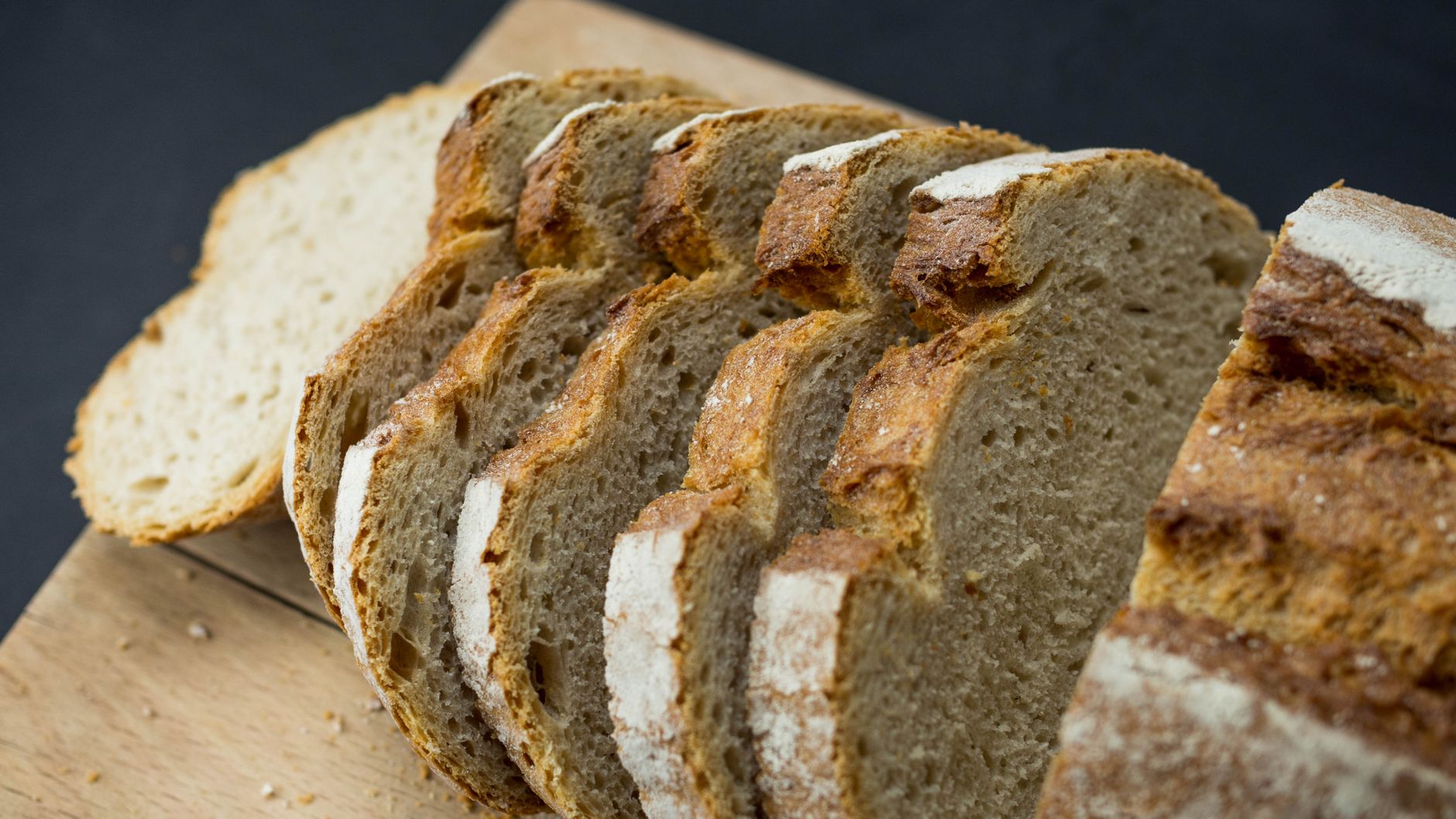
Product: "Organic Whole Grain Bread"
- Serving size: 2 slices (40g)
- Calories: 120
- Total fat: 2g (saturated fat: 0.5g)
- Sodium: 180mg
- Total carbs: 22g (fiber: 3g, sugars: 2g)
- Protein: 4g
- Ingredients: Whole wheat flour, water, olive oil, yeast, salt
Verdict: This is a solid choice—low in sodium, high in fiber, and no added sugars. The olive oil adds a healthy fat, and the whole wheat flour provides complex carbs. New tip: Look for sprouted grain bread—it’s easier to digest and has a lower glycemic index.
---
A Longevity Diet Grocery List for Beginners (2026): Your Step-by-Step Guide
If you’re new to the longevity diet, starting with a complete grocery list can feel overwhelming. Break it down into three phases to ease into the habit:
Phase 1: Pantry Staples (Week 1)
- Extra virgin olive oil
- Canned tomatoes (no added sugar)
- Lentils or chickpeas (dry or canned)
- Quinoa or brown rice
- Nuts (almonds, walnuts)
- Seeds (chia, flax)
- Unsweetened almond milk
- Dark chocolate (85%+ cocoa)
- New addition: Psyllium husk
- New addition: Coconut aminos
Phase 2: Fresh Produce (Week 2)
- Leafy greens (spinach, kale)
- Broccoli and cauliflower
- Carrots and onions
- Garlic and ginger
- Berries (frozen or fresh)
- Avocados
- New addition: Mushrooms
- New addition: Citrus fruits (oranges, grapefruits)
Phase 3: Proteins and Dairy (Week 3)
- Wild-caught salmon or sardines
- Eggs
- Greek yogurt (unsweetened)
- Fermented foods (sauerkraut, kefir)
- Grass-fed beef or tofu
- New addition: Tempeh
- New addition: Canned tuna in water
Pro tip:** Start with one new food per week. For example, Week 1: add olive oil to your cooking. Week 2: swap white rice for quinoa. Small changes build lasting habits. New strategy: Dedicate one day per week to trying a new longevity food—it keeps the diet exciting and prevents boredom.
**Meal prep hack:** Cook grains in bulk (like quinoa or brown rice) and store them in the fridge for up to 5 days. This saves time and ensures you always have a base for meals. New tip: Use meal prep containers with dividers to separate proteins, grains, and veggies—it makes assembly faster and reduces food waste.
---
Longevity Diet Grocery List for Vegans, Diabetics, and Heart Health
The longevity diet is inherently plant-forward, but it can be tailored to specific needs—whether you’re vegan, managing diabetes, or focusing on heart health. Here’s how to adapt the list:
For vegans:
- Tofu and tempeh (fermented soy)
- Lentils and chickpeas
- Quinoa and buckwheat
- Nuts and seeds (almonds, walnuts, chia)
- Fermented foods (tempeh, miso, sauerkraut)
- Vegan yogurt (unsweetened, made from coconut or almonds)
- Dark leafy greens (kale, spinach)
- Berries and citrus fruits
- New addition: Nutritional yeast (for a cheesy flavor without dairy)
- New addition: Hemp seeds (for complete protein)




