Quick take:
The Korean diet grocery list is all about balanced flavors and nutrient-packed staples: think fermented foods like kimchi and gochujang, lean proteins (seafood, tofu, chicken), seasonal veggies, and whole grains. Start with a core list of 30–40 items, then branch out based on your goals—whether it's weight loss, pregnancy, or budget-friendly eating. Pro tip: Shop at Asian markets for authentic ingredients, but don’t overlook seasonal produce at your local grocery store. Need a simpler starting point? The Blue Zones diet shares some similar principles but with fewer specialty items.
Korean Diet Grocery Shopping List: The Complete 2026 Guide
You’re standing in the grocery store aisle, staring at the spice section like it’s a foreign language. Your phone buzzes with another recipe for bibimbap or tteokbokki, but you have no idea where to begin. The Korean diet isn’t just about eating kimchi and rice—it’s a whole way of nourishing your body with fermented foods, lean proteins, and vibrant vegetables. But if you’ve ever felt overwhelmed by the thought of stocking your pantry with ingredients you’ve never heard of, you’re not alone.
Many women—whether they’re trying to cut through midlife weight gain, recover from postpartum burnout, or simply eat more mindfully—turn to the Korean diet for its balance of flavor and health benefits. The good news? You don’t need a passport or a specialty store to get started. This guide will walk you through everything you need to know, from the essential staples to how to adapt the list for budget constraints, pregnancy, or a vegan lifestyle. And yes, we’ll even cover how to shop for it in 2026—because trends change, and so should your grocery list.
Let’s dive in.
---
##
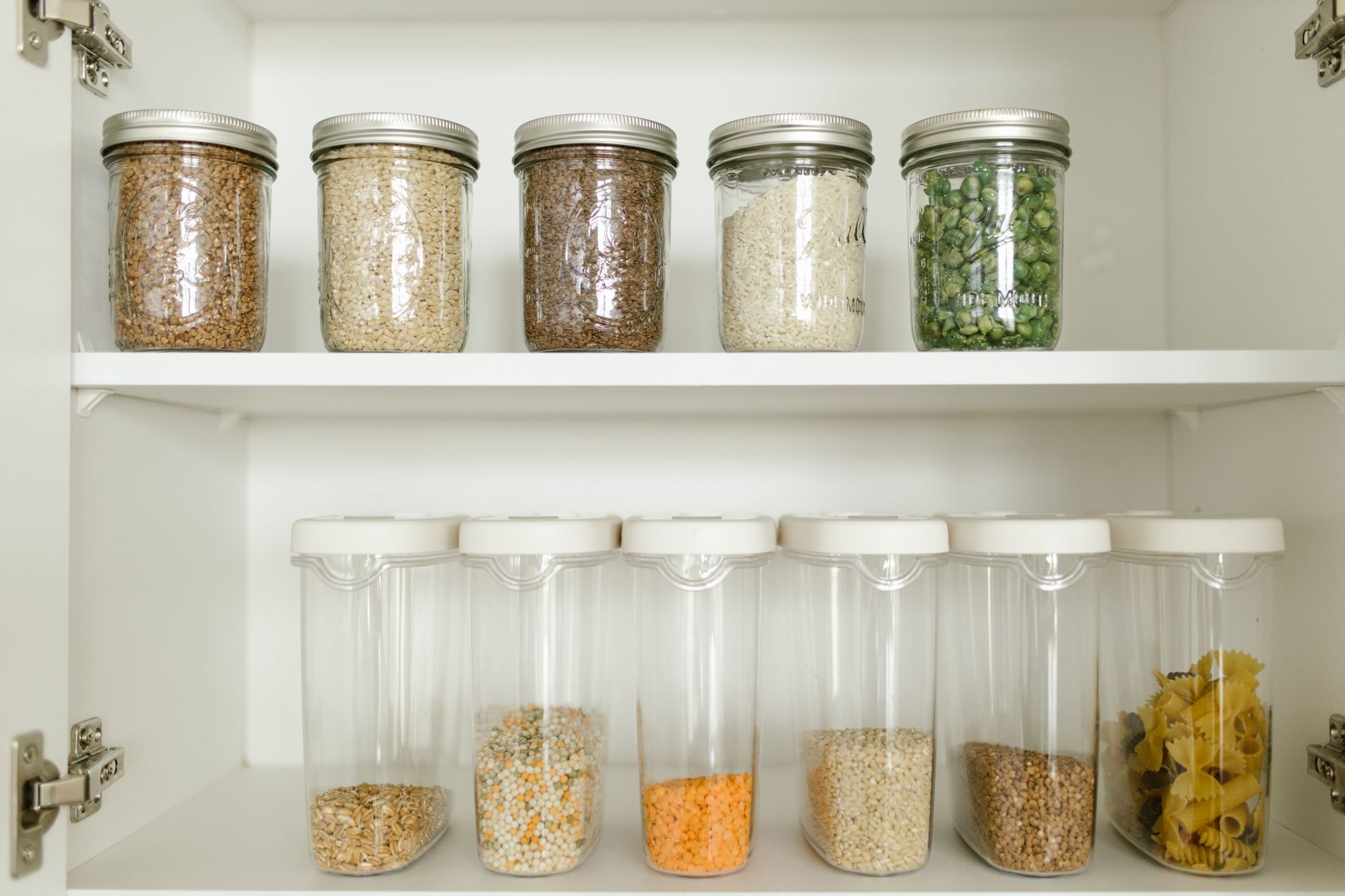
If you’re new to the Korean diet, the first step is to think of it as a foundation rather than a rigid rulebook. The Korean diet emphasizes whole foods, fermentation, and seasonality, but it’s flexible enough to fit into almost any lifestyle. Start with these core 30 items—they’ll cover 80% of your meals for the week.
One reader, Sarah, a new mom in her 30s, put this list to the test after feeling exhausted from postpartum weight fluctuations. “I had no idea where to begin,” she says. “But once I had the basics—kimchi, brown rice, and tofu—I could make simple, nourishing meals like kongnamul guk (soybean soup) and bokkeumbap (spicy rice bowls) in under 30 minutes.” Her biggest tip? “Buy frozen kimchi if fresh isn’t available—it’s just as nutritious and lasts longer.”
Here’s your beginner’s checklist:
### Pantry Staples
- Brown rice or short-grain white rice
- Soy sauce (or doenjang for fermented flavor)
- Gochujang (Korean red pepper paste)
- Gochugaru (Korean red pepper flakes)
- Sesame oil
- Honey or agave syrup
- Miso paste (white or red)
- Doenjang (fermented soybean paste)
- Jeotgal (salted seafood, optional but traditional)
### Proteins
- Tofu (firm or silken)
- Chicken thighs or breast (skinless preferred)
- Eggs
- Shrimp or white fish (like cod or tilapia)
- Pork belly (for samgyeopsal, if you eat red meat)
### Vegetables
- Spinach or kongnamul (soybean sprouts)
- Napa cabbage
- Carrots
- Zucchini
- Mushrooms (shiitake or white)
- Green onions
### Fermented Foods
- Kimchi (fresh or frozen)
- Natto (fermented soybeans, for breakfast)
### Fruits
- Persimmons (seasonal, but great for snacking)
- Apples
- Oranges
Pro tip: If you’re short on time, start with just rice, tofu, kimchi, and spinach. You can make kongnamul guk (soybean soup) or bokkeumbap (spicy rice bowl) with minimal effort. Once you’re comfortable, expand your list.
---
##
If your goal is weight loss, the Korean diet is a fantastic choice—it’s low in processed foods, high in fiber, and packed with metabolism-boosting fermented foods. The key is focusing on lean proteins, whole grains, and healthy fats while keeping portions in check. Here’s how to tweak your list for fat loss:
### Protein-Packed Picks
- Skinless chicken breast (high protein, low fat)
- Shrimp or white fish (low-calorie, high in omega-3s)
- Tofu (low-fat, versatile)
- Egg whites (if you’re watching saturated fat)
### Fiber-Rich Veggies
- Spinach (low-calorie, iron-rich)
- Napa cabbage (great for stir-fries)
- Mushrooms (umami flavor, low-calorie)
- Bok choy (light and crunchy)
### Fermented Foods for Gut Health
- Kimchi (probiotic-rich, spicy kick)
- Natto (fermented soybeans, high in vitamin K)
- Miso soup (low-calorie, flavorful)
### Smart Carbs
- Brown rice (higher fiber than white)
- Sweet potatoes (lower glycemic index)
- Barley (great for soups and stews)
### Healthy Fats
- Sesame oil (use sparingly for cooking)
- Walnuts or almonds (snack on a handful)
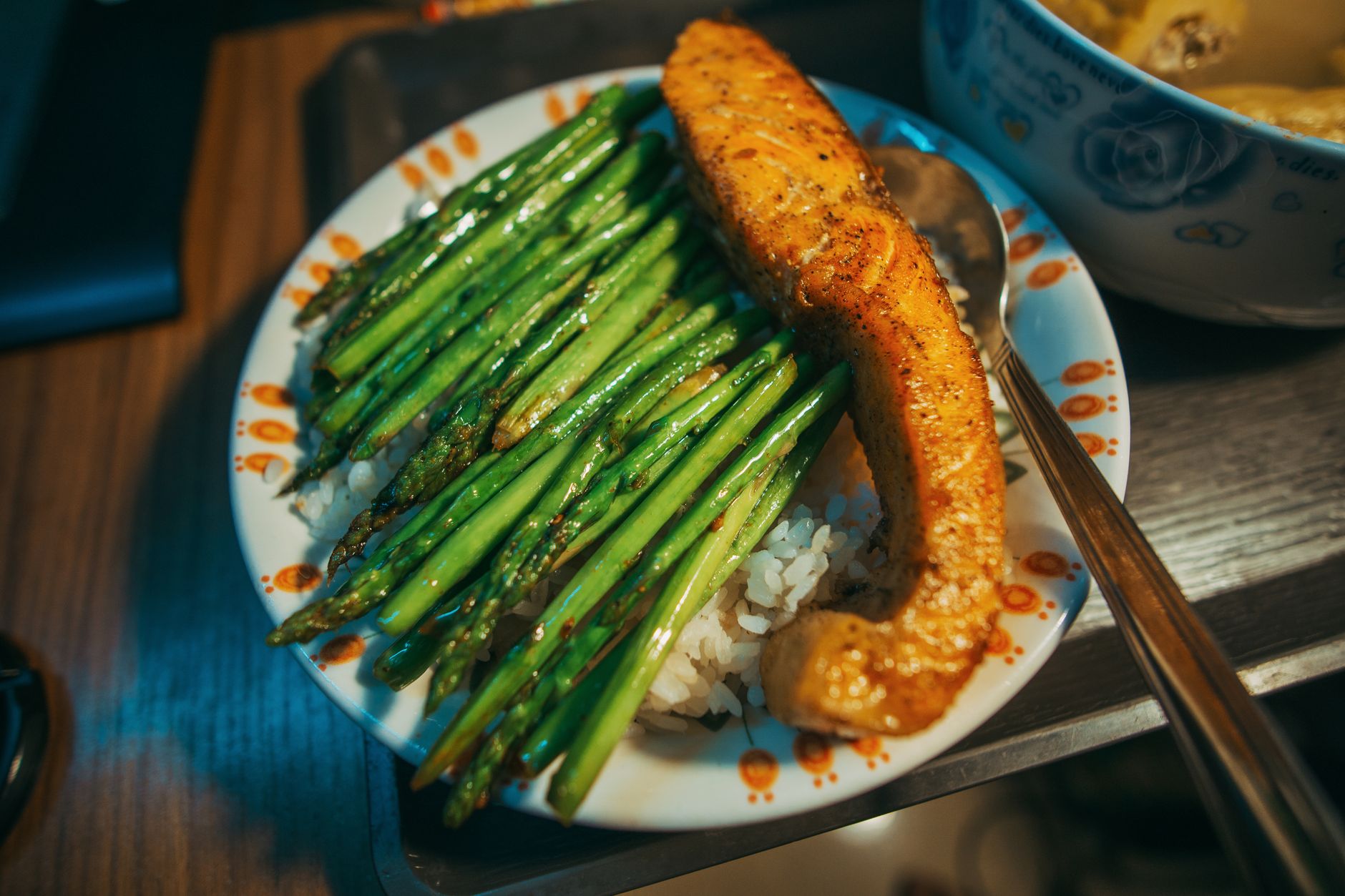
One reader, Emily, lost 12 pounds in three months by swapping her usual takeout for Korean-inspired meals. “I started with a simple bokkeumbap routine—brown rice, tofu, spinach, and kimchi,” she says. “I portioned everything in advance and never skipped breakfast. The key was avoiding fried foods and sticking to steamed or grilled proteins.”
**Avoid:** Deep-fried snacks like kimbap (rice rolls) or tteokbokki (rice cakes) if weight loss is your priority. Opt for baked or steamed versions instead.
---
##
Pregnancy calls for extra care—especially when it comes to food safety and nutrition. The Korean diet is naturally rich in folate, iron, and probiotics, which are all crucial during pregnancy. However, there are a few adjustments to keep in mind:
### Safe Protein Sources
- **Eggs** (cooked thoroughly to avoid salmonella)
- **Chicken** (fully cooked, no undercooked bits)
- **Tofu** (safe if firm and well-cooked)
- **Fish** (opt for low-mercury options like cod or tilapia; avoid raw fish like hoe)
### Fermented Foods (Moderation)
- **Kimchi** (safe in moderation—choose pasteurized if concerned about listeria)
- **Doenjang or miso** (fermented, but ensure they’re pasteurized)
- **Natto** (high in vitamin K, but some women find it too strong—start small)
### Veggies to Boost Nutrients
- **Spinach** (iron-rich, but cook to reduce oxalates)
- **Carrots** (vitamin A for baby’s development)
- **Sweet potatoes** (fiber and beta-carotene)
- **Bok choy** (calcium and vitamin K)
### Grains for Energy
- **Brown rice** (fiber and B vitamins)
- **Barley** (gentle on digestion, iron-rich)
### Avoid During Pregnancy
- **Raw or undercooked seafood** (like jeotgal or hoe)
- **Excessive gochujang** (spicy foods can cause heartburn)
- **Alcohol** (never consume during pregnancy)
One expectant mom, Priya, used the Korean diet to manage her pregnancy cravings. “I was craving something savory but light,” she recalls. “I started making kongnamul guk with extra ginger and a splash of sesame oil. It was soothing, easy to digest, and packed with nutrients.” She also swapped her usual sugary snacks for yogurt with honey and walnuts—a Korean-inspired twist on a classic.
**Pro tip:** If you’re unsure about a food, ask your healthcare provider. The Korean diet is generally safe, but pregnancy is a time to be extra cautious.
---
##
Followers of a vegan diet can absolutely enjoy the Korean diet—it’s naturally plant-forward! The key is swapping animal proteins for tofu, tempeh, and plant-based fermented foods. Here’s how to adapt your list:
### Protein Alternatives
- **Tofu** (firm or extra-firm for stir-fries)
- **Tempeh** (fermented soy, higher in probiotics)
- **Seitan** (wheat gluten, great for samgyeopsal substitutes)
- **Lentils or chickpeas** (for stews and soups)
### Fermented Vegan Foods
- **Kimchi (vegan version)** (made with vegetable juice instead of fish sauce)
- **Miso (white or red, check labels for fish-free versions)**
- **Natto (fermented soybeans, vegan-friendly)**
### Vegan-Friendly Staples
- **Sesame oil** (for cooking and dressings)
- **Gochujang (vegan versions available, check for fish-free)**
- **Doenjang (some brands are vegan, others contain fish—read labels)**
### Vegan-Friendly Meal Ideas
- **Bibimbap** (rice, tofu, veggies, and vegan gochujang)
- **Kongnamul guk** (soybean soup with tofu)
- **Bokkeumbap** (spicy rice bowl with tempeh and veggies)
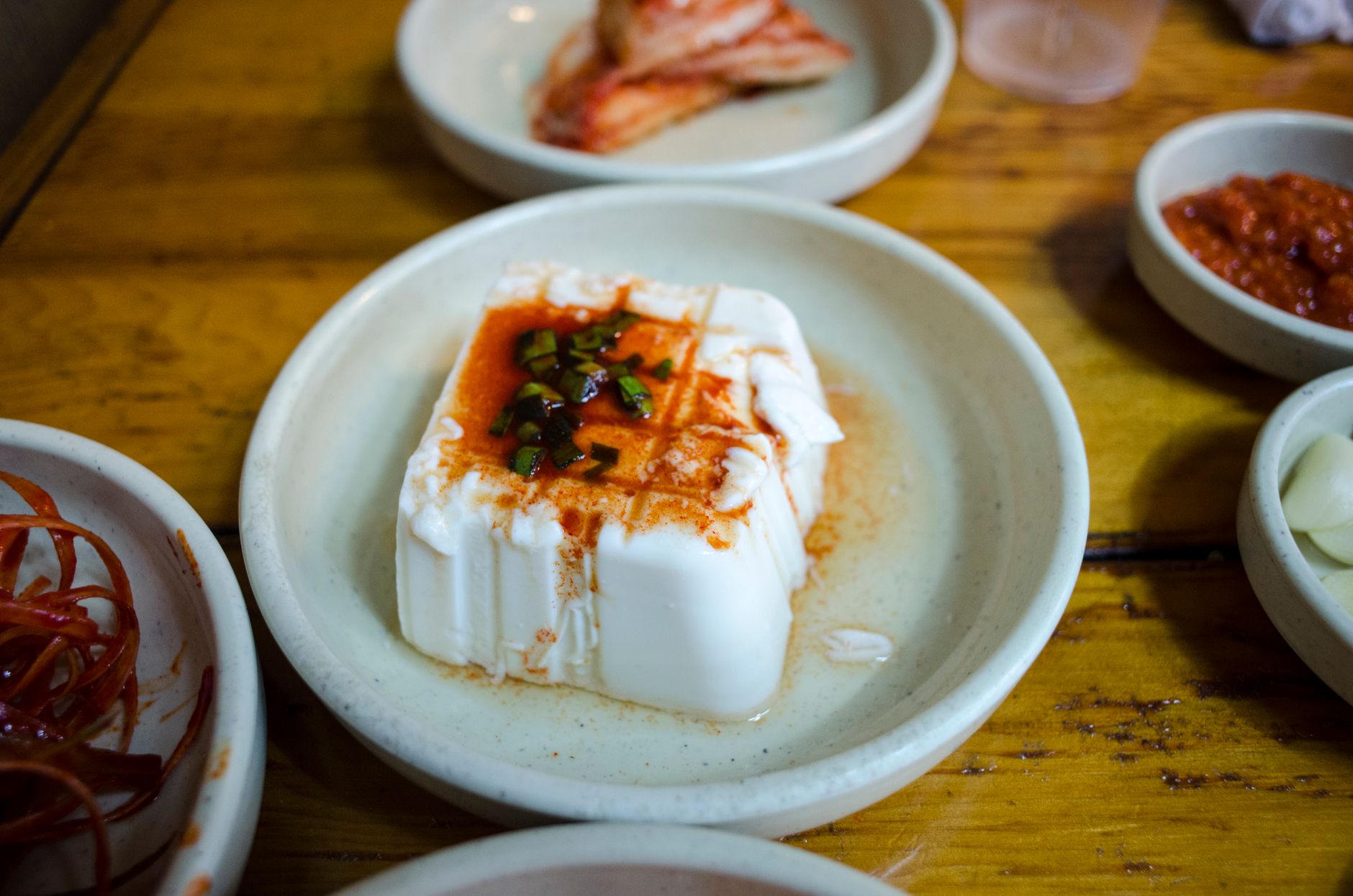
One vegan reader, Priya, found the Korean diet to be a game-changer. “I was worried I’d miss out on flavor, but vegan kimchi and tofu tteokbokki are just as delicious,” she says. “I also love making sundubu-jjigae (soft tofu stew) with mushrooms and zucchini—it’s hearty and satisfying.”
**Where to find vegan Korean ingredients:**
- **Asian grocery stores** (look for labels like “vegan” or “no fish sauce”)
- **Online retailers** (like Yes24 or Amazon for specialty items)
- **Substitutes** (use nutritional yeast for a cheesy flavor in place of fish-based sauces)
---
##
You don’t need a Michelin-star budget to enjoy the Korean diet. The secret is seasonal produce, bulk buying, and smart substitutions. Here’s how to shop on a budget:
### Budget-Friendly Staples
- **Brown rice** (buy in bulk, cheaper than white)
- **Frozen kimchi** (just as nutritious, often cheaper than fresh)
- **Canned tuna or mackerel** (affordable protein for soups)
- **Eggs** (versatile and cheap)
- **Potatoes or sweet potatoes** (cheap, filling, and nutritious)
### Seasonal & Local Produce
- **Spinach** (cheaper in winter, frozen is fine)
- **Carrots** (lasts months in the fridge)
- **Onions and garlic** (bulk buying saves money)
- **Cabbage** (great for kimchi or stir-fries)
### Smart Substitutions
- **Instead of shrimp**, use canned sardines or mackerel.
- **Instead of pork belly**, use ground turkey or chicken thighs.
- **Instead of fresh gochujang**, make your own with red pepper flakes and soy sauce.
### Where to Shop Cheap
- **Asian grocery stores** (often cheaper than Western supermarkets)
- **Farmers’ markets** (seasonal produce is cheaper)
- **Discount stores** (like Aldi or Costco for bulk rice and canned goods)
One budget-conscious reader, Lisa, saved $50 a month by shopping smart. “I buy frozen kimchi in bulk and make my own gochujang from scratch,” she says. “I also rotate my veggies—spinach in winter, zucchini in summer. It keeps my meals fresh without breaking the bank.”
**Pro tip:** Cook in batches! Make a big pot of kongnamul guk or sundubu-jjigae and freeze portions for later.
---
##
The Korean diet is always evolving, and 2026 is no exception. Here are the trending ingredients and shopping tips to keep your list fresh:
### Trend 1: Functional Ingredients
- **Mushroom extracts** (like reishi or shiitake, for immunity)
- **Korean ginseng** (adaptogenic, great for energy)
- **Perilla oil** (anti-inflammatory, used in dressings)
### Trend 2: Plant-Based & Sustainable
- **Insect protein** (like black soldier fly larvae, gaining popularity in Korea)
- **Algae snacks** (seaweed chips, high in omega-3s)
- **Local, seasonal produce** (reduces carbon footprint)
### Trend 3: Gut Health Focus
- **Kefir or yogurt** (probiotic-rich, easy to find)
- **Kimchi with added prebiotics** (look for labels with fiber boosts)
- **Fermented vegetables** (like pa, a Korean fermented radish)
### Trend 4: Convenience Meets Health
- **Pre-cut veggie packs** (for quick stir-fries)
- **Frozen Korean dumplings** (like mandu, just add hot water)
- **Instant kimchi** (for busy weeknights)
One trendsetter, Jamie, is all about functional foods. “I’ve been adding perilla oil to my salads and trying reishi mushroom tea for stress relief,” she says. “It’s not just about eating healthy—it’s about feeling your best.”
**Where to find trends:**
- **Korean grocery stores** (for specialty items)
- **Health food stores** (for mushrooms and ginseng)
- **Online retailers** (for hard-to-find ingredients)
---
##
Now that you’ve seen the basics, let’s break down the complete Korean diet grocery list by category. This is your one-stop reference for all things Korean diet shopping.
### Pantry Staples
| Item | Why It’s Important | Where to Buy |
|--------------------|--------------------------------------------|-----------------------|
| Brown rice | High fiber, slow-digesting carbs | Any grocery store |
| Short-grain rice | Sticky texture, great for bap | Asian markets |
| Soy sauce | Flavor base for sauces | Any grocery store |
| Gochujang | Spicy, fermented kick | Asian markets |
| Gochugaru | Korean red pepper flakes | Asian markets |
| Sesame oil | Healthy fats, nutty flavor | Any grocery store |
| Honey or agave | Natural sweetener | Any grocery store |
| Miso paste | Fermented umami boost | Asian markets |
| Doenjang | Fermented soybean paste | Asian markets |
| Jeotgal | Salted seafood (optional, traditional) | Asian markets |
### Proteins
| Item | Best For | Budget Tip |
|--------------------|------------------------------------------|--------------------------|
| Tofu | Vegan protein, versatile | Buy firm tofu in bulk |
| Chicken thighs | Affordable, flavorful | Buy frozen, thaw as needed |
| Shrimp | Low-calorie, high-protein | Buy frozen, cheaper |
| Eggs | Quick protein boost | Buy in bulk |
| Pork belly | Rich, fatty marbling (if you eat red meat)| Buy in moderation |
### Vegetables
| Item | Seasonal Peak | Storage Tip |
|--------------------|----------------------------------------|---------------------------|
| Spinach | Winter | Wash, dry, store in fridge |
| Napa cabbage | Fall/Winter | Keep in bag, crisp |
| Carrots | Year-round | Store in cool, dark place |
| Zucchini | Summer | Eat within 5 days |
| Mushrooms | Fall/Winter | Store unwashed in paper |
| Green onions | Year-round | Trim roots, store upright |
### Fermented Foods
| Item | Health Benefit | Where to Buy |
|--------------------|-----------------------------------------|-----------------------|
| Kimchi | Probiotics, vitamin C | Asian markets |
| Natto | Vitamin K, blood clotting | Asian markets |
| Miso | Gut health, umami flavor | Asian markets |
| Doenjang | Fermented protein, savory depth | Asian markets |
### Fruits
| Item | Best For | When to Buy |
|--------------------|------------------------------------------|-----------------------|
| Persimmons | Snacking, sweetness | Fall/Winter |
| Apples | Crunchy, long shelf life | Year-round |
| Oranges | Vitamin C boost | Winter |
---
##
Meal planning is key to sticking with any diet—and the Korean diet is no exception. Here’s how to plan your week with minimal stress:
### Step 1: Pick 3–4 Staples
Start with your top 3–4 favorite ingredients (e.g., rice, tofu, kimchi, spinach). These will form the base of most meals.
### Step 2: Batch Cook Proteins
- Cook a big batch of **chicken thighs** or **tofu** on Sunday.
- Use leftovers in **bokkeumbap**, **kongnamul guk**, or **stir-fries**.
### Step 3: Prep Veggies
- Wash and chop **spinach, carrots, and zucchini** for quick stir-fries.
- Store in **airtight containers** in the fridge for up to 5 days.
### Step 4: Freeze Extras
- Freeze **extra kimchi** or **cooked rice** for busy days.
- Portion **soups and stews** into individual containers.
### Sample 7-Day Meal Plan
| Day | Breakfast | Lunch | Dinner | Snack |
|-----------|-------------------------|--------------------------------|---------------------------------|----------------------|
| Monday | Natto + rice + honey | Bokkeumbap (tofu, kimchi, rice)| Kongnamul guk (soybean soup) | Apple + walnuts |
| Tuesday | Scrambled eggs + spinach| Bibimbap (rice, veggies, egg) | Steamed fish + bok choy | Yogurt + honey |
| Wednesday | Oatmeal + sesame oil | Tofu stir-fry + rice | Sundubu-jjigae (soft tofu stew) | Carrot sticks |
| Thursday | Kimchi fried rice | Chicken + spinach soup | Grilled shrimp + rice | Handful of almonds |
| Friday | Miso soup + miso toast | Tteokbokki (rice cakes) | Pork belly + cabbage kimchi | Orange slices |
| Saturday | Persimmon + yogurt | Tofu + veggie bowl | Bibimbap (leftovers) | Dark chocolate |
| Sunday | Breakfast rice cake | Kongnamul guk (leftovers) | Grilled chicken + stir-fried veggies | Sesame seeds + honey |
**Pro tip:** Use a **meal prep container** to portion out lunches for the week. This saves time and reduces food waste.
---
## Korean Diet Grocery List 2026: Healthy Swaps & Common Mistakes
Even the best diets can go wrong if you make a few common mistakes. Here’s how to avoid them:
### Mistake 1: Skipping Fermented Foods
- **Why it’s bad:** Fermented foods like kimchi and miso are packed with probiotics, which support gut health.
- **Healthy swap:** If you don’t like kimchi, try **sauerkraut** or **kefir** as alternatives.
### Mistake 2: Overdoing Rice
- **Why it’s bad:** Too much rice (especially white rice) can spike blood sugar.
- **Healthy swap:** Opt for **brown rice, barley, or quinoa** instead.
### Mistake 3: Not Eating Enough Protein
- **Why it’s bad:** Protein keeps you full and helps with muscle recovery.
- **Healthy swap:** Add **tofu, eggs, or chicken** to every meal.
### Mistake 4: Buying Pre-Packaged Korean Snacks
- **Why it’s bad:** Many Korean snacks are high in salt and preservatives.
- **Healthy swap:** Make your own snacks like **roasted seaweed** or **spicy roasted chickpeas**.
### Mistake 5: Ignoring Seasonality
- **Why it’s bad:** Eating out-of-season produce can be less nutritious and more expensive.
- **Healthy swap:** Check what’s in season and adjust your shopping list accordingly.
---
##
Let’s clear up some common myths about the Korean diet:
### Myth: The Korean diet is all about spicy food.
Fact: While Korean cuisine is known for its bold flavors, the diet isn’t about heat—it’s about balance. You can enjoy mild versions of dishes like bokkeumbap or kongnamul guk without the spice.
### Myth: You need to eat at Korean restaurants to follow the diet.
Fact: You can easily recreate Korean flavors at home with simple ingredients like rice, tofu, and kimchi. If you’re used to elimination diets, you’ll find the Korean diet is just as approachable—it just requires different staples.
### Myth: The Korean diet is expensive.
Fact: Many Korean ingredients are budget-friendly, especially when bought in bulk or frozen. Brown rice, eggs, and seasonal veggies are all affordable staples.
### Myth: You can’t follow the Korean diet if you’re vegan.
Fact: The Korean diet is naturally plant-heavy, and vegan versions of staples like kimchi and tofu are widely available. Just check labels for fish-based ingredients.
### Myth: The Korean diet is only for weight loss.
Fact: The Korean diet is about whole-food nutrition, whether you’re trying to lose weight, gain muscle, or simply eat more mindfully. It’s versatile for all lifestages.
---
##
Here’s a quick recap of what you need to know:
- Start with the basics: Rice, tofu, kimchi, and spinach form the core of most meals.
- Fermented foods are key: Kimchi, miso, and natto support gut health.
- Seasonal produce saves money: Buy what’s in season for the best flavor and price.
- Batch cook proteins: Cook chicken, tofu, or fish in bulk to save time.
- Adapt for your needs: Whether you’re vegan, pregnant, or on a budget, the Korean diet can fit your lifestyle.
- Trends matter: In 2026, functional ingredients like mushrooms and ginseng are gaining popularity.
---
##
###
A Korean diet grocery shopping list includes whole grains (rice, barley), lean proteins (tofu, chicken, fish), fermented foods (kimchi, miso), seasonal vegetables, and healthy fats (sesame oil, nuts). The goal is to create balanced, flavorful meals with nutrient-dense ingredients. Think of it as a mix of flexitarian principles with a global twist.
###
Start with your top 3–4 staples (like rice, tofu, and kimchi), then expand based on your goals. Use this guide as a reference, and adjust for budget, dietary restrictions, or seasonal produce. Pro tip: Check your pantry first—you might already have some items!
### What foods should I buy for a Korean diet?
Focus on whole foods like brown rice, tofu, spinach, carrots, and fermented foods. Avoid processed snacks and fried foods. If you’re new, start with the beginner’s checklist above and build from there.
### How often should I shop for a Korean diet?
If you’re meal prepping, you can shop once a week. If you prefer fresh ingredients, shop every 3–4 days. Fermented foods like kimchi and miso last a while, so you don’t need to replace them often.
### What are the staples in a Korean diet?
The core staples are:
- Rice (brown or short-grain white)
- Tofu (firm or silken)
- Kimchi (fresh or frozen)
- Spinach or soybean sprouts
- Gochujang or gochugaru
- Sesame oil
- Eggs or chicken
### Can I follow a Korean diet on a budget?
Absolutely! Focus on seasonal produce, frozen kimchi, and bulk rice. Swap expensive proteins like shrimp for canned tuna or eggs. Our budget-friendly section has more tips.
### What’s the difference between Korean and Japanese diets?
Both diets emphasize rice, fish, and vegetables, but Korean cuisine is spicier and more fermented (think kimchi and gochujang). Japanese cuisine often includes more miso and seaweed. If you love umami and bold flavors, the Korean diet is for you!
---
## When to See a Doctor or Specialist
While the Korean diet is generally safe and healthy, there are a few situations where you should consult a healthcare provider:
- If you have food allergies or intolerances: Always check labels for hidden ingredients (e.g., gluten in some sauces, fish in miso).
- If you’re pregnant or breastfeeding: Avoid raw or undercooked seafood and limit gochujang (spicy foods can cause heartburn).
- If you have a chronic condition (like diabetes or IBS): Some fermented foods may affect digestion, and high-sodium sauces could impact blood pressure.
- If you’re trying to lose weight and aren’t seeing results: A registered dietitian can help you adjust portions or meal timing.
For general nutrition questions, consider speaking with a registered dietitian or nutritionist who specializes in Asian cuisines.
---
## References
- Korean Dietary Guidelines (2020-2025). Ministry of Health and Welfare, South Korea.
- Kim, S. H., et al. (2019). "Traditional Korean Diet and Its Health Benefits." Nutrients, 11(10), 2384.
- American Institute for Cancer Research (AICR). (2021). "Plant-Based Diets and Health."
- Harvard T.H. Chan School of Public Health. (2022). "Fermented Foods and Gut Health."
- National Institutes of Health (NIH). (2023). "Dietary Patterns and Chronic Disease Prevention."




