Discover 20 easy Korean diet dinner recipes that are quick, healthy, and perfect for weight loss. Balance flavors with low-calorie ingredients and simple prep
By Shubhra Mishra — a mom of two who turned her own confusion during pregnancy into BumpBites, a global mission to make food choices clear, safe, and stress-free for every expecting mother. 💛
Check whether any food is safe during pregnancy with the BumpBites Food Safety Checker.
Quick take: Exploring Korean diet dinner recipes can be a delicious and effective way to support your health goals, whether you're aiming for weight management, improved heart health, or simply a more balanced plate. These recipes emphasize fresh vegetables, lean proteins, and fermented foods, making them both flavorful and nutrient-dense while often being surprisingly easy to prepare, even for beginners or on busy weeknights.
The thought of cooking a healthy, exciting dinner after a long day can feel daunting. You want something flavorful, something that truly satisfies, but also something that aligns with your wellness goals. If you've been scrolling through endless recipe ideas, perhaps even eyeing those vibrant Korean dishes and wondering if they could fit into a "diet," you're in the right place.
Many women tell us they're looking for meals that are genuinely enjoyable, not just "good for them." The good news is that the core principles of traditional Korean cuisine naturally align with many healthy eating guidelines. With a focus on fresh produce, lean proteins, fermented foods like kimchi, and savory seasonings, Korean diet dinner recipes are not only easy to make but also packed with nutrients and incredibly satisfying.
This guide will show you how to bring delicious, healthy Korean meals to your dinner table without complex steps or exotic ingredients. We’ll explore quick options for beginners, low-carb swaps, vegetarian delights, and strategies for busy weeknights, helping you discover a new favorite cuisine that supports your well-being.
What are the Nutritional Benefits of a Korean-Inspired Diet?
Adopting a Korean-inspired diet for your dinners offers a wealth of nutritional advantages, stemming from its emphasis on whole, unprocessed foods. Traditional Korean meals are typically centered around rice, a variety of vegetable side dishes (banchan), and a protein source like meat, fish, or tofu, often accompanied by a soup or stew.
One of the standout benefits is the high intake of vegetables. Korean cuisine incorporates a wide array of seasonal greens, roots, and fermented vegetables, providing essential vitamins, minerals, and dietary fiber. This fiber is crucial for digestive health, blood sugar regulation, and promoting a feeling of fullness, which can be particularly helpful for weight management. For instance, leafy greens like spinach and bok choy, often featured in stir-fries or as banchan, are rich in antioxidants and support overall cellular health.
Fermented foods, most notably kimchi, are another cornerstone. Kimchi, made from napa cabbage and other vegetables, is a probiotic powerhouse. These beneficial bacteria support a healthy gut microbiome, which is linked to everything from improved digestion and immune function to mood regulation. The Journal of Medicinal Food has highlighted kimchi's potential benefits for cholesterol levels and inflammation, contributing to heart health.
The diet also typically includes lean protein sources such as tofu, chicken, fish, and often small portions of beef. These proteins are vital for muscle repair, satiety, and maintaining stable energy levels. Fish, in particular, offers beneficial omega-3 fatty acids, which are known to support brain and heart health. For those looking to manage their sodium intake, focusing on fresh ingredients and adjusting seasonings can help maintain a heart-healthy approach, similar to the principles found in easy DASH diet dinner recipes.
Furthermore, Korean cooking techniques often involve steaming, stir-frying, and grilling, which minimize the need for excessive oils, helping to keep calorie counts in check while preserving nutrient integrity. This balanced approach to macros—complex carbohydrates from rice (often purple or multi-grain), ample fiber from vegetables, and lean protein—makes it a sustainable and healthy eating pattern.
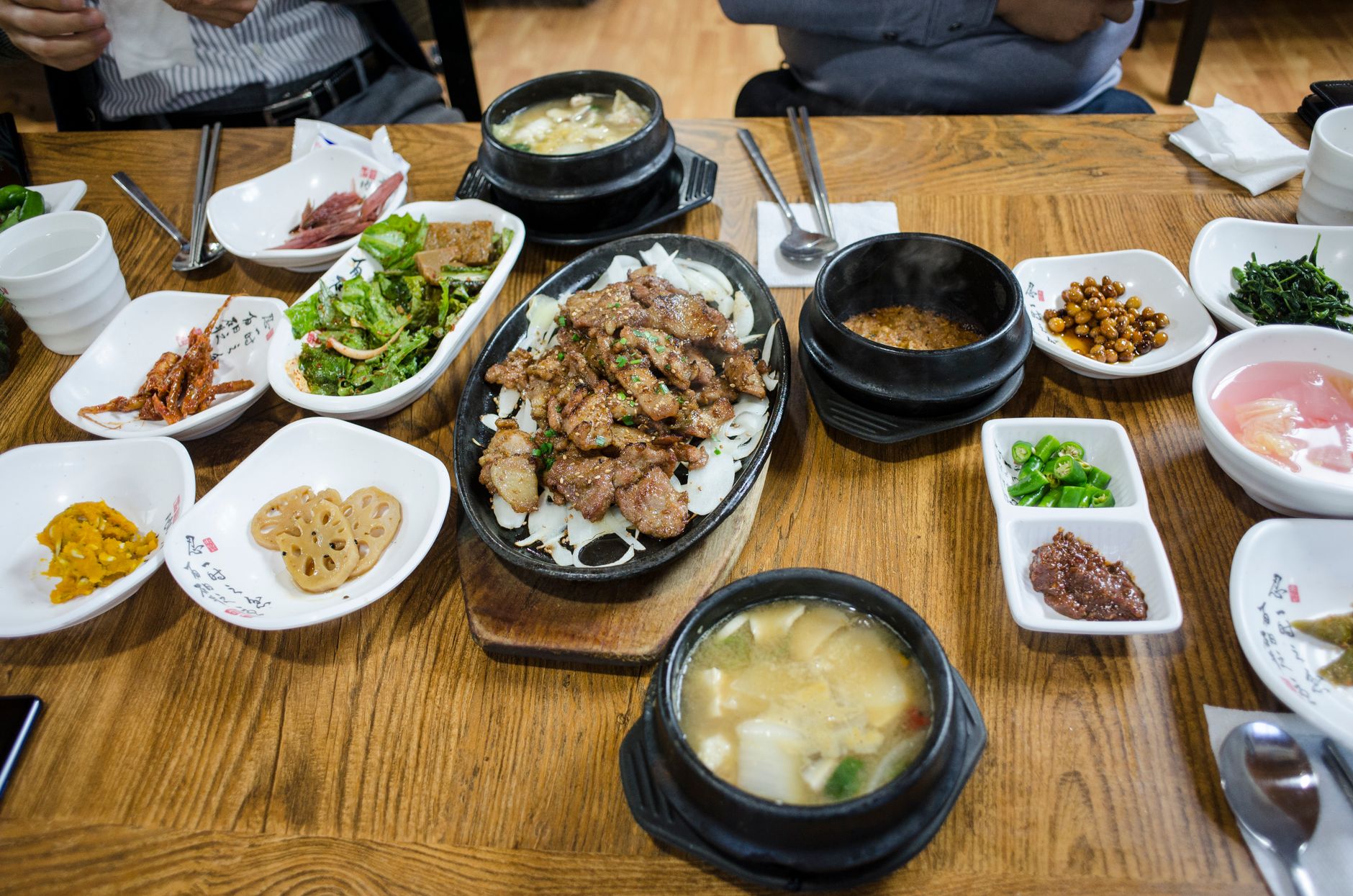
A balanced Korean dinner offers a vibrant array of colors and nutrients from diverse vegetables and proteins.
Key Ingredients for Easy Korean Diet Dinners
Building a Korean-inspired pantry doesn't have to be overwhelming. Many essential ingredients are now readily available in most supermarkets or Asian grocery stores. Stocking up on these staples will make whipping up easy Korean diet dinner recipes a breeze:
Kimchi: The quintessential Korean fermented side dish. Look for fresh, unpasteurized versions in the refrigerated section for maximum probiotic benefits.
Gochujang (Korean Chili Paste): A savory, sweet, and spicy fermented chili paste. A little goes a long way to add depth and flavor.
Gochugaru (Korean Chili Flakes): Coarsely ground chili flakes that provide a clean, vibrant heat and color.
Soy Sauce (or Tamari/Coconut Aminos): A fundamental savory seasoning. Opt for low-sodium versions, or tamari for gluten-free, and coconut aminos for a soy-free alternative.
Sesame Oil: Used sparingly as a finishing oil for its distinct nutty aroma, not for cooking at high heat.
Garlic & Ginger: Fresh is best for that aromatic punch. Keep them on hand for almost every savory dish.
Green Onions (Scallions): Used for garnish and adding a mild onion flavor.
Rice Vinegar: Adds a touch of acidity to dressings and marinades.
Doenjang (Korean Fermented Soybean Paste): Similar to miso, but with a distinct earthy, pungent flavor. Great for soups and stews.
Tofu: A versatile plant-based protein. Firm or extra-firm tofu holds its shape well in stir-fries and stews.
Noodles: Sweet potato starch noodles (japchae noodles), buckwheat noodles (soba), or whole wheat noodles can be used in moderation.
Fresh Vegetables: Napa cabbage, spinach, bean sprouts, zucchini, mushrooms, bell peppers, carrots, broccoli – whatever is seasonal and fresh.
Lean Proteins: Chicken breast, lean beef (sirloin, flank steak), firm white fish (cod, tilapia), shrimp, or eggs.
With these core ingredients, you'll be well-equipped to create a wide variety of easy and delicious Korean diet dinner recipes.
Quick Korean Diet Dinner Recipes for Beginners
Starting your journey with Korean cooking can feel intimidating, but many dishes are incredibly simple and forgiving. The key is to focus on fresh ingredients and straightforward cooking methods. Here are a couple of quick Korean diet dinner recipes perfect for beginners, emphasizing ease and minimal fuss.
Easy Chicken & Vegetable Stir-Fry (Dak-bokkeum)
This dish is a fantastic way to use up whatever vegetables you have on hand and is naturally adaptable for various dietary needs. It’s also an excellent example of an easy flexitarian dinner recipe due to its versatility.
1 lb boneless, skinless chicken breast or thighs, cut into bite-sized pieces
1 cup broccoli florets
1 red bell pepper, sliced
1 cup sliced mushrooms
2 cloves garlic, minced
1 inch ginger, grated
2 tbsp low-sodium soy sauce
1 tbsp gochujang (optional, for a hint of spice)
1 tsp honey or maple syrup (optional, to balance flavors)
Green onions, chopped, for garnish
Cooked brown rice or cauliflower rice, for serving
Instructions
Heat the neutral oil in a large skillet or wok over medium-high heat.
Add chicken and cook until browned and cooked through, about 5-7 minutes. Remove chicken and set aside.
Add broccoli and bell pepper to the same skillet. Stir-fry for 3-4 minutes until slightly tender-crisp.
Add mushrooms, minced garlic, and grated ginger. Cook for another 2-3 minutes until fragrant.
Return the cooked chicken to the skillet.
In a small bowl, whisk together soy sauce, gochujang (if using), and honey/maple syrup (if using). Pour over the chicken and vegetables, tossing to coat. Cook for 1-2 minutes until sauce slightly thickens.
Remove from heat, drizzle with sesame oil, and garnish with green onions. Serve hot with brown rice or cauliflower rice.
Quick Veggie Bibimbap Bowl
Bibimbap, meaning "mixed rice," is traditionally a hearty dish, but it can be easily adapted into a light, quick, and healthy bowl. This version focuses on fresh vegetables and uses less rice for a diet-friendly spin, making it a perfect easy Korean diet dinner recipe for beginners.
Ingredients
1 cup cooked brown rice or quinoa (or cauli-rice for lower carb)
1 cup mixed greens (spinach, lettuce)
1/2 cup shredded carrots
1/2 cup cucumber, thinly sliced
1/2 cup bean sprouts, blanched (optional)
1/4 cup kimchi
1 fried or soft-boiled egg (optional, for protein)
Arrange the cooked rice/quinoa at the bottom of a bowl.
Artfully arrange the mixed greens, shredded carrots, cucumber slices, blanched bean sprouts, and kimchi around the rice.
If using, top with a fried or soft-boiled egg.
Whisk together all sauce ingredients until smooth. Drizzle the sauce generously over your bowl.
Mix everything together just before eating for a delicious, fresh, and easy meal.
Low-Carb Korean Dinner Recipes Easy to Make
For those mindful of carbohydrate intake, adapting Korean cuisine is surprisingly simple without sacrificing flavor. Many traditional Korean dishes are already vegetable-heavy, making them ideal candidates for low-carb modifications. The focus shifts from rice and noodles to abundant greens and protein, creating satisfying and easy low-carb Korean dinner recipes.
Lettuce Wrap "Bulgogi" (Korean BBQ Beef)
Traditional bulgogi is often served with rice, but wrapping the flavorful marinated meat in crisp lettuce leaves is a delicious, low-carb alternative that still delivers that classic Korean BBQ experience.
Ingredients
1 lb thinly sliced lean beef (sirloin or flank steak), or chicken breast
Marinade: 1/4 cup low-sodium soy sauce, 2 tbsp grated pear (or apple sauce), 1 tbsp sesame oil, 1 tbsp minced garlic, 1 tsp grated ginger, 1 tbsp erythritol or monk fruit sweetener (optional, for sweetness), black pepper.
1 head butter lettuce or red leaf lettuce, separated into cups
1 carrot, julienned
1 cucumber, julienned
Kimchi, for serving
Ssamjang (Korean dipping sauce, optional, use sparingly for lower sodium)
Instructions
In a bowl, combine all marinade ingredients. Add the sliced beef or chicken, toss to coat, and marinate for at least 30 minutes, or up to 4 hours in the refrigerator.
Heat a large non-stick skillet or grill pan over medium-high heat.
Add the marinated meat in a single layer (cook in batches if necessary) and cook for 2-3 minutes per side, or until browned and cooked through.
Serve the cooked meat immediately with lettuce cups, julienned carrots and cucumbers, and kimchi. Let everyone build their own wraps.
Cauliflower Rice Kimchi Fried Rice
This is a brilliant way to enjoy the flavors of kimchi fried rice without the heavy carb load. Cauliflower rice mimics the texture of traditional rice beautifully, making it an easy Korean diet dinner recipe for those seeking low-carb options.
Ingredients
1 tbsp neutral oil
1/2 cup chopped onion
2 cloves garlic, minced
1 cup chopped kimchi, squeezed of excess liquid
1 cup cooked chicken or tofu, diced (optional, for protein)
4 cups cauliflower rice (fresh or frozen, thawed)
1 tbsp low-sodium soy sauce
1 tsp gochujang (optional, for spice)
1 tsp sesame oil
1 fried egg, for topping (optional)
Green onions and sesame seeds, for garnish
Instructions
Heat neutral oil in a large skillet or wok over medium-high heat.
Add onion and cook until softened, about 3-4 minutes. Add garlic and cook for another minute until fragrant.
Stir in the chopped kimchi and cook for 3-5 minutes, allowing it to caramelize slightly.
If using, add diced chicken or tofu and cook for a few minutes to heat through.
Add the cauliflower rice to the skillet. Break up any clumps and stir-fry for 5-7 minutes, or until the cauliflower is tender-crisp and most of its moisture has evaporated.
Stir in soy sauce and gochujang (if using). Cook for 1-2 minutes, tossing to combine.
Remove from heat, drizzle with sesame oil, and garnish with a fried egg, green onions, and sesame seeds.
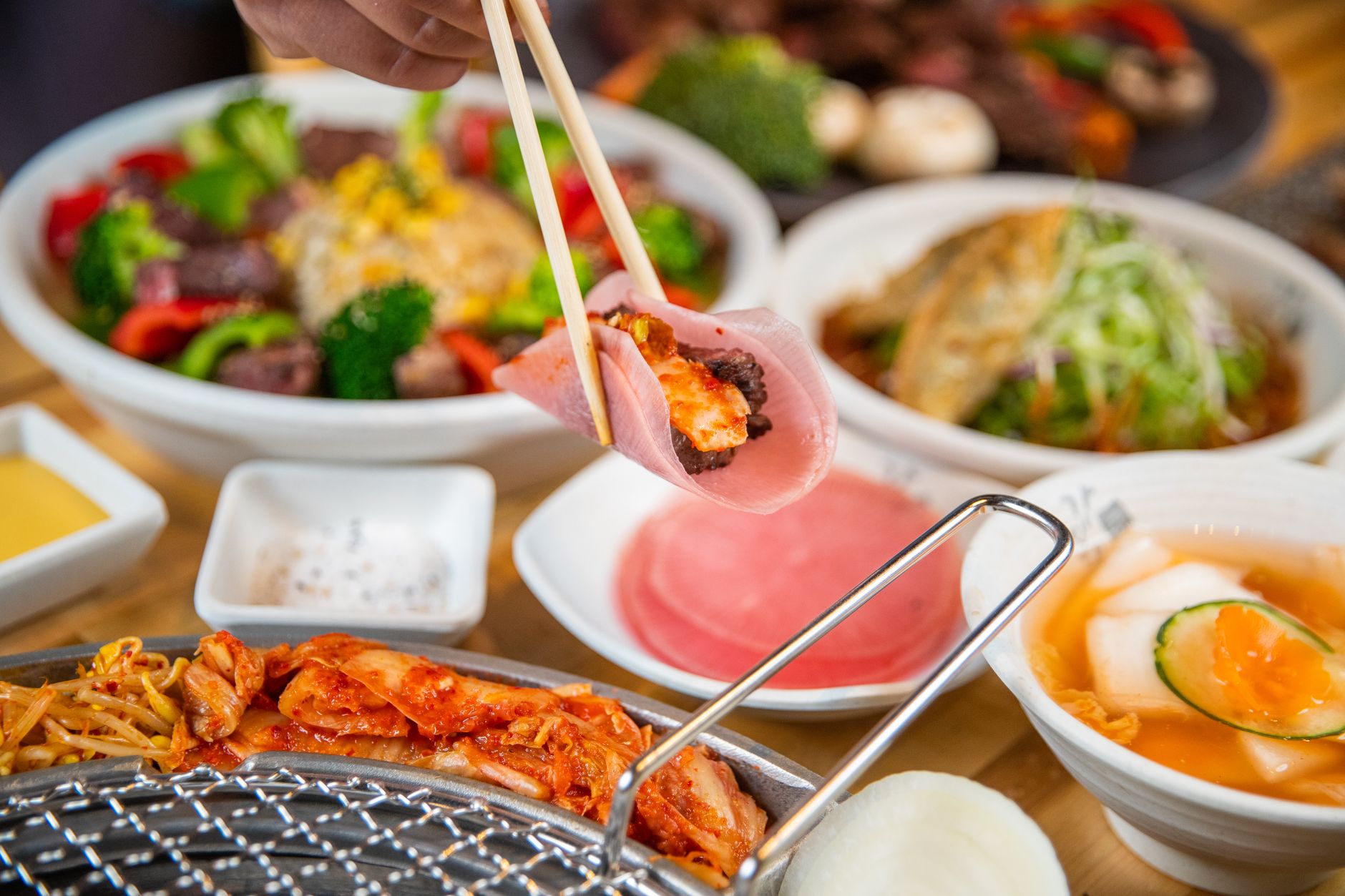
Lettuce wraps offer a refreshing and low-carb way to enjoy savory Korean flavors.
Vegetarian Korean Diet Dinner Recipes Easy & Flavorful
Korean cuisine is incredibly rich in plant-based options, making it a fantastic choice for vegetarians or those looking to incorporate more meatless meals into their week. Many traditional banchan (side dishes) are already vegetarian, and with a few simple swaps, main dishes can be easily adapted. These easy vegetarian Korean diet dinner recipes are packed with flavor and nutrients.
Soondubu Jjigae is a comforting, spicy soft tofu stew, and this vegetarian version is just as satisfying. It’s quick to make and perfect for a cozy dinner, providing warmth and a good source of protein.
Ingredients
1 tbsp neutral oil
1/2 cup chopped onion
2 cloves garlic, minced
1 tsp grated ginger
2-3 tbsp gochugaru (Korean chili flakes), adjust to spice preference
1 tbsp doenjang (Korean fermented soybean paste)
4 cups vegetable broth
1 cup sliced mushrooms
1 cup zucchini, half-moon slices
1 (14 oz) package soft or silken tofu, gently scooped into large pieces
1 cup spinach
1 egg (optional, for serving)
Green onions and sesame oil, for garnish
Instructions
Heat oil in a medium pot or deep skillet over medium heat. Add onion and cook until softened, about 3-4 minutes.
Stir in garlic, ginger, and gochugaru. Cook for 1 minute until fragrant, being careful not to burn the chili flakes.
Add doenjang and stir well to combine with the aromatics. Cook for another minute.
Pour in vegetable broth and bring to a simmer.
Add mushrooms and zucchini. Cook for 5 minutes until vegetables are tender.
Gently add the soft tofu pieces to the stew. Simmer for another 2-3 minutes.
Stir in spinach until it wilts.
If desired, crack an egg into the simmering stew and cook until the whites are set but the yolk is still runny.
Remove from heat, drizzle with sesame oil, and garnish with green onions. Serve hot.
Kimchi Pancakes (Kimchi Jeon) with Dipping Sauce
Kimchi Jeon are savory, crispy pancakes that make a fantastic light dinner or appetizer. They are surprisingly easy to make and a great way to use up kimchi. This recipe is naturally vegetarian and can be made gluten-free with suitable flour.
Ingredients
1 cup all-purpose flour (or gluten-free blend)
1/2 tsp salt
1 cup cold water
1.5 cups chopped kimchi, squeezed of excess liquid
In a large bowl, whisk together flour, salt, and cold water until a smooth batter forms. Don't overmix; some lumps are okay.
Stir in the chopped kimchi and green onions until evenly distributed.
Heat about 1-2 tablespoons of neutral oil in a large non-stick skillet over medium heat.
Pour 1/2 cup of batter into the hot skillet, spreading it evenly into a thin, round pancake. Cook for 3-4 minutes per side, or until golden brown and crispy. Repeat with remaining batter, adding more oil as needed.
While pancakes are cooking, whisk together all dipping sauce ingredients.
Serve the hot kimchi pancakes immediately with the dipping sauce.
Easy Korean Diet Dinner Recipes with Kimchi
Kimchi is not just a side dish; it's a star ingredient that adds incredible depth, spice, and probiotic benefits to many Korean meals. Incorporating kimchi into your main dishes is a delicious way to boost flavor and nutrition. These easy Korean diet dinner recipes with kimchi highlight its versatility and make for exciting, healthy meals.
Kimchi Jjigae (Kimchi Stew) - Lighter Version
Kimchi Jjigae is a beloved staple in Korean cuisine, known for its warming, spicy, and tangy flavors. This lighter version focuses on lean protein and less oil, making it a perfect easy Korean diet dinner recipe.
Ingredients
1 tbsp neutral oil
1/2 cup chopped onion
2 cloves garlic, minced
1 lb lean pork shoulder or chicken breast, cut into bite-sized pieces (or firm tofu for vegetarian)
2 cups aged kimchi, chopped, with 1/4 cup of its juice
4 cups anchovy broth or vegetable broth
1 tbsp gochujang (Korean chili paste)
1 tsp gochugaru (Korean chili flakes), optional for extra heat
1/2 block firm tofu, cubed
1 cup sliced mushrooms
Green onions, chopped, for garnish
Instructions
Heat oil in a medium pot or Dutch oven over medium heat. Add onion and cook until softened, about 3 minutes. Add garlic and cook for 1 minute more.
Add pork/chicken/tofu and cook until lightly browned.
Stir in chopped kimchi and its juice. Cook for 5-7 minutes, stirring occasionally, allowing the kimchi to caramelize slightly.
Add anchovy or vegetable broth, gochujang, and gochugaru (if using). Bring to a boil, then reduce heat to a simmer, cover, and cook for 15-20 minutes to allow flavors to meld.
Add cubed tofu and sliced mushrooms. Simmer for another 5-7 minutes, until tofu is heated through and mushrooms are tender.
Serve hot, garnished with green onions. Enjoy with a small serving of brown rice.
Kimchi Tuna Rice Bowl (Deopbap)
This quick and easy kimchi tuna rice bowl is perfect for a fast weeknight dinner. It combines protein-rich tuna with the tangy kick of kimchi, making it a satisfying and easy Korean diet dinner recipe with kimchi.
In a small bowl, combine the drained tuna with 2 tablespoons of chopped kimchi and 1 tablespoon of green onions.
In another small bowl, whisk together the sauce ingredients until well combined.
Assemble the bowl: Place cooked brown rice or quinoa at the bottom. Arrange the kimchi tuna mixture, remaining kimchi, diced cucumber, and diced avocado (if using) on top of the rice.
Drizzle generously with the prepared sauce.
Garnish with crumbled seaweed and remaining green onions. Mix well before eating.
Korean Diet Dinner Recipes for Weight Loss Easy & Satisfying
When the goal is weight loss, Korean cuisine offers a natural advantage with its emphasis on nutrient-dense, fiber-rich vegetables and lean proteins. The key is mindful portion control, focusing on whole foods, and limiting added sugars and excessive sodium. These easy Korean diet dinner recipes are designed to be satisfying while supporting your weight loss journey, similar to how one might approach easy Japanese diet dinner recipes.
Grilled Mackerel (Godeungeo Gui) with Steamed Vegetables
Grilled fish is a cornerstone of a healthy diet, providing lean protein and omega-3 fatty acids. Mackerel is particularly rich in these beneficial fats. Serving it with plenty of steamed vegetables makes for a light, fulfilling, and easy Korean diet dinner recipe for weight loss.
Pat mackerel fillets dry with paper towels. Season lightly with salt and pepper.
Heat neutral oil in a non-stick pan over medium-high heat, or preheat your grill.
Cook mackerel skin-side down for 4-5 minutes until the skin is crispy. Flip and cook for another 3-4 minutes, or until cooked through and flaky.
While the fish cooks, steam your mixed vegetables until tender-crisp (about 5-7 minutes).
If making, whisk together dipping sauce ingredients.
Serve the grilled mackerel with steamed vegetables and the optional dipping sauce. Enjoy with a very small portion of brown rice if desired, or skip for a lower-carb meal.
Spicy Tofu and Kimchi Stir-Fry with Konjac Noodles
This dish combines two Korean staples, tofu and kimchi, in a flavorful stir-fry that uses konjac noodles (also known as shirataki noodles) as a low-calorie, low-carb base. Konjac noodles are made from glucomannan fiber, which is very filling and has almost no calories, making this an ideal easy Korean diet dinner recipe for weight loss.
Ingredients
1 tbsp neutral oil
1 block (14 oz) extra-firm tofu, pressed and cubed
1/2 cup chopped onion
2 cloves garlic, minced
1.5 cups chopped kimchi, squeezed of excess liquid
1 tbsp gochujang
1 tbsp low-sodium soy sauce
1 package (7 oz) konjac noodles, rinsed well and drained
1 cup sliced bell peppers (any color)
1 cup spinach
Green onions and sesame seeds, for garnish
Instructions
Heat oil in a large non-stick skillet or wok over medium-high heat. Add cubed tofu and cook until golden brown and slightly crispy on all sides, about 8-10 minutes. Remove and set aside.
Add onion and garlic to the same skillet and cook until fragrant, about 2 minutes.
Stir in chopped kimchi. Cook for 3-5 minutes, allowing it to caramelize.
Add gochujang and soy sauce, stirring well to combine.
Add the rinsed and drained konjac noodles and bell peppers. Stir-fry for 5-7 minutes, allowing the noodles to absorb the flavors.
Return the cooked tofu to the skillet. Stir in spinach until it wilts.
Serve hot, garnished with green onions and sesame seeds.
Korean Diet Dinner Recipes Using Tofu Easy to Prepare
Tofu is a powerhouse of plant-based protein, making it an excellent choice for healthy and easy Korean diet dinner recipes. Its neutral flavor absorbs marinades and sauces beautifully, and its versatility allows it to be used in stir-fries, stews, grilled dishes, and more. When preparing tofu, pressing it beforehand can remove excess water, leading to a firmer, more desirable texture.
Crispy Baked Gochujang Tofu Bowls
Baking tofu until crispy is a simple, oil-efficient method that yields fantastic results. Coating it in a savory gochujang sauce creates a flavorful main component for a healthy bowl. This recipe is an easy Korean diet dinner recipe using tofu that’s also vegetarian-friendly.
Ingredients
1 block (14 oz) extra-firm tofu, pressed and cubed
Preheat oven to 400°F (200°C). Line a baking sheet with parchment paper.
Toss pressed and cubed tofu with cornstarch until evenly coated.
Spread tofu in a single layer on the prepared baking sheet. Bake for 20-25 minutes, flipping halfway, until golden and crispy.
While tofu bakes, whisk together all sauce ingredients in a small bowl.
Once tofu is baked, transfer it to a large bowl and pour the sauce over it, tossing gently to coat.
Serve the crispy gochujang tofu over brown rice or quinoa, alongside your steamed vegetables. Garnish with green onions and sesame seeds.
Tofu & Kimchi Skewers with Vegetable Medley
Skewers are a fun, easy, and healthy way to cook. Marinating tofu and grilling or baking it with vegetables creates a complete and balanced meal. This is another excellent easy Korean diet dinner recipe using tofu, ideal for grilling season or a simple oven bake.
Ingredients
1 block (14 oz) firm tofu, pressed and cut into 1-inch cubes
Wooden or metal skewers (soak wooden skewers in water for 30 minutes before use)
Instructions
In a bowl, whisk together all marinade ingredients. Add tofu cubes and gently toss to coat. Marinate for at least 30 minutes.
Preheat grill to medium-high heat or oven to 400°F (200°C).
Thread the marinated tofu, bell pepper, zucchini, red onion, and pieces of kimchi alternately onto the skewers.
Grill skewers for 10-15 minutes, turning occasionally, until vegetables are tender-crisp and tofu is lightly charred. If baking, bake for 20-25 minutes, flipping halfway.
Serve hot, perhaps with a side of extra kimchi and a small scoop of brown rice.
Korean Diet Dinner Recipes for Busy Weeknights Easy & Fast
Weeknights demand speed and simplicity without compromising on health or flavor. Korean cuisine offers many options that can be prepped ahead or cooked quickly, making healthy eating achievable even on your busiest days. These easy Korean diet dinner recipes for busy weeknights focus on minimal steps and maximum efficiency.
One-Pan Gochujang Chicken and Vegetables
Sheet pan meals are a lifesaver for busy weeknights. This recipe combines lean chicken with an array of vegetables, all tossed in a delicious gochujang sauce and roasted together for minimal cleanup. It’s an easy Korean diet dinner recipe that truly delivers on convenience.
Ingredients
1 lb boneless, skinless chicken breast or thighs, cut into 1-inch pieces
Preheat oven to 400°F (200°C). Line a large baking sheet with parchment paper.
In a large bowl, combine chicken pieces, mixed vegetables, red onion, and minced garlic. Drizzle with olive oil, season with salt and pepper, and toss to coat.
Spread the chicken and vegetables in a single layer on the prepared baking sheet.
Roast for 15 minutes.
While roasting, whisk together all sauce ingredients in a small bowl.
After 15 minutes, remove the baking sheet from the oven. Pour the gochujang sauce over the chicken and vegetables, tossing to coat evenly.
Return to the oven and roast for another 10-15 minutes, or until chicken is cooked through and vegetables are tender-crisp.
Garnish with green onions and sesame seeds before serving.
Quick Tofu and Kimchi Rice Bowls (Meal Prep Friendly)
This recipe is designed for maximum speed and can even be partially prepped ahead. It's a flavorful and protein-packed bowl that comes together in minutes, making it an ideal easy Korean diet dinner recipe for busy weeknights, and it's easily scalable for a family, including family-friendly meal prep.
Ingredients
1 cup cooked brown rice or quinoa (can be pre-cooked)
1 block (14 oz) firm tofu, pressed, crumbled, and lightly seasoned with soy sauce and garlic powder
If not already cooked, prepare brown rice or quinoa.
Heat a non-stick skillet over medium-high heat. Add the crumbled tofu and cook for 5-7 minutes, stirring occasionally, until it's lightly browned and has a slightly chewy texture.
While tofu cooks, whisk together the quick sauce ingredients in a small bowl.
Assemble bowls: Place cooked rice/quinoa at the bottom. Top with cooked crumbled tofu, chopped kimchi, mixed greens, diced cucumber, and shredded carrots.
Drizzle generously with the quick sauce. Serve immediately.
7-Day Korean Diet Dinner Meal Plan
This sample meal plan offers a week of easy Korean diet dinner recipes, balancing flavors, nutrients, and convenience. Feel free to swap dishes based on your preferences and what ingredients you have on hand. Remember to adjust portion sizes to align with your individual calorie and macro goals. This plan focuses on dinner, but you can incorporate other healthy Korean-inspired meals or your usual healthy choices for breakfast and lunch.
Day
Dinner Recipe
Notes & Tips
Monday
Quick Chicken & Vegetable Stir-Fry with brown rice.
Use pre-chopped veggies for speed. Adjust gochujang for desired spice.
Tuesday
Crispy Baked Gochujang Tofu Bowls with steamed broccoli.
Press tofu ahead of time. Use pre-cut broccoli florets.
Wednesday
Lettuce Wrap "Bulgogi" (beef or chicken) with julienned carrots and cucumbers.
A comforting, warm meal. Serve with a small side of rice.
Friday
Grilled Mackerel (Godeungeo Gui) with steamed asparagus and a light dipping sauce.
Focus on healthy fats from fish and fiber from veggies.
Saturday
Kimchi Pancakes (Kimchi Jeon) with a fresh green salad.
A fun, light, and flavorful meal. Great for using up older kimchi.
Sunday
One-Pan Gochujang Chicken and Vegetables.
Easy cleanup, perfect for easing into the new week. Double recipe for leftovers.
Foods to Enjoy, Limit, and Thoughtfully Select
Understanding which foods to prioritize and which to moderate is key to making any diet sustainable and effective, including easy Korean diet dinner recipes. This guidance helps you make informed choices that align with your health goals.
Foods to Enjoy Freely
Vegetables: All fresh, non-starchy vegetables. Think leafy greens, cabbage, radish, zucchini, mushrooms, bell peppers, broccoli, bean sprouts. Incorporate them into every meal.
Lean Proteins: Tofu, tempeh, chicken breast, lean cuts of beef (sirloin, flank steak), fish (mackerel, cod, salmon), shrimp, eggs.
Fermented Foods: Kimchi, kkakdugi (radish kimchi), other fermented vegetable banchan. These are excellent for gut health.
Herbs & Aromatics: Garlic, ginger, green onions, fresh chilies. Use generously for flavor without added calories.
Processed Snacks: Chips, cookies, and other packaged treats.
High-Sodium Condiments: While essential, be mindful of quantities of soy sauce, gochujang, and doenjang. Look for low-sodium versions.
Fried Foods: While delicious, deep-fried dishes should be occasional treats.
Foods to Thoughtfully Select (with attention to ingredients)
Gochujang and Doenjang: These are staples, but check labels for added sugars and sodium content. Use them for flavor, but be mindful of portion sizes.
Sauces and Marinades: Many pre-made sauces can be high in sugar and sodium. Opt for homemade or low-sodium, low-sugar versions.
Starches: Sweet potato starch noodles (japchae) are a healthier option than some refined noodles, but still contain carbs; portion appropriately.
Red Meat: Choose leaner cuts and consume in moderation as part of a balanced diet.
Common Mistakes to Avoid When Cooking Korean Diet Dinners
Embarking on a new cooking style, even with easy Korean diet dinner recipes, can come with a few common pitfalls. Being aware of these can help you stay on track with your health goals and ensure delicious results:
Overlooking Sodium Content: Many Korean condiments like soy sauce, gochujang, and doenjang are high in sodium. While essential for flavor, using too much can quickly add up. Tip: Opt for low-sodium soy sauce, dilute gochujang with a little water or vinegar, and taste as you go. Incorporate plenty of fresh herbs and aromatics like garlic and ginger to boost flavor naturally without relying solely on salt.
Using Too Much Oil: While Korean cooking uses some oil for stir-frying, it's generally not excessive. Deep-frying is less common in everyday healthy meals. Tip: Use non-stick pans, measure your oil (1-2 tablespoons is often enough for a stir-fry), and consider steaming, grilling, or baking as primary cooking methods.
Ignoring Portion Sizes for Rice and Noodles: Rice is a staple, but for weight management, it's crucial to control portions. Similarly, while delicious, noodles can be calorie-dense. Tip: Serve smaller portions of brown rice, quinoa, or cauliflower rice. For noodles, consider konjac noodles or use a smaller amount as an accent rather than the main bulk of the meal.
Not Balancing Flavors: Korean cuisine is known for its balance of sweet, savory, spicy, and sour. If a dish tastes "flat," it might be missing one of these elements. Tip: Don't be afraid to adjust. A touch of honey or maple syrup can balance spice, a splash of rice vinegar can add brightness, and a pinch more gochujang can deepen savory notes.
Skipping the Veggies: The abundance of banchan (side dishes) is a hallmark of Korean meals. It's easy to focus solely on the main protein. Tip: Aim for at least 2-3 different vegetable components in your dinner. These can be simple steamed greens, a quick salad, or a fermented banchan like kimchi.
Fear of Spice: While many Korean dishes are spicy, you have full control over the heat level. Tip: Start with less gochujang or gochugaru than a recipe calls for, then add more to taste. Many dishes are still incredibly flavorful with mild spice or none at all.
Myth vs. Fact: Korean Diet Dinners
There are many misconceptions about Korean food, especially when it comes to healthy eating. Let's clear up a few common myths about easy Korean diet dinner recipes.
Myth: All Korean food is extremely spicy and not suitable for a sensitive palate.
Fact: While many popular Korean dishes feature a delightful kick from gochujang or gochugaru, not everything is fiery. You have complete control over the spice level in your home cooking. Many traditional dishes, especially banchan (side dishes) like seasoned spinach (sigeumchi namul) or bean sprout salad (kongnamul muchim), are mild and refreshing. Even in spicier recipes, you can simply reduce or omit the chili components to suit your taste, making them perfect for AIP elimination diet dinner recipes if you adapt other ingredients.
Myth: Cooking Korean food at home is complicated and requires obscure ingredients.
Fact: While some traditional dishes can be intricate, many easy Korean diet dinner recipes are straightforward and use readily available ingredients. Staples like soy sauce, sesame oil, garlic, ginger, and even kimchi are now common in most major supermarkets. With a few key condiments, you can create a wide variety of delicious and simple meals in your own kitchen, often faster than ordering takeout.
Myth: Korean food is high in calories and not good for weight loss.
Fact: Traditional Korean cuisine, at its core, is very balanced and rich in nutrient-dense foods. It emphasizes vegetables, lean proteins, and fermented ingredients, which can be highly beneficial for weight management. The perception of high calories often comes from restaurant versions that might use more oil, sugar, or larger portions. When cooking at home, you control the ingredients and portions, making it very easy to create healthy, low-calorie, and satisfying meals that support weight loss goals.
Key Takeaways for Easy Korean Diet Dinners
Korean diet dinners are naturally rich in vegetables, lean proteins, and gut-healthy fermented foods like kimchi.
Many recipes are surprisingly simple, perfect for beginners or busy weeknights, focusing on fresh ingredients and straightforward methods.
Adapt recipes to be low-carb by using cauliflower rice or konjac noodles and prioritizing vegetable-heavy dishes.
Tofu is a versatile, protein-packed ingredient that easily integrates into many Korean dishes for vegetarian options.
Be mindful of sodium and added sugars in condiments like soy sauce and gochujang; opt for low-sodium versions and control portions.
Meal prepping components like cooked rice, chopped vegetables, or marinated proteins can significantly speed up weeknight cooking.
Balance is key: aim for a variety of vegetables, a lean protein, and a moderate portion of healthy carbohydrates or a low-carb alternative.
Frequently Asked Questions About Korean Diet Dinners
What are some easy Korean diet dinner recipes?
Some of the easiest Korean diet dinner recipes include simple stir-fries with chicken or tofu and mixed vegetables, quick bibimbap bowls using brown rice or quinoa, light kimchi stews, or grilled fish with steamed greens. These dishes rely on common ingredients and straightforward cooking methods, making them perfect for beginners or quick weeknight meals.
How can I make a Korean diet dinner quick?
To make Korean diet dinners quick, focus on meal prepping components like pre-chopped vegetables, cooked brown rice, or marinated proteins. One-pan or sheet pan recipes are also excellent time-savers. Opt for stir-fries, which cook rapidly, or use quick-cooking proteins like shrimp or thinly sliced chicken. Having key condiments readily available also speeds up the process.
What ingredients are needed for Korean diet dinner recipes?
Essential ingredients for Korean diet dinner recipes include low-sodium soy sauce, sesame oil, garlic, ginger, green onions, gochujang (Korean chili paste), gochugaru (Korean chili flakes), kimchi, and a variety of fresh vegetables. For protein, lean chicken, tofu, fish, or lean beef are common. Brown rice or quinoa serves as a healthy carb base.
Can I use tofu in Korean diet dinner recipes?
Absolutely! Tofu is a fantastic and versatile ingredient in Korean diet dinner recipes. It’s a lean, plant-based protein that readily absorbs flavors from marinades and sauces. You can use it in stir-fries, stews (like soondubu jjigae), grilled skewers, or baked until crispy to create satisfying and healthy vegetarian or vegan meals.
Is Korean diet dinner good for weight loss?
Yes, Korean diet dinners can be very effective for weight loss. Traditional Korean cuisine emphasizes fresh vegetables, lean proteins, and fermented foods, which are nutrient-dense and high in fiber, promoting satiety. By focusing on whole ingredients, controlling portions of rice and noodles, and minimizing added sugars and excessive oils, you can create delicious and healthy meals that support weight management.
How many calories are in a typical Korean diet dinner?
The calorie count in a typical Korean diet dinner can vary widely based on ingredients, cooking methods, and portion sizes. However, a well-balanced, home-cooked Korean diet dinner focusing on lean protein, abundant non-starchy vegetables, and a moderate portion of brown rice could range from approximately 350 to 600 calories. Prioritizing vegetables and lean protein helps keep calorie density lower.
When to See a Doctor or Specialist
While exploring easy Korean diet dinner recipes can be a delicious and healthy lifestyle choice, it's important to remember that dietary changes should always support your overall health. If you have any underlying health conditions, such as diabetes, heart disease, kidney issues, or specific dietary restrictions (e.g., during pregnancy or while breastfeeding), it's always best to consult with your primary care provider or a registered dietitian. They can provide personalized advice to ensure your dietary choices are safe and effective for your individual needs. This article is intended for informational purposes only and does not constitute medical advice.
References
Journal of Medicinal Food. (2014). "Kimchi and Its Health Benefits."
Academy of Nutrition and Dietetics. (Various publications on healthy eating and plant-based diets).
Harvard T.H. Chan School of Public Health. (Various publications on healthy eating plate and dietary guidelines).
American Heart Association (AHA). (Dietary guidelines for heart health).
Not sure about the label on Korean Diet Dinner Recipes Easy products?
Snap the ingredients list and SafeFilter checks every ingredient for your stage — only 3 free scans this month, then you're locked until reset. Unlimited from $7/mo or $50/yr.
When Shubhra Mishra was expecting her first child in 2016, she was overwhelmed by conflicting food advice — one site said yes, another said never. By the time her second baby arrived in 2019, she realized millions of mothers face the same confusion.
That sparked a five-year journey through clinical nutrition papers, cultural diets, and expert conversations — all leading to BumpBites: a calm, compassionate space where science meets everyday motherhood.
Her long-term vision is to build a global community ensuring safe, supported, and free deliveriesfor every mother — because no woman should face pregnancy alone or uninformed. 🌿
🌍 Stand with mothers, shape safer guidance
Join a small circle of experts who review BumpBites articles so expecting parents everywhere can decide with confidence.