Quick take: Korean breakfasts are a powerhouse of fermented flavors, fiber, and protein — think steamed rice bowls topped with eggs, pickled vegetables, and fish cakes, or hearty porridge with mushrooms and seafood. These meals are naturally balanced, packed with gut-friendly probiotics, and adaptable to low-carb, high-protein, or vegan diets. For weight loss, focus on smaller portions of rice and more fermented sides (like kimchi) to keep you full and energized.
Korean Diet Breakfast Ideas: The Complete 2026 Guide
You’re staring at your fridge at 6:30 a.m., half-asleep, and the only thing you can think of is “something warm, something fast, something that won’t make me crash by 9 a.m.” That’s the moment many of us reach for the same old toast or yogurt — but what if breakfast could taste like a cozy morning in Seoul? Korean breakfasts are the unsung heroes of balanced eating: they’re packed with fermented foods for gut health, lean proteins to keep you full, and a mix of textures that make you actually look forward to eating. And the best part? They’re easier to make than you think.
I remember my first time trying bapsang (Korean rice porridge) at a friend’s place. It was creamy, savory, and had this subtle umami depth from the mushrooms and anchovies. My friend handed me a spoon and said, “This is how you start your day — slow, nourishing, and without guilt.” I scoffed (because who has time for porridge at 7 a.m.?) until I tried it on a busy week. By noon, I wasn’t starving. By 3 p.m., I wasn’t reaching for the vending machine. That’s the magic of Korean breakfasts: they’re designed to keep you satisfied, not just fed.
Whether you’re trying to lose weight, fuel your workouts, or just find a breakfast that won’t leave you craving donuts by 10 a.m., Korean diet breakfasts offer something for everyone. From gukbap (congee) to tteokbokki (rice cakes), these meals are adaptable to low-carb, high-protein, or even vegan diets. And yes, you can absolutely make them in 15 minutes — no Korean cooking degree required.
Let’s dive into how to make Korean breakfasts work for your lifestyle, your goals, and your taste buds.
---
## Korean Diet Breakfast Ideas for Weight Loss: Light, Protein-Packed Meals
If your New Year’s resolution is still hanging in the balance by February, you’re not alone. The struggle isn’t just about willpower — it’s about finding meals that actually keep you full and energized. Korean breakfasts are a game-changer here because they’re naturally lower in refined carbs and higher in protein and fiber compared to the standard American breakfast of bagels and cream cheese.
One reader, Sarah, shared how she swapped her usual toast-and-peanut-butter routine for a kimchi-jeon (kimchi pancake) and a side of scrambled eggs. “I felt full for hours, and I wasn’t hungry again until lunch,” she told us. The key is balancing rice (when you include it) with high-protein or fermented sides to slow digestion and curb cravings.
Here are a few weight-loss-friendly Korean breakfast ideas to try:
- Kimchi and Egg Bowl — A bowl of steamed rice topped with a fried egg, a handful of kimchi, and a sprinkle of sesame seeds. The kimchi adds probiotics and spice to boost metabolism, while the egg provides slow-digesting protein.
- Spinach and Tofu Porridge (Sigeumchi Guk) — A lighter version of bapsang made with spinach, tofu, and mushrooms. It’s creamy, savory, and under 300 calories per serving.
- Gyeran Mari (Korean Omelet) — A fluffy, rolled omelet stuffed with spinach, cheese, and sometimes ham. It’s a great make-ahead option — just reheat in the microwave.
For even more weight-loss tips, check out our 100+ Easy Atkins Diet Breakfast Ideas for Weight Loss in 2026 for more protein-rich, carb-conscious meals.
---
## Korean Diet Breakfast Ideas Low Carb: Keto-Friendly Korean Morning Meals
If you’re following a low-carb or keto diet, you might think Korean breakfasts are off-limits — but think again. The secret? Swap the rice for cauliflower rice, focus on fermented vegetables, and load up on eggs, fish, and tofu. Many traditional Korean ingredients are naturally low-carb, especially when you avoid sweet sauces like honey or sugar.
One of our readers, Emily, is a keto enthusiast who discovered jeon (Korean pancakes) as her new go-to. “I make spinach and cheese jeon with almond flour instead of wheat flour, and it’s like a cheat meal that fits my macros,” she said. The trick is using low-carb flours or skipping the flour entirely for crispy textures.
Here are some low-carb Korean breakfast ideas:
- Kimchi and Egg Scramble — Scramble eggs with kimchi (the fermented cabbage is low-carb) and top with a drizzle of sesame oil. Add a side of avocado for healthy fats.
- Caesar Salad with Korean Dressing — Skip the croutons and use a dressing made with sesame oil, soy sauce, and a touch of honey (or sugar-free sweetener). Add grilled chicken or tofu for protein.
- Korean-Style Omelet with Mushrooms — Use eggs, mushrooms, and a sprinkle of cheese. Serve with a side of cucumber slices for crunch.
For more low-carb inspiration, explore our easy Carnivore Diet Breakfast Ideas for Energy & Satiety in 2026 for similar high-fat, low-carb meals.
---
## Korean Diet Breakfast Ideas for Busy Mornings: 15-Minute Meals
Let’s be real: mornings are chaotic. Between kids, commutes, and last-minute work emails, breakfast often gets reduced to a granola bar or a forgotten cup of coffee. But Korean breakfasts are designed for efficiency — many can be prepped the night before or assembled in under 10 minutes. The key is using ingredients that cook quickly and store well, like eggs, tofu, and pre-made kimchi.
One busy mom, Priya, shared her hack: she keeps a freezer bag of pre-cooked rice, a jar of kimchi, and a carton of eggs in her fridge. “I microwave the rice, scramble the eggs, and toss everything together in 5 minutes,” she said. “My kids even ask for it now.”
Here are some breakfast ideas for those tight mornings:
- Microwave Egg Fried Rice — Use leftover rice, scrambled eggs, and a handful of frozen peas. Add a spoonful of soy sauce and sesame oil for flavor.
- Kimchi and Tofu Scramble — Crumble tofu into a pan with kimchi and a beaten egg. Cook until set and serve with a side of cucumber.
- Pre-Made Gyeran Mari Rolls — Make a big batch of gyeran mari on Sunday and freeze them. Reheat in the microwave and add a side of spinach.
For more on-the-go breakfast ideas, check out our The Best Dash Diet Breakfast Ideas: Your 2026 Guide for quick, heart-healthy meals.
---
## Korean Diet Breakfast Ideas with Kimchi: Fermented Flavor Boosters
Kimchi isn’t just a side dish — it’s a superfood. Packed with probiotics, vitamin C, and capsaicin (the compound that gives it its spicy kick), kimchi is a breakfast game-changer. It adds flavor, texture, and gut-health benefits to any meal. Plus, it keeps for weeks in the fridge, making it the ultimate lazy-morning ingredient.
One of our editors, who’s been making kimchi for years, swears by adding it to everything. “I put it in my eggs, my porridge, even my avocado toast,” she said. “It’s like a flavor bomb that also gives you a metabolism boost.”
Here are some ways to incorporate kimchi into your breakfast:
- Kimchi Fried Rice — Mix cooked rice with kimchi, scrambled eggs, and a bit of soy sauce. Top with a fried egg for extra protein.
- Kimchi and Cheese Pancakes — Mix kimchi with grated cheese and beaten eggs, then pan-fry until crispy. Serve with a side of cucumber.
- Kimchi and Tofu Soup — Simmer tofu, kimchi, and mushrooms in a light broth. Add a splash of sesame oil for depth.
For more fermented food ideas, dive into our Delicious AIP Elimination Diet Breakfast Ideas for 2026 for other gut-friendly breakfast options.
---
## Korean Diet Breakfast Ideas for Kids: Fun and Nourishing Meals
Getting kids to eat breakfast can feel like a daily battle — but Korean breakfasts are surprisingly kid-friendly. Many dishes are mild, colorful, and fun to eat, especially when presented in a playful way. Think soft textures, bright colors, and familiar flavors like eggs and cheese.
One mom, Lisa, shared how she introduced her daughter to Korean breakfasts. “I started with gyeran mari — she loved the fluffy egg, and I cut it into fun shapes with cookie cutters. Now she asks for it every morning,” she said.
Here are some kid-approved Korean breakfast ideas:
- Cheese and Spinach Jeon — Make a simple pancake with shredded cheese, spinach, and a beaten egg. Kids love the crispy edges and gooey cheese.
- Soft-Boiled Eggs with Rice Cakes — Serve a bowl of steamed rice with soft-boiled eggs and soft rice cakes (tteok). Dip the rice cakes in the egg yolk for a fun treat.
- Yogurt with Honey and Nuts — A simple but beloved Korean breakfast. Add a drizzle of honey and a sprinkle of crushed nuts for crunch.
---
## Korean Diet Breakfast Ideas Vegan: Plant-Based Korean Morning Meals
Vegan Korean breakfasts might seem tricky, but with a few swaps, you can recreate all the flavors without dairy or meat. The key is using tofu, mushrooms, and fermented vegetables like kimchi or doenjang (soybean paste) for depth. Many traditional Korean dishes can be easily adapted to plant-based diets.
One vegan reader, Priya, shared how she fell in love with Korean breakfasts after going plant-based. “I make a big pot of sigeumchi guk (spinach and tofu porridge) every Sunday and eat it all week,” she said. “It’s comforting, filling, and full of flavor.”
Here are some vegan Korean breakfast ideas:
- Tofu and Kimchi Porridge — Simmer tofu, kimchi, and mushrooms in a light broth until creamy. Top with sesame seeds and green onions.
- Vegan Gyeran Mari — Use a flax or chickpea flour batter for the omelet, stuffed with mushrooms and cheese alternatives.
- Kimchi and Tofu Scramble — Crumble tofu into a pan with kimchi and turmeric for a cheesy-like texture. Serve with a side of avocado.
For more vegan breakfast inspiration, explore our Delicious Flexitarian Diet Breakfast Ideas for a Healthy Start for other plant-based options.
---
## Korean Diet Breakfast Ideas High Protein: Fuel for Athletes and Active Lifestyles
If you’re an athlete, a gym rat, or just someone who needs to power through a busy day, high-protein breakfasts are essential. Korean breakfasts are naturally protein-rich thanks to eggs, tofu, fish, and fermented soybean pastes. These meals will keep you full, energized, and ready to tackle your day — or your workout.
One marathon runner, Jake, credits Korean breakfasts for his energy levels. “I eat a big bowl of gukbap (congee) with grilled chicken and mushrooms before my runs,” he said. “It’s light enough to digest but packed with protein to fuel me.”
Here are some high-protein Korean breakfast ideas:
- Egg and Kimchi Bowl — Steamed rice topped with a fried egg, kimchi, and a side of grilled chicken or tofu.
- Doenjang Jjigae with Rice — A hearty soybean paste stew with tofu, zucchini, and mushrooms. Serve with a side of rice for a balanced meal.
- Protein-Packed Gyeran Mari — Add extra cheese, spinach, and a side of smoked salmon or turkey bacon for a protein boost.
---
## Korean Breakfast Recipes: 3 Easy-to-Make Dishes
Ready to try your hand at Korean breakfasts? Here are three simple recipes to get you started.
### 1. Kimchi Fried Rice
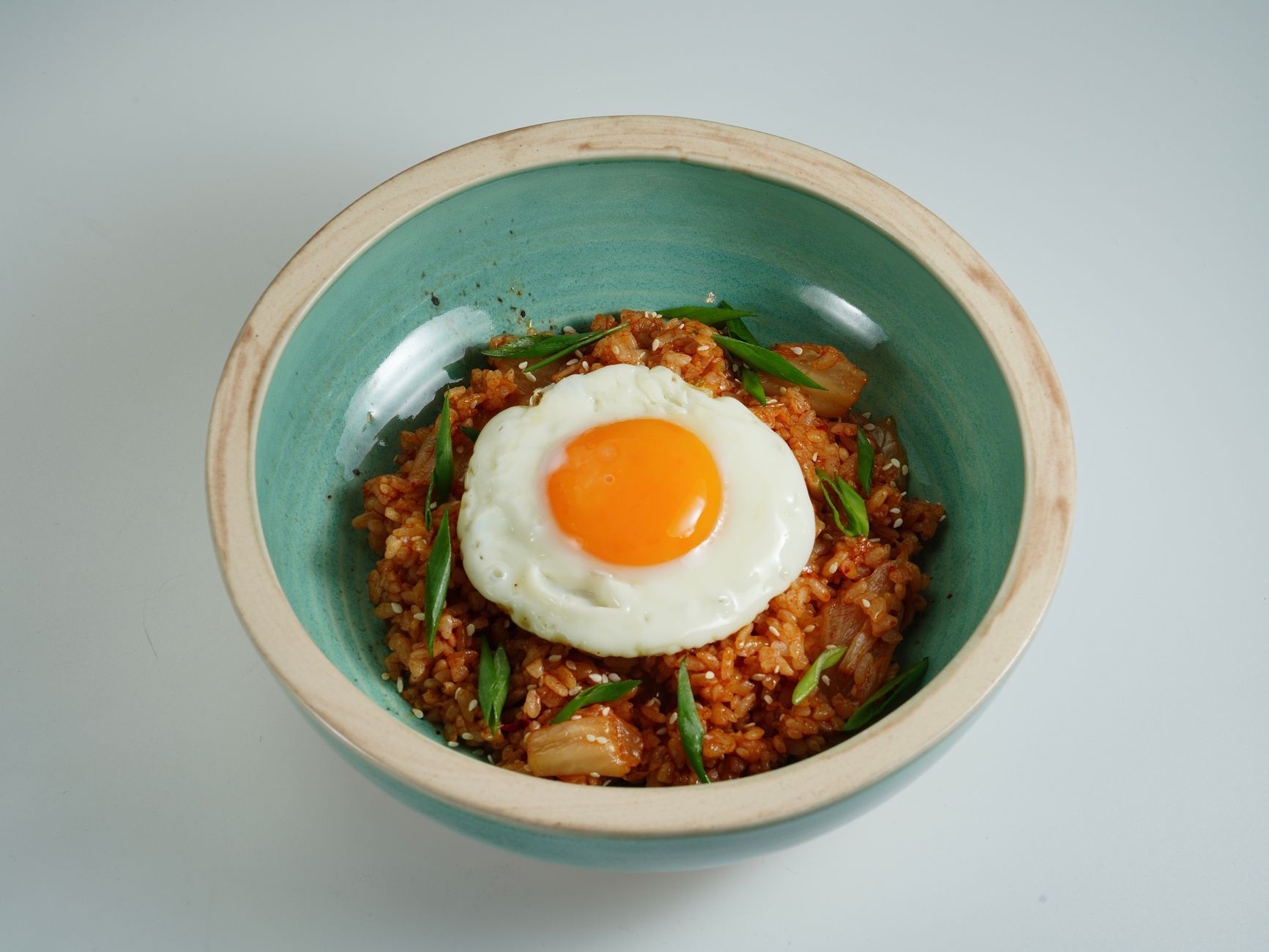
- Cook 1 cup of rice (preferably day-old) and set aside.
- In a pan, heat 1 tbsp of sesame oil and sauté 1 cup of kimchi until softened.
- Add the cooked rice and mix well. Stir in 1 beaten egg and cook until the egg is set.
- Season with soy sauce and a pinch of sugar (or sugar-free sweetener). Top with a fried egg and green onions.
### 2. Spinach and Tofu Porridge (Sigeumchi Guk)
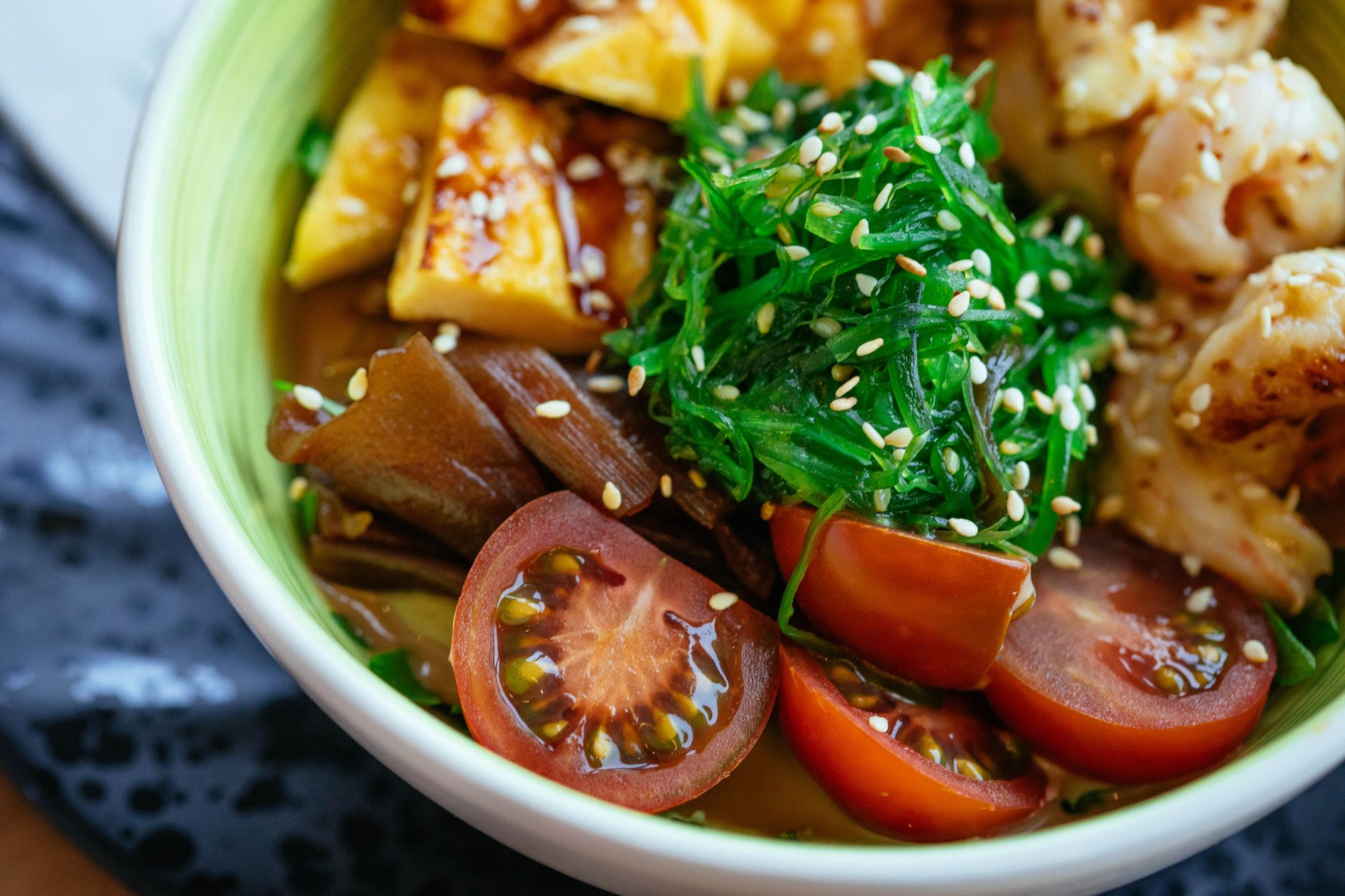
- In a pot, combine 4 cups of water, 1 cup of silken tofu, and 1 cup of spinach.
- Add 1 cup of mushrooms (sliced) and simmer for 20 minutes until the porridge thickens.
- Season with a pinch of salt and a drizzle of sesame oil. Top with sesame seeds and green onions.
### 3. Cheese and Spinach Jeon
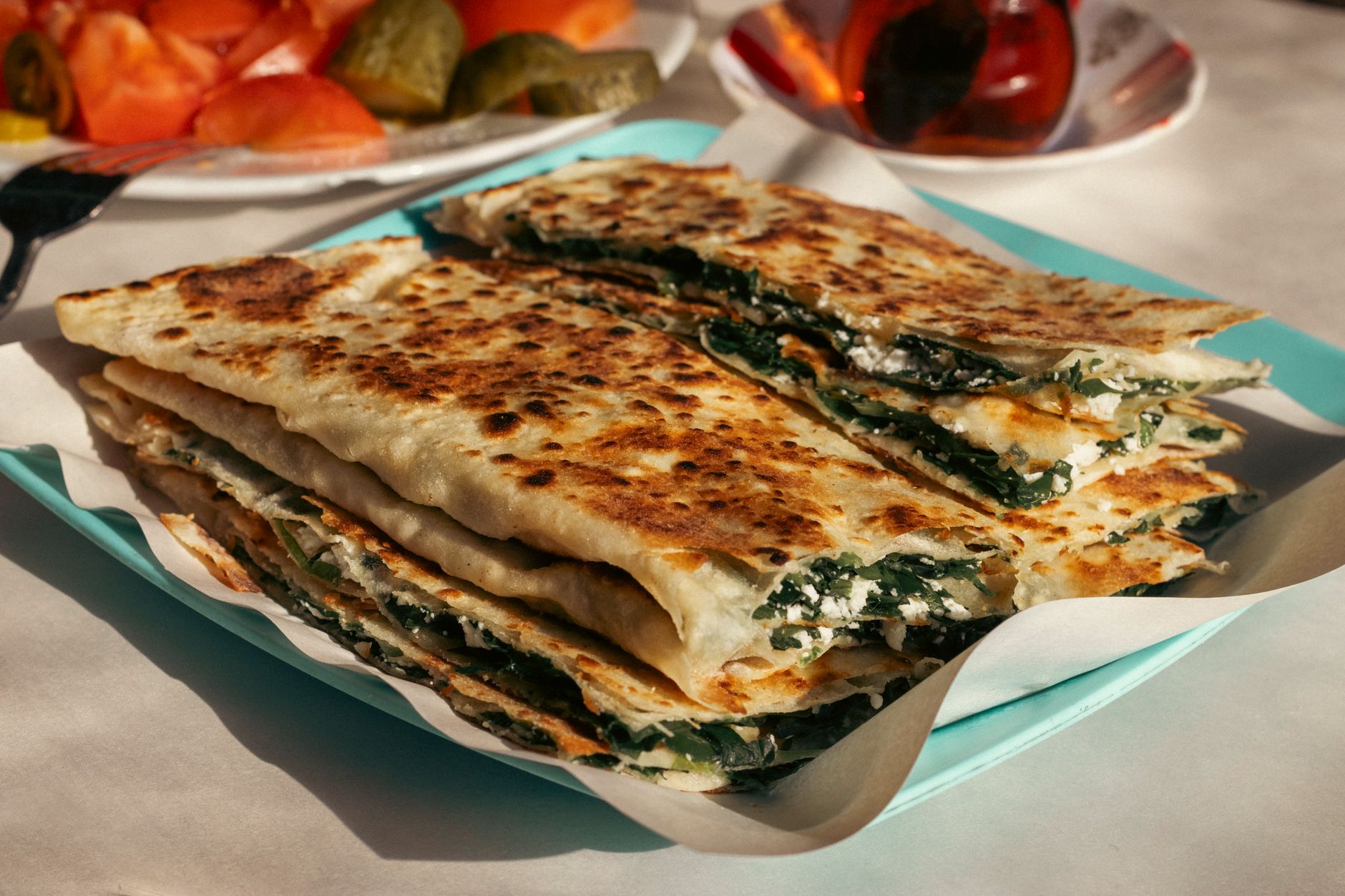
- In a bowl, mix 2 beaten eggs, 1 cup of shredded cheese, 1 cup of chopped spinach, and 1 tbsp of flour.
- Heat 1 tbsp of oil in a pan and pour the mixture, spreading it into a thin pancake.
- Cook until golden on both sides. Serve with a side of cucumber or kimchi.
---
##
Want to try a full week of Korean breakfasts? Here’s a sample meal plan to get you started.
---
## Korean Breakfast Nutrition Facts: What’s in a Traditional Korean Breakfast?
Traditional Korean breakfasts are a nutritional powerhouse. They’re rich in fermented foods for gut health, lean proteins for satiety, and complex carbs for sustained energy. Here’s a breakdown of the key nutrients in a typical Korean breakfast:
- Fermented Foods (Kimchi, Doenjang, etc.) — Probiotics for gut health, vitamin C, and capsaicin for metabolism.
- Lean Proteins (Eggs, Tofu, Fish) — High-quality protein for muscle repair and satiety.
- Complex Carbs (Rice, Mushrooms, Sweet Potatoes) — Fiber for digestion and slow-digesting energy.
- Healthy Fats (Sesame Oil, Avocado, Nuts) — Omega-3s and monounsaturated fats for heart health.
For example, a typical Korean breakfast bowl (rice, egg, kimchi, and fish) can provide:
- 20–30g of protein
- 40–60g of carbs (mostly from rice)
- 10–15g of fat
- Probiotics and antioxidants from kimchi
---
## Korean Diet Breakfast Benefits: Why These Meals Are Good for You
Korean breakfasts offer a range of health benefits, from improved digestion to better weight management. Here’s why they’re worth incorporating into your routine:
- Gut Health — Fermented foods like kimchi and doenjang are packed with probiotics, which support a healthy gut microbiome.
- Weight Management — High-protein and fiber-rich meals keep you full longer, reducing cravings and overeating.
- Heart Health — Healthy fats from sesame oil and nuts, along with lean proteins, support cardiovascular health.
- Energy Boost — Complex carbs and proteins provide sustained energy, avoiding the crash of refined carbs.
- Anti-Inflammatory Effects — Ingredients like ginger, garlic, and mushrooms have anti-inflammatory properties.
---
## Korean Diet Breakfast for Beginners: Where to Start
If you’re new to Korean breakfasts, start small. Pick one or two dishes to try each week and build from there. Here are some beginner-friendly tips:
- Start with Kimchi — Buy a jar of kimchi from the store and experiment with adding it to eggs, rice, or soups.
- Try a Simple Porridge — Bapsang (rice porridge) is easy to make and customizable. Start with just rice, water, and a pinch of salt.
- Make a Basic Jeon — Cheese and spinach jeon is foolproof and kid-friendly.
- Use Pre-Cooked Ingredients — Buy pre-cooked rice, frozen kimchi, or pre-cut vegetables to save time.
---
## Korean Diet Breakfast for Athletes: Pre- and Post-Workout Meals
Athletes and fitness enthusiasts can benefit from the balanced macros in Korean breakfasts. Here’s how to tailor them for pre- and post-workout:
- Pre-Workout — Focus on easily digestible carbs and moderate protein. Try a bowl of gukbap (congee) with grilled chicken or tofu.
- Post-Workout — Prioritize protein and complex carbs to aid recovery. A bowl of doenjang jjigae with rice is perfect.
---
## Myth vs. Fact: Korean Breakfast Misconceptions
There are a few myths about Korean breakfasts that might be holding you back. Let’s set the record straight:
- Myth: Korean breakfasts are always heavy and carb-loaded.
Fact: While rice is a staple, many Korean breakfasts can be low-carb or high-protein with simple swaps (like cauliflower rice or extra eggs).
- Myth: Korean breakfasts are too spicy for beginners.
Fact: You can adjust the spice level by reducing kimchi or using milder sauces. Many traditional dishes are naturally mild.
- Myth: Korean breakfasts are only for special occasions.
Fact: Many Korean families eat similar breakfasts every day — they’re practical, nourishing, and easy to make.
---
## Key Takeaways: How to Make Korean Breakfasts Work for You
- Start with simple dishes like kimchi fried rice or spinach porridge to ease into Korean breakfasts.
- Use fermented foods like kimchi and doenjang for gut health and flavor.
- Swap rice for cauliflower rice or increase protein (eggs, tofu, fish) for low-carb or high-protein meals.
- Meal prep ingredients like rice, kimchi, and tofu to save time on busy mornings.
- Experiment with flavors — Korean breakfasts are adaptable to vegan, keto, and athlete-friendly diets.
- Don’t be afraid to get creative — add your favorite veggies or sauces to make dishes your own.
---
## Frequently Asked Questions
What are some traditional Korean breakfast dishes?
Traditional Korean breakfasts often include rice, kimchi, a side of fermented soybean paste (doenjang), pickled vegetables, and a protein like eggs, fish, or tofu. Dishes like bapsang (rice porridge), gyeran mari (Korean omelet), and tteokbokki (rice cakes) are also common.
Is Korean diet good for weight loss?
Yes! Korean breakfasts are naturally lower in refined carbs and higher in protein and fiber compared to many Western breakfasts. Focus on smaller portions of rice and more fermented sides (like kimchi) to stay full and energized. For more weight-loss tips, check out our Atkins Diet Breakfast Ideas.
How to make a Korean breakfast bowl?
A classic Korean breakfast bowl consists of steamed rice topped with a fried egg, kimchi, and a side of fermented soybean paste or pickled vegetables. Add grilled fish, tofu, or mushrooms for extra protein and flavor.
What is the healthiest Korean breakfast?
The healthiest Korean breakfasts are balanced, with a mix of lean proteins, fermented foods, and complex carbs. Bapsang (rice porridge) with mushrooms and tofu is a great option, as is a bowl of kimchi fried rice with a fried egg.
Can I eat kimchi for breakfast?
Absolutely! Kimchi is a probiotic-rich side dish that adds flavor and gut-health benefits to any breakfast. Try it in fried rice, omelets, or even as a topping for porridge.
How many calories are in a Korean breakfast?
A typical Korean breakfast bowl (rice, egg, kimchi, and fish) ranges from 400–600 calories, depending on portion sizes. For example, kimchi fried rice with a fried egg is around 450 calories, while a bowl of doenjang jjigae with rice is closer to 550 calories.
---
## When to See a Doctor or Specialist
While Korean breakfasts are generally healthy, there are a few signs you should consult a healthcare provider:
- If you experience digestive issues (bloating, gas, or diarrhea) after eating fermented foods like kimchi or doenjang, you may have a sensitivity to FODMAPs.
- If you’re on a strict low-carb or keto diet and notice energy crashes, consult a dietitian to ensure you’re getting enough nutrients.
- If you have dietary restrictions (e.g., gluten intolerance or soy allergies), work with a specialist to adapt recipes safely.
For general nutrition guidance, consider speaking with a registered dietitian who can tailor Korean-inspired meals to your specific needs.
---
## References
- American Heart Association. (2022). *Dietary Guidelines for Americans*.
- Harvard T.H. Chan School of Public Health. (2023). *The Benefits of Fermented Foods*.
- National Institutes of Health. (2022). *Probiotics and Gut Health*.
- Korean Nutrition Society. (2021). *Traditional Korean Diet and Health*.
- Mayo Clinic. (2023). *Healthy Breakfast Habits*.




