ne of the biggest challenges for people on a low-sodium diet is keeping snacks exciting without relying on salt. The good news is that there are plenty of ways to add flavor naturally. Herbs, spices, and citrus can transform even the simplest snacks into something delicious.
For example, try sprinkling your popcorn with a mix of cinnamon, garlic powder, and a tiny pinch of black pepper instead of salt. Or, add fresh herbs like basil or parsley to your veggie snacks for a bright, fresh flavor. Citrus zest or a squeeze of lemon juice can also add a zesty kick to cucumbers, apples, or even plain yogurt. Experiment with small amounts of natural sweeteners like stevia or a drizzle of honey to satisfy sweet cravings without the sodium.
Here are a few flavorful swaps to try:
- Instead of salted nuts: Toss unsalted nuts with cinnamon, cayenne, or a touch of vanilla extract.
- Instead of salted crackers: Pair unsalted crackers with avocado slices or a smear of hummus (low-sodium variety).
- Instead of salty pretzels: Dip pretzels in a small amount of unsweetened applesauce or a light cheese spread.
- Instead of salted popcorn: Air-pop popcorn and sprinkle with nutritional yeast for a cheesy flavor without the sodium.
Kidney-friendly snack ideas for people with high potassium restrictions
If you’ve been diagnosed with kidney disease or are managing high potassium levels, you might be wondering: Can I still eat fruit? The short answer is yes—but with some smart choices. Potassium is an essential mineral, but when your kidneys can’t filter it properly, it can build up in your blood and cause serious issues like heart palpitations or muscle weakness. That’s why many people with kidney disease need to limit their potassium intake.
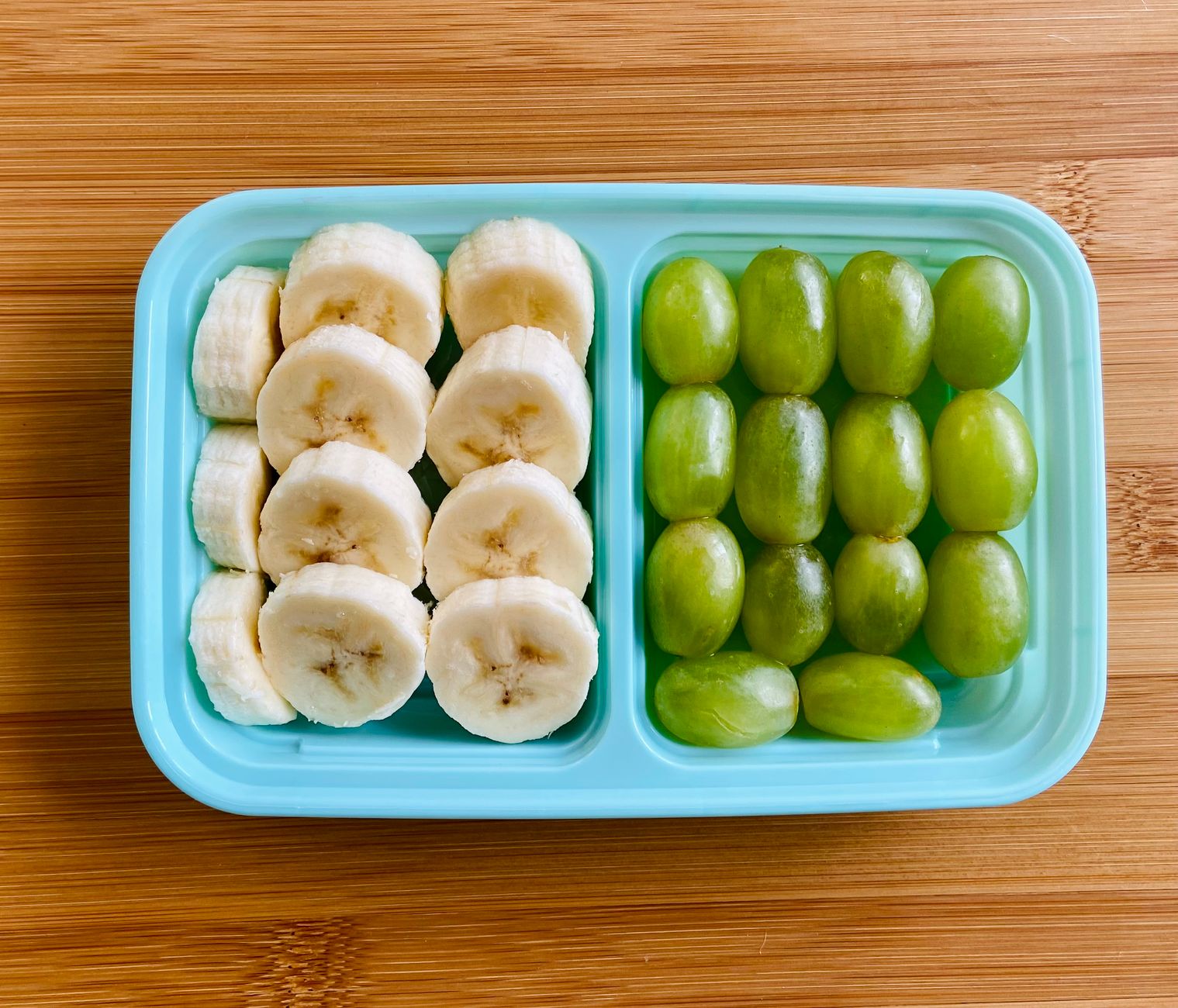
One of our readers, Maria, was shocked to learn that a single banana could contain up to 422mg of potassium—more than half the recommended daily limit for someone on a strict kidney diet. She swapped bananas for blueberries, which have a fraction of the potassium but still pack antioxidants. The trick is to focus on low-potassium fruits and vegetables and avoid high-potassium foods like oranges, potatoes, and spinach.
Here’s a quick guide to low-potassium snacks:
For snacks, consider:
- Fresh berries (strawberries, raspberries, or blackberries)
- Cauliflower or broccoli florets (steamed lightly with a pinch of black pepper)
- Cucumber or zucchini slices with a sprinkle of lemon juice
- Plain popcorn (air-popped or lightly salted with herbs)
- Unsalted nuts like walnuts or pecans (in moderation—more on portion sizes below)
- Herbal teas like chamomile or peppermint (unsweetened)
If you’re craving something creamy, opt for unsweetened almond milk instead of dairy-based yogurts, which can be high in potassium. And if you love cheese, stick to low-potassium varieties like mozzarella or cottage cheese in small portions.
**Did you know?** Some processed foods, like canned soups or frozen meals, can be surprisingly high in potassium due to added ingredients. Always check labels and opt for fresh or homemade options whenever possible.
Kidney-friendly snack ideas for people with high phosphorus restrictions
If you’re managing kidney disease, phosphorus can be just as tricky as sodium and potassium. Too much phosphorus can pull calcium out of your bones, leading to weak bones and other complications. The good news? You can still enjoy delicious snacks with smart ingredient swaps. Here are a few easy recipes to try, along with a deeper dive into phosphorus-rich foods to avoid.
One of our readers, Lisa, was struggling to find low-phosphorus snacks that didn’t taste like cardboard. She discovered that baking with almond flour instead of wheat flour made a huge difference. Her favorite recipe is a simple almond flour energy bar that’s low in phosphorus and easy to make ahead.
Almond Flour Energy Bars (Low Phosphorus)
**Ingredients:**
- 1 cup almond flour
- ½ cup unsweetened applesauce
- 2 tbsp honey or maple syrup
- 1 tbsp chia seeds
- ½ tsp cinnamon
- Pinch of salt (omit or use salt substitute if needed)
**Instructions:**
- Mix all ingredients in a bowl until well combined.
- Press the mixture into a lined 8x8-inch baking dish.
- Freeze for 1 hour, then cut into bars.
- Store in the fridge for up to a week or freeze for longer storage.
For a savory option, try this Low-Phosphorus Cheese Spread:
**Ingredients:**
- 4 oz low-phosphorus cheese (like mozzarella or cottage cheese)
- 1 tbsp unsalted butter
- ½ tsp garlic powder
- ¼ tsp black pepper
**Instructions:**
- Blend all ingredients in a food processor until smooth.
- Spread on rice cakes or crackers for a low-phosphorus snack.
- Store in the fridge for up to 5 days.
**Foods high in phosphorus to avoid or limit:**
- Processed meats (like deli meats or sausages)
- Colas and other carbonated drinks (phosphoric acid)
- Dark-colored sodas and energy drinks
- Some types of bread and cereals (fortified with phosphorus)
- Nuts and seeds in large portions (e.g., more than ¼ cup)
How to pack kidney-friendly snacks for work or school
Let’s be real: packing snacks for the day can feel like a chore, especially when you’re already running late. But with a little prep, you can make it easy—and even enjoyable. The key is to use small, reusable containers or snack-sized bags to keep portions in check. Invest in a good cooler bag if you’re packing perishables like yogurt or cheese, or use an insulated lunch bag with ice packs.
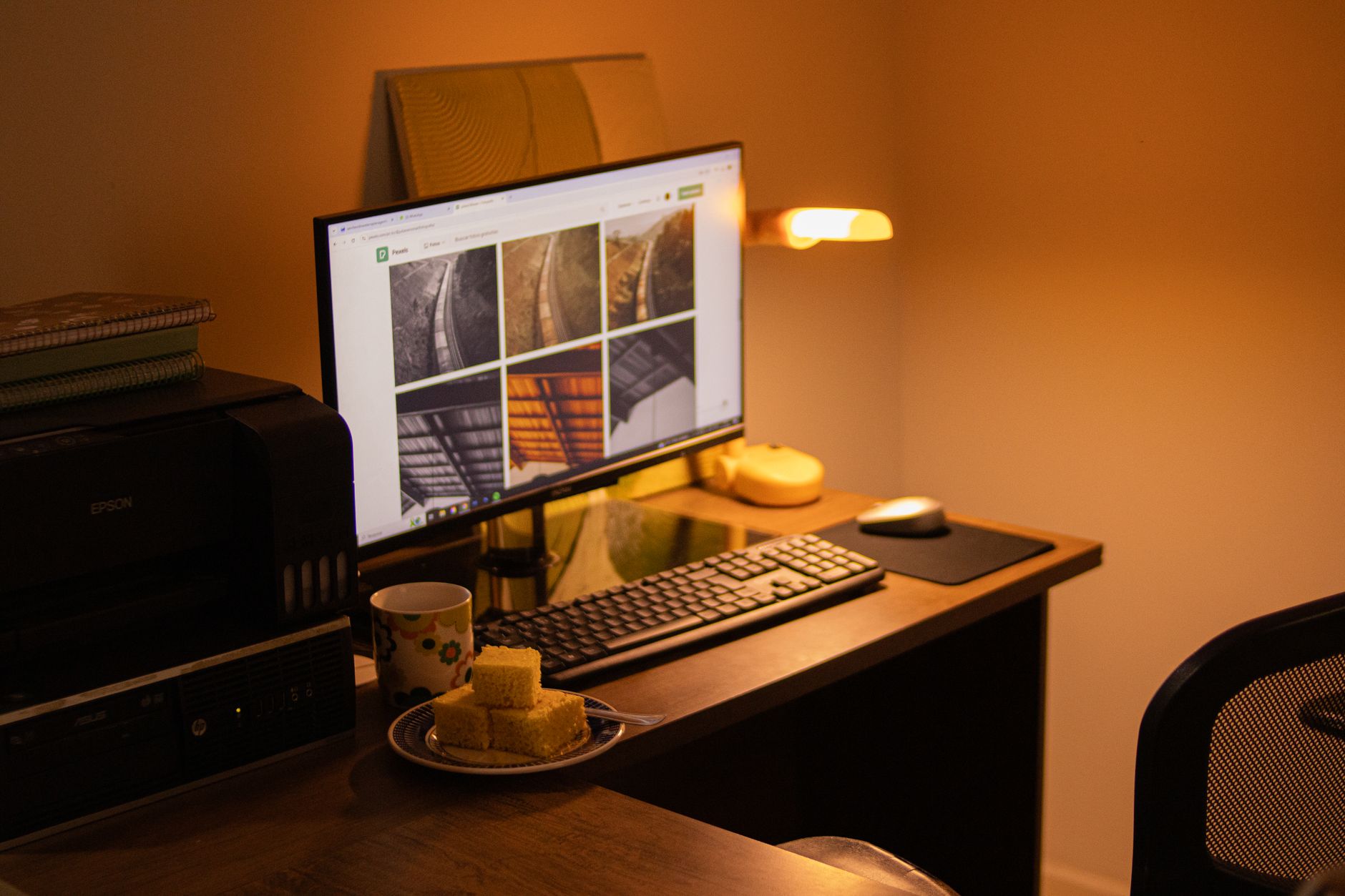
One of our editors, Emily, swears by the “snack station” approach. She keeps a few go-to containers in her desk drawer at work:
- Pre-cut veggies (carrots, cucumbers, bell peppers) with a small container of hummus (low-sodium variety)
- A single-serve pouch of unsweetened applesauce
- A small bag of unsalted almonds or walnuts
- A single-serve pack of plain Greek yogurt
- A homemade energy bar (more on those below)
Here’s how to pack like a pro:
- Pre-portion everything. Use small containers or baggies to avoid overeating. For example, portion out ¼ cup of nuts or ½ cup of berries into individual bags.
- Keep it cold or frozen. If you’re packing perishables like cheese or yogurt, use an insulated bag with ice packs. For frozen snacks, freeze single-serve portions of hummus or applesauce to keep them fresh.
- Label your snacks. If you’re sharing a workspace or have kids, label your containers with your name or a fun sticker. This also helps you keep track of what you’ve packed.
- Pack a variety. Mix and match textures and flavors to keep things interesting. For example, pair a crunchy snack like pretzels with a creamy one like cottage cheese.
- Use reusable containers. Skip single-use plastic bags and opt for reusable containers or beeswax wraps. Not only are they better for the environment, but they also make unpacking snacks easier.
If you’re short on time, try these 5-minute prep hacks:
- Wash and chop veggies the night before and store them in the fridge.
- Portion out nuts or seeds into small bags or containers.
- Make a big batch of homemade energy bars and freeze them. Grab one on the go!
- Keep a stash of pre-packaged low-sodium snacks like unsalted crackers or rice cakes.
- Use a muffin tin to portion out snacks like cheese cubes or fruit slices.
Kidney-friendly snack recipes with low phosphorus
If you’re managing kidney disease, phosphorus can be just as tricky as sodium and potassium. Too much phosphorus can pull calcium out of your bones, leading to weak bones and other complications. The good news? You can still enjoy delicious snacks with smart ingredient swaps. Here are a few easy recipes to try.
One of our readers, Lisa, was struggling to find low-phosphorus snacks that didn’t taste like cardboard. She discovered that baking with almond flour instead of wheat flour made a huge difference. Her favorite recipe is a simple almond flour energy bar that’s low in phosphorus and easy to make ahead.
Almond Flour Energy Bars (Low Phosphorus)
**Ingredients:**
- 1 cup almond flour
- ½ cup unsweetened applesauce
- 2 tbsp honey or maple syrup
- 1 tbsp chia seeds
- ½ tsp cinnamon
- Pinch of salt (omit or use salt substitute if needed)
**Instructions:**
- Mix all ingredients in a bowl until well combined.
- Press the mixture into a lined 8x8-inch baking dish.
- Freeze for 1 hour, then cut into bars.
- Store in the fridge for up to a week or freeze for longer storage.
For a savory option, try this Low-Phosphorus Cheese Spread:
**Ingredients:**
- 4 oz low-phosphorus cheese (like mozzarella or cottage cheese)
- 1 tbsp unsalted butter
- ½ tsp garlic powder
- ¼ tsp black pepper
**Instructions:**
- Blend all ingredients in a food processor until smooth.
- Spread on rice cakes or crackers for a low-phosphorus snack.
- Store in the fridge for up to 5 days.
For more inspiration, check out our Kidney-Friendly Diet Sample Day of Eating for meal ideas that extend beyond snacks.
Kidney-friendly snack options for diabetic patients
If you’re managing both kidney disease and diabetes, your snack choices need to balance low sodium, low potassium, low phosphorus, and low sugar. That might sound overwhelming, but it’s absolutely doable with the right ingredients. The key is to focus on snacks that are high in fiber, healthy fats, and lean protein while avoiding refined carbs and sugary treats.
One of our contributors, who manages both diabetes and kidney disease, shared how she used to rely on protein bars but found many were loaded with sugar and sodium. She switched to homemade options like these:
Chia Seed Pudding (Low Sugar, Low Phosphorus)
**Ingredients:**
- 2 tbsp chia seeds
- ½ cup unsweetened almond milk
- ½ tsp vanilla extract
- 1 tsp unsweetened cocoa powder (optional)
- Stevia or a small amount of honey (optional, for sweetness)
**Instructions:**
- Mix chia seeds, almond milk, and vanilla in a jar.
- Let sit for 10 minutes, then stir again to prevent clumping.
- Refrigerate for at least 2 hours (or overnight) to thicken.
- Top with a few raspberries or a sprinkle of cinnamon.
For a crunchy option, try these Spiced Nuts:
**Ingredients:**
- 1 cup unsalted almonds or walnuts
- 1 tsp cinnamon
- ½ tsp ground ginger
- Pinch of salt (optional)
**Instructions:**
- Preheat oven to 300°F (150°C).
- Toss nuts with cinnamon and ginger in a bowl.
- Spread on a baking sheet and bake for 10–15 minutes, stirring occasionally.
- Let cool and store in an airtight container.
For more snack ideas that work for both kidney and diabetes management, check out our Healthy Atkins Diet Snacks for inspiration—many of those snacks are also kidney-friendly!
Kidney-friendly snack alternatives for high-protein diets
If you’re following a high-protein diet for muscle recovery, weight management, or general health, you might worry that kidney-friendly snacks will leave you feeling deprived. But the truth is, you can still get plenty of protein while keeping your sodium, potassium, and phosphorus in check. The secret? Focus on lean protein sources and pair them with fiber-rich, low-potassium foods.
One of our readers, Jake, was a bodybuilder who struggled to find high-protein snacks that fit his kidney diet. He discovered that unsalted nuts and seeds could be a game-changer, as long as he stuck to portions. Here’s how to do it right:
High-Protein, Low-Phosphorus Snack Ideas
For a quick high-protein snack, try these options:
- Hard-boiled eggs (2 eggs = 12g protein, very low in potassium and phosphorus)
- Plain Greek yogurt with berries (pair with strawberries or raspberries for a low-potassium topping)
- Unsalted nuts and seeds (almonds, walnuts, or pumpkin seeds—stick to ¼ cup portions)
- Cottage cheese with cucumber slices (low-potassium veggie pairing)
- Silken tofu with a sprinkle of cinnamon (great for smoothies or as a standalone snack)
If you’re looking for a more substantial snack, try making Protein-Packed Energy Balls:
**Ingredients:**
- ½ cup unsalted almonds
- ¼ cup unsweetened applesauce
- 2 tbsp unsweetened cocoa powder
- 1 scoop vanilla protein powder (low-phosphorus blend)
- 1 tbsp chia seeds
**Instructions:**
- Blend all ingredients in a food processor until combined.
- Roll into small balls and refrigerate for 30 minutes to firm up.
- Store in the fridge for up to a week or freeze for longer storage.
Kidney-friendly snacks for busy parents and caregivers
If you’re a parent or caregiver on the go, finding time to pack healthy snacks can feel impossible. Between school drop-offs, work meetings, and errands, it’s easy to default to convenience foods that aren’t kidney-friendly. The good news is that with a little planning, you can keep a stash of easy-to-grab snacks that are both nutritious and satisfying for everyone in your household.
One of our contributors, a mom of two, shared how she transformed her family’s snack routine by keeping a “snack station” in her car and at home. She prepped snacks the night before and stored them in reusable containers so she could grab and go without stress. Here are some of her favorite family-friendly kidney-friendly snacks:
- Mini veggie trays: Pre-cut carrots, cucumbers, and bell peppers with a small container of hummus (low-sodium variety).
- Cheese and whole-grain crackers: Use low-phosphorus cheese like mozzarella or cottage cheese and pair with unsalted crackers.
- Fruit and nut mix: Combine strawberries, blueberries, and a small handful of unsalted almonds in a container.
- Homemade muffins: Make a batch of low-phosphorus, low-potassium muffins using almond flour and unsweetened applesauce.
- Yogurt pouches: Opt for unsweetened, low-potassium yogurt pouches for a portable option.
**Pro tip:** Involve your kids in prepping snacks! Kids are more likely to eat what they help pack. Try setting up a “snack assembly line” where everyone picks their favorite veggie, fruit, or nut to add to the mix.
How to read nutrition labels for kidney-friendly snacks
Reading nutrition labels can feel overwhelming, especially when you’re trying to manage multiple nutrients like sodium, potassium, and phosphorus. But with a little practice, you can become a label-reading pro. Here’s what to look for and how to interpret the information:
First, check the serving size. Many snacks list a serving size that’s much smaller than what you actually eat. For example, a bag of chips might say the serving size is 1 oz, but you might eat the whole bag. Always compare the nutrition facts for the entire package.
Next, focus on these key nutrients:
- Sodium: Aim for less than 140mg per serving. Look for snacks labeled “low sodium” or “no salt added.”
- Potassium: If you’re on a low-potassium diet, look for foods with less than 200mg per serving. Avoid processed foods, as they often contain hidden potassium from additives.
- Phosphorus: Stick to foods with less than 100mg per serving. Be cautious of processed meats, colas, and fortified cereals.
- Carbohydrates and sugars: If you’re managing diabetes, watch for added sugars and refined carbs. Opt for snacks with complex carbs like whole grains or fiber-rich fruits.
Here are some common ingredients to watch out for:
- Sodium nitrite or sodium nitrate: Often found in processed meats like deli slices or sausages.
- Phosphoric acid or sodium phosphate: Found in some sodas and processed foods to preserve freshness.
- Potassium chloride: Sometimes used as a salt substitute but can still contribute to potassium intake.
**Pro tip:** Use apps like MyFitnessPal or Cronometer to log your snacks and track your nutrient intake. These tools can help you stay on top of your sodium, potassium, and phosphorus levels.
Myth vs. Fact: Kidney-Friendly Snacks
There’s a lot of misinformation out there about kidney-friendly eating, especially when it comes to snacks. Let’s clear up a few common myths:
Myth: You can’t eat fruit on a kidney-friendly diet.
Fact: You can eat fruit—but choose low-potassium varieties like strawberries, apples, and blueberries. Avoid high-potassium fruits like bananas, oranges, and cantaloupe. Portion control is key: stick to ½ cup servings of fruit per snack.
Myth: All nuts are off-limits for kidney disease.
Fact: Unsalted nuts can be part of a kidney-friendly diet, but they’re high in phosphorus, so portion control is important. Stick to ¼ cup servings and opt for low-phosphorus nuts like almonds or walnuts. Avoid salted or flavored nuts, which can be high in sodium.
Myth: You have to give up cheese entirely.
Fact: You don’t have to give up cheese, but choose low-potassium, low-phosphorus options like mozzarella or cottage cheese in small portions. Avoid aged cheeses like cheddar or blue cheese, which are higher in sodium and phosphorus.
Myth: Kidney-friendly snacks have to be boring.
Fact: Not at all! With a little creativity, you can make snacks that are delicious and kidney-friendly. Experiment with herbs, spices, and natural sweeteners like cinnamon or stevia to add flavor without sodium or sugar.
Myth: You can’t enjoy sweets on a kidney-friendly diet.
Fact: You can still enjoy sweets, but opt for natural sweeteners like stevia or small amounts of honey. Avoid sugary snacks and sodas, which can spike blood sugar and contribute to high potassium levels.
Key Takeaways
- Low-sodium snacks are your best friend—aim for less than 140mg of sodium per serving. Fresh veggies, unsalted nuts, and plain popcorn are great options.
- Low-potassium snacks include berries, cauliflower, cucumbers, and apples. Avoid high-potassium foods like bananas, potatoes, and spinach.
- Low-phosphorus snacks focus on lean proteins like egg whites, silken tofu, and unsalted nuts in small portions.
- Pack snacks in advance to avoid last-minute unhealthy choices. Use small containers and reusable bags to keep portions in check.
- For pregnant women or those with diabetes, extra care is needed to balance nutrients without overloading your kidneys. Always consult your healthcare provider for personalized advice.
- Homemade snacks give you control over ingredients and portion sizes. Try recipes like almond flour energy bars or chia seed pudding for a tasty, kidney-friendly treat.
- Read labels carefully to avoid hidden sodium, potassium, and phosphorus. Use apps to track your nutrient intake and stay on top of your dietary needs.
- Flavor without sodium is possible with herbs, spices, and natural sweeteners. Experiment to find what you enjoy most!
Frequently Asked Questions
What are the best kidney-friendly snacks?
The best kidney-friendly snacks are low in sodium, potassium, and phosphorus while still being satisfying. Some top picks include fresh berries, unsalted nuts, plain Greek yogurt, cucumber slices, homemade energy bars, and lightly steamed vegetables. Always check labels for hidden sodium and potassium, and stick to portion sizes to keep phosphorus in check.
Can I eat fruit while on a kidney-friendly diet?
Yes, but choose low-potassium fruits like strawberries, apples, and blueberries. Avoid high-potassium fruits like bananas, oranges, and cantaloupe. Stick to ½ cup servings per snack to keep potassium levels in check. You can also enjoy watermelon and peaches in moderation.
How to keep snacks low in potassium?
To keep snacks low in potassium, focus on fresh berries, cauliflower, cucumbers, and apples. Avoid processed foods, canned soups, and high-potassium fruits and vegetables like bananas and potatoes. If you’re unsure about a food’s potassium content, check a reliable nutrition database or ask your dietitian. Pairing snacks with water can also help flush excess potassium from your system.
What are low-protein snacks for kidney disease?
Low-protein snacks for kidney disease include fresh vegetables like cucumbers and cauliflower, plain Greek yogurt (in moderation), and unsalted nuts in small portions. For a more substantial snack, try egg whites or silken tofu. Always consult your healthcare provider to determine the right protein intake for your specific needs. Consider using protein supplements that are low in phosphorus, such as those made from egg whites.
Are nuts allowed on a kidney-friendly diet?
Yes, but in moderation. Unsalted nuts like almonds or walnuts can be part of a kidney-friendly diet, but they’re high in phosphorus, so stick to ¼ cup servings. Avoid salted or flavored nuts, which can be high in sodium. If you’re unsure about a specific nut, check its phosphorus content on the nutrition label. Pair nuts with low-potassium foods like berries or cucumbers to balance your snack.
How to make a kidney-friendly snack pack?
To make a kidney-friendly snack pack, start by pre-portioning snacks into small containers or bags. Include a mix of textures and flavors, like fresh veggies with hummus, unsalted nuts, and plain Greek yogurt. Use an insulated bag with ice packs for perishables, and label your containers for easy identification. Always check labels for hidden sodium and potassium, and avoid processed foods with added ingredients. For added convenience, prepare snacks the night before and store them in your fridge or freezer.
How can I add flavor to my kidney-friendly snacks without using salt?
Adding flavor to your kidney