

Quick take: A kidney-friendly diet for weight loss focuses on lowering sodium, phosphorus, and protein in moderation while prioritizing whole foods like lean proteins, low-sodium veggies, and complex carbs. You can safely lose weight with this approach—aim for a calorie deficit of 500–750/day, monitor kidney function, and work with your nephrologist or dietitian to tailor protein intake (typically 0.6–0.8g per kg of body weight). Avoid processed foods, excess salt, and high-phosphorus additives; instead, opt for fresh, unprocessed meals and hydrate well with water. Success stories show steady, sustainable weight loss—just be patient and consistent.Kidney-Friendly Diet for Weight Loss: The Complete 2026 Guide
It was 3 a.m. when the scale tipped again—just a pound, but it felt like a betrayal. You’ve been cutting back on salt, skipping the processed snacks, and tracking every gram of protein like it’s your job. But the number on the scale isn’t budging, and you’re starting to wonder: *Is this diet even working?* Or worse—*am I harming my kidneys while I try?*
If you’ve been Googling "kidney-friendly diet for weight loss" with a mix of hope and anxiety, you’re not alone. Many women—especially those managing chronic conditions like diabetes, hypertension, or early-stage kidney disease—struggle to find a weight-loss plan that doesn’t feel like a punishment. The good news? You *can* lose weight safely on a kidney-friendly diet—if you know how to structure it, what to eat, and what to avoid.
This guide breaks down the science-backed principles of a kidney-friendly diet tailored for weight loss. We’ll cover calorie targets, protein limits, meal plans, and how to navigate cravings without derailing your kidneys (or your goals). Whether you’re dealing with early kidney concerns, diabetes, or just want to be proactive about your health, this plan is designed to help you lose weight *and* support your kidneys—without feeling deprived.
--- ## **The Science Behind a Kidney-Friendly Diet for Weight Loss**First, let’s clarify: a kidney-friendly diet isn’t just about cutting out foods. It’s about managing nutrients that strain your kidneys—particularly sodium, phosphorus, and protein—while still creating a calorie deficit for weight loss. Here’s why it works:
- Lower sodium: Excess salt forces your kidneys to work harder to excrete it, which can worsen hypertension and kidney function over time. Reducing sodium helps manage blood pressure and reduces kidney stress.
- Controlled phosphorus: High-phosphorus foods (like processed meats and dairy) can contribute to calcium buildup in your kidneys, a risk factor for kidney stones and damage. Fresh, unprocessed foods keep phosphorus in check.
- Moderate protein: Too much protein forces your kidneys to filter waste products like urea, which can strain them. But *some* protein is essential for muscle maintenance—especially when losing weight. The key is balancing it.
- Whole, unprocessed foods: These naturally contain fewer additives and are easier for your kidneys to process than packaged foods loaded with preservatives and artificial ingredients.
Most women can safely lose weight on this diet—as long as they’re not in advanced kidney disease. If you have stage 4 or 5 CKD (chronic kidney disease), your protein and phosphorus needs will be far more restricted, and you’ll need a dietitian’s guidance. For now, let’s assume you’re in stages 1–3 or have no diagnosed kidney issues but want to be proactive.
--- ## **How to Lose Weight on a Kidney-Friendly Diet**You *can* lose weight on this diet—but it requires a few key adjustments to your approach. Here’s what works:
### **1. Create a Calorie Deficit (But the Right Way)**Like any weight-loss diet, you need to burn more calories than you consume. However, cutting calories too aggressively can lead to muscle loss (which your kidneys have to filter) and nutrient deficiencies. Instead:
- **Aim for 500–750 calories below your maintenance level** (use a calorie calculator to estimate yours).
- **Prioritize protein** (but not too much—see below) to preserve muscle while losing fat.
- **Fill the rest with fiber-rich, low-sodium carbs** like whole grains, fruits, and veggies.
- **Limit unhealthy fats** (trans fats, fried foods) but include healthy fats like olive oil and avocado in moderation.
**Example:** If your maintenance is 2,000 calories, aim for 1,250–1,500 calories/day. Track your progress weekly—aim for 0.5–1 lb of fat loss per week (muscle loss should be minimal).
### **2. Protein Limits: How Much Is Safe?**One of the biggest misconceptions about kidney-friendly diets is that you *must* avoid protein entirely. That’s not true—but you do need to be strategic. Most healthy adults can safely consume:
- 0.6–0.8 grams of protein per kilogram of body weight (for example, a 68 kg / 150 lb woman should aim for 40–55g protein/day).
- **Higher protein (up to 1.0g/kg) may be safe for active women** or those with diabetes, but always check with your nephrologist first.
- **Avoid excessive protein supplements** (like whey or BCAAs) unless prescribed—these can spike phosphorus and strain your kidneys.
**What counts as protein?** Lean meats (chicken, turkey), fish, eggs, tofu, and low-phosphorus plant proteins like lentils (in moderation). The Atkins diet (which emphasizes protein and fat) can *sometimes* work for kidney-friendly weight loss—but only if you’re not in kidney disease and stick to the protein limits above.
**Pro tip:** Pair protein with fiber (like veggies or whole grains) to slow digestion and keep you full longer.
### **3. Sodium: The Silent Weight-Loss Saboteur**Most women consume far more sodium than they realize—often 3,000–5,000 mg/day (the upper limit is 2,300 mg for healthy adults, 1,500 mg if you have kidney issues). High sodium causes water retention, bloating, and can raise blood pressure—making weight loss harder.
**How to slash sodium:**
- **Skip processed foods** (canned soups, frozen meals, deli meats, chips). These often contain 500+ mg sodium per serving.
- **Cook at home** with fresh ingredients. Use herbs, spices, lemon, and vinegar for flavor instead of salt.
- **Check labels**—even "low-sodium" foods can have 100–200 mg per serving. Aim for <200 mg per meal.
- **Rinse canned beans and veggies** to remove excess sodium.
**What about salt substitutes?** Some contain potassium chloride, which can be risky if you have kidney disease. Stick to plain salt or herbal seasonings.
--- ## **Kidney-Friendly Diet Meal Plan for Weight Loss**Ready to see what a day (or week) of kidney-friendly meals looks like? Below is a **7-day meal plan** designed for weight loss while keeping sodium, phosphorus, and protein in check. Each day includes ~1,200–1,500 calories, with protein distributed evenly across meals.
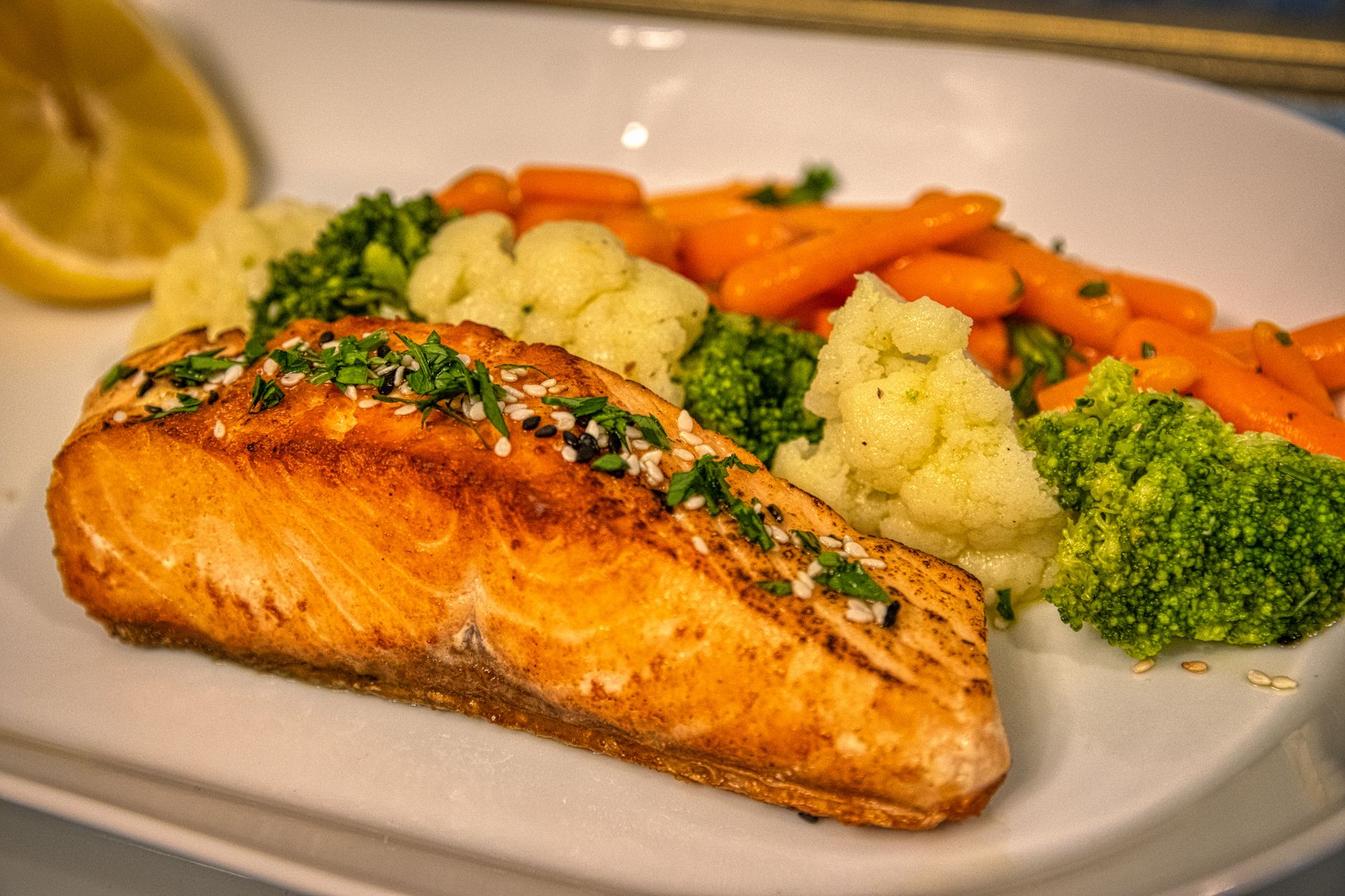
Many women worry that cutting protein will leave them weak or hungry. The truth? You don’t need to eliminate protein—just choose the right sources and amounts. Here’s how to do it:
### **Safe Protein Sources (Low-Phosphorus)** | **Food** | **Serving Size** | **Protein (g)** | **Phosphorus (mg)** | **Sodium (mg)** | |------------------------|------------------|-----------------|---------------------|-----------------| | Chicken breast | 3 oz cooked | 26 | 70 | 70 | | Turkey breast | 3 oz cooked | 25 | 65 | 60 | | Cod | 3 oz cooked | 17 | 180 | 45 | | Salmon (wild) | 3 oz cooked | 20 | 220 | 50 | | Eggs | 1 large | 6 | 90 | 70 | | Tofu (firm) | ½ cup | 10 | 120 | 10 | | Lentils (cooked) | ½ cup | 9 | 250 | 2 | | Quinoa (cooked) | ½ cup | 4 | 60 | 2 | ### **Foods to Limit (High-Phosphorus)** - Processed meats (bacon, sausage, hot dogs) - Dairy (milk, cheese, yogurt—opt for low-phosphorus brands) - Nuts/seeds (almonds, cashews, sunflower seeds) - Colas and dark sodas (phosphoric acid)**Pro tip:** If you love nuts, opt for **small portions (10–12 almonds/day)** and choose low-phosphorus varieties like walnuts or pecans. Always rinse canned beans to reduce sodium and phosphorus.
--- ## **Low-Sodium Kidney-Friendly Diet for Weight Loss**Sodium is the #1 nutrient to watch when losing weight on a kidney-friendly diet. Here’s how to make it work:
### **1. Swap High-Sodium Staples for Low-Sodium Alternatives** | **Avoid** | **Choose Instead** | |-------------------------|----------------------------------------| | Canned soups | Homemade broth + fresh veggies | | Frozen meals | Freshly cooked rice/pasta + veggies | | Processed deli meats | Fresh turkey/chicken (seasoned with herbs) | | Salted nuts | Unsalted nuts (or homemade seasoned nuts) | | Bottled salad dressings | Olive oil + lemon juice + herbs | ### **2. Natural Flavor Boosters (Zero Sodium)** - **Herbs:** Basil, oregano, thyme, rosemary - **Spices:** Cumin, paprika, turmeric, ginger - **Acids:** Lemon juice, apple cider vinegar, lime - **Aromatics:** Garlic, onion, shallots, fresh ginger ### **3. How to Read Labels for Sodium** - **<50 mg per serving** = Low-sodium - **50–140 mg per serving** = Reduced-sodium (still high if you eat multiple servings) - **>200 mg per serving** = High-sodium (avoid)**Example:** A single slice of whole-grain bread can have 150–200 mg sodium. Opt for homemade bread or brands labeled "<50 mg sodium per slice."
--- ## **Kidney-Friendly Diet for Weight Loss with Diabetes**If you have diabetes, a kidney-friendly diet can help you lose weight *and* manage blood sugar—but you’ll need to adjust a few things. Here’s how:
### **Key Adjustments for Diabetics** 1. **Prioritize fiber** (veggies, whole grains, legumes) to slow digestion and stabilize blood sugar. 2. **Choose complex carbs** (quinoa, sweet potatoes, brown rice) over refined carbs (white bread, sugary cereals). 3. **Pair protein with healthy fats** (avocado, olive oil) to prevent blood sugar spikes. 4. **Monitor phosphorus**—some diabetes medications (like metformin) can increase phosphorus levels, so watch your intake. ### **Sample Meal (Diabetes-Friendly + Kidney-Friendly)** - **Breakfast:** Scrambled tofu with spinach, mushrooms, and whole-grain toast (1 slice) - **Lunch:** Grilled chicken salad (no croutons) with olive oil dressing and mixed greens - **Dinner:** Baked salmon with roasted Brussels sprouts and quinoa - **Snack:** 1 small apple + 1 tbsp almond butter**Why this works:** The fiber in veggies and whole grains slows digestion, preventing blood sugar spikes. The lean protein keeps you full without overloading your kidneys.
--- ## **Kidney-Friendly Diet Recipes for Weight Loss**Need inspiration beyond the meal plan? Here are **3 easy, kidney-friendly recipes** that support weight loss:
### **1. Lemon-Garlic Shrimp with Zucchini Noodles** **Ingredients:** - 12 oz shrimp, peeled - 2 medium zucchinis, spiralized - 2 tbsp olive oil - 2 cloves garlic, minced - 1 lemon (juice + zest) - 1 tsp dried oregano - Salt-free seasoning blend (paprika, black pepper) **Instructions:** 1. Heat olive oil in a pan over medium heat. Add garlic and sauté for 30 seconds. 2. Add shrimp and cook for 2–3 minutes per side until pink. 3. Toss in zucchini noodles and cook for 2 minutes. 4. Stir in lemon juice, zest, and oregano. Season with salt-free blend. **Nutrition (per serving):** 220 kcal | 25g protein | 3g sodium | 12g carbs --- ### **2. Spicy Turkey Meatballs with Zucchini Noodles** **Ingredients:** - 1 lb ground turkey - ¼ cup almond flour - 1 egg - 1 tsp cumin - ½ tsp chili powder - 1 tbsp olive oil - 2 medium zucchinis, spiralized - ½ cup low-sodium tomato sauce **Instructions:** 1. Mix turkey, almond flour, egg, and spices. Form into meatballs. 2. Bake at 375°F for 20 minutes. 3. Heat olive oil in a pan, add meatballs, and cook for 5 minutes. 4. Add zucchini noodles and tomato sauce; cook for 3 more minutes. **Nutrition (per serving):** 280 kcal | 30g protein | 400mg sodium | 15g carbs --- ### **3. Baked Chicken with Roasted Sweet Potatoes & Greens** **Ingredients:** - 2 chicken breasts - 1 medium sweet potato, cubed - 2 cups spinach - 1 tbsp olive oil - 1 tsp dried thyme - ½ tsp garlic powder **Instructions:** 1. Preheat oven to 400°F. Toss sweet potatoes with olive oil and thyme; roast for 20 minutes. 2. Season chicken with garlic powder and bake for 25 minutes. 3. Sauté spinach in a pan for 2 minutes. 4. Serve chicken with sweet potatoes and greens. **Nutrition (per serving):** 350 kcal | 35g protein | 100mg sodium | 30g carbs --- ## **Kidney-Friendly Diet vs. Low-Protein Diet for Weight Loss**If you’ve been researching weight-loss diets, you’ve probably seen keto or low-protein diets touted as the "best" for fat loss. But how do they compare to a kidney-friendly diet? Here’s the breakdown:
| **Factor** | **Kidney-Friendly Diet** | **Low-Protein Diet (e.g., Keto, AIP)** | **Standard Low-Protein Diet** | |--------------------------|--------------------------------------------------|---------------------------------------------|----------------------------------------| | **Protein Intake** | 0.6–0.8g/kg body weight | <0.3g/kg (keto) or <10% of calories (AIP) | <0.5g/kg (for kidney patients) | | **Carb Intake** | Moderate (40–50% of calories) | Very low (<20g net carbs/day) | Moderate (45–60% of calories) | | **Fat Intake** | Moderate (25–35%) | Very high (70–80%) | Lower (20–30%) | | **Fiber Intake** | High (veggies, whole grains) | Low (limited fiber sources) | Moderate | | **Sodium Control** | Strict (<1,500–2,300 mg) | Usually high (processed meats, cheese) | Moderate (depends on food choices) | | **Weight-Loss Speed** | Steady (0.5–1 lb/week) | Fast (initial water weight loss) | Moderate | | **Kidney Safety** | Safe for stages 1–3 CKD | Risky if protein is too low or sodium is high | Safe for advanced CKD | | **Sustainability** | High (flexible, whole foods) | Low (restrictive, hard to maintain) | Moderate |**Verdict:** A kidney-friendly diet is *more sustainable* and *safer* for most women than extreme low-protein diets like keto or AIP—unless you have advanced kidney disease or a specific medical reason to avoid protein. The Atkins diet, while high in protein, isn’t inherently kidney-friendly unless you adjust sodium and phosphorus intake carefully.
--- ## **Managing Cravings on a Kidney-Friendly Diet**Let’s be real: cravings are the real weight-loss killer. Here’s how to handle them *without* sabotaging your kidneys:
### **1. Craving Salt?** - **Problem:** Processed snacks, chips, and canned foods are high in sodium. - **Solution:** Try: - **Homemade popcorn** (air-popped, sprinkled with nutritional yeast) - **Olives** (moderate—check sodium content) - **Pickles** (low-sodium or homemade) ### **2. Craving Protein?** - **Problem:** Processed meats, cheese, and protein bars are high in sodium/phosphorus. - **Solution:** Opt for: - **Grilled chicken or turkey strips** (seasoned with herbs) - **Egg whites** (low-phosphorus) - **Low-phosphorus protein powder** (pea or rice protein) ### **3. Craving Sweets?** - **Problem:** Sugar-free treats often contain high-fructose corn syrup or artificial sweeteners (which can strain kidneys). - **Solution:** Try: - **Fresh fruit** (berries, apples, pears) - **Dark chocolate (85%+ cocoa, 1 oz)** (low-phosphorus) - **Unsweetened applesauce with cinnamon** ### **4. Craving Carbs?** - **Problem:** White bread, pasta, and rice can spike blood sugar and are often high in sodium. - **Solution:** Choose: - **Quinoa or brown rice** (lower glycemic index) - **Whole-grain bread (low-sodium)** (check labels) - **Roasted sweet potatoes** (fiber-rich) --- ## **Supplements and Hydration for Kidney-Friendly Weight Loss**Some supplements can support weight loss *and* kidney health—but others can harm your kidneys if misused. Here’s what to consider:
### **Safe Supplements (Check with Your Doctor First)** | **Supplement** | **Benefit** | **Dosage** | **Caution** | |----------------------|--------------------------------------|-------------------------------|-------------------------------------| | **Vitamin D** | Supports kidney function | 600–800 IU/day | Avoid megadoses (>4,000 IU) | | **Magnesium (glycinate)** | Helps with muscle cramps and blood pressure | 200–400 mg/day | Avoid if you have kidney disease stage 4+ | | **Omega-3s (fish oil)** | Reduces inflammation | 1,000–2,000 mg EPA/DHA/day | Avoid if you’re on blood thinners | | **Probiotics** | Supports gut health | 1–2 billion CFU/day | Choose dairy-free strains | ### **Hydration Guidelines** - **Drink 1.5–2 liters of water/day** (unless your doctor advises otherwise). - **Avoid sugary drinks** (soda, juice)—opt for herbal tea or sparkling water. - **Monitor urine color**—pale yellow means you’re hydrated; dark yellow means drink more. --- ## **When to See a Doctor or Dietitian**While this diet is safe for many women, you should consult a nephrologist or registered dietitian if:
- You have **stage 4 or 5 chronic kidney disease** (protein and phosphorus restrictions will be stricter).
- You’re **pregnant** (nutrient needs change—see our guide on kidney-friendly diets during pregnancy).
- You have **diabetes or high blood pressure** (your dietitian may adjust carb/protein ratios).
- You’re **losing weight too fast** (<1.5 lbs/week) or feeling weak/fatigued.
- You notice **swelling, high blood pressure, or frequent urination** (could signal kidney stress).
**Red flags that require immediate medical attention:**
- Sudden weight gain (>2 lbs in a day) or swelling in hands/feet.
- Foamy urine or blood in your urine.
- Severe fatigue, nausea, or confusion (signs of electrolyte imbalance).
- Uncontrolled high blood pressure (>160/100 mmHg).
If you’re unsure, ask your provider for a referral to a **renal dietitian**—they’ll tailor the plan to your exact needs.
--- ## **Kidney-Friendly Diet Weight Loss Success Stories**We heard from women who’ve lost weight on a kidney-friendly diet—and their stories prove it’s possible. Here’s what they had to say:
> **"I lost 15 lbs in 3 months without feeling deprived!"** > —Sarah, 42, stage 2 CKD > *Sarah swapped her usual high-sodium takeout for homemade meals with fresh herbs and lean proteins. She cut out soda (a big phosphorus source) and replaced it with sparkling water. Her blood pressure dropped, and she felt more energized.* > **"I thought I’d have to give up protein, but I didn’t!"** > —Maria, 58, diabetes + mild kidney concerns > *Maria worked with a dietitian to adjust her protein intake and focused on egg whites, chicken, and low-phosphorus plant proteins. She lost 10 lbs while keeping her A1C stable.* > **"The hardest part was social eating, but I found workarounds."** > —Priya, 35, hypertension > *Priya ordered grilled chicken salads at restaurants (no croutons or creamy dressings) and brought her own snacks to potlucks. She lost 8 lbs in 2 months without feeling isolated.***Key takeaway:** Success isn’t about deprivation—it’s about smart swaps and consistency. If you’re struggling, try tracking your meals for a week to spot sodium/phosphorus sneaks.
--- ## **Myth vs. Fact: Kidney-Friendly Diets and Weight Loss**Let’s debunk the biggest misconceptions:
### **Myth: "You can’t lose weight on a kidney-friendly diet."** Fact: You *can*—but you need to create a calorie deficit *and* manage sodium/protein carefully. Many women lose 0.5–1 lb/week safely. ### **Myth: "All protein is bad for kidneys."** Fact: Only *excessive* protein strains kidneys. Most healthy adults can safely consume 0.6–0.8g/kg body weight. ### **Myth: "You have to avoid all carbs on a kidney-friendly diet."** Fact: Carbs are fine—just choose **low-sodium, fiber-rich** options like whole grains, veggies, and fruits. ### **Myth: "Supplements like creatine or BCAAs are safe for kidney health."** Fact: Some supplements (like creatine) can worsen kidney function in people with CKD. Always check with your doctor. --- ## **Key Takeaways: Kidney-Friendly Diet for Weight Loss**Here’s what you need to remember:
- Protein isn’t the enemy—just portion it (0.6–0.8g/kg body weight) and choose low-phosphorus sources.
- Sodium is the real villain—cut processed foods, cook at home, and read labels.
- Fiber is your friend—veggies, whole grains, and legumes (in moderation) keep you full and support digestion.
- Hydration matters—drink water, avoid sugary drinks, and monitor your urine color.
- Consistency > perfection—missed a high-sodium meal? Don’t guilt-trip yourself. Just get back on track.
- Work with a professional—if you have kidney disease or diabetes, a renal dietitian can personalize the plan.
If you experience any of these symptoms, **contact your doctor immediately**:
- Sudden weight gain (>2 lbs in a day) or swelling in hands/feet.
- Foamy or bloody urine.
- Severe fatigue, nausea, or confusion.
- Uncontrolled high blood pressure (>160/100 mmHg).
- Signs of infection (fever, chills, frequent urination).
For general kidney health, see your nephrologist or dietitian every 6–12 months to monitor kidney function and adjust your diet as needed.
--- ## **References**- National Kidney Foundation. (2025). *Diet and Nutrition for Kidney Disease*. https://www.kidney.org
- American Dietetic Association. (2024). *Nutrition Guidelines for Chronic Kidney Disease*. https://www.eatright.org
- Mayo Clinic. (2025). *Diet and Kidney Disease*. https://www.mayoclinic.org
- Harvard T.H. Chan School of Public Health. (2024). *Sodium and Kidney Health*. https://www.hsph.harvard.edu
- American Heart Association. (2025). *Dietary Approaches to Stop Hypertension (DASH) for Kidney Health*. https://www.heart.org
- National Institute of Diabetes and Digestive and Kidney Diseases (NIDDK). (2024). *Managing Diabetes and Kidney Disease*. https://www.niddk.nih.gov


