

Quick take: A kidney-friendly diet during pregnancy can help manage blood pressure, reduce fluid retention, and support healthy kidney function—especially if you have pre-existing conditions like gestational hypertension or diabetes. However, it’s not a one-size-fits-all approach: while it may benefit some women by lowering sodium and protein intake, others may need to adjust portions or avoid certain restrictions entirely. Always check with your provider before making major dietary changes, as your needs may shift as your pregnancy progresses.Kidney-Friendly Diet Benefits and Side Effects: The Complete 2026 Guide
You’re staring at the back of a grocery store aisle, holding a carton of low-sodium chicken broth, wondering if it’s safe to buy. Your provider mentioned a kidney-friendly diet might help with your pregnancy-related high blood pressure, but you’re not sure where to start—or if it’s even necessary. Maybe you’ve heard it’s restrictive, or that it could affect your baby’s growth. Sound familiar? You’re not alone.
Many pregnant women, especially those managing conditions like gestational hypertension, preeclampsia, or gestational diabetes, find themselves navigating dietary advice that feels like a puzzle. A kidney-friendly diet—typically associated with chronic kidney disease—can seem like an odd fit for pregnancy, but it’s not as uncommon as you might think. Some providers recommend it to help manage fluid balance, blood pressure, or protein load, particularly in high-risk pregnancies. The key is understanding how it works, who it benefits, and how much flexibility you need to keep both you and your baby thriving.
This guide breaks down the science, benefits, and potential side effects of a kidney-friendly diet during pregnancy—so you can make informed choices without the guesswork. We’ll cover what foods to prioritize, how to transition safely, and when to talk to your provider about adjustments. By the end, you’ll know whether this diet could be right for you—and how to adapt it to fit your pregnancy’s unique needs.
Note: This article is for informational purposes only and does not replace personalized medical advice. Always consult your healthcare provider before making significant dietary changes during pregnancy.
--- ## **What Are the Kidney-Friendly Diet Benefits for Pregnant Women?** If you’ve been diagnosed with gestational hypertension, preeclampsia, or even mild proteinuria (protein in your urine), your provider might have recommended a kidney-friendly diet. But why? Traditionally, this diet is designed to ease the workload on kidneys already struggling with conditions like chronic kidney disease (CKD). For pregnant women, the goal shifts slightly: it’s about managing blood pressure, reducing excess fluid retention, and supporting healthy fetal development without overburdening your kidneys.Here’s the bottom line: a kidney-friendly diet can help by:
- Lowering sodium intake to reduce fluid retention and blood pressure spikes—critical for women with gestational hypertension or preeclampsia.
- Moderating protein consumption to prevent excessive stress on kidneys while still providing essential amino acids for your baby’s growth.
- Controlling potassium levels to avoid electrolyte imbalances, which can be risky during pregnancy.
- Encouraging hydration with kidney-safe fluids (like water and herbal teas) to support circulation without overwhelming your kidneys.
For many women, these adjustments can make a noticeable difference in how they feel—less bloating, better energy, and more stable blood pressure. But it’s not a cure-all. If your kidneys are healthy and your pregnancy is low-risk, you might not need these restrictions. The key is personalization: your provider will tailor recommendations based on your blood pressure, urine protein levels, and overall kidney function.
Real-world example: One reader, Sarah, a 32-year-old in her second trimester, had mild gestational hypertension. Her provider suggested reducing sodium and increasing hydration. After a week of swapping processed snacks for fresh veggies and limiting salt at meals, her blood pressure readings improved, and she felt less swollen. “I thought I’d miss flavor, but there are so many herbs and spices that work just as well,” she shared. “It’s about small swaps, not deprivation.”
--- ## **How Does a Kidney-Friendly Diet Affect Pregnancy Outcomes?** You might be wondering: does this diet actually make a difference for pregnancy outcomes? The short answer is yes, but it depends on your starting point. Research suggests that managing sodium, protein, and fluid intake can help mitigate risks associated with gestational hypertension and preeclampsia, two conditions that affect up to 5–8% of pregnancies globally.Studies, including a 2022 meta-analysis published in the Journal of Human Hypertension, highlight that reducing sodium intake by 1,000–2,000 mg/day can lower systolic blood pressure by 2–4 mmHg—a modest but meaningful reduction in high-risk pregnancies. For women with preeclampsia, this can translate to fewer complications like placental abruption or preterm birth.
Here’s how it works in practice:
- Blood pressure control: Excess sodium causes your body to retain water, increasing blood volume and straining your kidneys. By limiting sodium, you reduce this strain, which can ease symptoms of hypertension.
- Reduced proteinuria: High protein intake can exacerbate protein leakage in urine, a hallmark of preeclampsia. Moderating protein helps preserve kidney function.
- Better electrolyte balance: Potassium and phosphorus must be carefully managed, especially if you’re on medications like magnesium sulfate (used to treat preeclampsia). A kidney-friendly diet helps prevent imbalances.
- Improved fetal growth: While protein is essential for your baby’s development, too much can stress your kidneys, potentially leading to complications like intrauterine growth restriction (IUGR). Balancing intake ensures your baby gets what they need without overloading your system.
That said, this diet isn’t a magic fix. If you have chronic kidney disease (CKD) before pregnancy, your provider will work with a nephrologist to create a plan that supports both your health and your baby’s needs. For women without pre-existing kidney issues, the focus is more on prevention—keeping blood pressure and fluid levels stable to avoid complications.
Key takeaway: If your provider recommends this diet, it’s likely because they’ve seen evidence that it could help your specific situation. But it’s not a replacement for monitoring—regular prenatal visits, blood pressure checks, and urine tests will ensure it’s working as intended.
--- ## **Side Effects of a Kidney-Friendly Diet During Pregnancy** Like any dietary change, a kidney-friendly approach isn’t without potential side effects—especially during pregnancy, when your body is already undergoing massive shifts. The good news? Most side effects are manageable with the right adjustments. Here’s what to watch for:
- Nutrient deficiencies: Restricting certain foods (like dairy, nuts, or whole grains) can lead to low calcium, vitamin D, or fiber. Solution: Focus on fortified foods (like fortified plant milks) and work with a dietitian to supplement if needed.
- Fatigue or dizziness: Sudden drops in sodium or potassium can cause lightheadedness, especially if you’re not used to the changes. Solution: Transition gradually and stay hydrated.
- Increased cravings for salty or processed foods: Cutting back on sodium can trigger intense cravings, which might lead to slip-ups. Solution: Keep healthy snacks (like cucumber slices or unsalted nuts) on hand and use herbs like basil or oregano for flavor.
- Digestive changes: High-fiber foods (like leafy greens) are encouraged, but some women experience bloating or gas. Solution: Introduce fiber slowly and pair it with plenty of water.
- Mood shifts: Some women report feeling irritable or anxious when adjusting to a restrictive diet. Solution: Prioritize stress-reducing foods like oatmeal or dark chocolate (in moderation) and lean on your support system.
One common concern is whether this diet affects fetal development. The answer is no, if done correctly. Your baby needs protein and other nutrients, but they’re absorbed efficiently even if your diet is moderated. The American College of Obstetricians and Gynecologists (ACOG) emphasizes that protein intake should still meet your increased needs during pregnancy—just in balanced amounts.
Real-world caution: If you’re experiencing severe side effects—like persistent dizziness, muscle cramps, or extreme fatigue—contact your provider. These could signal an electrolyte imbalance or another underlying issue.
--- ## **Best Foods for a Kidney-Friendly Diet in Pregnancy** You don’t have to eat bland food to follow a kidney-friendly diet during pregnancy. The key is focusing on whole, nutrient-dense foods while avoiding processed items high in sodium, phosphorus, or potassium. Here’s a breakdown of what to prioritize—and what to limit: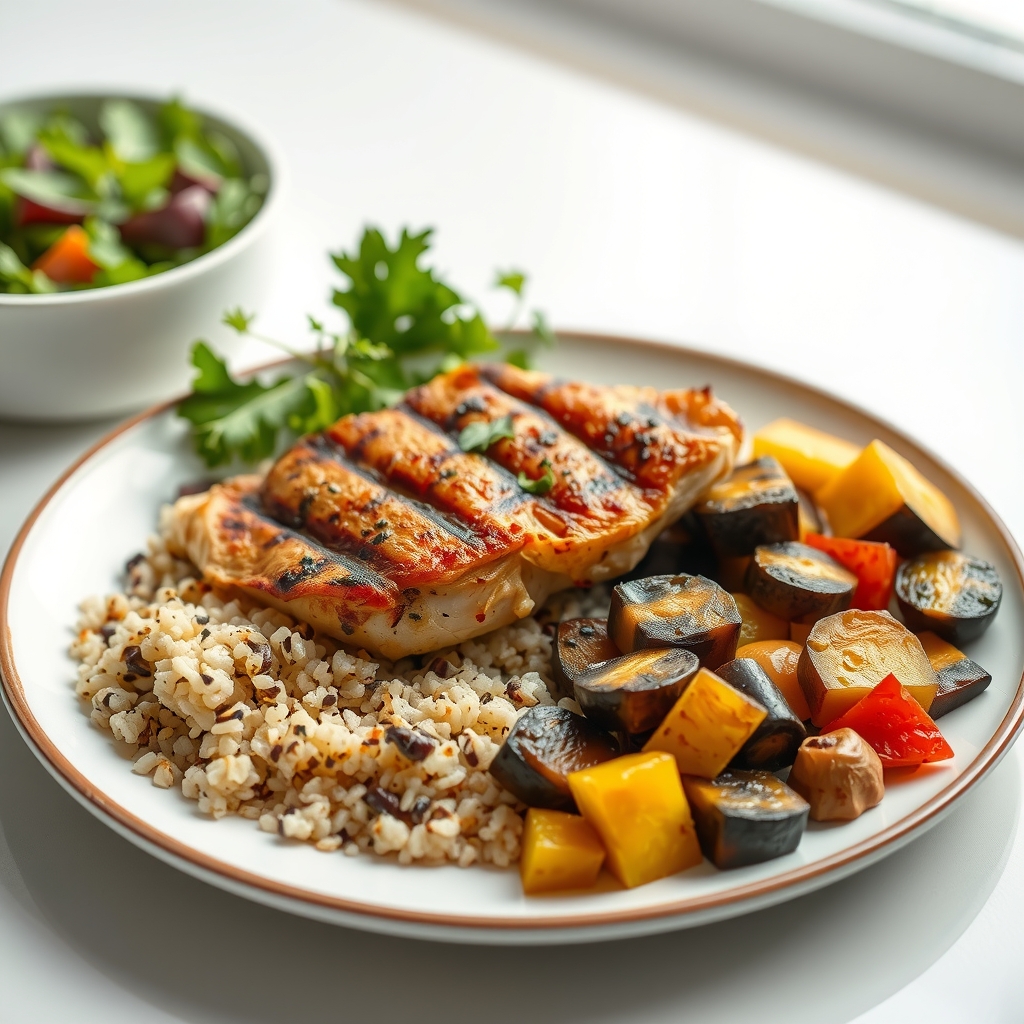
- Lean proteins: Skinless poultry, fish (like salmon or cod), tofu, and eggs (in moderation). These provide protein without excessive phosphorus.
- Low-potassium vegetables: Cabbage, cauliflower, lettuce, zucchini, and carrots. These are gentle on your kidneys while still packed with vitamins.
- Whole grains (in moderation): Brown rice, quinoa, or oats—choose lower-phosphorus options if needed.
- Fresh fruits (low-potassium): Apples, blueberries, strawberries, and watermelon. Avoid bananas, oranges, and tomatoes, which are higher in potassium.
- Healthy fats: Avocados (in moderation), olive oil, and nuts (like almonds or walnuts) can support your baby’s brain development without straining your kidneys.
- High-sodium foods: Processed meats (deli slices, sausages), canned soups, chips, and fast food. Even “low-sodium” options can add up—always check labels.
- High-potassium foods: Bananas, oranges, potatoes, spinach, and tomatoes. If you eat these, do so in small portions.
- High-phosphorus foods: Dairy (milk, cheese), nuts, and seeds. If you’re avoiding these, opt for fortified plant-based alternatives.
- Alcohol: Always avoid alcohol during pregnancy, as it has no kidney-friendly benefits and can harm your baby.
Pro tip: If you’re craving flavor, use herbs like parsley, cilantro, or basil instead of salt. Spices like turmeric, cumin, and paprika can add depth without the sodium.
For inspiration, check out our anti-inflammatory diet guide—many of the same principles apply, and you’ll find meal ideas that align with kidney-friendly goals.
--- ## **How to Transition to a Kidney-Friendly Diet While Pregnant** Switching to a new diet during pregnancy can feel overwhelming, especially if you’re used to indulging in salty snacks or processed foods. The good news? You don’t have to overhaul your entire routine overnight. Here’s how to make the transition smoothly:- Start with small swaps: Replace one high-sodium item per day with a healthier alternative. For example, swap your morning bagel with cream cheese for a slice of whole-grain toast with avocado.
- Read labels carefully: Even “healthy” foods can hide sodium. Choose canned beans or veggies labeled “no salt added” or “low-sodium.”
- Cook at home: Homemade meals let you control ingredients. Try batch-cooking proteins like chicken or lentils to use in salads, wraps, or stir-fries.
- Stay hydrated: Drink water consistently throughout the day. Herbal teas (like chamomile or peppermint) are also kidney-friendly.
- Listen to your body: If you feel lightheaded or fatigued, you might need to adjust portions or increase potassium-rich foods (like apples) to replenish electrolytes.
Real-world tip: Keep a pregnancy-friendly snack stash in your bag or car, like:
- Rice cakes with almond butter
- Fresh fruit (apples or berries)
- Unsalted popcorn
- Cheese sticks (if dairy is tolerated)
If you’re struggling, consider working with a registered dietitian who specializes in pregnancy nutrition. They can help tailor a plan that fits your tastes and lifestyle.
--- ## **Can a Kidney-Friendly Diet Help with Gestational Diabetes?** Gestational diabetes (GDM) affects about 7% of pregnancies and increases the risk of complications like macrosomia (a very large baby) and preeclampsia. While a kidney-friendly diet isn’t the first line of treatment for GDM, some of its principles can complement a diabetes-friendly diet—particularly when it comes to blood sugar and blood pressure control.Here’s how they overlap:
- Lower sodium intake: Reducing sodium can help manage blood pressure, which is often elevated in women with GDM.
- Moderate protein: Too much protein can spike blood sugar, but the right amount supports muscle growth without overloading your system.
- Fiber-rich foods: Many kidney-friendly foods (like oats and leafy greens) are also low-glycemic, helping stabilize blood sugar.
However, a kidney-friendly diet isn’t a substitute for a GDM-specific meal plan. If you have GDM, your provider will likely recommend:
- Frequent, balanced meals with complex carbs
- Portion control for high-carb foods
- Regular blood sugar monitoring
That said, if you’re managing both GDM and hypertension, your dietitian might combine elements of both approaches. For example, you could focus on:
- Lean proteins (like grilled chicken) paired with non-starchy veggies (like zucchini)
- Healthy fats (avocado or olive oil) to slow digestion and prevent blood sugar spikes
- Avoiding sugary or processed foods entirely
- Assuming all low-sodium foods are safe: Some “low-sodium” processed foods still contain additives or hidden salts. Always check labels for ingredients like monosodium glutamate (MSG) or sodium citrate.
- Skipping meals to “save” calories: Your baby needs consistent nutrition. Focus on balanced portions rather than restricting.
- Over-relying on supplements: While some supplements (like folic acid) are essential, don’t assume you can replace whole foods with pills. Aim for a variety of nutrients from real food first.
- Ignoring thirst cues: Dehydration can mimic kidney strain. Drink water consistently, even if you’re not thirsty.
- Not adjusting for cravings: If you’re craving salt, it might be a sign your body needs more electrolytes. Try adding a pinch of Himalayan salt to your water (if approved by your provider).
- Comparing yourself to others: Every pregnancy is different. What works for one woman might not work for another. Trust your provider’s guidance.
- Myth: A kidney-friendly diet will stunt my baby’s growth. Fact: If followed correctly, this diet provides balanced nutrition without compromising fetal development. Protein and other nutrients are still available in safe amounts.
- Myth: I can’t eat any fruits or vegetables. Fact: You can enjoy many fruits and veggies—just choose lower-potassium options like apples, berries, and leafy greens. Avoid bananas, oranges, and tomatoes in excess.
- Myth: This diet is only for women with kidney disease. Fact: While it’s commonly associated with CKD, it can also benefit women with gestational hypertension, preeclampsia, or GDM by managing blood pressure and fluid balance.
- Myth: I have to give up all dairy. Fact: Dairy is limited due to phosphorus content, but you can opt for low-fat or fortified plant-based alternatives like unsweetened almond milk or soy yogurt.
- Myth: I can’t eat out or socialize while on this diet. Fact: With planning, you can enjoy meals out. Opt for grilled proteins, salads without heavy dressings, and ask for sauces on the side.
- This diet can help manage blood pressure, reduce fluid retention, and support kidney function—especially for women with gestational hypertension or preeclampsia.
- Focus on lean proteins, low-potassium fruits/veggies, and whole grains while limiting sodium, processed foods, and high-potassium items.
- Transition gradually to avoid nutrient deficiencies or digestive issues.
- Always check with your provider before making changes, especially if you have pre-existing kidney conditions or GDM.
- Monitor how you feel—fatigue, dizziness, or extreme cravings may signal adjustments are needed.
- Combine this diet with regular prenatal care to ensure both you and your baby are thriving.
- Severe dizziness or fainting (could indicate low blood pressure or electrolyte imbalances).
- Persistent swelling or rapid weight gain (may signal preeclampsia).
- Blood in your urine or severe back pain (could indicate kidney complications).
- Extreme fatigue or muscle cramps (may suggest potassium or magnesium deficiency).
- Uncontrolled blood pressure readings (consistently above 140/90 mmHg).
- Signs of dehydration (dark urine, dizziness, confusion).
- American College of Obstetricians and Gynecologists (ACOG). (2023). *Gestational Hypertension and Preeclampsia*. Retrieved from [ACOG.org](https://www.acog.org)
- Journal of Human Hypertension. (2022). *Sodium Reduction and Blood Pressure in Pregnancy*. DOI: 10.1038/s41371-022-00712-3
- National Kidney Foundation. (2023). *Diet and Kidney Disease*. Retrieved from [Kidney.org](https://www.kidney.org)
- Mayo Clinic. (2023). *Gestational Diabetes: Diet and Nutrition*. Retrieved from [MayoClinic.org](https://www.mayoclinic.org)
- American Dietetic Association (now Academy of Nutrition and Dietetics). (2021). *Nutrition During Pregnancy*. Retrieved from [EatRight.org](https://www.eatright.org)
If you’re curious about how other diets compare, check out our Blue Zones diet guide—it’s another approach that emphasizes whole foods and long-term health.
--- ## **Kidney-Friendly Diet vs. Low-Sodium Diet: What’s the Difference?** You might be wondering: is a kidney-friendly diet the same as a low-sodium diet? Not quite. While they share some similarities, they’re designed for different goals: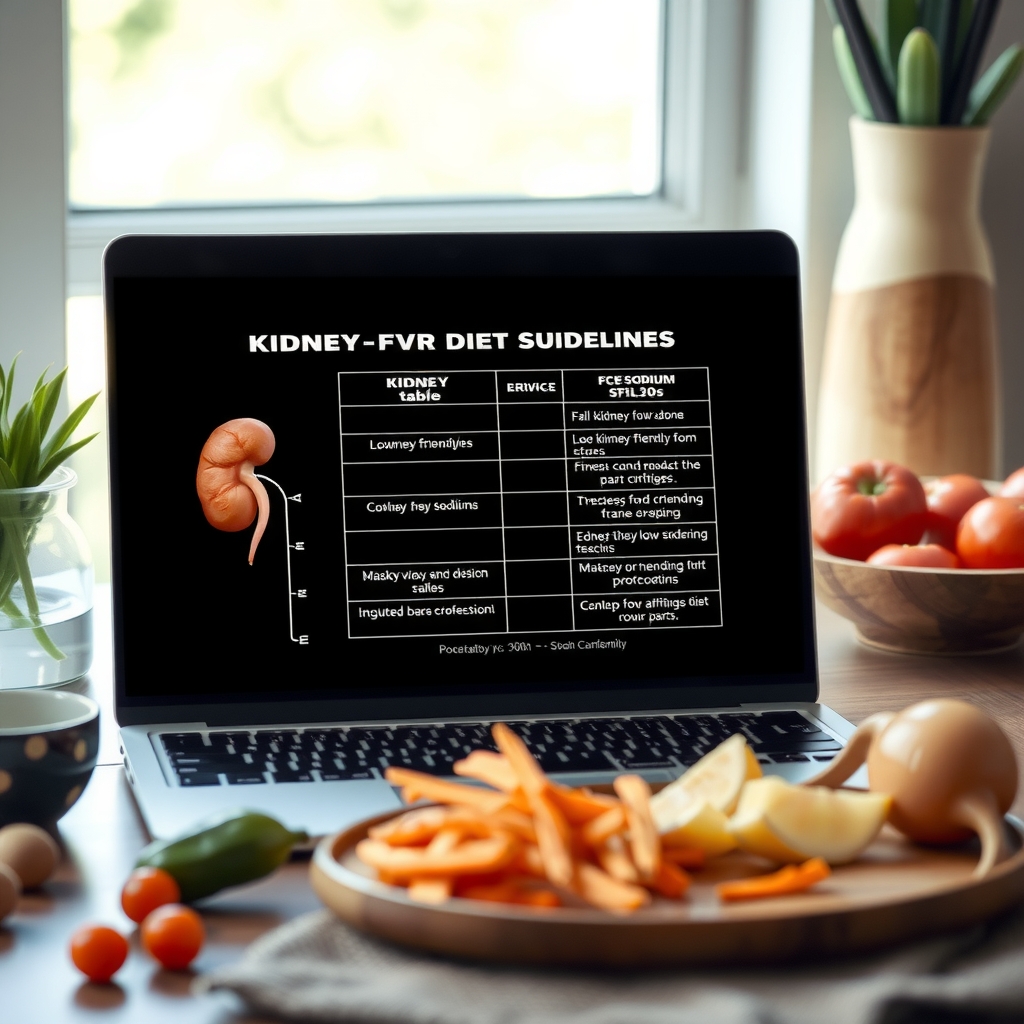
| Focus Area | Kidney-Friendly Diet | Low-Sodium Diet |
|---|---|---|
| Primary Goal | Manages kidney function, blood pressure, and electrolyte balance. | Reduces blood pressure by limiting sodium intake. |
| Sodium Limit | Typically 1,500–2,000 mg/day (lower if CKD is present). | 2,300 mg/day (standard) or 1,500 mg/day (DASH diet). |
| Protein Control | Moderates protein to reduce kidney strain (0.6–0.8 g/kg body weight). | No specific protein limits (unless CKD is involved). |
| Potassium & Phosphorus | Carefully monitored to prevent imbalances. | Not typically restricted unless CKD is present. |
| Best For | Pregnant women with gestational hypertension, preeclampsia, or CKD. | General blood pressure management or heart health. |
For pregnancy, a low-sodium diet is often the safer starting point unless your provider identifies kidney-specific concerns. However, if you’re managing both hypertension and kidney function, a kidney-friendly approach may be recommended.
--- ## **Kidney-Friendly Diet Meal Plan for Pregnant Women** Ready to try a kidney-friendly meal plan? Below is a sample 7-day plan designed to support pregnancy while keeping kidney function in mind. Adjust portions based on your provider’s recommendations and your hunger cues.Note: Always check with your provider before making major changes, especially if you have pre-existing kidney issues or GDM.
| Day | Breakfast | Lunch | Dinner | Snacks |
|---|---|---|---|---|
| Day 1 | Scrambled eggs with spinach (low-potassium) and whole-grain toast | Grilled chicken salad with lettuce, cucumber, and olive oil dressing | Baked cod with quinoa and steamed zucchini | Apple slices with almond butter (small portion) |
| Day 2 | Oatmeal with blueberries and a drizzle of honey | Turkey lettuce wraps with avocado (small portion) and salsa | Stuffed bell peppers (low-potassium veggies and lean ground turkey) | Rice cakes with hummus |
| Day 3 | Greek yogurt (low-fat, if tolerated) with raspberries | Quinoa bowl with grilled shrimp, cabbage, and olive oil | Baked chicken with mashed cauliflower and roasted carrots | Cheese sticks (if dairy is tolerated) |
| Day 4 | Smoothie with unsweetened almond milk, banana (small portion), and spinach | Lentil soup (low-sodium) with a side of whole-grain bread | Grilled salmon with roasted Brussels sprouts and wild rice | Popcorn (air-popped, no salt) |
| Day 5 | Avocado toast (small portion) with smoked salmon | Chickpea salad (low-sodium) with cucumber and olive oil | Turkey meatballs with zucchini noodles and marinara (low-sodium) | Berries with a sprinkle of chia seeds |
| Day 6 | Scrambled tofu with sautéed mushrooms and whole-grain toast | Grilled chicken Caesar salad (no croutons, low-sodium dressing) | Baked chicken with roasted cauliflower and quinoa | Celery sticks with almond butter |
| Day 7 | Chia pudding with coconut milk and strawberries | Shrimp and vegetable stir-fry (low-sodium soy sauce) | Beef stir-fry with bell peppers, snap peas, and brown rice | Hard-boiled egg with a sprinkle of black pepper |
Pro tip: If you’re craving something sweet, try baked apples with cinnamon or dark chocolate (70% or higher) in small amounts. Both are lower in potassium and phosphorus compared to other sweets.
--- ## **Common Mistakes to Avoid on a Kidney-Friendly Diet** Even with the best intentions, it’s easy to make mistakes when following a kidney-friendly diet during pregnancy. Here are the most common pitfalls—and how to avoid them:Real-world advice: Keep a food diary for a few days to track how you feel after meals. If you notice bloating, fatigue, or other discomforts, it might be a sign to adjust your intake.
--- ## **Myth vs. Fact: Kidney-Friendly Diet During Pregnancy** Misinformation about dietary restrictions during pregnancy can be confusing. Let’s clear up a few common myths:If you’re managing chronic kidney disease (CKD) or have a history of kidney issues, your provider may recommend working with a nephrologist (kidney specialist) to create a plan that supports both your pregnancy and kidney health.
--- ## **References**

