Conditional: Is top rope climbing safe during pregnancy? With modifications and doctor approval, it can be. Avoid high-risk falls, especially in later
By Shubhra Mishra — a mom of two who turned her own confusion during pregnancy into BumpBites, a global mission to make food choices clear, safe, and stress-free for every expecting mother. 💛
Check whether any food is safe during pregnancy with the BumpBites Food Safety Checker.
Quick verdict: ⚠️ Talk to your doctor first. While low-impact exercise is encouraged during pregnancy, top rope climbing carries specific risks due to potential falls, harness pressure, and changes to your body, making personalized medical advice essential before continuing.
The thrill of reaching the top, the mental puzzle of a route, the physical challenge – if you're a climber, the thought of giving it up during pregnancy can be daunting. You might be staring at your harness, wondering, "is top rope climbing safe during pregnancy?" Perhaps you just found out you're expecting and you've been climbing regularly, or you're considering starting a new activity. It's completely natural to feel anxious and seek clear answers, especially when it comes to activities that involve height and potential falls.
At BumpBites, we understand these worries. Your priority is the health of your baby, and our goal is to provide evidence-based, reassuring information to help you make informed decisions. While staying active is generally beneficial during pregnancy, certain sports, like top rope climbing, require careful consideration due to their unique demands on your changing body and the potential for specific risks. We'll break down the current recommendations, discuss potential dangers, and explore how you might modify your climbing or find safer alternatives to keep you moving throughout your pregnancy journey.
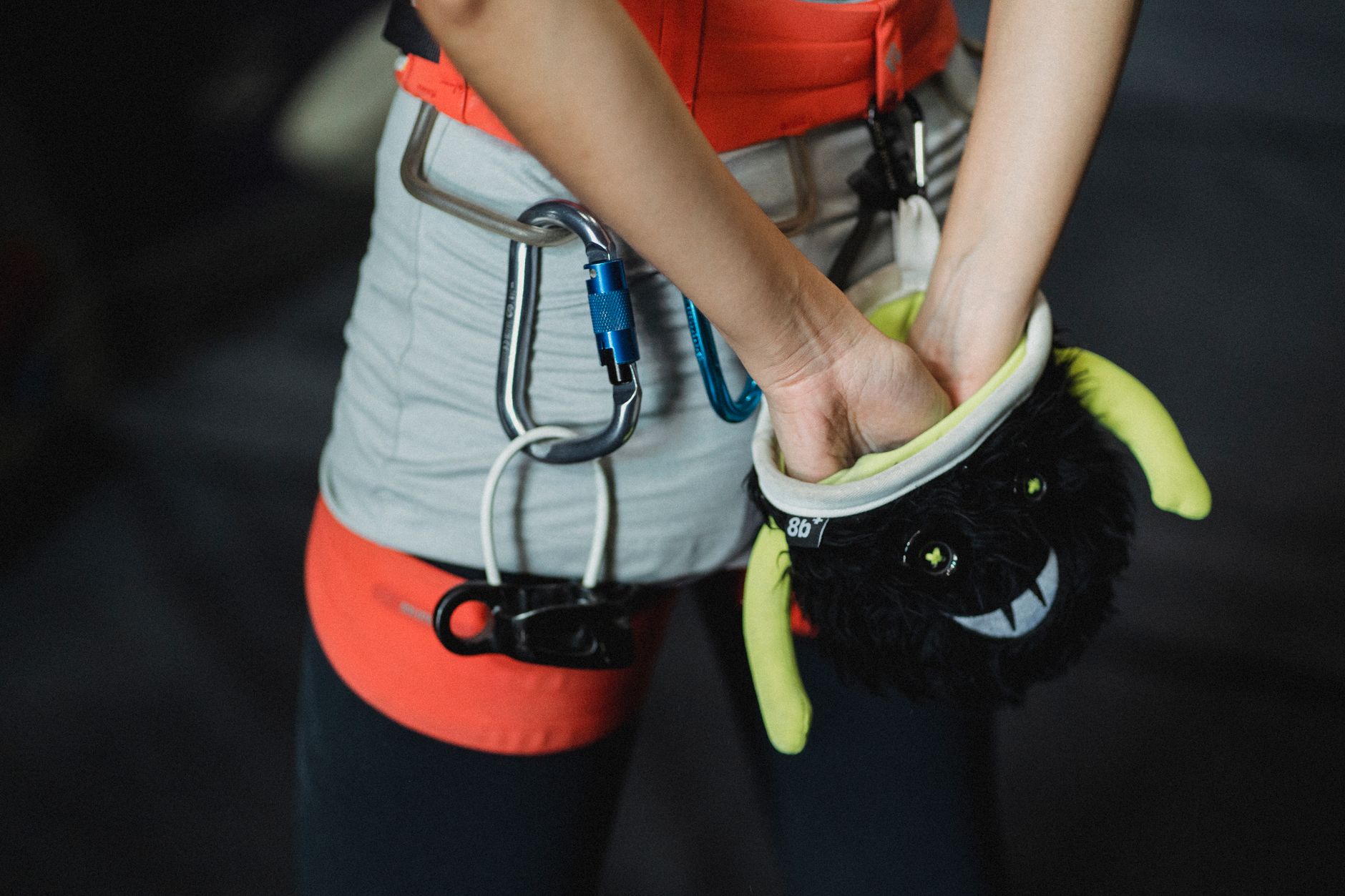
Always inspect your climbing gear thoroughly before each use, especially when considering modifications for pregnancy.
Safety Snapshot: Top Rope Climbing During Pregnancy
Trimester/Stage
Verdict
Notes
First Trimester
⚠️ Talk to your doctor first
Generally considered lower risk than later trimesters for falls, but fatigue, nausea, and early ligament changes can impact safety. Avoid new routes or pushing limits.
Second Trimester
⚠️ Talk to your doctor first
Shifting center of gravity, increasing ligament laxity, and abdominal growth increase fall risk and harness pressure concerns. Consider significant modifications or alternatives.
Third Trimester
❌ Best avoided
High risk of falls, significant balance changes, extreme ligament laxity, and direct abdominal pressure from harnesses make it largely unsafe. Focus on low-impact, ground-based activities.
While Breastfeeding
✅ Generally safe
Safe to resume once cleared by your doctor postpartum, paying attention to hydration, energy levels, and breast comfort.
What is Top Rope Climbing?
Top rope climbing is a form of rock climbing where the rope passes through an anchor system at the top of the climb and back down to a belayer on the ground. This setup means that if the climber falls, they will only drop a very short distance, typically just a few inches, before the rope catches them. It's often considered the safest and most accessible form of climbing, making it popular for beginners and those looking to practice technique without the higher risks associated with lead climbing or bouldering.
In top roping, the climber is tied into one end of the rope, and the belayer manages the other end, taking up slack as the climber ascends. The anchor at the top is pre-set, usually by a more experienced climber or gym staff, ensuring a secure point for the rope. This method provides a constant level of security, as the climber is always supported by the rope from above. Climbers use specialized gear, including a harness, climbing shoes, and chalk, to aid their ascent. The focus is on technique, strength, and endurance, making it a full-body workout that engages many muscle groups.
Is Top Rope Climbing Safe During Pregnancy?
The question of "is top rope climbing safe during pregnancy?" is complex, and the general consensus among obstetric experts is that it depends heavily on individual circumstances, experience level, and trimester. While the American College of Obstetricians and Gynecologists (ACOG) generally recommends 150 minutes of moderate-intensity aerobic activity per week for pregnant individuals, they also advise against activities with a high risk of falling or abdominal trauma. Top rope climbing, despite its relative safety compared to other climbing disciplines, falls into this category.
For individuals who were experienced top rope climbers before pregnancy, continuing the activity with significant modifications and direct medical supervision might be possible in the early stages. However, even for experienced climbers, the physiological changes of pregnancy introduce new risks. Your center of gravity shifts, ligaments become more lax due to hormones like relaxin, and your balance can be compromised. These factors increase the risk of falls, which can be dangerous for both you and your baby. Additionally, the pressure of a standard climbing harness across the abdomen becomes a concern as the pregnancy progresses.
The National Institute for Health and Care Excellence (NICE) in the UK also advises caution with activities that carry a risk of falling. The primary concern isn't just the fall itself, but the potential for direct abdominal trauma or placental abruption, where the placenta separates from the uterus. Given these risks, most obstetricians recommend either significantly modifying top rope climbing or discontinuing it altogether, especially as pregnancy advances. Always have an open and honest conversation with your healthcare provider about your specific climbing habits and medical history before making any decisions.
Protecting your growing belly is paramount when considering any physical activity during pregnancy.
Is top rope climbing safe in the first trimester of pregnancy?
In the first trimester, the risk of a fall directly impacting the fetus is generally lower because the uterus is still protected deep within the pelvis. However, this doesn't mean top rope climbing is without risk. Many pregnant individuals experience significant fatigue, nausea, and dizziness during the first trimester, which can impair judgment, coordination, and strength, thereby increasing the chance of a fall. Hormonal changes also begin to affect ligaments, making them slightly more pliable, which can increase the risk of joint injury, even with a minor twist or awkward movement.
If you're an experienced climber and your healthcare provider gives you the green light, it's crucial to listen to your body and make adjustments. Avoid pushing your limits, trying new challenging routes, or climbing when you feel unwell. Hydration is also key, as overheating can be a concern even in early pregnancy. Focus on familiar, easier routes, and consider using a full-body harness instead of a standard waist harness to distribute pressure away from the pelvis. For those who are new to climbing, the first trimester is generally not the time to start top rope climbing.
What are the risks of top rope climbing in the second trimester?
The second trimester introduces more pronounced physiological changes that significantly impact the safety of top rope climbing. Your uterus begins to expand out of the pelvis, making the abdomen more vulnerable to direct trauma. Your center of gravity also starts to shift forward and upward as your belly grows, which can dramatically affect your balance and coordination on the wall. This altered balance increases your risk of falling, even on routes you previously found easy.
Ligament laxity, primarily due to the hormone relaxin, becomes more significant in the second trimester. This can lead to increased joint instability, particularly in the pelvis, hips, and knees. A seemingly minor awkward movement or fall that might have been harmless pre-pregnancy could now result in a sprain or strain. Furthermore, the pressure from a standard climbing harness around the waist can become uncomfortable and potentially unsafe for the growing uterus. For these reasons, many climbers transition to a full-body harness or significantly reduce their climbing intensity and height, or stop altogether, during this period.
Can you top rope climb in the third trimester of pregnancy?
By the third trimester, top rope climbing is generally considered unsafe and is best avoided by most pregnant individuals. The risks associated with climbing become much higher due to several factors. Your center of gravity is significantly altered, making falls much more likely. Ligament laxity is at its peak, increasing the risk of serious joint injury from even small slips or twists. The increased weight and size of your belly make maneuvering on the wall cumbersome and challenging, further compromising balance and agility.
Most critically, the uterus is now very exposed, and any fall, even a short one caught by a top rope, carries a substantial risk of direct abdominal trauma. This could lead to serious complications such such as placental abruption, preterm labor, or fetal injury. Standard climbing harnesses are no longer appropriate as they would put direct pressure on the uterus. While full-body harnesses can mitigate some pressure, the overall risk of falling and the potential consequences are too high for most healthcare providers to recommend continuing top rope climbing in the third trimester. Safer, low-impact alternatives are strongly encouraged.
Top Rope Climbing While Breastfeeding
Once you've given birth and received clearance from your healthcare provider (typically around 6 weeks postpartum for vaginal births and longer for C-sections), top rope climbing can generally be resumed safely while breastfeeding. The primary considerations are hydration, energy levels, and breast comfort. Breastfeeding can be dehydrating, so it's essential to drink plenty of water before, during, and after climbing sessions.
You might also find your energy levels are lower due to sleep deprivation and the demands of caring for a newborn. Listen to your body and gradually ease back into your climbing routine. Wearing a supportive, comfortable sports bra is also important, as engorged or tender breasts can make climbing uncomfortable. While ligament laxity from pregnancy hormones can persist for several months postpartum, for most individuals, this doesn't pose a significant barrier to resuming top rope climbing once they've recovered and regained their pre-pregnancy strength and stability. Always consult your doctor for personalized advice on returning to exercise postpartum.
How Should I Modify Top Rope Climbing If Pregnant?
If your healthcare provider has deemed it safe for you to continue top rope climbing, significant modifications are crucial to minimize risks. The most important modification is switching from a standard waist harness to a full-body harness, specifically one designed for pregnancy or industrial safety. This type of harness distributes pressure across your shoulders and upper torso, avoiding direct compression on your abdomen and growing uterus. The safety of indoor rock climbing during pregnancy often hinges on this harness adjustment.
Other vital modifications include:
Choose easier routes: Stick to routes well within your comfort zone, focusing on technique and gentle movement rather than pushing strength or endurance limits.
Stay low: Avoid climbing to great heights. Consider "bouldering" at the base of top rope walls without going high, or simply climbing a few feet off the ground and descending.
Focus on controlled movements: Avoid dynamic moves, jumping, or anything that could lead to sudden loss of balance.
Hydrate frequently: Carry a water bottle and drink regularly to prevent overheating and dehydration.
Take frequent breaks: Rest whenever you feel fatigued or out of breath.
Communicate with your belayer: Ensure your belayer is attentive and understands your need for very tight belays, minimizing any potential fall distance.
Avoid crowded times: Climbing when the gym is less busy can reduce the risk of accidental bumps or jostling.
Listen to your body: Any pain, dizziness, or discomfort is a sign to stop immediately.
Can experienced climbers continue top rope climbing during pregnancy?
Experienced climbers often have superior body awareness, technique, and strength, which can be advantageous. However, even for seasoned climbers, pregnancy introduces physiological changes that cannot be entirely overcome by experience. As discussed, the shifting center of gravity, increased ligament laxity, and the growing abdomen pose new risks. While an experienced climber might be more adept at avoiding falls, the consequences of a fall are still severe.
If an experienced climber wishes to continue, it's imperative to:
Consult their obstetrician: This is non-negotiable. The doctor needs to be aware of the specific activity and provide personalized guidance based on the individual's health and pregnancy progression.
Adopt all modifications: As detailed above, a full-body harness is essential, along with sticking to easy routes and avoiding height.
Prioritize safety over performance: The goal shifts entirely from sending a challenging route to maintaining gentle activity and protecting the pregnancy.
Be prepared to stop: Many experienced climbers find that as their pregnancy progresses, the modifications become so extensive that the activity is no longer enjoyable or feels safe, leading them to transition to other forms of exercise.
⚠ Side Effects and Risks
While top rope climbing is generally considered safer than other forms of climbing, pregnancy introduces specific risks that warrant caution. Understanding these potential dangers is crucial for making informed decisions.
What are the specific dangers of falling while top rope climbing when pregnant?
Even with a top rope setup designed to minimize fall distance, a fall during pregnancy carries significant risks beyond what a non-pregnant person might experience:
Direct Abdominal Trauma: A fall, even a short one, can lead to your abdomen hitting the wall, a hold, or even the ground if the belay is not perfectly tight. Direct trauma to the abdomen can cause severe complications such as placental abruption (where the placenta detaches from the uterine wall), preterm labor, or uterine rupture, all of which can be life-threatening for both mother and baby.
Impact from Gear: While unlikely with a proper full-body harness, a misplaced or improperly worn harness could still cause impact on the belly during a fall or swing.
Twisting Injuries: Even if a fall is caught quickly, the sudden jolt and twisting motion can exacerbate ligament laxity, leading to sprains, strains, or dislocations, particularly in the pelvis, hips, and ankles.
What physical conditions make top rope climbing unsafe during pregnancy?
Certain pre-existing conditions or pregnancy complications can make top rope climbing — and sometimes even moderate exercise — unsafe. These include:
Preeclampsia or gestational hypertension: High blood pressure conditions.
Placenta previa: When the placenta covers the cervix.
Premature rupture of membranes: Your water breaking early.
Cervical insufficiency: A weakened cervix.
Vaginal bleeding: Any unexplained bleeding during pregnancy.
History of preterm labor: Increased risk of early delivery.
Severe anemia: Can lead to fatigue and dizziness.
Heart or lung disease: Conditions that affect your ability to handle physical exertion.
Extreme fatigue, dizziness, or nausea: These common pregnancy symptoms can significantly increase your risk of falling.
Round ligament pain: Can be exacerbated by sudden movements or stretches.
Always discuss your full medical history and any pregnancy complications with your healthcare provider before considering any exercise, especially activities like top rope climbing.
Hydration and Overheating: Pregnant individuals have a higher core body temperature and a reduced ability to dissipate heat. Strenuous exercise, especially in warm climbing gyms, can lead to overheating, which can be dangerous for the developing fetus, particularly in the first trimester. Adequate hydration is crucial to prevent this. Dehydration can also lead to contractions.
Ligament Laxity: The hormone relaxin, which increases during pregnancy, loosens ligaments throughout the body, preparing the pelvis for childbirth. While beneficial for delivery, it also increases the risk of sprains, strains, and joint instability, especially in weight-bearing joints like the ankles, knees, and hips, during activities involving dynamic movements or awkward positions. This increased laxity can make falls more likely and injuries more severe.
Harness Pressure: As the abdomen grows, a standard waist harness can exert direct pressure on the uterus. This pressure is not only uncomfortable but could potentially restrict blood flow or cause trauma to the fetus, particularly in later trimesters. This is why a full-body harness is an absolute necessity if you continue to climb.
Safer Alternatives to Top Rope Climbing During Pregnancy
If top rope climbing becomes too risky or uncomfortable, or if your doctor advises against it, there are many excellent and safer ways to stay active during pregnancy. These alternatives can help maintain your fitness, strength, and mental well-being without the associated risks of falling or abdominal trauma.
Walking: Accessible, low-impact, and can be done almost anywhere. It's excellent for cardiovascular health and maintaining mobility.
Swimming: Provides a full-body workout without impact on joints. The buoyancy of water can also relieve pressure on your back and joints, making it very comfortable as your pregnancy progresses.
Prenatal Yoga: Focuses on flexibility, strength, and breathing techniques, which are beneficial for labor. Many studios offer specialized prenatal classes.
Stationary Cycling: A great cardio workout with no risk of falling. You can control the intensity and duration, and it's easy on the joints.
Elliptical Trainer: Offers a full-body, low-impact cardio workout that mimics running but without the joint stress.
Light Resistance Training: Using light weights, resistance bands, or your body weight can help maintain muscle strength, which is important for carrying your growing baby and for postpartum recovery. Focus on proper form and avoid heavy lifting or exercises that strain your core.
Gentle Hiking: On well-maintained, flat, or gently sloping trails, hiking can be a wonderful way to get exercise and enjoy nature. Be mindful of uneven terrain and choose paths where the risk of tripping or falling is minimal.
Belaying: While not climbing yourself, you can often continue to belay for a partner if you use a comfortable chair or stool and ensure you have a secure, stable position. However, some women find the pulling and bracing motions uncomfortable as pregnancy progresses, so always listen to your body.
Related Items – Safety at a Glance
Understanding the safety of top rope climbing also means knowing how it compares to other similar activities. Here's a quick look at the pregnancy safety verdict for related sports:
Activity
Verdict
Note
Bouldering
❌ Best avoided
High risk of uncontrolled falls, even from short heights, and potential for awkward landings.
Lead Climbing
❌ Best avoided
Significantly higher fall distances and greater risk of dynamic falls compared to top roping. You can learn more about lead climbing safety during pregnancy.
Ice Climbing
❌ Best avoided
Extreme fall risk, exposure to cold, and use of sharp tools make it highly unsafe.
Scuba Diving
❌ Best avoided
Risk of decompression sickness for the fetus due to pressure changes.
Horseback Riding
❌ Best avoided
High risk of falls, even with experienced riders, and potential for direct abdominal trauma.
Skiing (Downhill)
❌ Best avoided
High risk of falls, collisions, and potential for abdominal trauma. Cross-country skiing on flat terrain may be an option with doctor approval.
Mountain Biking
❌ Best avoided
High risk of falls, rough terrain, and potential for jarring impacts.
Skydiving
❌ Best avoided
Extreme forces, rapid pressure changes, and high risk of impact.
Myth vs. Fact
There are many misconceptions about exercise during pregnancy, especially for active individuals. Let's clear up some common myths about climbing and pregnancy.
Myth: If you were very active before pregnancy, you can continue all your activities exactly as before.
Fact: While continuing exercise is encouraged, pregnancy changes your body in fundamental ways (ligament laxity, shifting center of gravity, increased blood volume, etc.) that necessitate modifications or even cessation of certain activities, regardless of your pre-pregnancy fitness level. Activities with a high risk of falling or abdominal trauma should be carefully re-evaluated.
Myth: A short fall on a top rope is harmless because the rope catches you quickly.
Fact: Even a short fall can lead to your abdomen hitting the climbing wall or a hold, causing direct trauma to the uterus. The sudden jolt or swing can also cause twisting injuries due to increased ligament laxity. The severity of potential harm to the fetus or placenta means that even minor falls carry significant risk.
Myth: Full-body harnesses completely eliminate the risk of climbing during pregnancy.
Fact: While a full-body harness is essential for redistributing pressure away from the abdomen, it does not eliminate other risks like falls, joint injuries due to ligament laxity, or overheating. It mitigates one specific risk but doesn't make top rope climbing inherently safe for all pregnant individuals.
Key Takeaways
Consult your healthcare provider before continuing or starting top rope climbing during pregnancy.
Top rope climbing carries inherent risks of falling and abdominal trauma, which increase as pregnancy progresses.
A full-body harness is essential to avoid pressure on the growing abdomen if you continue to climb.
Your shifting center of gravity and increased ligament laxity increase your risk of falls and joint injuries.
Listen to your body, stay well-hydrated, avoid overheating, and choose easier, lower routes.
Safer alternatives like swimming, walking, and prenatal yoga are excellent ways to stay active.
Frequently Asked Questions
Can you rock climb while pregnant?
Whether you can rock climb while pregnant depends on the type of climbing, your experience level, and your trimester. Top rope climbing with significant modifications and doctor approval might be possible in early pregnancy for experienced climbers, but bouldering and lead climbing are generally advised against due to higher fall risks. Always prioritize safety and consult your obstetrician.
What exercises should pregnant women avoid?
Pregnant women should generally avoid exercises with a high risk of falling (e.g., horseback riding, downhill skiing, mountain biking, gymnastics), contact sports, activities involving direct abdominal trauma, activities at high altitudes without acclimatization, and scuba diving due to pressure changes. Listen to your body and avoid anything that causes pain, dizziness, or overheating.
Is bouldering safe during pregnancy?
No, bouldering is generally not considered safe during pregnancy. Bouldering involves climbing without ropes or harnesses over crash pads, typically to heights where a fall could still result in significant injury. The high risk of uncontrolled falls and potential for awkward landings or direct abdominal impact makes it unsuitable for pregnant individuals, regardless of experience.
Can you belay while pregnant?
Belaying for a partner might be possible during pregnancy, especially in the first trimester, provided you are comfortable, stable, and using proper technique. However, as your pregnancy progresses, the bracing and pulling motions, as well as prolonged standing, might become uncomfortable or strain your back and pelvis. Always listen to your body and ensure you have a secure, seated position if needed.
What are the risks of falling during pregnancy?
The risks of falling during pregnancy include direct abdominal trauma, which can lead to serious complications like placental abruption, preterm labor, or fetal injury. Falls can also cause maternal injuries such as fractures, sprains, or strains, particularly given increased ligament laxity. The consequences are generally more severe in the second and third trimesters when the uterus is more exposed.
When should I stop doing strenuous exercise during pregnancy?
You should stop strenuous exercise if you experience any warning signs like vaginal bleeding, dizziness, headache, chest pain, muscle weakness, calf pain or swelling, preterm labor, decreased fetal movement, or fluid leaking from the vagina. Beyond these symptoms, most healthcare providers recommend reducing intensity and avoiding high-risk activities as pregnancy progresses, especially in the third trimester.
Is it safe to go to a climbing gym while pregnant?
Going to a climbing gym while pregnant can be safe if you stick to very modified activities or non-climbing exercises. For instance, you might use the gym's fitness equipment, perform light bodyweight exercises, or belay for a partner (if comfortable). However, actively climbing, especially bouldering or lead climbing, carries significant risks. Always discuss your plans with your doctor and follow their specific advice for indoor rock climbing safety during pregnancy.
When to Call Your Doctor
It's crucial to be vigilant for any warning signs during or after any physical activity while pregnant. Stop climbing immediately and contact your healthcare provider if you experience any of the following:
Vaginal bleeding or fluid leakage
Dizziness or feeling faint
Headache
Chest pain
Muscle weakness
Calf pain or swelling
Preterm labor contractions
Decreased fetal movement
Sudden swelling of the ankles, hands, or face
Abdominal pain or persistent uterine contractions
Difficulty breathing before exertion
This information is for educational purposes only and is not a substitute for professional medical advice. Always consult with your doctor or healthcare provider for any health concerns or before making any decisions related to your health or treatment.
References
American College of Obstetricians and Gynecologists (ACOG). (2020). Physical Activity and Exercise During Pregnancy and the Postpartum Period. Committee Opinion No. 804.
National Institute for Health and Care Excellence (NICE). (2021). Antenatal care: Clinical guideline [CG62].
Centers for Disease Control and Prevention (CDC). (2022). Physical Activity During Pregnancy.
Mayo Clinic. (2023). Exercise during pregnancy: What's safe?
Not sure about the label on Is Top Rope Climbing Safe During Pregnancy products?
Snap the ingredients list and SafeFilter checks every ingredient for your stage — only 3 free scans this month, then you're locked until reset. Unlimited from $7/mo or $50/yr.
When Shubhra Mishra was expecting her first child in 2016, she was overwhelmed by conflicting food advice — one site said yes, another said never. By the time her second baby arrived in 2019, she realized millions of mothers face the same confusion.
That sparked a five-year journey through clinical nutrition papers, cultural diets, and expert conversations — all leading to BumpBites: a calm, compassionate space where science meets everyday motherhood.
Her long-term vision is to build a global community ensuring safe, supported, and free deliveriesfor every mother — because no woman should face pregnancy alone or uninformed. 🌿
🌍 Stand with mothers, shape safer guidance
Join a small circle of experts who review BumpBites articles so expecting parents everywhere can decide with confidence.