Is Indoor Rock Climbing Safe During Pregnancy? The Verdict

Is Indoor Rock Climbing Safe During Pregnancy? The Verdict
On this page

Conditional: Is indoor rock climbing safe during pregnancy? Yes, with modifications, especially in later trimesters. Learn how to climb safely and what

Shubhra Mishra

By Shubhra Mishra — a mom of two who turned her own confusion during pregnancy into BumpBites, a global mission to make food choices clear, safe, and stress-free for every expecting mother. 💛

Are you a qualified maternal-health or nutrition expert? Join our reviewer circle.

Wondering about another food?

Check whether any food is safe during pregnancy with the BumpBites Food Safety Checker.

Quick verdict: ⚠️ Safe with limits. Indoor rock climbing can be a safe activity for some pregnant people, especially those who are experienced climbers, but it requires significant modifications and careful consideration of physical changes and potential risks as pregnancy progresses. Always talk to your healthcare provider first.
The moment you see that positive pregnancy test, a thousand questions race through your mind – especially if you have an active lifestyle. If you're a regular at the climbing gym, you're likely wondering, "is rock climbing indoor safe during pregnancy?" It's a common and completely valid concern, and we understand the desire to maintain your fitness and hobbies while ensuring your baby's safety. Many active parents-to-be grapple with how to adapt their routines, and rock climbing presents unique challenges due to its physical demands and potential for falls. The good news is that for many experienced climbers with uncomplicated pregnancies, indoor rock climbing can continue with appropriate modifications. However, it's not a "one-size-fits-all" answer. Your individual health, climbing experience, and how your body changes throughout pregnancy will all play a crucial role in determining what's safe for you. The key is to listen to your body, communicate openly with your healthcare provider, and make informed adjustments to your climbing routine. At BumpBites, we want to provide you with clear, evidence-based guidance so you can make confident decisions. We'll break down the safety of indoor rock climbing during each trimester, discuss essential modifications, explore potential risks, and offer safer alternatives if you decide to take a break from the walls.
Trimester/Phase Verdict Notes
First Trimester ✅ Generally Safe (with caveats) Often the safest period for experienced climbers, but fatigue, nausea, and increased ligament laxity can be factors. Avoid falls.
Second Trimester ⚠️ Safe with Limits Center of gravity shifts, belly grows, and risk of abdominal trauma from falls increases. Top-roping with a full-body harness is typically recommended. Avoid bouldering.
Third Trimester ❌ Best Avoided Significant shifts in balance, increased joint laxity, and pronounced risk of falls and abdominal trauma. Most healthcare providers recommend stopping climbing.
While Breastfeeding ✅ Generally Safe No direct risk to milk supply or baby from climbing. Focus on hydration and comfortable, supportive clothing.

What is Indoor Rock Climbing?

Indoor rock climbing is a sport where climbers ascend artificial rock walls in a controlled environment, typically using ropes, harnesses, and specialized shoes. These walls feature handholds and footholds of varying shapes and sizes, arranged to simulate different climbing routes. The activity offers a full-body workout, engaging muscles in the arms, legs, core, and back, while also challenging mental focus and problem-solving skills. There are several types of indoor rock climbing:
  • Top-Roping: The climber is secured by a rope that passes through an anchor at the top of the wall and back down to a belayer on the ground. This setup means that if the climber falls, they only drop a short distance.
  • Lead Climbing: The climber clips their rope into quickdraws as they ascend, leading the rope up the wall. This type involves a longer fall potential than top-roping, as the climber can fall twice the distance from their last clip.
  • Bouldering: This involves climbing shorter walls (typically under 15 feet) without ropes or harnesses, relying on thick padded mats below for protection. Bouldering often involves more dynamic, powerful moves.
Indoor climbing gyms provide a structured setting with safety equipment, trained staff, and a variety of routes for all skill levels. This controlled environment often makes it seem like a safer option than outdoor lead climbing, but pregnancy introduces unique considerations that require careful assessment.
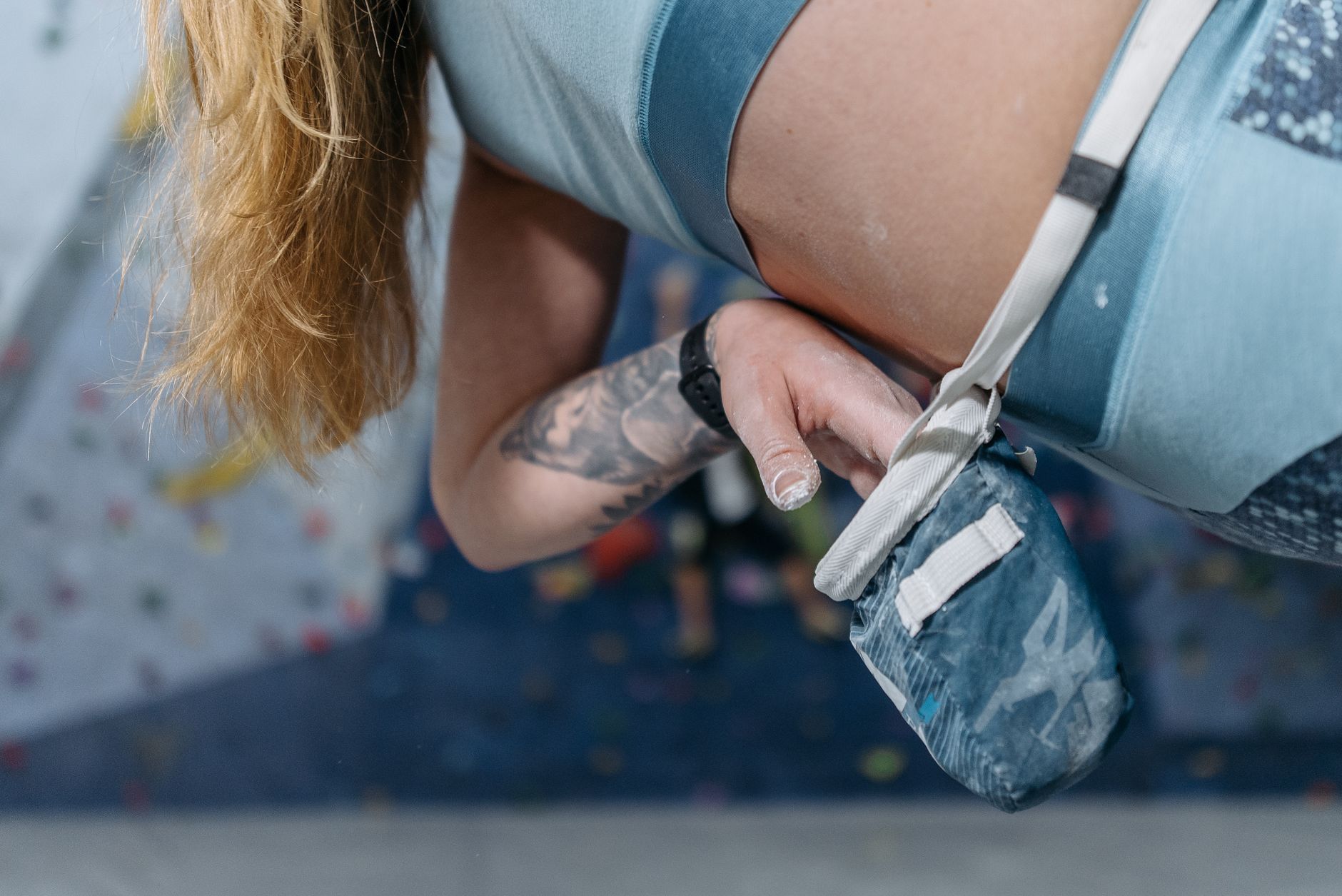
A close-up of a pregnant woman's hands, chalked, gripping a colorful rock climbing hold on an indoor wall, with a blurred background of other climbers.
Even experienced climbers need to assess their grip and balance carefully as their body changes during pregnancy.

Is Indoor Rock Climbing Safe During Pregnancy?

For
many individuals with uncomplicated pregnancies, indoor rock climbing can be continued with significant modifications, particularly in the first and second trimesters. However, it's crucial to understand that the primary concern is the risk of falls and direct abdominal trauma. The American College of Obstetricians and Gynecologists (ACOG) generally recommends that pregnant individuals continue moderate-intensity exercise, but they advise against activities with a high risk of falling or abdominal injury. Indoor rock climbing, especially bouldering or lead climbing, inherently carries a risk of falling. While gym environments are controlled and feature padded floors or belay systems, even a short fall or an awkward landing could potentially lead to serious complications for both you and your baby. This risk increases as your pregnancy progresses due to changes in your center of gravity, increased joint laxity, and the growing size of your uterus. Therefore, the safety of indoor rock climbing during pregnancy hinges on several factors: your pre-pregnancy climbing experience, the type of climbing you engage in, the modifications you implement, and, most importantly, ongoing consultation with your healthcare provider. For experienced climbers who are accustomed to the movements and demands of the sport, continuing with top-roping and a full-body harness may be an option initially. However, new climbers should absolutely avoid starting rock climbing during pregnancy. The UK's National Institute for Health and Care Excellence (NICE) guidelines also emphasize avoiding activities with a risk of falling, especially after the first trimester. The key takeaway is that while the activity itself isn't completely off-limits for everyone, the inherent risks demand a cautious approach. Your body is undergoing profound changes, and what felt safe before pregnancy might not be now. Prioritizing safety means being willing to adapt your passion or even pause it entirely for a period.

Safety by Trimester

Is indoor rock climbing safe during the first trimester?

The first trimester (weeks 1-12) is often considered the safest window for experienced climbers to continue indoor rock climbing, as your belly is not yet prominent, and your center of gravity hasn't significantly shifted. However, this period is also critical for fetal development, and early pregnancy symptoms can impact your ability to climb safely. Fatigue, nausea, and dizziness are common, and these can increase your risk of a fall. Additionally, hormonal changes, particularly the release of relaxin, begin to loosen ligaments and joints, making you more susceptible to sprains or strains. It's vital to listen to your body, reduce intensity, and prioritize routes that are well within your comfort zone. Avoid any dynamic or strenuous moves that could lead to a fall or overexertion. Top-roping is generally preferred over bouldering or lead climbing due to the reduced fall risk.

Can pregnant women safely climb indoors in the second trimester?

As you enter the second trimester (weeks 13-27), your energy levels may improve, but your body undergoes more noticeable changes. Your uterus begins to grow significantly, placing it outside the protective basin of your pelvis and making it more vulnerable to direct impact. Your center of gravity will also shift forward and upward, impacting your balance and making falls more likely. Ligament laxity continues to increase, further raising the risk of injury to joints like your hips, knees, and ankles. For these reasons, most experts, including ACOG, recommend extreme caution or cessation of activities with a fall risk. If you choose to continue, it is imperative to switch to a full-body harness to avoid any pressure on your abdomen. Stick to top-roping on easier, less strenuous routes, and completely avoid bouldering, which carries a higher risk of uncontrolled falls and awkward landings. Focus on controlled, static movements and prioritize stability over challenging ascents.

Indoor Rock Climbing in the Third Trimester

The third trimester (weeks 28-40) presents the highest risks for indoor rock climbing. Your belly is at its largest, significantly altering your balance and making falls much more probable. The increased weight and continued hormonal laxity put considerable strain on your joints, particularly your pelvis and lower back, making strenuous activity uncomfortable and potentially harmful. The risk of abdominal trauma from a fall or even a minor bump is highest during this period, which could lead to placental abruption or premature labor. Given these heightened risks, most obstetricians and major health organizations strongly recommend discontinuing indoor rock climbing altogether in the third trimester. Your focus should shift to gentle, low-impact exercises that support your body for labor and recovery.

Indoor Rock Climbing While Breastfeeding

Once your baby arrives and you begin breastfeeding, the good news is that indoor rock climbing is generally considered safe. There's no evidence that moderate exercise, including climbing, negatively impacts milk supply or quality, provided you stay well-hydrated and maintain adequate caloric intake. You might find your strength and endurance have decreased postpartum, and your joints may still have some lingering laxity from pregnancy hormones. Start slowly, ease back into climbing, and be mindful of your body's recovery. Wear a supportive nursing bra and comfortable clothing. If you experience any discomfort or notice a dip in milk supply, reassess your activity level and consult with your healthcare provider or a lactation consultant.
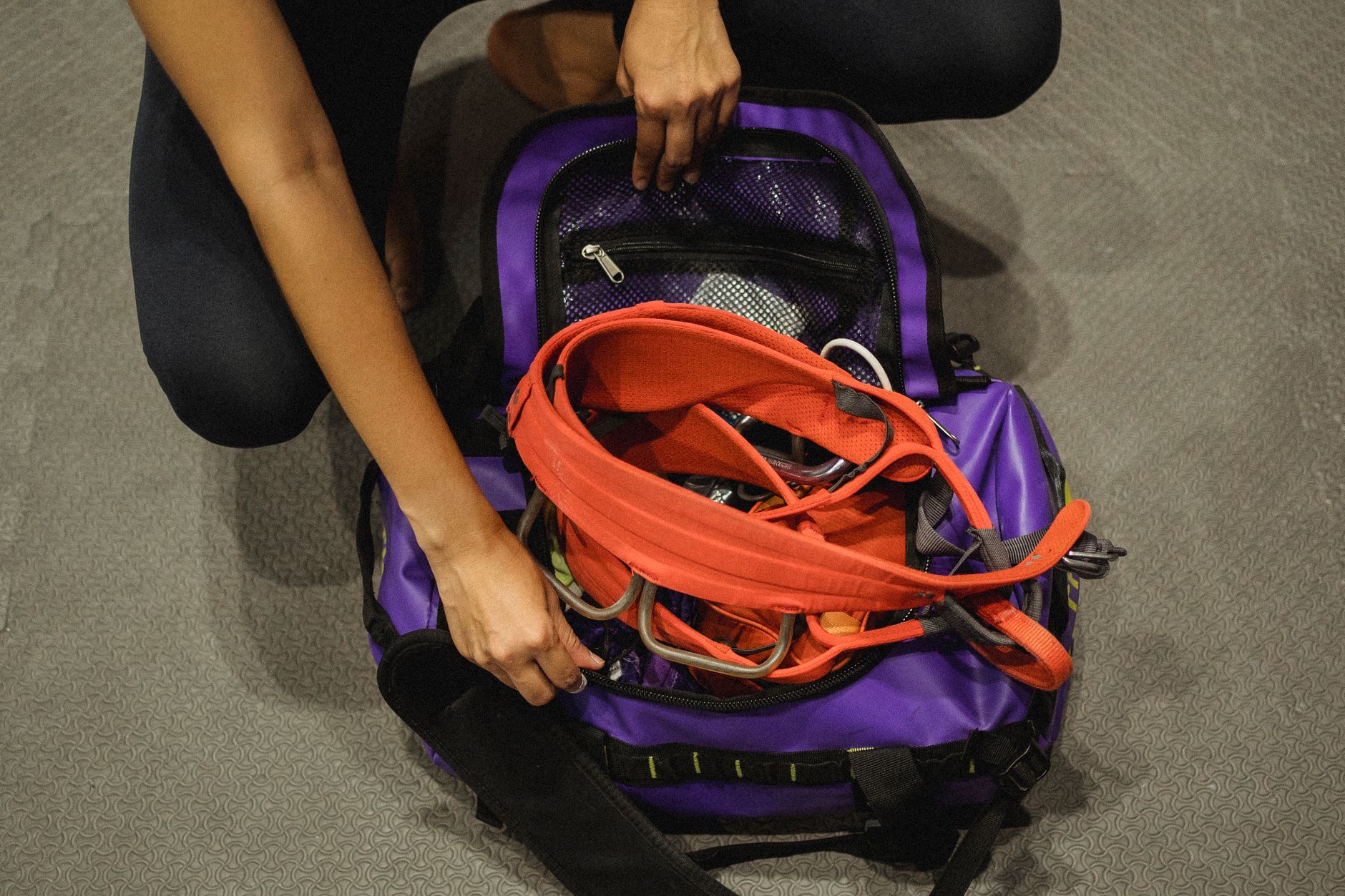
A specialized full-body climbing harness designed for pregnant women, laid out on a clean gym mat, with climbing shoes next to it.
A full-body harness is essential for pregnant climbers to avoid pressure on the abdomen.

Safe Amounts and Gym Considerations

There isn't a specific "recommended amount" of indoor rock climbing that applies universally to all pregnant individuals, as safety depends heavily on individual factors and trimester. However, the general guideline from ACOG for exercise during pregnancy suggests aiming for at least 150 minutes of moderate-intensity aerobic activity per week. For climbing, this translates to focusing on shorter, less frequent sessions. If you're an experienced climber and your doctor has given you the green light for indoor rock climbing during early to mid-pregnancy, consider these modifications:
  • Frequency: Limit sessions to 1-2 times per week.
  • Duration: Keep sessions shorter, perhaps 30-60 minutes, including warm-up and cool-down.
  • Intensity: Climb well below your maximum effort. Focus on easy, familiar routes (e.g., 5.6-5.8 on the Yosemite Decimal System or V0-V1 for bouldering, which you should avoid anyway). You should be able to hold a conversation while climbing.
  • Rest: Take frequent breaks between climbs to avoid overheating and fatigue.
  • Type of Climbing: Stick exclusively to top-roping. Absolutely avoid bouldering and lead climbing.
The goal is to maintain fitness without pushing your limits or risking falls. As your pregnancy progresses, the "recommended amount" will likely decrease to zero.

Which indoor climbing gyms are best for pregnant climbers?

Choosing the right indoor climbing gym is crucial for safety during pregnancy. Look for gyms that:
  • Have a supportive and knowledgeable community: A gym where staff and fellow climbers are understanding of your needs and willing to belay carefully can make a big difference.
  • Offer clear safety protocols: Ensure the gym has well-maintained equipment, regular safety checks, and attentive staff.
  • Provide full-body harnesses: Most standard climbing gyms will have these available for rent or purchase. This type of harness distributes weight across your shoulders and chest, preventing pressure on your growing abdomen, which is critical for preventing abdominal trauma during a fall or hanging.
  • Have a variety of easy routes: You'll want plenty of options that are well below your pre-pregnancy skill level to avoid overexertion and challenging moves.
  • Maintain good ventilation: Preventing overheating is important during pregnancy, so a well-ventilated gym is a plus.
  • Are not overly crowded: Less crowded gyms reduce the risk of accidental bumps or being hit by falling equipment.
It's always a good idea to speak with gym staff about their policies for pregnant climbers and ensure they are comfortable with any necessary modifications, such as using a full-body harness.

Side Effects and Risks of Indoor Rock Climbing During Pregnancy

What risks does indoor rock climbing pose to pregnant women?

While indoor rock climbing offers physical benefits, pregnancy introduces specific risks that must be carefully considered:
  • Falls and Abdominal Trauma: This is the most significant risk. Even a short fall can lead to direct impact on the abdomen, potentially causing placental abruption (where the placenta detaches from the uterine wall), premature labor, or fetal injury. This risk increases dramatically as the uterus expands beyond the protection of the pelvis in the second and third trimesters.
  • Increased Joint Laxity: The hormone relaxin, produced during pregnancy, loosens ligaments throughout your body, especially in the pelvis. While this helps prepare for childbirth, it also makes joints more unstable and prone to sprains, dislocations, or other injuries, particularly in the ankles, knees, and shoulders during dynamic climbing movements.
  • Overexertion and Overheating: Pregnancy increases your metabolic rate and core body temperature. Strenuous exercise can lead to overheating, which may be harmful to the developing fetus, especially in the first trimester. Overexertion can also cause dizziness, fatigue, and uterine contractions.
  • Diastasis Recti: Intense core work, especially movements that cause "doming" or "coning" of the abdomen (where your rectus abdominis muscles separate), can worsen or cause diastasis recti, a separation of the abdominal muscles.
  • Dehydration: Increased blood volume and metabolic demands during pregnancy mean you need more fluids. Strenuous exercise can quickly lead to dehydration, which can cause contractions.
  • Pelvic Floor Stress: The downward pressure from climbing, especially when holding strenuous positions or during dynamic moves, can put extra strain on the pelvic floor, potentially contributing to pelvic floor dysfunction or incontinence later on.
  • Hypotension (Low Blood Pressure): Lying flat on your back (e.g., during belaying if you're the belayer) can compress the vena cava, reducing blood flow to your heart and potentially to the baby.
These risks underscore why careful modification and constant communication with your healthcare provider are paramount when considering indoor rock climbing during pregnancy.

How does pre-existing medical condition affect indoor rock climbing safety during pregnancy?

Certain pre-existing medical conditions can significantly impact the safety of indoor rock climbing during pregnancy, potentially making it unsafe even in the early stages. It's vital to discuss your full medical history with your healthcare provider before continuing or starting any exercise, especially one with inherent risks like climbing. Conditions that may contraindicate indoor rock climbing include:
  • High Blood Pressure (Hypertension) or Preeclampsia: Strenuous activity can exacerbate these conditions, increasing risks for both mother and baby.
  • Heart or Lung Disease: Pregnancy already places extra demands on your cardiovascular and respiratory systems. Climbing can overstress these systems.
  • Cervical Insufficiency or Cerclage: Any activity that puts pressure on the cervix or could lead to trauma should be strictly avoided.
  • Placenta Previa or Uterine Bleeding: These conditions increase the risk of complications, and any activity with a fall risk or potential for abdominal trauma is dangerous.
  • Multiple Gestation (Twins, Triplets, etc.): Pregnancies with multiples carry a higher risk of premature labor and other complications, often leading to more restrictive exercise recommendations.
  • Severe Anemia: Can lead to excessive fatigue and dizziness, increasing fall risk.
  • Extreme Obesity or Underweight: May complicate physical demands and recovery.
  • Musculoskeletal Issues: Pre-existing joint instability, back pain, or other orthopedic issues can be worsened by the increased ligament laxity and physical demands of climbing during pregnancy.
If you have any of these or other chronic health conditions, your doctor will likely advise against indoor rock climbing during pregnancy and recommend safer, low-impact alternatives. Your health and your baby's well-being are the top priority.
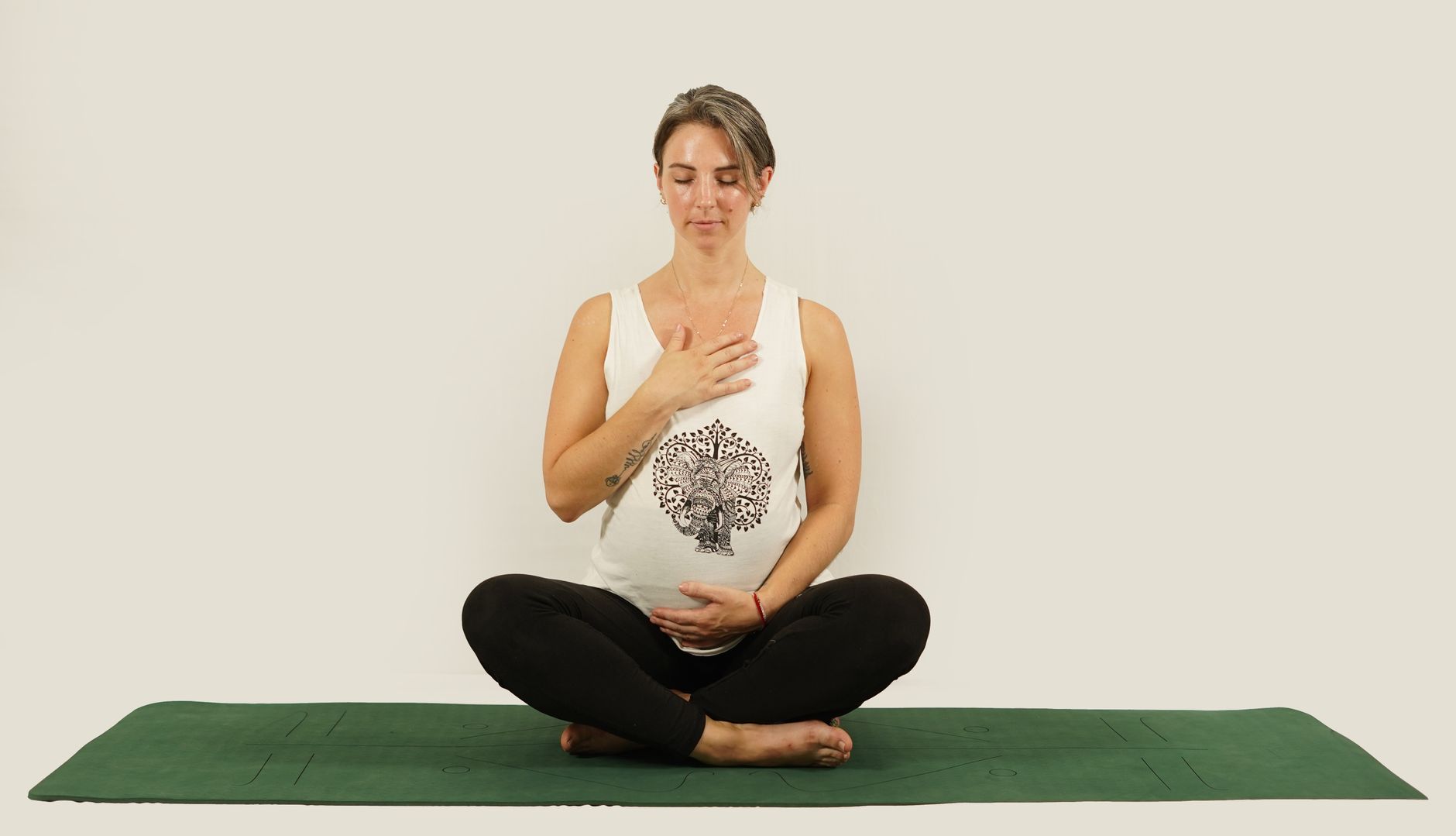
A pregnant woman doing a gentle prenatal yoga pose on a mat in a bright, airy studio, with soft lighting and a peaceful atmosphere.
Prenatal yoga is an excellent way to maintain flexibility and strength with minimal risk during pregnancy.

Safer Alternatives to Indoor Rock Climbing During Pregnancy

If your healthcare provider recommends pausing your indoor rock climbing routine, or if you simply feel it's time to reduce risk, there are many excellent and safer ways to stay active and fit during pregnancy. These alternatives can help maintain strength, flexibility, and cardiovascular health without the inherent fall risks or abdominal pressure associated with climbing.

Are there safer alternatives to indoor rock climbing during pregnancy?

Absolutely! Here are several excellent alternatives to indoor rock climbing that are generally considered safe and beneficial for pregnant individuals:
  • Prenatal Yoga: Focuses on flexibility, strength, and balance with poses specifically adapted for pregnancy, often emphasizing pelvic floor health and relaxation.
  • Water Aerobics: The buoyancy of water reduces impact on joints and helps alleviate swelling, making it a comfortable way to get a full-body workout.
  • Low-Impact Swimming: Provides a fantastic cardiovascular workout and muscle toning without putting stress on your joints, and the water supports your body weight.
  • Stationary Cycling: Offers a great cardio workout with no fall risk and is easily adjustable to your comfort level, perfect for managing activity levels during pregnancy.
  • Walking on a Treadmill: A simple yet effective way to maintain cardiovascular fitness, and you can control the speed and incline to match your energy levels.
  • Prenatal Pilates: Strengthens core muscles (without risking diastasis recti if done correctly), improves posture, and enhances body awareness, all crucial for supporting your changing body.
  • Gentle Stretching: Helps maintain flexibility, relieve muscle tension, and improve circulation, which can be particularly beneficial for pregnancy-related aches.
  • Prenatal Tai Chi: A low-impact exercise that combines gentle movements, deep breathing, and meditation, promoting balance, flexibility, and mental calm.
  • Light Strength Training with Resistance Bands: Helps maintain muscle mass and strength without heavy weights, focusing on controlled movements and proper form.
  • Prenatal Dance Classes: A fun way to get your heart rate up, improve coordination, and express yourself in a supportive, low-impact environment.
Always listen to your body and consult with your healthcare provider before starting any new exercise routine during pregnancy. Understanding the safety of indoor rock climbing naturally leads to questions about similar activities. Here's a quick look at the pregnancy safety of related climbing and outdoor activities.
Activity/Item Verdict Notes
Outdoor Rock Climbing ❌ Best Avoided Higher fall risk due to uncontrolled environment, weather, and remote access to medical care.
Bouldering ❌ Best Avoided High risk of uncontrolled falls and awkward landings, even on padded mats. Avoid after first trimester, if not entirely.
Hiking ✅ Generally Safe (with limits) Excellent cardio, but stick to well-maintained, flat trails. Avoid uneven terrain, high altitudes, and heavy packs.
Mountain Biking ❌ Best Avoided High risk of falls, even on easy trails, and potential for abdominal trauma. The jostling can also be uncomfortable.
Skiing (downhill) ❌ Best Avoided High risk of falls and collisions; significant potential for abdominal trauma.
Snowboarding ❌ Best Avoided Even higher fall risk than skiing, especially for beginners.
Climbing Harness (Standard) ❌ Best Avoided Standard harnesses put pressure on the abdomen during falls or when hanging, which is unsafe for pregnancy.
Climbing Shoes ✅ Generally Safe No direct risk from shoes themselves, but ensure they are comfortable and don't pinch or cause foot pain.

Myth vs. Fact

When it comes to pregnancy and exercise, especially something as specialized as indoor rock climbing, there are many myths circulating. Let's clear up some common misconceptions. Myth: If I was climbing before pregnancy, I can just keep doing exactly what I was doing. Fact: While prior experience is beneficial, pregnancy fundamentally changes your body. Your center of gravity shifts, ligaments loosen, and your cardiovascular system is working harder. Continuing without significant modifications, especially using a full-body harness and sticking to easy routes, greatly increases risks of falls, injury, and abdominal trauma. Your routine must adapt to your pregnant body. Myth: A little fall won't hurt the baby because they're well-protected inside. Fact: While the baby is cushioned by amniotic fluid, a fall, especially a direct impact to the abdomen, can be very dangerous. Risks include placental abruption (where the placenta detaches from the uterine wall), premature labor, or direct fetal injury. The uterus becomes more vulnerable as it grows beyond the pelvis in the second and third trimesters. Even a seemingly minor fall should be reported to your doctor. Myth: Bouldering is fine as long as the pads are thick. Fact: Bouldering is generally considered one of the riskiest forms of climbing during pregnancy and is best avoided entirely, especially after the first trimester. While pads reduce impact, the falls are often uncontrolled, leading to awkward landings that can twist joints, strain muscles, or cause you to hit your abdomen. The risk of sudden, uncontrolled impact is too high. This is similar to the high risk associated with indoor skydiving during pregnancy, where unpredictable movements can be a concern.

Key Takeaways

  • For experienced climbers with uncomplicated pregnancies, indoor rock climbing may be possible in the first and early second trimesters with significant modifications.
  • Always consult your healthcare provider before continuing or starting indoor rock climbing during pregnancy.
  • The primary risks are falls leading to abdominal trauma, increased joint laxity, and overexertion.
  • Switch to a full-body harness to avoid pressure on your abdomen.
  • Avoid bouldering and lead climbing entirely; stick to top-roping on easy, familiar routes.
  • Listen to your body, take frequent breaks, and stop immediately if you feel any pain, dizziness, or contractions.
  • Most experts recommend stopping indoor rock climbing by the third trimester due to increased risks.
  • Many safe and beneficial alternatives like prenatal yoga, swimming, and walking can help you stay active.

Frequently Asked Questions

Is it safe to do indoor rock climbing while pregnant?

Indoor rock climbing can be conditionally safe for experienced climbers with uncomplicated pregnancies, primarily in the first and early second trimesters, provided significant modifications are made. These modifications include using a full-body harness, sticking to top-roping on easy routes, and avoiding falls. Always consult your healthcare provider for personalized advice.

Can pregnant women climb indoors safely?

Yes, pregnant women who are already experienced climbers can climb indoors safely in the early stages of pregnancy if they take strict precautions. Safety measures include using a full-body harness, only top-roping on easy routes, avoiding bouldering and lead climbing, and stopping if any discomfort arises. Close communication with a doctor is essential.

What trimester is best for indoor rock climbing during pregnancy?

The first trimester is generally considered the "best" or safest trimester for experienced climbers to continue indoor rock climbing, as the body's center of gravity hasn't significantly shifted and the uterus is still largely protected within the pelvis. However, early pregnancy symptoms like fatigue and nausea can still impact safety. Most recommend stopping by the third trimester.

How much indoor rock climbing is safe for pregnant women?

There's no universal "safe amount," but for those cleared by their doctor, sessions should be short (30-60 minutes), infrequent (1-2 times per week), and at a very low intensity (easy routes only). The goal is maintenance, not progression. The amount should decrease as pregnancy advances, typically stopping in the third trimester.

Are there any risks to pregnant women from indoor rock climbing?

Yes, the primary risks include falls leading to abdominal trauma (which can cause placental abruption or premature labor), increased joint instability due to relaxin, overexertion, overheating, and potential for diastasis recti from strenuous core movements. These risks escalate as pregnancy progresses.

What are safer alternatives to indoor rock climbing during pregnancy?

Safer alternatives include prenatal yoga, water aerobics, low-impact swimming, stationary cycling, walking on a treadmill, prenatal Pilates, gentle stretching, and light strength training with resistance bands. These activities offer fitness benefits without the fall risk or abdominal pressure associated with climbing.

Which indoor climbing gyms are safe for pregnant climbers?

Look for gyms with a supportive community, clear safety protocols, full-body harnesses available, a variety of easy routes, good ventilation, and less crowding. It's important to discuss your pregnancy with gym staff to ensure they are comfortable with your modifications and can provide appropriate support.

Does indoor rock climbing affect fetal development?

There is no direct evidence that the act of indoor rock climbing itself (when done safely and with modifications) negatively affects fetal development. The primary concern is the *indirect* risk posed by potential falls or abdominal trauma, which could lead to complications like placental abruption or premature labor, indirectly affecting fetal well-being.

When to Call Your Doctor

While we aim to provide comprehensive information, this content is for informational purposes only and is not a substitute for professional medical advice. Always consult your healthcare provider before making any decisions about your health or starting any new exercise regimen during pregnancy. You should call your doctor or seek immediate medical attention if, after or during indoor rock climbing, you experience any of the following:
  • Vaginal bleeding or fluid leakage
  • Sudden or severe abdominal pain or cramping
  • Regular, painful contractions
  • Dizziness, lightheadedness, or feeling faint
  • Shortness of breath that doesn't resolve with rest
  • Chest pain or palpitations
  • Headache, vision changes, or swelling in your hands, face, or ankles
  • Calf pain or swelling (signs of a blood clot)
  • A fall, even if it seems minor
  • Any decrease in fetal movement (after quickening)
Your healthcare provider is your best resource for personalized advice and can assess your individual health and pregnancy to determine what activities are safest for you.

References

  1. American College of Obstetricians and Gynecologists (ACOG). (2020). Exercise During Pregnancy and Postpartum. Committee Opinion No. 804.
  2. National Institute for Health and Care Excellence (NICE). (2021). Antenatal care. NICE guideline [NG201].
  3. Mayo Clinic. (2023). Pregnancy and exercise: Baby, let's move!
  4. Centers for Disease Control and Prevention (CDC). (2022). Physical Activity for Pregnant Women.

Editor's pick for this topic

Not sure about the label on Is Rock Climbing Indoor Safe During Pregnancy products?

Snap the ingredients list and SafeFilter checks every ingredient for your stage — only 3 free scans this month, then you're locked until reset. Unlimited from $7/mo or $50/yr.

Informational only — not medical advice.

Shubhra Mishra

About the Author

When Shubhra Mishra was expecting her first child in 2016, she was overwhelmed by conflicting food advice — one site said yes, another said never. By the time her second baby arrived in 2019, she realized millions of mothers face the same confusion.

That sparked a five-year journey through clinical nutrition papers, cultural diets, and expert conversations — all leading to BumpBites: a calm, compassionate space where science meets everyday motherhood.

Her long-term vision is to build a global community ensuring safe, supported, and free deliveriesfor every mother — because no woman should face pregnancy alone or uninformed. 🌿

🌍 Stand with mothers, shape safer guidance

Join a small circle of experts who review BumpBites articles so expecting parents everywhere can decide with confidence.

⚠️ Always consult your doctor for medical advice. This content is informational only.

Recommended picks

Ritual Ritual Essential Prenatal

Prenatal pick

RitualRitual Essential Prenatal

Choline + DHA + folate from methylfolate (not synthetic).

$39Check prenatal →
Nordic Naturals Nordic Naturals Prenatal DHA (Strawberry Softgels)

Prenatal pick

Nordic NaturalsNordic Naturals Prenatal DHA (Strawberry Softgels)

Premium fish-oil DHA in strawberry softgels — gentle on the stomach.

$55Check prenatal →