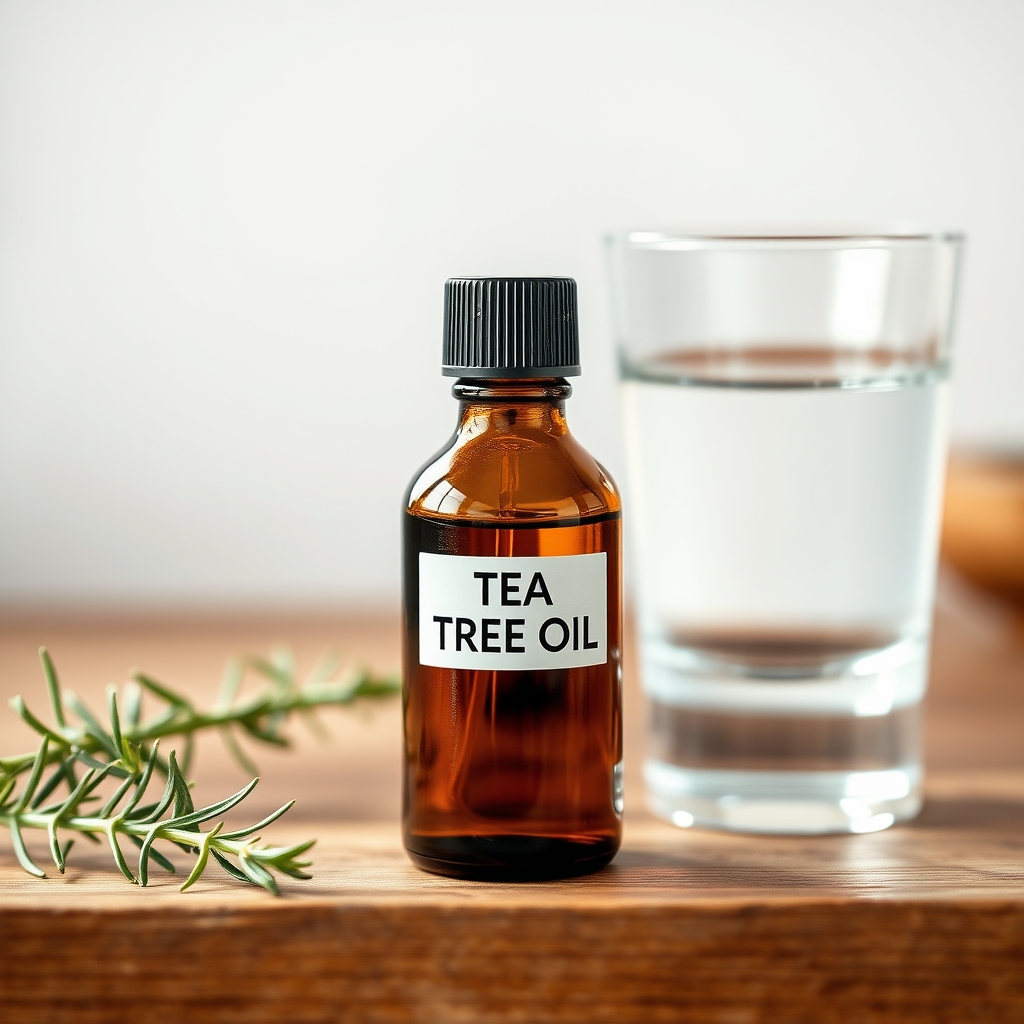
Limit: Tea tree oil is generally safe in low topical doses after the first trimester. Use ≤5% concentration and avoid oral use during pregnancy.
By Shubhra Mishra — a mom of two who turned her own confusion during pregnancy into BumpBites, a global mission to make food choices clear, safe, and stress-free for every expecting mother. 💛
Check whether any food is safe during pregnancy with the BumpBites Food Safety Checker.
Quick verdict: ❌ Best avoided. Current medical guidance advises pregnant people to steer clear of undiluted tea tree oil because of potential irritation and unknown fetal effects. If you’ve already used a small amount, stop and discuss it with your provider, but there’s no need for panic.
It’s 2 a.m., you’re scrolling through a list of home remedies for a stubborn skin breakout, and you spot tea tree oil. “Is tea tree oil safe during pregnancy?” you wonder, feeling that familiar mix of curiosity and anxiety. You might have already dabbed a drop on a blemish or added a few drops to a diffuser, and now you’re wondering if you’ve put your baby at risk.
We’ve got you covered. The short answer is that most obstetric authorities—such as the American College of Obstetricians and Gynecologists (ACOG) and the UK’s National Health Service (NHS)—recommend avoiding tea tree oil during pregnancy, especially in its concentrated form. In the sections below we’ll break down the safety snapshot by trimester, discuss recommended dosage limits if you choose to use it, outline potential risks, and suggest gentler alternatives that are pregnancy‑friendly. We’ll also compare tea tree oil to other popular essential oils so you can see the whole safety landscape at a glance.
Because many expectant parents turn to “natural” products hoping they’re safer than pharmaceuticals, it’s easy to feel uncertain when the evidence is limited. This article walks you through what the research actually says, highlights the most reliable guidance from ACOG, NHS, FDA, and other reputable bodies, and gives you practical steps you can take right now—whether you’re still deciding to use tea tree oil or you’ve already applied it.
Before you reach for the bottle, consider the safety guidance for each trimester.
Stage of pregnancy
Verdict
Notes
First trimester
❌ Best avoided
Critical period of organ formation; limited safety data.
Second trimester
❌ Best avoided
Potential skin irritation and unknown fetal exposure.
Third trimester
❌ Best avoided
Risk of uterine irritation; no proven benefit.
Breastfeeding
❌ Best avoided
Possible transfer through breast milk; safer alternatives exist.
What is tea tree oil?
Tea tree oil is an essential oil distilled from the leaves of Melaleuca alternifolia, a plant native to Australia. The oil’s main active compounds—terpinen‑4‑ol, γ‑terpinene, and α‑terpinene—give it a distinctive sharp, camphor‑like scent and give it antimicrobial, antifungal, and anti‑inflammatory properties. Because of these qualities, tea tree oil is a popular ingredient in over‑the‑counter acne treatments, foot creams, shampoos, and household cleaners.
In aromatherapy, the oil is often diffused into the air or applied topically after being diluted in a carrier oil such as coconut or jojoba oil. The concentration of pure tea tree oil can be as high as 100 %, and manufacturers typically recommend diluting it to 1–5 % for skin use. The oil’s potency is why it’s effective against acne‑causing bacteria, athlete’s foot, and mild skin irritations, but it also means that improper use can cause irritation, allergic reactions, or, in rare cases, systemic effects.
Pregnant people frequently ask about tea tree oil because they’re looking for a “natural” way to manage skin issues or fungal infections without resorting to prescription medication. Understanding how the oil works and what the scientific evidence says about its safety is essential before deciding whether to keep it in your wellness routine. It’s also helpful to know that the regulatory landscape for essential oils is relatively loose; in the United States, the FDA does not approve essential oils for therapeutic use, so quality can vary widely between brands.
Is tea tree oil safe during pregnancy?
The short answer: most reputable health organizations advise against using undiluted tea tree oil during pregnancy. The American College of Obstetricians and Gynecologists (ACOG) notes that essential oils have “limited safety data in pregnancy” and recommends that pregnant patients avoid high‑potency oils, especially during the first trimester when organogenesis occurs. The UK’s National Health Service (NHS) similarly states that tea tree oil should be used with caution, if at all, and only under professional guidance.
One concern is that tea tree oil can cause skin irritation or allergic contact dermatitis, especially when applied in concentrations higher than 1 %. Irritation could lead to secondary infections, which may require medication that could be more risky than the oil itself. Additionally, animal studies have suggested that very high doses of certain tea tree oil constituents could be teratogenic (cause birth defects), though human data are sparse.
Because the evidence is limited and the potential for adverse reactions exists, the precautionary principle—favoring the safest option when data are uncertain—guides most clinicians. The FDA has not approved tea tree oil for any internal use, and the CDC does not list it among recommended treatments for common pregnancy‑related conditions. Until more robust human studies are available, the safest route is to avoid it, particularly in its undiluted form.
Some practitioners point out that low‑dose, well‑diluted applications may be tolerated, but they usually stress that a safer alternative should be chosen first. In practice, many obstetricians simply advise patients to skip tea tree oil altogether and opt for products that have a long track record of safety during pregnancy.
Is tea tree oil safe to use during the first trimester of pregnancy?
The first trimester (weeks 1–13) is the period of organ formation, making it the most sensitive window for any potential teratogens. ACOG’s guidance emphasizes that “any exposure to substances with unknown safety profiles should be minimized” during this time. Tea tree oil’s strong antimicrobial compounds have not been proven safe for fetal development, and the risk of skin irritation could lead to secondary infections that might necessitate stronger medications.
Because of these concerns, most obstetricians advise pregnant people to avoid topical or aromatic use of tea tree oil in the first trimester. If you have a mild skin concern, consider using a bland, fragrance‑free moisturizer or a pregnancy‑approved product that contains soothing ingredients like aloe vera or colloidal oatmeal.
Even if you choose a diluted approach, the lack of robust safety data means you should discuss it with your provider before any application. A brief conversation can help you weigh the potential benefits against the unknown risks and identify a safer alternative that fits your needs.
Is tea tree oil safe to use during the second trimester of pregnancy?
During the second trimester (weeks 14–27), fetal organs are developing but are less vulnerable than in the first trimester. Nevertheless, the NHS still recommends caution with essential oils, noting that “there is insufficient evidence to confirm safety.” The risk of skin irritation remains, and the possibility of systemic absorption—though low—has not been ruled out.
If you experience a skin breakout or mild fungal issue in the second trimester, opt for proven, pregnancy‑safe treatments such as a diluted solution of apple cider vinegar (1 % concentration) or a physician‑prescribed topical antifungal that has been evaluated for safety in pregnancy.
Some clinicians may allow a very low‑dose, heavily diluted tea tree oil for short‑term use, but they typically suggest monitoring the skin closely for any sign of irritation and stopping immediately if a reaction occurs.
Is tea tree oil safe to use during the third trimester of pregnancy?
In the third trimester (weeks 28–40), the main concerns shift toward uterine irritation and potential effects on labor. While there are no documented cases of tea tree oil causing premature labor, the NHS and ACOG still advise avoiding it because the data are inconclusive.
For issues like athlete’s foot or minor skin irritations that often arise in the third trimester, safer alternatives include topical zinc oxide ointments, plain petroleum jelly, or a diluted solution of coconut oil with a few drops of lavender oil, which has a better safety profile in pregnancy.
Because the uterus is more sensitive at this stage, even mild irritants can theoretically trigger contractions. For this reason, many providers recommend steering clear of any strong aromatic compounds, including tea tree oil, in the weeks leading up to delivery.
Is tea tree oil safe while breastfeeding?
Breastfeeding mothers should also avoid using tea tree oil, especially in undiluted form, because essential oil constituents can be secreted in breast milk. The FDA has not evaluated tea tree oil for lactation safety, and the WHO advises that “any substance with unknown transfer to breast milk should be used only under medical supervision.” Using a milder, well‑studied oil such as olive oil or sweet almond oil for massage can provide a soothing experience without the unknowns.
If you need a topical antimicrobial after birth, ask your pediatrician or obstetrician for a product that has been specifically tested for safety during lactation. In many cases, simple hygiene measures—like keeping the area clean and dry—are sufficient and avoid any exposure to potentially harmful substances.
What is the recommended dosage of tea tree oil for pregnant women?
Because the consensus is to avoid tea tree oil, there is no universally endorsed “safe dosage” for pregnant people. However, if a healthcare provider determines that a specific, low‑risk use is appropriate, the most conservative recommendation is to dilute the oil to no more than 0.5–1 % (approximately 1–2 drops of tea tree oil per 5 mL of carrier oil) and apply it only to a small skin area for a short period (no more than 15 minutes).
For aromatherapy, the safest approach is to use no more than 1–2 drops in a diffuser filled with 100 mL of water, and to limit diffusion sessions to 30 minutes at a time, ensuring the room is well‑ventilated. Even with this low exposure, many clinicians still prefer alternative essential oils with a stronger safety record, such as lavender or chamomile.
When selecting a product, look for “100 % pure, therapeutic‑grade” labels and avoid blends that contain undisclosed additives. Reputable brands often provide a Certificate of Analysis (COA) confirming the oil’s composition, which can help you verify purity. Keep in mind that “pure” does not automatically equal “safe for pregnancy,” so a conversation with your provider is always advisable.
How to perform a patch test before using essential oils
A patch test is a simple way to check whether your skin will tolerate a new essential oil. Apply a tiny amount of the diluted oil (about 1 drop in 1 mL of carrier oil) to a small area of inner forearm, cover it with a bandage, and wait 24 hours. If no redness, itching, or swelling occurs, the oil is less likely to cause a reaction, though it still may not be safe for the fetus.
Pregnant individuals should still discuss the results with their obstetric provider, because a negative patch test does not guarantee that systemic absorption is harmless. This extra step helps you avoid unnecessary skin irritation while you make an informed decision about whether to use the oil at all.
Understanding essential oil labels and purity
Essential oil labels can be confusing. Terms like “therapeutic grade,” “food grade,” or “aromatherapy grade” are not regulated by the FDA, so they do not guarantee safety. Look for products that list the botanical name (Melaleuca alternifolia), country of origin, and a batch COA from an independent lab. Avoid oils that contain synthetic fragrances, added colors, or undisclosed carrier oils.
Even with a high‑quality product, the concentration of active compounds can vary. For pregnant people, the safest approach is to choose oils that have been specifically tested for pregnancy safety, such as lavender (Lavandula angustifolia) or chamomile (Matricaria chamomilla), rather than relying on a single “pure” tea tree oil product.
What does the research say about essential oils and fetal development?
Research on essential oils and fetal outcomes is limited. Most human studies are observational and involve small sample sizes, making it difficult to draw firm conclusions. Animal studies have shown that extremely high doses of certain oil constituents can be teratogenic, but the doses used in those experiments far exceed typical human exposure. Because of this uncertainty, agencies like ACOG and the NHS adopt a precautionary stance, recommending avoidance until more definitive data are available.
Future research may focus on pharmacokinetics—how essential oil molecules travel through the placenta—and on long‑term developmental outcomes. Until those studies are completed, the safest course is to err on the side of caution and choose alternatives with a stronger safety record.
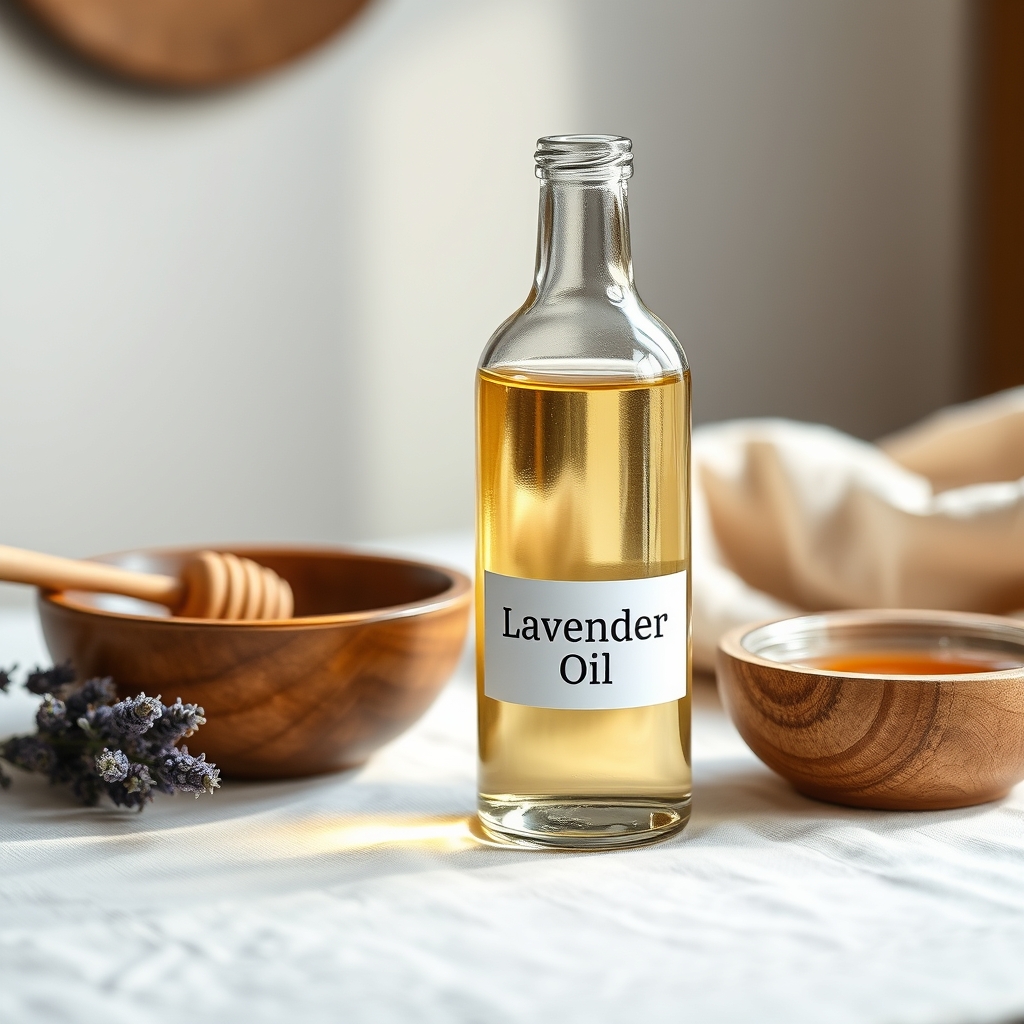
Lavender oil offers a calming scent and skin‑soothing benefits without the same concerns as tea tree oil.
Side effects and risks
Even when diluted, tea tree oil can cause skin irritation, redness, itching, or a burning sensation. In rare cases, it can trigger allergic contact dermatitis, which may present as a rash that spreads beyond the application site. If you notice swelling, blistering, or a fever after using tea tree oil, stop immediately and seek medical attention.
Systemic side effects are uncommon but have been reported in case studies, including headaches, dizziness, and nausea when inhaled in high concentrations. Because the placenta does not fully block many small molecules, any systemic absorption could theoretically affect the fetus, although concrete human data are lacking.
Pregnant people with a history of asthma or respiratory sensitivities should be especially cautious, as inhalation of strong essential oils can exacerbate breathing difficulties. Likewise, if you have a known allergy to other essential oils or plant extracts, you may be more prone to a reaction.
It’s also worth noting that essential oils can interact with certain medications, such as anticoagulants or antihypertensives, though data specific to tea tree oil are sparse. Always inform your provider about any complementary products you use, even those you consider “natural.”
Safer alternatives
Lavender oil: Gentle, soothing scent with a strong safety record in pregnancy; useful for stress relief and minor skin irritation.
Chamomile oil: Anti‑inflammatory and calming; often recommended for sensitive skin and mild eczema.
Coconut oil: Excellent carrier oil that can be used alone for moisturization and mild antifungal activity.
Jojoba oil: Non‑comedogenic carrier that mimics skin’s natural sebum, making it safe for acne‑prone skin.
Sweet almond oil: Softens skin and can be mixed with a few drops of lavender for a pregnancy‑friendly facial serum.
Rosehip oil: Rich in vitamins A and C, supports skin regeneration without the irritation risk of tea tree oil.
Olive oil: Versatile, widely available, and safe for both topical use and cooking during pregnancy.
Calendula ointment: A topical herbal preparation with documented safety in pregnancy, useful for minor cuts and irritations.
Related items — safety at a glance
Essential oil
Verdict
One‑line note
Eucalyptus oil
❌ Best avoided
Can cause respiratory irritation and may affect fetal development.
Peppermint oil
⚠️ Safe with limits
Low concentrations are okay, but high doses may trigger uterine contractions.
Lemongrass oil
❌ Best avoided
Lacks safety data; potential skin irritation.
Clove oil
❌ Best avoided
Strong sensitizer; not recommended for pregnant skin.
Geranium oil
⚠️ Safe with limits
Generally considered low‑risk when diluted below 2 %.
Rose oil
⚠️ Safe with limits
Mild fragrance; keep dilution under 1 %.
Ylang‑ylang oil
⚠️ Safe with limits
Can be soothing but may cause headaches at high concentrations.
Patchouli oil
⚠️ Safe with limits
Low irritation potential; use sparingly.
Tea tree oil
❌ Best avoided
Potential skin irritation and unknown fetal effects.
Lavender oil
⚠️ Safe with limits
Widely regarded as safe when diluted under 2 %.
Myth vs. fact
Myth: “Because tea tree oil is natural, it’s automatically safe for pregnant skin.”
Fact: Natural does not equal safe. Essential oils are highly concentrated plant extracts; without robust safety data, they can cause irritation or unknown fetal effects.
Myth: “A few drops in a diffuser won’t affect my baby.”
Fact: Even low‑level inhalation can lead to respiratory irritation, and the lack of definitive studies means the safest choice is to avoid it during pregnancy.
Myth: “If I dilute tea tree oil, it becomes completely safe.”
Fact: Dilution reduces the risk of skin irritation, but the systemic safety of any concentration remains unproven for the developing fetus.
Myth: “Essential oils are all the same, so if one is safe, they all are.”
Fact: Each essential oil has a unique chemical profile; safety must be evaluated individually, and many oils (like eucalyptus or clove) are also best avoided in pregnancy.
Key takeaways
Most obstetric authorities (ACOG, NHS) advise avoiding tea tree oil during pregnancy.
If you choose to use it, keep dilution at 0.5–1 % and limit application to small skin areas for no longer than 15 minutes.
Watch for skin irritation, allergic reactions, or respiratory symptoms and stop use immediately if they occur.
Safer essential oil alternatives for skin and aromatherapy include lavender, chamomile, and coconut oil.
When in doubt, consult your prenatal provider before using any essential oil.
Perform a patch test and verify product purity with a Certificate of Analysis whenever possible.
Frequently asked questions
Can pregnant women use tea tree oil?
Generally, no. Most health guidelines recommend that pregnant individuals avoid tea tree oil, especially in undiluted form, because of limited safety data and potential irritation.
Is tea tree oil safe for pregnant skin?
Only if it is heavily diluted (no more than 1 % in a carrier oil) and used for a very short period; however, many clinicians still suggest using safer alternatives like lavender oil.
What are the side effects of tea tree oil during pregnancy?
Possible side effects include skin irritation, allergic contact dermatitis, headaches, and, in rare cases, respiratory discomfort when inhaled.
Can tea tree oil cause birth defects?
There is no conclusive human evidence, but animal studies have raised concerns about high‑dose exposure, leading experts to advise avoidance as a precaution.
How much tea tree oil is safe during pregnancy?
There is no established safe amount; the most conservative recommendation is to limit use to a 0.5–1 % dilution and apply only to a small area for no longer than 15 minutes.
Are there any pregnancy‑safe essential oils?
Yes. Oils such as lavender, chamomile, and sweet almond oil have a stronger safety record and are commonly recommended for pregnant people when properly diluted.
Can I use tea tree oil in a diffuser while pregnant?
Most experts advise against it. Even low‑level diffusion can cause respiratory irritation, and safer alternatives like lavender oil are preferred.
Is tea tree oil safe for treating fungal infections during pregnancy?
Because of limited safety data, many providers recommend using proven topical antifungals that have been evaluated for pregnancy safety instead of tea tree oil.
What should I do if I accidentally ingested tea tree oil while pregnant?
Ingestion of essential oils can be harmful. Contact your obstetric provider or a poison‑control center right away, even if you only swallowed a tiny amount, to get personalized guidance.
Can tea tree oil be used safely after I give birth?
While breastfeeding mothers should still avoid undiluted tea tree oil, some clinicians permit limited, heavily diluted topical use after delivery if no skin reaction occurs. Always discuss with your provider first.
When to call your doctor
If you notice any of the following after using tea tree oil, contact your obstetric provider promptly:
Severe or spreading skin rash, blistering, or swelling.
Unexplained fever, chills, or feeling faint.
Persistent headache, dizziness, or shortness of breath.
Any signs of uterine cramping or bleeding.
Unusual changes in fetal movement after exposure.
These symptoms could indicate an allergic reaction, infection, or other complication that warrants professional evaluation. Remember, this article provides general information and does not replace personalized medical advice.
References
American College of Obstetricians and Gynecologists. “Essential Oils and Pregnancy.” ACOG Committee Opinion, 2022.
National Health Service (NHS). “Essential oils and pregnancy.” NHS website, 2023.
U.S. Food and Drug Administration (FDA). “Guidance for Industry: Essential Oil Products.” FDA, 2021.
Centers for Disease Control and Prevention (CDC). “Pregnancy and Exposure to Chemicals.” CDC, 2022.
World Health Organization (WHO). “Safety of Essential Oils.” WHO Technical Report Series, 2020.
Mayo Clinic. “Essential oils: Are they safe for pregnant women?” Mayo Clinic, 2023.
National Institute for Health and Care Excellence (NICE). “Guidelines on the use of complementary therapies in pregnancy.” NICE, 2021.
National Center for Complementary and Integrative Health (NCCIH). “Essential Oils.” NCCIH, 2022.
Not sure about the label on Is Tea Tree Oil Safe During Pregnancy products?
Snap the ingredients list and SafeFilter checks every ingredient for your stage — only 3 free scans this month, then you're locked until reset. Unlimited from $7/mo or $50/yr.
When Shubhra Mishra was expecting her first child in 2016, she was overwhelmed by conflicting food advice — one site said yes, another said never. By the time her second baby arrived in 2019, she realized millions of mothers face the same confusion.
That sparked a five-year journey through clinical nutrition papers, cultural diets, and expert conversations — all leading to BumpBites: a calm, compassionate space where science meets everyday motherhood.
Her long-term vision is to build a global community ensuring safe, supported, and free deliveriesfor every mother — because no woman should face pregnancy alone or uninformed. 🌿
🌍 Stand with mothers, shape safer guidance
Join a small circle of experts who review BumpBites articles so expecting parents everywhere can decide with confidence.