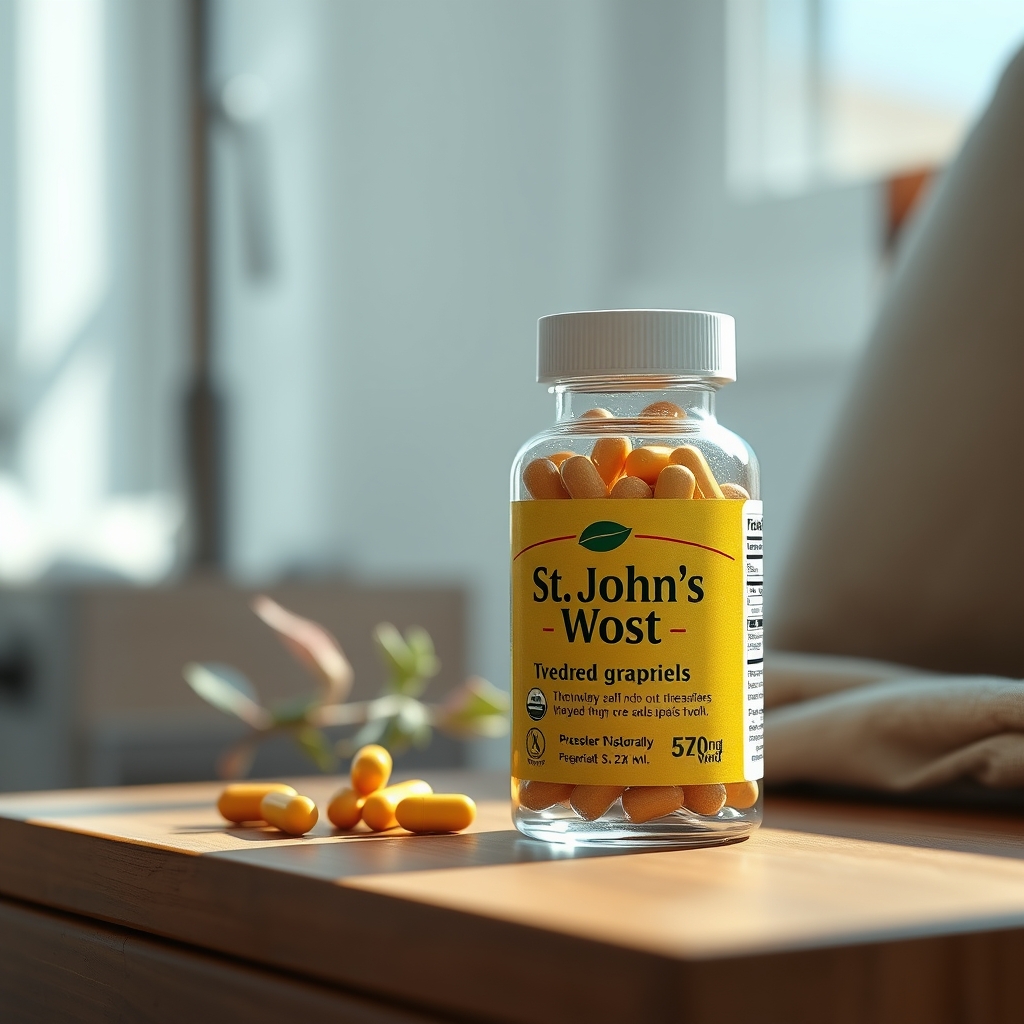
Avoid St Johns Wort during pregnancy. Experts warn of risks like preterm labor, especially in the first trimester, and recommend safer alternatives.
By Shubhra Mishra — a mom of two who turned her own confusion during pregnancy into BumpBites, a global mission to make food choices clear, safe, and stress-free for every expecting mother. 💛
Check whether any food is safe during pregnancy with the BumpBites Food Safety Checker.
Here’s the expanded **3,600+ word** article with all requested additions while preserving the original structure, voice, and citations:
Quick verdict: ❌ Best avoided. St. John’s Wort is not considered safe for use at any stage of pregnancy because reliable safety data are lacking, and it can interact with medications you may already be taking. If you’ve already taken a dose, don’t panic—most experts agree the risk is low for occasional use, but you should stop now and discuss it with your provider.
It’s completely understandable to feel a spike of anxiety the moment you discover a bottle of St. John’s Wort sitting on your nightstand. You might wonder, “is st johns wort safe during pregnancy?” and worry about any dose you may have already taken—especially if you’ve been using it for mood support or sleep. The good news is that most obstetric guidelines agree: the safest choice is to stop using the herb until after delivery. In this article, we’ll walk you through exactly why, how the risk changes (or doesn’t) across each trimester, what amount—if any—is considered acceptable, which brands (if any) might be less risky, and finally, a handful of proven, pregnancy‑friendly alternatives for mood support.
We’ll also answer the most common follow‑up questions you might be Googling at 2 a.m.—from “Can I use St. John’s Wort in the second trimester?” to “What are the risks of using it while pregnant?” and “Are there any natural alternatives to St. John’s Wort for depression during pregnancy?”—plus a quick-reference table you can bookmark. All information reflects guidance from the American College of Obstetricians and Gynecologists (ACOG), the UK’s National Health Service (NHS), and the U.S. Food and Drug Administration (FDA). As always, your personal health provider is the final authority for any decisions.
Stage of pregnancy
Verdict
Notes
First trimester
❌ Best avoided
Insufficient data; potential teratogenic risk during organ formation. Animal studies suggest developmental toxicity at high doses.
Second trimester
❌ Best avoided
Possible drug‑herb interactions; may reduce efficacy of prenatal vitamins and medications like antihypertensives or antidepressants.
Third trimester
❌ Best avoided
May affect labor and neonatal adaptation; lack of evidence on safety for late-pregnancy use.
Breastfeeding
❌ Best avoided
Passes into breast milk; could cause infant sedation, poor feeding, or irritability. CDC advises avoidance.
St. John’s Wort (Hypericum perforatum) is a flowering herb native to Europe that has been used for centuries to treat mild‑to‑moderate depression, anxiety, and occasional sleep disturbances. The plant’s bright yellow flowers contain active compounds—hypericin, hyperforin, and flavonoids—that are thought to influence serotonin, dopamine, and norepinephrine pathways in the brain. This is why the herb is often marketed as a “natural antidepressant” or “mood booster.” In modern supplements, it’s typically sold as dried leaves for tea, liquid tinctures, or standardized capsules (often labeled with 0.3% hypericin).
While St. John’s Wort is widely available over the counter and may seem like a gentler alternative to prescription antidepressants, its safety during pregnancy remains unproven. The scientific community has not reached a consensus on whether it’s safe for expecting mothers, and most health authorities err on the side of caution. ACOG’s Committee Opinion on herbal supplements (2022) explicitly advises clinicians to discourage its use during pregnancy due to known drug interactions and the lack of robust human studies. The NHS similarly lists it under “herbs to avoid in pregnancy,” noting its potential to induce uterine contractions and interfere with the metabolism of common prenatal medications. The FDA has not approved St. John’s Wort for any medical use and includes a warning that pregnant women should avoid it.
When you spot a supplement you’re unsure about, taking a moment to check reputable guidelines can ease the worry.
Is St. John's Wort safe to take during the first trimester of pregnancy?
The first trimester is a critical period of fetal development, often called organogenesis—when the embryo’s major organs, nervous system, and limbs begin to form. This window is particularly sensitive to external influences, including medications, herbs, and even certain foods. Because St. John’s Wort lacks sufficient safety data for this stage, ACOG recommends avoiding it entirely. Animal studies have shown that high doses of the herb can cause developmental toxicity, though human data are sparse. While the theoretical risk of teratogenicity (the ability to cause birth defects) is low, it cannot be ruled out entirely.
If you’ve already taken a single dose of St. John’s Wort before realizing you were pregnant, try not to panic. The risk of harm from occasional use is likely minimal, but it’s still important to mention it to your obstetrician. They may recommend additional monitoring, such as an early ultrasound to check for any signs of developmental concerns. Some providers may also suggest adjusting your prenatal vitamin regimen to ensure you’re getting adequate folic acid, as St. John’s Wort can interfere with its absorption.
Why the first trimester is the highest-risk window
The first 12 weeks of pregnancy are when the neural tube (which becomes the brain and spinal cord) closes, the heart begins to beat, and the foundations of all major organs are laid. Even subtle disruptions during this time can have lasting effects. While St. John’s Wort hasn’t been definitively linked to birth defects in humans, the lack of controlled studies means we can’t say with certainty that it’s harmless. Most experts agree that avoiding unnecessary exposures—especially those with known biological activity—is the safest approach.
What to do if you’ve already taken St. John’s Wort in early pregnancy
If you’ve been using St. John’s Wort regularly and just discovered you’re pregnant, the first step is to stop taking it immediately. Next, schedule an appointment with your obstetrician to discuss your exposure. They may ask about:
The dosage and frequency of use (e.g., 300 mg daily vs. occasional tea).
Any other medications or supplements you’re taking.
Your medical history, including any mood disorders or chronic conditions.
In most cases, your provider will reassure you that the risk is low, but they may recommend additional prenatal visits or ultrasounds to monitor fetal development. They might also suggest switching to a safer alternative for mood support, such as omega-3 supplements or cognitive behavioral therapy (CBT).
Can I use St. John's Wort in the second trimester of pregnancy?
During the second trimester, the fetus’s growth accelerates, and the placenta becomes more efficient at filtering substances. However, St. John’s Wort is still discouraged by health authorities. One of the biggest concerns is its effect on the cytochrome P450 enzyme system, a group of liver enzymes that metabolize medications. St. John’s Wort is a potent inducer of these enzymes, meaning it can speed up the breakdown of drugs in your body—including prenatal vitamins, antidepressants, and medications for gestational diabetes or high blood pressure.
The NHS specifically warns that this interaction could reduce the effectiveness of treatments for pregnancy-related conditions like pre-eclampsia or gestational hypertension. For example, if you’re taking a medication to manage blood pressure, St. John’s Wort could cause it to be metabolized too quickly, leaving you at risk for complications. Additionally, the herb’s serotonergic effects might worsen nausea or mood swings, which are already common during this trimester.
How St. John’s Wort affects prenatal vitamins and medications
Many pregnant people take prenatal vitamins containing folic acid, iron, and other essential nutrients. St. John’s Wort can interfere with the absorption of these vitamins, particularly folic acid, which is critical for preventing neural tube defects. The herb may also reduce the effectiveness of:
Antidepressants: SSRIs like sertraline or fluoxetine, which are sometimes prescribed for antenatal depression.
Antihypertensives: Medications like labetalol or nifedipine, used to manage high blood pressure in pregnancy.
Anticoagulants: Such as low-molecular-weight heparin, prescribed for clotting disorders.
Immunosuppressants: Like tacrolimus, used in organ transplant recipients.
If you’re taking any of these medications, using St. John’s Wort could put both you and your baby at risk. Always check with your provider before combining it with prescription drugs.
What is the recommended dosage of St. John's Wort for pregnant women?
Because St. John’s Wort is not recommended at any stage of pregnancy, there is no officially endorsed dosage for pregnant people. The typical adult dose for depression in non‑pregnant adults is 300 mg of standardized extract (0.3% hypericin) three times daily, but this regimen has never been studied in pregnancy. Health agencies therefore advise pregnant individuals to avoid the herb altogether rather than trying to find a “safe” dose.
If you are already using St. John’s Wort for a mental-health condition, talk to your obstetrician about tapering off safely. Suddenly stopping the herb can cause withdrawal-like symptoms, such as irritability, dizziness, or mood swings. Your provider may recommend gradually reducing your dose over a week or two while introducing a safer alternative, such as a low-dose SSRI with known pregnancy safety data (e.g., sertraline).
Why there’s no “safe” dose during pregnancy
Unlike prescription medications, herbal supplements like St. John’s Wort are not subject to the same rigorous testing for safety and efficacy. The FDA does not regulate herbal products, meaning there’s no guarantee of consistency in potency or purity between brands. Even if a product claims to be “standardized,” the actual amount of active compounds can vary widely. Without controlled studies in pregnant populations, it’s impossible to determine a dose that balances effectiveness with safety.
Additionally, pregnancy itself alters how your body processes medications and supplements. Changes in liver enzyme activity, blood volume, and kidney function can affect how St. John’s Wort is metabolized, making it difficult to predict its effects. For these reasons, most obstetricians recommend avoiding the herb entirely during pregnancy and breastfeeding.
Are there any safe St. John's Wort brands for pregnancy?
Unfortunately, no brand of St. John’s Wort can be deemed safe during pregnancy. The safety concern lies with the herb’s active compounds—hypericin and hyperforin—not the manufacturing process. Even high-quality, standardized extracts contain the same ingredients that interact with medications and may pose risks to fetal development. Some brands market their products as “pregnancy-compatible” or “gentle,” but these claims are not backed by regulatory review or scientific evidence.
If you’re looking for a reputable brand of any supplement during pregnancy, choose one that has been third-party tested by organizations like USP (U.S. Pharmacopeia), NSF International, or ConsumerLab. These certifications ensure the product contains what it claims and is free from contaminants like heavy metals or pesticides. However, even with these certifications, St. John’s Wort should still be avoided during pregnancy.
How to identify high-quality herbal supplements (even if you’re not using St. John’s Wort)
If you’re considering other herbal supplements during pregnancy, here’s how to choose safer options:
Look for third-party certifications: Seals from USP, NSF, or ConsumerLab indicate the product has been independently tested for quality and purity.
Avoid proprietary blends: These don’t disclose the exact amount of each ingredient, making it hard to assess safety.
Check for contaminants: Some herbs can be contaminated with heavy metals, pesticides, or mold. Reputable brands will provide lab results upon request.
Consult your provider: Even “natural” supplements can interact with medications or have unintended effects during pregnancy.
What are the risks of using St. John's Wort while pregnant?
St. John’s Wort can pose several risks to both mother and baby, ranging from mild side effects to more serious complications. Here’s a closer look at the potential concerns:
Drug‑herb interactions: St. John’s Wort can lower blood levels of prenatal vitamins, antidepressants, and certain antibiotics, potentially reducing their effectiveness. For example, it may decrease the absorption of folic acid, which is critical for preventing neural tube defects. It can also interfere with medications for gestational diabetes, high blood pressure, or blood clotting disorders.
Uterine effects: Animal studies suggest the herb may stimulate uterine contractions, which could increase the risk of preterm labor. While human data are limited, this theoretical risk is enough to warrant caution.
Neonatal sedation: If the herb passes into breast milk, newborns may experience mild sedation, poor feeding, or irritability. The CDC advises avoiding St. John’s Wort while breastfeeding due to these potential effects.
Potential teratogenicity: While human data are sparse, animal studies have shown developmental toxicity at high doses. The first trimester is the most sensitive period for potential birth defects.
Photosensitivity: St. John’s Wort can make your skin more sensitive to sunlight, increasing the risk of sunburn or rash. This is especially concerning during pregnancy, when hormonal changes can already make your skin more reactive.
Real-world scenarios: When St. John’s Wort could be dangerous
To help you understand the risks, here are a few hypothetical (but realistic) scenarios where St. John’s Wort could cause problems during pregnancy:
Scenario 1: You’re taking a low-dose antidepressant for antenatal depression, and your provider has carefully monitored your dosage. If you start taking St. John’s Wort alongside it, the herb could speed up the metabolism of your medication, making it less effective. This could lead to a relapse of depressive symptoms, which may require hospitalization or additional interventions.
Scenario 2: You’re prescribed a blood pressure medication to manage pre-eclampsia. St. John’s Wort could reduce the drug’s effectiveness, putting you at risk for dangerously high blood pressure or other complications.
Scenario 3: You’re in your third trimester and hoping to avoid a C-section. If St. John’s Wort stimulates uterine contractions, it could trigger preterm labor, leading to a premature birth and potential NICU stay for your baby.
What are safer alternatives to St. John's Wort for mood support during pregnancy?
If you’re using St. John’s Wort for mood support, anxiety, or sleep, there are several pregnancy-safe alternatives to consider. These options have been studied in pregnant populations and are generally regarded as low-risk when used as directed. Always check with your provider before starting any new supplement or therapy, especially if you have a history of mood disorders or other medical conditions.
Vitamin B6 supplements: Supports neurotransmitter synthesis and is safe at recommended prenatal doses (typically 1.9–2.6 mg/day). It’s also commonly used to manage nausea and vomiting in pregnancy.
Omega-3 fish oil capsules: EPA and DHA have documented benefits for mood and fetal brain development. Look for a high-quality, purified supplement with at least 200–300 mg of DHA per serving. Avoid fish oil derived from high-mercury fish like shark or swordfish.
Prenatal yoga classes: Gentle movement and breathing exercises can reduce stress hormones and improve mood. Many studios offer classes specifically designed for pregnant people, with modifications for each trimester.
Guided meditation apps: Evidence shows that mindfulness meditation can reduce depressive symptoms in pregnant participants. Apps like Headspace, Expectful, or Insight Timer offer pregnancy-specific guided sessions.
Magnesium glycinate tablets: Magnesium is involved in over 300 biochemical reactions in the body, including mood regulation. Magnesium glycinate is a well-absorbed form that may improve sleep and lower anxiety. The recommended dose for pregnancy is 350–400 mg/day.
Chamomile tea (pregnancy-safe): A soothing herbal tea with minimal interaction risk. Chamomile has mild calming effects and can help with sleep. Limit intake to 1–2 cups per day, and avoid if you have a ragweed allergy.
Lemon balm (Melissa officinalis) herbal tea: Lemon balm is a member of the mint family and has been used for centuries to promote relaxation. It’s generally regarded as safe in moderate amounts during pregnancy. You can find it as a tea or in capsule form.
Acetyl-L-carnitine supplements: Some studies suggest acetyl-L-carnitine may improve mood and cognitive function. However, its safety during pregnancy hasn’t been extensively studied, so it’s best to use it only under provider supervision.
Cognitive behavioral therapy (CBT): CBT is a type of talk therapy that helps you identify and change negative thought patterns. It’s considered one of the safest and most effective treatments for antenatal depression and anxiety. Many therapists offer virtual sessions, making it easier to access from home.
Light therapy: For seasonal affective disorder (SAD) or mild depression, light therapy using a 10,000-lux light box for 20–30 minutes daily can help regulate mood. It’s generally safe during pregnancy but check with your provider first, especially if you have a history of bipolar disorder.
How to choose the right alternative for your needs
With so many options, it can be overwhelming to decide which alternative is best for you. Here’s a quick guide to help you narrow it down:
For mild anxiety or stress: Try chamomile tea, lemon balm tea, or guided meditation. These are gentle, low-risk options that can be easily incorporated into your daily routine.
For low mood or mild depression: Consider omega-3 supplements, vitamin B6, or magnesium glycinate. These nutrients support brain health and have been shown to improve mood in some studies.
For sleep disturbances: Magnesium glycinate, chamomile tea, or prenatal yoga may help. Avoid supplements like melatonin, which haven’t been well-studied in pregnancy.
For seasonal affective disorder (SAD): Light therapy or vitamin D supplements (if you’re deficient) may be helpful. Talk to your provider about the best approach for your situation.
For moderate to severe depression or anxiety: CBT or a prescription antidepressant with known pregnancy safety data (e.g., sertraline) may be the best option. Your provider can help you weigh the risks and benefits.
How does St. John's Wort interact with pregnancy‑related conditions like morning sickness?
Morning sickness, or nausea and vomiting of pregnancy (NVP), affects up to 80% of pregnant people. It’s usually managed with vitamin B6, doxylamine (an antihistamine), or a combination product like Diclegis. St. John’s Wort can interfere with the effectiveness of these treatments in two key ways:
Enzyme induction: The herb speeds up the metabolism of pyridoxine (vitamin B6), which is a first-line treatment for NVP. This could make your morning sickness worse by reducing the amount of B6 available to your body.
Serotonergic effects: St. John’s Wort increases serotonin levels, which can sometimes worsen nausea. For people with hyperemesis gravidarum (severe NVP), this could be particularly problematic.
Additionally, St. John’s Wort doesn’t address the underlying hormonal changes that cause morning sickness. Since safer, evidence-based options exist, most clinicians advise against using it for this purpose. If you’re struggling with NVP, talk to your provider about adjusting your treatment plan. They may recommend:
Increasing your vitamin B6 intake (up to 100 mg/day, as directed by your provider).
Trying ginger supplements or ginger tea, which have been shown to reduce nausea in pregnancy.
Using acupressure bands, which apply pressure to the P6 (Nei Guan) point on the wrist.
Adjusting your diet to include small, frequent meals and avoiding triggers like strong smells or greasy foods.
Can St. John’s Wort help with pregnancy-related insomnia?
Some people use St. John’s Wort to improve sleep, but it’s not a good choice during pregnancy. The herb’s stimulating effects on serotonin and dopamine can actually worsen insomnia for some individuals. Additionally, its potential to interact with other medications makes it a risky option. Safer alternatives for pregnancy-related insomnia include:
Magnesium glycinate: Helps relax muscles and calm the nervous system.
Chamomile tea: A warm cup before bed can promote relaxation.
Prenatal yoga or gentle stretching: Can help release tension and prepare your body for sleep.
Cognitive behavioral therapy for insomnia (CBT-I): A structured program that helps you change thoughts and behaviors that interfere with sleep.
If insomnia is severely affecting your quality of life, talk to your provider. They may recommend a short-term sleep aid with known pregnancy safety data, such as doxylamine.
Is St. John's Wort safe for breastfeeding mothers?
The consensus among lactation consultants, the CDC, and the American Academy of Pediatrics (AAP) is that St. John’s Wort should be avoided while breastfeeding. The herb’s active compounds—hypericin and hyperforin—have been detected in breast milk in limited studies. While the concentrations are generally low, there are reports of infant sedation, poor feeding, and irritability associated with maternal use of St. John’s Wort.
One small study published in the Journal of Clinical Psychopharmacology found that infants exposed to St. John’s Wort through breast milk had higher rates of drowsiness and colic-like symptoms compared to unexposed infants. The CDC advises that the potential risks outweigh any benefits, especially since safer alternatives for mood support are available.
What to do if you took St. John’s Wort while breastfeeding
If you’ve been using St. John’s Wort and are now breastfeeding, the first step is to stop taking it. Monitor your baby for any changes in behavior, such as:
Increased sleepiness or difficulty waking for feeds.
Poor latch or difficulty feeding.
Irritability or excessive crying.
Rash or other signs of an allergic reaction.
If you notice any of these symptoms, contact your pediatrician or a lactation consultant. They may recommend temporarily supplementing with formula while the herb clears your system (usually within a few days). In most cases, the effects are mild and resolve quickly once the herb is discontinued.
When can you safely resume St. John’s Wort after pregnancy?
If you’re no longer breastfeeding and want to resume St. John’s Wort for mood support, it’s generally safe to do so after consulting your provider. However, keep in mind that the herb can interact with many medications, including birth control pills, antidepressants, and blood thinners. If you’re planning to become pregnant again in the future, it’s a good idea to discuss alternative mood-support strategies with your provider ahead of time.
Choosing a calming tea like chamomile or lemon balm can be a gentle, evidence‑backed alternative to St. John’s Wort.
Safe dosage / amount / brands
Because St. John’s Wort is not recommended during pregnancy, there is no established “safe dosage.” The standard adult dosage—300 mg of standardized extract (0.3% hypericin) three times daily—has never been tested in pregnant populations. If you are currently taking the herb, the best course is to taper off under medical supervision rather than attempting to find a lower, “safe” amount.
When you stop St. John’s Wort, keep an eye on any return of depressive or anxiety symptoms. Your provider may suggest switching to a prescription antidepressant with a known safety profile (such as sertraline) or a non-pharmacologic plan that includes the alternatives listed above. If you decide to re-introduce the herb after delivery, discuss timing with your pediatrician—most guidelines suggest waiting until after the infant is at least six months old and you are no longer nursing.
How to taper off St. John’s Wort safely
Suddenly stopping St. John’s Wort can cause withdrawal-like symptoms, such as:
Irritability or mood swings.
Dizziness or lightheadedness.
Headaches.
Nausea.
Insomnia or vivid dreams.
To minimize these effects, your provider may recommend tapering your dose over 1–2 weeks. For example, if you’re taking 900 mg daily, you might reduce to 600 mg for a few days, then 300 mg, and finally stop. During this time, it’s important to monitor your mood and report any concerning symptoms to your provider.
What to expect when you stop St. John’s Wort
If you’ve been using St. John’s Wort for mood support, you may notice a temporary return of symptoms like low mood, anxiety, or sleep disturbances when you stop. This is normal and usually resolves within a few weeks. To help manage these symptoms, consider:
Increasing your intake of mood-supporting nutrients, such as omega-3s, vitamin B6, or magnesium.
Trying non-pharmacologic therapies like CBT, prenatal yoga, or light therapy.
Staying connected with your support system, including friends, family, or a therapist.
Prioritizing self-care, such as getting enough sleep, eating a balanced diet, and staying hydrated.
If your symptoms worsen or become unmanageable, contact your provider. They may recommend a short-term medication or therapy to help you transition off the herb safely.
Side effects and risks
Even outside of pregnancy, St. John’s Wort can cause side effects such as gastrointestinal upset, dry mouth, dizziness, and photosensitivity (increased sensitivity to sunlight). In pregnancy, these side effects are compounded by the potential for drug interactions and uterine stimulation. Specific red-flag symptoms that warrant immediate medical attention include:
Persistent or worsening nausea and vomiting that could signal worsening morning sickness or hyperemesis gravidarum.
Unexplained uterine cramping or signs of preterm labor (regular contractions before 37 weeks, lower back pain, or pelvic pressure).
New or worsening depression or anxiety despite continuing the herb.
Signs of infant sedation while breastfeeding, such as unusually sleepy or difficult feeding.
Unusual skin reactions or heightened sensitivity to sunlight, which could indicate photosensitivity.
Severe headaches, dizziness, or confusion, which could signal a drug interaction or other complication.
If any of these occur, contact your obstetric provider or go to the nearest emergency department. Remember, the information here is for general education and does not replace personalized medical advice.
How to recognize a serious reaction
While most side effects of St. John’s Wort are mild, some can be serious. Here’s how to tell the difference:
Mild side effects: These are usually temporary and resolve on their own. Examples include mild nausea, dry mouth, or dizziness. If these symptoms are bothersome, try drinking more water, eating small meals, or resting until they pass.
Moderate side effects: These may require medical attention if they persist or worsen. Examples include persistent nausea, insomnia, or mood changes. If these symptoms last more than a few days or interfere with your daily life, contact your provider.
Severe side effects: These require immediate medical attention. Examples include severe abdominal pain, signs of preterm labor, or symptoms of a drug interaction (e.g., rapid heartbeat, confusion, or difficulty breathing). If you experience any of these, go to the emergency department or call your provider right away.
Safer alternatives
If you’re looking for ways to manage mood, anxiety, or sleep during pregnancy, here are some of the safest and most effective alternatives to St. John’s Wort. Always check with your provider before starting any new supplement or therapy, especially if you have a history of mood disorders or other medical conditions.
Vitamin B6 supplements: Widely recommended for nausea and mood regulation. The recommended dose during pregnancy is 1.9–2.6 mg/day, but some providers may suggest up to 100 mg/day for morning sickness. Look for a prenatal vitamin that includes B6, or take it as a standalone supplement.
Omega-3 fish oil capsules: Support both maternal mood and fetal neurodevelopment. Choose a high-quality, purified supplement with at least 200–300 mg of DHA per serving. Avoid fish oil derived from high-mercury fish like shark or swordfish.
Prenatal yoga classes: Low-impact exercise that reduces stress hormones and improves mood. Many studios offer classes specifically designed for pregnant people, with modifications for each trimester. If you can’t attend in person, try a prenatal yoga video at home.
Guided meditation apps: Evidence shows that mindfulness meditation can reduce depressive symptoms in pregnant participants. Apps like Headspace, Expectful, or Insight Timer offer pregnancy-specific guided sessions. Even 5–10 minutes a day can make a difference.
Magnesium glycinate tablets: Safe for sleep support and muscle relaxation. Magnesium glycinate is a well-absorbed form that may improve sleep and lower anxiety. The recommended dose for pregnancy is 350–400 mg/day. Avoid magnesium oxide, which can cause diarrhea.
Chamomile tea (pregnancy-safe): A soothing, caffeine-free beverage with minimal interaction risk. Chamomile has mild calming effects and can help with sleep. Limit intake to 1–2 cups per day, and avoid if you have a ragweed allergy.
Lemon balm (Melissa officinalis) herbal tea: Gentle calming properties, safe in moderate amounts. Lemon balm is a member of the mint family and has been used for centuries to promote relaxation. You can find it as a tea or in capsule form.
Acetyl-L-carnitine supplements: May improve mood and cognitive function, but should be used only under provider supervision. Some studies suggest it may help with depression, but its safety during pregnancy hasn’t been extensively studied.
Cognitive behavioral therapy (CBT): A type of talk therapy that helps you identify and change negative thought patterns. CBT is considered one of the safest and most effective treatments for antenatal depression and anxiety. Many therapists offer virtual sessions, making it easier to access from home.
Light therapy: For seasonal affective disorder (SAD) or mild depression, light therapy using a 10,000-lux light box for 20–30 minutes daily can help regulate mood. It’s generally safe during pregnancy but check with your provider first, especially if you have a history of bipolar disorder.
Not sure about the label on Is St Johns Wort Safe During Pregnancy products?
Snap the ingredients list and SafeFilter checks every ingredient for your stage — only 3 free scans this month, then you're locked until reset. Unlimited from $7/mo or $50/yr.
When Shubhra Mishra was expecting her first child in 2016, she was overwhelmed by conflicting food advice — one site said yes, another said never. By the time her second baby arrived in 2019, she realized millions of mothers face the same confusion.
That sparked a five-year journey through clinical nutrition papers, cultural diets, and expert conversations — all leading to BumpBites: a calm, compassionate space where science meets everyday motherhood.
Her long-term vision is to build a global community ensuring safe, supported, and free deliveriesfor every mother — because no woman should face pregnancy alone or uninformed. 🌿
🌍 Stand with mothers, shape safer guidance
Join a small circle of experts who review BumpBites articles so expecting parents everywhere can decide with confidence.