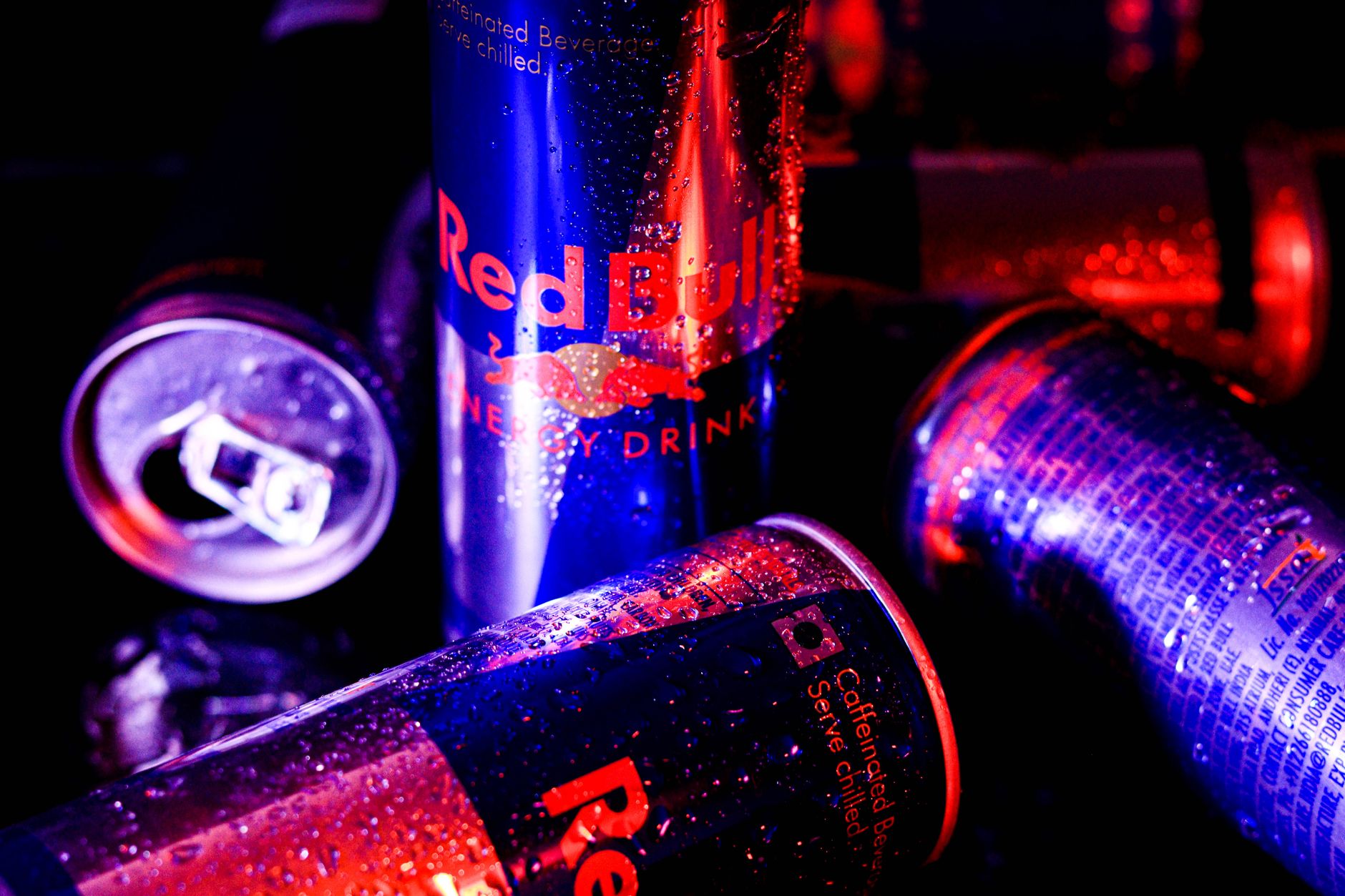
Limit intake: is red bull safe during pregnancy? One 250 ml can per day is generally acceptable after the first trimester, but higher amounts may increase risks.
By Shubhra Mishra — a mom of two who turned her own confusion during pregnancy into BumpBites, a global mission to make food choices clear, safe, and stress-free for every expecting mother. 💛
Check whether any food is safe during pregnancy with the BumpBites Food Safety Checker.
Quick verdict: ⚠️ Safe with limits – occasional Red Bull is permissible, but keep caffeine intake under 200 mg per day and avoid regular consumption.
It’s 2 a.m.; you’re scrolling through a late‑night forum, and the headline “Is Red Bull safe during pregnancy?” pops up. Your heart races because you’ve already sipped a can at breakfast and wonder if that was a mistake. The good news is that, for most pregnant people, an occasional Red Bull isn’t a cause for emergency, but it does come with caffeine limits and other considerations.
In this guide we answer the question is red bull safe during pregnancy from every angle: early pregnancy, each trimester, how many cans you can have, safer alternatives, and how it stacks up against other energy drinks. We’ll also give you a quick‑look safety table, dosage recommendations, side‑effect warnings, and a list of related drinks so you can make an informed choice without the midnight anxiety.
Keep a glass of water nearby to stay hydrated while you decide how often to enjoy an energy boost.
Stage
Verdict
Notes
First trimester
⚠️ Limit
Keep total caffeine < 200 mg/day; a single 8.4 fl oz can = ~80 mg.
Second trimester
⚠️ Limit
Same caffeine ceiling; consider sugar load if you have gestational diabetes.
Caffeine passes into breastmilk; keep intake < 200 mg/day to avoid infant irritability.
Is red bull safe in early pregnancy?
During the first three months—often called early pregnancy or the first trimester—your baby’s organs are forming, a period known as organogenesis. Because the fetus is especially sensitive to teratogens, many expectant parents scrutinize every ingredient they consume. Red Bull contains caffeine, taurine, B‑vitamins, and sugars (or artificial sweeteners in the sugar‑free version). The primary concern is caffeine, which can cross the placenta and affect fetal heart rate. The American College of Obstetricians and Gynecologists (ACOG) advises that pregnant people limit caffeine to less than 200 mg per day, roughly the amount in two 8‑oz cups of coffee or one 8.4‑oz can of Red Bull (about 80 mg of caffeine).
In practice, a single can of Red Bull early in pregnancy is generally considered safe if you stay within the overall caffeine budget. However, frequent consumption can push you over the recommended limit and may increase the risk of miscarriage or low birth weight, according to some observational studies (though the evidence is not definitive). The NHS echoes the ≤ 200 mg caffeine guideline and adds that excessive sugar can contribute to gestational diabetes, a concern for many pregnant people.
Can i drink red bull in my second trimester?
The second trimester (weeks 13‑27) is a period of rapid growth, and many expectant mothers find their energy levels fluctuating. Red Bull’s caffeine can provide a short‑term boost, but the same 200 mg caffeine ceiling still applies. ACOG’s guidance does not change by trimester; the safe limit remains constant throughout pregnancy. If you’re already near the caffeine limit from coffee, tea, or chocolate, adding a Red Bull could tip you over the threshold.
Beyond caffeine, the high sugar content in regular Red Bull (≈ 27 g per can) may affect blood glucose, especially if you develop gestational diabetes. Sugar‑free versions replace sugar with artificial sweeteners like aspartame; the FDA deems these safe for the general population, but some clinicians advise pregnant patients to limit them as a precaution.
How much red bull can i drink while pregnant?
Red Bull’s caffeine content is about 80 mg per 8.4‑fl‑oz (250 ml) can. To stay under the ACOG‑recommended 200 mg daily limit, you can safely enjoy up to two cans spread across the day, provided you have little or no other caffeine sources. If you drink coffee (≈ 95 mg per 8‑oz cup) or tea (≈ 30‑70 mg per cup), you’ll need to adjust accordingly.
For sugar considerations, a single regular Red Bull provides roughly 27 g of sugar—about 7 % of the American Heart Association’s daily added‑sugar limit for women (25 g). If you have gestational diabetes, you may need to avoid regular Red Bull entirely and choose a sugar‑free or low‑sugar alternative.
Red bull alternatives during pregnancy
If you’re looking for a gentle pick‑me‑up without the caffeine load, consider these pregnancy‑friendly options:
Coconut water – natural electrolytes, no caffeine.
Fresh vegetable juice – nutrient‑dense, low sugar.
Green tea – provides antioxidants; limit to 1 cup (≈ 30 mg caffeine).
Decaf coffee – coffee flavor without the caffeine spike.
Low‑sugar sports drinks – electrolytes with minimal caffeine.
Water with lemon – refreshing hydration, zero caffeine.
Is rockstar energy drink safer than red bull during pregnancy?
Rockstar Energy drinks typically contain 160 mg of caffeine per 16‑oz can—double the caffeine of a Red Bull can. The FDA does not differentiate between brands when it comes to caffeine limits for pregnant people. Because Rockstar’s caffeine content exceeds the 200 mg daily ceiling in just one can, it is less safe than Red Bull if you plan to stay within the recommended caffeine limit. Additionally, Rockstar often has higher sugar levels, which can further increase gestational‑diabetes risk.
What are the risks of drinking red bull while pregnant?
The primary risks stem from caffeine and sugar. High caffeine intake (> 200 mg/day) has been associated with a modest increase in miscarriage risk and possible low birth weight, though the data are mixed and often confounded by other lifestyle factors. Excess sugar can contribute to excessive weight gain and gestational diabetes, both of which carry downstream complications for mother and baby.
Other ingredients like taurine and B‑vitamins are generally regarded as safe at the levels found in Red Bull, but there is limited research on their long‑term fetal effects. The CDC notes that excessive caffeine may lead to maternal insomnia, which can indirectly affect fetal development by reducing overall maternal well‑being.
Choosing a vegetable juice can give you vitamins without the caffeine spike.
Safety by trimester
First trimester (weeks 1‑12)
During organogenesis, keep caffeine under 200 mg/day. One Red Bull can (≈ 80 mg) is permissible if you limit other caffeine sources. Watch for sugar spikes if you have a history of glucose intolerance.
Second trimester (weeks 13‑27)
The caffeine limit remains the same. Energy needs rise, so many pregnant people crave quick boosts. If you’re approaching the caffeine ceiling, consider a sugar‑free version or swap for a low‑caffeine alternative.
Third trimester (weeks 28‑40)
Late‑pregnancy caffeine can interfere with sleep, which is already disrupted. Stick to the 200 mg cap and avoid drinking Red Bull after 4 p.m. to protect both your rest and fetal heart‑rate stability.
Breastfeeding
Caffeine passes into breastmilk; infants can be sensitive to even small amounts. Keeping maternal caffeine under 200 mg/day helps prevent irritability, wakefulness, or feeding difficulties in the newborn.
Safe dosage / amount / brands
Metric
Recommended limit
Notes
Caffeine from Red Bull
≤ 80 mg per can (8.4 fl oz)
Two cans per day max if no other caffeine sources.
Sugar (regular Red Bull)
≤ 27 g per can
Stay within 25 g added‑sugar daily limit; choose sugar‑free if diabetic.
Preferred brands
Original Red Bull, Red Bull Sugar‑Free
Both meet FDA standards; sugar‑free version has lower calorie count.
Brands to avoid
Any “extra‑strength” or “energy‑plus” versions with > 150 mg caffeine
Higher caffeine exceeds safe daily limit.
Side effects and risks
Common, non‑dangerous side effects include jitteriness, increased heart rate, and occasional stomach upset—typical of caffeine intake. More concerning signs that merit a call to your provider include:
Persistent rapid heartbeat (> 100 bpm) or palpitations.
Severe headache or visual disturbances.
Signs of gestational diabetes: excessive thirst, frequent urination.
Fetal movement changes after a caffeine binge.
If you experience any of these, seek medical advice promptly. Remember, these guidelines are informational; your provider knows your full health picture.
Safer alternatives
Coconut water – natural electrolytes without caffeine.
Fresh vegetable juice – vitamins and minerals, low sugar.
Green tea – antioxidant‑rich, limit to 1 cup (≈ 30 mg caffeine).
Decaf coffee – coffee flavor with negligible caffeine.
Water with lemon – refreshing hydration, zero caffeine.
Related items — safety at a glance
Energy drink
Verdict
One‑line note
Monster Energy
❌ Best avoided
Contains ~160 mg caffeine per 16 oz can—exceeds daily limit.
5‑Hour Energy
❌ Best avoided
High caffeine (≈ 200 mg) in a 2‑oz bottle.
AMP Energy
⚠️ Safe with limits
≈ 80 mg caffeine per 8.4 oz can; same as Red Bull.
Full Throttle Energy
❌ Best avoided
~ 150 mg caffeine per 16 oz can.
NOS Energy Drink
❌ Best avoided
~ 160 mg caffeine per 16 oz can; high sugar.
VPX Redline Energy
❌ Best avoided
≈ 300 mg caffeine per 8 oz bottle—far exceeds safe limit.
Myth vs. fact
Myth: “All energy drinks are the same, so if one is okay, the others are too.”
Fact: Caffeine content varies widely; some contain double or triple the caffeine of Red Bull, making them unsafe for pregnancy.
Myth: “The B‑vitamins in Red Bull protect the baby.”
Fact: While B‑vitamins are essential, the amounts in Red Bull are already covered by a balanced prenatal diet; extra intake offers no proven fetal benefit.
Myth: “Sugar‑free Red Bull eliminates all risks.”
Fact: Sugar‑free versions replace sugar with artificial sweeteners, which the FDA deems safe, but many clinicians still suggest moderation during pregnancy.
Key takeaways
Red Bull is not outright forbidden, but keep total caffeine < 200 mg per day.
One 8.4‑oz can provides ~80 mg caffeine; two cans are the maximum if you avoid other caffeine sources.
Watch sugar intake; choose sugar‑free if you have gestational diabetes.
Consider low‑caffeine, nutrient‑rich alternatives like coconut water or fresh vegetable juice.
If you notice rapid heartbeat, severe headache, or changes in fetal movement, contact your provider.
Always discuss personal caffeine habits with your obstetrician or midwife.
Frequently asked questions
can pregnant women drink energy drinks
Yes, but only in moderation and within the 200 mg caffeine daily limit recommended by ACOG. Opt for low‑caffeine or sugar‑free options when possible.
what energy drinks are safe during pregnancy
Energy drinks with ≤ 80 mg caffeine per serving (e.g., Red Bull, AMP Energy) can be safe if you stay under the total daily caffeine ceiling and limit sugar.
how does red bull affect the fetus
Excess caffeine can cross the placenta, potentially raising fetal heart rate and, in high amounts, modestly increasing miscarriage risk; moderate consumption within limits is not shown to cause harm.
can i drink red bull in my first trimester
Yes, a single can (≈ 80 mg caffeine) is permissible if you keep total caffeine below 200 mg and watch sugar intake.
what are the side effects of red bull during pregnancy
Typical caffeine‑related effects include jitteriness, increased heart rate, and stomach upset; more serious signs—persistent tachycardia, severe headache, or gestational‑diabetes symptoms—should prompt a doctor’s call.
is it okay to drink one red bull while pregnant
One can is generally okay as long as you stay within the 200 mg caffeine limit and have no other caffeine sources that day.
can red bull cause miscarriage
Current evidence suggests high caffeine intake (> 300 mg/day) may be associated with a slightly increased miscarriage risk; a single Red Bull can does not reach that level.
When to call your doctor
Seek medical attention if you experience any of the following after drinking Red Bull:
Heart rate consistently above 100 bpm or palpitations.
Severe, persistent headache or visual disturbances.
Signs of gestational diabetes (excessive thirst, frequent urination).
Noticeable changes in fetal movement patterns.
Persistent insomnia affecting daily functioning.
These symptoms may indicate that caffeine or sugar intake is affecting you or your baby. Remember, this article provides general information and is not a substitute for personalized medical advice. Always discuss your diet and caffeine habits with your obstetric provider.
References
American College of Obstetricians and Gynecologists (ACOG). “Committee Opinion No. 720: Nutrition During Pregnancy.” 2023.
National Health Service (NHS). “Caffeine in pregnancy.” Updated 2022.
U.S. Food and Drug Administration (FDA). “Caffeine: How much is too much?” 2021.
Centers for Disease Control and Prevention (CDC). “Pregnancy and caffeine.” 2022.
World Health Organization (WHO). “Guidelines on caffeine consumption for pregnant women.” 2020.
Mayo Clinic. “Caffeine: How much is safe during pregnancy?” 2023.
British Nutrition Foundation. “Energy drinks and pregnancy.” 2021.
Not sure about the label on Is Red Bull Safe During Pregnancy products?
Snap the ingredients list and SafeFilter checks every ingredient for your stage — only 3 free scans this month, then you're locked until reset. Unlimited from $7/mo or $50/yr.
When Shubhra Mishra was expecting her first child in 2016, she was overwhelmed by conflicting food advice — one site said yes, another said never. By the time her second baby arrived in 2019, she realized millions of mothers face the same confusion.
That sparked a five-year journey through clinical nutrition papers, cultural diets, and expert conversations — all leading to BumpBites: a calm, compassionate space where science meets everyday motherhood.
Her long-term vision is to build a global community ensuring safe, supported, and free deliveriesfor every mother — because no woman should face pregnancy alone or uninformed. 🌿
🌍 Stand with mothers, shape safer guidance
Join a small circle of experts who review BumpBites articles so expecting parents everywhere can decide with confidence.