Safe in moderation. Protein shakes can be safe during pregnancy if you follow the recommended dosage (20-25g per serving) and choose pasteurized, low-sugar options, especially in the first trimester.
By Shubhra Mishra — a mom of two who turned her own confusion during pregnancy into BumpBites, a global mission to make food choices clear, safe, and stress-free for every expecting mother. 💛
Check whether any food is safe during pregnancy with the BumpBites Food Safety Checker.
Quick verdict: ⚠️ Safe with limits – most protein shakes are okay in moderation, but you should watch the ingredients, serving size, and any pregnancy‑specific conditions. Stick to a single serving (about 20‑25 g protein) per day, choose a brand with minimal additives, and talk to your provider if you have gestational diabetes or other concerns.
It’s 2 a.m., the kitchen light is on, and you’re staring at that sleek bottle of vanilla‑flavored protein shake you grabbed on autopilot. “Is protein shakes safe during pregnancy?” you wonder, heart racing. You’re not alone—many expecting parents scramble for a quick, nutritious boost and then worry about the impact on their baby.
In short, protein shakes can be part of a healthy pregnancy diet, but they aren’t a free‑for‑all. The key is moderation, ingredient awareness, and tailoring the choice to each trimester and any special conditions you might have, such as gestational diabetes.
This guide walks you through the overall safety verdict, trimester‑specific considerations, recommended daily amounts, potential risks, safe brands, pregnancy‑friendly alternatives, and even a quick‑look comparison with related protein products. By the end, you’ll have a clear answer to the question “is protein shakes safe during pregnancy?” and a roadmap to keep both you and your baby thriving.
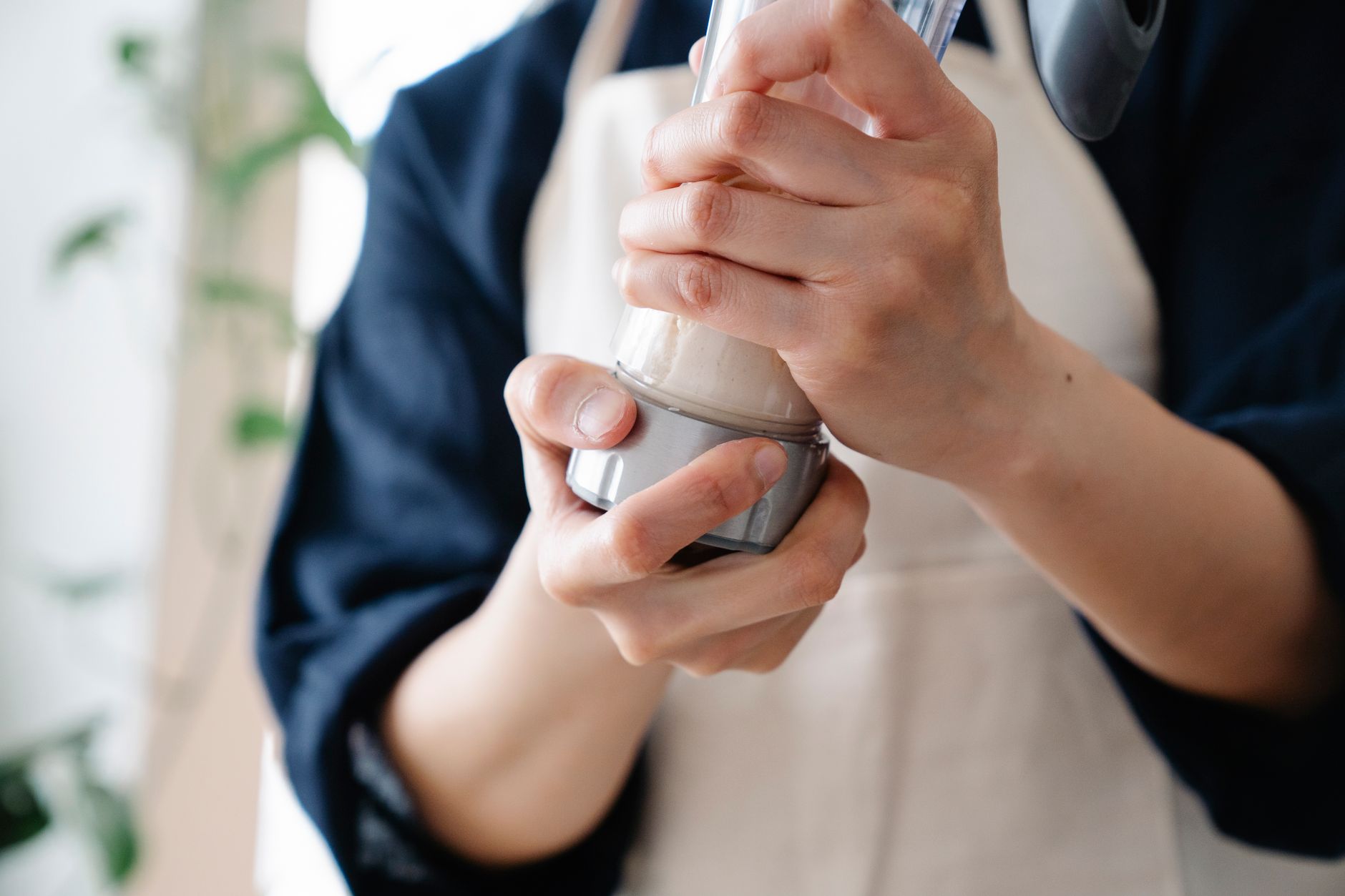
Choosing a protein shake with simple, recognizable ingredients can make it easier to assess safety.
Stage
Verdict
Notes
First trimester
⚠️ Safe with limits
Focus on quality protein, avoid excess caffeine, artificial sweeteners, and high‑dose vitamins.
Second trimester
✅ Generally safe
Can support increased protein needs; keep servings ≤ 1 per day.
Third trimester
✅ Generally safe
Helpful for weight gain and muscle maintenance; watch added sugars.
Breastfeeding
✅ Generally safe
Supports lactation protein needs; choose low‑sugar, low‑additive options.
What are protein shakes?
Protein shakes are liquid beverages made by mixing protein powder or pre‑blended protein drink with water, milk, or a plant‑based alternative. The protein source can be whey (a milk‑derived protein), casein, soy, pea, rice, or a blend of several plant proteins. Manufacturers often add sweeteners, flavorings, vitamins, minerals, and sometimes probiotics or digestive enzymes.
People use protein shakes for a quick protein boost—especially athletes, those on weight‑loss plans, or anyone who struggles to meet daily protein goals through whole foods alone. During pregnancy, protein needs rise to roughly 71 g per day (according to the Institute of Medicine), and a single shake can provide 15‑25 g of that, making it an attractive shortcut for busy moms‑to‑be.
While the concept sounds simple, the safety of protein shakes in pregnancy hinges on three factors: the type of protein (e.g., whey vs. soy), the presence of additives (like caffeine, artificial sweeteners, or high‑dose vitamins), and the total amount consumed each day. Understanding these nuances helps answer the ever‑present question “is protein shakes safe during pregnancy.”
Is protein shakes safe during pregnancy?
Current guidance from major health authorities—including the American College of Obstetricians and Gynecologists (ACOG), the UK's National Health Service (NHS), and the U.S. Food and Drug Administration (FDA)—indicates that protein shakes are safe when consumed in moderation and when the ingredient list is free of known teratogens.
ACOG notes that protein intake is essential for fetal growth and that “protein supplements are acceptable if they do not contain excessive amounts of vitamins, minerals, or stimulants” (ACOG Committee Opinion, 2022). The NHS echoes this, recommending that pregnant people can use fortified protein drinks as part of a balanced diet, provided they avoid high‑caffeine or high‑sugar varieties (NHS Pregnancy Nutrition, 2023).
Potential risks arise mainly from additives rather than the protein itself. For example, excessive caffeine (> 200 mg per day) can be linked to low birth weight, and certain artificial sweeteners (like saccharin) have mixed safety data, though most FDA‑approved sweeteners (e.g., sucralose) are considered low risk when used within acceptable daily intake limits.
In summary, the protein component of shakes is not a teratogen, and the majority of commercially available products are safe for pregnant users as long as they are consumed responsibly and screened for problematic ingredients.
Are protein shakes safe to drink during each trimester of pregnancy?
First trimester
The first 12 weeks are a critical window of organ formation, so many obstetricians advise extra caution with anything that could introduce excess caffeine, high‑dose vitamins (especially vitamin A), or unknown allergens. A single serving of a plain whey or plant‑based protein shake (≈ 20 g protein) is generally acceptable, but you should avoid formulas that contain added caffeine, high levels of vitamin A, or unverified herbal extracts.
For those managing morning sickness, a shake can be soothing, but choose a low‑sugar, low‑sweetener option to avoid spikes in blood sugar that could worsen nausea. If you have a history of hyperemesis gravidarum, discuss with your provider before adding any supplement.
Second trimester
From weeks 13 to 27, the baby’s growth accelerates, and protein requirements climb. This is an ideal time to incorporate a protein shake if you’re finding it hard to meet the ~ 71 g daily protein target through meals alone. One shake per day can comfortably fill the gap without overloading on calories.
At this stage, you can also consider shakes fortified with calcium, iron, or vitamin D—provided the amounts stay within the recommended daily allowances (RDA). For example, a shake delivering 200 mg calcium is well below the 1,000 mg RDA for pregnancy and thus safe.
Third trimester
In the final stretch, many expectant mothers aim for healthy weight gain to support fetal stores. Protein shakes can aid in maintaining muscle mass and preventing excessive fatigue. Again, keep the intake to one serving per day, and watch for added sugars that could contribute to gestational hyperglycemia.
If you’re experiencing increased heartburn—a common third‑trimester complaint—choose a shake mixed with almond milk or another low‑acid base, and avoid citrus‑flavored or carbonated varieties.
Breastfeeding
After delivery, protein needs remain elevated (about 71‑75 g per day). Protein shakes are generally safe while nursing, and they can help replenish maternal stores. Opt for formulas with minimal added sugars and avoid any that contain high levels of caffeine, as caffeine can pass into breast milk and affect the infant.
Reading the ingredient list helps you choose a shake that’s truly pregnancy‑friendly.
How many protein shakes can a pregnant woman consume per day?
Most nutrition experts agree that one standard serving (about 20‑25 g of protein) is sufficient for most pregnant people. The USDA’s Dietary Guidelines for Americans suggest that protein supplements should not exceed 30 % of total protein intake, which translates to roughly one shake per day for a typical pregnancy diet.
If you’re an athlete or have a higher protein requirement (≥ 100 g per day), you might safely incorporate a second shake, but only after consulting your obstetrician or a registered dietitian. The total caloric load of the shake (usually 150‑250 kcal) should be counted toward your daily energy budget to avoid excessive weight gain.
In short, aim for **no more than one shake per day** unless you have a specific medical recommendation to do otherwise.
Which protein shake brands are considered safest for pregnancy?
Safety hinges less on brand name and more on ingredient transparency. However, a few brands consistently meet the criteria of low added sugars, minimal artificial additives, and clear labeling of protein source:
Orgain Organic Protein – plant‑based pea protein, no artificial sweeteners, certified organic.
Vital Proteins Collagen Peptides – hydrolyzed collagen sourced from grass‑fed bovine, no added sugar, low sodium.
Premier Protein Shake – whey protein isolate, 20 g protein, low sugar (1 g), calcium‑fortified.
Garden of Life Raw Organic Protein – sprouted protein blend, no GMO, no added sugar, contains probiotics.
Naked Whey – 100 % whey protein isolate, only one ingredient (whey), no sweeteners or flavors.
When evaluating any brand, look for “no added caffeine,” “no artificial colors or flavors,” and “contains only recognized safe vitamins.” If a product lists “proprietary blend” without specifying amounts, it’s best to avoid it during pregnancy.
What are the potential risks of protein shakes for pregnant women with gestational diabetes?
Gestational diabetes (GDM) requires careful monitoring of carbohydrate intake. Many protein shakes contain added sugars or carbohydrate‑rich maltodextrin, which can cause rapid blood‑glucose spikes. For women with GDM, the safest approach is to choose a shake that is **low‑carbohydrate (≤ 5 g net carbs per serving)** and free of added sugars.
Whey isolate or pure pea protein powders mixed with unsweetened almond milk are good options because they deliver protein without the extra carbs. Always check the nutrition facts panel—look for “0 g sugar” and “≤ 5 g total carbohydrate.” Your provider may also recommend a glucose tolerance test after trying a new shake to ensure it doesn’t affect your control.
Do protein shakes contain any ingredients that should be avoided while pregnant?
Yes, certain additives can pose risks:
Caffeine – > 200 mg per day is linked to low birth weight; many pre‑flavored shakes contain 30‑70 mg per serving.
High‑dose vitamin A (retinol) – Excessive amounts (> 10 000 IU) are teratogenic; avoid shakes fortified with “high‑strength” vitamin A.
Artificial sweeteners – While FDA‑approved sweeteners (e.g., sucralose) are generally regarded as safe, some pregnant people prefer to limit them; avoid saccharin or cyclamate.
Herbal extracts – Ingredients like ginseng, guarana, or yohimbe lack sufficient safety data and should be avoided.
Excessive added sugars – Can exacerbate gestational diabetes and contribute to unnecessary weight gain.
Reading the label and choosing products with minimal, recognizable ingredients is the best strategy for a pregnancy‑friendly shake.
What are the best pregnancy‑friendly protein shake alternatives?
Greek yogurt – high in protein (≈ 10 g per 100 g) and contains probiotics for gut health.
Cottage cheese – a low‑fat, calcium‑rich option with about 11 g protein per half‑cup.
Lentil soup – plant‑based protein and fiber; a warm bowl can soothe nausea.
Almond milk smoothie – blend almond milk, banana, and a spoonful of nut butter for a balanced protein‑carb combo.
Chia seed pudding – chia seeds provide 4 g protein per ounce plus omega‑3 fatty acids.
Hard‑boiled eggs – a portable, complete protein source with 6 g per egg.
Tofu scramble – soy protein with iron; season lightly to avoid excess sodium.
Quinoa bowl – a complete protein grain, easy to pair with veggies and a drizzle of olive oil.
Can protein shakes cause nausea or other side effects during pregnancy?
Most pregnant people tolerate a well‑formulated protein shake without issue. However, some may experience mild gastrointestinal discomfort, such as bloating, gas, or nausea, especially if the shake contains lactose, high‑FODMAP ingredients (like inulin), or a large amount of fiber.
If you notice these symptoms, try the following:
Switch to a lactose‑free whey isolate or a plant‑based protein powder.
Reduce the serving size and increase water intake.
Consume the shake with a small piece of whole‑grain toast to buffer the protein.
Persistent or severe symptoms—such as vomiting, abdominal pain, or a sudden increase in blood sugar—warrant a call to your provider.
How do protein shakes affect fetal development?
Protein is a building block for fetal tissue, including muscles, organs, and the brain. Adequate protein intake supports proper placental development and can reduce the risk of low birth weight. A well‑balanced protein shake contributes essential amino acids without the need for excessive calories.
There is no evidence that the protein itself harms fetal development. The concern lies with additives that could cross the placenta, like high caffeine or certain herbal extracts. When those are avoided, protein shakes can be a helpful adjunct to a nutrient‑dense pregnancy diet.
Safe dosage / amount / brands
Category
Safe daily amount
Recommended brands
Brands to avoid
Whey protein isolate
One 20‑g serving (≈ 1 scoop)
Premier Protein, Naked Whey
Products with added caffeine or proprietary blends
Plant‑based protein powder
One 20‑g serving
Orgain Organic, Garden of Life Raw
Formulas with high‑fructose corn syrup
Pre‑mixed protein drink
One 250‑ml bottle (≤ 20 g protein)
Vital Proteins Collagen, Premier Protein Shake
Flavored drinks with > 10 g added sugar
For pregnant individuals with gestational diabetes, aim for a low‑carb version (≤ 5 g net carbs) and pair the shake with a source of healthy fat to slow glucose absorption.
Side effects and risks
Common, non‑dangerous side effects include mild bloating, gas, or a feeling of fullness. These usually resolve with a smaller serving size or by switching to a lactose‑free formula.
Potential red‑flag concerns that require prompt medical attention:
Severe abdominal pain or cramping after a shake.
Persistent vomiting or inability to keep any food down.
Rapid spikes in blood glucose (> 180 mg/dL) for those with GDM.
Signs of allergic reaction—hives, swelling, difficulty breathing.
If any of these occur, contact your obstetrician or go to the nearest emergency department.
Safer alternatives
Greek yogurt – provides protein and calcium without added sugars.
Cottage cheese – low‑fat, high‑protein snack that’s easy to portion.
Lentil soup – nutrient‑dense, fiber‑rich, and soothing for nausea.
Almond milk smoothie – customizable with fruit and nut butter for balanced macros.
Chia seed pudding – offers protein, omega‑3s, and fiber in a simple, make‑ahead dish.
Hard‑boiled eggs – portable, complete protein source.
Tofu scramble – soy protein with iron, adaptable to many flavor profiles.
Quinoa bowl – a grain that supplies all essential amino acids.
Pea or rice blends are fine; watch for soy if you have allergies.
Casein protein shake
⚠️ Safe with limits
Slow‑digesting; ensure low added sugar.
Soy protein drink
⚠️ Safe with limits
Moderate intake; high phytoestrogen content may affect hormone balance.
Collagen protein beverage
✅ Generally safe
Hydrolyzed collagen is low‑allergen, minimal additives.
Meal replacement shakes
⚠️ Safe with limits
Check for excessive vitamins/minerals and added sugars.
Protein bars
⚠️ Safe with limits
Often high in sugar and artificial ingredients; read labels.
Myth vs. fact
Myth: “All protein shakes are safe because they’re marketed as health foods.”
Fact: Safety depends on the specific ingredients; some contain caffeine, high‑dose vitamins, or added sugars that can be problematic in pregnancy.
Myth: “More protein always means a healthier pregnancy.”
Fact: Excess protein can strain kidneys and increase calorie intake; the recommended amount is about 71 g per day, and a shake should supplement—not replace—whole‑food sources.
Myth: “Plant‑based protein shakes are automatically safer than whey.”
Fact: Both can be safe; the crucial factor is additive content, not the protein source alone.
Key takeaways
Protein shakes are generally safe in pregnancy when limited to one serving per day and free of caffeine, high‑dose vitamin A, and questionable herbal extracts.
Read labels carefully—avoid added sugars, artificial sweeteners you’re uncomfortable with, and proprietary blends that hide ingredient amounts.
Pregnant people with gestational diabetes should choose low‑carb, sugar‑free options and monitor blood glucose after consumption.
Safe brands include Orgain Organic, Premier Protein, and Naked Whey; avoid products with undisclosed proprietary blends.
If you experience severe nausea, abdominal pain, or blood‑sugar spikes, contact your provider promptly.
Pregnancy‑friendly alternatives—Greek yogurt, lentil soup, chia seed pudding, etc.—provide protein without the hidden additives.
Frequently asked questions
Can I drink protein shakes while pregnant?
Yes—you can enjoy a protein shake during pregnancy as long as you keep the portion to one standard serving per day and choose a brand without caffeine, excessive added sugars, or high‑dose vitamin A.
How much protein do I need during pregnancy?
The Institute of Medicine recommends about 71 g of protein per day for pregnant adults, which is roughly 25 % more than the non‑pregnant requirement.
Are there any protein shakes that are unsafe for pregnant women?
Shakes that contain added caffeine (> 30 mg per serving), high levels of vitamin A (retinol), artificial sweeteners like saccharin, or undisclosed proprietary blends should be avoided during pregnancy.
What ingredients should I avoid in protein shakes during pregnancy?
Avoid caffeine, high‑dose vitamin A, unapproved herbal extracts (e.g., ginseng), excessive added sugars, and artificial sweeteners you’re uncomfortable with, such as saccharin.
Do protein shakes cause morning sickness in pregnancy?
Protein shakes are not a common cause of morning sickness, but if a shake is high in sugar or contains lactose, it may worsen nausea for some pregnant people.
Is it okay to use whey protein during the first trimester?
Whey protein is fine in the first trimester if you choose an unflavored, low‑caffeine product and stay within a single‑serving limit (≈ 20 g protein).
Can protein shakes help with pregnancy weight gain?
Yes—when used as a supplemental source of protein and calories, a shake can support healthy weight gain, especially in the second and third trimesters, provided it’s low in added sugars.
Are plant‑based protein shakes safe for pregnant moms?
Plant‑based protein shakes are safe when they contain recognizable ingredients, low added sugars, and no caffeine or high‑dose vitamins; they are a good alternative for those avoiding dairy.
When to call your doctor
If you notice any of the following after drinking a protein shake, reach out to your obstetrician or midwife right away:
Severe abdominal pain or cramping that doesn’t subside.
Persistent vomiting or inability to keep fluids down.
Sudden, significant spikes in blood glucose (especially if you have gestational diabetes).
Signs of an allergic reaction—hives, swelling, shortness of breath.
Unexplained rapid weight gain or loss.
These symptoms could indicate an underlying issue that needs professional evaluation. Remember, this article provides general information and is not a substitute for personalized medical advice.
References
American College of Obstetricians and Gynecologists. Committee Opinion No. 774: Nutrition During Pregnancy. 2022.
National Health Service (NHS). Pregnancy nutrition: protein. Updated 2023.
U.S. Food and Drug Administration (FDA). Food additive safety. 2022.
Centers for Disease Control and Prevention (CDC). Gestational Diabetes Mellitus. 2023.
Institute of Medicine. Dietary Reference Intakes for Energy, Carbohydrate, Fiber, Fat, Fatty Acids, Cholesterol, Protein, and Amino Acids. 2005.
World Health Organization. Recommendations on Antenatal Care for a Positive Pregnancy Experience. 2021.
Harvard T.H. Chan School of Public Health. Protein and Pregnancy. Accessed July 2026.
Not sure about the label on Is Protein Shakes Safe During Pregnancy products?
Snap the ingredients list and SafeFilter checks every ingredient for your stage — only 3 free scans this month, then you're locked until reset. Unlimited from $7/mo or $50/yr.
When Shubhra Mishra was expecting her first child in 2016, she was overwhelmed by conflicting food advice — one site said yes, another said never. By the time her second baby arrived in 2019, she realized millions of mothers face the same confusion.
That sparked a five-year journey through clinical nutrition papers, cultural diets, and expert conversations — all leading to BumpBites: a calm, compassionate space where science meets everyday motherhood.
Her long-term vision is to build a global community ensuring safe, supported, and free deliveriesfor every mother — because no woman should face pregnancy alone or uninformed. 🌿
🌍 Stand with mothers, shape safer guidance
Join a small circle of experts who review BumpBites articles so expecting parents everywhere can decide with confidence.