Limit parsley during pregnancy. Small culinary amounts are safe, but avoid supplements or large doses, especially in the first trimester, due to uterine stimulation risks.
By Shubhra Mishra — a mom of two who turned her own confusion during pregnancy into BumpBites, a global mission to make food choices clear, safe, and stress-free for every expecting mother. 💛
Check whether any food is safe during pregnancy with the BumpBites Food Safety Checker.
Quick verdict: ⚠️ Safe with limits – culinary amounts of fresh parsley are generally considered safe, but concentrated supplements should be avoided. Moderation is key, especially in the first trimester.
When you wonder is parsley safe during pregnancy, it’s natural to feel a flutter of anxiety, especially if you’ve already sprinkled it over a salad or are thinking about adding it to a smoothie. You’re not alone—many expecting parents scan the pantry at 2 a.m. looking for a clear answer. The good news is that parsley, a common culinary herb, is safe in typical food‑grade amounts, but larger doses—especially from extracts or capsules—can carry risks.
In this article we’ll break down the safety verdict for parsley, explore how much you can comfortably enjoy each trimester, compare fresh leaves to supplement forms, and suggest gentler herb alternatives. We’ll also look at how parsley might affect specific pregnancy conditions like hypertension or anemia, and give you a quick‑reference table of related herbs.
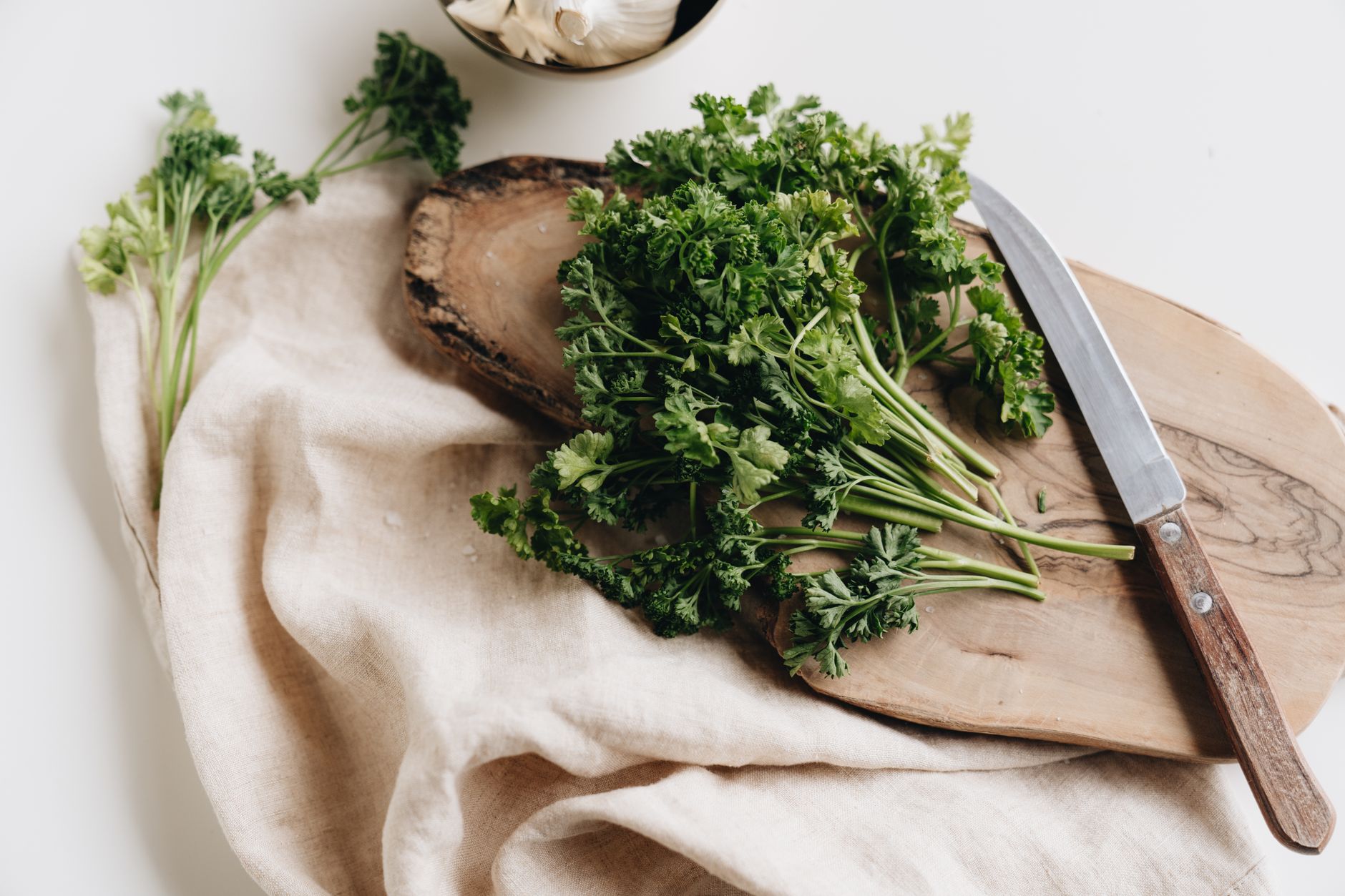
Fresh parsley adds flavor and nutrients—use it in moderation.
Trimester / Breastfeeding
Verdict
Notes
First trimester
⚠️ Safe with limits
Stick to culinary amounts (≤ ¼ cup fresh); avoid concentrated extracts.
Second trimester
⚠️ Safe with limits
Same guidance as first trimester; monitor for uterine‑stimulating effects.
Third trimester
⚠️ Safe with limits
Continue modest use; high doses may still stimulate uterine activity.
Breastfeeding
✅ Generally safe
Small culinary amounts are fine; avoid high‑dose supplements.
What is parsley?
Parsley (Petroselinum crispum) is a leafy herb native to the Mediterranean that belongs to the Apiaceae family, the same group as carrots and celery. It’s a staple in many cuisines for its bright, slightly peppery flavor and is often used as a garnish, in sauces, salads, and soups. Parsley is rich in vitamins A, C, K, and folate, as well as minerals like iron and potassium, making it a nutrient‑dense addition to a balanced diet.
Beyond its culinary role, parsley has a history in traditional medicine. Its essential oils contain compounds such as apiol and myristicin, which have mild diuretic and uterine‑stimulating properties. Because of these actions, herbalists have sometimes recommended parsley for menstrual regulation or as a galactagogue (a milk‑boosting herb). However, the same properties that can be helpful in non‑pregnant adults may raise concerns for a developing fetus, especially when the herb is consumed in concentrated forms like extracts, teas, or capsules.
Is parsley safe during pregnancy?
C
urrent guidance from major health organizations indicates that parsley is safe when used as a food ingredient in typical culinary amounts. The American College of Obstetricians and Gynecologists (ACOG) notes that “herbs used in normal cooking quantities are generally considered safe,” and the UK’s National Health Service (NHS) echoes this, stating that “fresh herbs, including parsley, are fine to eat in moderation.” The U.S. Food and Drug Administration (FDA) does not classify parsley as a drug, but it does warn that “concentrated herbal extracts may have pharmacologic effects and should be used with caution during pregnancy.”
Most of the concern stems from the uterine‑stimulating compounds found in parsley’s essential oils. In animal studies, very high doses have been linked to uterine contractions, but those levels far exceed what a person would ingest through food. Human data are limited, and no large‑scale studies have shown a direct link between normal parsley consumption and adverse pregnancy outcomes.
Therefore, the consensus is that parsley is safe in the amounts you would typically add to a dish, but it’s prudent to avoid large‑dose supplements or herbal teas that concentrate those active compounds.
Safety by trimester
First trimester
The first trimester is the period of organogenesis, when the fetus’s major organs are forming. Because of this sensitivity, many clinicians advise extra caution with substances that could have pharmacologic activity. Culinary parsley—about a tablespoon of chopped fresh leaves per serving—is considered low risk. However, the ACOG recommends limiting exposure to high‑dose herbal extracts during this window, so avoid parsley pills or strong teas.
Second trimester
During the second trimester, the baby’s growth accelerates, and the uterus becomes more responsive to hormonal signals. The same modest intake of fresh parsley remains safe, but some women report mild uterine cramping after consuming large amounts of parsley tea. If you notice any unusual contractions, reduce your intake and discuss it with your provider.
Third trimester
In the third trimester, the baby’s brain and lungs mature, and the risk of stimulating premature labor becomes a focal point. While normal culinary use is still regarded as safe, the precautionary principle suggests avoiding any concentrated parsley products that could theoretically trigger uterine activity.
Breastfeeding
After delivery, small amounts of fresh parsley are fine for nursing mothers. The compounds in parsley are present in breastmilk at very low levels and are unlikely to affect the infant. Nonetheless, high‑dose supplements should still be avoided, as they could alter milk composition.
How much parsley can a pregnant woman consume daily?
Most nutrition experts agree that up to ¼ cup (about 15 grams) of fresh parsley per day is a reasonable upper limit for pregnant women. This amount provides a boost of folate and iron without approaching the levels that might cause uterine irritation. For dried parsley, the equivalent is roughly 1–2 teaspoons. It’s best to spread intake across meals rather than consuming a large handful at once.
Because parsley supplements can contain concentrated extracts, the FDA advises that “pregnant women should avoid herbal supplements unless specifically recommended by a health professional.” If you prefer a supplement, discuss it with your obstetrician and follow the dosage they prescribe.
A teaspoon of dried parsley is roughly the daily safe limit.
What are the risks of consuming parsley in the second trimester?
In the second trimester, the primary concern is the potential for uterine contractions due to parsley’s apiol content. While typical food‑grade servings are unlikely to cause noticeable effects, large quantities—especially from strong teas or extracts—may lead to mild cramping or increased uterine tone. There is no evidence that these mild contractions lead to preterm labor, but the precautionary approach is to keep intake moderate.
Other possible risks include gastrointestinal upset (such as gas or bloating) if you consume a lot of raw parsley, as it is high in fiber. If you have a history of kidney stones, be aware that parsley contains oxalates, which can contribute to stone formation in susceptible individuals.
Can parsley cause uterine contractions in pregnancy?
Yes, parsley contains compounds that have been shown to stimulate uterine muscle in animal models, but the effect is dose‑dependent. Consuming parsley as a garnish or in a salad is far below the threshold needed to cause uterine activity. However, concentrated forms—such as parsley tea brewed strong, essential‑oil capsules, or high‑dose extracts—could theoretically promote uterine contractions. Because of this, health authorities like ACOG recommend avoiding high‑dose parsley supplements throughout pregnancy.
Safer herb alternatives to parsley for pregnant women
Basil – Offers a sweet, aromatic flavor without uterine‑stimulating compounds.
Oregano – Provides a robust taste and is rich in antioxidants, safe in typical culinary amounts.
Mint – Refreshing and soothing, especially for nausea, with no known uterine effects.
Chives – Mild onion‑like flavor, low in oxalates, and safe in normal food portions.
Dill – Delicate flavor, high in calcium and vitamin C, safe for pregnancy.
Tarragon – Slightly sweet, used sparingly, and considered low risk.
Coriander (cilantro) – Fresh, citrusy taste, rich in iron, safe when used as a garnish.
Is fresh parsley safer than parsley supplements during pregnancy?
Yes. Fresh parsley delivers the herb’s nutrients in a dilute form, making it far less likely to reach the concentrations that could affect uterine muscle. Supplements, especially those labeled “extract” or “essential oil,” concentrate the active compounds and are not regulated by the FDA in the same way as foods. Consequently, the NHS and ACOG advise pregnant women to rely on fresh herbs for flavor and nutrition rather than taking herbal supplements unless a provider specifically recommends them.
What pregnancy conditions are affected by parsley consumption?
Parsley’s high folate content can be beneficial for preventing neural‑tube defects, a key concern in early pregnancy. It also supplies iron and vitamin C, which support red‑blood‑cell production and may help with anemia—a common issue in pregnancy. Conversely, the herb’s diuretic effect can increase urinary frequency, which might be uncomfortable for some women.
For hypertension, some studies suggest that parsley’s potassium content could aid in blood‑pressure regulation, but the evidence is modest. Overall, the net impact of parsley on specific pregnancy conditions is positive when consumed in culinary amounts, but excessive intake should be avoided.
Related items — safety at a glance
Herb
Verdict
One‑line note
Sage
⚠️ Safe with limits
Essential oil can be uterine‑stimulating; use only as a spice.
Rosemary
✅ Generally safe
Safe in culinary amounts; avoid high‑dose oil.
Thyme
✅ Generally safe
Rich in antioxidants, no known uterine effects.
Cilantro
✅ Generally safe
Provides iron and vitamin C; safe as garnish.
Lavender
⚠️ Safe with limits
Strong essential oil may affect hormone balance; use sparingly.
Fennel
⚠️ Safe with limits
High in estrogenic compounds; limit to culinary doses.
Garlic
✅ Generally safe
Antimicrobial and cardiovascular benefits; safe in food.
Myth vs. fact
Myth: “Parsley can induce labor at any dose.”
Fact: Only concentrated parsley extracts have shown uterine‑stimulating effects in animal studies; normal culinary use is far below that threshold.
Myth: “All herbs are unsafe during pregnancy.”
Fact: Many herbs, including parsley, are safe when used in typical cooking amounts; the risk usually lies with concentrated supplements.
Myth: “Parsley tea is a harmless way to get extra nutrients.”
Fact: Strong parsley tea can concentrate uterine‑active compounds; moderate, short‑steeped tea is safer, but many providers still advise against herbal teas in pregnancy.
Key takeaways
✅ Culinary parsley (≤ ¼ cup fresh or 1–2 tsp dried per day) is generally safe throughout pregnancy.
⚠️ Avoid concentrated parsley supplements, extracts, or strong teas unless your provider recommends them.
Monitor for mild uterine cramping if you consume large amounts, especially in the second trimester.
Parsley offers folate, iron, and vitamin C, which can support pregnancy nutrition.
Consider safer herb alternatives like basil, mint, or dill for flavor without uterine‑stimulating concerns.
Frequently asked questions
Can parsley cause miscarriage?
No, there is no evidence that normal culinary use of parsley causes miscarriage. Only very high doses of concentrated extracts have uterine‑stimulating properties, and those are far beyond typical food consumption.
Is it safe to take parsley supplements while pregnant?
Generally, no. The FDA and ACOG advise pregnant women to avoid parsley supplements because they concentrate active compounds that could affect uterine activity.
What are the benefits of parsley during pregnancy?
Parsley is a good source of folate, iron, vitamin C, and potassium, which can help prevent anemia and support fetal development when eaten in normal food amounts.
How much parsley is too much for a pregnant woman?
Consuming more than about ¼ cup of fresh parsley (or 2 tsp of dried parsley) per day may approach levels that could cause mild uterine irritation; staying below this limit is recommended.
Does cooked parsley have the same risks as raw parsley?
Cooking reduces the concentration of some volatile oils, so cooked parsley is slightly less likely to have uterine‑stimulating effects, but the overall risk remains low when used in typical amounts.
Are parsley tea and parsley capsules safe for pregnant women?
Both are considered concentrated forms and are not recommended during pregnancy unless a healthcare provider specifically advises otherwise.
Can parsley affect my baby's development?
In normal culinary portions, parsley provides beneficial nutrients and does not harm fetal development. Excessive intake of concentrated extracts could theoretically affect development, which is why they are discouraged.
When to call your doctor
If you experience any of the following after consuming parsley, contact your obstetric provider promptly: persistent uterine cramps or contractions, unexplained vaginal bleeding, severe abdominal pain, or signs of an allergic reaction such as swelling or difficulty breathing. Remember, this article is for informational purposes only and does not replace personalized medical advice.
References
American College of Obstetricians and Gynecologists (ACOG). “Herbs and Pregnancy.” Updated 2023.
National Health Service (NHS). “Eating safely during pregnancy.” Revised 2022.
U.S. Food and Drug Administration (FDA). “Herbal supplements: safety considerations for pregnant women.” 2021.
Centers for Disease Control and Prevention (CDC). “Nutrition during pregnancy.” 2022.
Mayo Clinic. “Parsley: health benefits and risks.” Accessed 2024.
World Health Organization (WHO). “Guidelines on nutrition for pregnant women.” 2021.
Not sure about the label on Is Parsley Safe During Pregnancy products?
Snap the ingredients list and SafeFilter checks every ingredient for your stage — only 3 free scans this month, then you're locked until reset. Unlimited from $7/mo or $50/yr.
When Shubhra Mishra was expecting her first child in 2016, she was overwhelmed by conflicting food advice — one site said yes, another said never. By the time her second baby arrived in 2019, she realized millions of mothers face the same confusion.
That sparked a five-year journey through clinical nutrition papers, cultural diets, and expert conversations — all leading to BumpBites: a calm, compassionate space where science meets everyday motherhood.
Her long-term vision is to build a global community ensuring safe, supported, and free deliveriesfor every mother — because no woman should face pregnancy alone or uninformed. 🌿
🌍 Stand with mothers, shape safer guidance
Join a small circle of experts who review BumpBites articles so expecting parents everywhere can decide with confidence.