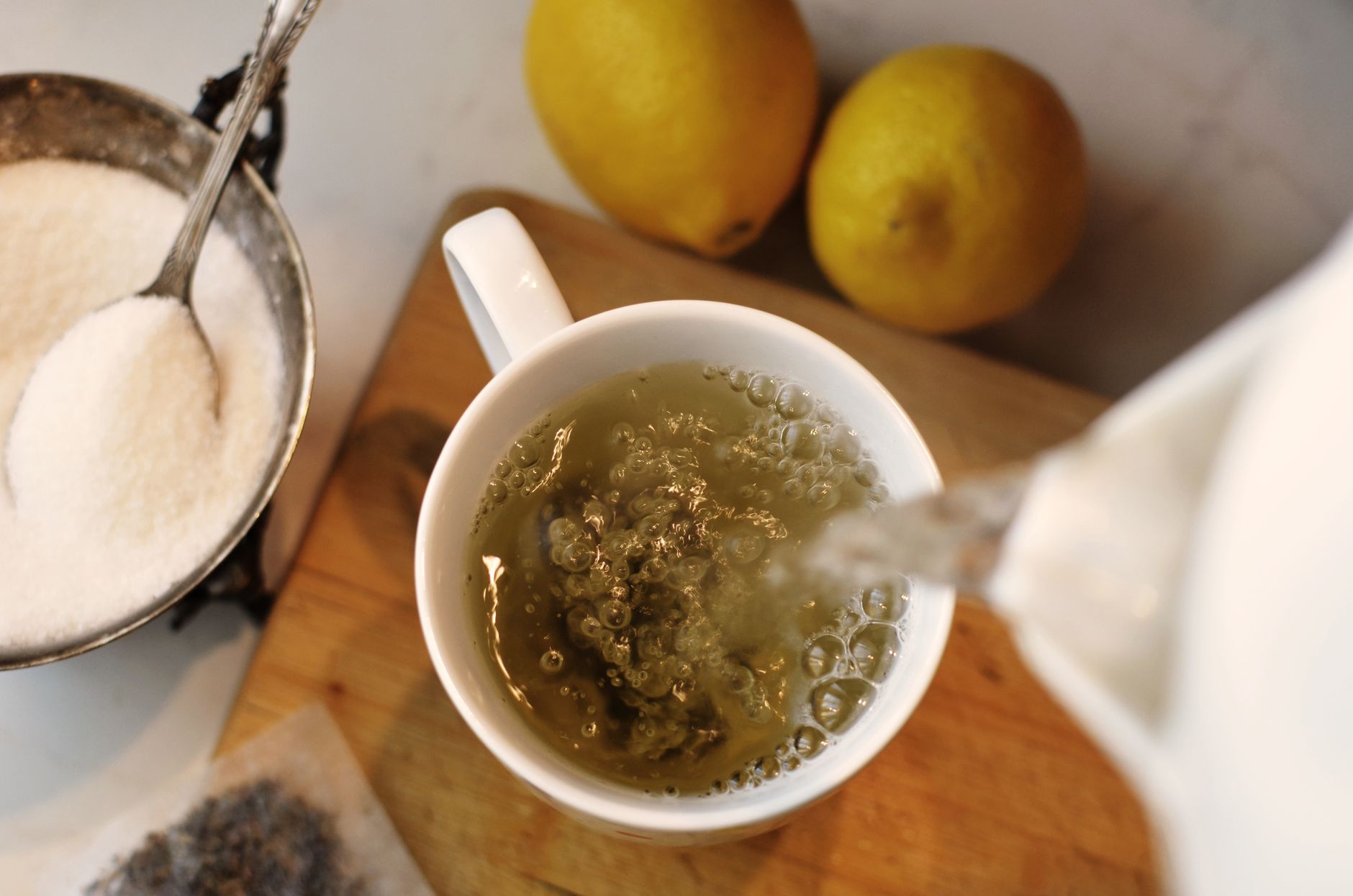
Limit licorice root tea during pregnancy. Experts recommend avoiding it in the first trimester and capping intake at 1 cup weekly due to potential risks.
By Shubhra Mishra — a mom of two who turned her own confusion during pregnancy into BumpBites, a global mission to make food choices clear, safe, and stress-free for every expecting mother. 💛
Check whether any food is safe during pregnancy with the BumpBites Food Safety Checker.
Quick verdict: ⚠️ Safe with limits – a modest cup (about 240 ml) of licorice root tea per day is generally considered acceptable for most pregnant people, but higher amounts should be avoided, especially if you have high blood pressure or gestational diabetes.
It’s 2 a.m., the kitchen light is on, and you’ve just brewed a comforting cup of licorice root tea. A quick search for “is licorice root tea safe during pregnancy” sends a rush of worry through your mind: “Did I just drink something risky?” You’re not alone. Many expecting parents pause at the tea bag, wondering whether that soothing sip could affect their baby.
The world of herbal remedies can feel like a minefield when you're pregnant. While many herbs are harmless, some contain potent compounds that can interact with your body and your developing baby in unexpected ways. Licorice root tea, often chosen for its sweet, earthy flavor and traditional benefits for sore throats or digestion, falls into this category of "proceed with caution." The natural assumption that "natural" equals "safe" simply isn't always true during pregnancy.
In this article we’ll give you a clear, evidence‑based answer to the question “is licorice root tea safe during pregnancy,” then break down how much is okay, what to watch for in each trimester, which brands are considered the safest, and what herbal teas you can enjoy instead. We’ll also cover how licorice root tea interacts with common pregnancy conditions like hypertension and gestational diabetes, and we’ll compare it side‑by‑side with related foods and drinks.
Enjoying licorice root tea can feel soothing, but knowing the safe amount helps keep both you and your baby comfortable.
Trimester / Phase
Verdict
Notes
First trimester (0‑13 weeks)
⚠️ Safe with limits
Limit to ≤ 1 cup (≈ 240 ml) per day; avoid strong brews containing high glycyrrhizin. High doses linked to maternal hypertension.
Second trimester (14‑27 weeks)
⚠️ Safe with limits
Same daily limit; monitor blood pressure if you have a history of hypertension. Be cautious with gestational diabetes.
Third trimester (28‑40 weeks)
⚠️ Safe with limits
Limit intake; high glycyrrhizin may increase risk of preterm labor and worsen fluid retention.
Breastfeeding
⚠️ Safe with limits
Glycyrrhizin can pass into breast milk; keep to ≤ 1 cup daily. Observe infant for any unusual irritability.
What is licorice root tea?
Licorice root tea is an herbal infusion made from the dried root of the Glycyrrhiza glabra plant, native to southern Europe and Asia. The root contains a remarkably sweet compound called glycyrrhizin, which is up to 50 times sweeter than sugar. When steeped, the tea takes on a deep amber hue and a characteristic sweet‑spicy flavor that many find comforting. People have used licorice root for centuries in traditional medicine systems, including Traditional Chinese Medicine and Ayurveda, to soothe sore throats, aid digestion, reduce coughs, and even for its anti-inflammatory properties.
In modern wellness circles, licorice root tea is often marketed as a “detox” or “stress‑relief” tea, sometimes blended with other popular herbs like cinnamon, ginger, or peppermint. Its natural sweetness also makes it a popular choice for those looking to reduce sugar intake while still enjoying a flavorful beverage. However, because licorice root is a natural product, it’s easy to assume it’s automatically safe for everyone—including pregnant people. This isn't always the case, as the active ingredient glycyrrhizin can affect the body’s hormone balance and fluid retention, which is why health authorities keep a close eye on its consumption during pregnancy. Understanding how the tea works helps you decide whether it fits into a balanced prenatal diet.
The Active Compound: Glycyrrhizin
The primary compound of concern in licorice root is glycyrrhizin, also known as glycyrrhizinic acid. This triterpenoid saponin is responsible for licorice's distinctive sweetness and many of its physiological effects. When consumed, glycyrrhizin is metabolized in the gut to glycyrrhetinic acid, which then interacts with enzymes in your body. Specifically, it can inhibit the enzyme 11-beta-hydroxysteroid dehydrogenase type 2 (11β-HSD2). This enzyme is crucial for inactivating cortisol, a stress hormone, particularly in the kidneys and placenta.
By inhibiting 11β-HSD2, glycyrrhizin allows cortisol to remain active for longer, mimicking the effects of mineralocorticoid hormones like aldosterone. This can lead to increased sodium retention and potassium excretion, ultimately raising blood pressure and causing fluid retention. In pregnancy, where blood volume and hormonal balances are already shifting dramatically, this effect is particularly concerning and forms the basis for caution regarding licorice root tea consumption.
Is licorice root tea safe during pregnancy?
Current guidance from major health organizations says that occasional, modest consumption of licorice root tea is permissible, but daily intake should be limited. The American College of Obstetricians and Gynecologists (ACOG) notes that excessive glycyrrhizin can raise blood pressure and lower potassium levels, both of which are significant concerns during pregnancy. High blood pressure in pregnancy can lead to serious conditions like preeclampsia, while low potassium (hypokalemia) can affect heart function and muscle control. The UK’s National Health Service (NHS) similarly advises pregnant people to avoid large quantities of licorice, especially in the form of strong teas or candy, due to these potential risks.
Evidence from observational studies, particularly those conducted in Nordic countries where licorice candy consumption is high, suggests that high‑dose licorice exposure (equivalent to more than 100 mg of glycyrrhizin per day) may be linked to preterm birth and hypertensive disorders of pregnancy. While these studies provide important insights, it’s crucial to remember that they often involve consumption of black licorice candy, which can contain much higher concentrations of glycyrrhizin than a typical cup of tea. The Food and Drug Administration (FDA) has not set a specific limit for licorice tea, but it does warn that glycyrrhizin‑containing products should be used cautiously by anyone with high blood pressure.
In short, the answer to “is licorice root tea safe during pregnancy” is: it can be safe if you keep to a low‑dose, one‑cup‑per‑day limit and monitor your blood pressure. The key is moderation and awareness of the glycyrrhizin content. If you have a history of hypertension, gestational diabetes, kidney disease, or any other pregnancy‑related condition, it’s best to discuss use with your provider before sipping, as your individual risk profile may be higher.
Understanding Glycyrrhizin's Impact on Fetal Development
Beyond the direct maternal effects, research has explored the potential impact of glycyrrhizin on the developing fetus. As mentioned, glycyrrhizin inhibits 11β-HSD2, an enzyme abundant in the placenta that protects the fetus from excessive exposure to maternal cortisol. When this enzyme is inhibited, more maternal cortisol can cross the placental barrier, potentially exposing the developing fetus to higher levels of stress hormones.
Animal studies, particularly in rodents, have suggested that high fetal cortisol exposure due to maternal licorice intake might be linked to adverse outcomes, including altered brain development, behavioral changes, and increased risk of metabolic syndrome in offspring later in life. While these findings are compelling, it's critical to note that animal studies do not always translate directly to humans, and the doses used are often much higher than what a pregnant person would consume in a single cup of licorice root tea. However, these theoretical risks are a significant reason for the cautious approach recommended by health authorities, especially during sensitive developmental windows.
Many expecting parents question the safety of herbal teas; understanding the science behind licorice root can help ease your mind.
Safety by trimester
First trimester (0‑13 weeks)
The first trimester is the period of organogenesis, when the baby’s major organs are forming at an incredibly rapid pace. Because the fetus is most vulnerable to teratogens—substances that can cause birth defects—during this window, many clinicians urge caution with any herb that can affect hormone levels or maternal blood pressure. While licorice root tea, when limited to one cup per day, does not appear to be a direct teratogen, higher doses can cause maternal hypertension. This condition is linked to reduced placental blood flow, which can indirectly affect early fetal development and increase risks such as preeclampsia. If you’re in the early weeks of pregnancy, keeping your intake low and considering checking your blood pressure regularly is a prudent approach to protect both you and your developing baby.
Second trimester (14‑27 weeks)
During the second trimester, the baby’s growth accelerates and the placenta becomes fully functional. Your own blood volume is also increasing significantly, making your cardiovascular system work harder. At this stage, the risk of glycyrrhizin‑induced hypertension and fluid retention remains, and could be exacerbated by your body's natural physiological changes. However, the absolute risk of major birth defects from licorice is lower than in the first trimester. A cup of licorice root tea daily is generally considered acceptable, provided you have no existing blood‑pressure issues or kidney problems. Women with gestational diabetes should be extra‑cautious, as glycyrrhizin can affect glucose metabolism and potentially worsen blood sugar control.
Third trimester (28‑40 weeks)
In the final weeks of pregnancy, the concern shifts toward triggering uterine contractions and managing common third-trimester discomforts like swelling and high blood pressure. Some case reports have linked very high licorice intake with preterm labor, likely due to the hormone‑like effects of glycyrrhizin on prostaglandin synthesis or other steroid hormone balances. Furthermore, fluid retention is a common complaint in late pregnancy, and glycyrrhizin's sodium-retaining properties could worsen edema. Maintaining the ≤ 1‑cup‑per‑day limit is prudent, and many obstetricians recommend avoiding strong, concentrated brews entirely, especially after 34 weeks, to minimize any potential risk of premature contractions or exacerbating late-pregnancy hypertension.
Breastfeeding
Glycyrrhizin does pass into breast milk, though typically only in small amounts when consumed in moderation. The consensus among lactation experts, including the Academy of Breastfeeding Medicine, is that occasional low‑dose licorice tea (≤ 1 cup) is unlikely to harm a nursing infant. Infants' livers and kidneys are still developing, which means they might process substances differently than adults. However, studies on glycyrrhizin in breast milk show that levels are generally very low and not expected to cause adverse effects in healthy, full-term infants. Nonetheless, mothers who notice their baby becoming unusually irritable, experiencing changes in feeding patterns, or who themselves have persistent low potassium levels should consider cutting back or consulting with their healthcare provider or a lactation consultant.
Choosing a low‑glycyrrhizin brand or switching to a different herbal tea can keep your daily routine both soothing and safe.
Safe dosage, amount, and brand recommendations
When it comes to licorice root tea, the "safe amount" isn't a hard and fast number for every individual, but rather a general guideline designed to minimize risk. For most pregnant people, a single cup (approximately 240 ml or 8 fluid ounces) of standard-strength licorice root tea per day is considered acceptable. This typically means one tea bag steeped for 5-10 minutes in hot water. The key is to avoid concentrated forms or excessive daily intake, which dramatically increases your exposure to glycyrrhizin.
It's important to differentiate between actual licorice root tea and products that are merely "licorice flavored." Many candies, syrups, or even some teas use artificial licorice flavorings or very small amounts of licorice extract that may not pose the same risk. However, products explicitly listing "licorice root" or "glycyrrhiza glabra" as a primary ingredient should be treated with caution. Always read the ingredient list carefully.
Check the label for glycyrrhizin content; choose products that state “low glycyrrhizin” or “decaffeinated”. Avoid "licorice extract" unless glycyrrhizin content is specified and low.
Strong brew (2‑3 cups) or concentrated products – not recommended
Higher glycyrrhizin levels significantly increase risk of hypertension, low potassium, and potential pregnancy complications.
If you’re already a fan of a particular brand, look for the ingredient list. Products that list “licorice root extract” without specifying concentration may contain more glycyrrhizin than a standard tea bag. Opt for brands that provide third‑party testing or a clear glycyrrhizin percentage. Some brands explicitly market "low glycyrrhizin" versions, which are preferable during pregnancy. When in doubt, or if you cannot verify the glycyrrhizin content, a simple herbal tea like ginger or peppermint is a safer daily staple.
What About Deglycyrrhizinated Licorice (DGL)?
Deglycyrrhizinated licorice, commonly known as DGL, is a form of licorice root where the glycyrrhizin compound has been largely removed. DGL is often used for its soothing properties on the digestive tract, particularly for acid reflux, heartburn, and stomach ulcers, without the associated risks of elevated blood pressure or low potassium that come with glycyrrhizin. Because the problematic compound is removed, DGL is generally considered much safer during pregnancy than regular licorice root. Many obstetricians and healthcare providers consider DGL supplements (often chewable tablets) to be a safer alternative for managing mild digestive discomforts during pregnancy. However, even with DGL, it's always wise to consult your doctor or midwife before starting any new supplement, especially during pregnancy, to ensure it's appropriate for your specific health needs.
Side effects and risks
Most people tolerate a single cup of licorice root tea without issue, especially if it's a mild brew. However, the following side effects can arise from higher consumption, or even moderate consumption if you have underlying health conditions:
Elevated blood pressure (Hypertension): Glycyrrhizin's mineralocorticoid-like effects can cause your body to retain sodium and excrete potassium, leading to increased fluid volume and constriction of blood vessels. This can result in a rise in blood pressure, which is particularly concerning in pregnancy due to the risk of preeclampsia and other hypertensive disorders. If you notice a consistent rise in your blood pressure readings, cut back immediately.
Low potassium (Hypokalemia): The increased excretion of potassium can lead to dangerously low levels of this essential electrolyte. Symptoms include muscle cramps, weakness, fatigue, and an irregular heartbeat (arrhythmia). Severe cases of hypokalemia require immediate medical attention as they can affect heart function.
Fluid retention (Edema): By causing your body to hold onto sodium, glycyrrhizin can lead to excess fluid buildup, manifesting as swelling (edema) in the hands, feet, face, and ankles. While some swelling is common in pregnancy, excessive or sudden swelling, especially when combined with high blood pressure, can be a sign of preeclampsia.
Potential preterm labor: Very high doses of licorice have been linked in a few case reports to uterine contractions and preterm labor. This is thought to be due to glycyrrhizin's influence on steroid hormone metabolism and potentially prostaglandin synthesis, which plays a role in initiating labor. While this risk is rare with typical tea consumption, it's a significant concern with excessive intake.
Interactions with medications: Licorice can interact with several medications. For instance, it can enhance the effects of corticosteroids, increase the risk of hypokalemia when taken with diuretics, and interfere with blood pressure medications. Always inform your doctor about any herbal teas or supplements you are taking, especially if you are on prescription medication.
Most of these issues are “red‑flag” only when you exceed the one‑cup limit or have pre‑existing conditions. If you experience any of the following, contact your provider promptly: a blood pressure reading above 140/90 mmHg, persistent muscle weakness, rapid heart rhythm, or any signs of preterm labor (regular contractions before 37 weeks).
Who Should Avoid Licorice Root Tea Entirely?
While moderate consumption may be acceptable for some, certain individuals should completely avoid licorice root tea during pregnancy due to heightened risks. This includes anyone with a pre-existing diagnosis of hypertension (high blood pressure), a history of preeclampsia in previous pregnancies, or gestational hypertension in the current pregnancy. Those with kidney disease or impaired kidney function should also steer clear, as their bodies may struggle to process glycyrrhizin and manage fluid and electrolyte balance. Additionally, individuals with heart conditions, particularly those prone to arrhythmias or congestive heart failure, should avoid licorice root tea due to its potential to affect potassium levels and fluid retention. If you have gestational diabetes, the potential impact on glucose metabolism warrants avoiding it, and if you've had a history of preterm labor, it's safest to opt for other herbal teas.
Safer alternatives
If you're seeking a warm, soothing beverage during pregnancy without the concerns associated with licorice root tea, there are many excellent, generally safe alternatives. These options can help with common pregnancy discomforts like nausea, indigestion, or simply provide a moment of calm.
Ginger tea – naturally soothing for nausea and morning sickness, and free of glycyrrhizin. It can also aid digestion.
Peppermint tea – helps with digestion, bloating, and gas, and has a refreshing flavor. It's generally considered safe, but some with severe heartburn find it can worsen symptoms.
Rooibos tea – also known as "red bush tea," it's naturally caffeine‑free, antioxidant‑rich, and safe at any amount. It has a mild, earthy flavor.
Lemon balm tea – known for its calming properties, it can support sleep and reduce anxiety, and contains no glycyrrhizin.
Raspberry leaf tea – often recommended in the second and third trimesters for uterine toning in preparation for labor, but should be avoided in the first trimester.
Lemon ginger tea – combines the anti‑nausea benefits of ginger with a pleasant citrus twist, making it a flavorful and safe choice.
Hibiscus tea – rich in vitamin C and antioxidants. While generally safe, it should be limited in late pregnancy due to mild uterine‑stimulating properties, and those with very low blood pressure should be cautious due to its blood pressure-lowering effect.
Nettle leaf tea – a nutrient-rich herb, nettle leaf is a good source of iron, calcium, and magnesium. It can support energy levels and act as a mild diuretic, but should be used in moderation, particularly if you have low iron levels and are taking supplements.
Oat straw tea – derived from the green tops of the oat plant, it's known for its calming and nourishing properties, rich in B vitamins and minerals. It's considered very safe during pregnancy and can help with stress and sleep.
Spearmint tea – similar to peppermint but milder, spearmint is another excellent choice for digestive upset and nausea, without the potential for heartburn aggravation that some experience with peppermint.
Related items — safety at a glance
Item
Verdict
One‑line note
Licorice candy (black licorice)
❌ Best avoided
Often contains high levels of glycyrrhizin, strongly linked to maternal hypertension and other risks.
Licorice root supplements
⚠️ Safe with limits
Standardized extracts can easily exceed safe glycyrrhizin amounts if taken daily; requires strict medical guidance.
Deglycyrrhizinated Licorice (DGL)
✅ Generally safe
Glycyrrhizin removed, making it safer for digestive issues; consult provider before use.
Anise tea
✅ Generally safe
Mild flavor, no glycyrrhizin, safe throughout pregnancy for soothing digestion.
Fennel tea
✅ Generally safe
Often used for lactation support; safe in moderation for digestive comfort.
Dandelion tea
✅ Generally safe
Mild diuretic properties; generally okay unless you have low potassium or are on certain medications.
Chamomile tea
✅ Generally safe
Gentle, soothing, helps with sleep; avoid if you have a ragweed allergy.
Echinacea tea
⚠️ Talk to your doctor first
Generally considered safe for short-term use, but some recommend caution in the first trimester; limited research.
Green tea
⚠️ Safe with limits
Contains caffeine; limit to 200mg caffeine per day (approx. 1-2 cups).
Black tea
⚠️ Safe with limits
Contains caffeine; limit to 200mg caffeine per day (approx. 1-2 cups).
Myth vs. fact
Myth: All herbal teas are automatically safe because they’re “natural.”
Fact: Natural herbs can contain potent compounds that act like medications in the body; licorice root’s glycyrrhizin is a prime example that can affect blood pressure, hormone balance, and fluid retention, making it not universally safe during pregnancy.
Myth: One cup of licorice tea a day is harmless for everyone.
Fact: While a single cup is often okay for *most* pregnant people, individuals with pre-existing hypertension, gestational diabetes, kidney disease, or a history of preterm labor should limit or avoid it entirely due to increased personal risk.
Myth: Licorice candy and licorice tea have the same safety profile.
Fact: Licorice candy, especially traditional black licorice, typically contains far more concentrated glycyrrhizin than a single cup of tea. This higher concentration significantly increases the risk of adverse effects, making candy much riskier during pregnancy.
Myth: Licorice tea can effectively treat morning sickness.
Fact: While some may find the sweet taste briefly soothing, there's no strong evidence that licorice tea effectively treats morning sickness. Ginger tea, vitamin B6, and specific anti-nausea medications are much better-researched and safer options for managing pregnancy-related nausea and vomiting.
Key takeaways
✅ A modest amount (≤ 1 cup per day) of standard-strength licorice root tea is generally considered safe for most pregnant people.
⚠️ Higher doses or concentrated forms can raise blood pressure, lower potassium, and increase fluid retention, especially concerning in the first and third trimesters.
👩⚕️ If you have hypertension, gestational diabetes, kidney disease, or a history of preterm labor, discuss licorice tea with your provider before drinking, or consider avoiding it entirely.
🔄 Safer daily alternatives include ginger, peppermint, rooibos, lemon balm, raspberry leaf (after first trimester), lemon ginger, nettle leaf, oat straw, and spearmint teas.
📋 Choose brands that label “low glycyrrhizin” or provide third‑party testing; avoid concentrated extracts, licorice candy, and products where glycyrrhizin content is unknown.
🚨 Call your doctor if you develop high blood pressure, persistent muscle cramps or weakness, sudden swelling, rapid heart rhythm, or any signs of preterm labor.
Frequently asked questions
Can I drink licorice tea while pregnant?
Yes, you can enjoy licorice tea during pregnancy if you limit yourself to no more than one cup (≈ 240 ml) of standard-strength tea per day and monitor your blood pressure. It's crucial to avoid higher doses or concentrated forms due to potential risks.
What are the side effects of licorice root tea during pregnancy?
Side effects can include elevated blood pressure, low potassium (hypokalemia), fluid retention, and, in rare cases with very high consumption, an increased risk of preterm labor. These are primarily due to the glycyrrhizin compound.
How much licorice is safe for pregnant women?
For licorice root tea, the safe amount is generally limited to one cup (about 240 ml) per day. For licorice candy or concentrated extracts, most guidelines advise avoiding them altogether due to significantly higher glycyrrhizin content.
Does licorice tea cause high blood pressure in pregnancy?
Yes, the glycyrrhizin in licorice can raise blood pressure by affecting fluid and electrolyte balance in the body. This risk increases significantly if you exceed the one‑cup daily limit or already have a predisposition to hypertension.
Are there any herbal teas that are safe for all trimesters?
Yes, several herbal teas are considered safe throughout all trimesters: ginger, peppermint, rooibos, lemon balm, oat straw, and spearmint. These can be enjoyed without the specific concerns linked to licorice root tea.
Can licorice root tea trigger preterm labor?
High doses of licorice (far beyond one cup per day, often from concentrated products or candy) have been associated with uterine contractions and preterm labor in a few case reports, likely due to its effects on hormone metabolism.
Is it okay to consume licorice candy during pregnancy?
Generally, it’s best to avoid licorice candy during pregnancy because it often contains high levels of glycyrrhizin, which can significantly increase blood pressure and carry higher risks than a mild tea.
What are the signs of licorice overconsumption in pregnancy?
Watch for symptoms like sudden or excessive swelling, persistent muscle cramps or weakness, rapid heartbeat, or a blood pressure reading above 140/90 mmHg; these warrant a prompt call to your provider.
Is DGL licorice safe during pregnancy?
Deglycyrrhizinated Licorice (DGL) is generally considered much safer during pregnancy than regular licorice root because the problematic glycyrrhizin compound has been removed. It is often used for digestive issues, but always consult your doctor before taking any new supplement.
Can licorice root tea help with morning sickness?
While some find the sweetness of licorice tea mildly soothing, there is no strong evidence it effectively treats morning sickness. Safer and more effective alternatives for nausea include ginger tea, vitamin B6, or prescribed anti-nausea medications.
What's the difference between black licorice and licorice root tea?
Black licorice candy typically contains much higher concentrations of glycyrrhizin, often from licorice extract, making it significantly riskier during pregnancy. Licorice root tea, when brewed mildly, contains lower and more controlled amounts of glycyrrhizin, though caution is still advised.
When to call your doctor
While enjoying a modest cup of licorice root tea is generally considered safe for most, your body and your pregnancy are unique. If you notice any of the following while consuming licorice root tea, contact your obstetrician or midwife right away:
Blood pressure that rises above 140/90 mmHg on two separate readings, especially if accompanied by headaches, vision changes, or upper abdominal pain.
Severe muscle cramps or weakness that don’t improve with rest or hydration.
Sudden or excessive swelling of the hands, feet, or face.
Irregular heartbeats or palpitations, or a feeling of your heart racing.
Any signs of preterm labor, such as regular uterine contractions before 37 weeks gestation, persistent backache, or a change in vaginal discharge.
These symptoms could indicate that glycyrrhizin is affecting your cardiovascular system, electrolyte balance, or that you’re at risk for preterm labor. Always remember that this article provides general information and is not a substitute for personalized medical advice from your healthcare provider, who knows your full medical history and current pregnancy status.
References
American College of Obstetricians and Gynecologists (ACOG). “Nutrition During Pregnancy.” 2023.
National Health Service (NHS). “Licorice and pregnancy.” Updated 2022.
Food and Drug Administration (FDA). “Dietary Supplement Labeling Guide.” 2021.
Centers for Disease Control and Prevention (CDC). “Pregnancy and Herbal Supplements.” 2022.
World Health Organization (WHO). “Traditional Medicine Strategy.” 2021.
Mayo Clinic. “Licorice and health risks.” Accessed July 2026.
Academy of Breastfeeding Medicine. “Herbal Medicinals and Lactation.” 2023.
Strandberg, T. E., et al. "Maternal licorice consumption and the risk of preterm birth: a birth cohort study." American Journal of Epidemiology, 2001.
Räikkönen, K., et al. "Maternal licorice consumption and the child's cognitive ability: a prospective cohort study." American Journal of Epidemiology, 2017.
Not sure about the label on Is Licorice Root Tea Safe During Pregnancy products?
Snap the ingredients list and SafeFilter checks every ingredient for your stage — only 3 free scans this month, then you're locked until reset. Unlimited from $7/mo or $50/yr.
When Shubhra Mishra was expecting her first child in 2016, she was overwhelmed by conflicting food advice — one site said yes, another said never. By the time her second baby arrived in 2019, she realized millions of mothers face the same confusion.
That sparked a five-year journey through clinical nutrition papers, cultural diets, and expert conversations — all leading to BumpBites: a calm, compassionate space where science meets everyday motherhood.
Her long-term vision is to build a global community ensuring safe, supported, and free deliveriesfor every mother — because no woman should face pregnancy alone or uninformed. 🌿
🌍 Stand with mothers, shape safer guidance
Join a small circle of experts who review BumpBites articles so expecting parents everywhere can decide with confidence.