

Quick verdict: ⚠️ Fenugreek is safe in small food amounts during pregnancy, but supplements and high doses should be avoided unless approved by your provider. The herb may stimulate uterine contractions and lower blood sugar—risks that outweigh its benefits for most pregnant people. If you’ve already used it, don’t panic; just stop and mention it at your next appointment.
You’re staring at a jar of fenugreek capsules you bought for digestion, or maybe you just sprinkled the seeds into tonight’s curry—then the 11 p.m. Google spiral hits. Is fenugreek safe during pregnancy? The internet is a mess of yes, no, and “ask your doctor,” and now your stomach is in knots. Take a breath. We’ve dug into the latest guidance from ACOG, NHS, and the FDA so you don’t have to. Here’s the clear, calm answer: what’s safe, what’s not, and what to do if you’ve already had some.
Fenugreek is a common herb in Indian, Middle Eastern, and Mediterranean cooking, often used to ease digestion and boost milk supply—after pregnancy. But its safety during those nine months isn’t as straightforward. In this guide, we’ll break down the risks, safe amounts, trimester-specific advice, and gentler alternatives that won’t leave you second-guessing every bite or supplement. Whether you’re in your first trimester or counting down the days, you’ll leave knowing exactly where fenugreek fits (or doesn’t) in your pregnancy diet.
Fenugreek safety snapshot: trimester by trimester
| Trimester | Verdict | Notes |
|---|---|---|
| First trimester (weeks 1–12) | ❌ Avoid supplements; limit food amounts | Highest risk of uterine stimulation during organ development. Even small supplement doses may pose a risk. |
| Second trimester (weeks 13–26) | ⚠️ Safe in food amounts only | Occasional culinary use (e.g., ½ tsp seeds in a dish) is generally fine, but avoid supplements and teas. |
| Third trimester (weeks 27–40) | ⚠️ Safe in food amounts only | Same as second trimester. Avoid supplements, especially if you have a history of preterm labor or gestational diabetes. |
| Breastfeeding | ✅ Generally safe (may boost milk supply) | Supplements are often used postpartum to support lactation, but check with your provider first. |
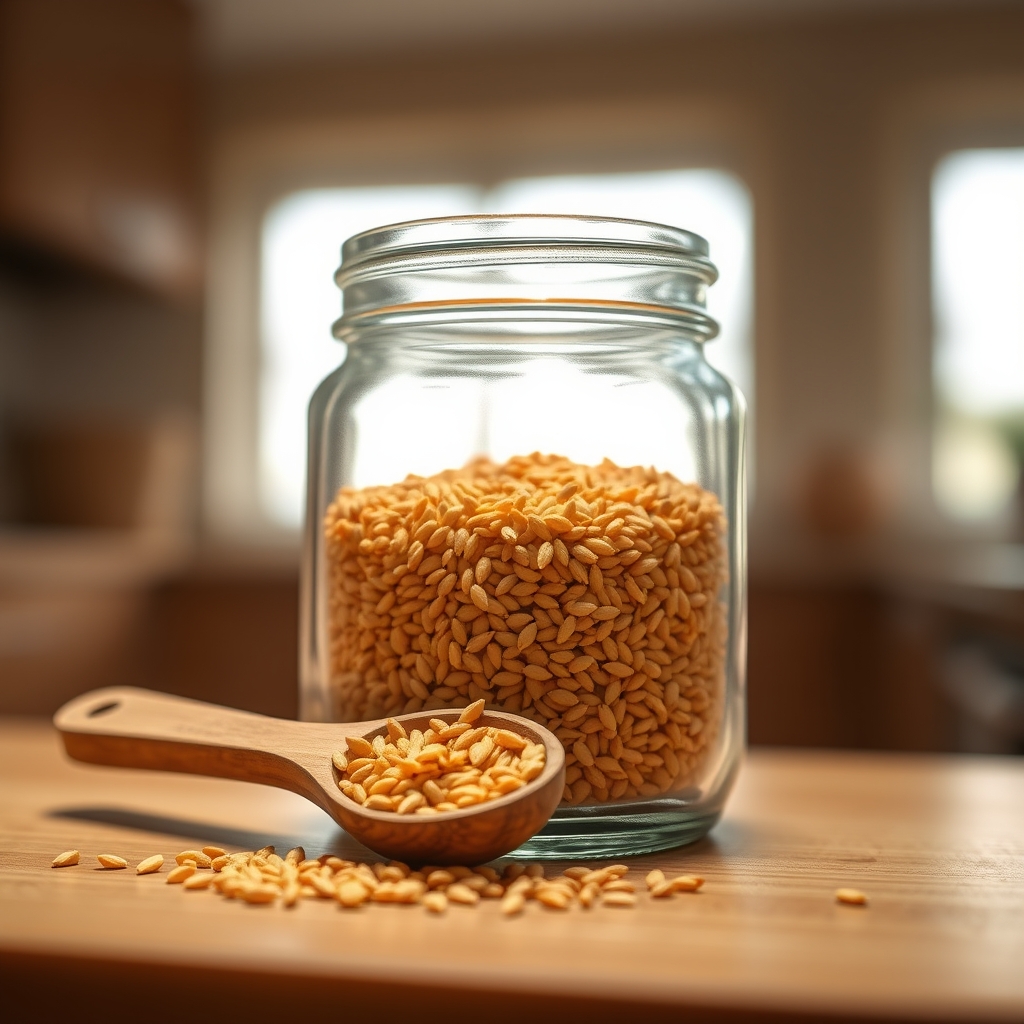
What is fenugreek?
The seeds contain compounds like diosgenin (a plant-based estrogen) and fiber, which may help regulate blood sugar and cholesterol. But it’s these same compounds that raise questions during pregnancy. Diosgenin, for example, can mimic hormones in the body, while fenugreek’s fiber content may cause digestive upset or interact with medications. In food amounts (think: a sprinkle in a dish), it’s usually harmless. But in concentrated forms like capsules, teas, or powders, the risks can add up.
Is fenugreek safe during pregnancy?
The short answer: fenugreek is not recommended in supplement form during pregnancy, and even food amounts should be limited. Here’s why:
The American College of Obstetricians and Gynecologists (ACOG) doesn’t have a specific guideline on fenugreek, but it cautions against most herbal supplements during pregnancy due to limited safety data. The NHS echoes this, listing fenugreek as an herb to avoid in medicinal amounts while pregnant. The FDA classifies fenugreek as “generally recognized as safe” (GRAS) for food use, but this designation doesn’t apply to supplements or high doses.
The biggest concern? Fenugreek may stimulate uterine contractions. A 2014 study in Phytotherapy Research found that fenugreek extract caused contractions in isolated uterine tissue, though human studies are lacking. Still, most obstetricians err on the side of caution, especially in the first trimester when the risk of miscarriage is highest. Fenugreek may also lower blood sugar—a potential issue if you have gestational diabetes or are on diabetes medications.
That said, the occasional use of fenugreek in cooking (e.g., ½ teaspoon of seeds in a dish) is unlikely to cause harm. The key is avoiding concentrated forms like capsules, teas, or powders, which deliver much higher doses than food. If you’re using fenugreek for digestion or nausea, safer alternatives like ginger or peppermint are better choices (more on those later).
Is fenugreek safe to use during the first trimester of pregnancy?
No—fenugreek supplements should be avoided in the first trimester. This is the most critical window for your baby’s development, and even small risks aren’t worth taking. The first 12 weeks are when the neural tube, heart, and other major organs form, and uterine stimulation (a potential side effect of fenugreek) could theoretically increase the risk of miscarriage.
If you’ve already taken fenugreek supplements in early pregnancy, try not to panic. The risk is likely low, especially if you took a small dose. But stop now and mention it to your provider at your next appointment. They may recommend extra monitoring, like an early ultrasound, to ease your mind.
Food amounts (e.g., a pinch of seeds in a meal) are less concerning, but even these should be limited. If you’re using fenugreek to ease nausea, opt for pregnancy-safe alternatives like ginger tea or peppermint instead. The first trimester is already a rollercoaster—you don’t need the extra worry of wondering if your herb choices are safe.
Can I take fenugreek supplements in the second trimester?
Fenugreek supplements are still not recommended in the second trimester. While the risk of miscarriage drops after the first trimester, fenugreek’s potential to stimulate contractions remains a concern. The second trimester is a time of rapid growth for your baby, and anything that might trigger early labor is best avoided.
Food amounts (e.g., ½ teaspoon of seeds in a dish, once or twice a week) are generally considered safe, but even these should be approached with caution. If you have a history of preterm labor, gestational diabetes, or low blood sugar, it’s especially important to limit fenugreek, as it may lower blood glucose levels. If you’re using fenugreek for digestion or bloating, safer alternatives like cinnamon or cardamom can provide similar benefits without the risks.
If you’re considering fenugreek for milk supply, hold off until after delivery. The second trimester isn’t the time to experiment with herbs that may affect your uterus or hormones. Focus on staying hydrated, eating a balanced diet, and discussing any concerns with your provider.
Can I take fenugreek supplements in the third trimester?
Fenugreek supplements are still not recommended in the third trimester. While you might be eager to prepare for breastfeeding, fenugreek’s potential to stimulate contractions makes it a risky choice this late in pregnancy. Even if you’re full-term, it’s best to avoid anything that could trigger early labor unless your provider gives the green light.
Food amounts (e.g., a sprinkle of seeds in a meal) are less concerning, but they’re still not risk-free. If you have gestational diabetes, fenugreek’s blood-sugar-lowering effects could interact with your medications or diet plan. If you’re using fenugreek for digestion or heartburn, opt for safer alternatives like ginger or lemon balm instead.
If you’re hoping to boost milk supply, wait until after your baby arrives. The third trimester is a time to focus on rest, hydration, and preparing for labor—not experimenting with herbs that may have unintended effects. If you’re concerned about lactation, talk to your provider or a lactation consultant about evidence-based strategies to support milk production postpartum.
What is the safe daily dosage of fenugreek for pregnant women?
There is no established safe dosage of fenugreek for pregnant women. Most obstetricians recommend avoiding fenugreek supplements entirely during pregnancy due to the lack of safety data. If you’re using fenugreek in cooking, stick to no more than ½ teaspoon of seeds per day, and avoid using it every day. This amount is unlikely to cause harm, but it’s still best to limit your intake.
For comparison, fenugreek supplements typically contain 500–600 mg per capsule, and teas may have even higher concentrations. These doses are far above what you’d consume in food and carry a higher risk of side effects like uterine contractions or blood sugar drops. If you’re using fenugreek for a specific purpose (e.g., digestion or nausea), talk to your provider about safer alternatives that won’t leave you guessing about safety.
If you’ve already taken fenugreek supplements, don’t panic. The risk is likely low, especially if you took a small dose. But stop now and mention it to your provider. They can help you weigh the risks and monitor for any potential issues.
Are there any fenugreek brands that are safe for pregnancy?
No fenugreek supplement brand is considered safe for pregnancy. Because fenugreek supplements are not recommended during pregnancy, there’s no “safe” brand to look for. However, if you’re using fenugreek in cooking, opt for organic, food-grade seeds from reputable brands to minimize exposure to pesticides or contaminants. Some trusted spice brands include:
- Frontier Co-op: Organic fenugreek seeds, widely available in health food stores.
- Simply Organic: Another reliable source for organic fenugreek seeds.
- Burlap & Barrel: Single-origin spices, including fenugreek, with transparent sourcing.
Avoid fenugreek supplements marketed for “women’s health,” “digestion,” or “lactation support.” These products often contain high doses of fenugreek and may include other herbs that aren’t safe during pregnancy. If you’re unsure about a product, check the label for the amount of fenugreek per serving and avoid anything above 100 mg per dose. When in doubt, skip it and opt for a pregnancy-safe alternative.
What are the risks of consuming fenugreek while pregnant?
Fenugreek isn’t risk-free during pregnancy, especially in supplement form. Here are the main concerns:
- Uterine contractions: Fenugreek may stimulate the uterus, potentially increasing the risk of miscarriage or preterm labor. This is the biggest concern, especially in the first and third trimesters.
- Low blood sugar: Fenugreek can lower blood glucose levels, which may be dangerous if you have gestational diabetes or are on diabetes medications. Symptoms of low blood sugar include dizziness, sweating, and confusion.
- Digestive upset: High doses of fenugreek can cause diarrhea, bloating, or gas, which are already common (and uncomfortable) during pregnancy.
- Allergic reactions: Some people are allergic to fenugreek, which can cause symptoms like hives, swelling, or difficulty breathing. If you’ve never tried fenugreek before, pregnancy isn’t the time to experiment.
- Hormonal effects: Fenugreek contains diosgenin, a compound that may mimic estrogen in the body. While the effects are mild, hormonal changes during pregnancy can be unpredictable.
- Interactions with medications: Fenugreek may interact with blood thinners, diabetes medications, or other herbs. If you’re on any medications, talk to your provider before using fenugreek.
If you experience any of the following after consuming fenugreek, call your provider right away:
- Vaginal bleeding or spotting
- Regular contractions or cramping
- Dizziness or confusion (signs of low blood sugar)
- Severe diarrhea or dehydration
- Rash, swelling, or difficulty breathing (signs of an allergic reaction)
What are safe alternatives to fenugreek for pregnancy-related nausea?
If you’re using fenugreek to ease nausea or digestion during pregnancy, you’re in luck—there are plenty of safer alternatives. Here are some of the best options, all backed by pregnancy-safe guidance from ACOG and the NHS:
- Ginger: The gold standard for pregnancy nausea. Try ginger tea, ginger chews, or fresh ginger in meals. The American College of Obstetricians and Gynecologists (ACOG) recommends up to 1 gram of ginger per day for morning sickness. Studies show it’s just as effective as some anti-nausea medications, without the risks.
- Peppermint tea: Soothes digestion and eases nausea. Stick to 1–2 cups per day, and avoid peppermint oil or supplements, which are too concentrated. A warm cup of peppermint tea can also help with bloating and gas.
- Lemon balm: A gentle herb that may help with nausea and anxiety. It’s safe in tea form (1–2 cups per day) and has a mild, citrusy flavor. Lemon balm is also a natural relaxant, which can be helpful if stress is contributing to your nausea.
- Raspberry leaf tea: Often used in the second and third trimesters to tone the uterus, but avoid it in the first trimester. It’s not a direct substitute for fenugreek’s digestive benefits, but it’s a great way to stay hydrated and prepare for labor. Stick to 1 cup per day after 13 weeks.
- Cinnamon: A warming spice that can help with digestion and blood sugar balance. Use it in food amounts (e.g., ½ teaspoon per day) rather than supplements. Cinnamon tea is another soothing option for nausea.
- Cardamom: A fragrant spice that may ease nausea and improve digestion. It’s safe in food amounts and pairs well with ginger in teas. Try adding a pinch to your morning oatmeal or smoothie.
- Turmeric (in food amounts): Has anti-inflammatory benefits and may help with digestion. Stick to ½ teaspoon per day in cooking, and avoid supplements, which are too concentrated. Turmeric tea (with a pinch of black pepper to boost absorption) can also be soothing.
- Apple cider vinegar: A natural remedy for heartburn and nausea. Mix 1 teaspoon of raw, unfiltered apple cider vinegar in a glass of water and sip slowly. It may sound counterintuitive, but the acidity can help balance your stomach’s pH.
If your nausea is severe or persistent, talk to your provider. They may recommend vitamin B6, doxylamine (an antihistamine), or other pregnancy-safe medications to help you feel better.
How does fenugreek affect gestational diabetes?
Fenugreek may lower blood sugar, which can be dangerous if you have gestational diabetes. If you’re managing gestational diabetes with diet, exercise, or medication, fenugreek could cause your blood sugar to drop too low, leading to dizziness, confusion, or even fainting. This is especially risky if you’re on insulin or other diabetes medications, as fenugreek may amplify their effects.
Here’s what you need to know:
- Food amounts: A sprinkle of fenugreek seeds in cooking is unlikely to affect your blood sugar significantly, but it’s still best to avoid it if you’re at risk for hypoglycemia (low blood sugar).
- Supplements: Fenugreek capsules or teas should be avoided entirely. These concentrated forms can cause a rapid drop in blood sugar, which is dangerous for both you and your baby.
- Interactions with medications: If you’re on insulin or oral diabetes medications, fenugreek could increase the risk of hypoglycemia. Always talk to your provider before adding any new herb or supplement to your routine.
If you’re looking for natural ways to manage gestational diabetes, focus on a balanced diet rich in fiber, protein, and healthy fats. Some pregnancy-safe options to support blood sugar balance include:
- Cinnamon: May help improve insulin sensitivity. Stick to ½ teaspoon per day in food amounts.
- Flaxseeds: High in fiber and omega-3s, which can help stabilize blood sugar. Add 1 tablespoon to smoothies or oatmeal.
- Leafy greens: Spinach, kale, and other greens are low in carbs and high in nutrients. Aim for 1–2 cups per day.
- Lean protein: Chicken, fish, tofu, and eggs can help keep blood sugar steady. Include a source of protein in every meal.
If you’re struggling to manage your blood sugar, talk to your provider or a registered dietitian. They can help you create a meal plan that keeps you and your baby healthy.
Can fenugreek cause uterine contractions during pregnancy?
Yes, fenugreek may stimulate uterine contractions. This is one of the biggest concerns about fenugreek during pregnancy, especially in the first and third trimesters. While the evidence is mostly from animal or test-tube studies, the potential risk is enough for most obstetricians to recommend avoiding fenugreek supplements entirely.
Here’s what we know:
- Animal studies: A 2014 study in Phytotherapy Research found that fenugreek extract caused contractions in isolated uterine tissue from rats. While animal studies don’t always translate to humans, they raise red flags about potential risks.
- Human studies: There are no large-scale human studies on fenugreek and uterine contractions during pregnancy. Most of the evidence comes from anecdotal reports or traditional use, which isn’t enough to confirm safety.
- Hormonal effects: Fenugreek contains diosgenin, a compound that may mimic estrogen in the body. While the effects are mild, hormonal changes during pregnancy can be unpredictable, and anything that might stimulate the uterus is best avoided.
If you’re at risk for preterm labor or have a history of miscarriage, it’s especially important to avoid fenugreek. Even food amounts should be limited, as there’s no way to know how your body will react. If you’re using fenugreek for digestion, nausea, or other pregnancy discomforts, opt for safer alternatives like ginger, peppermint, or cinnamon instead.
If you experience regular contractions, cramping, or vaginal bleeding after consuming fenugreek, call your provider right away. These could be signs of preterm labor or other complications.
Safer alternatives to fenugreek during pregnancy
Whether you’re using fenugreek for digestion, nausea, or blood sugar balance, there are plenty of pregnancy-safe alternatives to try. Here’s a recap of the best options, along with how to use them:
- Ginger: The go-to for pregnancy nausea. Try ginger tea, ginger chews, or fresh ginger in meals. ACOG recommends up to 1 gram per day. How to use: Steep 1 teaspoon of grated ginger in hot water for tea, or add it to smoothies and stir-fries.
- Peppermint tea: Soothes digestion and eases nausea. Stick to 1–2 cups per day. How to use: Steep 1 teaspoon of dried peppermint leaves in hot water for 5–10 minutes. Avoid peppermint oil or supplements.
- Lemon balm: A gentle herb that may help with nausea and anxiety. Safe in tea form (1–2 cups per day). How to use: Steep 1 teaspoon of dried lemon balm in hot water for 5–10 minutes. It has a mild, citrusy flavor.
- Raspberry leaf tea: Often used in the second and third trimesters to tone the uterus. Avoid in the first trimester. How to use: Steep 1 teaspoon of dried raspberry leaf in hot water for 5–10 minutes. Limit to 1 cup per day after 13 weeks.
- Cinnamon: A warming spice that can help with digestion and blood sugar balance. Use in food amounts (e.g., ½ teaspoon per day). How to use: Sprinkle on oatmeal, add to smoothies, or brew into tea with a pinch of black pepper.
- Cardamom: A fragrant spice that may ease nausea and improve digestion. Safe in food amounts. How to use: Add a pinch to teas, oatmeal, or savory dishes like curries.
- Turmeric (in food amounts): Has anti-inflammatory benefits and may help with digestion. Stick to ½ teaspoon per day in cooking. How to use: Add to soups, stews, or golden milk (with a pinch of black pepper to boost absorption).
- Apple cider vinegar: A natural remedy for heartburn and nausea. Mix 1 teaspoon of raw, unfiltered apple cider vinegar in a glass of water and sip slowly. How to use: Drink before meals to help with digestion.
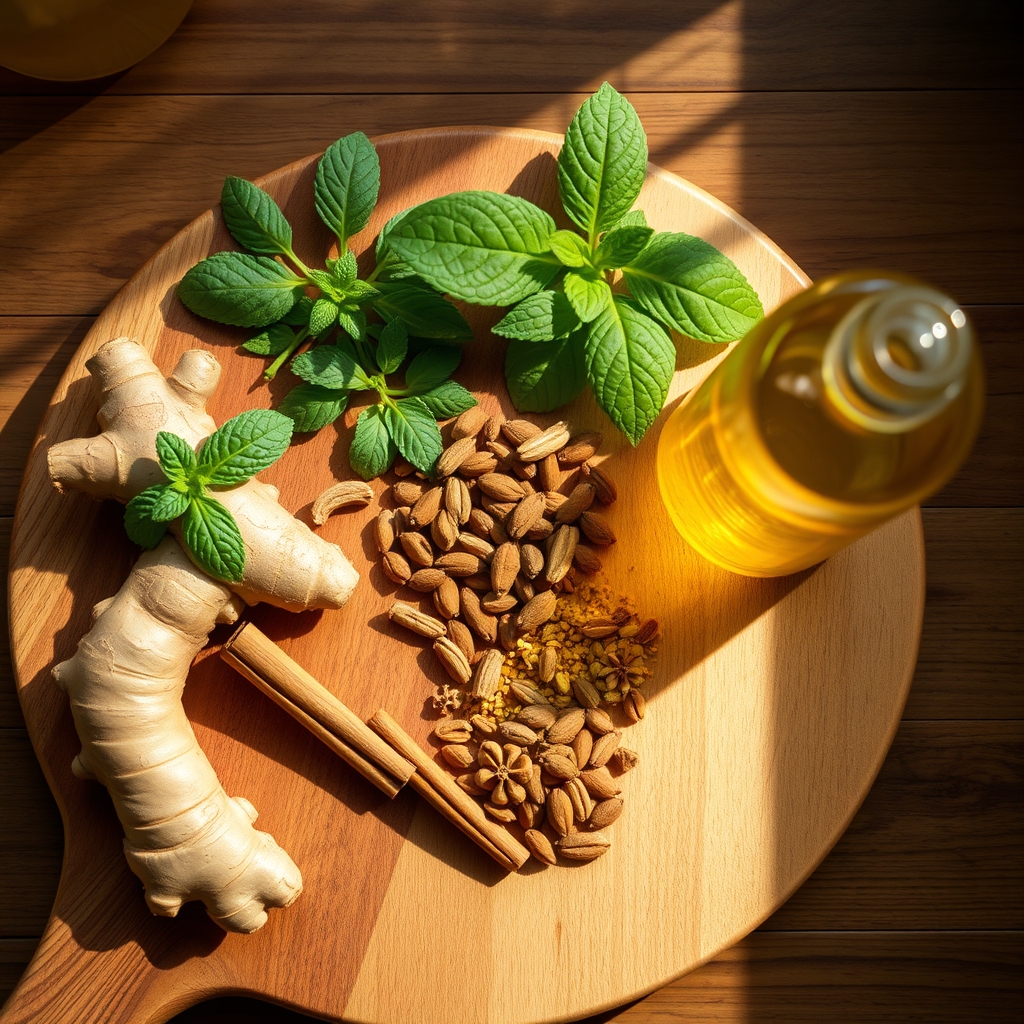
Related herbs: pregnancy safety at a glance
If you’re curious about other herbs and spices, here’s a quick comparison of fenugreek and similar options. Remember, this table is for food amounts only—supplements and high doses may have different safety profiles.
| Herb/Spice | Verdict | Notes |
|---|---|---|
| Turmeric | ✅ Safe in food amounts | Stick to ½ teaspoon per day in cooking. Avoid supplements, which are too concentrated. |
| Cinnamon | ✅ Safe in food amounts | Use in moderation (½ teaspoon per day). Avoid cassia cinnamon supplements, which may contain coumarin. |
| Garlic | ✅ Safe in food amounts | Safe in cooking, but avoid garlic supplements, which may thin the blood. |
| Ginger | ✅ Safe in food and supplement amounts | ACOG recommends up to 1 gram per day for nausea. Fresh ginger, teas, and chews are all safe. |
| Cumin | ✅ Safe in food amounts | Safe in cooking, but avoid cumin supplements, which may stimulate the uterus. |
| Anise seed | ⚠️ Safe in food amounts only | May have mild estrogen-like effects. Limit to occasional use in cooking. |
| Cardamom | ✅ Safe in food amounts | Safe in cooking and teas. Avoid supplements, which are too concentrated. |
| Black pepper | ✅ Safe in food amounts | Safe in cooking. No known risks in pregnancy. |
Myth vs. fact: fenugreek during pregnancy
Myth: Fenugreek is a natural way to boost milk supply during pregnancy.
Fact: Fenugreek is not recommended for milk supply during pregnancy. While it’s often used postpartum to support lactation, its potential to stimulate uterine contractions makes it unsafe before delivery. Focus on staying hydrated and eating a balanced diet during pregnancy. If you’re concerned about milk supply, talk to your provider or a lactation consultant after your baby arrives.
Myth: Eating fenugreek in food is just as risky as taking supplements.
Fact: Food amounts of fenugreek (e.g., ½ teaspoon of seeds in a dish) are much safer than supplements. The concentration of active compounds in supplements is far higher, which increases the risk of side effects like uterine contractions or low blood sugar. That said, even food amounts should be limited during pregnancy.
Myth: Fenugreek is safe in the third trimester because the baby is fully developed.
Fact: Fenugreek supplements are not safe in the third trimester. While your baby is fully developed, fenugreek’s potential to stimulate contractions could still trigger early labor. If you’re hoping to prepare for breastfeeding, wait until after delivery to use fenugreek for milk supply.
Key takeaways
- Fenugreek supplements should be avoided during pregnancy. The risk of uterine contractions and low blood sugar outweighs any potential benefits.
- Food amounts (e.g., ½ teaspoon of seeds in cooking) are generally safe but should be limited. Stick to occasional use, and avoid daily consumption.
- Fenugreek may lower blood sugar, which can be dangerous if you have gestational diabetes. If you’re managing blood sugar with diet or medication, avoid fenugreek entirely.
- Safer alternatives for nausea and digestion include ginger, peppermint, cinnamon, and lemon balm. These herbs are backed by pregnancy-safe guidance from ACOG and the NHS.
- If you’ve already taken fenugreek, don’t panic. The risk is likely low, especially if you took a small dose. Stop now and mention it to your provider at your next appointment.
- Always talk to your provider before using any herb or supplement during pregnancy. They can help you weigh the risks and benefits based on your individual health needs.
Frequently asked questions
Can I eat fenugreek during pregnancy?
Yes, but only in small food amounts. A sprinkle of fenugreek seeds in cooking (e.g., ½ teaspoon per day) is generally safe, but avoid supplements, teas, and high doses. If you’re unsure, opt for pregnancy-safe alternatives like ginger or cinnamon instead.
What are the side effects of fenugreek for pregnant women?
Fenugreek may cause uterine contractions, low blood sugar, digestive upset, or allergic reactions. In supplement form, it can also interact with medications like blood thinners or diabetes drugs. If you experience contractions, dizziness, or severe diarrhea after consuming fenugreek, call your provider right away.
Is fenugreek safe in the third trimester?
No, fenugreek supplements are not safe in the third trimester. While food amounts are less concerning, supplements may stimulate contractions and trigger early labor. If you’re hoping to boost milk supply, wait until after delivery to use fenugreek.
How much fenugreek can I take while pregnant?
There is no safe dosage of fenugreek supplements during pregnancy. For food amounts, stick to no more than ½ teaspoon of seeds per day, and avoid daily use. If you’re using fenugreek for a specific purpose (e.g., digestion or nausea), talk to your provider about safer alternatives.
Does fenugreek cause labor to start early?
Fenugreek may stimulate uterine contractions, which could theoretically trigger early labor. While the evidence is limited, most obstetricians recommend avoiding fenugreek supplements during pregnancy, especially in the third trimester. If you’re at risk for preterm labor, it’s best to avoid fenugreek entirely.
Are fenugreek supplements safe during pregnancy?
No, fenugreek supplements are not safe during pregnancy. They deliver much higher doses than food amounts and carry a higher risk of side effects like uterine contractions or low blood sugar. If you’ve already taken fenugreek supplements, stop now and mention it to your provider.
Can fenugreek help with pregnancy nausea?
Fenugreek isn’t the best choice for pregnancy nausea. While it may help with digestion, its potential risks (like uterine contractions) outweigh the benefits. Safer alternatives include ginger, peppermint, and lemon balm, all of which are backed by pregnancy-safe guidance from ACOG and the NHS.
When to call your doctor
While fenugreek in food amounts is unlikely to cause harm, it’s important to monitor for any unusual symptoms. Call your provider right away if you experience any of the following after consuming fenugreek:
- Vaginal bleeding or spotting
- Regular contractions or cramping
- Dizziness, confusion, or sweating (signs of low blood sugar)
- Severe diarrhea or dehydration
- Rash, swelling, or difficulty breathing (signs of an allergic reaction)
- Persistent nausea or vomiting
If you’re unsure whether fenugreek is safe for you, always talk to your provider. They can help you weigh the risks and benefits based on your individual health needs. Remember, this article is for informational purposes only and is not a substitute for medical advice.
References
- American College of Obstetricians and Gynecologists (ACOG). (2021). Herbal Supplements During Pregnancy. https://www.acog.org
- National Health Service (NHS). (2022). Foods to Avoid in Pregnancy. https://www.nhs.uk
- U.S. Food and Drug Administration (FDA). (2020). Generally Recognized as Safe (GRAS). https://www.fda.gov
- Phytotherapy Research. (2014). Effect of Fenugreek Extract on Uterine Contractility. https://onlinelibrary.wiley.com
- Mayo Clinic. (2023). Gestational Diabetes: Diagnosis & Treatment.

