Avoid energy drinks during pregnancy. High caffeine and additives pose risks; limit to 200mg caffeine/day max. Safe alternatives include herbal teas and fruit-infused water.
By Shubhra Mishra — a mom of two who turned her own confusion during pregnancy into BumpBites, a global mission to make food choices clear, safe, and stress-free for every expecting mother. 💛
Check whether any food is safe during pregnancy with the BumpBites Food Safety Checker.
Quick verdict: ⚠️ Safe with limits – occasional energy drinks are permissible if total caffeine stays under 200 mg per day, but they’re not recommended as a regular source of hydration or energy during pregnancy.
It’s 2 a.m., the fridge light flickers on, and you wonder, “is energy drinks safe during pregnancy?” You might have already sipped a can after a long day at work, or you’re debating whether to reach for that bright‑colored bottle tomorrow morning. You’re not alone—many expectant parents feel a pang of worry when they see the bold label of an energy drink on a shelf. The good news is that, for most pregnant people, the main concern isn’t a single ingredient but the cumulative caffeine and sugar load, especially when it pushes you past the daily caffeine limit.
In this article we’ll give you a clear bottom‑line answer, break down how much caffeine a typical energy drink contains, explore safety across each trimester and while you’re breastfeeding, and point you toward gentler beverage options that still give you a lift. We’ll also compare the most common energy‑drink brands, highlight potential side effects, and answer the exact questions you’re likely typing into Google right now.
By the end of this read you’ll know whether you can safely enjoy an occasional energy drink, how to calculate a safe dosage, what red‑flag symptoms to watch for, and which alternatives keep you hydrated and energized without compromising your pregnancy.
When you’re pregnant, comparing caffeine sources helps keep your daily intake in check.
Trimester / Breastfeeding
Verdict
Notes
First trimester
⚠️ Limit
Keep total caffeine ≤200 mg/day; avoid daily energy drinks.
Second trimester
⚠️ Limit
Same 200 mg caffeine ceiling; watch blood‑sugar spikes.
Caffeine passes into breast milk; keep intake low to avoid infant irritability.
What are energy drinks?
Energy drinks are non‑alcoholic beverages marketed to boost alertness, stamina, and mental performance. They typically contain a blend of caffeine, sugar (or artificial sweeteners in “diet” versions), B‑vitamins, taurine, guarana, and sometimes herbal extracts such as ginseng. The caffeine content can range from 80 mg in a 250‑ml can to more than 300 mg in larger 500‑ml bottles. Sugar levels are equally variable, often delivering 20–30 grams per serving, which translates to roughly five to seven teaspoons of added sugar.
Manufacturers position these drinks as “quick‑hit” solutions for fatigue, especially for athletes, shift workers, and students pulling all‑night study sessions. While the boost can feel pleasant for non‑pregnant adults, the high caffeine and sugar concentrations raise special concerns for pregnant people, whose bodies are already processing the metabolic demands of a growing fetus.
Because the caffeine in energy drinks is pharmacologically active—meaning it directly stimulates the central nervous system—its impact on fetal heart rate, blood flow, and development is a key focus of obstetric guidance. Likewise, the rapid glucose surge from sugary drinks can affect gestational‑diabetes risk, especially when consumed repeatedly.
Is energy drinks safe during pregnancy?
Current guidance from the American College of Obstetricians and Gynecologists (ACOG) and the U.S. Food and Drug Administration (FDA) recommends that pregnant people limit caffeine intake to no more than 200 mg per day. The United Kingdom’s National Health Service (NHS) echoes this recommendation, advising a ceiling of 150 mg per day for those who are particularly sensitive. Energy drinks, with their variable caffeine levels, can easily push you past these limits if you’re not careful.
Evidence linking high caffeine consumption to miscarriage, low birth weight, or preterm birth is mixed but suggests a modest increase in risk when intake exceeds 300 mg per day. A 2021 systematic review in the American Journal of Obstetrics & Gynecology found that caffeine doses above 200 mg were associated with a 15‑20 % higher odds of miscarriage, though the absolute risk remains low. Importantly, many of these studies did not isolate energy drinks from coffee or tea, so the specific contribution of the other ingredients (like taurine or guarana) remains less clear.
Because the caffeine in energy drinks is often accompanied by high sugar or artificial sweeteners, both of which can affect blood glucose, the overall safety profile is more nuanced than that of a plain cup of coffee. The CDC notes that excessive sugar intake during pregnancy can increase the likelihood of gestational diabetes, a condition that already affects about 10 % of pregnant people in the United States.
In short, energy drinks are not outright “dangerous,” but they should be treated as an occasional treat rather than a daily habit. If you enjoy the flavor or the quick boost, make sure the total caffeine from all sources stays under the recommended limits, and consider low‑caffeine or caffeine‑free alternatives for regular consumption.
Are energy drinks safe to drink during the first trimester of pregnancy?
The first trimester is the period of organogenesis, when the baby’s major organs form. During this window, the fetus is most vulnerable to substances that can cross the placenta, including caffeine. While there is no definitive proof that a single energy drink will cause birth defects, ACOG advises extra caution to keep caffeine well below the 200 mg threshold in early pregnancy.
If you’ve already had a can (≈80‑150 mg caffeine) early on, there’s no need for panic. Most obstetricians would consider a one‑time exposure within the daily limit as low risk. However, frequent consumption of multiple cans per day could elevate the risk of miscarriage or low birth weight, according to the aforementioned systematic review.
Because the first trimester also often brings nausea and heightened food aversions, many pregnant people find themselves reaching for sweet, fizzy drinks. Choosing a low‑caffeine option, diluting an energy drink with water, or swapping it for a caffeine‑free alternative can help you stay within safe limits while still satisfying cravings.
How many milligrams of caffeine are in a typical energy drink for pregnant women?
Typical caffeine amounts vary by brand and serving size:
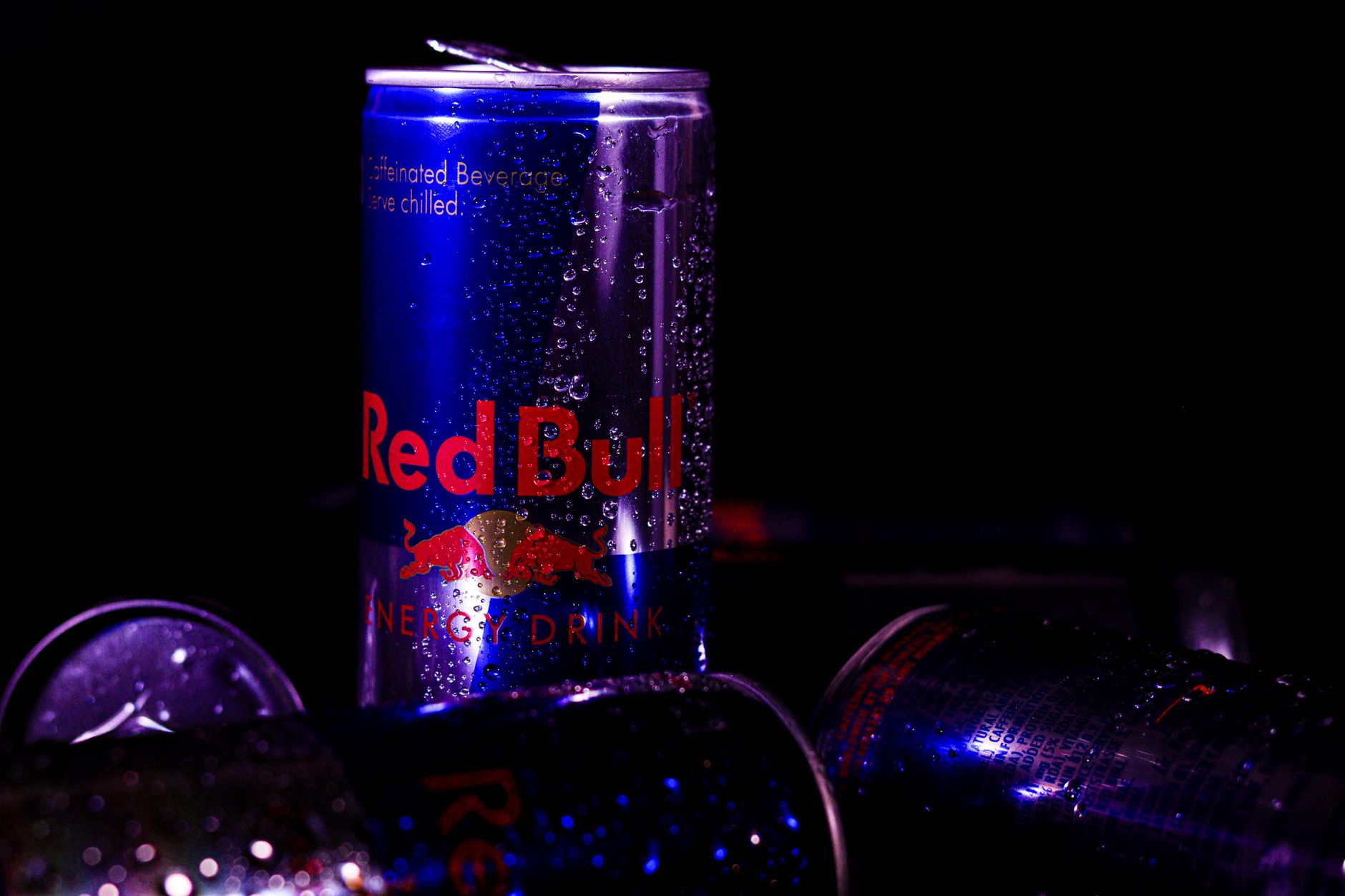
Red Bull (250 ml) – about 80 mg caffeine.
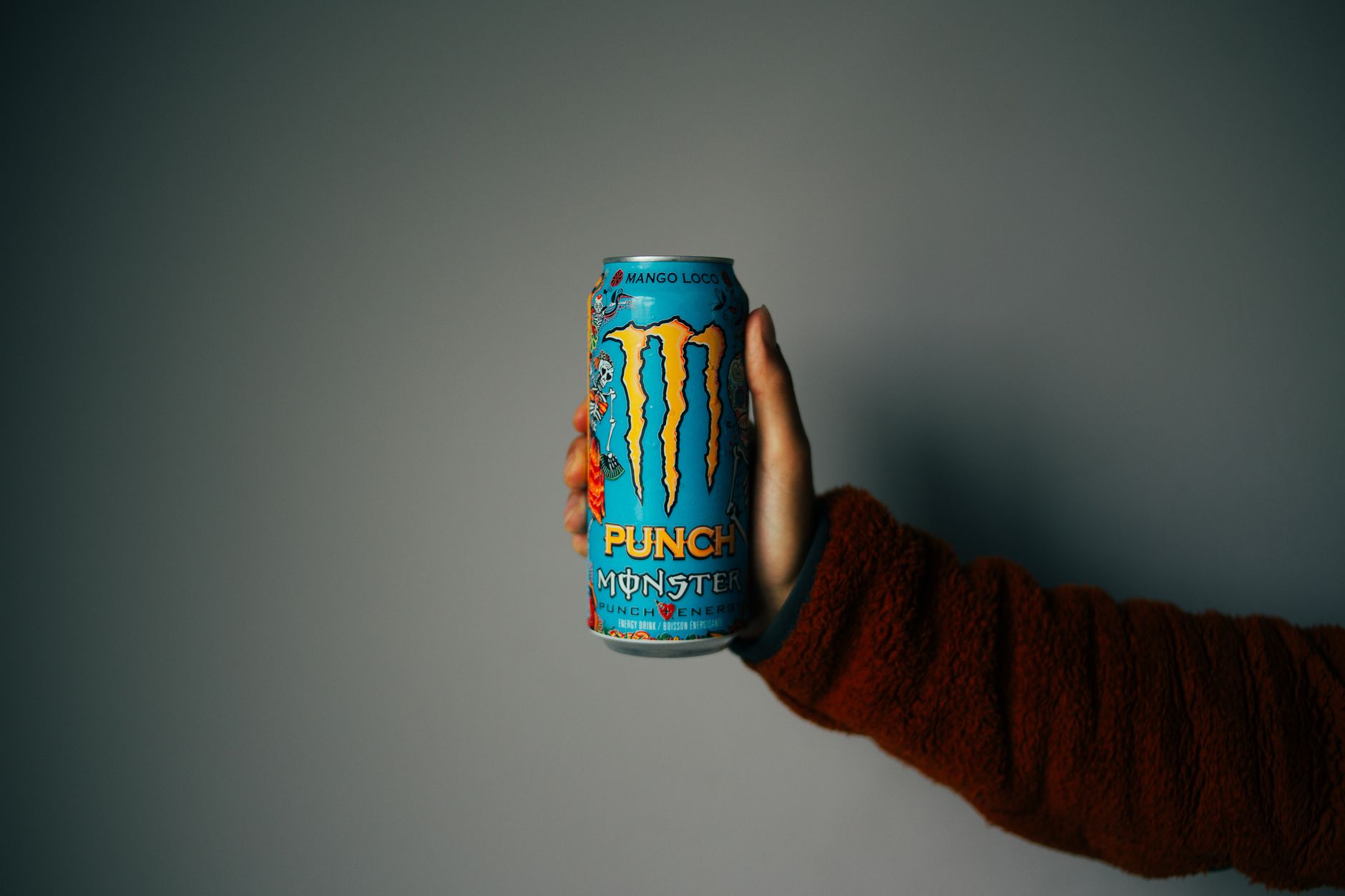
Monster Energy (473 ml) – roughly 160 mg caffeine.
5‑Hour Energy (60 ml) – around 200 mg caffeine.
Bang Energy (473 ml) – up to 300 mg caffeine.
For pregnant people aiming to stay under the 200 mg daily limit, a single 250‑ml Red Bull or a half‑can of Monster would fit within the safe range, provided no other caffeinated beverages are consumed that day. Larger cans or “extra‑strength” formulations quickly exceed the recommended ceiling.
Always check the nutrition label—some “diet” or “zero‑sugar” versions contain the same caffeine as their sugary counterparts, so the term “diet” does not automatically make the drink safer for pregnancy.
Is it okay to consume energy drinks in the second trimester?
The second trimester (weeks 13‑27) is generally considered a more stable period for fetal growth, and many pregnant people report a dip in morning sickness. Nonetheless, the caffeine limit of 200 mg per day remains unchanged throughout pregnancy. Energy drinks can be consumed occasionally, but the same caution applies: track all caffeine sources—coffee, tea, chocolate, and sodas—to avoid accidental over‑consumption.
Because blood volume expands during the second trimester, the body’s ability to metabolize caffeine improves slightly, but the placenta still filters caffeine at a slower rate than non‑pregnant adults. This means that caffeine can linger in the bloodstream longer, potentially affecting fetal heart rate and sleep patterns.
If you’re managing gestational‑diabetes or have been advised to limit sugar, the high‑glycemic load of many energy drinks may be a bigger concern than caffeine itself. Opting for sugar‑free versions reduces the glucose spike, but the caffeine remains, so the overall recommendation stays the same: limit to one low‑caffeine can per day at most.
Which energy drink brands have the lowest caffeine content for pregnant women?
When you need an energy‑boost but want to keep caffeine low, consider these brands (based on typical label values):
Red Bull Sugar‑Free – 80 mg caffeine per 250‑ml can.
Monster Zero Ultra – about 140 mg caffeine per 473‑ml can.
Bang Keto Coffee – roughly 100 mg caffeine per 473‑ml can.
Rockstar Pure Zero – 80 mg caffeine per 355‑ml can.
Even the “lowest‑caffeine” options still contribute a meaningful portion of the daily limit, so treat them as occasional treats rather than daily staples. If you’re looking for a truly caffeine‑free experience, the safer route is to choose a non‑energy beverage from the alternatives list below.
What are the health risks of drinking energy drinks while pregnant?
Beyond the caffeine ceiling, energy drinks can pose several pregnancy‑specific risks:
Increased heart rate and blood pressure – high caffeine and taurine can cause palpitations, which may be uncomfortable for pregnant people already experiencing cardiovascular changes.
Sleep disruption – caffeine late in the day can interfere with the rest that’s crucial for fetal development and maternal mood.
Dehydration – the diuretic effect of caffeine, combined with high sodium in some brands, can reduce fluid retention.
Potential fetal exposure – caffeine crosses the placenta, and while modest amounts are considered safe, excessive exposure may affect fetal heart rate variability.
Most of these risks are dose‑dependent, meaning they become more likely when you habitually exceed the 200 mg caffeine limit or consume multiple sugary drinks each day. Moderation, along with careful label reading, mitigates most of the concerns.
Are diet or sugar‑free energy drinks safer for pregnancy?
“Diet” or “zero‑sugar” versions remove the sugar component, which helps lower the risk of gestational‑diabetes and excessive calorie intake. However, the caffeine content typically remains unchanged. From a caffeine‑risk perspective, diet and regular versions are equally potent.
The biggest safety advantage of sugar‑free drinks is the reduction in rapid blood‑glucose spikes, which can be especially beneficial if you’ve been diagnosed with gestational diabetes or are trying to keep your blood sugar stable. Nonetheless, the same caution about total caffeine applies, and some artificial sweeteners (e.g., sucralose, acesulfame potassium) are considered safe in moderate amounts by the FDA, though research is ongoing.
Do energy drinks increase the risk of gestational diabetes?
Research linking energy‑drink consumption directly to gestational diabetes is limited, but several studies associate high sugar‑sweetened beverage intake with increased diabetes risk in pregnancy. Because many energy drinks contain large amounts of added sugar, regular consumption could contribute to higher glucose levels and insulin resistance.
If you’re already at risk for gestational diabetes—or have been diagnosed—opting for sugar‑free or low‑sugar energy drinks (while still monitoring caffeine) is the safer path. Even then, most obstetricians recommend limiting any caffeinated, sugary beverages in favor of water, milk, or naturally sweetened fruit drinks.
How much caffeine from energy drinks is considered safe during pregnancy?
Both ACOG and the FDA set the benchmark at 200 mg of caffeine per day for pregnant people. This is roughly equivalent to one 12‑oz cup of coffee, two 8‑oz cups of black tea, or a single 250‑ml Red Bull. If you’re drinking an energy drink that contains 150 mg of caffeine, you would have about 50 mg left for the rest of the day—roughly the caffeine in a small piece of dark chocolate.
To calculate your total caffeine intake, add the amounts from all sources (coffee, tea, soda, chocolate, and medications). If you’re unsure, use an online caffeine calculator or keep a simple diary for a week. Remember that caffeine can stay in the bloodstream for up to 12 hours during pregnancy, so spacing out consumption helps keep levels steady.
Checking the label lets you stay within the 200 mg caffeine limit.
Safe dosage / amount / brands
Because caffeine content varies widely, the safest approach is to treat each can as a single serving and track the total across the day. Below is a quick reference for common energy‑drink sizes and their caffeine contributions:
Brand / Product
Typical serving size
Caffeine per serving
Safe servings per day (≤200 mg)
Red Bull (regular)
250 ml (8.4 oz)
80 mg
2 (if no other caffeine)
Red Bull Sugar‑Free
250 ml
80 mg
2
Monster Energy (Original)
473 ml (16 oz)
160 mg
1
Monster Zero Ultra
473 ml
140 mg
1
5‑Hour Energy (Original)
60 ml (2 oz)
200 mg
1 only if no other caffeine
Bang Energy (Keto Coffee)
473 ml
100 mg
2
If you’re already drinking coffee (≈95 mg per 8‑oz cup) or tea (≈30‑50 mg per cup), subtract that amount from the 200 mg total before deciding how many energy‑drink servings are permissible. For example, a 12‑oz coffee (≈120 mg) plus a 250‑ml Red Bull (80 mg) would already meet the limit.
Brands to avoid if you’re seeking the lowest caffeine include “Bang Hardcore” (≈300 mg per can) and “Monster Rehab” (which combines caffeine with alcohol‑free malt, adding extra stimulants). Opt for the low‑caffeine or sugar‑free lines noted above when you need a quick pick‑me‑up.
Side effects and risks
Even within the recommended caffeine limit, some pregnant people may experience side effects from energy drinks:
Jitters or nervousness – caffeine can cause a “wired” feeling, which may be uncomfortable if you’re already dealing with hormonal mood swings.
Heart palpitations – especially if you have a pre‑existing heart condition.
Insomnia – caffeine consumed after 2 p.m. can disrupt sleep, a vital component of healthy pregnancy.
Upset stomach or acid reflux – the acidity of many energy drinks can aggravate nausea.
Dehydration – caffeine’s mild diuretic effect may increase fluid loss, especially if you’re not drinking enough water.
Most of these effects are mild and resolve when caffeine intake is reduced. However, you should contact your obstetric provider promptly if you notice any of the following:
Persistent rapid heartbeat (over 100 bpm at rest) or irregular rhythm.
Severe headache accompanied by visual disturbances.
Sudden swelling of hands, feet, or face.
Signs of gestational diabetes such as excessive thirst, frequent urination, or unusually high blood‑sugar readings.
Fetal movement changes (significant decrease in kicks after an energy‑drink binge).
Safer alternatives
Coconut water – natural electrolytes, low caffeine, and gentle sweetness keep you hydrated.
Herbal ginger tea – helps with nausea without caffeine; ginger is considered safe in moderate amounts.
Fresh fruit smoothie – blends fruit, yogurt, and a splash of juice for a vitamin‑rich, caffeine‑free boost.
Decaf coffee – offers the coffee flavor with minimal caffeine (≈2‑5 mg per cup).
Milk – provides protein, calcium, and a subtle energy lift from natural sugars.
Electrolyte water (e.g., Pedialyte) – replenishes salts without added sugar or caffeine.
Herbal lemon balm tea – calming and caffeine‑free; supports relaxation and focus.
Related items — safety at a glance
Item
Verdict
One‑line note
Red Bull energy drink
⚠️ Limit
80 mg caffeine per 250 ml; keep total caffeine ≤200 mg.
Monster Energy
⚠️ Limit
≈160 mg caffeine per 473 ml; one per day max.
5‑Hour Energy shot
⚠️ Limit
200 mg caffeine in 60 ml; counts as full daily allowance.
Starbucks coffee
✅ Generally safe
8‑oz brewed coffee ≈95 mg caffeine; fits within limit.
Lipton black tea
✅ Generally safe
8‑oz cup ≈45 mg caffeine; low‑risk.
Coca‑Cola
⚠️ Limit
12‑oz can ≈34 mg caffeine; sugar content may affect glucose.
Pepsi
⚠️ Limit
12‑oz can ≈38 mg caffeine; similar sugar considerations.
Myth vs. fact
Myth: Energy drinks are safe because they’re “just water with added vitamins.”
Fact: The high caffeine and sugar content, plus stimulants like taurine, make energy drinks more potent than plain water; they should be limited to stay within pregnancy caffeine guidelines.
Myth: Sugar‑free energy drinks eliminate all pregnancy risks.
Fact: Sugar‑free versions remove the glucose spike but retain caffeine; the primary safety concern—caffeine intake—remains.
Myth: A single energy drink early in pregnancy will cause miscarriage.
Fact: One occasional drink within the 200 mg caffeine limit is unlikely to cause miscarriage; consistent over‑consumption, however, may increase risk.
Key takeaways
Keep total caffeine ≤200 mg per day (≈1 regular‑size Red Bull or 1 cup coffee).
First‑trimester caution: limit energy drinks to occasional use only.
Choose low‑caffeine or sugar‑free brands if you must have an energy drink.
Watch for side effects like rapid heartbeat, insomnia, or dehydration.
Safer alternatives—coconut water, ginger tea, fresh smoothies—provide hydration without caffeine.
If you exceed the caffeine limit or notice concerning symptoms, contact your provider promptly.
Frequently asked questions
Can pregnant women drink energy drinks?
Yes, but only in moderation—keep total caffeine from all sources under 200 mg per day, and consider low‑caffeine or sugar‑free options.
How much caffeine is safe during pregnancy?
Both ACOG and the FDA recommend no more than 200 mg of caffeine per day for pregnant people.
Are diet energy drinks safer during pregnancy?
Diet versions remove sugar, which may lower gestational‑diabetes risk, but they contain the same caffeine, so the same limits apply.
Do energy drinks increase the risk of miscarriage?
High caffeine intake (>300 mg per day) has been linked to a modestly increased miscarriage risk; occasional low‑caffeine consumption stays within safe guidelines.
What are the side effects of energy drinks for pregnant moms?
Common side effects include jitteriness, rapid heartbeat, insomnia, stomach upset, and possible dehydration; severe symptoms should prompt a call to your provider.
Can energy drinks cause dehydration in pregnancy?
Yes—caffeine’s mild diuretic effect can increase fluid loss, especially if not balanced with adequate water intake.
What are the best caffeine‑free drinks for pregnant women?
Options like coconut water, herbal ginger tea, fresh fruit smoothies, decaf coffee, milk, electrolyte water, and lemon balm tea provide hydration and nutrients without caffeine.
When to call your doctor
If you experience any of the following after consuming an energy drink, reach out to your obstetric provider right away:
Persistent rapid heartbeat (over 100 bpm) or palpitations.
Severe headache with visual changes.
Sudden swelling of hands, feet, or face.
Signs of gestational diabetes (excessive thirst, frequent urination, high blood‑glucose readings).
Noticeable decrease in fetal movement after a caffeine binge.
These symptoms could indicate that caffeine or other ingredients are affecting you more than expected. Your provider can guide you on safe caffeine limits, recommend appropriate alternatives, and monitor your pregnancy health.
This article is for informational purposes only and does not replace personalized medical advice. Always discuss your specific situation with your health care provider.
References
American College of Obstetricians and Gynecologists (ACOG). “Committee Opinion No. 804: Moderate caffeine consumption during pregnancy.” 2020.
U.S. Food and Drug Administration (FDA). “Caffeine in food and dietary supplements.” Updated 2022.
National Health Service (NHS). “Caffeine in pregnancy.” 2021.
Centers for Disease Control and Prevention (CDC). “Gestational Diabetes Mellitus.” 2023.
World Health Organization (WHO). “Guidelines for caffeine consumption during pregnancy.” 2021.
American Journal of Obstetrics & Gynecology. “Maternal caffeine intake and risk of miscarriage: a systematic review.” 2021.
Mayo Clinic. “Caffeine: How much is too much?” 2022.
Not sure about the label on Is Energy Drinks Safe During Pregnancy products?
Snap the ingredients list and SafeFilter checks every ingredient for your stage — only 3 free scans this month, then you're locked until reset. Unlimited from $7/mo or $50/yr.
When Shubhra Mishra was expecting her first child in 2016, she was overwhelmed by conflicting food advice — one site said yes, another said never. By the time her second baby arrived in 2019, she realized millions of mothers face the same confusion.
That sparked a five-year journey through clinical nutrition papers, cultural diets, and expert conversations — all leading to BumpBites: a calm, compassionate space where science meets everyday motherhood.
Her long-term vision is to build a global community ensuring safe, supported, and free deliveriesfor every mother — because no woman should face pregnancy alone or uninformed. 🌿
🌍 Stand with mothers, shape safer guidance
Join a small circle of experts who review BumpBites articles so expecting parents everywhere can decide with confidence.