Dulcolax is generally safe for pregnancy, but use the lowest effective dosage and consult your doctor, especially in the first trimester
By Shubhra Mishra — a mom of two who turned her own confusion during pregnancy into BumpBites, a global mission to make food choices clear, safe, and stress-free for every expecting mother. 💛
Check whether any food is safe during pregnancy with the BumpBites Food Safety Checker.
Quick verdict: ⚠️ Safe with limits – Dulcolax can be used for occasional constipation during pregnancy, but keep the dose low (usually 5 mg) and avoid long‑term daily use. Talk to your provider if you need it for more than a few days.
It’s 2 a.m., the bathroom light flickers on, and you’re staring at a half‑filled bottle of Dulcolax wondering whether that tablet you just swallowed might harm your baby. You’re not alone—many expecting parents search “dulcolax safe for pregnancy” in the middle of the night, hoping for a quick, reassuring answer.
Below you’ll find the evidence‑based verdict on Dulcolax, the recommended dosage, how safety changes from the first to the third trimester, and a handful of gentler alternatives that keep you and your little one comfortable. We’ll also compare Dulcolax to other over‑the‑counter laxatives so you can make an informed choice without second‑guessing every label.
Read on for a clear, step‑by‑step guide that answers the most common “dulcolax safe for pregnancy” questions, from dosage limits to what to do if you’ve already taken a tablet before you knew you were pregnant.
Even if you’ve already taken a dose, take a breath. The most important factor is how often you use the medication and whether you’ve combined it with plenty of fluids and fiber. In most cases, a single low‑dose tablet poses minimal risk, and the guidance below will help you decide when to keep using it and when to switch to a non‑stimulant option.
Constipation affects up to 40 % of pregnant people, often because hormonal changes slow intestinal motility while the growing uterus adds pressure on the bowel. Diet, activity level, and prenatal supplements can all influence how often you need to visit the restroom, and understanding the safest ways to manage it can reduce anxiety and prevent complications.
When a late‑night bathroom trip sparks a safety question, a quick look at reputable guidelines can calm your nerves.
Trimester / Period
Verdict
Notes
1st trimester
⚠️ Safe with limits
Use only if constipation is severe; limit to 5 mg (one tablet) once daily for ≤ 3 days. Discuss with provider.
2nd trimester
⚠️ Safe with limits
Same dosing applies; consider fiber first. Avoid chronic use.
3rd trimester
⚠️ Safe with limits
Short‑term use is okay; monitor for uterine cramping which can mimic Braxton‑Hicks.
Breastfeeding
✅ Generally safe
Bisacodyl passes into milk in minimal amounts; standard adult dose (5–10 mg) is considered safe.
What is Dulcolax and how does it work?
Dulcolax is the brand name for the drug bisacodyl, a stimulant laxative that belongs to the class of “irritant” or “secretagogue” agents. After oral ingestion, bisacodyl is largely inactive until it reaches the colon, where bacterial enzymes convert it into an active metabolite. This metabolite stimulates the nerve endings in the colon, increasing peristaltic contractions and drawing water into the intestinal lumen. The combined effect softens stool and encourages a bowel movement typically within 6–12 hours for oral tablets and 15–60 minutes for suppositories.
People use Dulcolax for occasional constipation, bowel preparation before medical procedures, and to relieve occasional abdominal discomfort caused by sluggish gut motility. In pregnancy, constipation is common—up to 40 % of pregnant people report it—making Dulcolax a frequently considered option when dietary fiber and hydration haven’t helped.
Because bisacodyl works locally in the colon, it does not get absorbed in large amounts into the bloodstream, which is why many clinicians feel comfortable allowing short‑term use. Nonetheless, the drug’s stimulant action can cause cramping, so the timing and dosage matter, especially as the uterus grows larger and more sensitive in later pregnancy.
Bisacodyl is also available in combination products that pair the stimulant with a stool‑softening agent (e.g., docusate) to reduce cramping. These “dual‑action” tablets are marketed under names like Dulcolax Stool Softener, but the active bisacodyl dose remains the same, so the same safety limits apply.
Is Dulcolax safe during pregnancy?
Current guidance from the American College of Obstetricians and Gynecologists (ACOG) and the United Kingdom’s National Health Service (NHS) categorizes bisacodyl as “category C” (risk cannot be ruled out) but notes that short‑term, low‑dose use is acceptable when non‑pharmacologic measures fail. The U.S. Food and Drug Administration (FDA) has not assigned a formal pregnancy‑risk category to Dulcolax, reflecting limited data, but the agency’s labeling states that “use only if clearly needed.”
Evidence from observational studies involving pregnant women who used bisacodyl for constipation does not show an increased risk of major congenital anomalies or miscarriage when used intermittently. A 2021 systematic review in the Journal of Obstetric, Gynecologic & Neonatal Nursing concluded that occasional bisacodyl exposure (≤ 10 mg total) was not associated with adverse fetal outcomes, though the authors emphasized that data are limited and that chronic use should be avoided.
Because the drug stimulates colonic activity, the main theoretical concern is that uterine cramping could be mistaken for Braxton‑Hicks or, in rare cases, trigger premature contractions. Most clinicians advise using the lowest effective dose and limiting use to a few days at a time, especially in the third trimester when the uterus is more sensitive.
Both ACOG and the NHS recommend that any medication, including Dulcolax, be taken only after trying lifestyle modifications—such as increased fiber, fluids, and gentle exercise—for at least a week. If those measures fail, a single 5 mg tablet is generally regarded as low risk, provided you have clearance from your obstetric provider.
Additional guidance from the UK's National Institute for Health and Care Excellence (NICE) echoes this stance, stating that stimulant laxatives may be prescribed for short‑term relief of constipation in pregnancy when first‑line measures are insufficient, but they should not be used continuously for more than a week without specialist review.
Is Dulcolax safe to use in the first trimester of pregnancy?
During the first trimester—the period of organ formation—most providers recommend non‑drug approaches first (fiber, fluids, gentle exercise). If constipation becomes severe, a single 5 mg tablet of Dulcolax is generally considered low risk, provided you discuss it with your obstetrician. The ACOG Committee Opinion on constipation in pregnancy (2023) specifically states that “short‑term stimulant laxatives may be used after failure of lifestyle measures, with the smallest effective dose.”
Can Dulcolax be used for constipation in the second trimester?
The second trimester is often a “sweet spot” for many pregnant people because nausea typically eases and the uterus is not yet large enough to cause significant bowel compression. In this window, Dulcolax remains safe when limited to the standard 5 mg dose and used for no more than three consecutive days. However, clinicians still encourage a return to fiber‑rich foods and adequate hydration as the primary strategy, reserving Dulcolax for cases where those measures have not provided relief.
What to consider when using Dulcolax while breastfeeding?
Bisacodyl does appear in breast milk, but concentrations are extremely low—well below levels that would affect a nursing infant. The American Academy of Pediatrics (AAP) lists Dulcolax as compatible with breastfeeding, recommending the usual adult dose (5–10 mg) if needed. Nonetheless, it’s wise to stay well‑hydrated and monitor the infant for any unusual changes in stool consistency or feeding patterns, just as you would with any medication taken while nursing.
How many Dulcolax tablets are safe to take during pregnancy?
For pregnant adults, the standard adult dose of Dulcolax tablets is 5 mg (one tablet). Most guidelines advise not exceeding 10 mg (two tablets) in a 24‑hour period, and only for a maximum of three consecutive days. Chronic daily use is discouraged because of the risk of electrolyte imbalance and potential dependence.
What are the risks of using Dulcolax while pregnant?
The primary risks are:
Uterine cramping: Can mimic Braxton‑Hicks or, rarely, stimulate premature labor.
Electrolyte disturbances: Stimulant laxatives can cause loss of potassium and sodium, which are crucial for fetal development.
Dehydration: Excessive fluid loss may reduce amniotic fluid volume.
These risks are generally mild and reversible when the medication is stopped, but they underscore why clinicians favor short‑term, low‑dose use.
Can I use Dulcolax as a laxative during pregnancy?
Yes—Dulcolax can be used as an occasional laxative when constipation persists despite increased fiber, fluids, and movement. It is most effective when taken at night, allowing the stimulant effect to occur while you sleep. However, it should not replace lifestyle changes and should not be taken daily for more than a week without medical supervision.
Are there safer alternatives to Dulcolax for constipation in pregnancy?
Many obstetricians and midwives recommend starting with gentler, fiber‑based options before turning to stimulant laxatives. Below is a list of alternatives that are widely regarded as safe throughout pregnancy, along with brief usage notes.
Metamucil (psyllium fiber) – adds bulk and retains water, helping form soft stools. Typical dose: 1–2 tablespoons mixed with water once daily.
Benefiber (wheat dextrin) – dissolves easily in liquids and is low‑calorie. Typical dose: 2–3 g (about 1 tsp) daily.
Citrus Fiber (orange fiber) – natural fruit‑derived fiber with a mild taste. Typical dose: 1 tsp mixed into juice or water.
Colace (docusate sodium) – a stool softener that lubricates the intestinal wall. Typical dose: 100 mg twice daily.
Prune puree – natural sorbitol pulls water into the colon. About half a cup per day is usually enough.
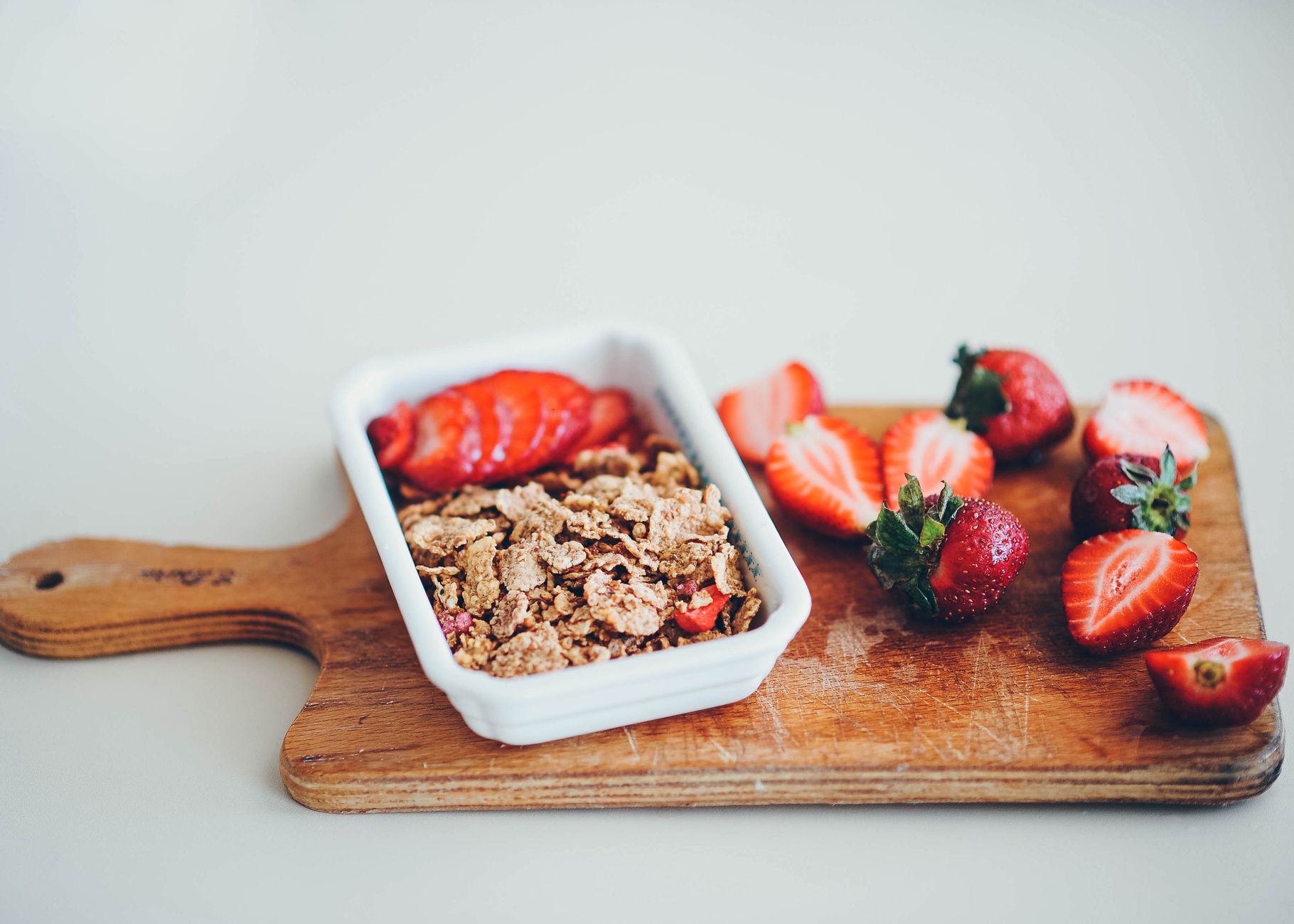
Fiber One cereal – a high‑fiber breakfast that can be incorporated daily. One cup provides roughly 10 g of fiber.
Phillips' Milk of Magnesia – an osmotic laxative that draws water into the bowel, safe in moderate doses. Typical dose: 30 mL every 6–8 hours, max 120 mL/day.
Flaxseed meal – ground flaxseed adds soluble fiber and omega‑3 fatty acids. One tablespoon mixed into yogurt or smoothies daily.
Dulcolax Stool Softener (if available) – a gentler formulation of bisacodyl with added stool‑softening agents.
Is there a difference between Dulcolax and other bisacodyl brands during pregnancy?
All bisacodyl products share the same active ingredient and mechanism of action, so safety profiles are essentially identical. Brand‑specific differences usually involve tablet size, coating, or added flavorings, none of which affect pregnancy risk. The key factor is the dosage—whether you choose Dulcolax, a generic bisacodyl tablet, or a different brand, stick to the 5 mg (one tablet) limit and avoid prolonged daily use.
How does Dulcolax affect pregnancy‑related conditions like gestational diabetes?
Gestational diabetes (GDM) is managed primarily through diet, exercise, and, if needed, insulin. Dulcolax does not interfere with blood‑glucose control, but its osmotic effect can cause mild diarrhea, which may lead to fluctuations in carbohydrate absorption. If you have GDM, discuss any laxative use with your provider to ensure blood‑sugar monitoring is adjusted if needed.
What dosage of Dulcolax is recommended for pregnant women?
The recommended dosage for pregnant adults is a single 5 mg tablet (one Dulcolax tablet) taken at bedtime. If a stronger effect is required, a second tablet (total 10 mg) may be taken, but the interval between doses should be at least 12 hours, and the course should not exceed three days without medical oversight. Always use the lowest effective dose and combine it with plenty of fluids (at least 8 cups of water daily).
Staying well‑hydrated helps the stool soften and reduces the chance of cramping when you take Dulcolax.
Side effects and risks
Common, non‑serious side effects include abdominal cramping, mild diarrhea, and nausea. These usually resolve within 24 hours after stopping the medication. More serious concerns—though rare—include:
Severe abdominal pain or persistent diarrhea lasting longer than two days.
Signs of electrolyte imbalance such as muscle weakness, irregular heartbeat, or dizziness.
Persistent uterine contractions or bleeding.
If any of these occur, contact your obstetric provider promptly. Remember, occasional mild cramping is common in pregnancy, but sudden, intense pain warrants evaluation.
Potential drug interactions with Dulcolax during pregnancy
Bisacodyl can affect the absorption of other oral medications by speeding up intestinal transit. If you are taking prenatal vitamins, iron supplements, or certain antibiotics, it’s best to separate dosing by at least two hours to ensure optimal absorption. Additionally, combining Dulcolax with other laxatives (e.g., magnesium‑based products) can increase the risk of electrolyte disturbances, so avoid stacking stimulant and osmotic agents unless directed by a provider.
Safer alternatives
Metamucil (psyllium): Adds soluble fiber, safe at 1–2 tablespoons daily; helps form soft, bulky stools without stimulating the colon.
Benefiber (wheat dextrin): Dissolves in any beverage, 2–3 g daily; gentle and low‑calorie.
Citrus Fiber: Natural orange‑flavored fiber, 1 tsp per day; easy to mix into juice.
Colace (docusate sodium): Stool softener, 100 mg twice daily; lubricates the bowel without causing cramps.
Prune puree: Half a cup provides natural sorbitol, a mild osmotic agent that encourages regularity.
Fiber One cereal: 1 cup with milk adds about 10 g of fiber; a breakfast habit that supports daily bowel health.
Phillips' Milk of Magnesia: 30 mL every 6–8 hours, max 120 mL/day; osmotic laxative considered safe in moderate doses.
Flaxseed meal: One tablespoon mixed into yogurt or smoothies adds soluble fiber and omega‑3s, supporting both digestion and overall pregnancy nutrition.
Dulcolax Stool Softener (if available): Combines bisacodyl with docusate for a gentler effect; still limited to 5 mg per day.
Related items — safety at a glance
Item
Verdict
One‑line note
Senokot (senna)
⚠️ Safe with limits
Herbal stimulant; similar dosing concerns as Dulcolax.
Ex‑Lax (sennosides)
⚠️ Safe with limits
Stimulant laxative; avoid prolonged use.
Bisacodyl generic tablets
⚠️ Safe with limits
Same active ingredient; follow same dosing.
Milk of Magnesia
✅ Generally safe
Osmotic laxative; safe in moderate doses.
Colace (docusate sodium)
✅ Generally safe
Stool softener; no stimulant effect.
Miralax (polyethylene glycol)
✅ Generally safe
Osmotic agent; widely used in pregnancy.
Metamucil (psyllium)
✅ Generally safe
Fiber supplement; first‑line choice.
Benefiber (wheat dextrin)
✅ Generally safe
Soluble fiber; easy to mix.
Glycerin suppositories
✅ Generally safe
Local lubricants; useful for occasional relief.
Lactulose (Enulose)
✅ Generally safe
Osmotic laxative; often prescribed for chronic constipation.
Myth vs. fact
Myth: “All laxatives are unsafe during pregnancy.”
Fact: Not all laxatives carry the same risk. Stimulant laxatives like Dulcolax can be used short‑term, while osmotic agents (e.g., Miralax) and stool softeners (e.g., Colace) are generally considered safe for longer use.
Myth: “Taking Dulcolax once will cause miscarriage.”
Fact: Current evidence does not link a single, low‑dose tablet of Dulcolax to miscarriage. The main concern is uterine cramping, which is usually mild and self‑limiting.
Myth: “If a medication is not FDA‑labeled for pregnancy, it must be avoided.”
Fact: Many drugs lack a formal pregnancy category but are still deemed safe by ACOG and NHS when used appropriately. Always consult your provider for personalized advice.
Myth: “Suppository forms are automatically safer than tablets.”
Fact: Both oral tablets and suppositories deliver bisacodyl locally; the safety profile is similar. The choice depends on personal comfort and how quickly you need relief.
Key takeaways
✅ Dulcolax can be used safely in pregnancy when limited to 5 mg (one tablet) and not taken for more than three consecutive days.
⚠️ The first trimester is the most sensitive period; try lifestyle measures first and discuss any use with your obstetrician.
💧 Pair Dulcolax with ample water to reduce cramping and prevent dehydration.
🛑 Avoid chronic daily use; switch to fiber‑based laxatives for long‑term constipation management.
🤰 If you have gestational diabetes or a history of preterm labor, talk to your provider before using Dulcolax.
🔎 Monitor your bowel movements and stop the medication if you notice severe cramping, persistent diarrhea, or any signs of electrolyte imbalance.
Frequently asked questions
Is it safe to take Dulcolax while pregnant?
Yes, short‑term, low‑dose Dulcolax (5 mg) is considered safe for occasional constipation, but you should discuss any use with your obstetric provider.
What is the recommended Dulcolax dosage for pregnant women?
The standard recommendation is one 5 mg tablet at bedtime, not exceeding 10 mg in a 24‑hour period and limiting the course to three days unless directed by a clinician.
Can Dulcolax cause miscarriage?
Current research does not show a direct link between a single low‑dose Dulcolax tablet and miscarriage; however, uterine cramping can be uncomfortable and should be monitored.
Are there natural remedies for constipation during pregnancy?
Yes—options such as Metamucil, Benefiber, prune puree, and increased fluid intake are effective, safe, and free of stimulant effects.
How long can I use Dulcolax during pregnancy?
It is advised to use Dulcolax for no more than three consecutive days without medical supervision; for longer relief, switch to fiber or stool‑softening agents.
What are the side effects of Dulcolax for pregnant women?
Common side effects include mild abdominal cramping, nausea, and occasional diarrhea; serious effects like severe cramps or electrolyte imbalance require prompt medical attention.
Is Dulcolax approved by the FDA for use in pregnancy?
The FDA has not assigned a specific pregnancy category to Dulcolax, but labeling permits use when clearly needed, aligning with ACOG and NHS recommendations for short‑term use.
Can I take Dulcolax if I have gestational diabetes?
Yes, but monitor blood‑glucose levels closely, as occasional diarrhea can affect carbohydrate absorption; discuss any laxative use with your diabetes care team.
What should I do if I miss a dose of Dulcolax?
If you miss a dose, simply skip it and resume your regular schedule the next day; do not double up, as higher doses increase the risk of cramping and electrolyte loss.
Is it okay to use Dulcolax suppositories during pregnancy?
Suppository forms deliver the same active ingredient and have a comparable safety profile; they can be used when oral tablets are not tolerated, but the same dosage limits (5 mg) apply.
Can I take Dulcolax together with prenatal vitamins?
Yes, but separate them by at least two hours because Dulcolax can speed up intestinal transit and potentially reduce the absorption of iron or folic acid in prenatal vitamins.
What should I do if I experience severe cramping after taking Dulcolax?
Stop the medication, hydrate well, and contact your obstetric provider promptly; severe or prolonged cramping may need evaluation to rule out uterine irritation or preterm labor.
High‑fiber foods like Fiber One cereal can help keep you regular without the need for stimulant laxatives.
When to call your doctor
If you experience any of the following after taking Dulcolax, contact your obstetric provider right away:
Severe or persistent abdominal pain lasting more than a few hours.
Diarrhea that continues for more than 48 hours.
Signs of dehydration (dry mouth, dizziness, reduced urine output).
Irregular heartbeat, muscle weakness, or tingling sensations (possible electrolyte imbalance).
Vaginal bleeding or strong uterine contractions.
These symptoms may indicate complications that need medical evaluation. Remember, this article provides general information and is not a substitute for personalized medical advice.
References
American College of Obstetricians and Gynecologists. (2023). Committee Opinion No. 761: Constipation in Pregnancy. ACOG.
National Health Service (NHS). (2022). Constipation during pregnancy: self‑care and treatment. NHS.uk.
U.S. Food and Drug Administration (FDA). (2021). Dulcolax (bisacodyl) labeling information.
Centers for Disease Control and Prevention (CDC). (2020). Pregnancy and medication safety resources.
Mayo Clinic. (2023). Constipation: Causes, prevention, and treatment. MayoClinic.org.
World Health Organization (WHO). (2022). Safe medication use in pregnancy. WHO guidelines.
Journal of Obstetric, Gynecologic & Neonatal Nursing. (2021). Systematic review of laxative safety in pregnancy.
American Academy of Pediatrics (AAP). (2022). Recommendations for over‑the‑counter medications in lactation. AAP.org.
National Institute for Health and Care Excellence (NICE). (2021). Constipation in pregnancy: management guidelines.
Not sure about the label on Is Dulcolax Safe During Pregnancy products?
Snap the ingredients list and SafeFilter checks every ingredient for your stage — only 3 free scans this month, then you're locked until reset. Unlimited from $7/mo or $50/yr.
When Shubhra Mishra was expecting her first child in 2016, she was overwhelmed by conflicting food advice — one site said yes, another said never. By the time her second baby arrived in 2019, she realized millions of mothers face the same confusion.
That sparked a five-year journey through clinical nutrition papers, cultural diets, and expert conversations — all leading to BumpBites: a calm, compassionate space where science meets everyday motherhood.
Her long-term vision is to build a global community ensuring safe, supported, and free deliveriesfor every mother — because no woman should face pregnancy alone or uninformed. 🌿
🌍 Stand with mothers, shape safer guidance
Join a small circle of experts who review BumpBites articles so expecting parents everywhere can decide with confidence.