Electrolytes are safe during pregnancy, with a recommended dosage of 1-2 tablets per day, especially in the first trimester to prevent dehydration
By Shubhra Mishra — a mom of two who turned her own confusion during pregnancy into BumpBites, a global mission to make food choices clear, safe, and stress-free for every expecting mother. 💛
Check whether any food is safe during pregnancy with the BumpBites Food Safety Checker.
Quick verdict: ⚠️ Safe with limits. Electrolytes are crucial for your body's functions, especially during pregnancy, but it's important to get them from balanced sources and avoid excessive intake or products high in sugar, artificial ingredients, or excessive sodium. Always discuss with your doctor.
Finding out what's truly electrolytes safe for pregnancy can feel like navigating a minefield, especially when you're already dealing with morning sickness, fatigue, or just plain thirst. You might be reaching for an electrolyte drink for a quick pick-me-up or to combat dehydration, then a wave of worry washes over you: "Is this really okay for my baby?" We get it. That late-night Google search, the mental tally of every sip you've taken – it's all part of the anxious journey of expecting parents.
The good news is that electrolytes themselves are not only safe but essential during pregnancy. They play vital roles in everything from nerve and muscle function to maintaining fluid balance and blood pressure. However, the safety often hinges on the source and the amount. Many popular electrolyte products contain ingredients that might not be ideal for pregnant individuals, or they deliver electrolytes in concentrations that could be too high if not balanced with proper hydration and diet.
At BumpBites, we're here to help you cut through the confusion. We'll explore which electrolyte sources are best, what to look for (and avoid) in drinks and supplements, how much is generally considered safe, and when to absolutely reach out to your healthcare provider. Our goal is to empower you with clear, evidence-based information so you can make confident choices for your health and your baby's.
Trimester/Stage
Verdict
Notes
First Trimester
✅ Generally safe with caution
Crucial for managing morning sickness-related dehydration. Focus on natural sources or products low in sugar and artificial additives. Avoid excessive intake.
Second Trimester
✅ Generally safe
Helps support increased blood volume and fluid needs. Continue to prioritize balanced intake and natural sources.
Third Trimester
✅ Generally safe
Important for maintaining fluid balance as blood volume peaks and to potentially alleviate leg cramps. Monitor for swelling or high blood pressure if sodium intake is high.
Breastfeeding
✅ Generally safe
Helps replenish fluids and electrolytes lost through breast milk. Focus on hydration and balanced diet.
What Are Electrolytes?
Electrolytes are essential minerals that carry an electric charge when dissolved in fluid, such as blood. Think of them as tiny electrical conductors in your body, crucial for countless physiological processes. The main electrolytes include sodium, potassium, chloride, magnesium, calcium, phosphate, and bicarbonate.
These minerals are vital for:
Fluid balance: They help regulate how much water is inside and outside your cells, preventing dehydration or overhydration.
Nerve impulses: Electrolytes facilitate the electrical signals that allow your nerves to communicate with each other and with your muscles.
Muscle contractions: From moving your limbs to the beating of your heart, muscles rely on electrolytes like calcium and potassium to contract and relax properly.
Blood pressure regulation: Sodium, in particular, plays a significant role in maintaining healthy blood pressure.
Bone health: Calcium and phosphate are fundamental building blocks for strong bones and teeth.
pH balance: Electrolytes help maintain the body's acid-base balance, which is critical for cellular function.
During pregnancy, your body's fluid volume increases significantly, and your metabolic demands rise. This means your need for these vital minerals often increases, and imbalances can occur more easily due to factors like morning sickness (leading to fluid loss), increased sweating, or simply the demands of supporting a growing baby. Maintaining a healthy balance of electrolytes safe for pregnancy is therefore paramount for both your well-being and your baby's development.
Are Electrolytes Safe During Pregnancy?
Yes, electrolytes are absolutely safe and, in fact, essential during pregnancy. Your body relies on a delicate balance of these minerals to function correctly, and this need only intensifies when you're growing a human. The concern isn't with electrolytes themselves, but rather with how they are consumed – specifically, the type of product, its ingredients, and the quantity.
During pregnancy, your blood volume can increase by up to 50%, and you have higher fluid and nutrient demands. Electrolytes play a critical role in supporting this increased blood volume, maintaining healthy blood pressure, and ensuring proper nerve and muscle function for both you and your developing baby. Conditions common in pregnancy, like morning sickness (especially hyperemesis gravidarum), excessive sweating, or diarrhea, can quickly deplete your electrolyte stores, leading to dehydration and imbalance. The American College of Obstetricians and Gynecologists (ACOG) emphasizes adequate hydration as a key component of a healthy pregnancy, and electrolytes are integral to efficient hydration.
However, not all electrolyte products are created equal. Many commercial electrolyte drinks are loaded with sugar, artificial sweeteners, artificial colors, and excessive amounts of sodium. While some sodium is necessary, too much can be problematic, especially for those prone to gestational hypertension or swelling. Similarly, high sugar content can contribute to excessive weight gain or impact blood sugar regulation, which is a concern for gestational diabetes. When considering electrolytes safe for pregnancy, the focus should be on balanced formulations, natural sources, and avoiding unnecessary additives. Always check the ingredient list and discuss any concerns with your healthcare provider to ensure you're making the best choice for your individual needs.
Choosing natural sources or low-sugar electrolyte products can help you stay hydrated safely during pregnancy.
Safety by Trimester
Are Electrolyte Drinks Safe During Early Pregnancy?
The first trimester is often marked by significant hormonal changes and, for many, the onset of morning sickness. Vomiting and reduced fluid intake can quickly lead to dehydration and electrolyte imbalance. During this critical period of organogenesis (when your baby's major organs are forming), maintaining proper hydration and electrolyte levels is particularly important. Electrolyte drinks can be a lifesaver for managing mild to moderate dehydration due to morning sickness, making them generally safe during early pregnancy. However, it's crucial to choose wisely. Opt for products with minimal sugar, no artificial sweeteners or colors, and a balanced profile of electrolytes. Natural sources like coconut water or diluted fruit juice are excellent choices. If morning sickness is severe, leading to significant fluid loss, your doctor might recommend specific medical-grade rehydration solutions or even IV fluids. Always consult your provider if you're concerned about dehydration or difficulty keeping fluids down.
Electrolytes in the Second Trimester
As you move into your second trimester, morning sickness often subsides, but your body's fluid demands continue to increase as your blood volume expands and your baby grows. Electrolytes remain vital for supporting this increased volume, maintaining stable blood pressure, and preventing common pregnancy discomforts like dizziness or fatigue related to dehydration. Most electrolyte sources are generally safe during this trimester, provided they are consumed in moderation and as part of a balanced diet. It's a good time to ensure you're getting adequate potassium, calcium, and magnesium, which are important for muscle function and bone development. Continue to be mindful of sugar content and artificial additives in commercial drinks. Homemade solutions or natural electrolyte-rich foods are still preferred options.
Electrolytes in the Third Trimester
The third trimester brings further increases in fluid retention and often more noticeable swelling (edema). Electrolytes, particularly sodium and potassium, play a key role in managing fluid balance. While adequate hydration is essential, excessive sodium intake from highly processed electrolyte drinks could potentially exacerbate swelling or contribute to elevated blood pressure in some individuals. However, electrolyte balance is also crucial for preventing leg cramps, which are common in late pregnancy. Magnesium, in particular, is often recommended for this. Focus on maintaining a balanced intake from a variety of sources. If you experience significant swelling, sudden weight gain, or elevated blood pressure, always consult your doctor, as these can be signs of more serious conditions like preeclampsia.
Electrolytes While Breastfeeding
Breastfeeding mothers have significantly increased fluid and caloric needs. Producing breast milk requires a substantial amount of water, and with it, electrolytes are also passed to the baby. Dehydration can impact milk supply and maternal energy levels. Therefore, ensuring adequate electrolyte intake is important while breastfeeding. Electrolyte drinks can be a convenient way to replenish fluids and minerals, especially after intense exercise or if you're feeling particularly thirsty. The same principles apply: opt for low-sugar, naturally flavored options, and avoid excessive artificial ingredients. Natural sources like coconut water or a balanced diet rich in fruits and vegetables are excellent ways to support your hydration and electrolyte needs during this period. Always prioritize plain water as your primary source of hydration.
How Much Electrolyte Water Can a Pregnant Woman Drink Daily? What Electrolyte Brands Are Safe for Pregnancy? Are Electrolyte Supplements Safe During Pregnancy?
When it comes to how much electrolyte water a pregnant woman can drink daily, there's no single universal answer, as individual needs vary based on activity level, climate, and pregnancy symptoms. However, the general guideline for pregnant individuals is to aim for about 8-12 glasses (64-96 ounces or 2.3 liters) of water daily. If you're incorporating electrolyte drinks, they should complement, not replace, plain water. For most commercial electrolyte drinks, sticking to 1-2 servings per day is a reasonable starting point, but always check the sodium and sugar content.
The key for electrolytes safe for pregnancy is balance. Your body needs sodium, potassium, magnesium, and calcium, but in appropriate amounts. Excessive intake of any single electrolyte can lead to imbalances. For instance, too much sodium can contribute to high blood pressure or fluid retention, while too much potassium can affect heart rhythm. The Dietary Reference Intakes (DRIs) for pregnant women generally recommend:
Sodium: 2,300 mg/day (some experts recommend slightly lower, around 1,500 mg/day, for general health, but pregnancy needs can vary).
Potassium: 4,700 mg/day.
Magnesium: 350-360 mg/day.
Calcium: 1,000 mg/day.
These are total intake from all sources (food, water, supplements). Most electrolyte drinks provide a fraction of these amounts, but it's easy to exceed them if you're consuming multiple servings alongside a diet high in processed foods.
What Electrolyte Brands Are Safe for Pregnancy?
When choosing electrolyte brands, look for products that prioritize natural ingredients, minimal added sugar (or natural sweeteners like stevia in moderation), and avoid artificial colors, flavors, and excessive sodium. Here are some general considerations and examples:
Look for:
Low sugar/sugar-free: Opt for options sweetened with fruit juice (diluted) or a small amount of natural sweeteners if needed.
Natural flavors and colors: Avoid "FD&C" dyes.
Balanced electrolyte profile: Products that offer a mix of sodium, potassium, and magnesium are generally better than those heavily skewed towards just one.
Third-party tested: For supplements, this ensures purity and accurate labeling.
Brands often considered better options for pregnancy (always check labels for current formulations):
Coconut water: A natural source of potassium and other electrolytes, generally low in sugar (choose unsweetened).
Pedialyte: While designed for children, its balanced electrolyte profile and lower sugar content (compared to sports drinks) can be suitable for pregnant individuals needing rehydration, especially during severe morning sickness.
Nuun Hydration: Often offers lower sugar options and natural ingredients. Look for their "Sport" or "Vitamins" lines.
LMNT (Recharge): Known for high sodium, so use with caution and under medical guidance, especially if you have blood pressure concerns. Could be beneficial for those with significant sodium loss from hyperemesis or intense exercise.
Liquid IV: While popular, some varieties can be high in sugar and sodium. Choose carefully and in moderation.
Are Electrolyte Supplements Safe During Pregnancy?
Electrolyte supplements, whether powders, tablets, or capsules, can be safe during pregnancy, but they require careful consideration and, ideally, a discussion with your healthcare provider. Supplements can be particularly useful if you have specific deficiencies or conditions like hyperemesis gravidarum that lead to significant electrolyte loss. However, the risk with supplements is often related to higher concentrations of individual electrolytes, which can lead to imbalances if not managed properly.
Sodium tablets: Generally not recommended unless specifically advised by a doctor for severe, documented sodium depletion.
Magnesium supplements: Often recommended by providers to help with leg cramps or constipation during pregnancy. Always take at the dose prescribed or recommended by your doctor.
Potassium supplements: Usually not needed unless there's a specific deficiency, as excess potassium can be dangerous. Your doctor would monitor this closely.
Always choose reputable brands that are third-party tested to ensure purity and accurate dosing. Avoid "mega-dose" supplements unless under strict medical supervision. For most pregnant individuals, a balanced diet and adequate fluid intake are sufficient to meet electrolyte needs, with targeted supplementation only when necessary and guided by a healthcare professional.
What Are the Risks of Too Many Electrolytes While Pregnant?
While electrolytes are essential, consuming too much of certain electrolytes, or experiencing an imbalance, can lead to adverse effects for both you and your baby. This is why understanding the risks is crucial when considering electrolytes safe for pregnancy.
Excess Sodium (Hypernatremia)
Too much sodium can lead to your body retaining excess water, which might exacerbate swelling (edema) common in pregnancy. In severe cases, it can contribute to high blood pressure (hypertension), increasing the risk of gestational hypertension or preeclampsia. Symptoms of high sodium can include extreme thirst, fatigue, confusion, and muscle twitching. For your baby, uncontrolled maternal hypertension can lead to growth restriction or premature birth.
Excess Potassium (Hyperkalemia)
While less common from dietary intake, excessive potassium from supplements or certain medical conditions can be dangerous. High potassium levels can affect heart rhythm, leading to palpitations or even cardiac arrest. Symptoms can include muscle weakness, nausea, and an irregular heartbeat. Always be cautious with potassium supplements unless specifically prescribed by your doctor.
Excess Magnesium (Hypermagnesemia)
Magnesium is often used in pregnancy for leg cramps or constipation, but too much, especially from high-dose supplements, can cause problems. Symptoms of excess magnesium include nausea, vomiting, lethargy, muscle weakness, low blood pressure, and impaired breathing. In very severe cases, it can lead to cardiac arrest. For the baby, excessive maternal magnesium has been linked to potential issues like hypotonia (poor muscle tone) at birth, though this is rare and typically associated with therapeutic doses given for preeclampsia management, not typical supplement use.
Excess Calcium (Hypercalcemia)
While calcium is vital for bone health, excessive intake, usually from high-dose supplements, can lead to hypercalcemia. Symptoms include nausea, vomiting, constipation, frequent urination, and fatigue. Long-term high calcium levels can also increase the risk of kidney stones. For the baby, extremely high maternal calcium levels could potentially interfere with fetal calcium regulation, though this is rare.
The risks highlight why a balanced approach is key. It's generally safer to obtain electrolytes from a varied diet rich in fruits, vegetables, and whole grains, and to use commercial electrolyte products sparingly, carefully checking their nutritional labels. If you have any underlying health conditions or are taking other medications, discussing electrolyte intake with your doctor is especially important.
Natural Electrolyte Alternatives for Pregnant Women
For most pregnant individuals, meeting electrolyte needs can be naturally achieved through a balanced diet and adequate fluid intake, often without needing commercial drinks or supplements. These natural options are excellent for ensuring you're getting electrolytes safe for pregnancy, along with other vital nutrients:
Coconut Water: A fantastic natural source of potassium, along with some sodium, magnesium, and calcium. Choose unsweetened varieties.
Diluted Fruit Juice: Mixing 100% fruit juice (like orange or grape) with water provides natural sugars and potassium, helping with absorption and hydration.
Bone Broth: Rich in sodium, potassium, calcium, and magnesium, plus beneficial amino acids. Great for warming comfort and rehydration, especially if you're feeling under the weather.
Homemade Electrolyte Drink: A simple mix of water, a pinch of salt (for sodium and chloride), a squeeze of lemon or lime juice (for potassium and flavor), and a teaspoon of honey or maple syrup (optional, for energy and absorption) can be highly effective.
Bananas: An excellent source of potassium, which is crucial for muscle function and fluid balance.
Spinach: Packed with magnesium, potassium, and calcium, vital for nerve and muscle health.
Avocado: High in potassium and healthy fats, contributing to overall nutrient intake and satiety.
Watermelon: Hydrating and contains potassium and a small amount of natural sugars, making it a refreshing electrolyte-rich snack.
Incorporating a variety of these foods into your daily diet can help you maintain optimal electrolyte balance without the added sugars or artificial ingredients found in many commercial products. This approach supports comprehensive nutrition for both you and your developing baby.
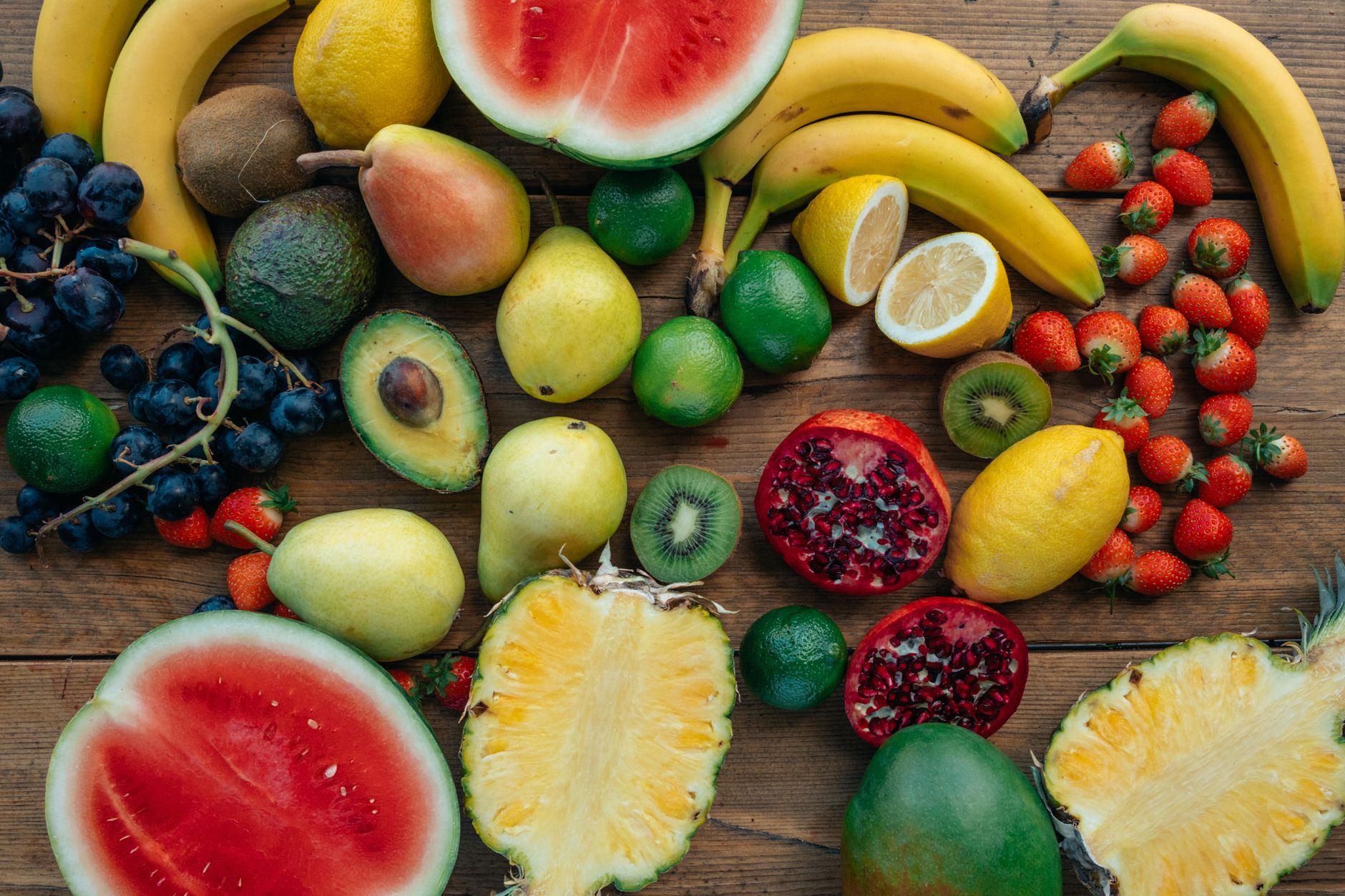
Many fruits and vegetables are excellent natural sources of electrolytes, offering hydration and essential nutrients.
Related Items — Safety at a Glance
Many products marketed for hydration and electrolyte replenishment are available, but their safety profile for pregnancy can vary. Here's a quick comparison of some common options:
Item
Verdict
Notes
Gatorade
⚠️ Safe with limits
Often high in sugar and artificial colors/flavors. Use sparingly for intense activity or significant fluid loss. Prioritize lower-sugar options.
Pedialyte
✅ Generally safe
Designed for rehydration in children, it has a balanced electrolyte profile and lower sugar than sports drinks. Good for morning sickness/dehydration.
Liquid IV
⚠️ Safe with limits
Can be high in sugar and sodium. Check labels carefully. Use in moderation, especially if watching sugar/sodium intake.
Nuun Hydration
✅ Generally safe
Often has lower sugar content and natural ingredients. Good option for light electrolyte replenishment. Look for specific "Sport" or "Vitamins" lines.
Coconut Water
✅ Generally safe
Natural source of potassium and other electrolytes. Choose unsweetened varieties. Excellent for daily hydration.
Salt Tablets
❌ Best avoided
Generally not recommended during pregnancy unless under strict medical supervision for specific, severe conditions. Risk of excessive sodium.
Magnesium Supplements
⚠️ Talk to your doctor first
Often recommended for leg cramps or constipation, but dosage needs to be guided by a healthcare provider to avoid excess.
Potassium Supplements
❌ Best avoided
High doses can be dangerous. Only use if prescribed and closely monitored by your doctor for a documented deficiency.
Myth vs. Fact
Myth vs. Fact
Myth: All electrolyte drinks are equally good for you during pregnancy.
Fact: Not true. Many popular sports drinks are high in sugar, artificial colors, and excessive sodium, which aren't ideal for daily consumption during pregnancy. Natural sources like coconut water or low-sugar, naturally flavored options are generally better choices for electrolytes safe for pregnancy.
Myth: If I'm craving salty foods, it means I need more electrolytes.
Fact: While cravings can sometimes signal a nutrient need, a salt craving doesn't automatically mean you have an electrolyte deficiency. It could simply be a pregnancy craving, or a sign you're dehydrated and your body is seeking fluids (which often come with sodium). Always prioritize plain water first and then consider balanced electrolyte sources if you suspect dehydration or imbalance.
Myth: Electrolyte drinks are a cure for severe morning sickness.
Fact: Electrolyte drinks can help manage mild to moderate dehydration associated with morning sickness by replenishing fluids and minerals. However, they are not a "cure." If your morning sickness is severe, leading to significant weight loss, inability to keep down any fluids, or signs of severe dehydration, you need to contact your doctor immediately. You may require medical intervention, such as anti-nausea medication or IV fluids.
Key Takeaways
Electrolytes are essential minerals vital for healthy pregnancy, supporting increased blood volume and bodily functions.
Most electrolyte needs can be met through a balanced diet rich in fruits, vegetables, and adequate plain water.
Commercial electrolyte drinks should be chosen carefully, prioritizing low-sugar, naturally flavored options, and consumed in moderation.
Natural sources like coconut water, diluted fruit juice, bone broth, and homemade electrolyte solutions are excellent alternatives.
Avoid excessive intake of any single electrolyte, especially from high-dose supplements, unless specifically advised and monitored by your doctor.
If you experience severe morning sickness, dehydration, or concerning symptoms, always consult your healthcare provider.
Staying well-hydrated with water and natural electrolyte sources is one of the best ways to support your pregnancy.
Frequently Asked Questions
Is it safe to drink electrolyte drinks while pregnant?
Yes, drinking electrolyte drinks can be safe during pregnancy, especially if you're experiencing dehydration from morning sickness, exercise, or hot weather. However, it's crucial to choose products that are low in added sugar, artificial sweeteners, and excessive sodium. Always prioritize plain water as your primary hydration source and use electrolyte drinks as a supplement.
What are the best electrolytes for pregnancy?
The best electrolytes for pregnancy are a balanced mix of sodium, potassium, magnesium, and calcium, ideally obtained from natural food sources. Good options include unsweetened coconut water, diluted fruit juice, bone broth, and electrolyte-rich foods like bananas, spinach, and avocados. If choosing commercial drinks, look for those with minimal sugar and natural ingredients.
Can electrolytes help with morning sickness?
Yes, electrolytes can significantly help manage morning sickness by replenishing fluids and minerals lost through vomiting. Dehydration can worsen nausea, so staying hydrated with water and balanced electrolyte solutions (like Pedialyte or homemade options) can alleviate symptoms. For severe morning sickness, always consult your doctor for medical management.
What are the signs of low electrolytes during pregnancy?
Signs of low electrolytes during pregnancy can include fatigue, dizziness, muscle cramps (especially leg cramps), weakness, headaches, nausea, irregular heartbeat, and increased thirst. If you experience these symptoms, particularly after significant fluid loss, it's important to increase your fluid and electrolyte intake and consult your doctor.
Can I drink Pedialyte while pregnant?
Yes, you can generally drink Pedialyte while pregnant. Pedialyte is formulated to provide a balanced mix of electrolytes and a moderate amount of sugar, making it a suitable option for rehydration during pregnancy, especially for managing morning sickness-induced dehydration. It's often a better choice than many high-sugar sports drinks.
How much water should a pregnant woman drink daily?
A pregnant woman should aim to drink about 8-12 glasses (64-96 ounces or 2.3 liters) of water daily. This helps support increased blood volume, amniotic fluid production, and overall bodily functions. Your individual needs may vary based on activity level, climate, and symptoms like morning sickness.
Are electrolyte supplements safe during pregnancy?
Electrolyte supplements can be safe during pregnancy, but they should be used with caution and ideally under the guidance of your healthcare provider. High doses of individual electrolytes can lead to imbalances. Magnesium supplements are sometimes recommended for leg cramps, but always follow your doctor's dosage instructions for any supplement.
What are natural sources of electrolytes for pregnant women?
Natural sources of electrolytes for pregnant women include unsweetened coconut water (potassium), bananas (potassium), spinach and avocados (magnesium, potassium), watermelon (potassium), bone broth (sodium, potassium), and diluted fruit juices (potassium, natural sugars). A balanced diet rich in fruits, vegetables, and whole grains provides essential electrolytes.
Electrolytes for Leg Cramps in Pregnancy: Do They Work?
Yes, electrolytes, particularly magnesium and potassium, are often recommended for preventing and alleviating leg cramps, a common complaint during pregnancy. While the exact cause of pregnancy leg cramps isn't always clear, imbalances in these minerals are thought to play a role. Increasing dietary sources of magnesium (like leafy greens, nuts, seeds) and potassium (like bananas, potatoes) or taking a magnesium supplement (under doctor's guidance) can often help.
When to Call Your Doctor
While maintaining electrolyte balance is crucial, it's important to know when to seek professional medical advice. Contact your doctor or midwife immediately if you experience any of the following:
Severe or persistent vomiting and diarrhea: If you can't keep any fluids down for more than 12-24 hours.
Signs of severe dehydration: including extreme thirst, infrequent urination (or very dark urine), dizziness when standing, sunken eyes, or dry mouth and skin.
Significant swelling: Sudden or severe swelling in your hands, face, or feet, which could be a sign of preeclampsia.
Persistent or severe muscle weakness or cramps: Especially if accompanied by numbness or tingling.
Rapid or irregular heartbeat: Palpitations or a feeling that your heart is racing.
Confusion or extreme lethargy: Any significant change in mental status.
Concerns about a specific electrolyte product or supplement: If you're unsure about the safety or appropriate dosage.
This information is for educational purposes only and is not a substitute for professional medical advice, diagnosis, or treatment. Always seek the advice of your physician or other qualified health provider with any questions you may have regarding a medical condition.
Institute of Medicine (US) Committee on Nutrition During Pregnancy and Lactation. Nutrition During Pregnancy. Washington (DC): National Academies Press (US); 1990. 7, Energy and Nutrient Needs. Available from: https://www.ncbi.nlm.nih.gov/books/NBK235947/
Not sure about the label on Is Electrolytes Safe During Pregnancy products?
Snap the ingredients list and SafeFilter checks every ingredient for your stage — only 3 free scans this month, then you're locked until reset. Unlimited from $7/mo or $50/yr.
When Shubhra Mishra was expecting her first child in 2016, she was overwhelmed by conflicting food advice — one site said yes, another said never. By the time her second baby arrived in 2019, she realized millions of mothers face the same confusion.
That sparked a five-year journey through clinical nutrition papers, cultural diets, and expert conversations — all leading to BumpBites: a calm, compassionate space where science meets everyday motherhood.
Her long-term vision is to build a global community ensuring safe, supported, and free deliveriesfor every mother — because no woman should face pregnancy alone or uninformed. 🌿
🌍 Stand with mothers, shape safer guidance
Join a small circle of experts who review BumpBites articles so expecting parents everywhere can decide with confidence.