

Quick verdict: ⚠️ Talk to your doctor first. Epsom salt baths are generally considered safe in moderation during pregnancy, but you should use them under guidance, especially if you have high blood pressure, kidney issues, or are in your first trimester.
Limit the amount to 1–2 cups per bath and avoid ingesting the salt; discuss any concerns with your provider.
It’s 3 a.m., you’re curled up with a warm bath in mind, and a sudden thought—“Is Epsom salt safe for pregnancy?” You’re not alone. Many expecting parents stare at the tub‑side shelf, wonder if that soothing soak will do more good than harm, and then replay the question in their heads well into the night. The short answer is that Epsom salt (magnesium sulfate) can be a gentle way to ease aches, but the safety depends on how you use it, which trimester you’re in, and any existing health conditions.
In this article we’ll break down exactly what “epsom salt safe for pregnancy” means, give you clear numbers for dosage, walk through trimester‑specific guidance, and suggest safer alternatives if you’d rather skip the salt. We’ll also list related bath‑time products and answer the most common questions you might be Googling at 2 a.m., like “Can I take an Epsom salt bath while pregnant?” or “Does Epsom salt induce labor?” By the end you’ll have a calm, evidence‑based plan and know when to call your provider.
We’ll also explore a few side‑questions that pop up often: whether Epsom salt can help with swelling, if it’s okay to mix it with essential oils, and what to do if you accidentally swallow a pinch. All of the guidance reflects current recommendations from the American College of Obstetricians and Gynecologists (ACOG), the UK National Health Service (NHS), the U.S. Food and Drug Administration (FDA), and other trusted bodies.

| Stage | Verdict | Notes |
|---|---|---|
| First trimester | ⚠️ Use with caution | Limit to 1 cup per bath, avoid hot water (>100°F), and discuss with your provider if you have hypertension. |
| Second trimester | ✅ Generally safe | 1–2 cups per bath is acceptable; monitor skin for irritation. |
| Third trimester | ⚠️ Use with caution | Same limits as second trimester; avoid overly long soaks that may cause dizziness. |
| Breastfeeding | ✅ Safe | Topical use is fine; ingestion should still be avoided. |
What is Epsom salt? Epsom salt is the common name for magnesium sulfate (MgSO₄), a crystalline mineral that dissolves easily in water. It’s been used for centuries as a soak to soothe sore muscles, reduce swelling, and promote relaxation. The magnesium component can be absorbed through the skin, though the amount is modest compared with oral supplements. Pregnant people often reach for Epsom salts to ease leg cramps, backaches, or general fatigue, especially in the later stages of pregnancy when the body carries extra weight. The salt is also a convenient way to create a spa‑like experience at home without needing expensive equipment.
Scientific bodies such as the American College of Obstetricians and Gynecologists (ACOG) and the UK’s National Health Service (NHS) consider topical magnesium sulfate “generally safe” when used as a bath additive, provided the concentration is low and the water is not too hot. The U.S. Food and Drug Administration (FDA) classifies magnesium sulfate as “Generally Recognized as Safe” (GRAS) for external use, but it does not approve it for oral consumption during pregnancy. The Centers for Disease Control and Prevention (CDC) has no specific warnings against bath use, though they advise caution with any substance that could be absorbed systemically in large amounts.
Overall, the evidence suggests that the typical Epsom‑salt‑bath routine—adding 1–2 cups to a warm (not hot) tub of water for 15‑20 minutes—does not pose a significant risk to the developing baby. However, certain conditions, such as pre‑eclampsia (high blood pressure) or kidney disease, may make magnesium absorption a concern, and in those cases ACOG recommends discussing any bath additives with your obstetric provider.
Is epsom salt safe during early pregnancy?
The first trimester is when the embryo’s organs are forming, a period known as organogenesis. Because this window is the most sensitive to teratogens (substances that could cause birth defects), many clinicians advise extra caution with anything that could be absorbed systemically. For Epsom salt, the amount that can cross the skin barrier is minimal, and studies have not linked low‑dose topical magnesium sulfate to fetal harm. Nonetheless, ACOG suggests limiting exposure: stick to 1 cup of Epsom salt per bath, keep the water temperature under 100°F (38°C), and avoid prolonged soaks that could lead to overheating or dizziness.
If you have a history of high blood pressure, pre‑eclampsia, or kidney issues, the first trimester is a time to be especially vigilant. Magnesium can affect blood pressure, and excessive absorption might exacerbate hypertension. In such cases, your provider may recommend skipping the Epsom salt bath altogether or substituting a plain warm bath with a gentle, unscented moisturizer afterward.
Epsom salt bath during second trimester
The second trimester (weeks 13‑27) is often called the “honeymoon period” of pregnancy because many early symptoms subside and the risk of miscarriage drops. During this stage, most obstetric guidelines, including those from the NHS, consider Epsom salt baths to be safe for most pregnant people. Adding 1–2 cups of Epsom salt to a warm tub can help relieve leg cramps, improve circulation, and promote relaxation without posing a known risk to the baby.
Even though the second trimester is more forgiving, you should still watch for skin irritation, especially if you have sensitive skin or eczema. A small patch test—mixing a pinch of salt in a cup of water and applying it to a discreet area of skin—can help you gauge any reaction before committing to a full‑body soak.
Epsom salt bath during third trimester
In the third trimester (weeks 28‑40), the baby’s growth is rapid, and the uterus may compress major blood vessels, sometimes causing swelling or varicose veins. A warm Epsom salt bath can be soothing, but you must be careful not to overheat, as excessive heat can raise core body temperature and potentially affect fetal heart rate. The ACOG advises keeping bathwater below 100°F (38°C) and limiting soak time to 15‑20 minutes.
Adding 1–2 cups of Epsom salt remains the standard recommendation. If you have pre‑eclampsia, your obstetrician may suggest avoiding magnesium sulfate baths entirely, as magnesium can influence blood pressure. Otherwise, a modest soak can help ease common third‑trimester aches, such as lower‑back pain and swollen ankles.
Is epsom salt safe while breastfeeding?
After delivery, magnesium sulfate used topically is still considered safe for breastfeeding parents. The FDA’s GRAS status and the lack of systemic absorption mean that trace amounts are unlikely to affect breastmilk. However, ingestion of Epsom salt should still be avoided because high magnesium levels can cause diarrhea—a concern for any new parent, as dehydration can interfere with milk production.
In short, a warm Epsom salt bath can be a pleasant way to unwind during the postpartum period, as long as you keep the concentration low (1 cup per tub) and the water temperature comfortable.
How much epsom salt is safe during pregnancy?
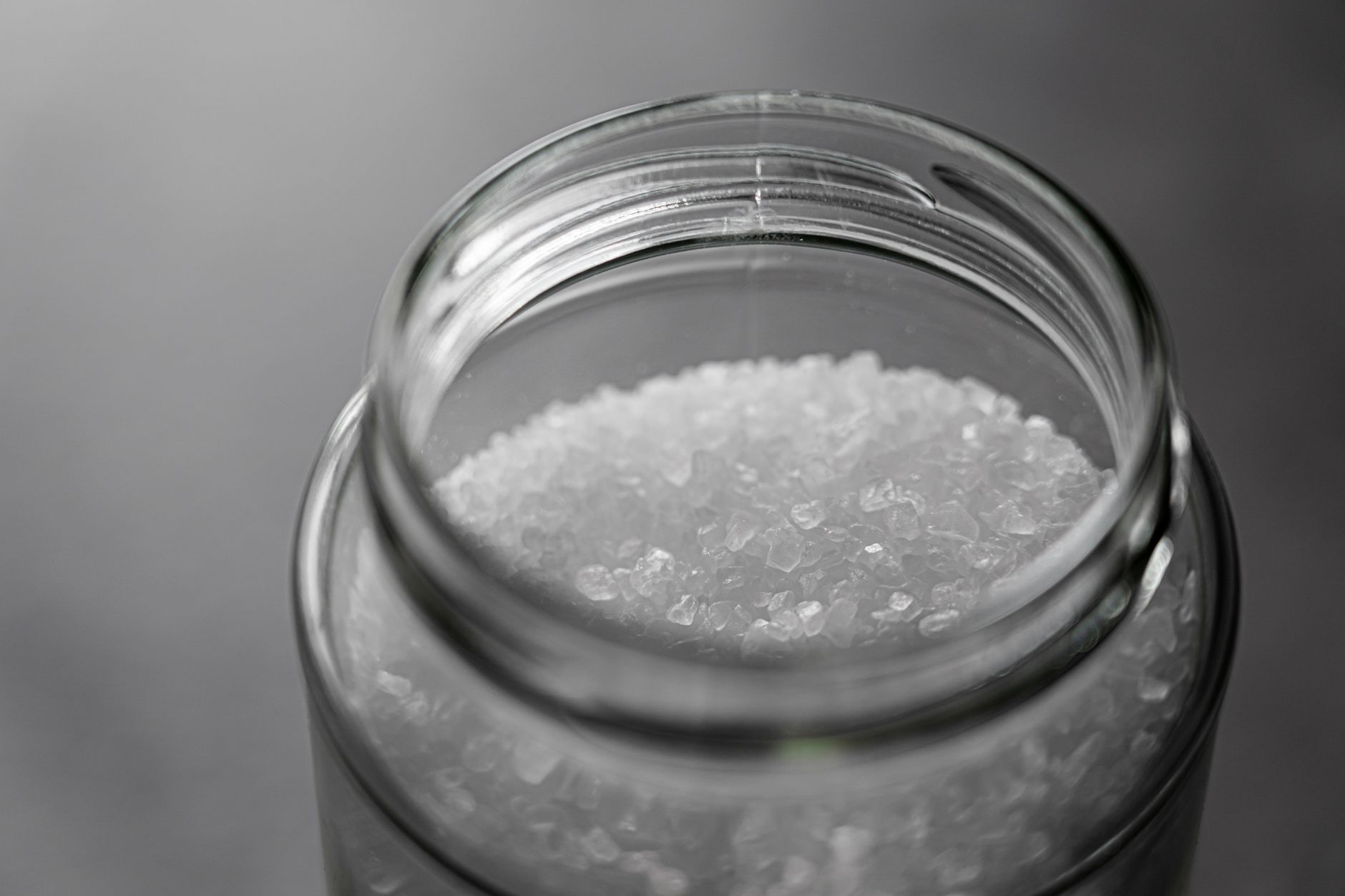
Most experts agree that 1–2 cups (about 250‑500 g) of Epsom salt per standard bathtub (≈150 L of water) is a safe amount for pregnant people. This dosage provides enough magnesium to soothe muscles without risking systemic overload. The water should be warm, not hot, and the soak should not exceed 20 minutes. If you’re using a smaller tub or a foot‑bath, reduce the amount proportionally—about ½ cup for a half‑size basin.
Brands do not differ significantly in safety, as the active ingredient is magnesium sulfate. However, you may want to choose products that are free of added fragrances or dyes, which can irritate sensitive skin. Look for labels that say “unscented” or “pure Epsom salt.” If a brand adds essential oils, verify that those oils are pregnancy‑safe (e.g., lavender is generally okay, but some oils like rosemary can be contraindicated in high doses).
Safe dosage / amount / brands
Below is a quick reference for the most common ways people use Epsom salt during pregnancy:
| Use | Recommended amount | Frequency | Brand tips |
|---|---|---|---|
| Full‑body bathtub | 1–2 cups (250‑500 g) | Up to 3 times per week | Pure, unscented brands such as Dr. Teal’s Pure Epsom Salt or generic white crystal packs. |
| Foot soak (small basin) | ½ cup (≈125 g) | 2–3 times per week | Any pure Epsom salt; avoid mixes with added fragrances. |
| Pregnancy‑specific “relaxation” blends | Follow manufacturer’s instructions (usually ≤1 cup) | Maximum once per week | Check for pregnancy‑safe essential oils; brands like Dr. Teal’s Epsom Salt with Lavender are generally okay in low concentrations. |
If you have kidney disease, pre‑eclampsia, or any condition that affects magnesium balance, the safest approach is to skip Epsom salt baths or limit them to a single cup under medical supervision. Always discuss your specific health situation with your obstetric provider before starting regular baths.
Side effects and risks
Most pregnant people experience no adverse effects from a properly prepared Epsom salt bath. However, a few potential issues can arise:
- Skin irritation: Fragrances, dyes, or excessive magnesium can cause itching or a rash, especially in those with eczema or sensitive skin.
- Overheating: Hot water (>100°F/38°C) can raise core body temperature, leading to dizziness or, in rare cases, fetal heart‑rate changes. Keep the water comfortably warm.
- Low blood pressure: Magnesium can have a mild vasodilating effect, which might lower blood pressure slightly. If you already have low blood pressure or are on antihypertensive medication, monitor how you feel during and after the soak.
- Diarrhea: Ingesting Epsom salt (even accidentally) can cause gastrointestinal upset and dehydration. If you experience persistent diarrhea after an accidental ingestion, contact your provider.
These side effects are generally mild and reversible. If you notice a rash, persistent dizziness, rapid heartbeat, or any sudden swelling, stop the bath and call your obstetrician.
Can I use Epsom salt to reduce swelling (edema) in pregnancy?
Edema—especially in the feet, ankles, and hands—is a common complaint in the second and third trimesters. The magnesium in Epsom salt can help draw excess fluid out of tissues through a process called osmosis, which may lessen mild swelling when used in a warm foot soak or full‑body bath. Clinical studies on topical magnesium for pregnancy‑related edema are limited, but the existing data do not show any harmful effects when used within the recommended dosage.
For best results, keep the soak brief (15‑20 minutes) and pair it with other simple strategies: elevate your legs, stay hydrated, and wear supportive footwear. If swelling is severe, sudden, or accompanied by shortness of breath, you should seek medical attention promptly, as this could signal pre‑eclampsia.
Is it safe to combine Epsom salt with essential oils during pregnancy?
Many commercial “relaxation” blends add essential oils such as lavender, eucalyptus, or peppermint for aromatherapy benefits. While aromatherapy can be soothing, not all essential oils are safe for pregnancy. The ACOG advises that essential oils should be used in low concentrations and that certain oils—like rosemary, clary sage, and wintergreen—should be avoided because they can stimulate uterine activity or cause skin irritation.
If you want to enjoy a scented soak, stick to proven‑safe oils such as lavender or chamomile, and limit the amount to a few drops per bathtub. Always dilute the oil in a carrier (like a small amount of carrier oil or a neutral bath base) before adding it to the water, and monitor your skin for any reaction.
Epsom salt for back pain relief in pregnancy
Lower‑back pain affects up to 70 % of pregnant people, especially as the belly grows and shifts the center of gravity. Magnesium’s muscle‑relaxing properties can help ease tension when absorbed through the skin. A warm Epsom salt soak combined with gentle stretching may provide temporary relief, but it should not replace core‑strengthening exercises or professional physical therapy when needed.
When using Epsom salt for back pain, keep the water temperature below 100°F (38°C) and limit each session to 15‑20 minutes. If pain is sharp, persistent, or accompanied by numbness, you should contact your provider, as these could be signs of a more serious condition such as sciatica or pre‑eclampsia.
Using Epsom salt in prenatal spa treatments: what to know
Some spas offer “pregnancy pamper” packages that include Epsom salt soaks, foot baths, or hydrotherapy. While a professional setting can provide a relaxing environment, the same safety rules still apply: the concentration should not exceed 1–2 cups per full tub, water temperature must stay below 100°F (38°C), and any added fragrances should be pregnancy‑safe.
Before booking a spa visit, call ahead and ask about the salts they use, the temperature controls, and whether they can accommodate your need for unscented products. If you have any high‑risk conditions (e.g., pre‑eclampsia, kidney disease), it’s wise to discuss the planned treatment with your obstetrician first.
Epsom salt foot soak vs. full‑body soak: which is safer?
Foot soaks use a smaller amount of water and typically require only ½ cup of Epsom salt, making them a low‑risk option for most pregnant people. Because the surface area is limited, systemic absorption of magnesium is even less likely than with a full‑body soak. If you’re concerned about overheating or have a condition that limits fluid intake, a foot soak can be a comfortable compromise.
Full‑body soaks provide a broader relaxation experience and can help with widespread muscle aches, but they demand stricter temperature monitoring and a limited soak time. For anyone who experiences dizziness or has circulatory concerns, starting with a foot soak and gradually progressing to a full‑body bath (under provider guidance) is a sensible approach.
Safer alternatives to epsom salt for pregnancy relief
- Bath salts by Ahava – mineral‑rich but free of magnesium sulfate, offering a gentle soak.
- Dead Sea salt – contains a balanced blend of minerals; safe for topical use.
- Himalayan pink salt – low‑grade mineral content, soothing without added magnesium.
- Sea salt baths – simple, natural, and fragrance‑free.
- Pregnancy‑specific massage oil – helps relieve muscle tension without water immersion.
- Aromatherapy with lavender or chamomile – inhalation can promote relaxation without skin contact.
- Warm compresses – a dry heat option for localized aches that eliminates any risk of water‑related overheating.
- Gentle prenatal yoga – stretches and poses designed to ease back pain and improve circulation.
Related items — safety at a glance
| Item | Verdict | One‑line note |
|---|---|---|
| Bath bombs | ⚠️ Use with caution | Often contain fragrances and dyes that can irritate sensitive skin. |
| Essential oils | ⚠️ Talk to your doctor first | Some oils (e.g., rosemary, clary sage) are not recommended in high concentrations. |
| Bubble bath | ✅ Safe | Choose fragrance‑free, hypoallergenic formulas. |
| Scented salts | ⚠️ Use with caution | Added scents may trigger allergies or skin irritation. |
| Body wash | ✅ Safe | Gentle, fragrance‑free cleansers are fine for daily use. |
| Loofahs | ✅ Safe | Use a clean, soft loofah to avoid micro‑abrasions. |
| Exfoliating gloves | ✅ Safe | Gentle exfoliation is fine; avoid aggressive scrubbing. |
| Massage balls | ✅ Safe | Can be used for targeted muscle relief without heat. |
| Pregnancy‑support pillows | ✅ Safe | Provide comfort and proper spinal alignment during sleep. |
| Compression stockings | ✅ Safe | Help reduce swelling in legs and ankles. |
Myth vs. fact
Myth: Epsom salt baths can induce labor.
Fact: There is no scientific evidence that topical magnesium sulfate triggers uterine contractions. Labor induction requires hormonal or medical interventions, not a warm soak.
Myth: All Epsom salt products are unsafe because they contain chemicals.
Fact: Pure magnesium sulfate is a naturally occurring mineral. Safety concerns arise mainly from added fragrances or dyes, not the salt itself.
Myth: You can drink Epsom salt to get extra magnesium during pregnancy.
Fact: Ingestion can cause severe diarrhea and electrolyte imbalance; the FDA does not approve oral Epsom salt for pregnant individuals.
Myth: Epsom salt baths can cause dehydration.
Fact: Soaking in a warm bath actually helps retain body fluids; dehydration is more likely from accidental ingestion, not from the bath itself.
These myths persist because anecdotal stories often circulate without scientific backing. By focusing on reputable guidelines from ACOG, NHS, and FDA, you can separate fact from folklore and make informed choices for yourself and your baby.

