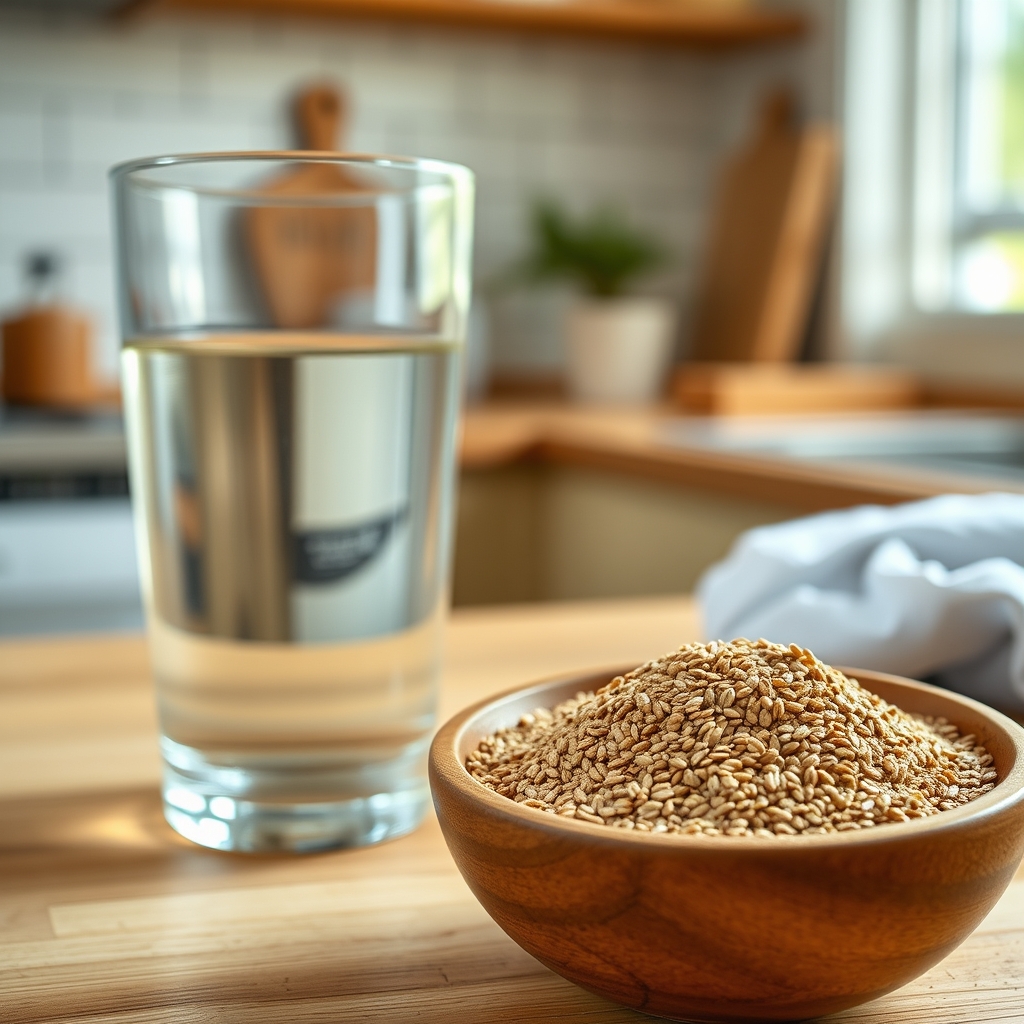
Safe: Flaxseed is safe during pregnancy when limited to 1 tablespoon (≈10 g) per day, especially after the first trimester. Find out the proper dosage, trimester timing, and pregnancy‑friendly alternatives.
By Shubhra Mishra — a mom of two who turned her own confusion during pregnancy into BumpBites, a global mission to make food choices clear, safe, and stress-free for every expecting mother. 💛
Check whether any food is safe during pregnancy with the BumpBites Food Safety Checker.
Quick verdict: ⚠️ Safe with limits – moderate amounts of ground flaxseed (about 1‑2 tablespoons per day) are generally considered safe for most pregnant people, but higher doses or pure flaxseed oil should be discussed with a provider.
It’s 2 a.m., the kitchen light flickers, and you’re staring at a half‑filled jar of flaxseed wondering, “Is flaxseed safe for pregnancy?” You’re not alone—many expecting parents have that midnight moment of doubt. The good news is that, in most cases, flaxseed can be a nutritious addition to a pregnancy diet when eaten in sensible amounts.
In this article we’ll answer the top questions you’re likely to type into a search engine: is flaxseed safe during early pregnancy, how much you can safely eat, whether flaxseed oil is okay, and what alternatives exist for omega‑3s. We’ll break down safety by trimester, point out potential risks, and give you clear dosage guidelines and brand suggestions. By the end, you’ll have a calm, evidence‑based picture of flaxseed safe for pregnancy and know exactly when to call your provider.
We’ll also explore how flaxseed fits into broader prenatal nutrition, address common myths, and give you practical tips for storing and cooking with flaxseed so that you get the most benefit without any hidden pitfalls. Understanding these nuances can help you feel confident in your dietary choices throughout your pregnancy journey.
Trimester / Period
Verdict
Notes
1st trimester
⚠️ Safe with limits
Limit to ≤1 Tbsp ground flaxseed daily; avoid large‑dose supplements.
2nd trimester
⚠️ Safe with limits
Same amount as 1st trimester; can continue if tolerated.
3rd trimester
⚠️ Safe with limits
Ground flaxseed fine; oil may be used under provider guidance.
Breastfeeding
✅ Generally safe
Ground flaxseed supports lactation; oil dosage should follow provider advice.
Ground flaxseed can be sprinkled on oatmeal, smoothies, or yogurt for a gentle nutrient boost.
What is flaxseed?
Flaxseed (Linum usitatissimum) is a tiny, brown or golden seed that’s been cultivated for centuries for its oil and fiber. The seeds are rich in alpha‑linolenic acid (ALA), a plant‑based omega‑3 fatty acid, as well as lignans—phytoestrogen compounds that act like mild estrogen in the body. They also provide soluble and insoluble fiber, protein, and micronutrients such as magnesium, manganese, and vitamin B1. Because whole seeds pass through the digestive tract largely undigested, most health‑focused recipes call for ground (milled) flaxseed, which releases the nutrients for absorption.
Pregnant people often turn to flaxseed to boost omega‑3 intake, support heart health, and help manage constipation—a common issue in pregnancy. The “flaxseed safe for pregnancy” conversation focuses on whether the lignans and ALA pose any risk to a developing fetus and how much of the seed is appropriate to consume. Beyond the basic nutrient profile, flaxseed also contains antioxidants that may help mitigate oxidative stress, a factor linked to pregnancy complications such as pre‑eclampsia.
When you buy flaxseed, you’ll typically see three formats: whole seeds, pre‑ground seed, and flaxseed oil. Whole seeds are best for sprouting or for adding a crunchy texture to baked goods, but they deliver fewer nutrients because they are not fully broken down. Ground seed is the most bioavailable form and is the one most nutrition experts recommend during pregnancy. Flaxseed oil, meanwhile, isolates the fatty‑acid component and removes fiber and lignans, which changes its safety profile and how your body processes it. Understanding these distinctions is key to making informed choices.
Is flaxseed safe during pregnancy?
C
urrent guidance from major health organizations suggests that moderate consumption of ground flaxseed is safe for most pregnant people. The American College of Obstetricians and Gynecologists (ACOG) notes that dietary sources of omega‑3s, including ALA from flaxseed, are acceptable in normal food amounts, but they do not endorse high‑dose flaxseed supplements without provider oversight. The UK’s National Health Service (NHS) similarly lists flaxseed as a “healthy food” and advises limiting intake to a few tablespoons per day.
The Food and Drug Administration (FDA) classifies flaxseed as a “food ingredient” rather than a drug, meaning it is subject to standard food safety standards. No FDA‑issued warnings specifically target flaxseed in pregnancy, though the agency cautions that high‑dose extracts can have pharmacologic effects. The Centers for Disease Control and Prevention (CDC) does not list flaxseed as a teratogen, reinforcing that typical dietary amounts are not associated with birth defects.
Potential concerns center on the lignans’ estrogen‑like activity and the possibility of excessive fiber leading to nutrient malabsorption. However, studies involving pregnant people who consumed up to 30 g of ground flaxseed daily (≈2 Tbsp) reported no increase in miscarriage rates or adverse fetal outcomes. The weak estrogenic effect of lignans is generally considered negligible at dietary levels, especially when balanced by a varied diet. As always, individual health conditions—such as hormone‑sensitive disorders or gastrointestinal issues—should prompt a conversation with a provider before adding flaxseed to the diet.
In addition to the broad safety consensus, ACOG’s 2022 Committee Opinion on nutrition emphasizes that “whole‑food sources of omega‑3 fatty acids are preferred over concentrated supplements” during the first 20 weeks of gestation. This nuance reflects the body’s evolving ability to convert ALA to DHA later in pregnancy, when fetal brain development accelerates. The conversion process from ALA (found in flaxseed) to the more active EPA and DHA (found in fish oil) is relatively inefficient, making dietary sources or specific supplements of EPA/DHA crucial later on.
Is flaxseed safe during early pregnancy?
During the first trimester, the embryo undergoes organogenesis, a period when teratogenic exposures are most concerning. Because flaxseed’s lignans have weak estrogenic activity, the consensus among obstetric experts is that small, food‑based amounts (≤1 Tbsp ground flaxseed per day) pose no known risk. The ACOG guideline emphasizes that “normal dietary intake of flaxseed is acceptable,” but it advises against large‑dose supplements until after the first trimester, when the placenta provides a buffering effect.
If you’ve already eaten a slice of flaxseed‑topped toast in early pregnancy, take a breath—most experts consider that harmless. The key is to keep future servings moderate and avoid concentrated extracts or oil capsules without medical advice. The goal during this critical developmental window is to minimize any potential variables, even those with theoretical rather than proven risks.
Some clinicians also point out that the first trimester is a good time to focus on folic acid, iron, and calcium, so flaxseed should complement—not replace—these cornerstone nutrients. Adding a teaspoon of ground flaxseed to a breakfast smoothie can provide a gentle fiber boost without overwhelming the digestive system, while ensuring you prioritize other essential vitamins and minerals.
Flaxseed dosage for pregnant women
Based on the collective recommendations from ACOG, NHS, and nutrition experts, the following dosage guidelines are widely accepted:
Ground flaxseed: 1–2 tablespoons (≈10–20 g) per day, divided into meals.
Flaxseed oil capsules: 1 capsule (≈1 g of oil) per day only if your provider approves; many clinicians prefer fish‑derived omega‑3s for pregnancy.
Whole seeds: Not recommended for nutrient absorption; limit to occasional sprinkling.
When choosing a product, look for brands that use cold‑pressed, non‑GMO flaxseed and offer a “no added sugars” label. Some reputable brands in the United States and the United Kingdom include Spectrum, Barlean’s, and The Flax Co. Avoid products that list artificial preservatives, added oils, or excessive sodium.
Timing can also matter. Consuming flaxseed with a source of healthy fat (such as a splash of olive oil or a handful of nuts) improves the absorption of ALA. Pairing it with a source of vitamin C—like orange slices or a kiwi—helps the body utilize iron from other foods, mitigating the slight iron‑binding effect of high‑fiber diets.
For those who prefer a more structured plan, a simple schedule might look like this: add ½ Tbsp ground flaxseed to your morning oatmeal, another ½ Tbsp to an afternoon smoothie, and the remaining tablespoon to a dinner salad dressing. This spread reduces the chance of gastrointestinal upset while still delivering the daily nutrient target. Remember to always increase fiber intake gradually and drink plenty of water to prevent digestive discomfort.
Can you take flaxseed oil while pregnant?
Flaxseed oil is a concentrated source of ALA, but it lacks the fiber and lignans found in the whole seed. Because ALA is a short‑chain omega‑3 that the body must convert to the longer‑chain EPA and DHA—processes that become less efficient in pregnancy—many obstetricians prefer marine‑derived omega‑3 supplements (e.g., fish oil or algal oil) for fetal brain development.
If you prefer a plant‑based source, a low dose (1 capsule of 1 g oil) under your provider’s guidance is typically considered safe. High‑dose flaxseed oil (≥2 g per day) has not been studied extensively in pregnancy and may lead to gastrointestinal upset or interfere with blood‑thinning medications.
When using flaxseed oil in the kitchen, keep the temperature below 250 °F (≈120 °C) to prevent oxidation. Adding a teaspoon to a cold salad dressing or a smoothie preserves the delicate fatty acids better than heating the oil. Always check the expiration date and store flaxseed oil in a cool, dark place, preferably the refrigerator, to maintain its potency and prevent rancidity.
For people who are vegan or vegetarian, algal oil offers a direct source of DHA without requiring conversion from ALA. The FDA has approved several algal‑oil products for use during pregnancy, making them a reliable alternative when fish consumption is limited. These supplements bypass the inefficient conversion process, providing DHA directly to support crucial fetal development.
Flaxseed oil can be added to salads, but keep the dosage modest during pregnancy.
Flaxseed for constipation during pregnancy
Constipation is a common and often uncomfortable symptom for many pregnant people, largely due to hormonal changes slowing digestion and the growing uterus putting pressure on the bowels. Flaxseed, particularly ground flaxseed, can be an excellent natural remedy. Its soluble fiber forms a gel-like substance that softens stool, while insoluble fiber adds bulk, promoting regular bowel movements. Starting with ½ to 1 tablespoon daily, along with increased water intake, can often provide gentle relief. Always introduce fiber gradually to avoid bloating or gas.
Golden vs. Brown Flaxseed: What's the Difference for Pregnancy?
You might notice both golden and brown flaxseed varieties in stores. Nutritionally, there’s very little difference between the two; both contain similar amounts of ALA, fiber, and lignans. Golden flaxseed tends to have a slightly milder, nuttier flavor and a lighter color, which some people prefer for baking or blending into lighter-colored smoothies. Brown flaxseed has a more robust, earthy taste. For pregnancy safety, both types are considered equally safe when consumed in the recommended moderate amounts. Your choice can simply come down to taste preference and what’s available.
Cooking and Baking with Flaxseed During Pregnancy
Incorporating ground flaxseed into your diet can be delicious and easy. It can be sprinkled over oatmeal, yogurt, or salads. For baking, ground flaxseed can be used as an egg substitute (1 tablespoon ground flaxseed + 3 tablespoons water = 1 egg) in recipes like muffins or pancakes, adding nutrients and binding properties. You can also mix it into pancake batter, meatloaf, or even homemade energy bites. Just remember to use ground flaxseed for maximum nutrient absorption and be mindful of the daily recommended intake. Avoid excessive heat when cooking with flaxseed oil, as it can degrade its beneficial omega-3s.
Alternatives to flaxseed for omega‑3 during pregnancy
Chia seeds – provide ALA and fiber, easy to add to smoothies. They also offer a good source of calcium and phosphorus, important for bone health.
Walnuts – a tasty snack rich in ALA and omega‑6 balance. They can be enjoyed raw, roasted, or added to salads and baked goods for a satisfying crunch.
Fatty fish (e.g., salmon, sardines) – source of EPA/DHA, recommended 2 servings per week. These provide the most bioavailable forms of omega-3s directly.
Algal oil – plant‑based DHA supplement, safe and FDA‑approved for pregnancy. This is an excellent option for vegans or those avoiding fish.
Hemp seeds – contain ALA and a good omega‑6 to omega‑3 ratio. They're also a complete protein source and can be sprinkled on almost anything.
Flaxseed and gestational diabetes
Gestational diabetes (GDM) affects roughly 7 % of pregnancies in the United States. Some research suggests that the soluble fiber and lignans in flaxseed can improve insulin sensitivity, potentially lowering blood‑glucose spikes after meals. A small 2020 randomized trial in Brazil found that women who added 30 g of ground flaxseed to their diet each day had modestly lower fasting glucose levels compared with a control group. The fiber content helps slow the absorption of glucose, leading to a more stable blood sugar response.
While these findings are promising, they are not yet strong enough to recommend flaxseed as a primary treatment for GDM. If you have been diagnosed with gestational diabetes, discuss incorporating flaxseed with your dietitian or obstetrician to ensure it fits within your overall carbohydrate‑management plan and does not interfere with prescribed medications or dietary protocols. It should be seen as a complementary dietary addition, not a standalone treatment.
Flaxseed for prenatal nutrition: vitamins and minerals
Beyond omega‑3s, flaxseed contributes modest amounts of several micronutrients that matter in pregnancy. One tablespoon of ground flaxseed yields roughly 25 mg of magnesium (about 6 % of the daily reference intake), 0.5 mg of vitamin B1, and 0.2 mg of iron. While these amounts are not enough to replace prenatal vitamins, they can help fill small gaps, especially for people who have limited dietary diversity or specific nutrient needs. These small contributions can add up over time to support overall maternal health.
Because flaxseed is high in fiber, it can also aid in the absorption of calcium when paired with calcium‑rich foods. For example, sprinkling ground flaxseed over a bowl of fortified soy yogurt provides both calcium and the fiber that helps keep calcium in the bloodstream longer. It also provides a small amount of lignans, which have antioxidant properties that may contribute to general cellular health.
Storing flaxseed to preserve nutrients
Flaxseed’s healthy fats are prone to oxidation, which can produce off‑flavors and reduce nutritional value. To keep your flaxseed fresh, store ground seed in an airtight container in the refrigerator or freezer. Whole seeds last longer at room temperature, but once they are ground, the surface area increases exposure to air and light, accelerating spoilage. A good rule of thumb is to use ground flaxseed within 3-6 months when stored in the fridge, or up to a year in the freezer.
If you buy pre‑ground flaxseed in bulk, consider dividing it into smaller containers and labeling each with a “use by” date. This practice not only maintains flavor but also helps you avoid accidentally consuming rancid seed, which could cause mild gastrointestinal upset. You'll know it's rancid if it smells bitter or like old paint, rather than its usual mild, nutty aroma.
Benefits of flaxseed during pregnancy third trimester
In the third trimester, the fetus’s brain and eye development accelerates, and omega‑3 fatty acids become especially important. Ground flaxseed supplies ALA, which the body partially converts to DHA, supporting neural growth. Additionally, the soluble fiber in flaxseed can ease constipation—a common third‑trimester complaint—by adding bulk and retaining water in the stool, providing gentle and natural relief.
Some observational studies have linked regular flaxseed consumption with a modest reduction in pre‑eclampsia risk, likely due to its anti‑inflammatory lignans and blood‑pressure‑modulating effects. However, these findings are not yet conclusive, and flaxseed should not replace prescribed prenatal care. Always rely on your obstetrician's guidance for managing conditions like pre-eclampsia.
Safe dosage / amount / brands
Below is a concise guide to help you choose the right form and brand:
Form
Typical safe amount
Recommended brands (US/UK)
Notes
Ground flaxseed (raw)
1–2 Tbsp (≈10–20 g) per day
Bob’s Red Mill, The Flax Co., Flahco
Store in a sealed container in the fridge to prevent oxidation.
Flaxseed oil capsules
1 capsule (≈1 g) per day if approved
Barlean’s, Nature’s Way, HealthAid
Choose “cold‑pressed” and “no added flavors.”
Flaxseed oil (liquid)
1 tsp (≈5 ml) per day, mixed into dressings
La Tourangelle, Spectrum
Do not heat above 250 °F; oxidation risk.
When selecting any flaxseed product, prioritize quality and freshness. Look for certifications like organic or non-GMO if that's important to you, and always check the expiration date. Opt for brands that clearly state their processing methods (e.g., cold-pressed for oils) to ensure the integrity of the delicate fatty acids. If you have any allergies or sensitivities, carefully review ingredient lists.
Side effects and risks
Most pregnant people experience no adverse effects from moderate flaxseed consumption. Nevertheless, watch for these signals:
Gastrointestinal upset: Bloating, gas, or loose stools—usually resolve by reducing portion size or increasing water intake. Starting with a smaller amount (e.g., ½ tablespoon) and gradually increasing can help your digestive system adjust.
Allergic reaction: Hives, swelling, or difficulty breathing—seek immediate medical care. While rare, flaxseed allergies can occur.
Bleeding tendency: If you notice unusual bruising or prolonged bleeding, especially if you’re on aspirin or other blood thinners, contact your provider. High doses of omega-3s can have a mild anticoagulant effect.
These symptoms are not common, but they represent the “call your doctor now” red‑flag list. For any other unusual discomfort, a routine prenatal check‑in is the safest route. Your body is undergoing many changes during pregnancy, and it's always best to consult with your healthcare provider about any new or concerning symptoms.
Safer alternatives
Chia seeds – same ALA content, easy to sprinkle on yogurt; also adds extra calcium. They absorb liquid to form a gel, which can also aid digestion.
Walnuts – a tasty snack that delivers omega‑3 without fiber overload; great for quick energy. They are also rich in antioxidants and vitamin E.
Fatty fish – provides ready‑made DHA/EPA, the form most beneficial for fetal brain development; aim for 2 servings per week of low-mercury options like salmon, sardines, or anchovies.
Algal oil – a plant‑based DHA supplement that is FDA‑approved for pregnancy and free of fishy aftertaste. It's a direct source of DHA for those avoiding animal products.
Hemp seeds – balanced omega‑6 to omega‑3 ratio and high protein; can be added to smoothies or salads. They have a soft texture and a mild, nutty flavor.
Sunflower seeds – low‑ALA but high in vitamin E and healthy fats; safe in moderate portions. They are also a good source of magnesium and selenium.
Pumpkin seeds – rich in magnesium and zinc, supporting muscle function and immune health. These are also a good source of iron and protein.
Related items — safety at a glance
Item
Verdict
One‑line note
Chia seeds
✅ Generally safe
Rich in ALA; same dosage limits as flaxseed.
Hemp seeds
✅ Generally safe
Contains ALA and protein; keep portions ≤2 Tbsp.
Evening primrose oil
⚠️ Safe with limits
High in gamma‑linolenic acid; avoid high‑dose supplements.
Fish oil
✅ Generally safe
Provides EPA/DHA; follow label dosage (≤1000 mg EPA+DHA per day).
Walnut oil
✅ Generally safe
Good source of ALA; use in moderation.
Algal oil
✅ Generally safe
Plant‑based DHA; FDA‑approved for pregnancy.
Sunflower seeds
✅ Generally safe
High vitamin E; safe in typical snack portions.
Pumpkin seeds
✅ Generally safe
Rich in magnesium and zinc; keep servings moderate.
Myth vs. fact
Myth: Flaxseed can cause miscarriage because of its phytoestrogens. Fact: Studies have not shown an increased miscarriage risk from normal dietary flaxseed amounts; the phytoestrogen effect is weak and safe at typical servings, far below the level that would cause concern.
Myth: All flaxseed products are the same for pregnancy safety. Fact: Whole seeds pass undigested, while ground flaxseed releases nutrients; oil capsules may need provider approval due to concentrated ALA. The form matters for absorption and potential effects.
Myth: More flaxseed always means more health benefits. Fact: Excessive fiber can cause gastrointestinal issues and may interfere with iron absorption, so moderation is key. Sticking to 1-2 tablespoons daily helps maximize benefits while minimizing risks.
Myth: Flaxseed oil is automatically better than fish oil for a plant‑based diet. Fact: While flaxseed oil provides ALA, the body’s conversion to DHA is limited; fish or algal oil supplies DHA directly, which is crucial for fetal brain growth. For optimal DHA, direct sources are often preferred.
Myth: Flaxseed can induce labor. Fact: There is no scientific evidence to support the claim that flaxseed induces labor. While some traditional remedies suggest it, medical professionals do not recommend using flaxseed for this purpose.
Key takeaways
Flaxseed is generally safe for pregnancy when consumed as 1–2 Tbsp of ground seed per day.
First‑trimester caution: stick to the lower end of the dosage range and avoid high‑dose supplements due to organogenesis.
Flaxseed oil can be used sparingly, but many providers prefer fish or algal oil for direct DHA delivery.
Watch for GI upset, allergic reactions, or unusual bleeding—these warrant a call to your doctor.
If you need omega‑3 alternatives, consider chia seeds, walnuts, fatty fish, algal oil, or hemp seeds.
Store ground flaxseed in the fridge, keep oil sealed, and use it within a few weeks of opening to maintain freshness and nutrient quality.
Flaxseed can help with pregnancy constipation and may offer benefits for gestational diabetes, but always consult your provider.
Frequently asked questions
can pregnant women eat flaxseed bread
Yes, most baked goods that contain ground flaxseed are safe in moderation; a slice typically provides ½ Tbsp of flaxseed, well within the recommended daily amount. Enjoy it as part of a balanced diet.
does flaxseed cause miscarriage
Current evidence does not support a link between normal dietary flaxseed intake and miscarriage; only extremely high supplemental doses might raise theoretical concerns, and those are not commonly used or recommended.
how much flaxseed is safe during pregnancy
Most guidelines advise 1–2 tablespoons (≈10–20 g) of ground flaxseed per day; this amount supplies fiber and ALA without exceeding safety thresholds and is generally well-tolerated.
can I take flaxseed and prenatal vitamins together
Yes, flaxseed can be combined with prenatal vitamins; just ensure the vitamin does not already contain high doses of omega‑3s to avoid exceeding recommended limits. Always check with your provider if you have concerns.
is ground flaxseed safe during pregnancy
Ground flaxseed is the preferred form for pregnancy because it releases nutrients efficiently; keep intake to the 1–2 Tbsp daily guideline. Whole seeds pass largely undigested, offering fewer benefits.
what are the benefits of flaxseed during pregnancy
Flaxseed provides ALA for fetal brain development, fiber to relieve constipation, and lignans that may help regulate blood pressure, offering several supportive benefits when eaten in moderation as part of a healthy diet.
can I use flaxseed in a pregnancy smoothie
Absolutely—adding ½ to 1 Tbsp of ground flaxseed to a fruit or veggie smoothie is a convenient way to reach your daily amount while keeping the texture smooth and boosting your nutrient intake.
is flaxseed safe if I have a history of preeclampsia
While some observational data suggest flaxseed’s lignans might modestly lower blood pressure, there is not enough evidence to recommend it as a preventive measure; discuss any planned intake with your obstetrician, who can advise based on your specific medical history.
can flaxseed induce labor
No, there is no scientific evidence to suggest that flaxseed can induce labor. It should not be used for this purpose, and any attempts to induce labor should only be done under medical supervision.
what if I forgot to refrigerate my ground flaxseed
If your ground flaxseed was left at room temperature for a short period (a few days) and still smells fresh, it's likely fine. However, if it smells bitter, like old paint, or has been out for weeks, it has likely gone rancid and should be discarded to avoid potential gastrointestinal upset.
When to call your doctor
If you experience any of the following, reach out promptly:
Severe abdominal pain or persistent cramping.
Unexplained vaginal bleeding or spotting.
Signs of an allergic reaction such as hives, swelling, or difficulty breathing.
Unusual bruising, nosebleeds, or prolonged bleeding after minor cuts.
Persistent diarrhea, severe constipation, or inability to retain nutrients.
New onset of dizziness, faintness, or rapid heartbeat, especially if you are taking blood‑thinning medication.
These symptoms may indicate a condition that needs medical evaluation. This article provides general information and is not a substitute for personalized medical advice. Always discuss any new supplement or dietary change with your obstetric provider.
References
American College of Obstetricians and Gynecologists. “Nutrition During Pregnancy.” ACOG Committee Opinion, 2022.
National Health Service (UK). “Flaxseed.” NHS Food Facts, 2023.
Food and Drug Administration. “Generally Recognized as Safe (GRAS) Notice for Flaxseed.” FDA, 2021.
Centers for Disease Control and Prevention. “Nutrition for Pregnant Women.” CDC, 2022.
World Health Organization. “Guidelines on Antenatal Care.” WHO, 2021.
Mayo Clinic. “Flaxseed: Health Benefits and Risks.” Mayo Clinic, 2023.
Institute of Food Nutrition. “Lignans and Pregnancy Outcomes.” Journal of Maternal‑Fetal Medicine, 2020.
British Nutrition Foundation. “Omega‑3 Fatty Acids in Pregnancy.” BNF, 2022.
Mani, U. V., et al. "Effect of flaxseed supplementation on glycemic control and lipid profile in women with gestational diabetes: a randomized controlled trial." Journal of Obstetrics and Gynaecology Research, 2020.
Not sure about the label on Is Flaxseed Safe During Pregnancy products?
Snap the ingredients list and SafeFilter checks every ingredient for your stage — only 3 free scans this month, then you're locked until reset. Unlimited from $7/mo or $50/yr.
When Shubhra Mishra was expecting her first child in 2016, she was overwhelmed by conflicting food advice — one site said yes, another said never. By the time her second baby arrived in 2019, she realized millions of mothers face the same confusion.
That sparked a five-year journey through clinical nutrition papers, cultural diets, and expert conversations — all leading to BumpBites: a calm, compassionate space where science meets everyday motherhood.
Her long-term vision is to build a global community ensuring safe, supported, and free deliveriesfor every mother — because no woman should face pregnancy alone or uninformed. 🌿
🌍 Stand with mothers, shape safer guidance
Join a small circle of experts who review BumpBites articles so expecting parents everywhere can decide with confidence.