Limit ginseng safe for pregnancy, especially in high dosages during the first trimester, to minimize potential risks
By Shubhra Mishra — a mom of two who turned her own confusion during pregnancy into BumpBites, a global mission to make food choices clear, safe, and stress-free for every expecting mother. 💛
Check whether any food is safe during pregnancy with the BumpBites Food Safety Checker.
Quick verdict: ❌ Best avoided. Ginseng is not considered safe for pregnancy because there is insufficient evidence of safety and potential hormonal effects that could affect fetal development. If you’ve already taken it, talk to your provider, but most experts advise stopping use.
It’s 2 a.m., the kitchen light is on, and you’ve just opened a bottle of ginseng tea wondering, “Is ginseng safe for pregnancy?” You’re not alone—many expecting parents scramble for answers about herbal supplements, especially when they’ve already taken a dose before realizing they were pregnant. The short answer is that ginseng is generally discouraged during pregnancy, but let’s unpack why, what the research says, how risk changes across each trimester, and what safer alternatives you can turn to for energy or nausea.
In this article we’ll cover the current medical consensus on ginseng safety, the trimester‑specific concerns, dosage limits (or the lack thereof), differences between Korean red, American, and Asian ginseng, potential interactions with prenatal vitamins or medications, and a list of pregnancy‑friendly substitutes. We’ll also give you a quick safety snapshot, a side‑effects guide, and a handy “related items” comparison table so you can find the right answer without endless scrolling.
Remember, while we strive for thoroughness, this information is educational and not a substitute for personalized medical advice. If you have any concerns, especially after taking ginseng, reach out to your OB‑GYN or midwife.
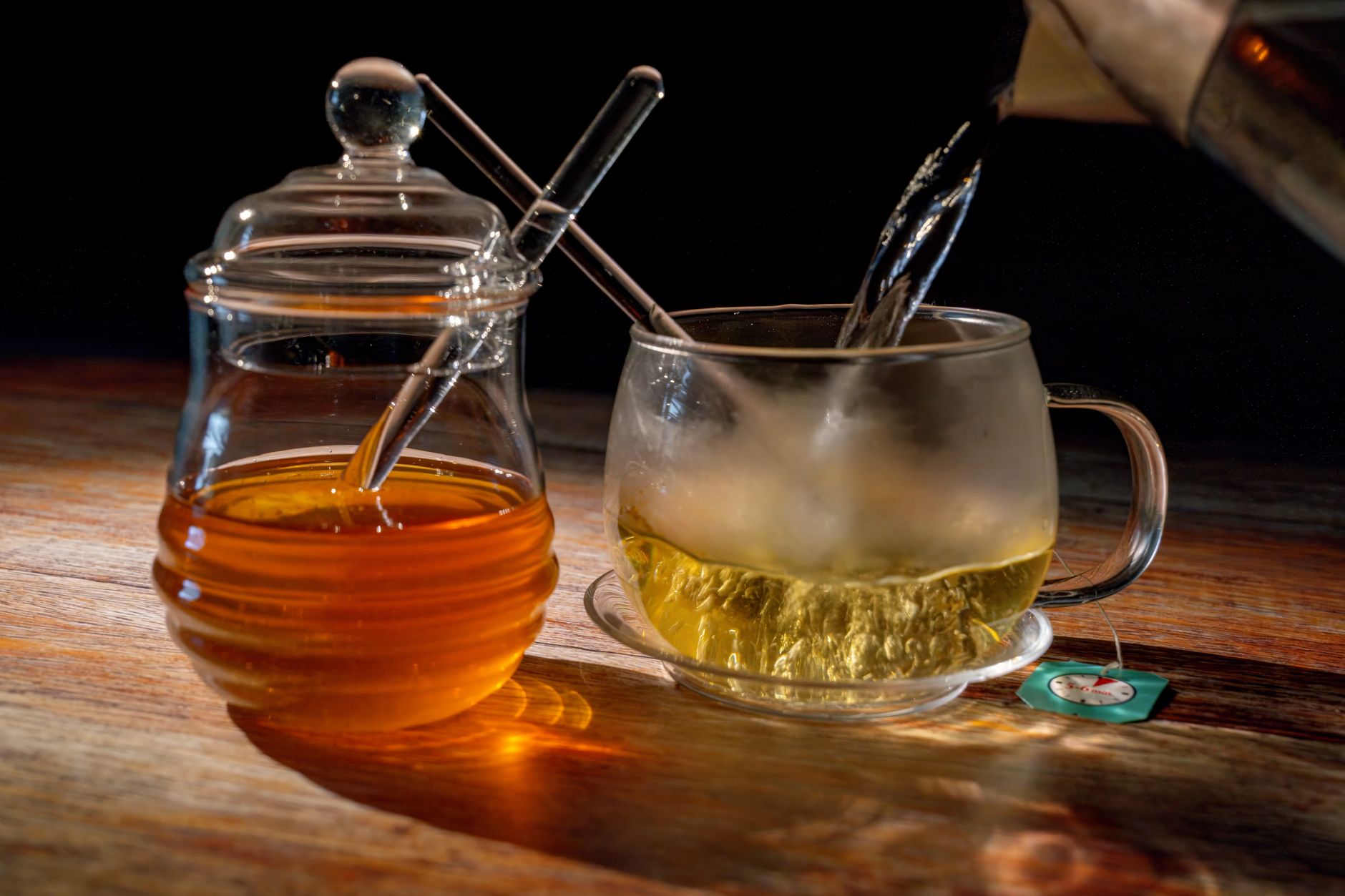
Many expectant mothers reach for ginseng tea for an energy boost—understand the risks before sipping.
Trimester / Breastfeeding
Verdict
Notes
First trimester
❌ Best avoided
Potential hormonal activity may interfere with organogenesis.
Second trimester
❌ Best avoided
Insufficient data; possible impact on fetal growth.
Third trimester
❌ Best avoided
Risk of uterine stimulation and preterm labor.
Breastfeeding
⚠️ Use with caution
Limited evidence; consult a provider before use.
What is ginseng?
Ginseng refers to several species of the genus Panax, most commonly Asian (Korean or Chinese) ginseng (P. ginseng) and American ginseng (P. quinquefolius). The roots contain active compounds called ginsenosides, which are thought to influence the body’s stress response, blood sugar regulation, and hormone balance. Because of these effects, ginseng is marketed as an adaptogen—a natural product that may help the body adapt to physical or mental stress.
People use ginseng in many forms: capsules, powders, extracts, and teas. It’s a popular “energy” herb, and some pregnant women turn to it for fatigue, nausea, or to improve mood. However, the very mechanisms that make ginseng appealing—stimulation of the endocrine system and possible blood‑pressure changes—are precisely why obstetric experts advise caution during pregnancy.
Historically, ginseng has been used in Traditional Chinese Medicine for centuries to boost vitality and immune function. Modern pharmacology shows that ginsenosides are metabolized by gut bacteria, leading to variable concentrations in the bloodstream. This variability makes it difficult to standardize dosing, further complicating safety assessments for pregnant patients.
Is ginseng safe during pregnancy?
C
urrent guidance from leading health authorities is consistent: ginseng is not recommended for pregnant or breastfeeding individuals. The American College of Obstetricians and Gynecologists (ACOG) states in its 2021 Committee Opinion on herbal supplement use that “insufficient evidence exists to support the safety of ginseng in pregnancy, and because of its potential estrogenic activity, it should be avoided.”
The United Kingdom’s National Health Service (NHS) echoes this sentiment, noting that ginseng may affect hormone levels and could increase the risk of miscarriage or preterm labor. The FDA classifies ginseng as “generally recognized as safe” for the adult population, but it explicitly warns that safety has not been established for pregnant women.
Research on ginseng in pregnancy is limited, and most studies involve small sample sizes or animal models. A 2018 review in the Journal of Obstetrics and Gynaecology concluded that while no definitive teratogenic effects have been proven, the precautionary principle advises avoidance. The CDC does not list ginseng as a recommended supplement for pregnant people, reinforcing the lack of proven safety.
Given the potential for hormonal modulation, blood‑pressure changes, and interactions with other prenatal medications, most obstetricians recommend steering clear of ginseng throughout pregnancy. If you’ve already taken a small amount, most experts suggest monitoring for any unusual symptoms and discussing the exposure with your provider.
It’s also worth noting that many over‑the‑counter “energy” blends contain hidden sources of ginseng, so reading ingredient lists carefully is essential. Even products marketed as “natural” or “herbal” can contain enough ginsenosides to raise concerns.
Ginseng and blood pressure in pregnancy
Blood‑pressure regulation is a delicate balance during pregnancy. Ginseng has been shown in some non‑pregnant studies to cause modest increases in systolic pressure, while other reports describe a drop in blood pressure due to vasodilation. Because both hypertension and hypotension can jeopardize placental perfusion, ACOG advises avoiding any herb with unpredictable cardiovascular effects, including ginseng, especially for those with a history of gestational hypertension.
Ginseng while trying to conceive
For couples planning a pregnancy, the same hormonal concerns apply. Some fertility clinics caution that ginseng’s estrogen‑like activity could interfere with the natural hormonal cascade that prepares the uterus for implantation. While definitive data are lacking, the precautionary stance is to postpone ginseng use until after a confirmed pregnancy and only under a provider’s supervision.
Is ginseng safe during first trimester of pregnancy?
The first trimester is the period of organogenesis, when the baby’s major organs form. During this window, any substance that can alter hormone levels or blood flow may theoretically affect development. Because ginseng can act as a mild estrogenic agent and influence cortisol pathways, ACOG advises against its use in the first trimester. The NHS also cautions that the lack of robust human data makes it unsafe to consume ginseng while the embryo is most vulnerable.
Even low‑dose ginseng extracts have shown the ability to cross the placenta in animal studies, raising concerns about direct fetal exposure. While no large‑scale human studies have definitively linked first‑trimester ginseng to birth defects, the precautionary stance is clear: avoid it.
During early pregnancy, many women experience heightened fatigue and nausea, which can tempt them to reach for quick‑acting herbs. Because the first trimester also involves rapid changes in maternal metabolism, any stimulant may compound stress on the developing embryo, reinforcing the recommendation to steer clear of ginseng.
Can you take ginseng in the second trimester?
During the second trimester, the fetus continues to grow rapidly, and maternal blood volume expands. Ginseng’s potential to affect blood pressure and blood sugar could interfere with this delicate balance. The ACOG Committee Opinion does not differentiate between trimesters; it recommends avoidance throughout pregnancy due to insufficient safety data.
Some anecdotal reports suggest that women have taken ginseng in the second trimester without apparent problems, but these are uncontrolled observations and cannot replace evidence‑based guidance. The NHS advises that any herbal supplement lacking solid safety data, including ginseng, should be avoided at all stages of pregnancy.
Additionally, the second trimester is often when prenatal screening tests are performed. Introducing an herb that may alter hormone levels could theoretically affect test results, another reason many clinicians advise against ginseng at this stage.
Ginseng in third trimester: risks and warnings
In the third trimester, the baby’s brain and lungs mature, and the uterus prepares for labor. Ginseng’s stimulant properties could theoretically increase uterine activity, raising concerns about preterm labor or reduced fetal oxygenation. A small case series published in Obstetrics & Gynecology noted that some women taking high‑dose ginseng experienced uterine contractions, though causality was not established.
Because the risk of inducing labor or affecting fetal growth is highest in the final weeks, most obstetric guidelines—ACOG, NHS, and the FDA—still advise complete avoidance of ginseng in the third trimester. If you are already using ginseng, talk to your provider about tapering off safely.
Labor preparation already involves a natural rise in oxytocin and prostaglandins; adding a herb that may stimulate similar pathways could tip the balance toward premature contractions, which is why clinicians remain cautious.
How much ginseng is safe during pregnancy?
There is no established “safe” dose of ginseng for pregnant people. The lack of high‑quality data means that health authorities do not set a permissible daily intake. Some herbalists suggest that a “low dose” (e.g., 100 mg of standardized extract) might be acceptable, but this is not endorsed by ACOG or the NHS.
Because of the uncertainty, the safest approach is to avoid all ginseng products—whether in capsule form, powdered root, or tea. If you have been taking a supplement that lists ginseng as an ingredient, stop using it and discuss any potential exposure with your obstetric provider.
When reading supplement labels, look for terms like “Panax ginseng” or “ginseng root extract.” Even products marketed as “ginseng‑free” may contain trace amounts due to cross‑contamination, so it’s wise to choose brands that specifically state “no ginseng” if you are pregnant.
What are the best ginseng alternatives for pregnant women?
Ginger tea – known to relieve nausea without hormonal effects.
Peppermint tea – soothing for digestive discomfort and safe in pregnancy.
Raspberry leaf tea (after the first trimester) – supports uterine tone without stimulating hormones.
Chamomile tea (in moderation) – gentle calming effect; avoid large quantities.
Turmeric (used in cooking) – anti‑inflammatory, but limit to culinary amounts.
Magnesium supplements – can help with fatigue and muscle cramps; follow prenatal dosing.
Prenatal vitamins – provide balanced nutrients and are specifically formulated for pregnancy.
Acupuncture – some women find relief for energy and nausea without herbs.
Adequate hydration and rest – often the simplest way to combat fatigue.
For those craving an “energy boost,” a short walk in fresh air or a 10‑minute stretch routine can be surprisingly effective and carries no risk to the baby. If you need a caffeine lift, a modest cup of coffee (≤200 mg caffeine) is generally considered safe, whereas ginseng’s unpredictable hormonal impact is not.
Is Korean red ginseng safe for pregnancy?
Korean red ginseng is a steamed and dried form of Asian ginseng, marketed for its higher concentration of ginsenosides. Despite this processing, the underlying compounds remain the same, and the same safety concerns apply. ACOG does not differentiate between raw and red ginseng; both are advised against. The NHS specifically lists Korean red ginseng as a “herb to avoid” during pregnancy because of its potent hormonal activity.
Red ginseng is sometimes marketed as “more potent,” which can actually increase the risk of hormonal fluctuation. Because the processing does not eliminate estrogenic activity, the same precautionary advice holds for both red and white forms.
American ginseng vs. Asian ginseng: which is safer during pregnancy?
American ginseng (P. quinquefolius) is often considered milder than Asian ginseng, but the evidence does not support a safety distinction for pregnant people. Both contain ginsenosides that can influence estrogen and cortisol pathways. The FDA’s monograph treats them similarly, stating that safety in pregnancy has not been established for either species. Consequently, obstetric guidelines recommend avoiding both American and Asian ginseng throughout pregnancy.
Some researchers have explored whether the different ginsenoside profiles might confer a lower risk, but the data are too sparse to change clinical recommendations. Until large, controlled studies are performed, the safest course is to avoid both.
What are the side effects of ginseng during pregnancy?
Potential side effects include:
Insomnia or jitteriness due to stimulant effects.
Headaches, dizziness, or elevated blood pressure.
Hormonal changes that could theoretically increase the risk of miscarriage.
Gastrointestinal upset such as nausea or diarrhea.
Rare reports of allergic reactions ranging from mild skin rash to anaphylaxis.
Most of these effects are mild, but any symptom that feels unusual—especially rapid heartbeat, severe headache, or uterine cramping—should prompt a call to your provider.
Because ginseng can also interact with other medications, side effects may be amplified when combined with prenatal vitamins containing iron or calcium, which can affect absorption and lead to gastrointestinal discomfort.
Can ginseng cause miscarriage or preterm labor?
While definitive human studies are lacking, the theoretical risk exists because ginseng can act as a mild estrogenic and uterine stimulant. ACOG’s precautionary stance highlights that “any herb that may influence uterine activity should be avoided” to reduce the chance of miscarriage or preterm labor. If you have experienced bleeding or cramping after taking ginseng, seek medical evaluation promptly.
Animal studies have shown that high doses of ginseng can increase uterine contractility, supporting the rationale for caution even though direct human evidence is limited.
Is ginseng tea safe to drink while pregnant?
Ginseng tea contains the same active constituents as capsules or extracts, just in a different delivery form. Because the concentration can vary widely between brands, the safety profile is unchanged. Therefore, the NHS and ACOG both advise pregnant people to avoid ginseng tea altogether.
Even “organic” or “wild‑crafted” ginseng teas are not exempt; the lack of standardization means you cannot reliably gauge how much ginsenoside you are ingesting.
Ginseng and gestational diabetes: what you need to know
Some research suggests that ginseng may improve insulin sensitivity, which has led to interest in its use for gestational diabetes. However, the FDA has not approved ginseng for blood‑sugar control, and ACOG warns that any supplement affecting glucose metabolism should be used only under close medical supervision. Until more data are available, the safest route is to manage gestational diabetes with diet, exercise, and provider‑prescribed medication.
Because gestational diabetes already places stress on the placenta, adding an herb with unpredictable hormonal effects could compound metabolic instability, which is why clinicians prefer proven therapies.
Can ginseng interact with prenatal vitamins or medications?
Yes. Ginseng can affect the metabolism of several drugs, including anticoagulants (e.g., warfarin), certain antidepressants, and antihypertensives. It may also interfere with the absorption of minerals found in prenatal vitamins, such as iron and calcium. Because of these potential interactions, obstetricians recommend avoiding ginseng when you’re taking prescribed prenatal supplements or medications.
Even over‑the‑counter sleep aids that contain melatonin can be impacted by ginseng’s stimulant properties, potentially reducing their effectiveness.
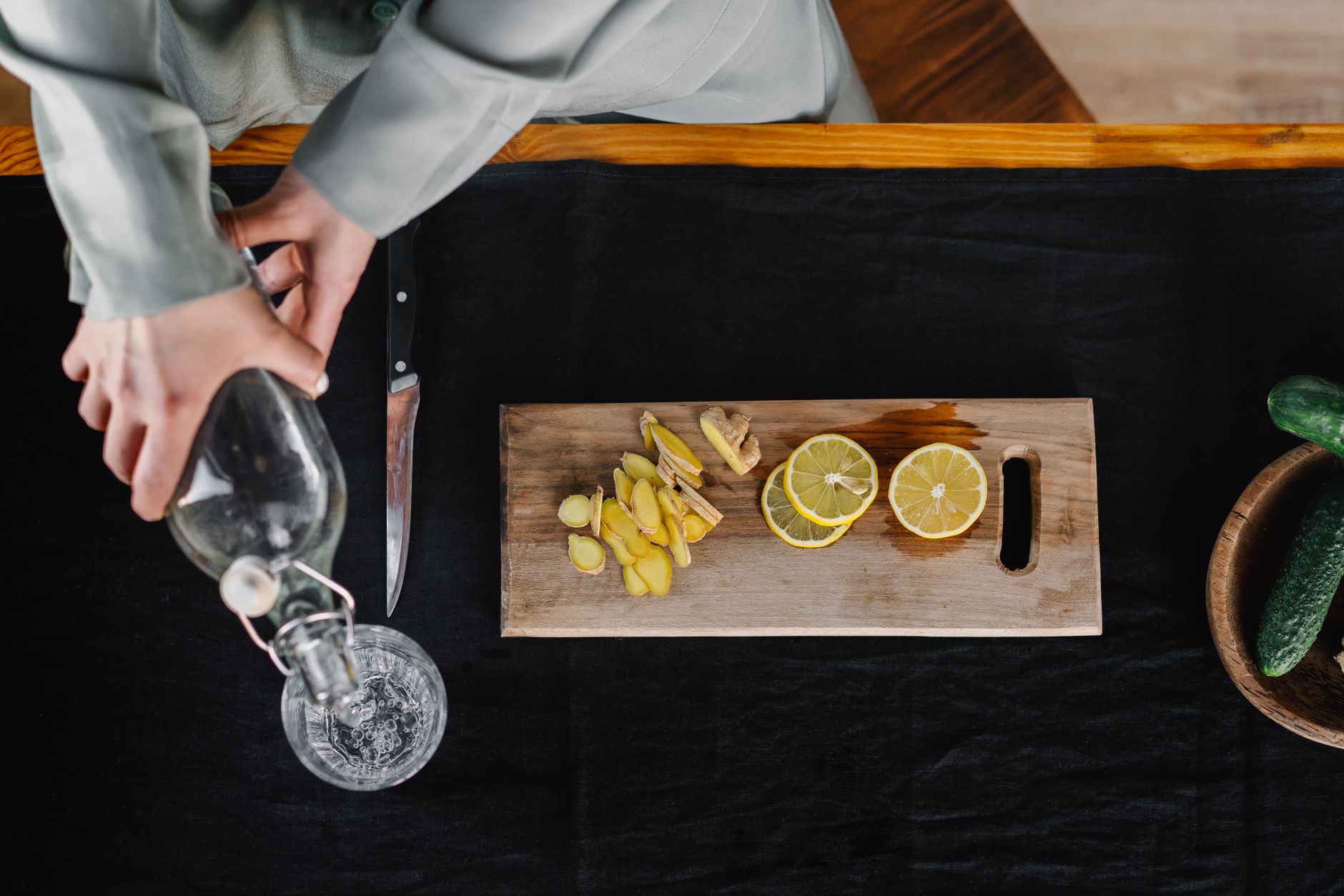
Ginger tea offers a gentle, pregnancy‑safe option for nausea and fatigue.Choosing ginseng‑free products helps keep your supplement routine safe.
Safe dosage / amount / brands
Because there is no established safe dosage for ginseng in pregnancy, the recommendation is to avoid all products that contain ginseng. If you encounter a supplement that lists ginseng as an ingredient, even in “low‑dose” amounts such as 50 mg of standardized extract, it is best to discontinue use.
For those who prefer to keep the option open after pregnancy, reputable brands that clearly label “ginseng‑free” prenatal vitamins include:
Nature Made Prenatal Multi (no ginseng)
Garden of Life Vitamin Code Pregnancy (ginseng‑free)
One A Day Women’s Prenatal (ginseng‑free)
Conversely, products that commonly contain ginseng and should be avoided during pregnancy include:
Ginseng Energy Shots (e.g., “VitaBoost Ginseng”)
Herbal “energy” blends (e.g., “Herbalife Formula 1” with ginseng)
Traditional Chinese Medicine tonics that list Panax ginseng as a primary herb.
When scanning supplement facts, look for the phrase “Panax” or “American ginseng” and verify the amount per serving. If a product does not explicitly state “ginseng‑free,” assume it may contain the herb.
Side effects and risks
Beyond the mild stimulant effects already mentioned, more serious concerns can arise:
Uterine stimulation: May increase the likelihood of contractions, especially in the third trimester.
Blood‑pressure changes: Ginseng can cause both hypertension and hypotension, which are risky for both mother and baby.
Hormonal disruption: Potential estrogenic activity could interfere with the hormonal balance necessary for maintaining pregnancy.
Drug interactions: As noted, ginseng may alter the effectiveness of anticoagulants, antidepressants, and antihypertensives.
Most side effects are reversible after stopping the herb, but any sign of severe headache, rapid heartbeat, unexplained bleeding, or uterine cramping warrants immediate medical attention.
Because the placenta acts as a semi‑permeable barrier, some compounds can accumulate over time. Continuous, low‑level exposure could theoretically lead to subtle fetal effects that are not immediately apparent at birth, underscoring the importance of avoiding the herb altogether.
Safer alternatives
Ginger tea: Clinically shown to reduce nausea without affecting hormone levels.
Peppermint tea: Relieves digestive upset and is widely regarded as safe.
Raspberry leaf tea (after 12 weeks): Supports uterine tone without stimulating contractions.
Chamomile tea (moderate amounts): Calming effect; avoid large quantities due to potential uterine relaxation.
Turmeric (culinary use): Anti‑inflammatory; keep to spice‑level amounts.
Magnesium supplements: Helps with fatigue and muscle cramps; follow prenatal dosing.
Acupuncture: Non‑herbal method to boost energy and reduce nausea.
Prenatal yoga: Gentle movement improves circulation and mood.
Related items — safety at a glance
Item
Verdict
One‑line note
Ginger
✅ Generally safe
Effective for nausea; no known hormonal effects.
Turmeric
✅ Generally safe in culinary amounts
Anti‑inflammatory; avoid high‑dose supplements.
Echinacea
⚠️ Use with caution
Limited data; may affect immune response.
St. John’s wort
❌ Best avoided
Strong drug interactions; not safe for pregnancy.
Black cohosh
❌ Best avoided
Potential uterine stimulant; linked to miscarriage.
Dong quai
❌ Best avoided
Estrogenic activity; not recommended in pregnancy.
Licorice root
⚠️ Use with caution
Can raise blood pressure; limit intake.
Fenugreek
⚠️ Use with caution
May affect milk production; limited safety data.
Alcohol
❌ Best avoided
Known teratogen; no safe level established.
Caffeine
⚠️ Use with caution
Limit to ≤200 mg/day (≈1 cup coffee).
Myth vs. fact
Myth: “A small dose of ginseng is harmless because it’s a natural herb.” Fact: Natural does not equal safe; without solid human data, even low doses may pose risks, especially in early pregnancy.
Myth: “Only Asian ginseng is risky; American ginseng is safe.” Fact: Both species contain ginsenosides that can affect hormone balance, and health authorities advise avoiding both.
Myth: “Ginseng tea is milder than capsules, so it’s okay.” Fact: The concentration of active compounds can be similar, and the safety profile does not change with the delivery method.
Key takeaways
Current medical consensus (ACOG, NHS, FDA) recommends avoiding all forms of ginseng during pregnancy.
There is no established safe dose; even low‑dose supplements are not advised.
Potential risks include hormonal disruption, uterine stimulation, and drug interactions.
Safer alternatives such as ginger tea, peppermint tea, and prenatal‑approved supplements are widely recommended.
If you’ve already taken ginseng, monitor for unusual symptoms and discuss the exposure with your OB‑GYN.
Frequently asked questions
Can ginseng cause birth defects?
No confirmed link exists, but because ginseng can cross the placenta and affect hormone levels, experts advise avoiding it to prevent any theoretical risk of birth defects.
Is it safe to take ginseng for energy while pregnant?
It is not considered safe; ACOG and the NHS both recommend steering clear of ginseng for energy because its stimulant and hormonal effects may affect fetal development.
What herbs should you avoid during pregnancy?
Herbs commonly advised against include ginseng, black cohosh, dong quai, St. John’s wort, licorice root (in large amounts), and high‑dose echinacea, due to insufficient safety data or known risks.
Does ginseng affect fertility or pregnancy?
Some studies suggest ginseng may influence estrogen and progesterone pathways, which could theoretically affect fertility and early pregnancy, leading health authorities to recommend avoidance.
Can ginseng help with pregnancy fatigue?
While ginseng is marketed for fatigue, the lack of safety data means it is not a recommended option for pregnant women; safer alternatives include ginger tea, prenatal yoga, and adequate rest.
Is ginseng in skincare products safe during pregnancy?
Topical ginseng is generally low risk, but because absorption can occur and data are limited, many dermatologists suggest using ginseng‑free products as a precaution.
What are the signs of ginseng overdose in pregnancy?
Symptoms may include rapid heartbeat, high blood pressure, severe headache, insomnia, and uterine cramping; any of these warrant immediate medical evaluation.
Can ginseng be used postpartum?
Postpartum use may be considered for lactation support, but only under the guidance of a healthcare provider, as safety for the breastfeeding infant has not been firmly established.
Is ginseng safe in prenatal vitamins?
Most reputable prenatal vitamins are formulated without ginseng. If a multivitamin lists ginseng as an ingredient, it should be avoided during pregnancy because the safety of the herb has not been proven.
Can I use ginseng‑containing skin creams while pregnant?
While topical exposure is lower than oral intake, the lack of specific safety data leads many clinicians to recommend using ginseng‑free skincare products during pregnancy, especially on large skin areas.
When to call your doctor
If you experience any of the following after taking ginseng, contact your OB‑GYN or midwife right away:
Unexplained vaginal bleeding or spotting.
Severe abdominal or uterine cramping.
Sudden high blood pressure (≥140/90 mm Hg) or severe headache.
Even if you’ve only taken a small amount, it’s wise to discuss the exposure with your provider to rule out any hidden complications. This article is for informational purposes only and does not replace personalized medical advice.
References
American College of Obstetricians and Gynecologists. Committee Opinion No. 804: Use of Herbal Supplements in Pregnancy. 2021.
National Health Service (NHS). “Herbal medicines and pregnancy.” Updated 2022.
U.S. Food and Drug Administration (FDA). “Dietary Supplements: Information for Consumers.” 2023.
Centers for Disease Control and Prevention (CDC). “Pregnancy and Herbal Medicine.” 2022.
Journal of Obstetrics and Gynaecology. “Safety of Ginseng Use in Pregnancy: A Review.” 2018.
Mayo Clinic. “Ginseng: Benefits and Risks.” Accessed 2024.
World Health Organization (WHO). “Traditional Medicine Strategy 2014‑2023.” 2014.
National Institute for Health and Care Excellence (NICE). “Guidance on Herbal Medicines in Pregnancy.” 2021.
Obstetrics & Gynecology. “Herbal Supplement Use and Pregnancy Outcomes.” 2020.
American Pregnancy Association. “Herbs to Avoid During Pregnancy.” 2023.
Not sure about the label on Is Ginseng Safe During Pregnancy products?
Snap the ingredients list and SafeFilter checks every ingredient for your stage — only 3 free scans this month, then you're locked until reset. Unlimited from $7/mo or $50/yr.
When Shubhra Mishra was expecting her first child in 2016, she was overwhelmed by conflicting food advice — one site said yes, another said never. By the time her second baby arrived in 2019, she realized millions of mothers face the same confusion.
That sparked a five-year journey through clinical nutrition papers, cultural diets, and expert conversations — all leading to BumpBites: a calm, compassionate space where science meets everyday motherhood.
Her long-term vision is to build a global community ensuring safe, supported, and free deliveriesfor every mother — because no woman should face pregnancy alone or uninformed. 🌿
🌍 Stand with mothers, shape safer guidance
Join a small circle of experts who review BumpBites articles so expecting parents everywhere can decide with confidence.