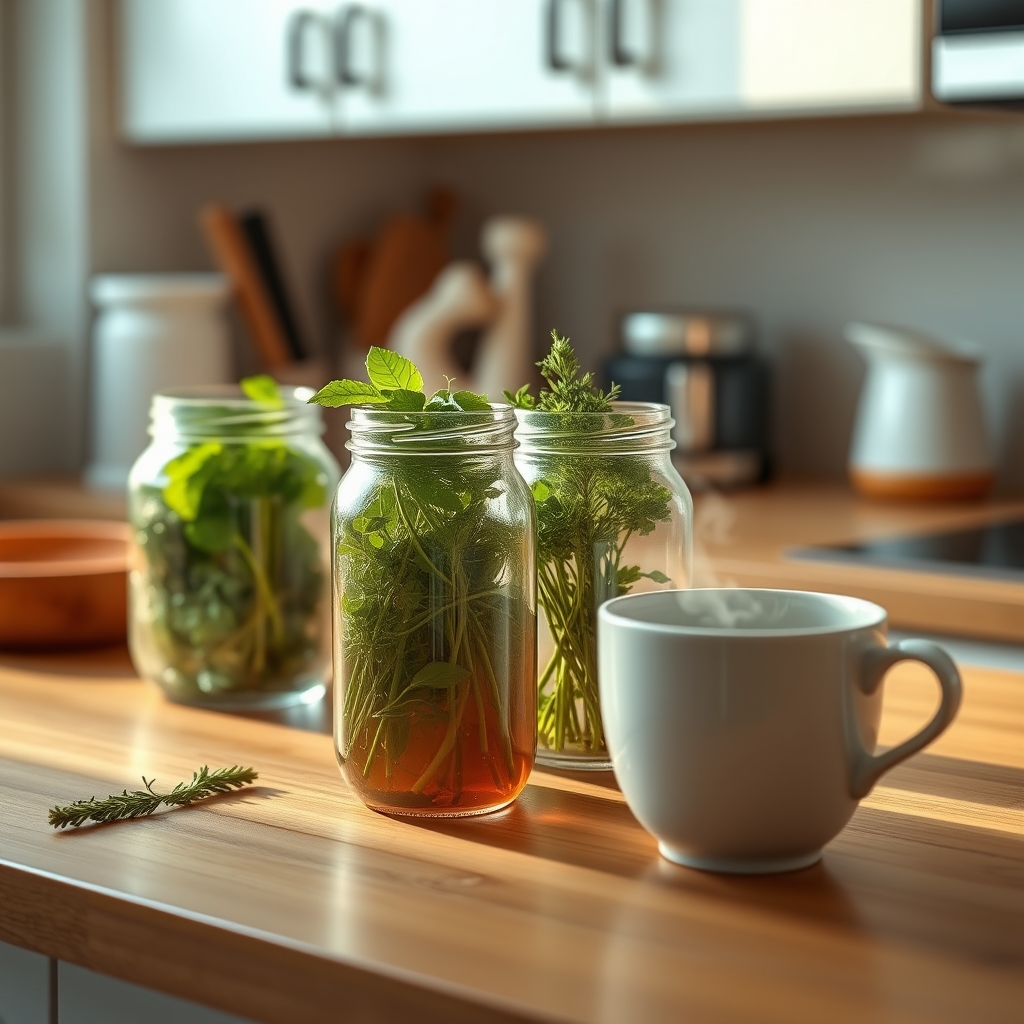
Limit most herbs during pregnancy. Safe options exist in small doses, especially after the first trimester. Learn which herbs to avoid and pregnancy-safe alternatives.
By Shubhra Mishra — a mom of two who turned her own confusion during pregnancy into BumpBites, a global mission to make food choices clear, safe, and stress-free for every expecting mother. 💛
Check whether any food is safe during pregnancy with the BumpBites Food Safety Checker.
Quick verdict: ⚠️ Talk to your doctor first. Herbs can be safe for pregnancy when used in moderation, but many have limited data, and some should be avoided entirely, especially in the first trimester.
It’s 2 a.m., you’re scrolling through a wellness blog, and you stumble on a recipe that calls for a sprig of fresh rosemary. Your heart jumps—“Did I just ruin my pregnancy?” you think. You’re not alone. Expecting parents often wonder whether the herbs they love in the kitchen or cup are herbs safe for pregnancy. The good news is that most culinary herbs are low‑risk, but the line between a harmless flavor boost and a potential teratogen can be blurry.
In this article we’ll give you a clear, evidence‑based verdict on herbs during pregnancy, break down safety by trimester, explain how much is generally considered safe, flag the herbs you should steer clear of, and suggest gentler alternatives. We’ll also compare common herbal and supplement items side‑by‑side so you can quickly spot what’s safe and what’s not. By the end, you’ll know whether your favorite herb can stay in the pantry, or if it’s time to swap it for a pregnancy‑friendly brew.
Many culinary herbs are fine in food‑grade amounts; limit herbal teas to 1–2 cups/day.
Third trimester
✅ Generally safe
Same guidance as second trimester; avoid herbs that may stimulate uterine contractions.
Breastfeeding
⚠️ Talk to provider
Herb metabolites can pass into milk; choose low‑dose, well‑studied herbs.
Herbs are plant‑derived substances used for flavor, aroma, or therapeutic purposes. They can be fresh, dried, or brewed into teas, and many are sold as capsules or extracts. Culinary herbs—like basil, parsley, and oregano—are typically added in small amounts to meals, while medicinal herbs such as echinacea, ginseng, or licorice root are taken in larger, concentrated doses for health reasons. The distinction matters because the dose, preparation method, and the specific compound in the herb determine whether it poses a risk to a developing fetus.
Current guidance from the American College of Obstetricians and Gynecologists (ACOG) and the UK’s National Health Service (NHS) suggests that most culinary herbs are safe when consumed in food‑grade amounts, but they advise caution with concentrated herbal supplements. The U.S. Food and Drug Administration (FDA) classifies many herbal products as “dietary supplements,” which are not subject to the same rigorous testing as pharmaceuticals, leaving gaps in safety data. The Centers for Disease Control and Prevention (CDC) also notes that pregnant people should discuss any herb use with their provider, especially when considering high‑potency extracts or teas that exceed typical culinary use.
Are herbs safe during pregnancy first trimester?
The first trimester is the period of organogenesis, when the fetus’s major organs form. Because this window is especially sensitive, ACOG recommends limiting exposure to any substance that hasn’t been proven safe, including many herbal preparations. Strong aromatic herbs such as rosemary, sage, thyme, and oregano contain essential oils that, in high concentrations, have been shown in animal studies to affect uterine contractility. While the occasional pinch in a stew is unlikely to cause harm, daily consumption of concentrated extracts or large‑volume teas should be avoided.
If you’ve already used a culinary amount of an herb in the first trimester—say, a sprinkle of basil on a pizza—there’s typically no cause for alarm. The dose is far below the threshold that could cause teratogenic effects. However, if you’ve been drinking several cups of a potent herbal tea (e.g., rosemary or peppermint tea) every day, consider cutting back to 1 cup or less and discuss the specific herb with your obstetrician.
What herbs to avoid during pregnancy by trimester
Below is a concise guide on which herbs are best avoided at each stage of pregnancy:
First trimester: Strong medicinal herbs—rosemary, sage, thyme, oregano, basil (in supplement form), and licorice root—because of potential uterine‑stimulating effects.
Second trimester: Most culinary herbs are fine; avoid high‑dose herbal supplements like ginseng, ephedra, and goldenseal.
Third trimester: Continue to avoid herbs that may promote uterine activity (e.g., blue cohosh, black cohosh, and pennyroyal).
Breastfeeding: Be cautious with any herb that can pass into breast milk; limited data means it’s safest to stick with mild teas such as ginger or lemon balm.
These recommendations reflect the consensus of ACOG, NHS, and FDA, which all advise a “better safe than sorry” approach when data are sparse.
Keep herbs in modest amounts—sprinkling a few leaves into meals is usually safe, but avoid large, concentrated doses.
Safe amount of herbs to consume during pregnancy
When we talk about “safe amount,” we’re referring to the typical culinary dose rather than medicinal supplement levels. For most culinary herbs, a pinch (about 0.5 g) or a few leaves in a dish is well within safe limits. Herbal teas are a common way people consume herbs; the general recommendation is no more than 1–2 cups per day of a single herb, and no more than 3 cups total of mixed herbal teas.
Specific guidance for a few widely used herbs:
Ginger: Up to 1 gram (≈½ teaspoon) of fresh ginger root or 1 gram of powdered ginger daily is considered safe for nausea, according to the NHS.
Peppermint: 1–2 cups of peppermint tea per day is generally well tolerated; higher amounts may exacerbate heartburn.
Raspberry leaf: Traditionally used in the third trimester to tone the uterus; most providers suggest limiting to 1 cup per day after week 32, and avoiding it earlier.
Lemon balm: Up to 1–2 cups of lemon balm tea daily is considered low risk.
Chamomile: 1–2 cups per day is usually safe, though some caution exists due to potential allergic cross‑reactivity with ragweed.
Dandelion: 1 cup of dandelion tea or a handful of fresh leaves per day is generally safe, but avoid if you have gallbladder issues.
Remember that “safe” does not mean “unlimited.” Overconsumption of any herb can lead to gastrointestinal upset, allergic reactions, or unintended pharmacologic effects.
Herbs safe for pregnancy nausea and morning sickness
Nausea and vomiting affect up to 70 % of pregnant people, especially in the first trimester. The most studied herb for this symptom is ginger. The FDA recognizes ginger as “Generally Recognized As Safe” (GRAS) for short‑term use, and multiple randomized trials have shown that 1 gram of ginger per day can reduce nausea without increasing adverse outcomes. Peppermint tea is another gentle option that can soothe stomach upset and reduce bloating.
Other herbs with limited but promising evidence include lemon balm and dandelion leaf, both of which have mild antispasmodic properties. However, the data are not robust enough for formal recommendations, so it’s best to start with a small amount (½ cup) and see how you feel before increasing the dose.
Alternative herbal remedies for pregnancy symptoms
Peppermint tea: Calms nausea and relieves indigestion without known fetal risks.
Ginger tea: Widely studied; reduces morning sickness safely when limited to 1 gram per day.
Raspberry leaf tea: May help prepare the uterus for labor in the third trimester; avoid before week 32.
Lemon balm tea: Gentle calming effect; can ease mild anxiety and nausea.
Chamomile tea: Soothes the stomach and promotes relaxation; limit to 1–2 cups daily.
Dandelion tea: Supports digestion and mild diuretic effect; safe in moderate amounts.
Risks of herbal supplements during pregnancy
Herbal supplements differ from culinary herbs because they often contain concentrated extracts, which can deliver much higher levels of active compounds. This raises the potential for side effects, drug‑herb interactions, and, in rare cases, teratogenicity. For example, high doses of licorice root can lead to hypertension and fetal growth restriction, while excessive amounts of sage can cause neurotoxicity due to thujone.
Another concern is the lack of standardization. Two bottles labeled “ginseng extract” may contain vastly different amounts of ginsenosides, making dosing unpredictable. The FDA’s disclaimer that dietary supplements are not required to prove safety before market entry underscores why pregnant people should be especially cautious.
Herbs to avoid during pregnancy with high blood pressure
Pregnant individuals with hypertension need to watch for herbs that can raise blood pressure or interact with antihypertensive medications. Avoid the following:
Licorice root: Contains glycyrrhizin, which can cause sodium retention and raise blood pressure.
Ephedra (Ma Huang): A potent stimulant banned by the FDA for its cardiovascular risks.
Ginseng: May interfere with blood‑pressure‑lowering drugs and cause modest increases in systolic pressure.
Yohimbe: Known to raise heart rate and blood pressure; contraindicated in pregnancy.
If you’re already taking prenatal vitamins, double‑check that they don’t contain high‑dose herbal extracts; many prenatal formulas are formulated to avoid these risks.
Brand name herbal teas safe for pregnant women
When choosing a ready‑made herbal tea, look for brands that disclose ingredient sources and have a track record of safety in pregnancy. Some well‑known options include:
Traditional Medicinals Organic Peppermint Tea: Certified organic, caffeine‑free, and widely recommended by midwives.
Yogi Ginger Tea: Contains ginger and lemon; no added caffeine; often cited as safe for nausea.
Celestial Seasonings Herbal Tea – “Chamomile”: Simple ingredient list; a favorite for relaxation.
Gaia Herbs “Lemon Balm” Liquid Extract: Offers a low‑dose, standardized product; safe in modest amounts.
Always read labels to confirm that the tea does not contain a blend of multiple herbs that might interact, and keep the daily intake to 1–2 cups unless your provider advises otherwise.
Herbs that can cause miscarriage during pregnancy
While definitive human studies are limited, certain herbs have historically been associated with uterine stimulation, which could theoretically increase the risk of miscarriage if taken in large quantities. These include:
Blue cohosh and black cohosh: Known uterine stimulants; animal studies suggest increased uterine contractility.
Pennyroyal: Contains pulegone, a hepatotoxic compound that can trigger uterine cramps.
Parsley (high‑dose oil): In very high amounts, the essential oil may affect uterine tone.
Dong quai (Angelica sinensis): Used in traditional Chinese medicine but may have estrogenic activity.
Most of these herbs are found in concentrated supplement forms rather than as culinary spices. If you’re using any of these, discontinue immediately and discuss with your obstetrician.
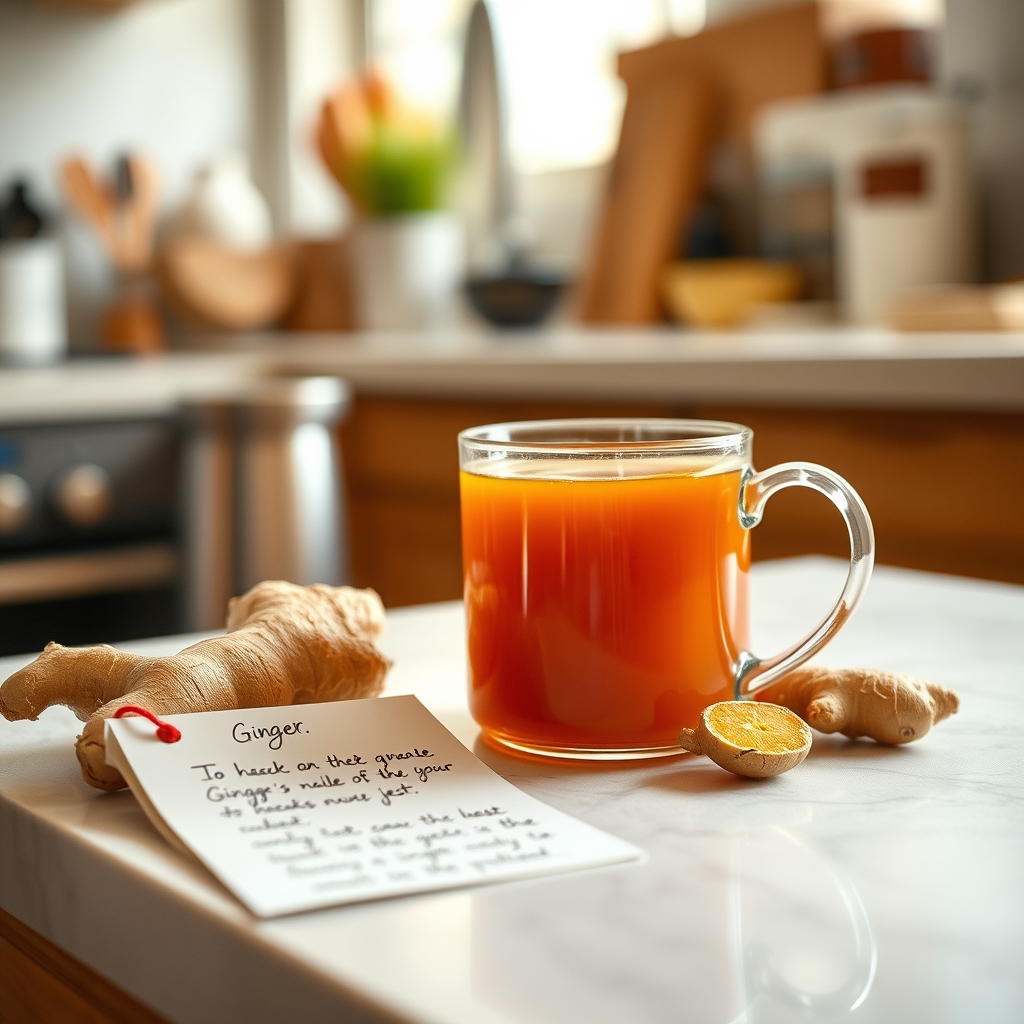
Ginger tea is one of the most studied herbs for nausea, but keep the dose within the recommended range.
Safe dosage / amount / brands
Below is a quick reference for common herbs, their typical safe daily amount for pregnant people, and a reputable brand that offers a low‑dose product.
Herb
Safe daily amount
Recommended brand (low‑dose)
Ginger (root)
Up to 1 g (≈½ tsp) fresh or powdered
Yogi Ginger Tea
Peppermint (leaf)
1–2 cups tea
Traditional Medicinals Peppermint
Raspberry leaf
1 cup tea after 32 weeks
Gaia Herbs Raspberry Leaf
Lemon balm
1–2 cups tea
Gaia Herbs Lemon Balm
Chamomile
1–2 cups tea
Celestial Seasonings Chamomile
Dandelion
1 cup tea or handful of leaves
Traditional Medicinals Dandelion
When you choose a supplement, look for “standardized to” statements that indicate the exact amount of active constituents per serving. Avoid “proprietary blend” labels, which make it impossible to know the true dose.
Side effects and risks
Even herbs deemed “generally safe” can cause side effects, especially when consumed in excess:
Allergic reactions: Some people develop food‑type allergies to herbs like chamomile or parsley, leading to itching, hives, or swelling.
Gastrointestinal upset: Over‑consumption of peppermint or ginger can cause heartburn, diarrhea, or abdominal cramping.
Drug‑herb interactions: Herbs such as ginseng or St. John’s wort can interfere with prenatal vitamins or prescribed medications (e.g., anticoagulants, antihypertensives).
Uterine stimulation: As noted, blue cohosh, black cohosh, and pennyroyal may increase uterine contractility and should be avoided.
Elevated blood pressure: Licorice root can raise systolic pressure, posing a risk for pre‑eclampsia.
If you notice any of the following, contact your provider promptly: severe abdominal pain, bleeding, rapid heartbeat, swelling of hands or face, or any new allergic reaction.
Safer alternatives
Peppermint tea: Soothes nausea and indigestion without known fetal risks.
Ginger tea: Backed by clinical trials for morning sickness; safe at <1 g per day.
Raspberry leaf tea: Gentle uterine toning in the third trimester; avoid earlier.
Lemon balm tea: Mild calming effect, low risk of interaction.
Chamomile tea: Relaxing and soothing; keep to 1–2 cups daily.
Dandelion tea: Supports digestion and mild diuresis; safe in moderate amounts.
Related items — safety at a glance
Item
Verdict
One‑line note
Garlic
✅ Generally safe
Common culinary herb; no known teratogenic risk.
Ginger
✅ Generally safe
Effective for nausea; limit to 1 g/day.
Turmeric
⚠️ Caution
High doses of curcumin may affect uterine blood flow.
Cinnamon
⚠️ Caution
Large amounts can affect blood sugar; keep to culinary use.
Prenatal vitamins
✅ Generally safe
Formulated for pregnancy; follow label dosing.
Folic acid
✅ Generally safe
Essential for neural‑tube development; 400–800 µg/day.
Iron supplements
✅ Generally safe
Necessary for anemia; avoid excess (>45 mg/day) without guidance.
Probiotics
✅ Generally safe
Supports gut health; choose strains with pregnancy data.
Myth vs. fact
Myth: All herbal teas are safe because they’re “natural.”
Fact: Natural does not equal safe; some herbs contain potent compounds that can affect the uterus, blood pressure, or interact with medications.
Myth: If a herb is safe for the general population, it’s safe for pregnant people.
Fact: Pregnancy changes metabolism and hormone levels, so an herb that’s harmless for most adults may act differently in a developing fetus.
Myth: A pinch of any herb in a recipe is always safe.
Fact: While culinary amounts are usually low risk, concentrated extracts or large daily servings can cross safety thresholds.
Key takeaways
Most culinary herbs are safe in food‑grade amounts, but strong medicinal herbs should be avoided, especially in the first trimester.
Herbal teas are generally fine up to 1–2 cups per day; limit potent extracts and always read labels.
Ginger and peppermint are the best‑studied herbs for nausea and are considered safe when used within recommended limits.
If you have hypertension, high‑blood‑pressure‑raising herbs like licorice root and ephedra must be avoided.
Always discuss any herbal supplement with your provider, especially if you’re taking prenatal vitamins or prescription meds.
Frequently asked questions
can pregnant women drink herbal tea
Yes—most mild herbal teas such as ginger, peppermint, and lemon balm are considered safe in moderation (1–2 cups per day). Avoid teas containing strong uterine stimulants like blue cohosh or high‑dose blends.
what herbs are safe for pregnancy and breastfeeding
Herbs like ginger, peppermint, lemon balm, and chamomile are generally safe for both pregnancy and breastfeeding when consumed in moderate amounts; however, always confirm with your provider, especially for concentrated supplements.
can i take herbal supplements while pregnant
Only if the supplement is specifically labeled as pregnancy‑safe and you’ve cleared it with your obstetrician; many herbal extracts lack safety data and should be avoided.
are herbal remedies safe during pregnancy
Some are, but safety depends on the herb, dose, and trimester. Culinary herbs are usually low risk, while potent medicinal herbs often require caution or avoidance.
what are the risks of herbal medicine during pregnancy
Risks include uterine stimulation, blood‑pressure changes, drug‑herb interactions, and allergic reactions; the greatest concerns arise from high‑dose extracts and herbs with scant research.
can i use herbal essences while pregnant
Topical herbal essences (essential oils) should be used sparingly; many oils (e.g., rosemary, clary sage) can be absorbed through the skin and may affect uterine tone.
are all herbal teas safe for pregnancy
No—while many teas are safe, those containing strong uterine stimulants (e.g., pennyroyal, blue cohosh) or high caffeine levels should be avoided.
how to use herbs safely during pregnancy
Stick to culinary amounts, limit herbal teas to 1–2 cups per day, avoid concentrated supplements unless approved by your provider, and always check for potential interactions with prenatal vitamins.
When to call your doctor
If you experience any of the following after using an herb, contact your obstetrician or midwife right away:
Severe abdominal pain or cramping
Vaginal bleeding or spotting
Rapid heartbeat (over 100 bpm at rest)
Swelling of hands, face, or sudden weight gain
Signs of an allergic reaction (hives, swelling, difficulty breathing)
Persistent nausea or vomiting despite safe herbal use
These symptoms may signal an underlying complication that needs professional assessment. This article is for informational purposes only and does not replace personalized medical advice.
References
American College of Obstetricians and Gynecologists (ACOG). “Nutrition During Pregnancy.” ACOG Committee Opinion No. 548, 2020.
National Health Service (NHS). “Herbal Medicines in Pregnancy.” Updated 2021.
U.S. Food and Drug Administration (FDA). “Dietary Supplements: What You Need to Know.” 2022.
Centers for Disease Control and Prevention (CDC). “Pregnancy and Herbal Supplements.” 2023.
World Health Organization (WHO). “Traditional Medicine Strategy 2014‑2023.” 2014.
Mayo Clinic. “Ginger for nausea and vomiting: Benefits and risks.” 2023.
National Institute for Health and Care Excellence (NICE). “Guidelines on Herbal Medicine Use in Pregnancy.” 2021.
University of Maryland Medical Center. “Herbal Remedies and Pregnancy.” 2022.
Not sure about the label on Is Herbs Safe During Pregnancy products?
Snap the ingredients list and SafeFilter checks every ingredient for your stage — only 3 free scans this month, then you're locked until reset. Unlimited from $7/mo or $50/yr.
When Shubhra Mishra was expecting her first child in 2016, she was overwhelmed by conflicting food advice — one site said yes, another said never. By the time her second baby arrived in 2019, she realized millions of mothers face the same confusion.
That sparked a five-year journey through clinical nutrition papers, cultural diets, and expert conversations — all leading to BumpBites: a calm, compassionate space where science meets everyday motherhood.
Her long-term vision is to build a global community ensuring safe, supported, and free deliveriesfor every mother — because no woman should face pregnancy alone or uninformed. 🌿
🌍 Stand with mothers, shape safer guidance
Join a small circle of experts who review BumpBites articles so expecting parents everywhere can decide with confidence.