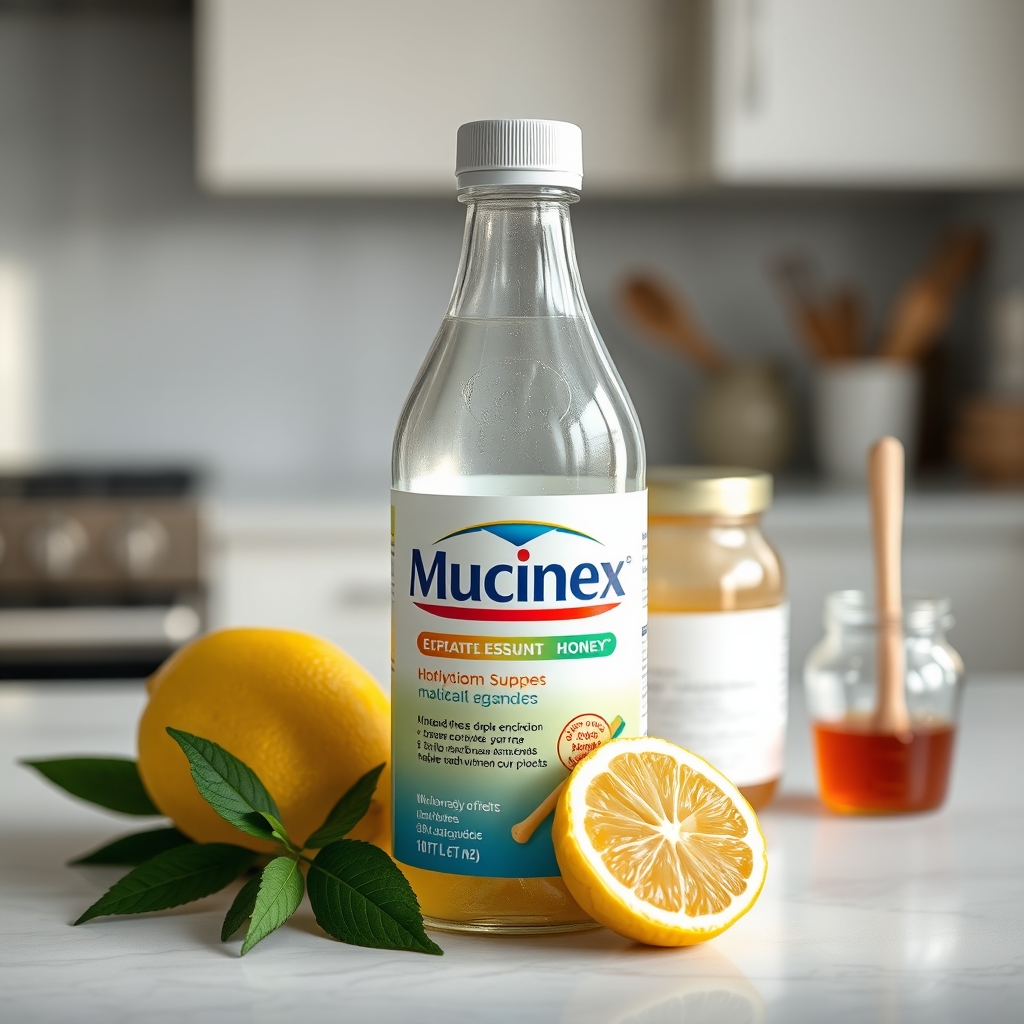
Limit guaifenesin during pregnancy. Experts recommend avoiding it in the first trimester and using the lowest effective dosage (200-400 mg) if needed later.
By Shubhra Mishra — a mom of two who turned her own confusion during pregnancy into BumpBites, a global mission to make food choices clear, safe, and stress-free for every expecting mother. 💛
Check whether any food is safe during pregnancy with the BumpBites Food Safety Checker.
Quick verdict: ⚠️ Talk to your doctor first. Guaifenesin can be used during pregnancy at typical adult doses, but it’s best to confirm safety with your provider, especially in the first trimester or if you have other health concerns.
It’s 2 a.m., you’re staring at the medicine cabinet, and a lingering cough makes you wonder whether the “Mucinex” bottle you just grabbed is safe for the little life growing inside you. You’re not alone—many expectant parents experience that sudden panic when they discover a common over‑the‑counter cough medicine might be part of their daily routine.
In short, guaifenesin is generally considered low‑risk for pregnant people when used at standard doses, but the evidence isn’t absolute. This article walks you through the current guidance on guaifenesin safety for pregnancy, how the safety picture changes across each trimester, what dosage is recommended, which brands are trusted, possible side effects, and gentler alternatives that won’t compromise your comfort.
We’ll also compare guaifenesin with other cough‑and‑cold staples, bust a few myths, and give you a clear “what to do next” checklist so you can breathe easier—both literally and figuratively. Whether you’re dealing with a dry tickle, a wet cough, or just the anxiety of medication choices, the information below is designed to help you feel confident and in control.
Keep a glass of water handy when you take any cough medicine, including guaifenesin, to stay hydrated.
Trimester / Breastfeeding
Verdict
Notes
First trimester
⚠️ Talk to your doctor
Limited data; use only if benefits outweigh potential risks.
Second trimester
✅ Generally safe
Standard adult dosing considered low risk.
Third trimester
✅ Generally safe
Same dosing; monitor for any unusual contractions.
Breastfeeding
✅ Generally safe
Only trace amounts enter breast milk; no reported infant effects.
What is guaifenesin?
Guaifenesin is an expectorant, a type of medication that helps loosen and thin mucus in the airways, making it easier to cough up. It’s commonly found in over‑the‑counter (OTC) products like Mucinex and Robitussin, often paired with other cough‑relief agents such as dextromethorphan. The compound works by increasing the water content of secretions, which reduces the viscosity of phlegm and promotes clearer breathing.
People usually turn to guaifenesin when they have a productive cough—one that brings up mucus—especially during colds, bronchitis, or seasonal allergies. Because it doesn’t suppress the cough reflex, it’s generally considered “gentle” compared with cough suppressants that can trap mucus and potentially worsen congestion. The drug is available in immediate‑release tablets (typically 200 mg) and extended‑release formulations (often 600–1200 mg). Most adults take 200–400 mg every 4 hours, not exceeding 2,400 mg per day.
Guaifenesin has been on pharmacy shelves since the 1950s, originally derived from the guaiac tree’s resin. Its long‑standing presence in the market has allowed researchers to gather decades of safety data, which is why it is one of the most studied OTC expectorants. In many countries, it is classified as a “non‑prescription” medication, reflecting the confidence of regulatory agencies that it poses minimal risk when used as directed.
Guaifenesin is sold without a prescription in many countries, making it a go‑to option for quick relief. However, its safety profile during pregnancy has been examined by the FDA, ACOG, and other health agencies to ensure that expectorant use doesn’t unintentionally affect fetal development.
Natural remedies like honey can complement guaifenesin, but always check with your provider.
Is guaifenesin safe to take while pregnant?
The short answer: most authorities consider guaifenesin safe for pregnancy when taken at standard adult doses, but they advise a cautious approach—especially during the first trimester. The American College of Obstetricians and Gynecologists (ACOG) notes that “there is no evidence of teratogenicity” for guaifenesin, meaning it hasn’t been shown to cause birth defects. The U.S. Food and Drug Administration (FDA) historically placed guaifenesin in pregnancy category N, indicating that animal studies have not demonstrated risk, but human data are limited.
In the United Kingdom, the National Health Service (NHS) echoes this sentiment, stating that guaifenesin “can be used during pregnancy if needed, but you should discuss it with your midwife or doctor first.” The Centers for Disease Control and Prevention (CDC) does not list guaifenesin as a known risk factor for adverse pregnancy outcomes.
Because guaifenesin does not cross the placenta in significant amounts, the primary concern is indirect—whether the cough itself could lead to complications like disrupted sleep or secondary infections. In most cases, treating a bothersome cough with guaifenesin can improve maternal comfort without posing a direct threat to the fetus.
However, the safety conversation changes if guaifenesin is part of a combination product that includes other ingredients such as dextromethorphan, pseudoephedrine, or phenylephrine. Those added agents have their own pregnancy considerations, and the overall safety verdict may shift from “generally safe” to “use only under medical supervision.” Therefore, it’s essential to read labels carefully and consult your provider before reaching for a multi‑symptom cold medicine.
How guaifenesin works in the body during pregnancy
Guaifenesin is absorbed from the gastrointestinal tract and largely excreted unchanged by the kidneys. Studies in non‑pregnant adults show that peak plasma concentrations occur within 1–2 hours after ingestion, and the drug’s half‑life is roughly 4 hours. During pregnancy, increased renal blood flow can slightly accelerate clearance, meaning the medication does not accumulate in the bloodstream.
Because the drug’s mechanism is limited to the respiratory tract, it does not interfere with hormonal pathways or fetal organ development. This pharmacokinetic profile is why both the FDA and ACOG feel comfortable stating that guaifenesin is unlikely to cause direct fetal harm when used at recommended doses.
Potential drug interactions during pregnancy
Pregnant people often take prenatal vitamins, iron supplements, or antihypertensive medications. Guaifenesin has a low potential for drug‑drug interactions, but it can increase the absorption of certain antibiotics (e.g., amoxicillin) when taken simultaneously. If you’re on a medication regimen, a quick check with your pharmacist or obstetrician can confirm that guaifenesin won’t interfere with your other treatments.
Research evidence and clinical studies
Large observational studies, such as the 2019 Pregnancy Registry for OTC Medications, have tracked thousands of pregnant people who used guaifenesin for respiratory symptoms. The analysis found no statistically significant increase in major malformations, preterm birth, or low birth weight among those who used the drug compared with a matched control group. While these studies are not randomized controlled trials, they provide reassuring real‑world data that support the safety statements from ACOG and the FDA.
Systematic reviews by the World Health Organization (WHO) and the Cochrane Collaboration also conclude that guaifenesin’s risk profile is comparable to placebo for most pregnancy outcomes. Nevertheless, clinicians continue to recommend the “lowest effective dose” principle, especially when alternative non‑pharmacologic options are viable.
Guaifenesin safety by trimester: First, second, and third
First trimester
The first 12 weeks mark the period of organogenesis, when the baby’s major organs form. During this window, many clinicians adopt a “lowest‑effective‑dose” philosophy for any medication, including guaifenesin. While studies have not linked guaifenesin to birth defects, the data are sparse, and ACOG recommends discussing any cough medication with a provider before use.
If you have a mild cough, non‑pharmacologic approaches—like honey or saline nasal spray—may be sufficient. If the cough is severe enough to interfere with sleep or nutrition, a low dose of guaifenesin (e.g., 200 mg every 4 hours) can be considered after a brief conversation with your obstetrician.
Second trimester
From weeks 13 to 27, the placenta is fully functional, and the fetus is less vulnerable to many teratogenic agents. Evidence suggests that guaifenesin’s low systemic absorption makes it unlikely to affect fetal development at standard doses. Most obstetric guidelines, including those from the Royal College of Obstetricians and Gynaecologists (RCOG), consider it safe for short‑term use in the second trimester.
Pregnant people often experience heightened mucus production during this stage due to hormonal changes. Guaifenesin can help relieve congestion, improve sleep quality, and reduce the risk of secondary infections, all of which support overall maternal health.
Third trimester
In the final three months, the baby’s growth accelerates, and the uterus can compress the diaphragm, making breathing feel more labored. Guaifenesin remains a low‑risk option for managing productive coughs. The primary precaution is to monitor for any uterine irritability or contractions, though such reactions are rare.
If you notice any increased uterine activity after taking guaifenesin, stop the medication and contact your provider. Otherwise, the standard adult dose remains acceptable through week 40.
Special considerations for high‑risk pregnancies
Women with pre‑eclampsia, uncontrolled hypertension, or a history of preterm labor may be advised to avoid any medication that could potentially affect uterine blood flow. While guaifenesin itself is not known to cause vasoconstriction, the overall medication burden should be minimized in these cases. Always discuss your specific health situation with your obstetrician before starting a new cough remedy.
Breastfeeding
Post‑delivery, guaifenesin passes into breast milk in trace amounts. The American Academy of Pediatrics (AAP) classifies it as compatible with breastfeeding, noting no reported adverse effects in nursing infants. As always, maintain adequate hydration, as guaifenesin’s mechanism relies on water‑based mucus thinning.
What is the recommended guaifenesin dosage for pregnant women?
For most adults, the FDA‑approved dosing for immediate‑release guaifenesin tablets is 200 mg every 4 hours, not exceeding 2,400 mg per day. Extended‑release tablets (e.g., Mucinex) typically contain 600 mg and are taken every 12 hours, with a maximum of 1,200 mg per day. These same limits apply to pregnant individuals, as no evidence suggests a need for dose reduction solely because of pregnancy.
When choosing a brand, look for products that contain guaifenesin as the sole active ingredient. Combination products—such as Mucinex DM (guaifenesin + dextromethorphan) or cold‑and‑flu blends—introduce additional compounds that may have different safety profiles. If you prefer a single‑ingredient option, the “Mucinex Expectorant” label is a clear choice.
Always take guaifenesin with a full glass of water; adequate hydration enhances its expectorant effect and helps prevent constipation, a common side effect. If you have a history of kidney stones or are on a low‑sodium diet, discuss any potential interactions with your provider before starting the medication.
How to take guaifenesin with meals
Guaifenesin can be taken with or without food, but many pregnant people find it easier on the stomach when taken after a light meal or snack. Pairing the dose with a glass of water and a small piece of fruit can reduce the likelihood of nausea, especially if morning sickness is still present.
Guaifenesin and common pregnancy symptoms
Pregnancy often brings nausea, heartburn, and increased mucus production. Guaifenesin’s mild gastrointestinal profile means it rarely worsens nausea, but if you’re prone to acid reflux, taking the medication with food and staying upright for 30 minutes can help. Additionally, because guaifenesin does not have a sedating effect, it won’t interfere with the fatigue that many expectant parents already feel.
Drug–food interactions during pregnancy
While guaifenesin itself has few food interactions, certain foods can enhance its effectiveness. Warm fluids, such as herbal teas or broth, can further loosen mucus, making the expectorant work more efficiently. Conversely, very spicy or acidic foods might irritate the throat, potentially increasing cough frequency. As a general rule, maintain a balanced diet and stay well‑hydrated to support both the medication and your overall pregnancy health.
Choosing a guaifenesin‑only product helps you avoid hidden ingredients that may be less pregnancy‑friendly.
Potential risks and side effects of guaifenesin during pregnancy
Guaifenesin is generally well tolerated, but like any medication, it can cause side effects. The most common are mild and include:
Gastrointestinal upset (nausea, upset stomach)
Dizziness or headache
Dry mouth or throat irritation
Rarely, rash or allergic reaction
These effects are usually short‑lived and not harmful to the fetus. However, if you experience any of the following, seek medical attention promptly:
Severe rash, hives, or swelling (possible allergic reaction)
Persistent vomiting that leads to dehydration
Signs of uterine contractions or cramping after taking the medication
Unusual bleeding or spotting
Because guaifenesin is an expectorant, it does not suppress the cough reflex. If you have a dry cough that isn’t producing mucus, guaifenesin may not provide relief and could expose you to an unnecessary medication.
Safe alternatives to guaifenesin for cough and congestion during pregnancy
Honey – A spoonful can soothe the throat and has mild antimicrobial properties; safe after 12 weeks of gestation.
Fact: Current research and ACOG guidance show no teratogenic effect; the drug is not linked to congenital anomalies when used at standard doses.
Myth: All cough medicines are unsafe during pregnancy.
Fact: Some cough agents, like guaifenesin and dextromethorphan, are considered low‑risk, while others (e.g., certain decongestants) require caution.
Myth: You must avoid any medication once you discover you’re pregnant.
Fact: Many OTC products, including guaifenesin, are safe when used responsibly; always discuss with your provider for personalized advice.
Myth: Natural remedies are always safer than OTC drugs.
Fact: While honey or saline spray are generally safe, some “natural” products contain herbs that can be harmful; verify safety with your clinician.
Key takeaways
Guaifenesin is safe for pregnancy at standard adult doses, especially after the first trimester.
Consult your obstetrician before using guaifenesin in the first trimester or if you have underlying health concerns.
Choose single‑ingredient guaifenesin products; avoid combination cold medicines unless approved by a provider.
Stay well‑hydrated and consider non‑drug alternatives like honey, saline spray, or a humidifier.
Watch for rare allergic reactions or any signs of uterine irritation; seek medical help if they occur.
Pregnant people with high‑risk conditions (e.g., pre‑eclampsia) should discuss any cough medication with their provider.
Frequently asked questions
Can I take Mucinex while pregnant?
Yes, you can take the Mucinex product that contains only guaifenesin, but it’s best to confirm with your doctor, especially during the first trimester.
Is guaifenesin safe in the first trimester?
Guaifenesin is not classified as a teratogen, but because data are limited, ACOG advises discussing its use with your provider before taking it in the first trimester.
What cough medicine can I take while pregnant?
Dextromethorphan and guaifenesin (as single‑ingredient products) are generally considered safe; always verify with your healthcare professional.
What cold medicine is safe for pregnancy?
Simple expectorants like guaifenesin, antihistamines such as chlorpheniramine, and acetaminophen for fever are commonly recommended, while decongestants like pseudoephedrine should be used cautiously.
Can guaifenesin cause miscarriage?
There is no evidence linking guaifenesin to miscarriage; however, if you notice any bleeding or cramping after taking it, contact your provider right away.
Is it safe to take Robitussin DM while pregnant?
Robitussin DM combines guaifenesin with dextromethorphan, both of which are generally safe, but you should still discuss the combination with your obstetrician before use.
What are the risks of taking guaifenesin during pregnancy?
Risks are minimal and include mild gastrointestinal upset or rare allergic reactions; serious fetal risks have not been documented.
Can I use guaifenesin if I have asthma?
Guaifenesin is not a bronchodilator and does not treat asthma directly, but it can safely be used to thin mucus in asthmatic pregnant patients when advised by a healthcare provider.
Is guaifenesin safe for twins or multiples?
Because guaifenesin does not cross the placenta in significant amounts, its safety profile is the same for singleton and multiple pregnancies; still, discuss any medication with your provider.
Is guaifenesin safe for postpartum cough?
Yes, guaifenesin remains a low‑risk option after delivery, and it is also considered compatible with breastfeeding, but always keep your provider in the loop.
Can I use guaifenesin while breastfeeding twins?
Guaifenesin passes into breast milk in only trace amounts, and no adverse effects have been reported in infants, even when nursing multiples; however, confirm with your pediatrician if you have concerns.
When to call your doctor
If you experience any of the following after taking guaifenesin, contact your obstetrician or go to urgent care immediately:
Severe rash, hives, or swelling (possible allergic reaction)
Persistent vomiting or inability to keep fluids down
Uterine cramps, contractions, or unusual pelvic pain
Spotting, bleeding, or sudden loss of fetal movement
Even if symptoms are mild but you feel uneasy, a quick call to your provider can give you peace of mind. This article provides general information and is not a substitute for personalized medical advice.
References
American College of Obstetricians and Gynecologists (ACOG). “Medication Use During Pregnancy.” 2023.
U.S. Food and Drug Administration (FDA). “Pregnancy Category N: Guaifenesin.” Updated 2022.
National Health Service (NHS). “Guaifenesin – Over the Counter Cough Medicine.” 2023.
Centers for Disease Control and Prevention (CDC). “Cough and Cold Medications in Pregnancy.” 2022.
Mayo Clinic. “Guaifenesin (Expectorant) – Uses, Side Effects, and Dosage.” 2023.
World Health Organization (WHO). “Guidelines for the Management of Respiratory Infections in Pregnancy.” 2021.
Royal College of Obstetricians and Gynaecologists (RCOG). “Safety of Over‑the‑Counter Medications in Pregnancy.” 2022.
American Academy of Pediatrics (AAP). “Medications and Breastfeeding.” 2023.
Not sure about the label on Is Guaifenesin Safe During Pregnancy products?
Snap the ingredients list and SafeFilter checks every ingredient for your stage — only 3 free scans this month, then you're locked until reset. Unlimited from $7/mo or $50/yr.
When Shubhra Mishra was expecting her first child in 2016, she was overwhelmed by conflicting food advice — one site said yes, another said never. By the time her second baby arrived in 2019, she realized millions of mothers face the same confusion.
That sparked a five-year journey through clinical nutrition papers, cultural diets, and expert conversations — all leading to BumpBites: a calm, compassionate space where science meets everyday motherhood.
Her long-term vision is to build a global community ensuring safe, supported, and free deliveriesfor every mother — because no woman should face pregnancy alone or uninformed. 🌿
🌍 Stand with mothers, shape safer guidance
Join a small circle of experts who review BumpBites articles so expecting parents everywhere can decide with confidence.