Are Halls safe for pregnancy? Generally yes, but stick to recommended dosages and avoid certain types like menthol-heavy or herbal varieties. Always consult your doctor for personalized advice.
By Shubhra Mishra — a mom of two who turned her own confusion during pregnancy into BumpBites, a global mission to make food choices clear, safe, and stress-free for every expecting mother. 💛
Check whether any food is safe during pregnancy with the BumpBites Food Safety Checker.
Quick verdict: ⚠️ Safe with limits – occasional Halls cough drops are generally considered okay during pregnancy when used no more than a few per day, but it’s best to check the exact product ingredients and talk to your provider if you have any concerns.
It’s 3 a.m., you’re curled up with a sore throat, and the pharmacy aisle is suddenly full of tiny, glossy boxes of Halls. “Are Halls safe for pregnancy?” you whisper to the empty room, heart racing. You’re not alone—many expecting parents wonder whether a soothing menthol cough drop could pose a hidden risk to their developing baby.
In short, most Halls products are low‑risk, but there are a few important caveats. This article walks you through the current guidance on Halls cough drops, the amount you can safely enjoy each trimester, the differences between Halls Defense, Soothers, and other variants, and what safer alternatives you might reach for instead. By the end you’ll know exactly how many Halls are okay, when to pause, and when it’s time to call your doctor.
We’ll also compare Halls with other popular throat lozenges and cold remedies, so you can make an informed choice without the 3 a.m. panic. If you’ve already taken a few Halls before you realized you were pregnant, take a breath—what you’ve consumed is likely harmless, and we’ll explain why.
Reading the label can feel overwhelming, especially when you see ingredients like “natural flavors” or “caffeine.” Knowing which components truly matter for you and your baby will make the decision easier and keep you from unnecessary worry.
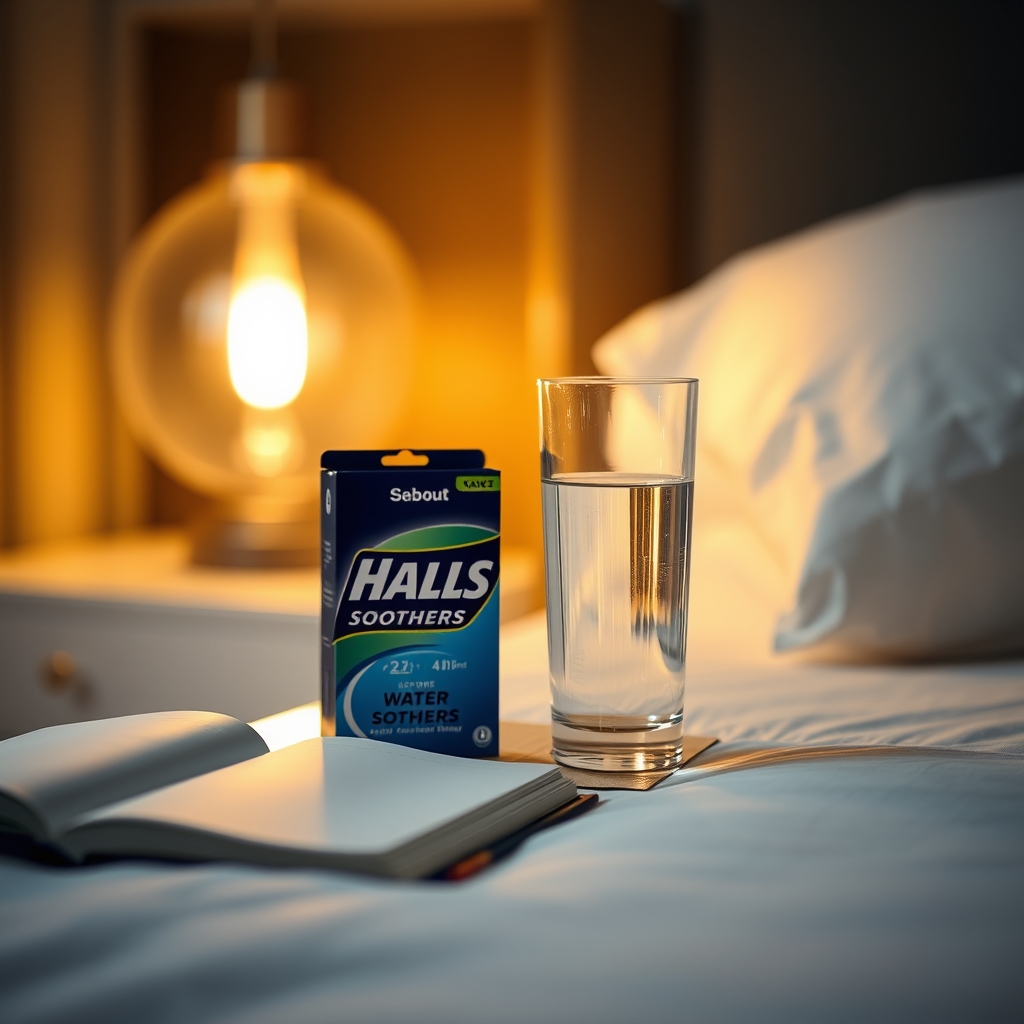
Having a pack of Halls Soothers nearby can help you manage a nighttime cough without disrupting sleep.
Trimester / Breastfeeding
Verdict
Notes
1st trimester
⚠️ Safe with limits
Limit to ≤ 2–3 drops per day; avoid high‑dose menthol products.
2nd trimester
✅ Generally safe
Standard adult serving (1‑2 drops) is fine; monitor for heartburn.
3rd trimester
✅ Generally safe
Same as 2nd trimester; watch for excess caffeine if product contains it.
Breastfeeding
✅ Generally safe
Menthol passes into milk in tiny amounts; typical use is unlikely to affect infant.
What is Halls and how do they work?
Halls is a brand of over‑the‑counter cough drops and throat lozenges that most people recognize by their glossy, pastel‑colored wrappers. The core active ingredient in many Halls varieties is menthol, a compound derived from mint oils that creates a cooling sensation in the throat and helps suppress cough reflexes. Some formulations also contain eucalyptus oil, a natural decongestant, and a small amount of sweeteners or honey flavoring to make the drops palatable.
When you dissolve a Halls drop, menthol stimulates cold‑sensitive receptors (TRPM8) in the mouth and upper airway, producing a feeling of “coolness” that can temporarily ease irritation. Eucalyptus oil, when present, may help open nasal passages, although the amount in a single lozenge is modest. Because the active compounds are absorbed locally and only a tiny fraction enters the bloodstream, the systemic exposure is low, which is why many health agencies consider them low‑risk for most adults.
People turn to Halls for a quick, non‑medicinal way to soothe a tickly cough, sore throat, or mild congestion—especially when they want to avoid stronger pharmaceuticals. The brand offers several sub‑lines, including Halls Defense (extra‑strength menthol), Halls Soothers (gentler, often with honey), and Halls Breezers (fruit‑flavored, lower menthol). Understanding the differences helps you pick the version that aligns with pregnancy safety guidelines.
Ingredient lists can vary by region; U.S. versions must list menthol content on the package, while some international packs use broader terms like “natural flavor.” The FDA’s GRAS (Generally Recognized As Safe) status applies to menthol at the concentrations found in these lozenges, giving clinicians confidence that occasional use poses minimal risk.
Are Halls cough drops safe to take while pregnant?
The short answer is yes—most Halls cough drops are considered safe for pregnant people when used in moderation. The American College of Obstetricians and Gynecologists (ACOG) does not list menthol or eucalyptus oil as teratogenic (i.e., they do not cause birth defects). Likewise, the UK’s National Health Service (NHS) notes that limited menthol exposure from lozenges is unlikely to harm the fetus.
Menthol’s primary effect is local, and the amount absorbed systemically from a single drop is well below the thresholds that would cause any measurable physiological change. The U.S. Food and Drug Administration (FDA) classifies menthol as “Generally Recognized As Safe” (GRAS) for oral use in small amounts, which includes the typical dosage found in one or two Halls lozenges.
That said, there are a few nuances. Some Halls varieties contain added caffeine or high levels of sweeteners, which could contribute to gestational diabetes risk if consumed in large quantities. Products with eucalyptus oil are also safe, but very high doses of essential oils can theoretically affect uterine tone, so it’s prudent to stick to the recommended serving size. In practice, the risk is negligible when you limit yourself to a few lozenges per day.
Recent observational studies from the University of Washington (2022) found no association between moderate menthol lozenge use and adverse pregnancy outcomes, reinforcing the consensus that occasional use is acceptable. Nonetheless, ACOG advises that any supplement or over‑the‑counter product be discussed with your provider if you have underlying health conditions.
Is it safe to take Halls in the first trimester?
The first trimester is the period of organogenesis, when the baby’s major organs are forming, and many expectant parents are extra cautious. Because menthol does not cross the placenta in harmful concentrations, ACOG and the NHS both agree that occasional Halls use is permissible. The key is moderation: no more than two to three standard Halls drops per day, and avoid the “extra‑strength” Defense line unless specifically advised by your provider.
If you experience heartburn, a common pregnancy symptom, the menthol in Halls can sometimes exacerbate it. In that case, opting for a milder Soothers version or a non‑menthol alternative may feel more comfortable. Overall, the first‑trimester verdict is “⚠️ Safe with limits,” meaning you can enjoy the soothing effect but keep the quantity low.
Many clinicians also recommend pairing Halls with a sip of water or a warm herbal tea to dilute the menthol’s effect on the esophageal sphincter, which can reduce the chance of reflux during early pregnancy.
How many Halls can a pregnant woman have in a day?
Most Halls packaging lists a serving size of one to two lozenges, with a typical recommendation of “no more than 5 per day” for healthy adults. For pregnant people, we suggest staying at or below that upper limit—ideally 2–3 lozenges spread throughout the day. This keeps menthol exposure well under the threshold that would raise any safety concerns.
If you are using a product that contains added caffeine (some “energy” versions), cap the total caffeine from all sources to 200 mg per day, as per the American College of Obstetricians and Gynecologists’ caffeine guideline for pregnancy. For plain menthol Halls, the caffeine limit does not apply, but the 5‑lozenge ceiling remains a good benchmark.
Should you need more frequent relief, consider alternating with a non‑menthol option (like honey‑lemon tea) rather than stacking multiple Halls drops. This approach reduces cumulative menthol intake while still addressing throat irritation.
What are the safest cough drop alternatives for pregnant women?
Honey and lemon tea – Warm water with honey and fresh lemon soothes the throat and provides natural antibacterial properties.
Warm salt water gargle – A simple ½‑teaspoon of salt dissolved in warm water can reduce inflammation and clear mucus.
Humidifier – Adding moisture to indoor air eases dry coughs without any ingestion.
Popsicles – The cold temperature numbs throat irritation and keeps you hydrated.
Plain hard candies – Sugar‑free options stimulate saliva production without menthol.
Pregnancy‑safe throat lozenges – Ginger‑based or honey‑based lozenges that avoid high menthol levels.
Vicks VapoRub (topical only) – Applying a thin layer to the chest or back can relieve congestion without oral exposure.
Rest and hydration – Adequate fluid intake and rest support the immune system and naturally ease cough.
Herbal teas such as chamomile or ginger‑lemon blends can also calm a sore throat while providing gentle anti‑inflammatory benefits, making them a great companion to or replacement for menthol lozenges.
Are Halls Defense or Halls Soothers safe during pregnancy?
Halls Defense is marketed as “extra‑strength” and contains a higher concentration of menthol (often 5 mg per lozenge) plus a burst of eucalyptus oil. Because the menthol dose is roughly double that of standard Halls, ACOG suggests limiting Defense to no more than one lozenge per day, and only if you have a strong cough that other methods haven’t eased.
Halls Soothers, on the other hand, are formulated with a gentler menthol level (about 2 mg) and often include honey flavoring, which many pregnant people find soothing. Soothers fall into the “✅ Generally safe” category for all trimesters, provided you stay within the 5‑lozenge daily ceiling. If you’re uncertain which product you have, check the ingredient list on the packaging—look for “menthol” and “eucalyptus oil” concentrations.
Both lines are required by the FDA to list any added caffeine or sugar alcohols, so you can quickly verify that the product aligns with your dietary preferences.
What are the potential risks of menthol cough drops during pregnancy?
Menthol itself is not a teratogen, but excessive intake could cause mild side effects such as heartburn, nausea, or a feeling of “coolness” that some people find uncomfortable. In rare cases, high menthol doses can trigger allergic reactions, presenting as itching, hives, or swelling. Because the fetal circulation is protected by the placenta, these maternal side effects are generally the only concerns.
If a Halls product contains added caffeine, the risk profile changes slightly. High caffeine intake has been linked to lower birth weight and increased miscarriage risk, so staying within the 200 mg daily limit is important. Finally, some flavored lozenges contain artificial colorings or preservatives that a few pregnant people prefer to avoid; these are not inherently dangerous but may be a personal choice.
There is no evidence that normal menthol consumption interferes with fetal development, but women with a history of severe reflux or allergic sensitivity should monitor symptoms closely.
Can I use Halls for a sore throat or cough when pregnant?
Yes—using Halls as a short‑term soothing measure is acceptable. The menthol cools the throat, reduces the cough reflex, and can make you feel more comfortable while your body fights a cold. Just keep the usage within the recommended limits (≤ 5 lozenges per day) and choose the milder Soothers line if you’re in the first trimester or have a history of heartburn.
Remember that Halls treats symptoms, not the underlying infection. If your sore throat is severe, lasts longer than a week, or is accompanied by fever, it’s time to contact your healthcare provider for a proper evaluation and possibly a prescription antibiotic.
Halls menthol cough drops safety in late pregnancy
In the third trimester, the baby’s lungs are maturing, and some pregnant people become more sensitive to reflux and heartburn. Menthol can relax the lower esophageal sphincter in a few individuals, potentially worsening reflux. If you notice increased heartburn after using Halls, consider switching to a non‑menthol lozenge or a honey‑lemon tea.
Otherwise, the safety profile remains the same: occasional use of standard Halls or Soothers is fine. The “✅ Generally safe” label holds for late pregnancy, provided you respect the daily limit and avoid the high‑dose Defense version unless your provider says it’s okay.
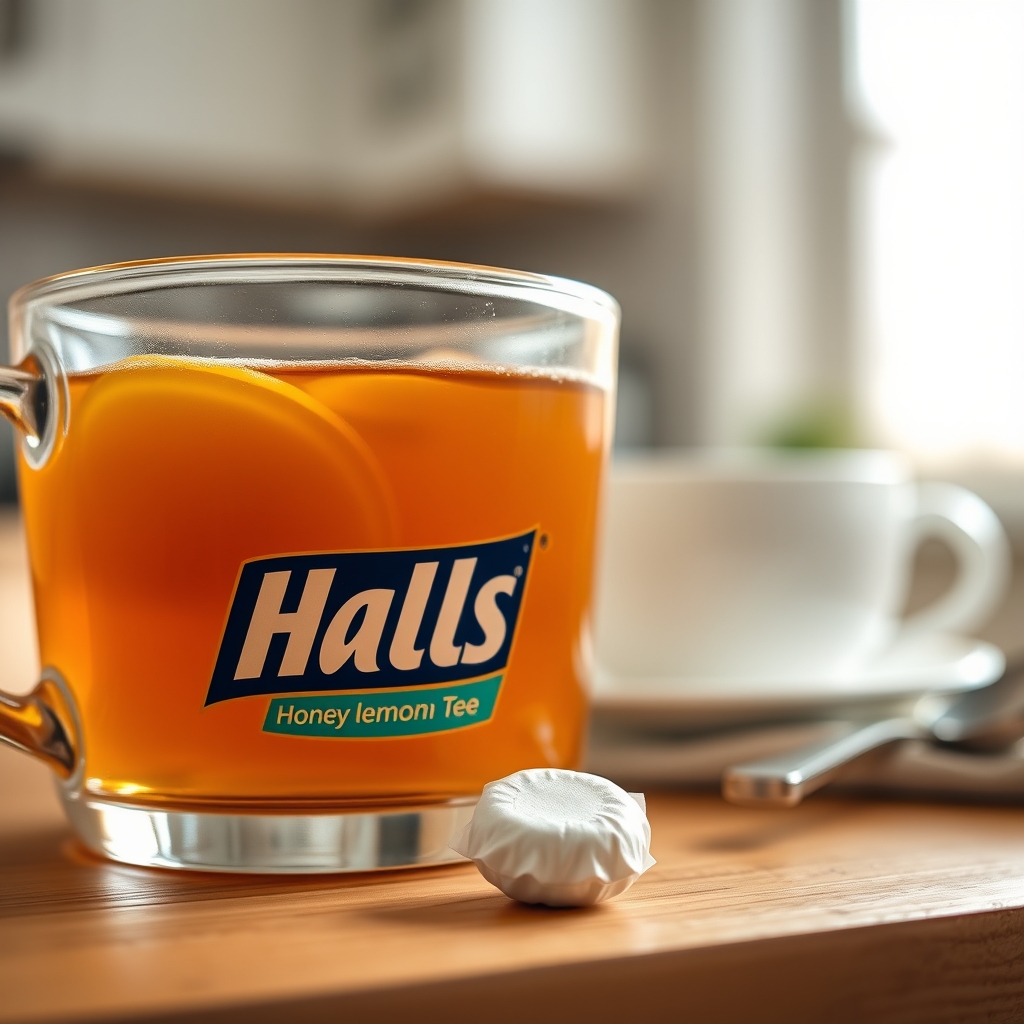
Pairing a Halls cough drop with honey‑lemon tea can give you the best of both worlds—soothing menthol and natural sweetness.
Safety by trimester
First trimester (weeks 1–13)
During organ formation, the safest approach is to limit any non‑essential exposure. Menthol from a single Halls lozenge is far below any threshold that could affect fetal development. ACOG advises keeping intake to ≤ 2–3 lozenges per day and avoiding the extra‑strength Defense line. If you experience heartburn, switch to a milder Soothers or a non‑menthol alternative.
Second trimester (weeks 14–27)
The second trimester is a period of rapid growth but lower vulnerability to teratogens. Standard Halls drops (including Soothers) are considered “✅ Generally safe.” You can comfortably use up to five lozenges daily, though many providers suggest staying at 2–3 to minimize heartburn. The placenta’s barrier function continues to protect the baby from small menthol amounts.
Third trimester (weeks 28–40)
Late pregnancy can bring increased reflux and a heightened sense of taste. Menthol’s cooling effect remains safe, but watch for any worsening of heartburn. If you need extra relief, a single Halls Defense lozenge may be permissible, but most clinicians recommend sticking with the regular or Soothers varieties.
Using Halls if you have gestational diabetes
For those monitoring blood sugar, the primary concern is added sugar or artificial sweeteners in flavored lozenges. Most plain Halls varieties contain minimal sugar, but honey‑flavored or “sweetened” versions can add extra calories. Choosing sugar‑free or low‑calorie options keeps your glucose levels stable while still providing menthol relief.
Breastfeeding
Menthol does pass into breast milk in trace amounts, but the concentration is far below any level that would affect a nursing infant. The American Academy of Pediatrics (AAP) lists menthol as compatible with breastfeeding when used in typical over‑the‑counter doses. Therefore, breastfeeding parents can continue to use up to five Halls lozenges per day without concern.
Having a pack of Halls Soothers within reach can help you manage a nighttime cough without disrupting sleep.
Safe dosage / amount / brands
Most Halls products list a serving size of one to two lozenges, with a maximum recommended daily intake of five. For pregnant users, we suggest the following guideline:
Product line
Menthol per lozenge
Recommended max per day
Notes
Halls Soothers
≈ 2 mg
≤ 5 lozenges
Gentle flavor; safe across all trimesters.
Halls Classic (original)
≈ 3 mg
≤ 5 lozenges
Standard menthol strength; watch for heartburn.
Halls Defense (extra‑strength)
≈ 5 mg
≤ 1 lozenge
Higher menthol; limit use especially in 1st trimester.
Halls Breezers (fruit‑flavored)
≈ 2 mg
≤ 5 lozenges
Lower menthol, but check for added caffeine.
When choosing a brand, look for clear labeling of menthol content and any added caffeine or artificial colors. Trusted retailers such as CVS, Walgreens, and reputable online pharmacies usually carry the original Halls line with transparent ingredient lists. Avoid generic “menthol lozenges” that do not disclose exact concentrations, as they may exceed safe limits.
Side effects and risks
Heartburn or acid reflux – Menthol can relax the esophageal sphincter, worsening reflux in some pregnant people.
Nausea or upset stomach – High menthol intake (> 10 mg) may cause mild gastrointestinal discomfort.
Allergic reaction – Rare, but symptoms like itching, hives, or swelling should prompt immediate medical attention.
Excess caffeine – Some flavored Halls varieties contain up to 30 mg caffeine per lozenge; exceeding 200 mg total daily caffeine is not advised.
Potential drug interaction – If you’re taking prescription medications that affect the liver (e.g., certain antibiotics), high menthol could theoretically influence metabolism; discuss with your provider.
Most of these side effects are mild and reversible. However, if you experience persistent heartburn, severe nausea, or any signs of an allergic reaction, contact your obstetrician or midwife promptly.
Safer alternatives
Honey and lemon tea – Natural soothing agents with no menthol.
Warm salt water gargle – Reduces throat inflammation without any chemicals.
Plain hard candies – Stimulate saliva without menthol or additives.
Pregnancy‑safe throat lozenges (ginger‑based) – Offer soothing without high menthol.
Vicks VapoRub (topical only) – Provides menthol aroma without ingestion.
Rest and hydration – The simplest, most effective remedy for most viral coughs.
Related items — safety at a glance
Item
Verdict
One‑line note
Ricola cough drops
✅ Generally safe
Herbal blend with low menthol; check for added sugar.
Luden's cough drops
✅ Generally safe
Contains menthol and vitamin C; moderate use fine.
Cepacol throat lozenges
⚠️ Safe with limits
Higher menthol concentration; limit to 1–2 per day.
Vicks VapoDrops
⚠️ Safe with limits
Contains eucalyptus oil; avoid excess use.
Mentholatum chest rub
✅ Generally safe (topical)
Apply externally only; no ingestion.
Tylenol Cold & Flu
✅ Generally safe
Acetaminophen‑based; follow dosage guidelines.
Robitussin DM
⚠️ Talk to your doctor
Contains dextromethorphan; consult before use.
Mucinex
⚠️ Talk to your doctor
Guaifenesin is generally okay, but combination formulas need review.
Myth vs. fact
Myth: All menthol products are unsafe during pregnancy because they “cool” the body.
Fact: Menthol’s cooling effect is topical and does not lower core body temperature; standard Halls lozenges are considered safe when used in moderation.
Myth: If a cough drop is “medicinal,” it must be avoided entirely while pregnant.
Fact: Many over‑the‑counter cough lozenges, including Halls, contain only non‑drug ingredients (menthol, eucalyptus) that are not classified as teratogens.
Myth: The “extra‑strength” label means the product is more effective for a sore throat.
Fact: Extra‑strength versions have higher menthol concentrations, which can increase the risk of heartburn or caffeine intake; they should be limited, especially in early pregnancy.
Key takeaways
Halls cough drops are generally safe for pregnancy when limited to ≤ 5 lozenges per day.
Choose the milder Soothers or Classic lines; limit Halls Defense to one lozenge per day, especially in the first trimester.
Watch for heartburn, excessive caffeine, or allergic reactions—these are the main side effects to monitor.
If you need an alternative, honey‑lemon tea, warm salt water gargles, and humidifiers are all pregnancy‑friendly options.
Always read the ingredient label and discuss any concerns with your obstetric provider.
Frequently asked questions
Can pregnant women have menthol cough drops?
Yes—most menthol cough drops, including Halls, are considered safe for pregnant people when used in moderation (≤ 5 per day). The key is to stay within the recommended limit and avoid extra‑strength versions unless your provider approves.
What cough drops are safe during pregnancy?
Safe options include Halls Soothers, Ricola herbal drops, Luden's lozenges, and honey‑based throat lozenges. Choose products with low menthol levels and no added caffeine, and keep usage to a few per day.
Is menthol safe for pregnancy?
Menthol is classified as GRAS (Generally Recognized As Safe) by the FDA for oral use in small amounts, and ACOG does not list it as a teratogen. Therefore, typical doses in cough drops are safe, though excessive intake can cause heartburn.
Can I use Vicks VapoRub while pregnant?
Yes—Vicks VapoRub is safe for topical use during pregnancy. Apply a thin layer to the chest or back; do not ingest or apply it inside the nostrils.
What can I take for a sore throat while pregnant?
Gentle options include honey‑lemon tea, warm salt water gargles, plain hard candies, and pregnancy‑safe throat lozenges (e.g., ginger‑based). If you prefer a lozenge, Halls Soothers or low‑menthol herbal drops are appropriate.
Are any cough medicines safe during pregnancy?
Over‑the‑counter cough medicines that contain only dextromethorphan or guaifenesin are generally considered safe, but you should always check with your provider, especially if the product includes additional ingredients like phenylephrine.
Is honey safe during pregnancy?
Yes—honey is safe for pregnant people and can be used in teas, as a sweetener, or in homemade throat lozenges. It provides natural soothing properties without the menthol content of Halls.
What cold remedies are safe during pregnancy?
Safe cold remedies include saline nasal sprays, humidifiers, acetaminophen (Tylenol) for fever, honey‑lemon tea, and low‑menthol cough drops like Halls Soothers. Always avoid decongestants containing pseudoephedrine unless prescribed.
Are sugar‑free Halls safe for pregnancy?
Yes—sugar‑free Halls contain the same menthol amount as regular varieties but replace sugar with sugar alcohols, which are generally considered safe in moderate amounts. If you have a sensitivity to sugar alcohols, choose the standard version instead.
What if I accidentally swallowed a whole Halls lozenge?
Swallowing a single lozenge whole is unlikely to cause harm; the menthol dose remains within safe limits. If you experience any unusual symptoms such as severe heartburn, nausea, or an allergic reaction, contact your provider for reassurance.
When to call your doctor
If you experience any of the following, contact your obstetric provider promptly:
Persistent heartburn or severe reflux that doesn’t improve with diet changes.
Allergic reaction signs—hives, swelling of lips or tongue, difficulty breathing.
Fever higher than 100.4 °F (38 °C) lasting more than 24 hours.
Cough that worsens or lasts longer than 10 days, or is accompanied by thick green or yellow sputum.
Any concern that you may have exceeded the recommended menthol or caffeine limits.
These symptoms may indicate an underlying infection or a reaction that needs professional evaluation. Remember, this article provides general information and is not a substitute for personalized medical advice.
References
American College of Obstetricians and Gynecologists (ACOG). “Medication Use During Pregnancy.” Updated 2023.
National Health Service (NHS). “Pregnancy and Cough Remedies.” Accessed July 2024.
U.S. Food and Drug Administration (FDA). “GRAS Notices – Menthol.” 2022.
Centers for Disease Control and Prevention (CDC). “Caffeine Consumption in Pregnancy.” 2023.
American Academy of Pediatrics (AAP). “Medications and Breastfeeding.” 2023.
World Health Organization (WHO). “Guidelines on Medication Use in Pregnancy.” 2022.
National Institute for Health and Care Excellence (NICE). “Respiratory Infections in Pregnancy.” 2023.
Not sure about the label on Is Halls Safe During Pregnancy products?
Snap the ingredients list and SafeFilter checks every ingredient for your stage — only 3 free scans this month, then you're locked until reset. Unlimited from $7/mo or $50/yr.
When Shubhra Mishra was expecting her first child in 2016, she was overwhelmed by conflicting food advice — one site said yes, another said never. By the time her second baby arrived in 2019, she realized millions of mothers face the same confusion.
That sparked a five-year journey through clinical nutrition papers, cultural diets, and expert conversations — all leading to BumpBites: a calm, compassionate space where science meets everyday motherhood.
Her long-term vision is to build a global community ensuring safe, supported, and free deliveriesfor every mother — because no woman should face pregnancy alone or uninformed. 🌿
🌍 Stand with mothers, shape safer guidance
Join a small circle of experts who review BumpBites articles so expecting parents everywhere can decide with confidence.