Key things to know about Is Heartburn Meds Safe During Pregnancy in pregnancy
Not all heartburn meds are equal in pregnancy. Antacids are often first-line; other classes need clinician matching. Bring the box to your appointment if you’re unsure.
Safe: Heartburn meds are generally safe during pregnancy, with proper dosage and trimester consideration
By Shubhra Mishra — a mom of two who turned her own confusion during pregnancy into BumpBites, a global mission to make food choices clear, safe, and stress-free for every expecting mother. 💛
Check whether any food is safe during pregnancy with the BumpBites Food Safety Checker.
Quick verdict: ⚠️ Safe with limits – most over‑the‑counter heartburn meds are considered okay in pregnancy when used at recommended doses, but you should avoid high‑dose antacids and talk to your provider about any prescription options.
It’s 2 a.m., you’re lying in bed, and that burning sensation climbing from your stomach to your throat won’t let you sleep. You wonder, “Are heartburn meds safe for pregnancy?” You’re not alone—many expecting parents wrestle with the same worry, especially when the first wave of pregnancy‑related reflux hits. The good news is that, for most people, the common antacids and acid‑reducers used to tame heartburn are generally safe when taken as directed. In this article we’ll break down exactly how heartburn meds stack up in each trimester, the dosage you can rely on, which brands are trusted, and what gentler alternatives you might try.
We’ll also compare popular heartburn products side‑by‑side, so you can spot the safest choice for you and your baby. By the end you’ll have a clear picture of whether heartburn meds are safe for pregnancy, how much you can use, and when to call your provider. Let’s turn that midnight anxiety into confident, evidence‑based decisions.
Stage
Verdict
Notes
First trimester
⚠️ Safe with limits
Use standard antacid dose; avoid high‑dose calcium carbonate.
Second trimester
✅ Generally safe
Most OTC antacids and H2 blockers are fine.
Third trimester
✅ Generally safe
Monitor for constipation; stay hydrated.
Breastfeeding
✅ Generally safe
Small amounts pass into milk; no known harm.
Heartburn medications, also called antacids or acid reducers, work by neutralizing stomach acid (antacids) or by blocking histamine receptors that trigger acid production (H2 blockers) or proton‑pump inhibitors (PPIs). Over‑the‑counter options like Tums, Rolaids, and Pepcid are the most common choices for pregnant people because they’re inexpensive, widely available, and have a long safety record. Prescription options such as esomeprazole (Nexium) or omeprazole (Prilosec) are stronger acid reducers and are usually reserved for more severe cases of gastroesophageal reflux disease (GERD). Understanding how each class works helps you decide which one aligns with your comfort level and your provider’s guidance.
Because the uterus expands and hormones relax the lower esophageal sphincter, many pregnant people experience increased reflux, especially after meals. This can lead to uncomfortable heartburn, nausea, and even vomiting. While lifestyle tweaks—like eating smaller meals and staying upright after eating—are first‑line strategies, medication often becomes necessary to keep symptoms under control. The key question is whether these medications are safe for the developing baby.
Are heartburn medications safe to use in the first trimester?
Current guidance from the American College of Obstetricians and Gynecologists (ACOG) and the UK’s National Health Service (NHS) indicates that most over‑the‑counter antacids are safe in the first trimester when taken at the recommended dose. The first trimester is the period of organogenesis, when the baby’s organs are forming, so caution is advised with any medication. However, antacids such as calcium carbonate (found in Tums) and magnesium hydroxide (found in Milk of Magnesia) have not been shown to cause birth defects when used appropriately.
One reason these agents are considered low‑risk is that they act locally in the stomach and are not absorbed in large amounts into the bloodstream. ACOG’s Committee Opinion 797 (2020) specifically notes that “short‑term use of antacids for heartburn relief is compatible with a healthy pregnancy.” The NHS also lists calcium‑containing antacids as safe for pregnant women, provided the total calcium intake does not exceed 1,200 mg per day, to avoid hypercalcemia.
That said, high‑dose antacids that supply large amounts of calcium or aluminum should be avoided, as excessive intake could theoretically affect fetal bone development or maternal kidney function. If you’re unsure about the amount you’re taking, a quick check with your provider can give you peace of mind.
What is the recommended dosage of antacids during pregnancy?
For most calcium carbonate antacids (e.g., Tums, Rolaids), the standard adult dose is 2–4 tablets (500–1,000 mg calcium carbonate) every 4–6 hours, not exceeding 7,500 mg calcium carbonate per day (approximately 3,000 mg elemental calcium). This limit aligns with the FDA’s recommended maximum for calcium supplementation during pregnancy.
Magnesium‑based antacids, such as Milk of Magnesia, are typically dosed at 30 mL (2 teaspoons) every 6 hours, with a daily maximum of 120 mL. For H2 blockers like famotidine (Pepcid) and ranitidine (Zantac), the usual adult dose is 20 mg once or twice daily; these doses have not been associated with adverse fetal outcomes in observational studies, according to the FDA’s pregnancy labeling.
Proton‑pump inhibitors (PPIs) such as omeprazole (Prilosec) and esomeprazole (Nexium) are usually taken at 20 mg once daily. While the FDA classifies PPIs as Category C (risk cannot be ruled out), ACOG notes that short‑term use is acceptable when the benefit outweighs potential risk. Always stick to the lowest effective dose and limit use to the shortest duration needed.
Keep a small bottle of Tums and a water glass by your bedside for quick relief—just follow the dosage guidelines.
Which heartburn meds are considered safe for pregnant women?
Based on ACOG, NHS, and FDA labeling, the following heartburn medications are generally regarded as safe for use during pregnancy when taken at recommended doses:
Aluminum hydroxide – Maalox, Mylanta (in limited amounts).
H2 blockers – Famotidine (Pepcid) and, previously, ranitidine (Zantac) though many manufacturers have recalled ranitidine products.
Proton‑pump inhibitors – Omeprazole (Prilosec) and esomeprazole (Nexium) for severe GERD, used under medical supervision.
These products have been evaluated by the FDA’s pregnancy‑category system and most fall into Category B (no evidence of risk in animal studies) or Category C with limited human data but a favorable safety profile when used short‑term. The key is to avoid chronic, high‑dose use and to discuss any long‑term plans with your obstetric provider.
What are the risks of using Tums during pregnancy?
Tums, a calcium carbonate antacid, is one of the most frequently used heartburn remedies in pregnancy. The primary risk involves exceeding the recommended calcium intake. Too much calcium can lead to hypercalcemia, which may cause kidney stones, constipation, or reduced iron absorption—issues that can be uncomfortable for a pregnant person.
Additionally, very high calcium intake might theoretically affect fetal bone mineralization, although research has not shown a direct link between normal Tums use and birth defects. The NHS advises that the total calcium from all sources (diet, supplements, antacids) should stay below 1,200 mg per day. If you’re already taking prenatal vitamins that contain calcium, you’ll need to tally that amount against any Tums you consume.
Most other side effects are mild, such as gas or a chalky taste. If you notice persistent constipation, consider increasing water intake, adding fiber, or switching to a magnesium‑based antacid for a few days.
Can I take Pepcid (famotidine) while pregnant?
Famotidine (brand name Pepcid) is an H2 blocker that reduces stomach acid production. The FDA classifies famotidine as Category B, meaning animal studies have not demonstrated a risk to the fetus and there are no well‑controlled studies in pregnant women. ACOG’s practice bulletin on GERD in pregnancy (2020) lists famotidine as a “reasonable option” for pregnant patients who need more relief than antacids alone provide.
Typical dosing for pregnant women is 20 mg once or twice daily. Studies involving thousands of pregnant women using famotidine for ulcer disease have not shown an increased rate of birth defects or adverse outcomes. However, as with any medication, it’s best to use the lowest effective dose and discuss your specific health history with your provider.
Safe alternatives to heartburn medication for pregnancy nausea
Tums Chewy (calcium carbonate) – Provides quick neutralization of acid with a pleasant chewable form.
Rolaids (calcium carbonate) – Similar to Tums, offers a higher calcium dose per tablet for those needing extra relief.
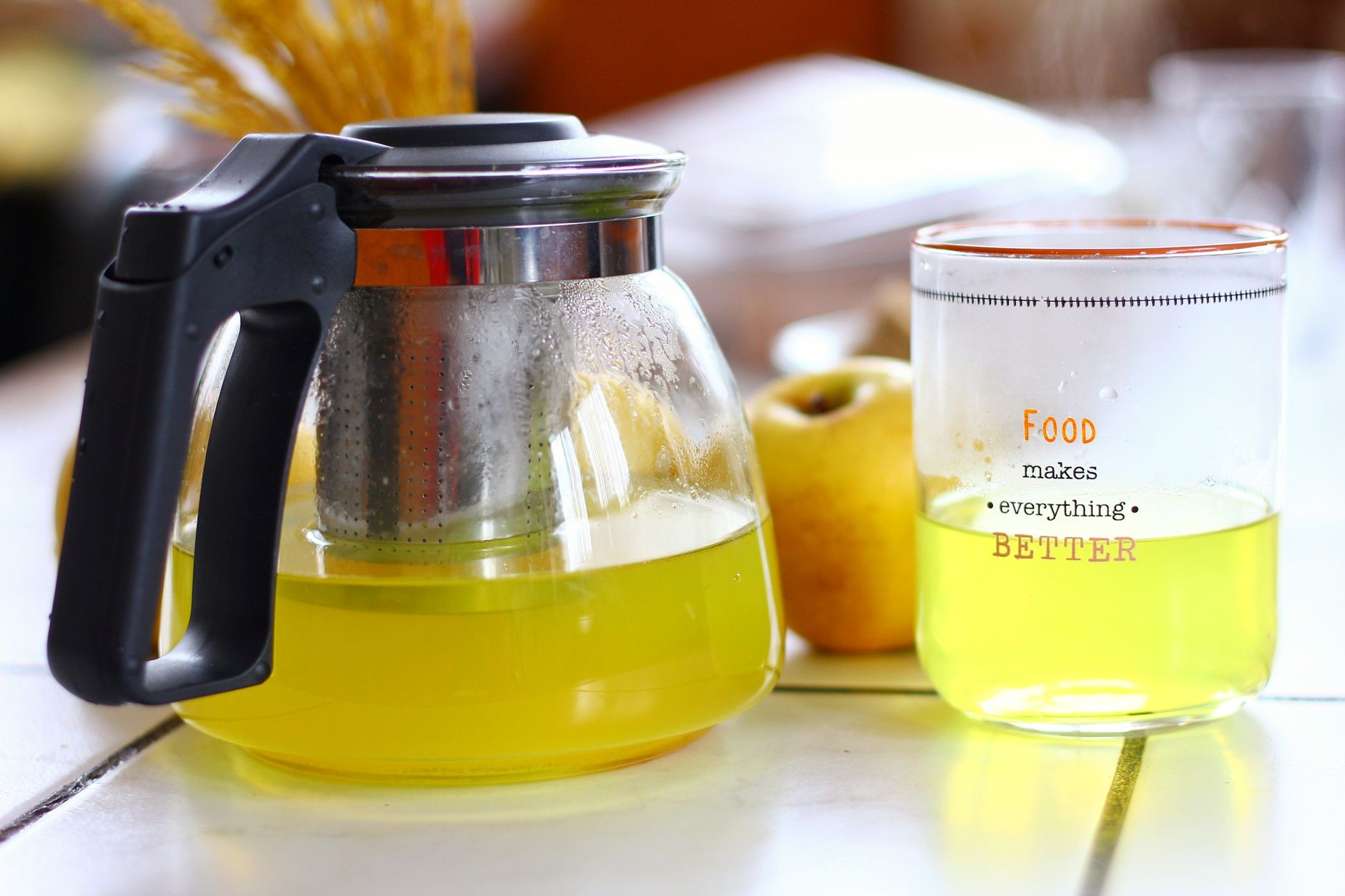
Ginger tea – Ginger’s anti‑nausea properties can also calm reflux; sip warm tea between meals.
Chamomile tea – Gentle soothing for the stomach; avoid if you have a known allergy.
Slippery elm lozenges – Forms a protective coating in the esophagus, reducing irritation.
Alkaline water – Drinking water with a pH above 8 can help neutralize stomach acid without added salts.
Apple cider vinegar diluted drink – A teaspoon of ACV mixed with a cup of water may improve digestion for some; use sparingly.
How do heartburn meds affect pregnancy‑related GERD symptoms?
Pregnancy‑related GERD stems from hormonal relaxation of the lower esophageal sphincter and pressure from the growing uterus. Antacids provide immediate, short‑term neutralization of acid, which can relieve burning sensations within minutes. H2 blockers, like famotidine, take longer to work (usually 30‑60 minutes) but last longer, making them useful for nighttime reflux. PPIs are the most potent acid suppressors and are reserved for persistent GERD that does not respond to antacids or H2 blockers.
Using heartburn meds as directed can reduce the frequency of reflux episodes, improve sleep quality, and lessen the risk of esophagitis (inflammation of the esophagus). However, chronic use of high‑dose antacids may lead to mineral imbalances, while long‑term PPI use has been associated with a slight increase in the risk of certain infections (e.g., C. difficile) in the general population. In pregnancy, the benefits of symptom control usually outweigh these risks, especially when the medication is used intermittently.
Natural options like ginger tea and alkaline water can complement or replace medications for mild heartburn.
Safe dosage / amount / brands
Below is a quick reference for common heartburn products, their typical adult dosage, and any pregnancy‑specific notes. Remember, these are general guidelines; always confirm with your obstetrician.
Product
Typical adult dose
Pregnancy note
Tums Chewy (calcium carbonate)
2‑4 chewable tablets every 4‑6 h (max 7,500 mg CaCO₃/day)
Stay below 1,200 mg total calcium from all sources.
Rolaids (calcium carbonate/magnesium hydroxide)
2 tablets every 4‑6 h (max 7,500 mg CaCO₃/day)
Watch for constipation; balance with magnesium.
Famotidine (Pepcid)
20 mg once or twice daily
Category B; safe for short‑term use.
Omeprazole (Prilosec)
20 mg once daily
Category C; use under provider guidance.
Esomeprazole (Nexium)
20 mg once daily
Category C; limited data but generally considered safe short‑term.
When choosing a brand, look for products that list clear dosage instructions and avoid “extra‑strength” formulations unless specifically recommended by your provider. The FDA’s “Pregnancy and Lactation Labeling Rule” (PLLR) requires manufacturers to provide clear safety information, so any product with a full label on the package is a good sign of compliance.
Side effects and risks
Most heartburn medications are well‑tolerated, but you should be aware of the following potential side effects:
Constipation – Common with calcium‑based antacids; counteract with increased fluid and fiber.
Diarrhea – May occur with magnesium‑based antacids or certain H2 blockers.
Gas or bloating – Some antacids contain sodium bicarbonate, which can produce carbon dioxide.
Electrolyte imbalance – Rare, but excessive aluminum or magnesium intake can affect kidney function.
Allergic reactions – Rare, but watch for rash, itching, or swelling.
If you experience any of the following, contact your provider right away: severe abdominal pain, persistent vomiting, blood in stool or vomit, sudden swelling of the face or throat, or signs of hypercalcemia such as frequent thirst, confusion, or muscle weakness.
If you notice severe side effects or persistent symptoms, contact your obstetrician promptly.
Frequently asked questions
Can I take antacids while pregnant?
Yes, you can take antacids during pregnancy as long as you stay within the recommended dosage and keep total calcium intake below 1,200 mg per day.
Are heartburn pills safe during pregnancy?
Most heartburn pills, especially calcium carbonate antacids and H2 blockers like famotidine, are considered safe for pregnancy when used as directed.
What heartburn medication is safe in the second trimester?
In the second trimester, calcium carbonate antacids (e.g., Tums), magnesium‑based antacids, and famotidine are all generally safe; PPIs may be used if prescribed.
How much Tums can I take while pregnant?
You may take up to 7,500 mg of calcium carbonate per day (about 12 standard Tums tablets), but ensure total calcium from all sources stays under 1,200 mg.
Do heartburn medications cause birth defects?
Current evidence does not link standard doses of antacids or famotidine to birth defects; however, high‑dose or unapproved use should be avoided.
Are there natural remedies for heartburn in pregnancy?
Yes—ginger tea, chamomile tea, slippery elm lozenges, alkaline water, and diluted apple cider vinegar can all help manage heartburn naturally.
Is it okay to use Pepcid during pregnancy?
Yes, Pepcid (famotidine) is classified as Category B and is generally considered safe for pregnant women when taken at the recommended dose.
When to call your doctor
If you experience any of the following, seek medical attention promptly: severe or worsening abdominal pain, persistent vomiting that leads to dehydration, blood in vomit or stool, signs of hypercalcemia (excessive thirst, confusion, muscle weakness), or an allergic reaction such as swelling, hives, or difficulty breathing. Also, if heartburn symptoms are not relieved after a few days of appropriate OTC use, or if you need to use medication for more than two weeks, contact your obstetric provider.
This article provides general information and is not a substitute for personalized medical advice. Always discuss medication use with your healthcare provider.
References
American College of Obstetricians and Gynecologists. “Management of Gastroesophageal Reflux Disease in Pregnancy.” Practice Bulletin No. 797, 2020.
National Health Service (NHS). “Heartburn and indigestion in pregnancy.” Updated 2023.
U.S. Food and Drug Administration. “Pregnancy and Lactation Labeling (PLLR) Final Rule.” 2015.
Centers for Disease Control and Prevention (CDC). “Reproductive Health: Medication Use in Pregnancy.” 2022.
Mayo Clinic. “Heartburn in pregnancy: Causes, treatment, and prevention.” Accessed July 2024.
Not sure about the label on Is Heartburn Meds Safe During Pregnancy products?
Snap the ingredients list and SafeFilter checks every ingredient for your stage — only 3 free scans this month, then you're locked until reset. Unlimited from $7/mo or $50/yr.
When Shubhra Mishra was expecting her first child in 2016, she was overwhelmed by conflicting food advice — one site said yes, another said never. By the time her second baby arrived in 2019, she realized millions of mothers face the same confusion.
That sparked a five-year journey through clinical nutrition papers, cultural diets, and expert conversations — all leading to BumpBites: a calm, compassionate space where science meets everyday motherhood.
Her long-term vision is to build a global community ensuring safe, supported, and free deliveriesfor every mother — because no woman should face pregnancy alone or uninformed. 🌿
🌍 Stand with mothers, shape safer guidance
Join a small circle of experts who review BumpBites articles so expecting parents everywhere can decide with confidence.