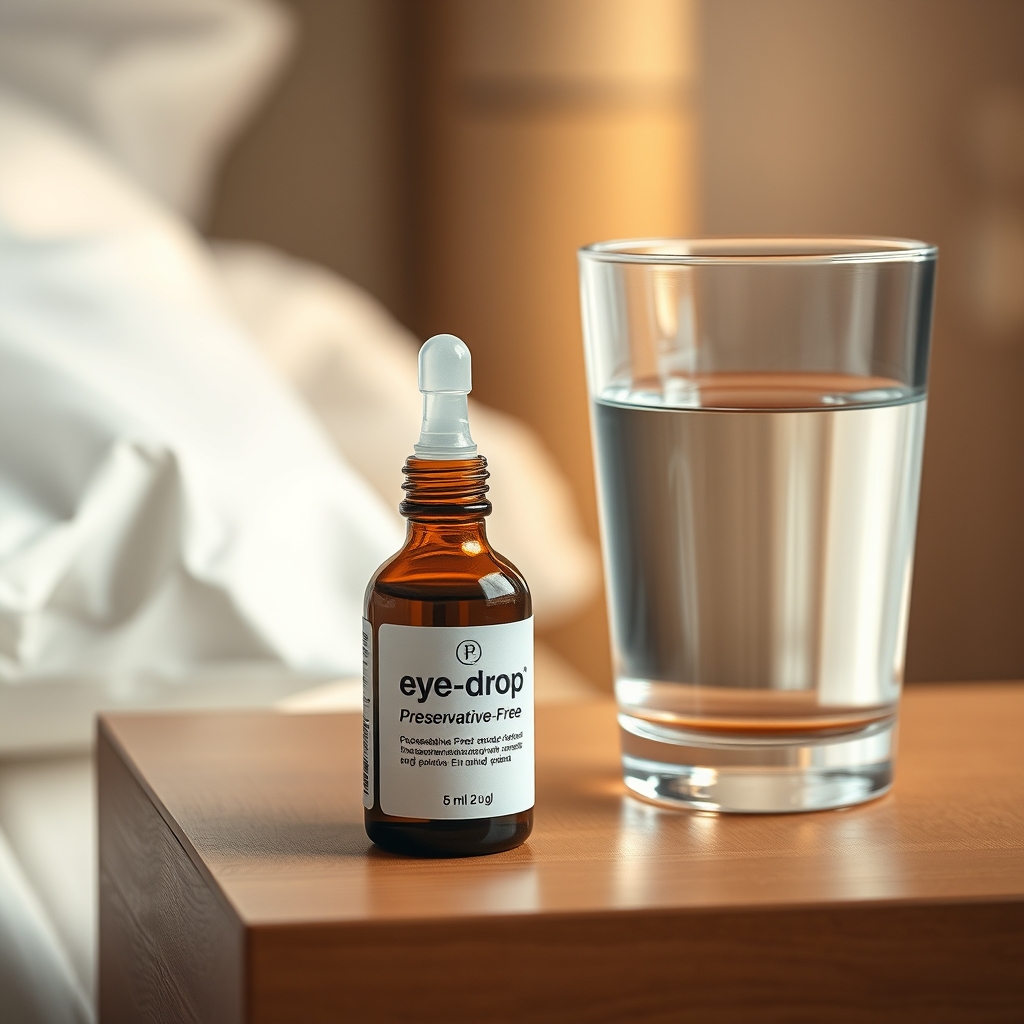
Safe: Eye drops are generally safe during pregnancy, but follow the recommended dosage to minimize risks
By Shubhra Mishra — a mom of two who turned her own confusion during pregnancy into BumpBites, a global mission to make food choices clear, safe, and stress-free for every expecting mother. 💛
Check whether any food is safe during pregnancy with the BumpBites Food Safety Checker.
Quick verdict: ⚠️ Safe with limits. Most over‑the‑counter lubricating eye drops are considered safe for pregnancy when used as directed, but certain medicated drops (e.g., steroids, antibiotics) should be used only under a provider’s guidance.
It’s 2 a.m., the bathroom light is on, and you’ve just reached for the eye‑drop bottle because your eyes feel gritty after a long day of screen time. “Are eye drops safe for pregnancy?” you wonder, heart racing. You’re not alone—many expecting parents experience that midnight pause, wondering whether a simple drop of liquid could affect the baby.
In short, eye drops safe for pregnancy are generally okay when they are preservative‑free artificial tears or simple saline solutions. However, the safety picture changes depending on the type of drop, the trimester, and any underlying eye condition you might have. Below we break down the evidence, dosage guidelines, brand recommendations, and safer alternatives so you can keep your eyes comfortable without unnecessary worry.
We’ll walk through the safety snapshot for each trimester, discuss recommended dosing, flag potential side effects, and suggest non‑medicated options that work just as well. By the end, you’ll have a clear, evidence‑based answer to the question that’s keeping you up at night.
Beyond the basics, we’ll also explore how common pregnancy‑related eye issues—like dry eye, allergic conjunctivitis, and contact‑lens irritation—interact with eye‑drop use, and we’ll give you practical tips for choosing the right product when you’re shopping in the pharmacy aisle. Whether you’re already using drops or just considering them, the information here lets you make an informed decision and, most importantly, breathe easier.
Hormonal shifts during pregnancy increase tear‑film instability, so many people notice a new “gritty” sensation or a feeling of dryness that they never had before. This is why eye‑drop questions surface more often in the second and third trimesters, when hormone levels peak. Understanding the underlying physiology helps you differentiate a normal pregnancy‑related change from a condition that truly requires medication.
Stage of pregnancy
Verdict
Notes
First trimester
⚠️ Safe with limits
Preservative‑free lubricants are fine; avoid medicated drops unless prescribed.
Second trimester
✅ Generally safe
Most OTC artificial tears are considered low‑risk.
Third trimester
✅ Generally safe
Continue with preservative‑free drops; discuss any chronic eye meds with your provider.
Breastfeeding
✅ Generally safe
Topical ocular drops have minimal systemic absorption; most are compatible with nursing.
Eye drops are liquid medications or lubricants placed directly onto the surface of the eye. They can be categorized into a few broad groups: artificial tears (lubricating drops), saline solutions (used for rinsing), antihistamine drops (for allergies), antibiotic drops (for bacterial infections), and steroid drops (for inflammation). The purpose of each varies—from simply moisturizing a dry eye to delivering a therapeutic drug that treats infection or inflammation.
Artificial tears mimic the natural tear film, reducing irritation caused by dryness, wind, or prolonged screen exposure. Saline solutions are sterile water used to flush out debris or chemicals. Antihistamine drops block histamine receptors to relieve itching and redness from allergies. Antibiotic eye drops contain agents like ciprofloxacin or erythromycin that target bacterial pathogens. Steroid eye drops contain corticosteroids that suppress inflammation but can affect intra‑ocular pressure if overused.
Because eye drops are applied locally, they generally have very low systemic absorption. This means the amount that reaches the bloodstream—and consequently the placenta—is minimal. Nonetheless, certain ingredients (e.g., preservatives like benzalkonium chloride) can cause irritation, and some drug classes (antibiotics, steroids) have theoretical risks that merit caution.
Are eye drops safe to use during each trimester of pregnancy?
Current guidance from the American College of Obstetricians and Gynecologists (ACOG) and the UK’s National Health Service (NHS) indicates that most over‑the‑counter lubricating eye drops are safe throughout pregnancy when used as directed. The key factor is the active ingredient. Preservative‑free artificial tears—such as those containing carboxymethylcellulose or hyaluronic acid—are considered low‑risk across all trimesters because they stay on the eye surface and are not absorbed in clinically relevant amounts.
Medicated drops, however, require a more nuanced approach. In the first trimester—the period of organogenesis—some obstetricians advise avoiding any medication that could theoretically interfere with fetal development unless the benefit outweighs the risk. For eye drops, this generally means reserving antibiotic or steroid formulations for cases where a clinician has diagnosed an infection or severe inflammation.
During the second and third trimesters, the placenta’s barrier function becomes more robust, and the risk of teratogenicity from topical ocular agents is even lower. Nevertheless, the FDA still recommends using the lowest effective dose of any medication during pregnancy. For eye drops, this translates to using the smallest volume and frequency necessary to achieve symptom relief.
When it comes to breastfeeding, most eye drops pose no concern. The FDA’s lactation database lists many ocular lubricants as compatible with nursing because systemic exposure is negligible. If you are prescribed an antibiotic eye drop, your provider may still advise you to monitor the infant for rare side effects, but routine use is generally acceptable.
First trimester
In the first 12 weeks, the focus is on avoiding any potential teratogen. Preservative‑free artificial tears (e.g., Refresh Tears, Systane Ultra) are considered safe. If you need an antihistamine drop for severe allergic conjunctivitis, a provider may prescribe olopatadine (the active ingredient in Zaditor) after weighing the benefits. Steroid drops (e.g., prednisolone) are typically avoided unless the inflammation threatens vision.
Second trimester
From weeks 13 to 27, the placenta’s protective role increases. Most OTC lubricants remain safe, and many clinicians feel comfortable prescribing antibiotic drops if a bacterial infection is confirmed. The key is to use the medication for the shortest duration necessary and to follow the provider’s dosing instructions closely.
Third trimester
In the final stretch (weeks 28 onward), eye‑drop safety remains consistent with earlier trimesters. However, if you develop a condition like gestational hypertension that can affect ocular pressure, your ophthalmologist may adjust treatment plans. Steroid drops are still used sparingly, but when essential for conditions such as uveitis, they can be administered under close supervision.
Breastfeeding
Most eye drops are compatible with nursing because they do not enter breast milk in measurable amounts. The American Academy of Pediatrics (AAP) lists ocular lubricants as compatible with breastfeeding. If you’re using antibiotic drops, monitor your infant for any signs of diarrhea or rash, though these are extremely rare.
Choosing preservative‑free artificial tears can reduce irritation and keep you comfortable throughout pregnancy.
What is the recommended dosage and frequency of eye drops for pregnant women?
Because eye drops are measured in drops rather than milligrams, dosing guidance focuses on the number of drops per eye and the interval between applications. For most lubricating eye drops, the FDA’s labeling recommends 1–2 drops in each eye every 2–4 hours as needed, with a maximum of 8–10 drops per day. This regimen is considered safe for pregnant users, provided the product is preservative‑free.
For medicated drops, follow the prescribing information precisely. For example, an antibiotic such as ciprofloxacin ophthalmic solution is typically dosed 1 drop every 2 hours for the first 2 days, then 4 times daily for the next 5 days. Steroid drops like prednisolone acetate might be prescribed 1 drop 4 times daily for a short course (often 7–10 days) to control inflammation.
When in doubt, start with the lowest effective frequency. If symptoms persist beyond a few days, contact your provider rather than increasing the dose on your own. Over‑use of any eye drop can lead to local irritation, blurred vision, or, in rare cases, increased intra‑ocular pressure.
Applying drops correctly also matters. Tilt your head back, pull down the lower eyelid to create a pocket, and gently squeeze the bottle without touching the tip to the eye. This helps prevent contamination and ensures the medication spreads evenly. Store eye drops in a cool, dry place and discard them after the expiration date—most multi‑dose bottles are good for 30 days after opening.
Below is a quick‑reference table that summarizes typical dosing ranges for common over‑the‑counter and prescription eye drops. Remember, your individual regimen may differ based on your provider’s recommendation.
Drop type
Typical adult dose
Maximum per day
Pregnancy note
Preservative‑free artificial tears
1–2 drops per eye
8–10 drops total
Safe; use as needed.
Saline eye wash
1–2 drops per eye
Unlimited (rinse only)
Safe; no systemic absorption.
Antihistamine drops (ketotifen)
1 drop per eye
4 drops total
Use with OB‑GYN guidance.
Antibiotic (ciprofloxacin)
1 drop every 2 hrs (initial)
4 times daily after loading phase
Prescription only; follow exact schedule.
Steroid (prednisolone acetate)
1 drop 4 times daily
4 drops total
Short‑term use under ophthalmic supervision.
Organizing your eye‑drop schedule can help you stay within safe dosing limits.
Which eye drop brands are considered safe for pregnant users?
Brand
Verdict
Notes
Refresh Tears (preservative‑free)
✅ Generally safe
Artificial tears with hyaluronic acid; minimal systemic absorption.
Systane Ultra
✅ Generally safe
Lubricating drops; contains polyethylene glycol and propylene glycol.
Antihistamine drops; generally safe but consult OB‑GYN if used frequently.
Visine (naphazoline)
❌ Best avoided
Vasoconstrictor; can affect blood flow and is not recommended in pregnancy.
When selecting a brand, look for “preservative‑free” on the label. Preservatives such as benzalkonium chloride can cause ocular surface irritation, which may be more noticeable during pregnancy when hormonal changes already affect tear production.
Some brands also offer “sensitive‑eye” formulations that use softer polymers and lower‑pH solutions, which can be gentler for pregnant users who experience increased eye dryness. If you wear contact lenses, choose drops specifically labeled as “contact‑lens safe,” as they are formulated to avoid lens deposits.
What are the potential risks and side effects of using eye drops while pregnant?
Most lubricating eye drops cause only mild, local side effects—temporary stinging, blurred vision, or a feeling of excess moisture. These are not dangerous to you or the baby. However, certain classes of eye drops carry specific risks:
Antihistamine drops (e.g., ketotifen): May cause mild systemic antihistamine effects such as drowsiness, but these are rare because systemic absorption is low.
Antibiotic drops: Generally safe, but overuse can promote bacterial resistance. In rare cases, allergic reactions may occur, presenting as swelling, itching, or rash.
Steroid drops: Prolonged use can raise intra‑ocular pressure, potentially leading to glaucoma. There is no evidence of teratogenicity, but the medication should only be used under close ophthalmic supervision.
Vasoconstrictor drops (e.g., naphazoline in Visine): Can cause systemic vasoconstriction, which is why they are discouraged in pregnancy.
Preservative‑containing drops: May irritate the ocular surface, leading to redness or a burning sensation—especially problematic when pregnancy hormones already make eyes feel dry.
If you experience any of the following, contact your provider promptly: persistent eye pain, sudden vision loss, swelling of the eyelids, or signs of an allergic reaction such as hives or difficulty breathing.
What are safe alternatives to prescription eye drops during pregnancy?
Refresh Tears (preservative‑free artificial tears) – provides moisture without medication.
Systane Ultra – lubricates and protects the ocular surface, suitable for dry‑eye symptoms.
Sterile saline solution for eye irrigation – gentle rinse for foreign bodies or mild irritants.
Warm compress for stye relief – promotes drainage without drugs.
Vaseline ophthalmic ointment for dryness – thick, long‑lasting barrier for nighttime use.
Cold compress for allergic eye irritation – reduces swelling and itching naturally.
Humidifier in the bedroom – helps keep the ocular surface hydrated, especially in dry climates.
Omega‑3‑rich foods (e.g., flaxseed, walnuts) – may improve tear quality from the inside out.
These alternatives can often replace the need for medicated drops, especially when your symptoms are mild. For example, a warm compress can help a blocked gland without the need for steroid drops, and a humidifier can lessen the dry‑eye sensation that many pregnant people report.
Can I use eye drops while wearing contact lenses during pregnancy?
Yes—provided the drops are labeled “contact‑lens safe.” Most preservative‑free artificial tears are compatible with soft lenses and can be applied without removing the lenses. However, drops that contain preservatives or vasoconstrictors can cause lens deposits or irritation, making them less suitable. If you experience persistent redness or discomfort while wearing lenses, consider switching to a preservative‑free formulation or using daily disposable lenses for the duration of your pregnancy.
Are preservative‑free eye drops safe for pregnant women with allergies?
Allergic conjunctivitis is common during pregnancy due to hormonal changes. Preservative‑free antihistamine drops (e.g., ketotifen) are generally considered safe when used under a provider’s guidance. Because systemic absorption is minimal, the risk to the fetus is low. Nevertheless, discuss the frequency of use with your OB‑GYN, especially if you need daily dosing, to ensure the benefits outweigh any theoretical risk.
Eye drops for dry eye in pregnancy
Dry‑eye symptoms affect up to 50 % of pregnant people, especially in the second and third trimesters when estrogen and progesterone levels peak. Preservative‑free artificial tears that contain hyaluronic acid (e.g., Refresh Tears) provide long‑lasting hydration and are the first‑line recommendation by ophthalmologists. If dryness persists, a nighttime ointment such as a preservative‑free ophthalmic gel can supply extra protection while you sleep.
In addition to drops, lifestyle measures—like staying hydrated, limiting caffeine, and using a humidifier—can dramatically improve comfort. Many clinicians also suggest omega‑3 supplementation (e.g., fish oil capsules) after confirming it’s safe for your specific pregnancy, because omega‑3 fatty acids support the lipid layer of the tear film.
Eye drops and contact lens wearers in pregnancy
Pregnancy can alter the fit of contact lenses due to corneal swelling, which may increase irritation. If you rely on contacts, choose drops that explicitly state “compatible with contact lenses.” Preservative‑free options reduce the risk of protein buildup that can exacerbate discomfort. Some eye‑care professionals recommend switching to daily disposables for the duration of pregnancy to avoid the need for cleaning solutions that contain preservatives.
When using drops with contacts, apply the drops, blink several times, and wait at least five minutes before re‑inserting lenses. This practice minimizes the chance of residue trapping between the lens and the eye.
Omega‑3‑rich diet – supports tear‑film health from the inside out.
Daily disposable contact lenses – eliminate the need for cleaning solutions that contain preservatives.
Prescription‑free antihistamine eye drops (ketotifen) – use under OB‑GYN guidance for allergy‑related redness.
Related items — safety at a glance
Item
Verdict
One‑line note
Zaditor (antihistamine eye drops)
⚠️ Use with provider’s guidance
Generally safe but discuss frequency with OB‑GYN.
Visine (redness‑relief eye drops)
❌ Best avoided
Contains vasoconstrictors not recommended in pregnancy.
Alrex (antibiotic eye drops)
⚠️ Use with provider’s guidance
Prescribed only for confirmed bacterial infections.
Pataday (antihistamine eye drops)
⚠️ Use with provider’s guidance
Similar to Zaditor; safe when medically indicated.
Restasis (prescription lubricating eye drops)
⚠️ Use with provider’s guidance
Ciclosporin; limited data, use only if prescribed.
Xibrom (steroid eye drops)
❌ Best avoided without supervision
Potent steroids require ophthalmic monitoring.
Pilocarpine (miotic eye drops)
⚠️ Use with provider’s guidance
Alters pupil size; only for specific ocular conditions.
Fluorescein eye drops (diagnostic)
✅ Generally safe
Used only during eye exams; minimal systemic absorption.
Mydriatic eye drops (pupil‑dilating)
⚠️ Use with provider’s guidance
Often contain tropicamide; safe for short‑term exams.
Preservative‑free lubricating eye drops
✅ Generally safe
Best overall choice for pregnancy comfort.
Myth vs. fact
Myth: All eye drops are safe because they stay on the surface of the eye. Fact: While systemic absorption is low, certain ingredients—especially vasoconstrictors and steroids—can affect blood flow or intra‑ocular pressure and should be used only under medical supervision.
Myth: You must stop using eye drops entirely once you discover you’re pregnant. Fact: Preservative‑free lubricating drops are considered safe throughout pregnancy; the key is choosing the right formulation and using them as directed.
Myth: Eye drops can cause birth defects. Fact: There is no evidence that standard over‑the‑counter eye drops cause congenital anomalies; the risk is negligible due to minimal systemic exposure.
Myth: If a drop feels irritating, it must be harmful to the baby. Fact: Temporary stinging or blurred vision is usually a local reaction and does not indicate fetal risk, but you should still discuss persistent irritation with your provider.
Key takeaways
Most preservative‑free artificial tears are safe for pregnancy across all trimesters.
Medicated drops (antibiotics, steroids) should be used only when prescribed by a healthcare professional.
Limit usage to the smallest effective amount—typically 1–2 drops per eye every few hours.
Choose brands labeled “preservative‑free” to reduce ocular irritation.
If you experience pain, vision changes, or allergic reactions, contact your provider immediately.
Safe alternatives like warm compresses, saline rinses, and Vaseline ointment can alleviate many common eye complaints without medication.
Frequently asked questions
Can I use over-the-counter eye drops while pregnant?
Yes—most OTC lubricating eye drops, especially preservative‑free formulas, are considered safe for pregnant women when used as directed.
Are there any eye drops I should avoid during pregnancy?
Eye drops that contain vasoconstrictors (e.g., naphazoline in Visine) or high‑potency steroids should be avoided unless prescribed and closely monitored by your provider.
What are the side effects of eye drops for pregnant women?
Typical side effects include temporary stinging, blurry vision, or mild irritation; serious reactions like swelling or difficulty breathing are rare but warrant immediate medical attention.
Do eye drops cross the placenta?
Systemic absorption of eye drops is minimal, and there is no evidence that they cross the placenta in amounts that could affect fetal development.
Is it safe to use eye drops for allergies during pregnancy?
Antihistamine eye drops (e.g., ketotifen) are generally safe, but you should discuss regular use with your OB‑GYN to ensure the benefits outweigh any theoretical risk.
How often can pregnant women use eye drops?
Most lubricating drops can be used 1–2 times per eye every 2–4 hours as needed, not exceeding 8–10 drops per day unless your provider advises otherwise.
Can eye drops cause birth defects?
Current evidence does not link standard over‑the-counter eye drops to birth defects; the risk is considered negligible due to low systemic exposure.
Do I need a prescription for eye drops while pregnant?
Prescription is required for antibiotic, steroid, or other medicated drops; over‑the‑counter lubricating drops are available without a prescription.
What should I do if I accidentally used a non‑preservative‑free drop?
If you notice persistent irritation, redness, or vision changes after using a preservative‑containing drop, rinse the eye with sterile saline and contact your provider for guidance.
Are there any special considerations for eye drops if I have gestational diabetes?
Gestational diabetes can increase the risk of dry eye, so preservative‑free lubricating drops are a good first‑line option; avoid drops with high‑potency steroids unless specifically prescribed.
Can I use eye drops if I have gestational hypertension?
Yes, but choose preservative‑free lubricants and avoid vasoconstrictor drops, as they could theoretically affect blood pressure; always discuss with your obstetric provider.
Will using eye drops affect my baby’s vision after birth?
There is no evidence that topical eye drops used during pregnancy impact a newborn’s vision; the medication stays on the surface of the eye and does not reach the fetus in meaningful amounts.
When to call your doctor
If you experience any of the following after using eye drops, contact your obstetric provider or ophthalmologist right away: persistent eye pain, sudden loss of vision, significant swelling of the eyelids, signs of an allergic reaction (hives, difficulty breathing), or a rapid increase in intra‑ocular pressure.
Remember, this article provides general information and is not a substitute for personalized medical advice. Always discuss any concerns or new treatments with your healthcare team.
References
American College of Obstetricians and Gynecologists (ACOG). “Medication Use in Pregnancy.” 2023.
National Health Service (NHS). “Eye Drops: What You Need to Know.” Updated 2022.
U.S. Food and Drug Administration (FDA). “Guidance for Industry: Safety of Topical Ophthalmic Products.” 2021.
Centers for Disease Control and Prevention (CDC). “Pregnancy and Medication Safety.” 2022.
World Health Organization (WHO). “Pre‑conception and Pregnancy Care Guidelines.” 2020.
Mayo Clinic. “Eye Drops: Types, Uses, and Side Effects.” Accessed July 2026.
American Academy of Pediatrics (AAP). “Breastfeeding and Medication Use.” 2022.
American Academy of Ophthalmology (AAO). “Dry Eye in Pregnancy.” 2021.
Not sure about the label on Is Eye Drops Safe During Pregnancy products?
Snap the ingredients list and SafeFilter checks every ingredient for your stage — only 3 free scans this month, then you're locked until reset. Unlimited from $7/mo or $50/yr.
When Shubhra Mishra was expecting her first child in 2016, she was overwhelmed by conflicting food advice — one site said yes, another said never. By the time her second baby arrived in 2019, she realized millions of mothers face the same confusion.
That sparked a five-year journey through clinical nutrition papers, cultural diets, and expert conversations — all leading to BumpBites: a calm, compassionate space where science meets everyday motherhood.
Her long-term vision is to build a global community ensuring safe, supported, and free deliveriesfor every mother — because no woman should face pregnancy alone or uninformed. 🌿
🌍 Stand with mothers, shape safer guidance
Join a small circle of experts who review BumpBites articles so expecting parents everywhere can decide with confidence.