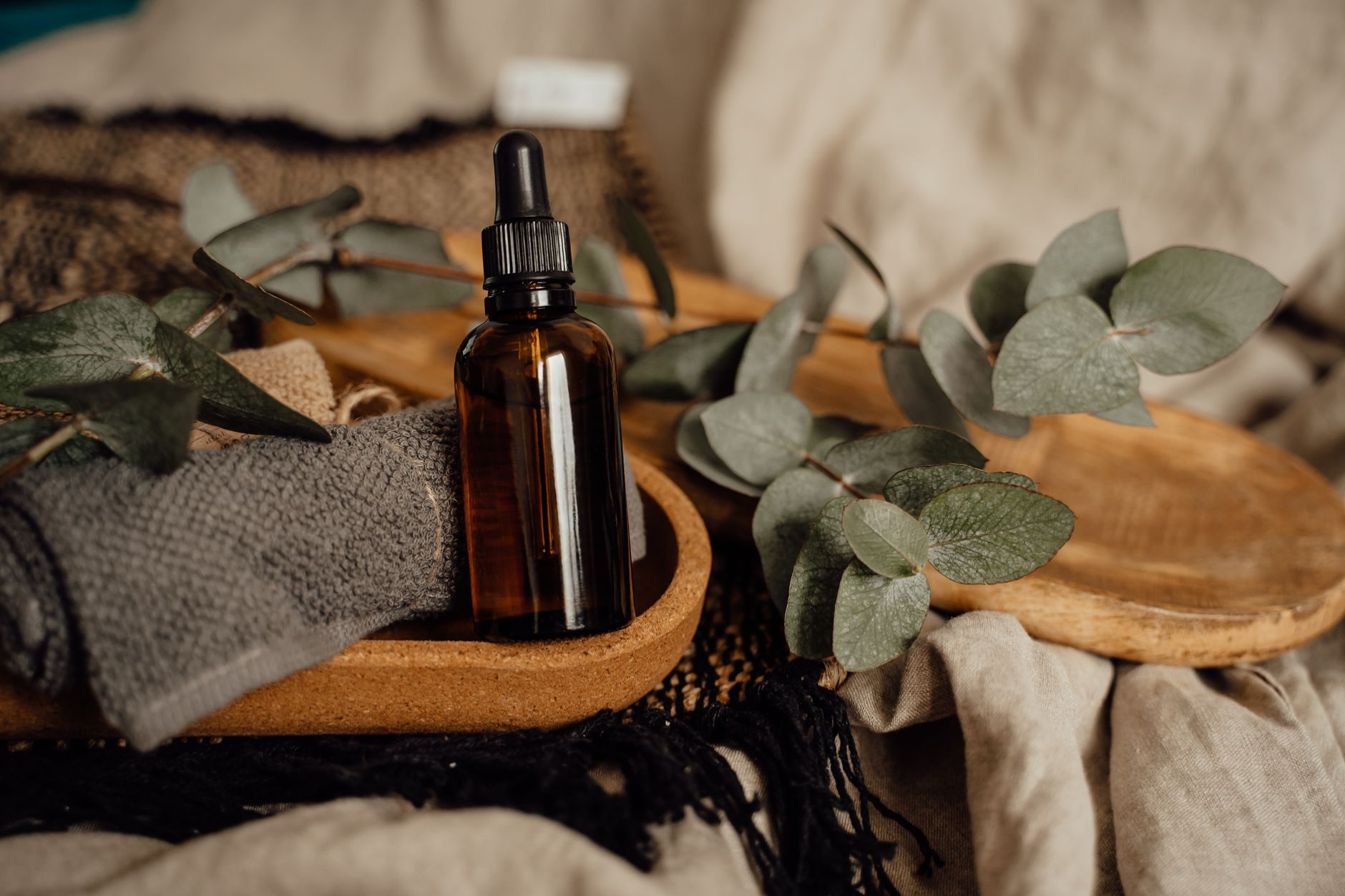
Safe: Eucalyptus is generally safe in pregnancy when limited to 2 drops per day, but avoid use in the first trimester. Check with your doctor before use.
By Shubhra Mishra — a mom of two who turned her own confusion during pregnancy into BumpBites, a global mission to make food choices clear, safe, and stress-free for every expecting mother. 💛
Check whether any food is safe during pregnancy with the BumpBites Food Safety Checker.
Quick verdict: ⚠️ Talk to your doctor first. Eucalyptus oil may be used in very limited ways during pregnancy, but it’s best to get personalized guidance, especially in the first trimester.
It’s completely normal to feel a flutter of anxiety when you discover a bottle of eucalyptus oil on your nightstand and wonder, “Is eucalyptus safe for pregnancy?” You’re not alone—many expecting parents have that 3 a.m. moment, worrying whether a soothing scent could harm their baby. The short answer is that eucalyptus oil can be used cautiously, but there are important limits, especially during early pregnancy. In this article we’ll break down the evidence, trimester‑specific guidance, safe amounts, reputable brands, potential risks, and gentler alternatives for congestion, asthma, and nausea.
We’ll also give you a quick‑look safety table, a list of safer options, and a comparison chart of related essential oils so you can make an informed decision without the stress. By the end, you’ll know exactly how to use eucalyptus oil—or whether it’s better to skip it—while keeping both you and your baby safe. Because every pregnancy is unique, we’ll point out where the science is solid, where it’s still emerging, and exactly what your obstetrician or midwife will likely advise. If you’ve already used eucalyptus oil before realizing you were pregnant, take a breath; we’ll tell you what really matters and when a quick call to your provider is the safest move.
Stage
Verdict
Notes
First trimester
⚠️ Use only under medical advice
Organ formation is most vulnerable; avoid internal use and limit topical exposure.
Second trimester
✅ Limited topical use ok
Diffusing in a well‑ventilated room at low concentration is generally considered low risk.
Third trimester
✅ Same as second trimester
Continue to avoid ingestion; monitor for uterine contractile effects.
Breastfeeding
⚠️ Consult provider
Limited data; best to err on the side of caution.
Keep the bottle out of reach of children and store it in a cool, dark place to maintain potency.
What is eucalyptus oil?
Eucalyptus oil is a concentrated essential oil distilled from the leaves of the Eucalyptus globulus tree, a fast‑growing evergreen native to Australia. The oil’s main active component, eucalyptol (also called cineole), gives it a sharp, camphor‑like scent and is responsible for many of its therapeutic properties. People use eucalyptus oil for its decongestant, anti‑inflammatory, and mild analgesic effects, often adding a few drops to a diffuser, a warm bath, or a carrier oil for topical massage.
In aromatherapy, the oil is prized for opening nasal passages and easing the feeling of “stuffy” sinuses. Topically, it can be diluted and applied to the chest or back to relieve muscle tension. However, because essential oils are highly concentrated, they can also irritate skin, trigger allergic reactions, or, at higher doses, affect the nervous system. Pregnant people must be especially careful, as the placenta does not fully protect the fetus from certain small molecules that can cross into the bloodstream.
Research on eucalyptus oil during pregnancy is limited, but existing studies focus mainly on its pharmacokinetics and potential uterine effects. A handful of animal studies have shown that very high doses of eucalyptol can induce uterine contractions, which is why clinicians advise caution. Human data are largely observational, leaving a gap that obstetricians fill with a precautionary approach.
Is eucalyptus oil safe during pregnancy?
C
urrent guidance from major health authorities suggests a cautious approach. The American College of Obstetricians and Gynecologists (ACOG) notes that “essential oils, including eucalyptus, should be used sparingly and only after consulting a health professional” because of limited safety data. The United Kingdom’s National Health Service (NHS) advises that pregnant women avoid ingesting eucalyptus oil and limit topical use to highly diluted preparations (no more than 1 % essential oil in a carrier). The U.S. Food and Drug Administration (FDA) has not approved eucalyptus oil for internal use, and the Centers for Disease Control and Prevention (CDC) highlights the potential for respiratory irritation in sensitive individuals.
Overall, the evidence indicates that eucalyptus oil is not a known teratogen, but the lack of large‑scale studies means we cannot declare it categorically safe. The most common concern is that high concentrations of eucalyptol might stimulate uterine muscle contractions, particularly in the first trimester when organogenesis is occurring. Therefore, most clinicians recommend avoiding internal use (e.g., swallowing or ingesting the oil) and keeping diffusion concentrations low.
In short, eucalyptus oil can be part of a pregnancy wellness routine if you follow strict dilution guidelines, limit exposure time, and get clearance from your obstetric provider. For many, safer alternatives such as lavender or peppermint oil provide similar relief with less uncertainty. It’s also worth noting that the safety profile may differ for people with pre‑existing respiratory conditions, so personalized medical advice is essential.
Safety by trimester
First trimester
The first 12 weeks are the period of organ formation, making the fetus most vulnerable to any potential teratogenic effects. While there is no direct evidence that eucalyptus oil causes birth defects, the theoretical risk of uterine stimulation leads most experts—including ACOG—to advise against any internal use and to limit topical applications to a 0.5 % dilution (about 5 drops of oil in 1 ounce of carrier). Diffusing in a well‑ventilated space for no more than 15 minutes at a time is generally considered acceptable, but you should still discuss it with your provider.
Because hormonal changes in early pregnancy can increase skin sensitivity, many clinicians also recommend a patch test before any broader use. If you notice any redness or itching after 24 hours, it’s best to avoid further application until you’ve spoken with your obstetrician.
Second trimester
From weeks 13 to 27, the fetus’s major organs have already formed, and the risk of teratogenicity declines. At this stage, limited topical use (up to 1 % dilution) and short‑duration diffusion are usually regarded as low risk. Some clinicians even recommend eucalyptus oil for occasional congestion relief, provided you avoid excessive exposure and keep the room well‑ventilated.
Pregnancy‑related nausea often peaks during this trimester, and a brief, low‑dose diffusion can sometimes help ease the sensation without resorting to medication. However, always prioritize proven remedies such as ginger or vitamin B6 before turning to essential oils.
Third trimester
In the final stretch of pregnancy, the main concern shifts to potential uterine irritability that could trigger premature labor. Although case reports are rare, the precautionary principle still applies: stick to low‑dose diffusion (no more than 2–3 drops in a diffuser filled with water) and avoid applying the oil directly to the abdomen.
Because the body’s circulatory volume expands dramatically in the third trimester, any substance applied topically can be absorbed more readily. This reinforces the recommendation to keep concentrations low and to monitor for any unusual uterine sensations.
Breastfeeding
Data on eucalyptus oil transfer into breast milk are limited. The American Academy of Pediatrics (AAP) advises that nursing mothers use essential oils only after confirming safety with a healthcare professional. If you choose to use the oil, keep the concentration low and monitor your baby for any signs of irritation, such as unusual fussiness or a rash.
Even when the mother tolerates the oil well, newborns have immature respiratory and skin barriers, so many pediatricians recommend avoiding strong essential oils in the immediate postpartum environment.
When diffusing, keep the room ventilated and limit sessions to 15‑20 minutes.
Is eucalyptus oil safe to use during the first trimester of pregnancy?
During the first trimester, the safest approach is to avoid ingesting eucalyptus oil entirely and to keep topical applications at a maximum 0.5 % dilution. Diffusion can be used sparingly—no more than 15 minutes in a well‑ventilated room—if your obstetrician gives the green light. If you’re already using it, pause and talk to your provider to assess any potential exposure.
Some women find that a brief, low‑dose diffusion helps relieve sinus pressure that can be exacerbated by hormonal swelling of nasal passages. Even then, keep the diffuser far from your bedside and limit exposure to avoid any inadvertent inhalation while you sleep.
Is eucalyptus oil safe for pregnancy‑related skin sensitivity?
Pregnancy hormones often make skin more reactive, and essential oils can trigger irritation even when properly diluted. A 0.5 % dilution (about 5 drops per ounce of carrier oil) is usually well‑tolerated, but if you notice any burning, redness, or itching, discontinue use immediately. Patch‑testing—applying a tiny amount of diluted oil to the inner forearm and waiting 24 hours—helps identify personal sensitivity before broader application.
For those with a history of eczema or dermatitis, it may be safer to choose a milder oil such as lavender or sweet orange, which have a lower incidence of skin reactions during pregnancy.
Can I use eucalyptus oil in a diffuser while I am pregnant?
Yes, you can diffuse eucalyptus oil during pregnancy, but only at low concentrations (2–3 drops in a standard diffuser filled with water) and for short periods (15‑20 minutes). Ensure the room is well‑ventilated and avoid prolonged exposure, especially in the first trimester. Always check with your healthcare provider before starting any new aromatherapy routine.
If you experience any headache, dizziness, or increased nasal irritation while diffusing, stop the session and ventilate the area. These symptoms are usually signs that the concentration is too high for your sensitivity.
What is the recommended dosage of eucalyptus oil for pregnant women?
For topical use, a 0.5–1 % dilution is recommended: that’s roughly 5–10 drops of eucalyptus oil mixed with 1 ounce (30 ml) of a carrier oil such as sweet almond or jojoba oil. For diffusion, limit the amount to 2–3 drops per session and keep each session under 20 minutes. Never ingest the oil, and always patch‑test a small skin area first to check for irritation.
When storing the oil, keep it in a dark glass bottle away from heat and sunlight. Proper storage preserves the oil’s integrity and reduces the risk of oxidation, which can increase skin irritation.
Are there any brands of eucalyptus oil that are considered safe for pregnancy?
When choosing a brand, look for products that are 100 % pure, therapeutic‑grade, and certified by an independent testing organization like ISO 9001 or the International Organization for Standardization. Reputable brands that often meet these criteria include:
doTERRA™ – Certified “Pure‑Therapeutic Grade” and sourced from sustainable farms.
Young Living® – Offers a “Kid‑Safe” line, though still advise consulting a provider.
Plant Therapy® – Provides third‑party GC/MS testing results on each batch.
NOW Foods® – Budget‑friendly, with a clear ingredient list and no added fillers.
Even with trusted brands, the safety of the oil depends on how you use it, not just the label. Always start with the lowest effective dose and discuss any plans with your obstetrician.
What are the potential risks and side effects of using eucalyptus oil during pregnancy?
Potential risks include skin irritation, allergic reactions, respiratory irritation, and, in rare cases, uterine muscle stimulation that could theoretically increase the chance of miscarriage or preterm labor. Common, mild side effects are:
Redness or itching at the site of application.
Headache or dizziness from strong aromas.
Throat irritation if inhaled in high concentrations.
If you experience any of the following, call your provider immediately: sudden abdominal pain, uterine cramping, vaginal bleeding, severe shortness of breath, or a rash that spreads quickly.
Long‑term, low‑dose exposure appears safe for most pregnant people, but the cumulative effect of daily diffusion has not been well studied. This uncertainty reinforces the recommendation to limit sessions and keep concentrations minimal.
What are safe alternatives to eucalyptus oil for congestion relief in pregnancy?
Lavender essential oil – gentle, soothing, and widely regarded as safe.
Peppermint essential oil – can help clear nasal passages when diluted to 0.5 %.
Ginger tea – warm beverage that reduces inflammation and eases congestion.
Chamomile tea – calming and safe for most pregnant people.
Lemon balm essential oil – mild antiviral and soothing for respiratory irritation.
Saline nasal spray – non‑medicinal, drug‑free way to moisturize nasal passages.
Steam inhalation – simple hot‑steam bowl with a few drops of lavender or peppermint.
These alternatives have been studied more extensively in pregnant populations, and many are recommended by ACOG and the NHS as first‑line options for mild congestion.
Is eucalyptus oil safe for pregnant women who have asthma?
People with asthma should be especially cautious. While some studies suggest eucalyptus oil can act as a bronchodilator, its strong scent can also trigger bronchospasm in sensitive individuals. The NHS advises that pregnant asthmatics avoid strong essential oils unless under medical supervision. If you have asthma, discuss any aromatherapy plans with your pulmonologist and obstetrician before use.
Inhalation of eucalyptus oil in a well‑ventilated space may provide temporary relief for some, but the risk of an asthma flare outweighs the modest benefit for most pregnant patients.
How does eucalyptus oil affect pregnancy‑related nausea?
Eucalyptus oil is not a first‑line remedy for nausea. Some anecdotal reports claim that inhaling a diluted scent can reduce nausea, but the evidence is limited. Safer, well‑studied options include ginger tea, peppermint oil (diluted), or lemon balm. If you choose to try eucalyptus for nausea, keep the diffusion brief and monitor for any worsening of symptoms.
Because nausea peaks in the first trimester, many clinicians suggest focusing on dietary changes and proven supplements before turning to essential oils.
Safe dosage / amount / brands
Below is a quick reference for how much eucalyptus oil is generally considered safe during pregnancy, along with brand suggestions that meet quality standards.
Application
Safe amount
Recommended brands
Notes
Topical (diluted)
0.5–1 % dilution (5–10 drops per ounce of carrier)
doTERRA, Young Living, Plant Therapy, NOW Foods
Patch‑test 24 hours before full use.
Diffusion
2–3 drops in a standard diffuser filled with water
doTERRA, Plant Therapy
Limit sessions to ≤20 minutes; ensure good ventilation.
Ingestion
❌ Not recommended
—
FDA has not approved internal use; avoid completely.
Side effects and risks
While many pregnant women tolerate low‑dose eucalyptus oil without issue, the following side effects deserve attention:
Skin irritation: Redness, itching, or a burning sensation may occur if the oil is insufficiently diluted.
Allergic reaction: Hives, swelling, or difficulty breathing indicate an allergy and require immediate medical attention.
Respiratory irritation: Cough, throat soreness, or shortness of breath can result from over‑diffusion, especially in poorly ventilated spaces.
Uterine stimulation: Though rare, high concentrations of eucalyptol might provoke uterine contractions, potentially increasing miscarriage risk in early pregnancy.
If you notice any of the above, stop using the oil right away and contact your obstetric provider. Remember, side effects are often dose‑related—using less and diluting more dramatically reduces risk. Long‑term, consistent exposure has not been studied, so err on the side of minimal use.
Safer alternatives
Lavender essential oil – calming scent, safe for diffusion and topical use when diluted to 1 %.
Saline nasal spray – drug‑free, can be used as often as needed.
Steam inhalation – simple, effective, and free of chemicals.
Each of these options has a stronger evidence base for use in pregnancy, and many are recommended by ACOG as first‑line non‑pharmacologic therapies for congestion and nausea.
Related items — safety at a glance
Item
Verdict
One‑line note
Peppermint oil
✅ Generally safe (diluted)
Effective for congestion; avoid use near abdomen.
Lavender oil
✅ Generally safe (diluted)
Calming and low irritation risk.
Tea tree oil
⚠️ Use with caution
Potential skin irritation; limit diffusion.
Rosemary oil
⚠️ Talk to doctor
May stimulate uterine activity in high doses.
Cinnamon oil
❌ Best avoided
High irritation risk; not recommended for pregnancy.
Clove oil
❌ Best avoided
Strong irritant; can cause uterine contractions.
Geranium oil
✅ Generally safe (diluted)
Gentle scent; low risk when used properly.
Sweet orange oil
✅ Generally safe (diluted)
Uplifting and low irritation potential.
Myth vs. fact
Myth: Eucalyptus oil can cure a cold in pregnant women.
Fact: While eucalyptus may temporarily ease nasal congestion, it does not treat underlying infections and should be used only in low concentrations during pregnancy.
Myth: All essential oils are safe because they’re “natural.”
Fact: “Natural” does not equal “risk‑free.” Essential oils are highly concentrated plant extracts and can cause irritation, allergic reactions, or uterine stimulation if misused.
Myth: If a friend used eucalyptus oil without problems, it’s safe for you too.
Fact: Individual sensitivities vary, and pregnancy introduces unique physiological changes; always seek personalized medical advice.
Myth: Eucalyptus oil can be used in any amount once diluted.
Fact: Even diluted, the amount and duration matter; excessive diffusion or topical application can still cause irritation or uterine effects.
Eucalyptus oil and skin sensitivity during pregnancy
Pregnancy hormones can heighten skin reactivity, making it easier for essential oils to cause irritation. A 0.5 % dilution is usually well‑tolerated, but if you have a history of eczema, rosacea, or allergic dermatitis, start with an even milder concentration (0.25 %) and perform a patch test. If any redness, itching, or burning appears, discontinue use and discuss alternative soothing methods with your provider.
Choosing a carrier oil that is also pregnancy‑friendly—such as sweet almond, jojoba, or fractionated coconut—helps buffer the oil’s potency and reduces the chance of skin reactions.
Eucalyptus oil and hormonal changes during pregnancy
The surge of estrogen and progesterone in pregnancy can affect how the body metabolizes volatile compounds like eucalyptol. Some research suggests that these hormones may increase the skin’s permeability, which means more of the active ingredient can be absorbed even at low concentrations. This is another reason why clinicians advise the most conservative dosing possible, especially in the first trimester.
Conversely, the same hormonal environment can cause nasal mucosa swelling, making congestion more pronounced. In such cases, a short, low‑dose diffusion may provide symptomatic relief without compromising safety, as long as you stay within the recommended limits.
When used in a prenatal massage, keep eucalyptus oil diluted and avoid the belly area.
Key takeaways
✅ Eucalyptus oil can be used in pregnancy only in very low, diluted amounts and for short diffusion sessions.
⚠️ Avoid ingestion and keep topical concentrations at 0.5–1 %.
🩺 Always discuss any essential‑oil use with your obstetric provider, especially in the first trimester.
🔄 Safer alternatives like lavender, peppermint, ginger tea, and saline nasal spray provide similar relief with less uncertainty.
❗ If you notice skin irritation, respiratory distress, abdominal cramping, or bleeding, stop using the oil and call your doctor immediately.
💡 Patch‑test diluted oil before broader use, and keep diffusion sessions under 20 minutes in a well‑ventilated room.
Frequently asked questions
Can pregnant women use eucalyptus oil?
Yes, but only in highly diluted forms (0.5–1 % for skin) or low‑dose diffusion (2–3 drops) after getting clearance from your healthcare provider.
What are the side effects of eucalyptus oil during pregnancy?
Common side effects include skin irritation, headache, and mild respiratory discomfort; serious concerns are uterine cramping or allergic reactions that require medical attention.
Is it safe to diffuse eucalyptus oil while pregnant?
Diffusing is generally safe when limited to 2–3 drops in a well‑ventilated room for no more than 15‑20 minutes per session, especially after the first trimester.
How much eucalyptus oil is safe for a pregnant woman?
For topical use, a 0.5–1 % dilution (5–10 drops per ounce of carrier oil) is considered safe; for diffusion, 2–3 drops per session is the typical recommendation.
Are there any brands of eucalyptus oil that are safe for pregnancy?
Reputable, therapeutic‑grade brands such as doTERRA, Young Living, Plant Therapy, and NOW Foods meet quality standards, but safety still depends on proper dilution and medical guidance.
Can eucalyptus oil cause miscarriage?
There is no definitive evidence linking eucalyptus oil to miscarriage, but because high concentrations might stimulate uterine muscles, most clinicians advise avoiding internal use and limiting topical exposure in early pregnancy.
What are safe alternatives to eucalyptus oil for congestion in pregnancy?
Consider lavender, peppermint, sweet orange essential oils (all diluted), ginger or chamomile tea, saline nasal spray, or simple steam inhalation as low‑risk options.
Is it safe to use eucalyptus oil around newborns?
Newborns have very sensitive respiratory systems; most experts, including the AAP, recommend avoiding strong essential oils like eucalyptus around infants, especially in enclosed spaces.
Can I use eucalyptus oil in a prenatal yoga class?
If the studio uses a diffuser, ensure the concentration is low (2–3 drops total) and that the room is well‑ventilated. Always check with your instructor and provider before joining a class that uses aromatherapy.
Can I apply eucalyptus oil after a C‑section?
After a C‑section, the incision site is still healing, and strong essential oils can irritate the skin. It’s best to avoid topical eucalyptus until your surgeon clears you, and stick to mild oils like lavender if needed.
Is eucalyptus oil safe for use in a pregnancy pillow?
Pregnancy pillows often have removable covers that can be lightly scented. If you wish to add scent, use only a single drop of heavily diluted eucalyptus oil on the fabric and ensure the pillow is aired out before sleeping. However, many clinicians recommend using fragrance‑free pillows to eliminate any risk.
When to call your doctor
If you experience any of the following after using eucalyptus oil, contact your obstetric provider right away:
Sudden abdominal pain or uterine cramping.
Vaginal bleeding or spotting.
Severe shortness of breath, wheezing, or chest tightness.
Rapid spreading rash or hives.
Persistent headache, dizziness, or nausea that worsens.
These symptoms could signal a reaction that needs professional evaluation. This article provides general information and is not a substitute for personalized medical advice.
References
American College of Obstetricians and Gynecologists (ACOG). “Use of Complementary and Alternative Medicine in Pregnancy.” 2023.
National Health Service (NHS). “Essential oils and pregnancy.” Updated 2022.
U.S. Food and Drug Administration (FDA). “Essential Oils: Use and Safety.” 2021.
Centers for Disease Control and Prevention (CDC). “Pregnancy and Aromatherapy.” 2022.
Mayo Clinic. “Essential oils: Safety during pregnancy.” Accessed July 2024.
World Health Organization (WHO). “Guidelines for Safe Use of Aromatherapy Products.” 2020.
American Academy of Pediatrics (AAP). “Guidance on Essential Oil Use for Nursing Mothers.” 2023.
International Organization for Standardization (ISO). “ISO 9001 Quality Management Systems.” 2022.
Not sure about the label on Is Eucalyptus Safe During Pregnancy products?
Snap the ingredients list and SafeFilter checks every ingredient for your stage — only 3 free scans this month, then you're locked until reset. Unlimited from $7/mo or $50/yr.
When Shubhra Mishra was expecting her first child in 2016, she was overwhelmed by conflicting food advice — one site said yes, another said never. By the time her second baby arrived in 2019, she realized millions of mothers face the same confusion.
That sparked a five-year journey through clinical nutrition papers, cultural diets, and expert conversations — all leading to BumpBites: a calm, compassionate space where science meets everyday motherhood.
Her long-term vision is to build a global community ensuring safe, supported, and free deliveriesfor every mother — because no woman should face pregnancy alone or uninformed. 🌿
🌍 Stand with mothers, shape safer guidance
Join a small circle of experts who review BumpBites articles so expecting parents everywhere can decide with confidence.