Safe: Elderberry is generally safe for pregnancy when limited to 1‑2 teaspoons (≈5‑10 g) daily after the first trimester; avoid high‑dose extracts or supplements
By Shubhra Mishra — a mom of two who turned her own confusion during pregnancy into BumpBites, a global mission to make food choices clear, safe, and stress-free for every expecting mother. 💛
Check whether any food is safe during pregnancy with the BumpBites Food Safety Checker.
Quick verdict: ⚠️ Talk to your doctor first. While elderberry is a popular immune support supplement, there is insufficient research on its safety during pregnancy, leading most healthcare providers to recommend caution or avoidance.
That familiar tickle in your throat, the first sign of a cold, can be extra stressful when you’re pregnant. You want to feel better quickly, but suddenly every natural remedy or over-the-counter option comes with a big question mark: "Is it safe for my baby?" If you've found yourself staring at an elderberry syrup bottle, wondering if it's okay to take for immune support, you're not alone. Many expecting parents ask about elderberry safe for pregnancy, given its popularity as a natural cold and flu fighter.
At BumpBites, we understand this worry. The truth about elderberry during pregnancy is that while it's generally considered safe for the non-pregnant population when properly prepared, there's a significant lack of specific, high-quality research on its effects in pregnant individuals. This absence of data means that most obstetricians and health organizations advise caution.
In this comprehensive guide, we'll break down everything you need to know about elderberry and pregnancy, from its potential risks and the current scientific understanding to trimester-specific advice and, most importantly, safer alternatives to help you feel your best. Our goal is to empower you with clear, evidence-based information so you can make informed decisions with your healthcare provider.
Always check with your doctor before taking any new supplement, including elderberry, during pregnancy.
Elderberry Safety Snapshot During Pregnancy
Here’s a quick overview of elderberry safety across different stages of pregnancy and breastfeeding:
Stage
Verdict
Notes
First Trimester
⚠️ Talk to your doctor first / Generally avoid
Critical period for fetal development; insufficient safety data means high caution is advised.
Second Trimester
⚠️ Talk to your doctor first / Generally avoid
Continued lack of specific safety studies, making avoidance the safest approach for many.
Third Trimester
⚠️ Talk to your doctor first / Generally avoid
No specific safety data for late pregnancy. Potential for immune modulation could be a concern.
Breastfeeding
⚠️ Talk to your doctor first / Generally avoid
Insufficient research on whether compounds pass into breast milk and their effects on infants.
What is Elderberry?
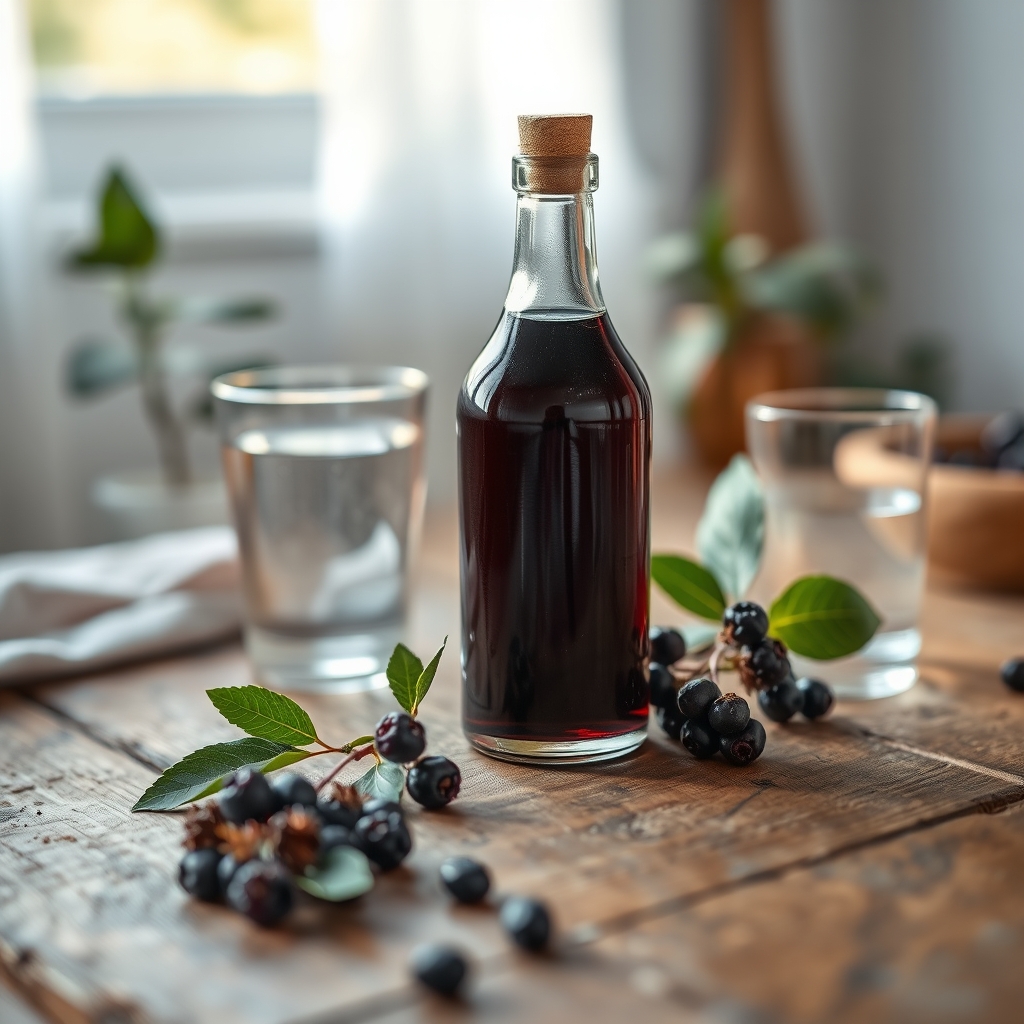
Elderberry, derived from the *Sambucus nigra* plant (also known as European elder or black elder), has a long history of use in traditional medicine, particularly for treating colds, flu, and other respiratory ailments. The berries and flowers of the elderberry plant are packed with antioxidants, especially anthocyanins, which are believed to give elderberry its immune-boosting and anti-inflammatory properties.
You'll commonly find elderberry in various forms, including syrups, lozenges, teas, capsules, and gummies. It's often marketed as a natural way to support the immune system and shorten the duration of cold and flu symptoms. However, it's crucial to understand that raw or unripe elderberries, as well as the bark, leaves, and roots of the plant, contain compounds called cyanogenic glycosides, which can produce cyanide and be toxic if consumed. This is why elderberry products are typically made from cooked and processed berries or flowers, which neutralize these harmful compounds.
While many people swear by elderberry's effectiveness, it's important to differentiate between anecdotal evidence and scientifically rigorous studies, especially when considering its use during pregnancy. The way elderberry works is thought to involve its ability to inhibit viral replication and boost immune cell activity, but these mechanisms haven't been thoroughly studied in pregnant populations.
Is Elderberry Safe During Pregnancy?
When it comes to whether elderberry is safe for pregnancy, the most honest answer from a medical standpoint is: **we don't know for sure, and therefore, caution is advised.** Major health organizations, including the American College of Obstetricians and Gynecologists (ACOG), the UK's National Health Service (NHS), and the Centers for Disease Control and Prevention (CDC), generally recommend avoiding herbal supplements during pregnancy unless specifically approved by your healthcare provider. This recommendation stems from the critical lack of robust, controlled studies on elderberry's safety and efficacy in pregnant individuals.
Unlike prescription medications and many over-the-counter drugs, herbal supplements like elderberry are not regulated by the U.S. Food and Drug Administration (FDA) in the same stringent way. This means there's less oversight on product purity, potency, and potential contaminants. For an anxious pregnant person, this lack of regulation adds another layer of uncertainty, making it difficult to trust that what's on the label is exactly what's in the bottle, or that it's free from substances that could be harmful during pregnancy.
The compounds in elderberry that modulate the immune system are generally considered beneficial. However, pregnancy involves complex immune system changes to protect the fetus. Introducing a substance that actively stimulates or alters this delicate balance without clear safety data raises theoretical concerns. For these reasons, most obstetricians err on the side of caution, recommending that you discuss any herbal supplement, including elderberry, with your doctor before use. In many cases, they may advise against it, suggesting safer, evidence-backed alternatives instead.
Is elderberry safe to consume during the first trimester of pregnancy?
The first trimester is a period of rapid and critical development for your baby, including the formation of all major organs. Because of this, it's considered the most vulnerable time for exposure to substances that could potentially cause harm, known as teratogens—substances that can cause birth defects. Due to the complete lack of specific research on elderberry's effects during the first trimester, most healthcare providers strongly advise against its use. Without clear evidence that elderberry is safe for pregnancy during this crucial window, the potential, even if theoretical, risks outweigh any unproven benefits.
Is elderberry safe to consume during the second trimester of pregnancy?
While the initial organogenesis phase is complete by the second trimester, your baby continues to grow and develop rapidly. The lack of human studies specifically evaluating elderberry safety in the second trimester means that medical guidance remains cautious. There's simply no data to confirm that elderberry compounds don't cross the placenta or that they wouldn't have any subtle, long-term effects on fetal development or the pregnancy itself. Therefore, similar to the first trimester, it's generally recommended to avoid elderberry unless your doctor specifically advises otherwise after a thorough discussion of your individual health circumstances.
Is elderberry safe to consume during the third trimester of pregnancy?
As you near your due date in the third trimester, concerns shift towards potential impacts on labor, delivery, and the baby's transition to the outside world. Again, there are no studies that have looked at elderberry safe for pregnancy during this stage. While some might argue that the risks are lower compared to the first trimester, the immune-modulating properties of elderberry, combined with the general lack of data, mean that caution is still the prevailing advice. It's always best to stick to medications and remedies with established safety profiles during this final stage of pregnancy.
Is elderberry safe during breastfeeding?
The question of elderberry safety extends to the postpartum period for those who are breastfeeding. Just like during pregnancy, there's a significant lack of research on whether elderberry compounds pass into breast milk and, if so, what effects they might have on a nursing infant. Because a baby's immune system and digestive system are still developing, exposing them to unknown herbal compounds via breast milk is generally not recommended without clear medical guidance. If you are breastfeeding and considering elderberry, it's crucial to consult with your doctor or a lactation consultant first.
How much elderberry can a pregnant woman safely take each day?
This is a critical question with a straightforward answer: **there is no established safe dosage of elderberry for pregnant women.** Because of the insufficient research on elderberry safe for pregnancy, medical experts cannot provide specific dosage recommendations. Any amount of elderberry, whether in syrup, capsule, or tea form, carries the same level of uncertainty regarding its safety during pregnancy.
Herbal supplements, including elderberry, are not standardized like pharmaceutical drugs. This means the concentration of active compounds can vary significantly between brands and even between different batches of the same product. This variability makes it even harder to determine a "safe" amount, even if general guidance were available. Without clear scientific evidence, the safest approach is to avoid elderberry products altogether during pregnancy, or to use them only under the direct, explicit supervision and recommendation of your obstetrician.
Are there any elderberry supplement brands that are safe for pregnancy?
Given the overall lack of safety data for elderberry during pregnancy, **no specific elderberry supplement brand can be definitively labeled as "pregnancy-safe."** While many reputable brands produce high-quality elderberry products, their safety during pregnancy has not been specifically tested or verified. The issue lies with the ingredient itself and the absence of pregnancy-specific research, not necessarily with the quality of a particular brand.
If, after a thorough discussion with your doctor, they recommend a specific elderberry product (which is rare), they might suggest looking for brands that:
Are third-party tested for purity and potency (e.g., by USP, NSF, ConsumerLab.com).
Have clear ingredient lists without unnecessary additives.
Are free from raw elderberry components.
However, even with these quality assurances, the fundamental concern about the lack of pregnancy-specific safety data for elderberry remains. It’s always best to prioritize alternatives with established safety profiles.
Side Effects and Risks of Elderberry During Pregnancy
While elderberry is generally well-tolerated by the non-pregnant population, there are potential side effects and theoretical risks to consider, especially during pregnancy:
Gastrointestinal Issues: Consuming raw or improperly prepared elderberries can cause nausea, vomiting, and severe diarrhea due to the cyanogenic glycosides they contain. While commercial products are typically processed to remove these, there's always a theoretical risk of inadequate processing or contamination.
Lack of Research on Fetal Effects: The primary risk during pregnancy is the unknown. Without studies, we don't know if elderberry compounds can cross the placenta, what effects they might have on fetal development, or if they could influence pregnancy outcomes.
Immune System Modulation: Elderberry is known for its immune-stimulating properties. While this is generally beneficial, pregnancy involves a finely tuned immune system balance. Altering this balance without clear understanding could theoretically pose risks, especially for individuals with autoimmune conditions or those on immunosuppressants.
Interactions with Medications: Elderberry might interact with certain medications, such as immunosuppressants or diuretics. If you're on any prescription medications during pregnancy, it's crucial to discuss potential interactions with your doctor.
Allergic Reactions: As with any botanical product, allergic reactions are possible, though rare. Symptoms could include skin rash, difficulty breathing, or swelling.
Quality Control Concerns: As mentioned, herbal supplements are not as strictly regulated as medications. This means there's a risk of products containing contaminants, incorrect dosages, or other ingredients not listed on the label, which could be particularly concerning during pregnancy.
It's important to differentiate between proven risks and theoretical concerns due to lack of data. For elderberry safe for pregnancy, most risks fall into the latter category, underscoring the need for extreme caution.
What are the risks of drinking elderberry juice while pregnant?
Drinking elderberry juice during pregnancy carries similar considerations to other elderberry products. If the juice is made from properly cooked and pasteurized elderberries, the risk of toxicity from cyanogenic glycosides is minimal. However, the fundamental concern remains the lack of specific research on the overall safety of elderberry compounds for pregnant women and their developing babies. Even in juice form, elderberry still contains the active compounds that may modulate the immune system, and their effects during pregnancy are unknown. Therefore, the same cautious approach—consulting your doctor or opting for safer alternatives—applies to elderberry juice.
Should I avoid elderberry if I have gestational diabetes?
If you have gestational diabetes, exercising caution with elderberry is even more important. While some studies in non-pregnant individuals suggest elderberry might have some effects on blood sugar regulation, these findings are not conclusive, and more importantly, they have not been studied in the context of gestational diabetes. Introducing any substance that could potentially impact blood sugar levels without clear medical guidance could complicate the management of your condition. Therefore, if you have gestational diabetes, it is strongly recommended to avoid elderberry and discuss any immune support or cold remedies with your healthcare provider to ensure they are safe and won't interfere with your blood sugar management plan.
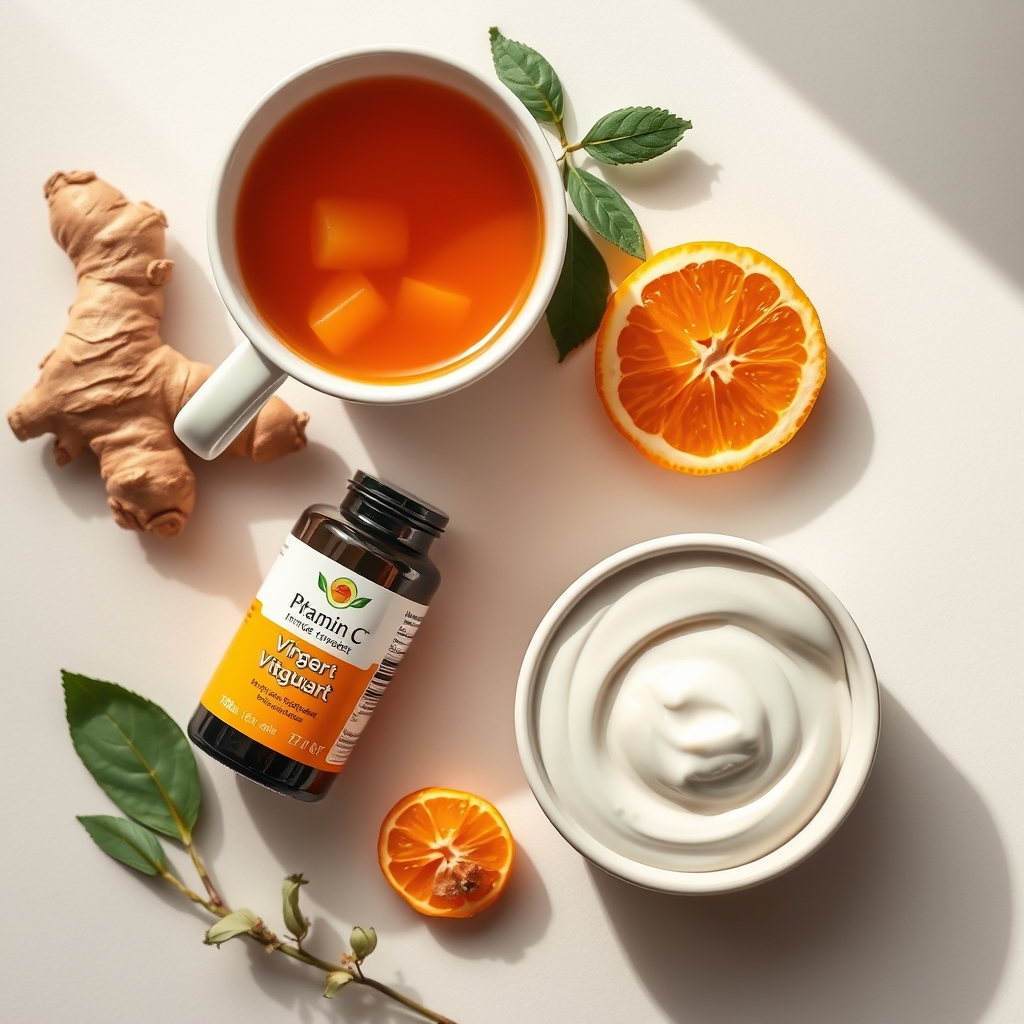
Many safe and effective alternatives exist for immune support during pregnancy.
What are safe alternatives to elderberry for boosting immunity in pregnancy?
The good news is that there are many safe, evidence-backed alternatives you can turn to for immune support and symptom relief during pregnancy. These options have a clearer safety profile and are often recommended by obstetricians:
Cranberry Juice: Generally safe and often recommended for preventing urinary tract infections (UTIs) during pregnancy, which can sometimes trigger other immune responses. Opt for unsweetened or low-sugar varieties.
Vitamin C Tablets: Essential for immune function and widely considered safe in recommended dosages (typically 500-1000 mg per day for immune support, but confirm with your doctor). It’s also found abundantly in citrus fruits, bell peppers, and strawberries.
Zinc Lozenges: Zinc is crucial for immune health. Lozenges can help shorten the duration of a cold. Ensure the dosage is within safe limits for pregnancy (typically around 15-25 mg per day for short-term cold use, but consult your doctor).
Chamomile Tea: Known for its calming properties, chamomile tea can help with sleep and relaxation, which are vital for immune health. Generally safe in moderation during pregnancy.
Ginger Tea: An excellent, well-researched remedy for nausea and morning sickness, ginger also has anti-inflammatory properties that can support overall wellness. Fresh ginger steeped in hot water is a simple and effective choice.
Orange Juice: A natural source of Vitamin C and hydration, orange juice is a delicious and safe way to boost your immune system.
Apple Cider Vinegar: Diluted apple cider vinegar can be used for various purposes, including soothing a sore throat. It's safe in moderation when diluted.
Probiotic Yogurt: Supports gut health, which is directly linked to immune function. Look for yogurts with live and active cultures.
Plenty of Rest and Hydration: Often overlooked, adequate sleep and staying well-hydrated are fundamental pillars of a strong immune system, especially during pregnancy.
Related Items – Safety at a Glance
Many berries and botanicals are often grouped together. Here's a quick look at the safety of some related items during pregnancy:
Item
Verdict
Notes
Blackberry
✅ Generally safe
Excellent source of vitamins and fiber; safe to eat in moderation as part of a balanced diet.
Blueberry
✅ Generally safe
Rich in antioxidants and vitamins; a healthy and safe snack during pregnancy.
Goji Berries
⚠️ Limited data
Safe in typical food amounts; avoid concentrated supplements due to lack of specific pregnancy research.
Acai Berries
⚠️ Limited data
Safe in typical food amounts (e.g., in smoothies); concentrated supplements should be avoided.
Rosehip
⚠️ Talk to your doctor first
Rosehip tea in moderation is generally considered safe, but supplements lack sufficient pregnancy data.
Cranberry
✅ Generally safe
Especially cranberry juice, often recommended for UTI prevention; safe in fruit form.
Cherry
✅ Generally safe
Good source of antioxidants; safe to eat in moderation.
Rhubarb
⚠️ Safe with limits
Safe in cooked forms and moderation; raw rhubarb leaves are toxic and should be avoided.
Myth vs. Fact
Myth vs. fact about elderberry and pregnancy
Here are a few common misconceptions about elderberry and pregnancy:
Myth: Because elderberry is a "natural" herb, it must be safe during pregnancy.
Fact: The term "natural" does not automatically equate to "safe," especially during pregnancy. Many natural substances can have potent physiological effects, and without specific safety studies in pregnant populations, their impact on a developing fetus or the course of pregnancy remains unknown. Always consult your doctor before taking any natural remedy.
Myth: If an elderberry product is sold over-the-counter, it means it's approved by the FDA and safe for everyone, including pregnant women.
Fact: In the U.S., herbal supplements like elderberry are regulated differently from drugs. The FDA does not review most supplements for safety and effectiveness before they are marketed. This means the manufacturer is responsible for ensuring safety, but the product doesn't undergo the rigorous testing required for medications, which includes specific studies on pregnant women. Therefore, OTC availability does not imply pregnancy safety.
Myth: I took elderberry before I knew I was pregnant, so now I should be worried.
Fact: If you've already taken elderberry before realizing you were pregnant, take a deep breath. Many people consume various substances before a positive pregnancy test. The most important step is to stop taking it now and discuss it with your doctor. Most exposures during the very early stages, especially before implantation, are unlikely to cause significant harm. Your doctor can assess your individual situation and reassure you.
Always consult trusted medical sources and your healthcare provider for pregnancy health decisions.
Key Takeaways
Consult Your Doctor First: Due to a significant lack of research on elderberry safe for pregnancy, always speak with your obstetrician or healthcare provider before taking any elderberry product.
Insufficient Safety Data: There are no robust studies confirming elderberry's safety for pregnant or breastfeeding individuals across any trimester.
No Established Safe Dosage: Without scientific evidence, no specific safe amount of elderberry can be recommended during pregnancy.
Prioritize Evidence-Based Alternatives: Many safer, well-researched alternatives exist for immune support, such as Vitamin C, zinc, ginger, and adequate rest and hydration.
Be Wary of "Natural" Claims: Just because a product is natural doesn't mean it's safe during pregnancy; herbal supplements lack the rigorous testing of pharmaceuticals.
Discontinue Use if Concerned: If you've already taken elderberry and are worried, stop using it and contact your doctor for personalized advice.
Frequently Asked Questions
Can I take elderberry supplements while pregnant?
Generally, it's not recommended to take elderberry supplements while pregnant. This is primarily due to the insufficient scientific research available to confirm their safety for both the pregnant person and the developing baby. Most healthcare providers advise caution and suggest avoiding herbal supplements without explicit medical guidance.
What are the side effects of elderberry during pregnancy?
While specific side effects during pregnancy haven't been studied, general side effects of elderberry can include nausea, vomiting, and diarrhea, especially if raw or improperly prepared berries are consumed. The main concern in pregnancy is the unknown impact on fetal development and the potential for immune system modulation without clear safety data.
Is elderberry juice safe for pregnant women?
Elderberry juice, if made from properly cooked and pasteurized berries, mitigates the risk of toxicity from raw elderberries. However, similar to other elderberry products, there's a lack of specific research on its overall safety during pregnancy. It's best to consult your doctor before consuming elderberry juice, particularly in concentrated forms.
How much elderberry is too much during pregnancy?
There is no established safe limit or dosage for elderberry during pregnancy. Due to the lack of specific safety data, any amount of elderberry is considered too much without explicit approval and guidance from your healthcare provider. The safest approach is to avoid it entirely or opt for known pregnancy-safe alternatives.
Are there any pregnancy-safe elderberry brands?
No specific elderberry brand is universally recognized as "pregnancy-safe." The safety concerns stem from the elderberry ingredient itself and the absence of pregnancy-specific research, not necessarily from individual brand quality. Even high-quality, third-party tested brands cannot guarantee safety during pregnancy without specific clinical trials.
Does elderberry cause any complications in the third trimester?
There is no scientific evidence to suggest that elderberry causes specific complications in the third trimester. However, this absence of evidence is not the same as evidence of safety. The lack of studies means potential risks, including those related to immune system changes or interactions with labor, are unknown, leading to a recommendation for caution.
Can elderberry help prevent colds in pregnancy?
While some studies suggest elderberry may help boost immunity and shorten the duration of colds in the general population, these findings have not been specifically replicated or proven safe for pregnant individuals. Without dedicated research, we cannot confirm elderberry's effectiveness or safety for preventing colds during pregnancy.
Is it safe to use elderberry syrup for a pregnant partner?
If you are asking about a partner who is *not* pregnant, elderberry syrup is generally considered safe for non-pregnant adults when used according to package directions for general immune support. However, this article focuses on pregnancy safety. If your partner *is* pregnant, then the answer is no, as discussed throughout this article.
When to Call Your Doctor
Always prioritize open communication with your healthcare provider during pregnancy. You should call your doctor or midwife immediately if:
You experience any adverse reactions after consuming elderberry, such as severe nausea, vomiting, diarrhea, dizziness, or allergic symptoms like rash or difficulty breathing.
You develop cold or flu symptoms and are concerned about managing them safely during pregnancy.
You have any questions or concerns about elderberry or any other supplement you are considering taking.
You are currently taking elderberry and wish to discuss stopping it or finding safer alternatives.
Remember, this information is for educational purposes only and is not a substitute for professional medical advice, diagnosis, or treatment. Always seek the advice of your physician or other qualified health provider with any questions you may have regarding a medical condition.
References
American College of Obstetricians and Gynecologists (ACOG). acog.org
Not sure about the label on Is Elderberry Safe During Pregnancy products?
Snap the ingredients list and SafeFilter checks every ingredient for your stage — only 3 free scans this month, then you're locked until reset. Unlimited from $7/mo or $50/yr.
When Shubhra Mishra was expecting her first child in 2016, she was overwhelmed by conflicting food advice — one site said yes, another said never. By the time her second baby arrived in 2019, she realized millions of mothers face the same confusion.
That sparked a five-year journey through clinical nutrition papers, cultural diets, and expert conversations — all leading to BumpBites: a calm, compassionate space where science meets everyday motherhood.
Her long-term vision is to build a global community ensuring safe, supported, and free deliveriesfor every mother — because no woman should face pregnancy alone or uninformed. 🌿
🌍 Stand with mothers, shape safer guidance
Join a small circle of experts who review BumpBites articles so expecting parents everywhere can decide with confidence.