Doxylamine succinate is generally safe for pregnancy, particularly for morning sickness. Learn about safe dosages, trimester considerations, and when to consult your doctor for use.
By Shubhra Mishra — a mom of two who turned her own confusion during pregnancy into BumpBites, a global mission to make food choices clear, safe, and stress-free for every expecting mother. 💛
Check whether any food is safe during pregnancy with the BumpBites Food Safety Checker.
Quick verdict: ⚠️ Talk to your doctor first. Doxylamine succinate can be used for nausea and sleep during pregnancy, but it should be taken only at the lowest effective dose and under a provider’s guidance, especially in the first trimester.
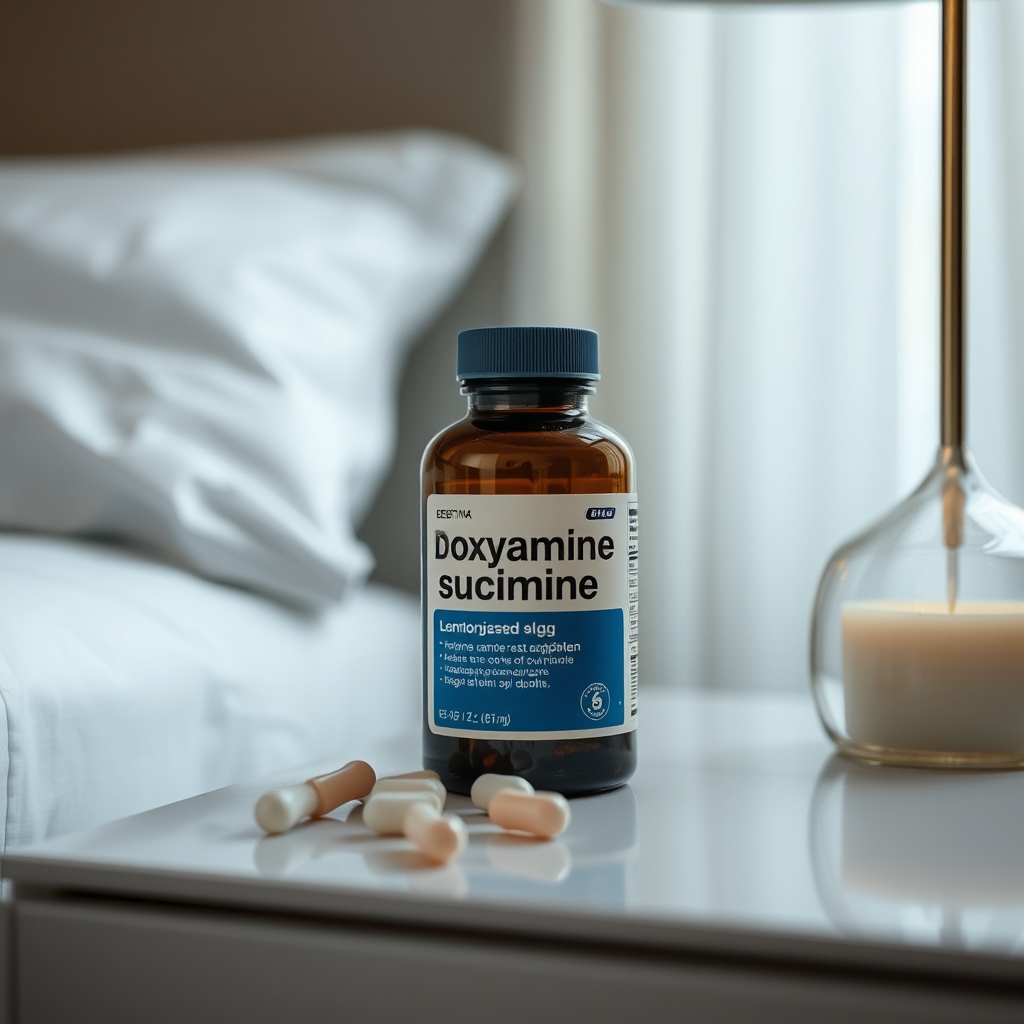
It’s 2 a.m., the nursery is quiet, and a sudden wave of nausea hits you. You reach for the nightstand bottle you’ve kept for occasional insomnia, and a thought pops up: “Is doxylamine succinate safe for pregnancy?” You’re not alone—many expecting parents wonder the same thing, especially after a dose of the over‑the‑counter sleep aid. The short answer is that doxylamine succinate is generally considered low‑risk when used as directed, but it isn’t a blanket “yes” for every trimester or every dose.
In this article we’ll break down exactly what doxylamine succinate is, how it’s classified for pregnancy, the trimester‑specific guidance from bodies like ACOG and the NHS, recommended dosages, possible side effects, and safer alternatives you might consider. We’ll also compare it side‑by‑side with other common cold and sleep medications, so you can make an informed choice without the 3 a.m. panic.
Whether you’re already taking doxylamine succinate, thinking about starting it, or just curious about its safety profile, we’ve compiled the evidence‑based information you need. Let’s dive in, and feel free to keep reading even if you’ve already taken a dose—most of the worries turn out to be manageable.
We also understand that every pregnancy is unique. Your health history, other medications, and how you’re feeling day‑to‑day can all influence whether this medication is the right choice for you. That’s why we’ll flag the moments when a quick chat with your provider can turn uncertainty into confidence.
Keep the medication out of reach of children and store it in a cool, dry place.
Trimester / Breastfeeding
Verdict
Notes
First trimester
⚠️ Use only if recommended
Limited data; ACOG advises lowest effective dose under provider supervision.
Second trimester
✅ Generally safe
Standard dose (12.5 mg) considered low risk for most pregnant people.
Third trimester
✅ Generally safe
Same dosing; monitor for drowsiness that could affect labor.
Breastfeeding
✅ Generally safe
Small amounts pass into milk; most guidelines consider it compatible.
What is doxylamine succinate?
Doxylamine succinate is an antihistamine that belongs to the first‑generation class of H1 blockers. It works by blocking histamine receptors in the brain, which reduces the feeling of nausea and promotes drowsiness. Because of its sedative properties, it is often combined with pyridoxine (vitamin B6) in the prescription medication Diclegis, a common treatment for morning sickness. Over‑the‑counter (OTC) products such as Unisom SleepTabs contain doxylamine succinate alone and are marketed for occasional insomnia.
Pregnant people use doxylamine succinate primarily for two reasons: to alleviate nausea and vomiting—especially in the first and early second trimesters—and to help with sleep when nighttime symptoms interrupt rest. The drug has been on the market since the 1950s and is considered one of the few antihistamines with a longstanding safety record in pregnancy, which is why many obstetricians feel comfortable recommending it when non‑pharmacologic measures fall short.
Pharmacokinetically, doxylamine is absorbed quickly from the gastrointestinal tract, reaches peak plasma concentrations within 2–3 hours, and crosses the placenta in low concentrations. Its half‑life of roughly 10 hours means it can accumulate with frequent dosing, which is why clinicians stress the “no more than three doses per day” rule. The drug is primarily metabolized by the liver and excreted in urine, so people with severe hepatic or renal impairment should discuss dose adjustments with their provider.
Is doxylamine succinate safe during pregnancy?
Current guidance from the American College of Obstetricians and Gynecologists (ACOG) and the UK’s National Health Service (NHS) lists doxylamine succinate as a Category B medication (US FDA) and a “compatible” drug in the UK. This means animal studies have not shown a risk to the fetus, and there are no well‑controlled studies in pregnant people that have demonstrated a clear danger. The FDA’s Pregnancy and Lactation Labeling Rule (PLLR) therefore does not require a “contraindicated” warning for doxylamine succinate.
Most of the safety data come from its use in the combination product Diclegis, which has been studied in large, double‑blind trials involving thousands of pregnant participants. Those studies found no increase in major birth defects, miscarriage, or preterm birth compared with placebo. ACOG’s “Practice Bulletin No. 226” (2023) states that doxylamine succinate, especially when combined with pyridoxine, is a first‑line pharmacologic option for nausea and vomiting of pregnancy (NVP) after dietary changes have failed.
That said, the drug does cross the placenta in low amounts, and because it can cause sedation, it may affect a mother’s ability to stay alert during labor or while caring for a newborn. Therefore, most clinicians advise using the smallest effective dose and limiting use to periods when symptoms are troublesome. If you have high blood pressure, a thyroid condition, or are taking other sedating medications, discuss potential interactions with your provider.
Meta‑analyses comparing first‑generation antihistamines have consistently shown doxylamine to have a similar safety profile to chlorpheniramine and a lower incidence of severe drowsiness than diphenhydramine. This comparative data supports the ACOG recommendation that doxylamine is a reasonable choice when a sedating antihistamine is needed.
Internationally, the World Health Organization (WHO) includes doxylamine‑pyridoxine as a recommended treatment for severe NVP, underscoring its global acceptance as a relatively safe option when other measures are insufficient.
Is doxylamine succinate safe during first trimester?
The first trimester is the period of organogenesis, when the fetus’s major organs are forming, making it the window of highest vulnerability to teratogens. While doxylamine succinate has not been linked to birth defects, the data are less robust than for later trimesters. ACOG recommends that clinicians consider the medication only after non‑pharmacologic strategies have been tried and when the expected benefit outweighs any theoretical risk.
If you’re experiencing severe nausea that interferes with nutrition or hydration, a low dose (12.5 mg) of doxylamine succinate is often deemed acceptable. However, routine use solely for sleep during the first trimester should be discussed with your obstetrician, who may suggest alternative sleep hygiene measures first.
It’s also worth noting that many women experience “morning sickness” during the first trimester, and uncontrolled nausea can lead to dehydration and weight loss. In those cases, the benefit of modest symptom relief generally outweighs the minimal theoretical risk, especially when the medication is taken intermittently rather than continuously.
Because the placenta is still developing, some providers prefer to limit exposure to any medication that crosses it, even at low levels. If you have a history of miscarriage or other early‑pregnancy complications, bring those concerns to your prenatal visit so your care team can tailor a plan that feels safe for you.
Is doxylamine succinate safe during second trimester?
By the second trimester, the risk of major structural anomalies has largely passed, and the safety data for doxylamine succinate become stronger. Studies of Diclegis, which includes doxylamine, show no increase in adverse pregnancy outcomes when used throughout the second trimester. Most providers consider a standard dose of 12.5 mg every 6 hours (up to three doses per day) safe for controlling nausea and aiding sleep.
Because the drug’s sedative effect can still cause daytime drowsiness, it’s advisable to take the last dose at least 4–6 hours before any planned activity that requires alertness, such as driving.
Second‑trimester nausea often eases, but for the subset of people who continue to suffer, doxylamine remains a go‑to option. It can also be combined with vitamin B6 supplements, a strategy shown to improve symptom control without increasing risk.
Women who develop gestational diabetes in the second trimester may wonder whether doxylamine affects blood sugar. The medication does not impact glucose metabolism, so it remains an acceptable option for those managing diabetes, provided the usual dosing limits are observed.
Is doxylamine succinate safe during third trimester?
In the third trimester, the primary concerns shift toward labor and delivery. Doxylamine succinate does not appear to affect uterine contractility, but excessive sedation could mask early signs of labor or reduce a mother’s ability to push effectively. Most obstetric specialists continue to view it as low risk, especially at the standard 12.5 mg dose, but they recommend taking the medication earlier in the day to avoid nighttime sedation that could interfere with labor monitoring.
If you notice increased drowsiness, difficulty breathing, or any unusual swelling, contact your provider promptly. Some clinicians also advise a short “drug holiday” during the final weeks before delivery to ensure the mother is fully alert for the onset of labor.
For women who develop pre‑eclampsia or gestational hypertension, the antihistamine’s mild anticholinergic properties are generally considered safe, but the overall medication plan should be reviewed by a specialist.
Because the third trimester is also a time when many expectant mothers experience restless legs or difficulty sleeping, doxylamine can be helpful if used judiciously. Still, the balance between symptom relief and maintaining clarity for labor remains a key discussion point with your care team.
Is doxylamine succinate safe while breastfeeding?
The CDC and the American Academy of Pediatrics (AAP) consider doxylamine succinate compatible with breastfeeding. Small quantities pass into breast milk, but concentrations are far below those that would cause sedation in an infant. Mothers are usually advised to monitor their baby for excessive sleepiness after a dose, though this is rare.
To minimize infant exposure, take the medication right after a feeding and wait at least 2 hours before the next nursing session, if possible. This timing strategy aligns with the AAP’s recommendation to “dose after nursing” for most medications that are excreted in milk.
If your baby seems unusually sleepy or fussy after you’ve taken doxylamine, note the timing and discuss it with your pediatrician. In most cases, the benefits of symptom control for the mother outweigh the minimal exposure to the infant.
Dosage of doxylamine succinate for pregnancy
For most OTC sleep products, the recommended adult dose is 12.5 mg (one tablet) taken orally at bedtime. When used for nausea, the dosing schedule often follows a 12.5 mg dose every 6 hours, not exceeding three doses in a 24‑hour period (maximum 37.5 mg per day). The combination product Diclegis is typically prescribed as 10 mg doxylamine plus 10 mg pyridoxine taken twice daily.
When you take the medication with food, absorption is slightly slower, which can soften the peak sedative effect. Many clinicians suggest taking doxylamine with a light snack if you experience stomach upset. If you miss a dose, simply skip it and resume your regular schedule; do not double‑dose to catch up.
People with liver or kidney disease may clear the drug more slowly, so a lower dose or longer interval between doses might be warranted. Always let your provider know about any chronic conditions before starting doxylamine, especially if you’re also taking other medications that are processed by the same pathways.
Formulation
Typical dose
Maximum per day
Brand examples
OTC sleep tablet (doxylamine succinate)
12.5 mg at bedtime
12.5 mg
Unisom SleepTabs
OTC nausea (single‑ingredient)
12.5 mg every 6 hours
37.5 mg
None commonly marketed; doctors often prescribe Diclegis
Prescription combo (Diclegis)
10 mg doxylamine + 10 mg pyridoxine twice daily
20 mg doxylamine
Diclegis, Bonjesta
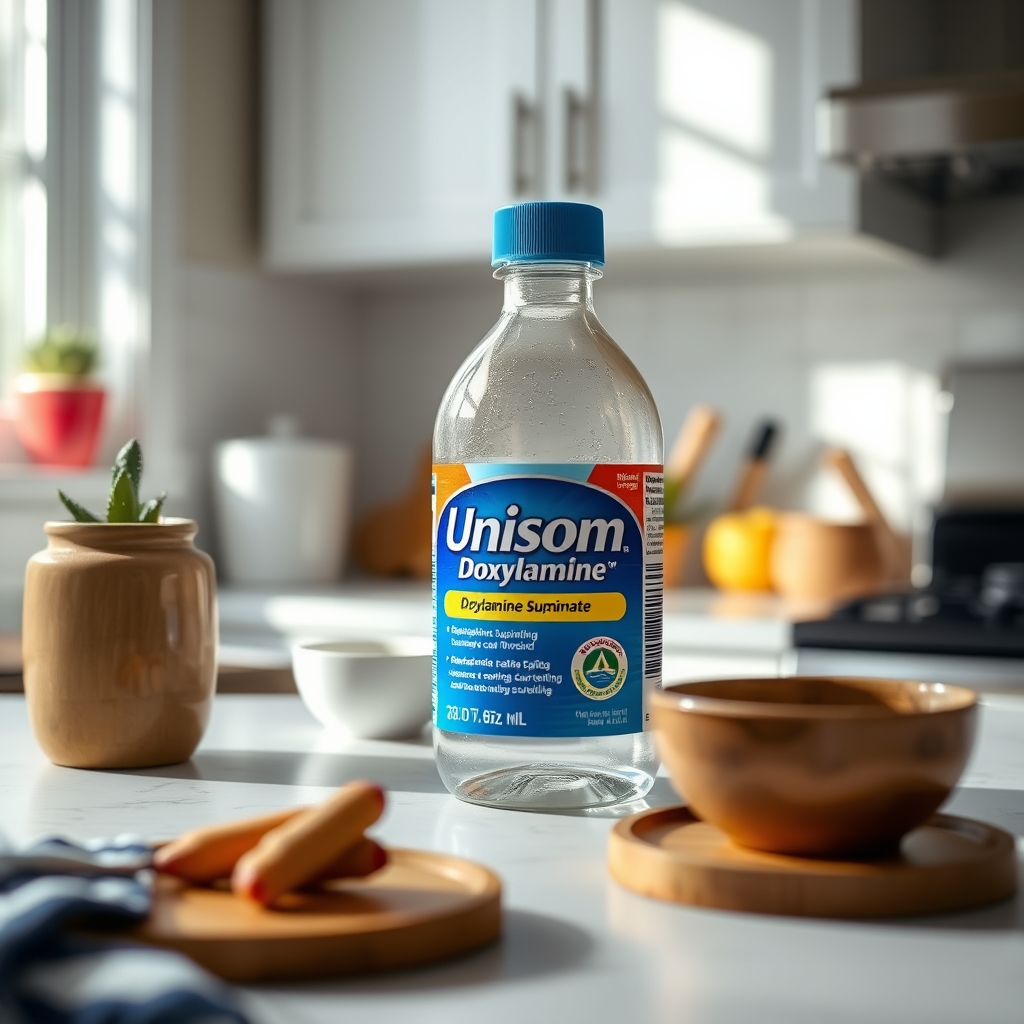
Unisom is a common OTC brand that contains doxylamine succinate.
Doxylamine succinate side effects in pregnancy
Like other first‑generation antihistamines, doxylamine succinate can cause drowsiness, dry mouth, constipation, and blurred vision. These effects are usually mild and transient. In rare cases, people experience dizziness, urinary retention, or paradoxical excitement (especially in children, but occasionally in adults).
More serious concerns arise when doxylamine is combined with other sedating agents, such as diphenhydramine or certain antidepressants, which can amplify central nervous system depression. If you notice any of the following, contact your provider promptly:
Severe or persistent dizziness
Rapid heartbeat or palpitations
Swelling of the face, lips, or throat (sign of an allergic reaction)
Unusual fetal movement changes
Signs of high blood pressure (headache, vision changes, swelling)
Because constipation can be a side effect, staying well‑hydrated and consuming fiber‑rich foods can help offset it. If dry mouth becomes bothersome, sugar‑free lozenges or a sip of water can provide relief without adding calories.
Can doxylamine succinate cause constipation in pregnancy?
Constipation is a common complaint in pregnancy due to hormonal changes that slow gastrointestinal motility. Doxylamine succinate’s anticholinergic properties can modestly worsen this effect, but the impact is usually mild. Drinking plenty of water, eating high‑fiber foods (like fruits, vegetables, and whole grains), and gentle exercise can keep bowel movements regular while you take the medication.
Is doxylamine succinate safe for people with asthma?
Asthma itself does not contraindicate doxylamine succinate, but the medication can cause a mild drying of the airway, which might trigger coughing in some individuals. Most obstetricians consider it safe for pregnant patients with well‑controlled asthma, though you should discuss any recent flare‑ups with your provider before starting the drug.
Can doxylamine succinate be used for hyperemesis gravidarum?
Hyperemesis gravidarum (HG) is a severe form of nausea and vomiting that may require hospitalization. While doxylamine‑pyridoxine is often part of the first‑line regimen for moderate NVP, clinicians sometimes add it to more aggressive treatments for HG. The medication’s safety profile remains the same, but dosing may be adjusted under close supervision. In severe cases, intravenous fluids and anti‑emetics such as ondansetron are typically prioritized, with doxylamine added as an adjunct if oral intake becomes possible.
Is doxylamine succinate safe for twins or higher‑order multiples?
Pregnancies with twins or higher‑order multiples have a higher baseline risk for complications, but the pharmacokinetics of doxylamine do not change dramatically. The same dosing guidelines apply, though your obstetrician may monitor you a bit more closely for sedation and blood pressure changes. There is no evidence that the medication poses additional risk solely because of multiple fetuses.
Can I take doxylamine succinate with prenatal vitamins?
Yes, doxylamine succinate does not interact with the typical components of prenatal vitamins (iron, folic acid, calcium, DHA, etc.). However, some prenatal formulas contain high doses of vitamin B6, which can also help with nausea. If you’re already taking a B6‑rich prenatal vitamin, you might not need the combination product Diclegis and could opt for the lower‑dose OTC version instead. Always review your supplement list with your provider to avoid unnecessary duplication.
Safer alternatives to doxylamine succinate for pregnancy
If you’re looking for ways to manage nausea or improve sleep without relying on doxylamine, a number of evidence‑based options exist. Many of these alternatives are non‑pharmacologic, which eliminates any potential medication‑related risk while still offering relief.
Benadryl (diphenhydramine) – another antihistamine that can help with nausea, but it may cause more pronounced drowsiness.
Tylenol PM – combines acetaminophen with diphenhydramine for sleep; safe for occasional use, but avoid if you have liver concerns.
Melatonin – a hormone supplement that regulates sleep cycles; generally regarded as safe in low doses, though data in pregnancy are limited.
Valerian root – herbal sleep aid with a calming effect; modest evidence of safety, but avoid high doses and consult your provider.
Chamomile tea – a caffeine‑free herbal tea that can promote relaxation; safe in moderate amounts, but avoid excessive consumption.
Ginger capsules or tea – widely studied for nausea relief; considered safe by the NHS and ACOG when taken in typical culinary doses (up to 1 g per day).
Vitamin B6 (pyridoxine) alone – many guidelines list it as a first‑line option for mild to moderate nausea; doses up to 100 mg daily are generally well tolerated.
Acupressure wrist bands – non‑pharmacologic option that applies pressure to the P6 point; safe and can reduce nausea for some people.
Related items – safety at a glance
Below is a quick reference for other common antihistamines, decongestants, and supportive agents that pregnant people often ask about. Use this table to compare their pregnancy safety profiles side‑by‑side with doxylamine succinate.
Item
Verdict
One‑line note
Diphenhydramine
⚠️ Use with caution
First‑generation antihistamine; can cause strong sedation.
Chlorpheniramine
✅ Generally safe
Mild antihistamine; less drowsiness than diphenhydramine.
Pseudoephedrine
⚠️ Talk to your doctor
Decongestant; may raise blood pressure.
Phenylephrine
⚠️ Talk to your doctor
Decongestant; limited safety data.
Guaifenesin
✅ Generally safe
Expectorant; low risk of fetal effects.
Acetaminophen
✅ Generally safe
Pain reliever/fever reducer; avoid high chronic doses.
Ginger (supplement)
✅ Generally safe
Effective for nausea; up to 1 g/day recommended.
Melatonin
⚠️ Limited data
Sleep hormone; low‑dose use often considered safe.
Myth vs. fact
Myth: Doxylamine succinate is a “dangerous” teratogen that should be avoided entirely.
Fact: Current ACOG and NHS guidelines classify it as low‑risk when used at recommended doses; it is not linked to birth defects.
Myth: All antihistamines cause the same level of drowsiness.
Fact: Doxylamine succinate is more sedating than chlorpheniramine but less so than diphenhydramine for many individuals.
Myth: If a medication is safe for the mother, it’s automatically safe for the baby.
Fact: Safety in pregnancy considers both maternal and fetal effects; doxylamine succinate’s low placental transfer makes it acceptable, but each case should be individualized.
Myth: Over‑the‑counter sleep aids are always safe because they’re “non‑prescription.”
Fact: Even OTC drugs can affect fetal development or maternal health; doxylamine succinate is an example where dosing and timing matter.
Key takeaways
✅ Doxylamine succinate is generally considered safe for pregnancy when used at the lowest effective dose.
⚠️ First‑trimester use should be limited to cases where nausea threatens nutrition or hydration.
Standard dosing is 12.5 mg every 6 hours (max 37.5 mg/day) for nausea; 12.5 mg at bedtime for sleep.
Potential side effects include drowsiness, dry mouth, and rare allergic reactions.
Discuss any concurrent sedating meds or health conditions with your provider before starting.
Non‑pharmacologic approaches (hydration, ginger, acupressure) can reduce the need for medication.
Frequently asked questions
can you take doxylamine succinate while pregnant
Yes, you can, but only at the recommended dose and preferably after consulting your obstetrician. The drug is classified as low‑risk, especially after the first trimester.
what are the risks of taking doxylamine succinate during pregnancy
Risks are mainly related to sedation and dry mouth; there is no evidence of birth defects, but excessive drowsiness could affect daily functioning and labor monitoring.
how much doxylamine succinate is safe during pregnancy
The safe amount is 12.5 mg every 6 hours for nausea (up to 37.5 mg per day) or a single 12.5 mg tablet at bedtime for sleep, not exceeding three doses in 24 hours.
doxylamine succinate and breastfeeding
It is considered compatible with breastfeeding; small amounts pass into milk, but no adverse effects in infants have been reported. Take the dose after feeding and monitor the baby for unusual sleepiness.
can doxylamine succinate cause birth defects
Current evidence does not link doxylamine succinate to birth defects. Both ACOG and the NHS list it as low‑risk when used according to guidelines.
doxylamine succinate and high blood pressure in pregnancy
Doxylamine succinate itself is not known to raise blood pressure, but if you have pre‑eclampsia or gestational hypertension, discuss any antihistamine use with your provider.
doxylamine succinate and morning sickness
It is one of the first‑line pharmacologic treatments for morning sickness, especially when combined with pyridoxine; many women find it effective after dietary changes fail.
what should I do if I miss a dose of doxylamine succinate
Skip the missed dose and resume your regular schedule; do not double‑dose to make up for the missed tablet. If you’re unsure, call your provider for guidance.
is it safe to combine doxylamine succinate with acetaminophen
Yes, the combination is common in products like Tylenol PM, but keep each component within its recommended daily limit. If you’re already taking acetaminophen for pain, add doxylamine only if your provider approves.
can I use doxylamine succinate with other sleep aids?
Combining doxylamine with other over‑the‑counter sleep aids (like diphenhydramine or melatonin) can increase sedation and should be avoided unless your provider specifically approves the combination.
what if I have a history of depression—can I still take doxylamine succinate?
Doxylamine is not known to worsen depression, but because it can cause drowsiness, you should discuss any mental‑health history with your obstetrician to ensure the medication fits safely into your overall treatment plan.
When to call your doctor
If you experience any of the following after taking doxylamine succinate, contact your provider right away: severe dizziness, palpitations, swelling of the face or limbs, sudden drop in fetal movement, or signs of an allergic reaction such as hives or difficulty breathing. Also, if nausea persists despite the medication, or if you need to use the drug for more than a week without relief, schedule a follow‑up. This information is for educational purposes only and does not replace personalized medical advice.
References
American College of Obstetricians and Gynecologists. Practice Bulletin No. 226: Nausea and Vomiting of Pregnancy, 2023.
National Health Service (NHS). “Antihistamines and pregnancy,” updated 2022.
U.S. Food and Drug Administration. Pregnancy and Lactation Labeling Rule (PLLR), 2020.
Centers for Disease Control and Prevention (CDC). “Medication Use in Pregnancy,” 2021.
Mayo Clinic. “Doxylamine (Oral Route) Dosage,” accessed July 2024.
World Health Organization (WHO). “Guidelines for the Management of Nausea and Vomiting of Pregnancy,” 2021.
National Institute for Health and Care Excellence (NICE). “Hyperemesis gravidarum: treatment and care,” 2022.
American Academy of Pediatrics (AAP). “Breastfeeding and Medication Use,” 2023.
Not sure about the label on Is Doxylamine Succinate Safe During Pregnancy products?
Snap the ingredients list and SafeFilter checks every ingredient for your stage — only 3 free scans this month, then you're locked until reset. Unlimited from $7/mo or $50/yr.
When Shubhra Mishra was expecting her first child in 2016, she was overwhelmed by conflicting food advice — one site said yes, another said never. By the time her second baby arrived in 2019, she realized millions of mothers face the same confusion.
That sparked a five-year journey through clinical nutrition papers, cultural diets, and expert conversations — all leading to BumpBites: a calm, compassionate space where science meets everyday motherhood.
Her long-term vision is to build a global community ensuring safe, supported, and free deliveriesfor every mother — because no woman should face pregnancy alone or uninformed. 🌿
🌍 Stand with mothers, shape safer guidance
Join a small circle of experts who review BumpBites articles so expecting parents everywhere can decide with confidence.